Rosemarino D'Italia - Dupont
On Connecticut Avenue in Dupont Circle, Rosemarino D'Italia brings Italian culinary tradition to one of Washington D.C.'s most active dining corridors. The restaurant operates in a neighbourhood where global techniques meet locally sourced Mid-Atlantic produce, placing it within a growing tier of Italian kitchens that draw on regional American ingredients without abandoning classical structure. It is an address worth knowing for those who follow Italian cooking outside the obvious tourist circuits.
Pearl is the En Primeur Club membership app — saves, bookings, and concierge access live there. Same editors, same standards.
- Address
- 1714 Connecticut Ave NW, Washington, DC 20009
- Phone
- +12027331466
- Website
- rosemarinoditalia.com
- Directions
- Get directions
 Saves & bookings on Pearl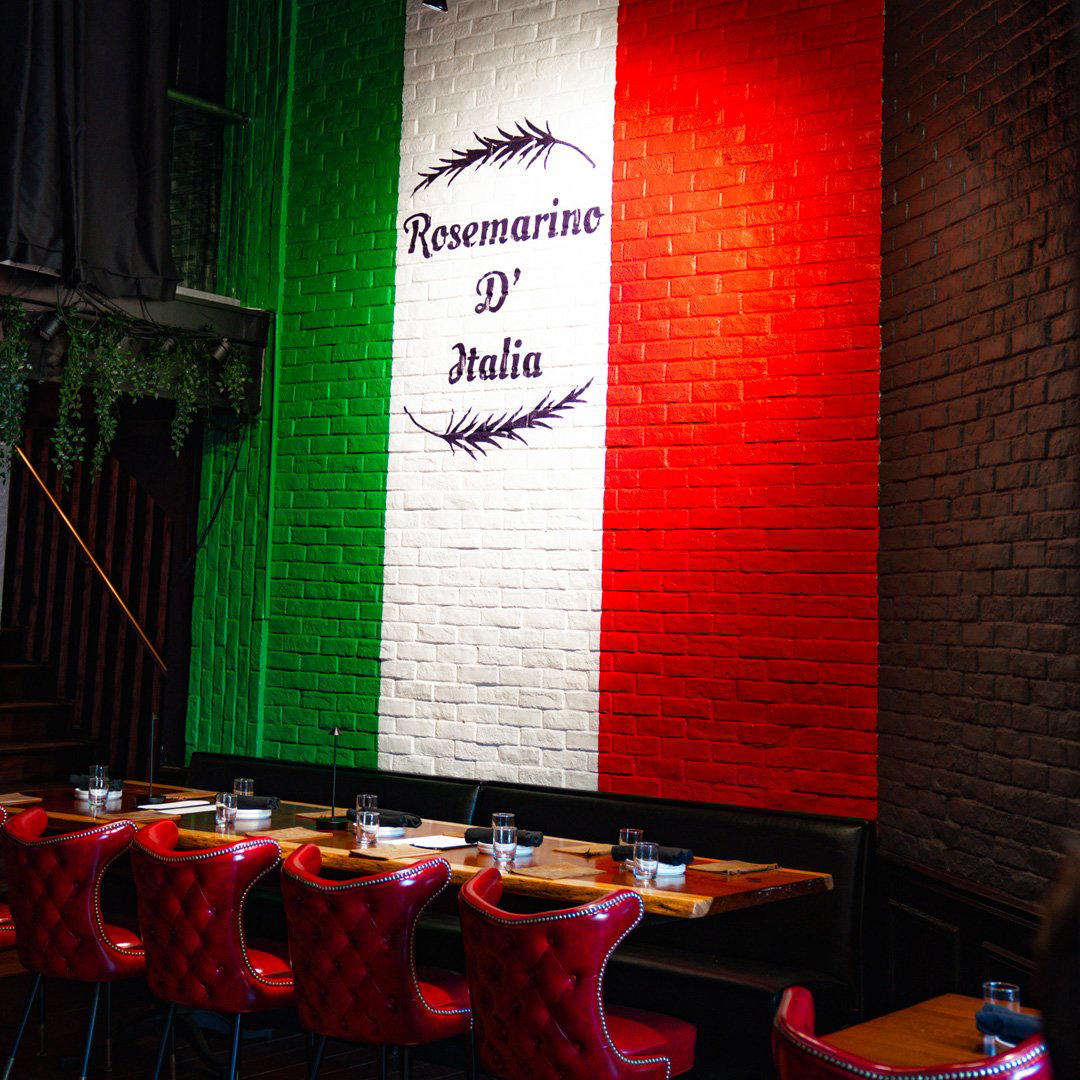
Connecticut Avenue and the Italian Table
Rosemarino D'Italia - Dupont is an Authentic Italian Trattoria at 1714 Connecticut Ave NW, Washington, DC 20009, with a $35 per-person price point. Connecticut Avenue in particular draws a mix of residents, professionals, and the occasional out-of-towner who has done enough research to stray from the Mall. On that stretch, Rosemarino D'Italia occupies the kind of position that Italian restaurants in American cities increasingly find themselves: expected to honor a canon that diners know well, while sourcing from a geography that has nothing to do with Italy.
That tension is, in many ways, interesting story in Italian cooking outside Italy right now. The question for any serious Italian kitchen in the United States is how far it can reach into local produce and still hold the structural logic of the cuisine together. Mid-Atlantic ingredients, in particular, offer both opportunity and friction. The Chesapeake watershed produces shellfish and fish with no direct Italian equivalent. Virginia and Maryland farms supply greens, roots, and alliums whose flavour profiles are close enough to push into Italian formats, but distinct enough to require a cook who understands the original framework deeply enough to adapt it without dissolving it.
Where Rosemarino D'Italia Sits in D.C.'s Italian Tier
Washington D.C. does not have the dense Italian-American neighbourhood tradition of New York or Boston. What it has instead is a more recent cohort of Italian restaurants that arrived as the city's dining culture matured in the 2010s, and a dining public that has been educated by exposure to serious Italian cooking in Europe and in other American cities. That audience expects more than red-sauce familiarity. It expects structural accuracy, seasonal rotation, and some engagement with the sourcing conversation that now defines premium dining across the city.
Among the Italian addresses in D.C. Rosemarino D'Italia on Connecticut Avenue at 1714 positions itself in Dupont Circle, a neighbourhood that also supports a range of other serious cooking. Nearby, restaurants like Causa (Peruvian, $$$$) and Oyster Oyster (New American, $$$) demonstrate the breadth of the area's serious-restaurant tier. Further across the city, the comparison set expands to include Albi in its Middle Eastern register and Jônt and minibar at the upper technical tier. Italian cooking in D.C. occupies a different lane from those reference points, one more reliant on tradition as a framework than on innovation as a selling point, but the diners cycling through Dupont's better tables are the same people.
The Seasonal Angle: Why Timing Matters for Italian in the Mid-Atlantic
For Italian cooking in this part of the country, the seasonal calendar carries unusual weight. Late spring and early summer bring ramps, fiddleheads, and soft-shell crabs from the Chesapeake, none of which appear on any Italian grandmother's table but all of which translate into Italian formats with care. Autumn introduces squash and bitter greens that sit more comfortably inside northern Italian tradition. Winter, meanwhile, is when the kitchen's reliance on preserved and cured ingredients shifts the cooking back toward something closer to the Italian source material, when the distance between Mid-Atlantic and Mediterranean narrows somewhat.
Visiting in spring or autumn gives a clearer read on what kind of Italian kitchen this is. A restaurant that holds its classical structure while working with whatever the season produces in the surrounding region is a different operation from one that imports its way through the year. The former requires real command of the cuisine; the latter is safer but less interesting.
Italian Technique in an American Context: The Wider Pattern
The intersection of imported Italian technique and American regional ingredients is not distinctive to Washington. It defines some of the more ambitious Italian-adjacent restaurants across the country. On the tasting-menu end of the spectrum, places like Single Thread Farm in Healdsburg and Blue Hill at Stone Barns in Tarrytown have built their identities around exactly this synthesis, though neither operates as an Italian restaurant per se. Italian restaurants that do it more explicitly, working with Italian structure and American materials simultaneously, occupy a smaller and more demanding niche.
At the technical end of the American fine-dining register, the challenge is documented across kitchens from Le Bernardin in New York City to Providence in Los Angeles and Alinea in Chicago: how to hold the logic of a European culinary tradition while working within a fundamentally different agricultural and cultural geography. Italian cooking adds another layer of complexity because the tradition is so codified at the regional level. A risotto is not a general concept; it is a Milanese one, with specific rice varieties, fat ratios, and finish techniques that either hold or don't. Applying that framework to Chesapeake shellfish or Virginia grains requires a kitchen that understands the original well enough to know which variables can flex.
For context on how this plays out at the highest levels, 8 1/2 Otto e Mezzo Bombana in Hong Kong and The Inn at Little Washington both demonstrate, in different ways, that classical European cooking frameworks survive transplantation when the technical foundations are solid. The editorial interest in Rosemarino D'Italia lies in whether that same durability applies here, in the middle of a D.C. neighbourhood rather than a destination dining room.
Planning Your Visit
Rosemarino D'Italia is located at 1714 Connecticut Ave NW, Washington, DC 20009, in the Dupont Circle neighbourhood. Connecticut Avenue is served by the Dupont Circle Metro station on the Red Line, making it accessible without a car from most parts of the city.
| Causa | Peruvian | $$$$ | D.C. |
| Oyster Oyster | New American / Vegetarian | $$$ | D.C. |
| Albi | Middle Eastern | $$$$ | D.C. |
| Jônt | Modern French / Contemporary | $$$$ | D.C. |
Peers You’d Cross-Shop
Comparable venues nearby, for context on price, style, and recognition.
| Venue | Cuisine | Price | Notes |
|---|---|---|---|
| Rosemarino D'Italia - DupontThis venue — the venue you are viewing | Authentic Italian Trattoria | $$ | Not listed |
| Sette Osteria | Authentic Italian Osteria | $$ | Logan Circle |
| Etto | Neapolitan Pizza & Italian Antipasti | $$ | Logan Circle |
| All-Purpose & AP Pizza Shop | Italian-American pizzeria and AP Pizza Shop counter | $$ | Shaw |
| Wiseguy Pizza | New York-Style Pizza | $$ | Judiciary Square |
| Il Canale | Authentic Neapolitan Pizza | $$ | Waterfront Georgetown |
Continue exploring
More in Washington DC
Restaurants in Washington DC
Browse all →
Bars in Washington DC
Browse all →
Hotels in Washington DC
Browse all →

At a Glance
- Cozy
- Intimate
- Rustic
- Date Night
- Group Dining
- Casual Hangout
- Open Kitchen
- Extensive Wine List
- Craft Cocktails
Current opening hours
- Monday
- 12–9 PM
- Tuesday
- 12–9 PM
- Wednesday
- 12–9 PM
- Thursday
- 12–9 PM
- Friday
- 12–10 PM
- Saturday
- 12–10 PM
- Sunday
- Closed
Hours can change for holidays and private events. Last verified .
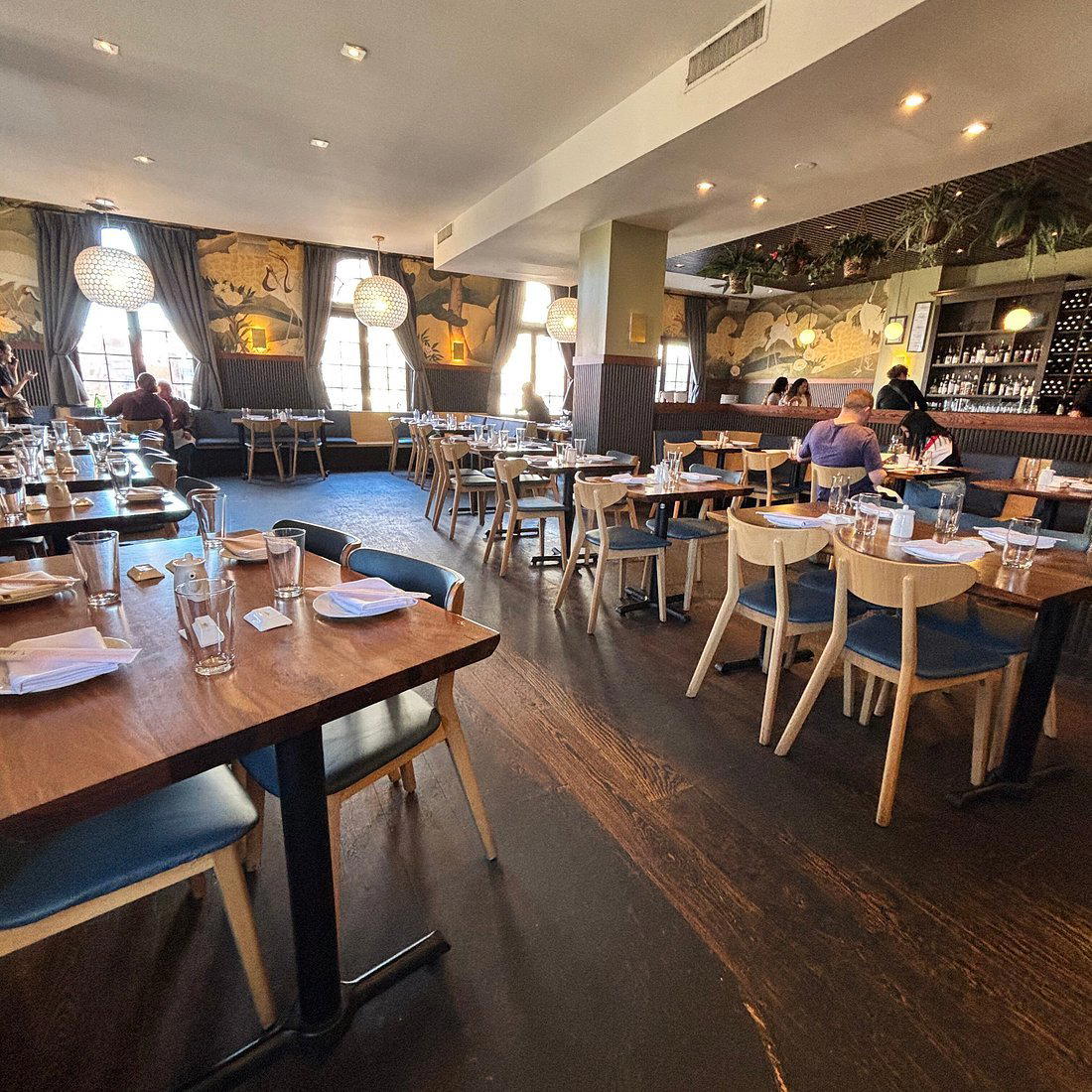
Cozy with soft lighting, moody decor, and an open room feel.