Where Milan Eats Ramen: The Norte Quarter and the Case for Japanese Noodles in Italy Via Ugo Bassi sits in Milan's northern residential belt, away from the Navigli bar circuit and the Brera gallery crowd. The streets here are quieter, the foot...
Pearl is the En Primeur Club membership app — saves, bookings, and concierge access live there. Same editors, same standards.
- Address
- Via Ugo Bassi, 26, 20159 Milano MI, Italy
- Phone
- +39283529210
- Website
- casaramensuper.com
- Directions
- Get directions
 Saves & bookings on Pearl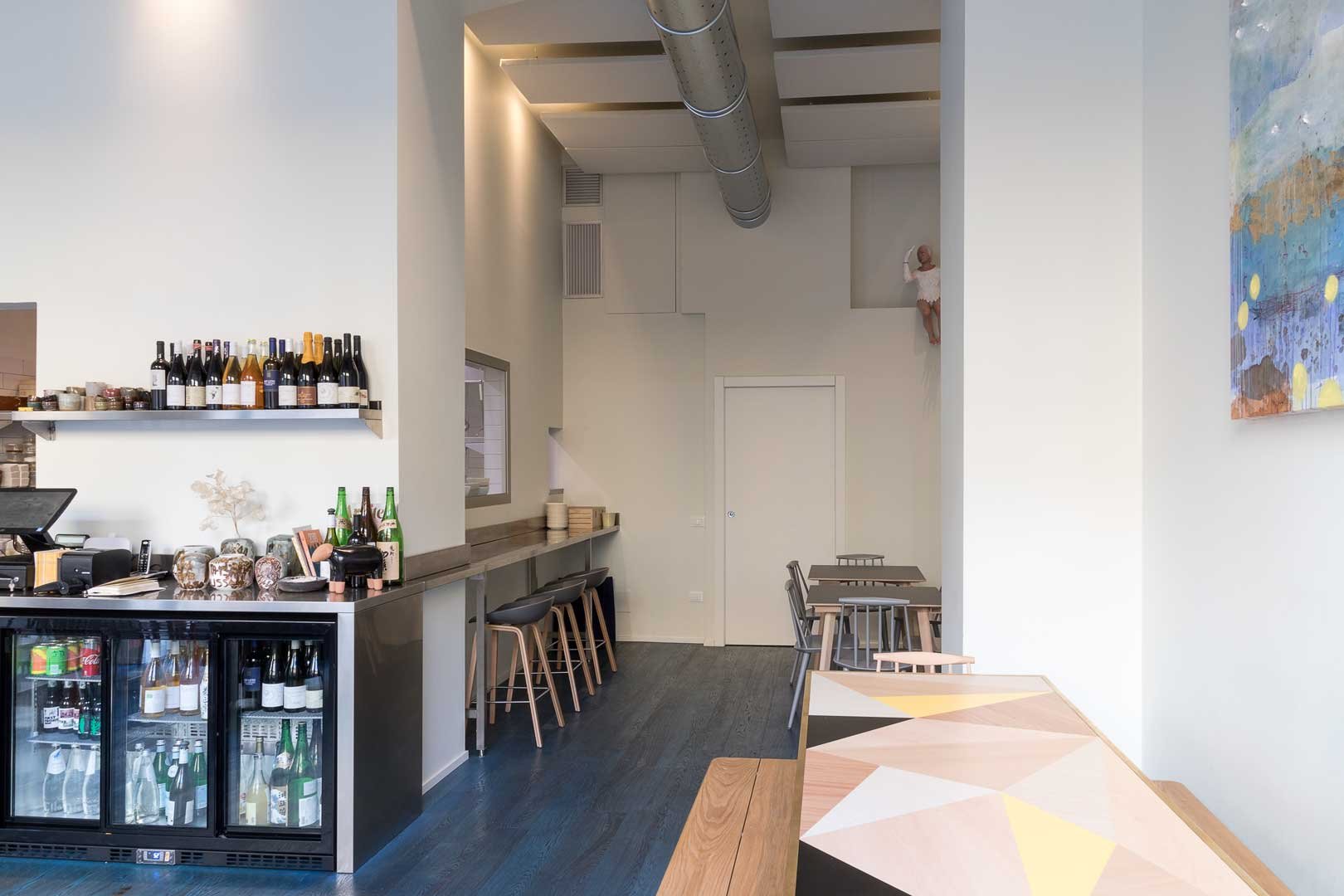
Where Milan Eats Ramen: The Norte Quarter and the Case for Japanese Noodles in Italy
Casa Ramen Super is a restaurant in Milan, serving Contemporary Japanese Ramen & Izakaya at Via Ugo Bassi, 26, 20159 Milano MI, Italy. The streets here are quieter, the foot traffic more local than tourist, and the dining options are shaped by a neighbourhood that feeds itself rather than performs for visitors. It is precisely this context that makes Casa Ramen Super worth understanding: not as an anomaly, but as a signal of how Milan's appetite for Japanese food has matured beyond the city centre novelty phase.
Italian cities have historically resisted ramen with more stubbornness than they've resisted other imported formats. Pizza and pasta hold obvious cultural gravity, and the noodle bowl has had to earn its place through consistency rather than novelty. Milan's ramen scene, small but increasingly serious, has developed along a track similar to what happened in Paris and Amsterdam in the early 2010s: a handful of focused operations building credibility over years, not through fusion or Italianisation, but through technical fidelity to the form. Casa Ramen Super fits this pattern, operating in the northern part of the city where real estate economics allow for a more focused, less theatrical approach to the format.
The Physical Container: Space as Editorial Statement
In the ramen category, the room is rarely incidental. Well-regarded counters in Tokyo, and their counterparts in London, New York, and Paris, share a spatial logic: compact, deliberate, stripped of distraction. The bowl is the architecture. Casa Ramen Super on Via Ugo Bassi follows this logic. The address places it in a low-key residential block, which means the interior is doing most of the work of establishing context.
Milan's ramen operations tend to occupy smaller, purpose-built spaces rather than converted trattorias or repurposed retail units. This matters because ramen requires specific equipment, specific humidity conditions for the kitchen, and a service rhythm that differs from Italian counter dining. The spatial decisions made in a ramen shop, counter height, the distance between seats, the visibility of the kitchen, are functional before they are aesthetic. When a ramen space is well-designed, you feel it through the pace of the meal rather than through the decor.
The editorial angle worth holding here is that European ramen shops which survive beyond their first two years tend to be the ones that committed early to the physical logic of the format rather than adapting it to local comfort expectations. A bowl that takes three days to build in the kitchen deserves a room built around the act of eating it with attention.
Milan's Ramen Context and Where Casa Ramen Super Sits
To understand the restaurant's position, it helps to map the broader tier structure of Japanese food in Milan. At the higher end, the city has tasting-menu-format Japanese and Italian-Japanese hybrids. Below that sits a mid-tier of sushi and izakaya operations, many of which have professionalised significantly over the past decade. The ramen segment occupies a separate track: less about occasion dining, more about frequency and craft. It is the segment where regulars return weekly, where the broth variation between lunch and dinner service actually matters, and where the cooking is evaluated by people who have eaten the format repeatedly across multiple cities.
Milan's higher-end dining scene, anchored by multi-Michelin-starred restaurants like Enrico Bartolini, Cracco in Galleria, Andrea Aprea, and Seta, operates with a different set of priorities: long tasting menus, wine programs, formal service. The ramen format occupies the opposite end of the formality spectrum, with no less technical complexity in the kitchen. The restaurant does not compete in the same register as those operations, but it draws from the same city that has demonstrated appetite for rigorous, craft-driven food at every price point. For a broader map of where Milan's dining scene is heading, see our full Milan restaurants guide.
For reference, Milan's serious Italian dining extends well beyond the city. Italy's nationally recognised kitchens, from Osteria Francescana in Modena to Piazza Duomo in Alba and Dal Pescatore in Runate, set the benchmark for what careful, ingredient-led cooking looks like in this country. Ramen, at its leading, applies a version of that same rigour to a different set of ingredients and a different cultural grammar.
The Format and What It Asks of the Diner
Ramen is not a passive eating experience. The bowl is temperature-sensitive, the noodles continue cooking in the broth, and the toppings are arranged in a sequence that rewards attention. European diners who approach it as they would a bowl of pasta, slowly, conversationally, with pauses, often find the experience less than it should be. The format asks for a kind of focused engagement that Italian dining, with its extended multi-course logic, does not typically require at the bowl stage.
This is part of what makes a well-run ramen shop a specific kind of hospitality proposition. The service has to communicate the eating tempo without being prescriptive. The room has to create focus without being cold. The leading ramen operations in European cities have solved this through layout: sightlines to the kitchen, an audible broth-making process, a physical environment that signals to the diner that what arrives in the bowl took significant time and attention to produce.
Planning Your Visit to Via Ugo Bassi
The restaurant is located at Via Ugo Bassi, 26 in Milan's 20159 postal district, placing it in the northern residential zone of the city. The area is accessible by public transport, and the location means the clientele skews local. Checking current booking status before visiting is advisable for those coming from outside the neighbourhood.
Walk-in availability at well-regarded ramen shops in Milan tends to depend heavily on the day of the week and time of service. Lunch service typically has more flexibility than dinner. Arriving early in a service window, rather than mid-session, improves the odds of a seat without a wait.
Dietary adjustments in the ramen format are worth discussing directly with the kitchen. The broth base is structural to the dish, and modifications to core components may not be possible in the way they would be at a menu-driven restaurant. One reliable approach is to contact the venue before visiting if dietary requirements are specific.
- King Tonkotsu Ramen
- Red Paitan Ramen
- Pork Bao
- Kabocha Dengaku
- Beef Tartare
- Roasted Octopus with Shrimp
Cuisine Lens
Comparable venues nearby, for context on price, style, and recognition.
| Venue | Cuisine | Price | Notes |
|---|---|---|---|
| Casa Ramen SuperThis venue — the venue you are viewing | Contemporary Japanese Ramen & Izakaya | $$ | Not listed |
| Azabu10 | Modern Japanese Omakase | $$$ | Bicocca |
| Baladin Milano | Italian Craft Beer Gastropub | $$ | Brera |
| Ristorante Da Gigi | Traditional Italian Trattoria with Pizza | $$ | Stazione Centrale - Ponte Seveso |
| CANTINE A MARE | Italian Seafood | $$ | Buenos Aires - Porta Venezia - Porta Monforte |
| Marghe Pizza | Neapolitan Pizza | $$ | Xxii Marzo |
Continue exploring
More in Milan
Restaurants in Milan
Browse all →
Bars in Milan
Browse all →
Hotels in Milan
Browse all →
Wineries in Milan
Browse all →
At a Glance
- Trendy
- Cozy
- Modern
- Casual Hangout
- Group Dining
- Solo
- After Work
- Open Kitchen
- Standalone
- Sake Program
Current opening hours
- Monday
- Closed
- Tuesday
- Closed
- Wednesday
- 7:30–11 PM
- Thursday
- 7:30–11 PM
- Friday
- 7:30–11 PM
- Saturday
- 12:30–3 PM, 7:30–11 PM
- Sunday
- 12:30–3 PM, 7:30–11 PM
Hours can change for holidays and private events. Last verified .
Relaxed izakaya-style environment with open kitchen counter seating, social communal table, and classic tables; intimate 25-seat space with a zen, convivial atmosphere.