Rondo Restaurant
Rondo Restaurant occupies a quietly serious position on Planciusstraat in Amsterdam's Westelijke Eilanden, a neighbourhood that has become a reference point for ingredient-led cooking in the city. The kitchen operates with the kind of sourcing discipline that defines the better end of Amsterdam's mid-to-upper dining tier, placing it alongside venues where what arrives on the plate is determined first by what the land and water around the Netherlands can provide. For diners who track provenance as closely as technique, Rondo warrants attention.
Pearl is the En Primeur Club membership app — saves, bookings, and concierge access live there. Same editors, same standards.
- Address
- Planciusstraat 49, 1013 ME Amsterdam, Netherlands
- Phone
- +31628996008
- Website
- rondorestaurant.nl
- Directions
- Get directions
 Saves & bookings on Pearl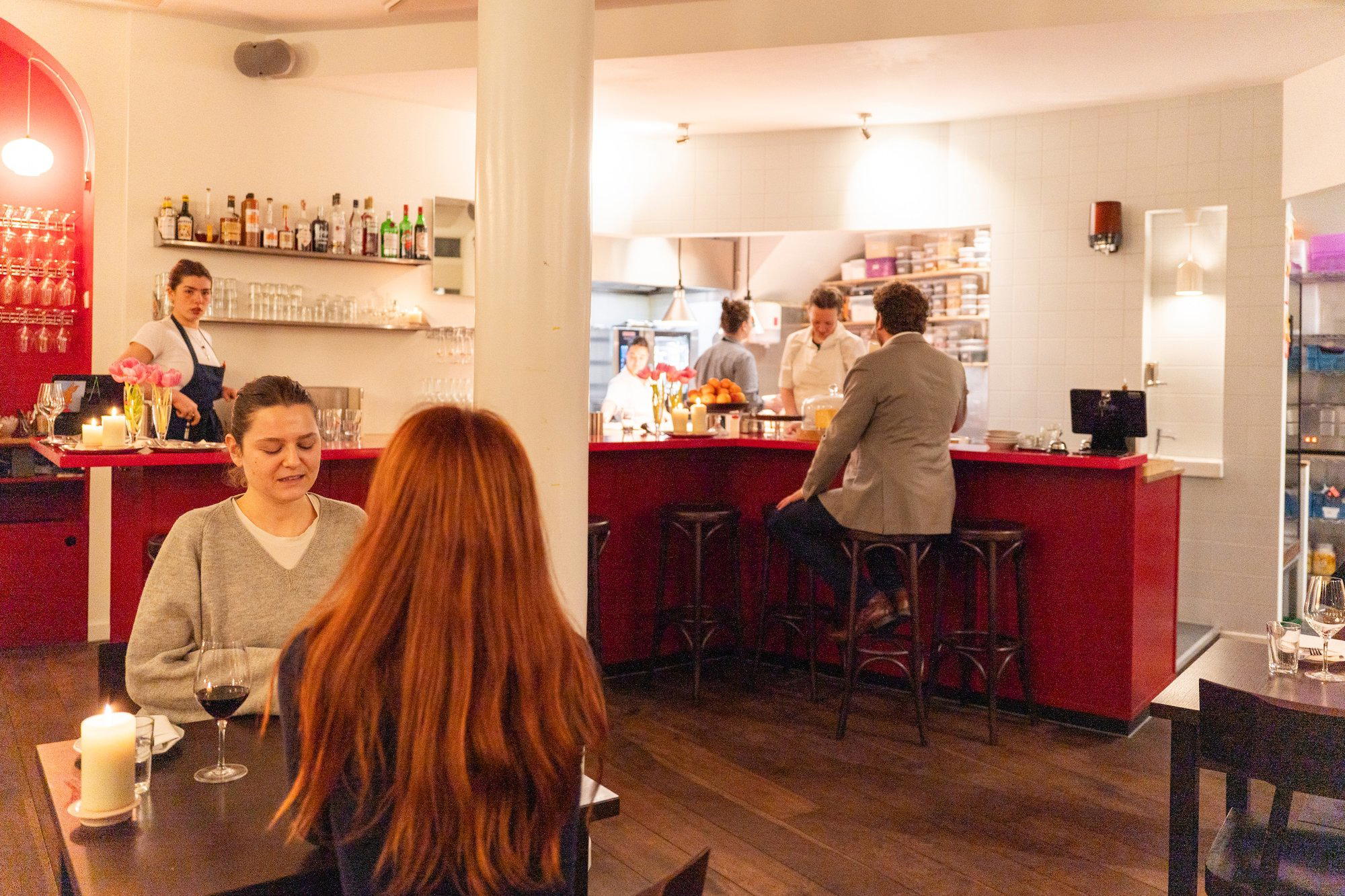
A Street in the Western Islands That Has Learned to Cook
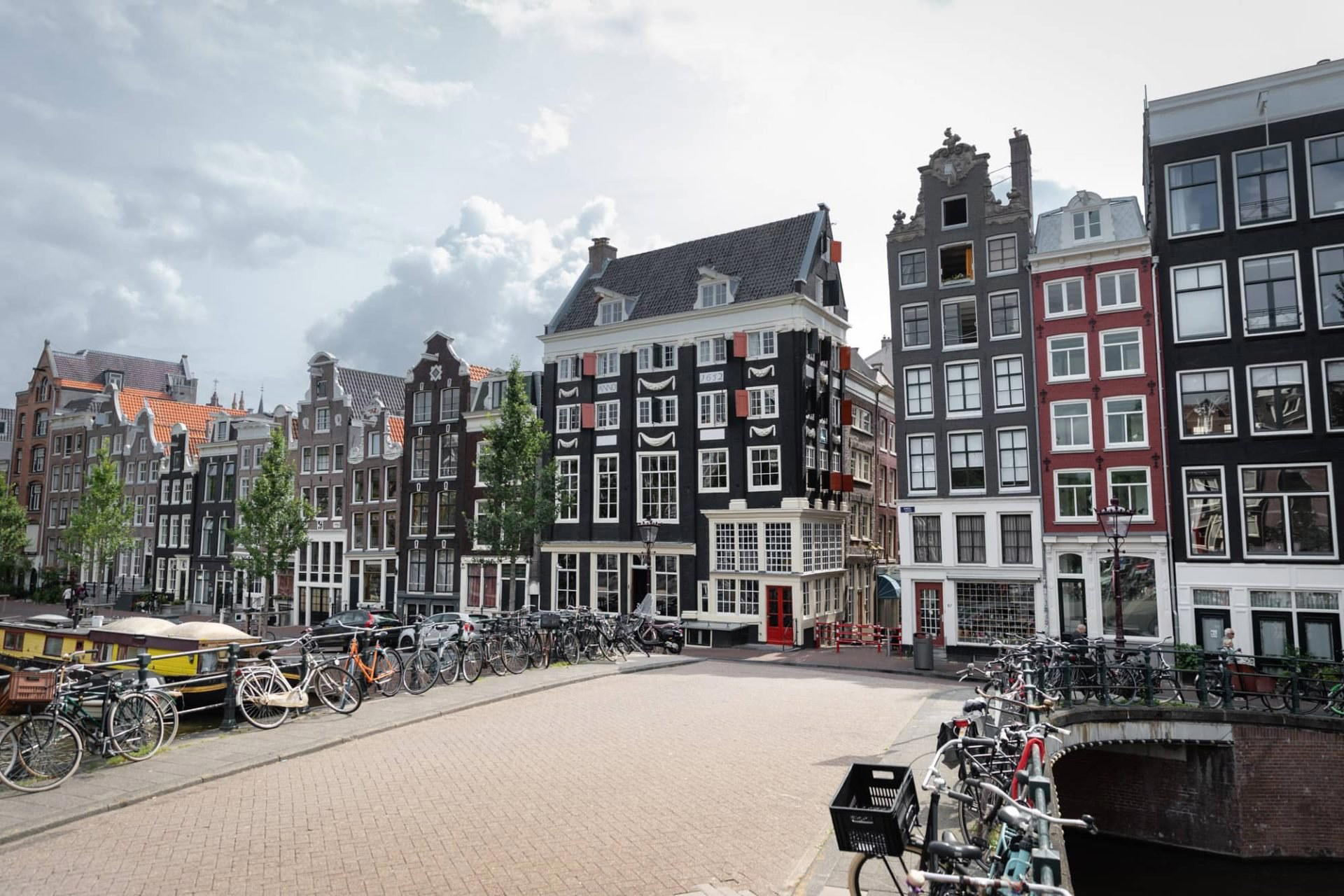
Planciusstraat runs through the Westelijke Eilanden, the cluster of artificial islands built in the seventeenth century to house Amsterdam's maritime trade. The neighbourhood spent most of the twentieth century as working waterfront, then warehouse conversion territory, and has arrived in the current decade as one of the city's more quietly serious dining addresses. It is not the canal-belt restaurant circuit that tourists map in advance, and that distance from the obvious routes is precisely what allows kitchens here to operate with fewer concessions to broad appetite. Rondo Restaurant, at number 49, sits inside that pattern.
Amsterdam's ingredient-led cooking has been consolidating around two distinct models for the better part of a decade. The first is the greenhouse-and-garden format, most associated with De Kas in the Frankendael park, where the growing operation is physically inseparable from the kitchen. The second is the sourcing-network model, where the kitchen itself does not grow but builds relationships with specific farms, fishers, and foragers close enough to the city that supply is seasonal by default rather than by marketing choice. Rondo operates closer to the second model, in a city where that approach has moved from niche positioning to a broadly expected baseline among restaurants charging at the mid-to-upper tier.
Where the Food Comes From, and Why That Question Shapes Everything
The Netherlands sits inside among the more productive agricultural zones in Europe, a fact that its restaurant culture has been slow, historically, to take full credit for. Dutch farming exports at extraordinary scale while domestic fine dining spent decades reaching for French classical models or Mediterranean ingredients. The shift that Amsterdam's better kitchens have made over the past fifteen years is a reorientation toward the country's own supply: North Sea fish, Zeeland shellfish, Frisian dairy, and the vegetables that the polders can produce across a longer season than most visitors assume. That reorientation is the context in which Rondo's kitchen makes its decisions.
Ingredient sourcing at this level is not simply an ethical position; it is a structural constraint that shapes the menu more completely than any stated philosophy. When a kitchen commits to working with what the regional supply chain can provide, it removes the option of defaulting to imported defaults when domestic supply is lean or expensive. The result, in the better cases, is a menu that reads differently in February than in August, not because the team has written two different menus but because the raw material arriving at the kitchen is genuinely different. That kind of seasonality is harder to execute than it appears on a menu card, and it is what separates sourcing-led kitchens from those that use the language without the logistics.
Amsterdam's mid-upper restaurant tier currently includes several kitchens working with comparable sourcing discipline. BAK, on the waterfront in Noord, and Wils, near the Amstel, both operate at the €€€ price point with farm-to-table and world cuisine orientations respectively. Bolenius, in the Zuid business district, runs a kitchen garden alongside its Modern Dutch menu. Rondo's position on Planciusstraat places it in a neighbourhood with fewer direct comparators, which gives the kitchen a degree of local singularity that the more saturated canal belt does not offer. For the city's Michelin-tracked upper tier, Ciel Bleu, Flore, Spectrum, and Vinkeles define the creative end of the market at the €€€€ level. Rondo operates below that price ceiling, which positions it as an accessible entry point into Amsterdam's sourcing-serious cooking without the tasting-menu commitment those addresses require.
The Broader Dutch Scene This Fits Into
Amsterdam is not the only Dutch city producing ingredient-serious cooking. The country's Michelin constellation is spread across smaller cities and rural addresses in a way that surprises visitors who assume the capital absorbs all the talent. De Librije in Zwolle has held three stars for years and remains the reference point for Dutch fine dining at its most technically ambitious. 't Nonnetje in Harderwijk and Aan de Poel in Amstelveen demonstrate how the mid-sized-city and near-Amsterdam format can sustain serious kitchens. Further afield, Brut172 in Reijmerstok, De Bokkedoorns in Overveen, De Groene Lantaarn in Staphorst, De Lindehof in Nuenen, De Lindenhof in Giethoorn, De Nieuwe Winkel in Nijmegen, and De Treeswijkhoeve in Waalre together sketch a national scene in which ingredient sourcing and regional identity are not optional add-ons but the organising principle of serious kitchens. Rondo's positioning in Amsterdam's Westelijke Eilanden connects to that national pattern from within the capital's boundaries.
For international context, the sourcing-led model Amsterdam has adopted mirrors what kitchens like Le Bernardin in New York City demonstrated with seafood specificity, or what Atomix in New York City has done with ingredient narrative inside a tasting format. The principle that supply-chain decisions are cooking decisions, not just procurement decisions, has moved from avant-garde positioning to a broadly understood standard at the upper end of the market globally. Amsterdam's better kitchens, Rondo among them, are working within that shift rather than ahead of it.
Visitors comparing Amsterdam's seafood-forward cooking to the classic end of the market should also consider Bistro de la Mer, which holds the €€€ tier with a classic cuisine approach and offers a useful reference point for how differently two kitchens at a similar price level can read when one prioritises sourcing discipline and the other prioritises tradition of preparation.
Know Before You Go
Address: Planciusstraat 49, 1013 ME Amsterdam, Netherlands
Neighbourhood: Westelijke Eilanden (Western Islands), west of Centraal Station
Reservations: Recommended.
Pricing: €€€.
Dietary requirements: Contact the restaurant in advance if allergies or restrictions apply.
Getting there: The Westelijke Eilanden is walkable from Amsterdam Centraal (approximately 15 minutes on foot) and served by several tram and bus routes to Haarlemmerplein.
What It’s Closest To
Comparable venues nearby, for context on price, style, and recognition.
| Venue | Cuisine | Price | Notes |
|---|---|---|---|
| Rondo RestaurantThis venue — the venue you are viewing | Modern European Fine Dining | $$$ | Not listed |
| Shakerato | Cocktail Bar | $$$ | Vondelparkbuurt Oost |
| Noorderlicht Café | Sustainable Dutch Cafe with Vegetarian Focus | $$ | NDSM terrein |
| Blauw | Modern Indonesian Rijsttafel | $$$ | Willemsparkbuurt Noord |
| Bonboon | Vegan Fine Dining | $$$ | Elandsgrachtbuurt |
| Bhatti Pasal | Authentic Nepalese | $$ | Begijnhofbuurt |
Continue exploring
More in Amsterdam
Restaurants in Amsterdam
Browse all →
Bars in Amsterdam
Browse all →
Hotels in Amsterdam
Browse all →
Wineries in Amsterdam
Browse all →
At a Glance
- Modern
- Elegant
- Date Night
- Special Occasion
- Open Kitchen
- Local Sourcing
Current opening hours
- Monday
- Closed
- Tuesday
- Closed
- Wednesday
- 5–11 PM
- Thursday
- 5–11 PM
- Friday
- 5 PM–12 AM
- Saturday
- 5 PM–12 AM
- Sunday
- Closed
Hours can change for holidays and private events. Last verified .
Inviting space where kitchen and bar form a cohesive whole, providing a sense of calm and overview.