Bonboon

Bonboon on Rozenstraat is one of Amsterdam's few dedicated 100% plant-based fine dining restaurants, where an eight-week rotating menu treats vegetables as the main event rather than a dietary concession. There are no meat substitutes, no imitation products, only produce handled with the same precision and technique that defines the city's broader creative dining scene.
Pearl is the En Primeur Club membership app — saves, bookings, and concierge access live there. Same editors, same standards.
- Address
- Rozenstraat 12, 1016 NX Amsterdam, Netherlands
- Phone
- +31 20 810 0945
- Website
- bonboon.nl
- Directions
- Get directions
 Saves & bookings on Pearl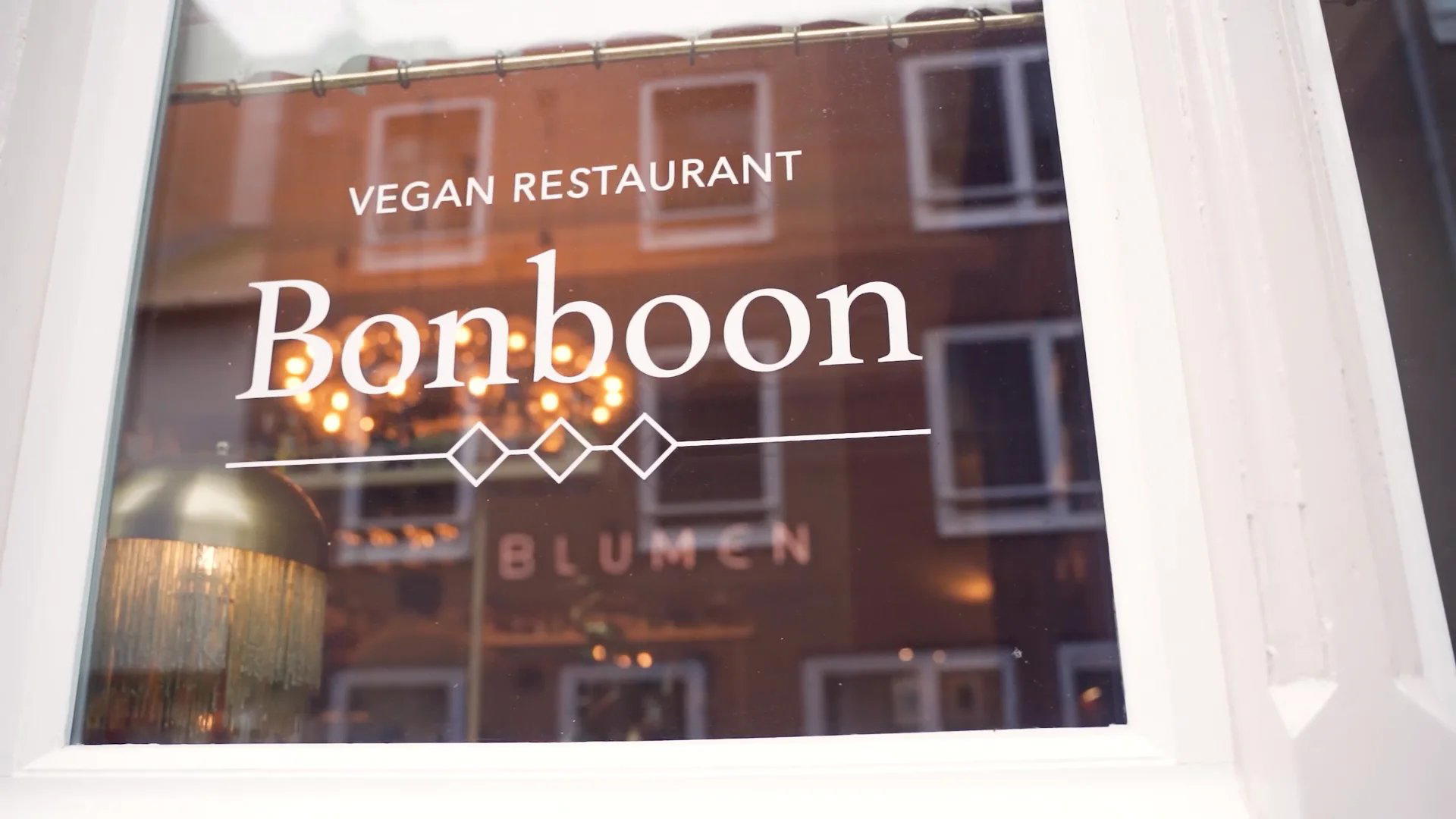
A Different Kind of Fine Dining on Rozenstraat
Bonboon is a restaurant in Amsterdam’s Jordaan, at Rozenstraat 12, serving vegan fine dining with a recommended reservation policy and a price point of about $65 per person. Rozenstraat, a quiet canal-side street threading through the neighbourhood's western edge, fits that pattern well. Approaching Bonboon, the setting is modest and deliberate, no theatrical facade, no street-level spectacle. The signal here is restraint, and that restraint turns out to be programmatic rather than accidental.
Fine dining in Amsterdam has fragmented considerably over the past decade. The upper tier, represented by addresses like Ciel Bleu, Spectrum, and Vinkeles, operates within a recognisable European luxury idiom. Below that, a middle tier has grown more confident in its identity, drawing on Dutch seasonal produce and technique-forward cooking to establish a distinct local register. Bonboon occupies a narrower position within that middle tier: one of the few Amsterdam restaurants operating a fully plant-based fine dining programme, with no meat substitutes and no imitation proteins anywhere on the menu.
The Ritual of the Vegetable-Led Menu
The dining ritual at Bonboon is structured around the menu's own internal logic. Every eight weeks, the kitchen releases a new programme built around a seasonal selection of vegetables. That cycle is short enough to maintain genuine urgency about produce, dishes are responsive to what is arriving in its leading form, but long enough to allow the kitchen to develop compositions with real depth rather than improvising week to week. The result is a meal with a clear sense of authorship and direction, one that rewards attention rather than passive consumption.
This format sits within a broader shift in serious European vegetable cooking. The old model treated a plant-based tasting menu as a series of garnish-inspired plates, leaning on cheese, cream, and egg to compensate for the absence of protein. The more current approach, which Bonboon represents, treats the vegetable as structurally complete, capable of carrying texture, umami, fat, and contrast without supplementation. Flavour balance and technique replace substitution as the organising principle. In that sense, a meal at Bonboon asks something of the diner: engagement with combinations that may be unfamiliar, and a willingness to measure the cooking on its own terms rather than against a more conventional reference point.
The programme is led by Aitziber Renteria and Daphne Althoff. Their stated commitment is to produce that speaks clearly without concealment, and the eight-week rotation keeps that commitment structurally honest, the menu cannot coast on a signature dish or a crowd-pleasing staple for longer than two months before the whole framework refreshes.
Where Bonboon Sits in the Amsterdam Dining Scene
Amsterdam's creative dining scene has generated a range of approaches to vegetable-forward cooking. Bolenius operates a modern Dutch programme in which vegetables and herbs from its kitchen garden play a prominent structural role, though the menu is not exclusively plant-based. Restaurants like De Kas have built long-term reputations around organic, garden-sourced produce in a mid-range format. Bonboon's distinction is the categorical commitment: no meat, no fish, no substitution, and a fine dining price and pacing structure that places the work squarely in the same tier as meat-led tasting menus.
That positioning matters for understanding what the restaurant is attempting. This is not a wellness concept or a dietary accommodation, it is a technical argument that vegetables, when treated with the same rigour applied to protein-centred cooking, can sustain the full architecture of a contemporary tasting menu. The argument is made course by course, and the eight-week rotation means it is made freshly and repeatedly across the year.
For context within the Netherlands more broadly, the country has produced some genuinely ambitious creative kitchens in recent years. De Librije in Zwolle, 't Nonnetje in Harderwijk, Aan de Poel in Amstelveen, De Bokkedoorns in Overveen, Brut172 in Reijmerstok, and De Groene Lantaarn in Staphorst each represent the range and geographic spread of serious Dutch cooking. Within Amsterdam itself, the plant-based fine dining niche remains thin, which is precisely what gives Bonboon its comparative weight.
Internationally, the move toward produce-centred serious cooking has precedent in kitchens across Europe and North America, though the fully plant-based tasting menu format remains genuinely rare at fine dining pacing and price. Addresses like Le Bernardin in New York City and Emeril's in New Orleans represent distinct traditions in which a single ingredient category (seafood, Southern ingredients) defines the kitchen's identity, a structural parallel to what Bonboon does with vegetables, even if the ingredient logic is entirely different.
Cuisine and Recognition
Comparable venues nearby, for context on price, style, and recognition.
| Venue | Cuisine | Price | Notes |
|---|---|---|---|
| BonboonThis venue — the venue you are viewing | Vegan Fine Dining | $$$ | Not listed |
| Dèsa | Authentic Indonesian Rijsttafel | $$$ | Sarphatiparkbuurt |
| Wijnbar Paulus | European Wine Bar with Small Plates | $$ | Lizzy Ansinghbuurt |
| The Pancake Bakery | Traditional Dutch Pancakes | $$ | Leliegracht e.o. |
| Blauw | Modern Indonesian Rijsttafel | $$$ | Willemsparkbuurt Noord |
| Rondo Restaurant | Modern European Fine Dining | $$$ | Planciusbuurt |
Recognition history
Dated appearances from independent guides and award organizations, with the underlying list record or original source where available.
We're Smart World 3 Radishes
We're Smart World
Continue exploring
More in Amsterdam
Restaurants in Amsterdam
Browse all →
Bars in Amsterdam
Browse all →
Hotels in Amsterdam
Browse all →
Wineries in Amsterdam
Browse all →
At a Glance
- Cozy
- Elegant
- Intimate
- Modern
- Date Night
- Special Occasion
- Open Kitchen
- Extensive Wine List
Current opening hours
- Monday
- Closed
- Tuesday
- Closed
- Wednesday
- 6–11 PM
- Thursday
- 6–11 PM
- Friday
- 6–11 PM
- Saturday
- 6–11 PM
- Sunday
- 6–11 PM
Hours can change for holidays and private events. Last verified .
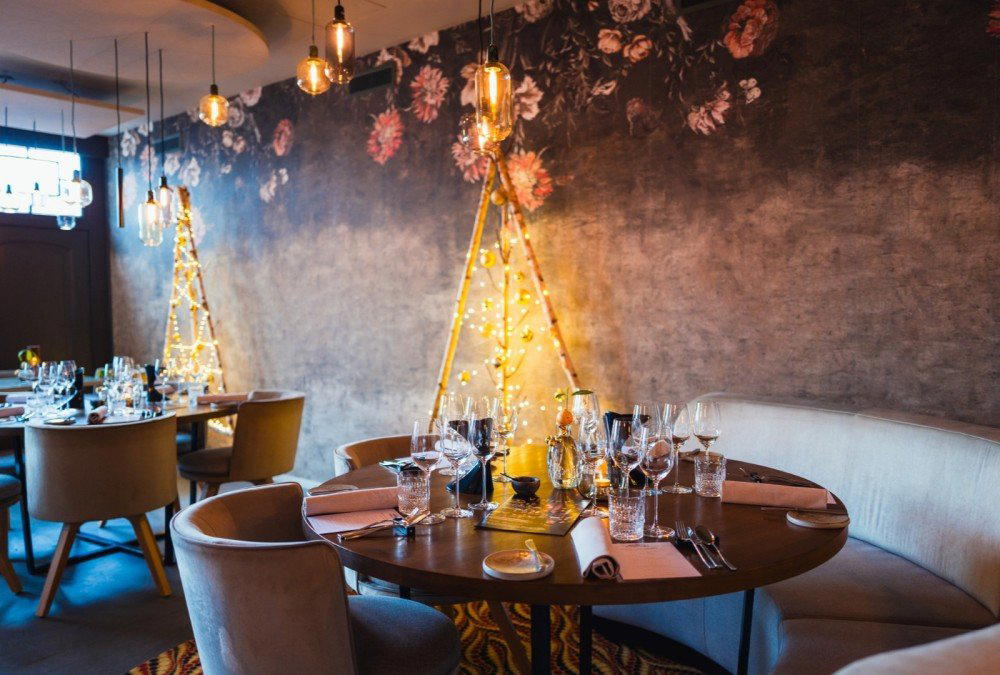
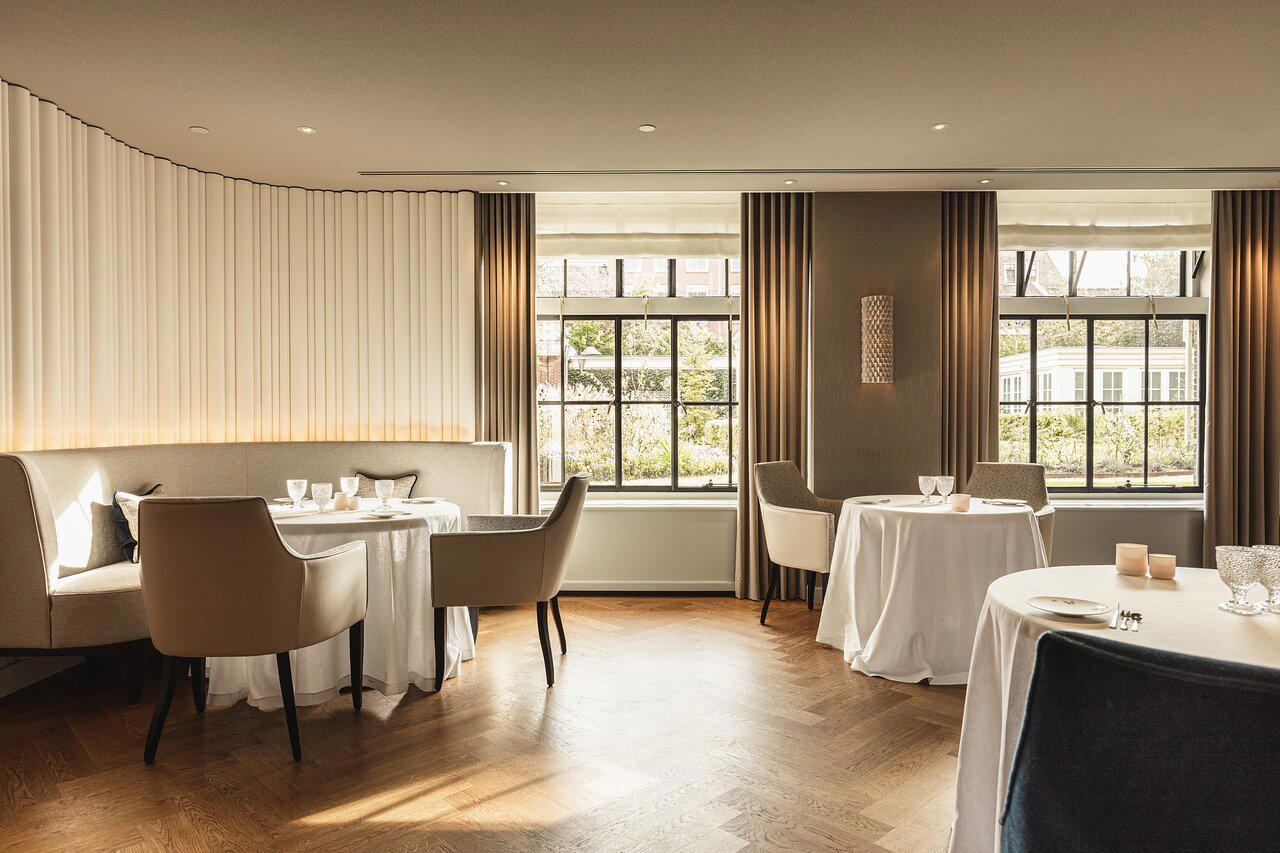
Warm, cozy, and elegant with stylish decor, artful ambiance, open kitchen, and calm, intimate atmosphere praised by guests.