Blauw
Blauw sits on Amstelveenseweg in Amsterdam's Oud-Zuid district, where Indonesian rijsttafel tradition meets a considered approach to sourcing and waste. The restaurant has become a reference point for how Dutch-Indonesian dining can operate with environmental seriousness without sacrificing the communal generosity that defines the format.
Pearl is the En Primeur Club membership app — saves, bookings, and concierge access live there. Same editors, same standards.
- Address
- Amstelveenseweg 158-160, 1075 XN Amsterdam, Netherlands
- Phone
- +31206755000
- Website
- restaurantblauw.nl
- Directions
- Get directions
 Saves & bookings on Pearl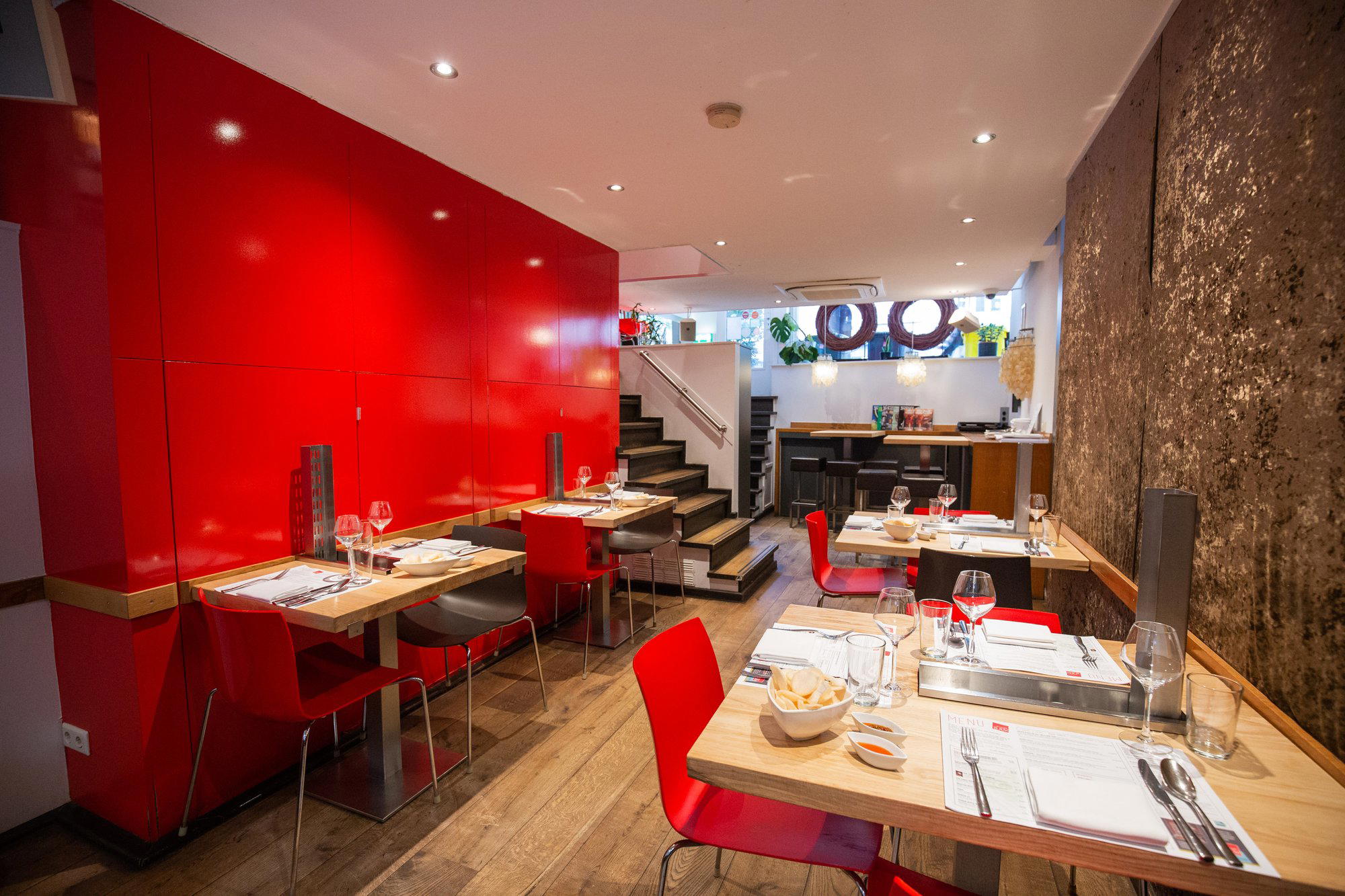
Indonesian Rijsttafel in Amsterdam's Oud-Zuid: A Format Under Pressure
Blauw occupies a position on this corridor that reflects a broader pattern in the city's restaurant geography: the drift of credible independent tables away from the canal-centre tourist belt toward neighbourhoods where regulars rather than visitors fill the seats. Walking in from the street, the interior reads as deliberately unfussy, the kind of room designed to let the food carry the conversation rather than compete with it.
The format here is rijsttafel, the Dutch-Indonesian table tradition that arrived in the Netherlands through centuries of colonial trade and migration, and has since become among the more debated formats in Amsterdam's dining culture. At its worst, the form collapses into a tourist-facing parade of small dishes with little culinary logic. At its more considered end, rijsttafel functions as a genuinely communal eating structure, where the sequence and balance of dishes across the table create a meal that is more than the sum of its individual plates. Blauw operates in the latter register.
Sourcing and Sustainability as Structural Commitments
The distinction matters because the former tends to produce menus with green credentials attached to otherwise conventional supply chains, while the latter requires rethinking which ingredients anchor a dish and which suppliers are worth the logistical complexity.
Indonesian cuisine, with its reliance on spice, fermentation, and slow cooking, is actually well-suited to waste-reduction thinking. The tradition of bumbu paste-making, for instance, uses whole aromatics including roots, skins, and fibrous stalks that would be discarded in many Western kitchen contexts. Fermented condiments like tempeh and sambal extend ingredient life while adding depth. For a restaurant working within this culinary tradition, the sustainability case does not require a dramatic departure from heritage technique; it requires following that technique with fidelity. The structural alignment between Indonesian technique and low-waste cooking is worth noting.
Across the Netherlands, a cluster of restaurants has made sourcing ethics central to their identity. De Groene Lantaarn in Staphorst and Brut172 in Reijmerstok represent the regional end of this movement, where proximity to Dutch agricultural land makes hyper-local sourcing a practical rather than aspirational commitment. Urban restaurants like Blauw operate in a different supply-chain context, where local sourcing means navigating city logistics rather than farm relationships, but the ethical orientation can still shape purchasing decisions in meaningful ways.
Where Blauw Sits in Amsterdam's Dining Tier
Amsterdam's restaurant market has stratified considerably over the past decade. The top tier, occupied by places like Ciel Bleu, Flore, Spectrum, and Vinkeles, operates at €€€€ price points with tasting-menu formats and Michelin recognition. Below that sits a mid-market band of serious independents, many working in specific culinary traditions, where the value proposition is cultural specificity rather than fine-dining theatrics. Blauw occupies this middle register, alongside venues like Bistro de la Mer in the classic cuisine category.
Within Amsterdam, comparisons often turn to De Kas and BAK, two restaurants with a similar sourcing-minded outlook. Blauw's distinction within this peer group is the Indonesian culinary tradition, which carries its own sourcing logic and adds a non-European culinary lineage to a conversation that can sometimes feel like a Dutch provincial exercise.
Blauw is not competing in that tier, but it shares the sourcing-conscious orientation that has become something of a Dutch dining default.
Internationally, traditional cuisine formats are also being rethought through a sustainability lens. Le Bernardin in New York City has made sustainable seafood sourcing a defining commitment within a classical French format. Blauw's rijsttafel structure has its own inherent logic here: communal dishes served to the table reduce over-ordering and plate waste in ways that individual à la carte menus cannot easily replicate.
Planning a Visit
Blauw is on Amstelveenseweg 158-160, reachable by tram from the Leidseplein or Vondelpark edges of central Amsterdam, making it one of the more practically located serious restaurants outside the tourist core. The rijsttafel format means that reservations are worth securing in advance, particularly for groups of four or more where the communal structure of the meal works at its most effective.
Cost and Credentials
Comparable venues nearby, for context on price, style, and recognition.
| Venue | Cuisine | Price | Notes |
|---|---|---|---|
| BlauwThis venue — the venue you are viewing | Not listed | $$$ | Not listed |
| Rondo Restaurant | Not listed | $$$ | Planciusbuurt, Modern European Fine Dining |
| The Pancake Bakery | Not listed | $$ | Leliegracht e.o., Traditional Dutch Pancakes |
| De Blauwe Hollander | Leidsebuurt Noordoost, Traditional Dutch | $$ | Not listed |
| REM Restaurant | Not listed | $$$ | Coenhaven/Mercuriushaven, Modern European Fine Dining |
| Bonboon | Elandsgrachtbuurt, Vegan Fine Dining | $$$ | Not listed |
Continue exploring
More in Amsterdam
Restaurants in Amsterdam
Browse all →
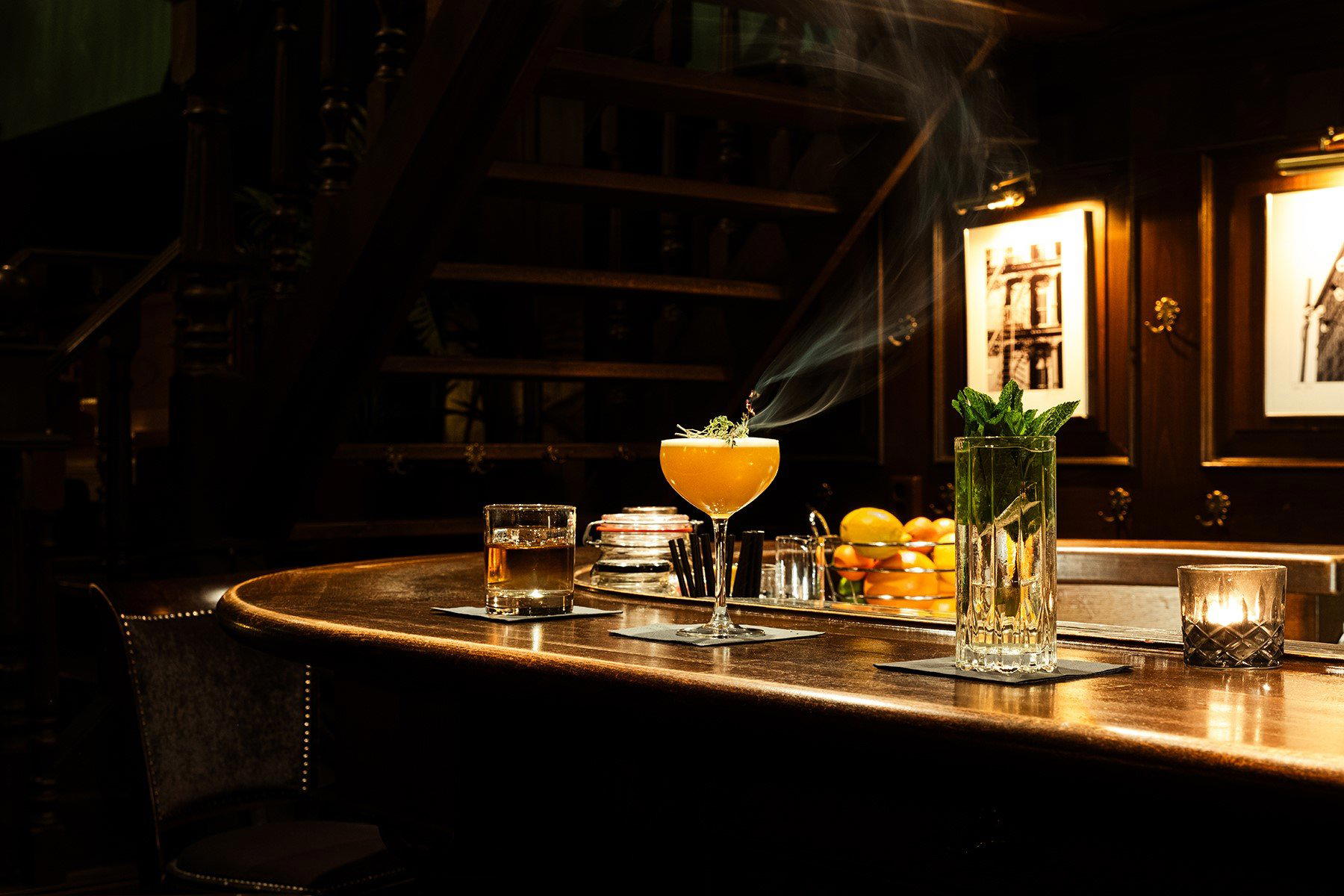
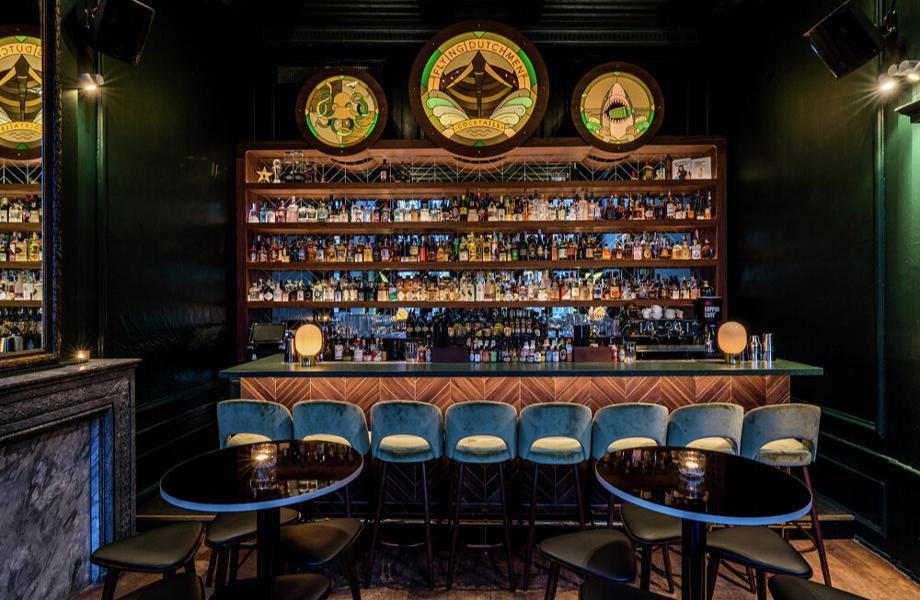
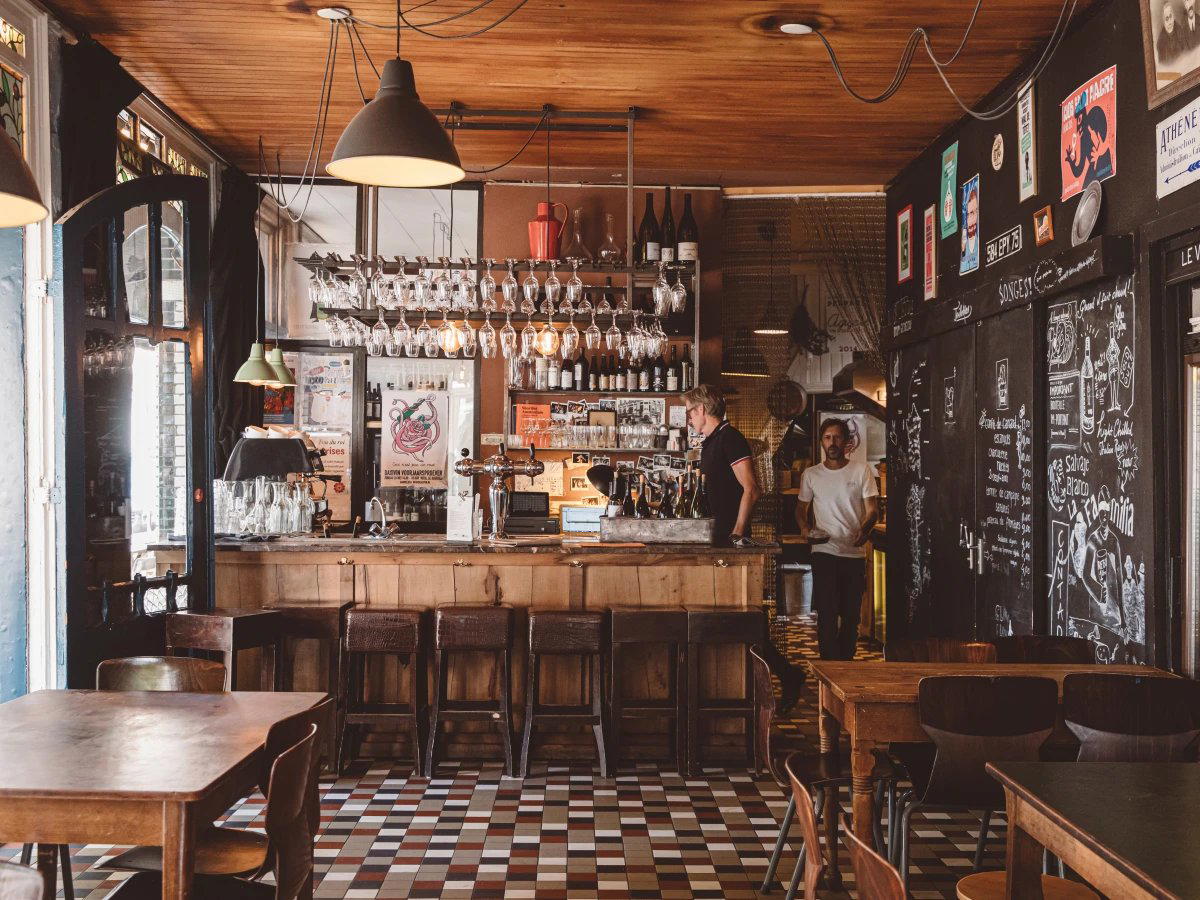
Bars in Amsterdam
Browse all →
Hotels in Amsterdam
Browse all →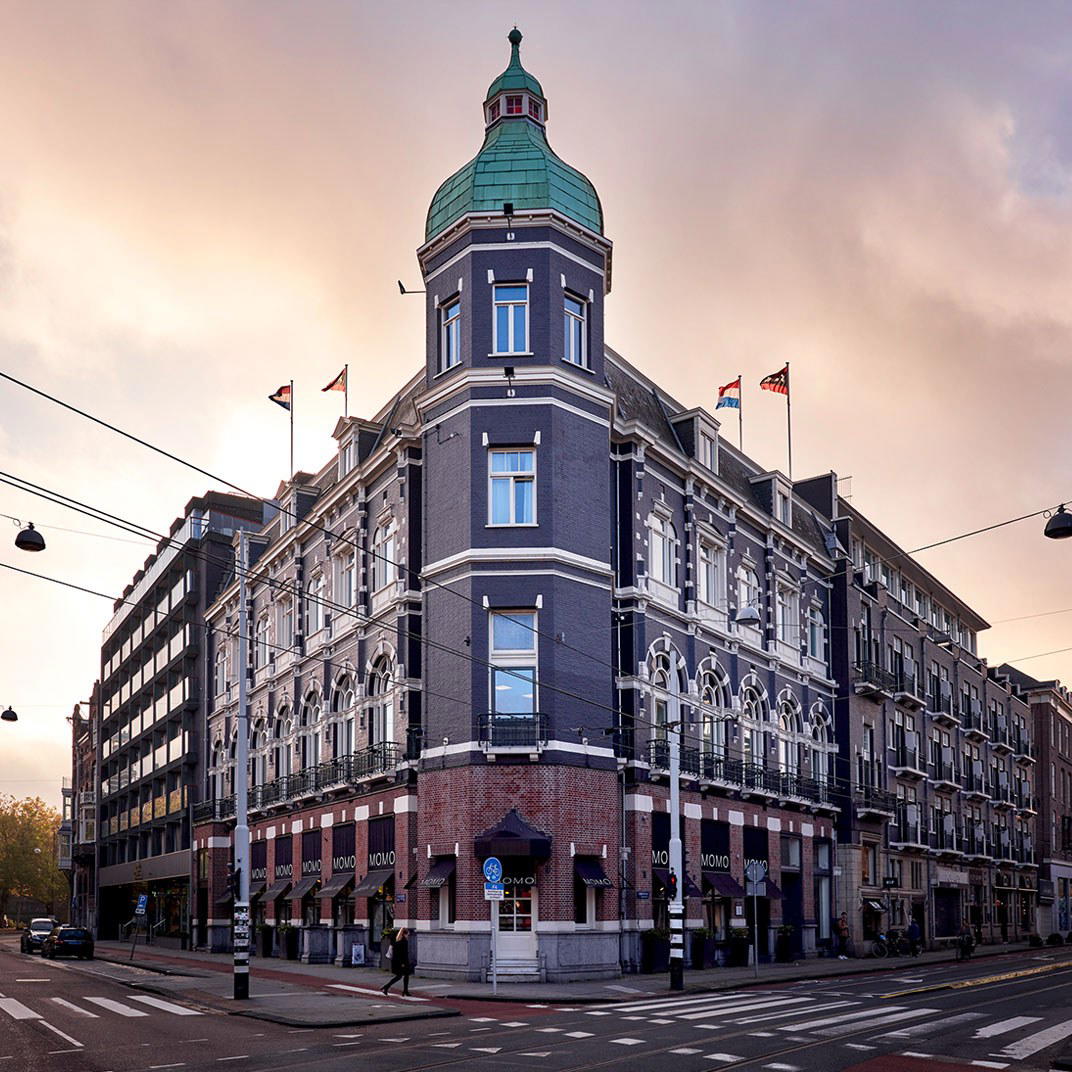
Wineries in Amsterdam
Browse all →
At a Glance
- Modern
- Cozy
- Elegant
- Date Night
- Group Dining
- Special Occasion
- Open Kitchen
Current opening hours
- Monday
- 5–10 PM
- Tuesday
- 5–10 PM
- Wednesday
- 5–10 PM
- Thursday
- 5–10 PM
- Friday
- 5–10:30 PM
- Saturday
- 5–10:30 PM
- Sunday
- 5–10 PM
Hours can change for holidays and private events. Last verified .
Moderne, sfeervolle omgeving with a welcoming atmosphere ideal for enjoying diverse Indonesian cuisine.