
Tabelog 100 #87
Our verdict
Rojiura Stand Abec belongs to Kobe’s tachinomi tradition, where compact rooms, short orders, and drinks built for grazing define the night more than ceremony. Its inclusion in Tabelog 100 Tachinomi 2025 places it in a nationally watched standing-bar category, with Sannomiya giving it the right urban pressure: station proximity, alley traffic, and a clientele that treats informality seriously.

Pearl is the En Primeur Club membership app, where members save venues, book tables and use the concierge.
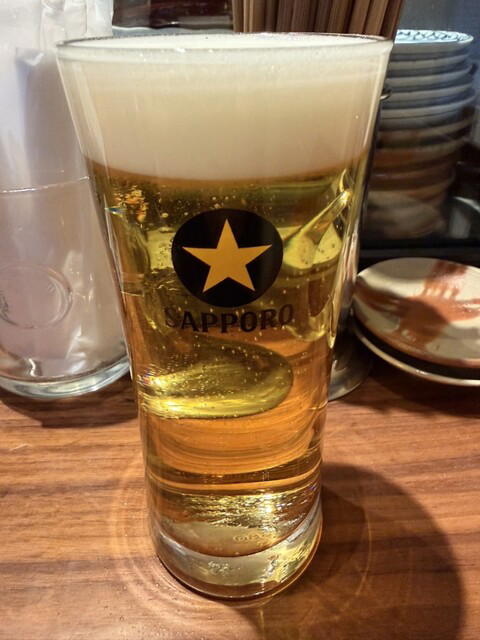
In Kobe, the better standing bars announce themselves less through polish than through compression: a narrow frontage, a quick shift from street noise to counter rhythm, and a room designed for people who came to eat and drink without turning the evening into a production. Kobe’s drinking districts reward that format. The city has long balanced port-city appetite, beef-led dining, and after-work izakaya habits, but tachinomi operates on a different register: lower ceremony, faster decisions, and a sharper test of sourcing because there is little room for distraction.
Rojiura Stand Abec sits inside that test. Its recognition in Tabelog 100 Tachinomi 2025 matters because the category is not judging luxury dining by luxury signals; it is looking at places where standing-bar discipline, ingredient turnover, and the small-plate drinking economy carry the argument. In this tier, the room does not need elaborate theatre. It needs good procurement, a menu that can move quickly, and the confidence to let simple preparations expose weak buying.
Why Kobe's tachinomi scene makes sourcing visible
Tachinomi is often misread by visitors as merely cheap drinking. In Japan’s stronger examples, the format is closer to a pressure chamber for casual cooking. Small spaces cannot hide behind sprawling menus, long pacing, or service choreography. Ingredients need to justify their place immediately, whether the kitchen is working with seafood, meat, fried snacks, simmered dishes, or seasonal vegetables. The bar’s credibility comes from how those categories are chosen and refreshed, not from a chef’s manifesto.
Kobe adds a particular tension. The city’s dining identity is frequently reduced to beef, and higher-spend meat rooms remain an obvious route for visitors comparing addresses such as Yakiniku Horumon Kopu, Sumiyaki Niku Ishidaya. Hanare, Kobe Kikusui Teppanyaki Restaurant, or other Kobe dining rooms. Standing bars compete by another logic. They have to compress value into smaller decisions: what to buy, what to prep, what to pour, and what to leave off the counter.
That is why the Tabelog tachinomi selection is a useful signal here. It places the venue in a national conversation about standing bars rather than in Kobe’s more obvious premium-beef conversation. The result is a different kind of editorial recommendation: not a substitute for a formal dinner, but a sharper lens on how the city eats when the tablecloth disappears.
A standing-bar format built for quick judgment, not long ceremony
The strongest tachinomi rooms ask the guest to read the room quickly. The counter matters. The pace matters. The order size matters. A dish that might feel secondary in a full izakaya can become the point in a standing bar because it is eaten close to the source of preparation, often beside people ordering in short bursts rather than settling in for a long arc. Rojiura Stand Abec belongs to that compact urban grammar, where the meal is assembled through increments rather than courses.
For ingredient-led eating, that format has an advantage. It favours turnover and immediacy. A standing bar has little incentive to carry a decorative inventory if the clientele is ordering tightly and judging fast. In Kobe, where dining can swing from quick cafés to destination meat rooms, this kind of address gives a clearer view of everyday selectivity: the procurement choices that regulars accept, reject, and return for.
The price bracket also helps define the experience, though the more useful comparison is behavioural rather than financial. Misaku Kobe kitano ten and Yaoki occupy casual territory in the broader Kobe dining map, while the higher meat addresses pull diners toward a longer, heavier evening. Tachinomi works when it preserves agility. It is a pre-dinner stop, a late snack, or a full casual meal depending on appetite and standing stamina, but it should not be approached like a tasting-menu reservation with a fixed narrative.
How to place it in a Kobe eating itinerary
Kobe is the practical frame for much of the city’s food life, and that gives a standing bar extra force. The city’s density means a night can move between formats without turning the evening into a logistical exercise: coffee, small plates, grilled meat, and late drinks all sit within a manageable orbit. For daytime contrast, other Kobe cafés show another side of the city’s compact hospitality culture; for casual dining range, other Kobe dining rooms broaden the map beyond the expected beef-and-bar axis.
The editorial case for Rojiura Stand Abec is strongest when it is treated as part of that sequence rather than as a solitary destination. It speaks to a Kobe habit that can be missed by travellers chasing only set-piece meals: the ability to eat well in abbreviated spaces, to trust a tight menu, and to let the sourcing show through speed rather than explanation. In that sense, the standing-bar award is not decorative. It identifies a format where the city’s casual intelligence is doing visible work.
Readers building a wider Japan itinerary can use Kobe as a counterpoint to more formal dining cities. The same trip might place this standing-bar stop beside regional and overseas Japanese-adjacent addresses in other cities, while keeping Kobe’s own casual drinking culture in focus. For city-level planning, see our full Kobe restaurants guide, our full Kobe bars guide, our full Kobe hotels guide, our full Kobe wineries guide, and our full Kobe experiences guide.
Frequently asked questions
Is Rojiura Stand Abec suitable for children?
Rojiura Stand Abec is a stand-up bar in Kobe. The tachinomi format and its Tabelog 100 Tachinomi 2025 selection point it toward quick, casual drinking and eating rather than a family-style restaurant experience.
What kind of setting is Rojiura Stand Abec?
Rojiura Stand Abec is a standing bar in Kobe, listed as a tachinomi and selected for Tabelog 100 Tachinomi 2025. Its listed price range is JPY 2,000–JPY 2,999.
What does dinner at Rojiura Stand Abec typically cost?
Pricing at Rojiura Stand Abec is listed as JPY 2,000 - JPY 2,999.
What time does Rojiura Stand Abec open and close?
Specific opening and closing hours are not provided here; check directly with Rojiura Stand Abec before visiting.
A Quick Peer Check
Comparable venues for orientation by cuisine and category.
| Venue | Cuisine | Price | Awards | Notes |
|---|---|---|---|---|
| Rojiura Stand AbecThis venue (the venue you are viewing) | Japanese Izakaya | Not listed | Tabelog 100 #87 | Not listed |
| Gyoza Senmon Ten Akaman Sannomiya ten | Gyoza specialty shop | $10–20 | Tabelog 100 #52 | Chūō |
| Men Hikyu Rokkoumichi ten | Ramen & Tsukemen | $10–20 | Tabelog 100 #85 | Nada |
| Kanmidokoro Akachaya | Japanese sweets & kakigori cafe | $10–20 | Tabelog 100 #2 | Nada |
| Fuji | Okonomiyaki (Japanese savory pancakes) | $10–20 | Tabelog 100 #27 | Chūō |
| Yoshokuya Yuuki | Japanese yoshoku (Western-style comfort food) | $10–20 | Tabelog 100 #44 | Hyōgo |
Recognition history
Dated appearances from independent guides and award organizations, with the underlying list record or original source where available.
Tabelog 100 #87 · No. 87
Tabelog · Tabelog 100 - Tachinomi - 2025
Continue exploring
More in Kobe
Restaurants in Kobe
All restaurants in Kobe →

Bars in Kobe
Browse all →





Details
- Lively
- Casual
- Trendy
- Casual Hangout
- After Work
- Group Dining
- Standalone
- Sake Program
- Beer Program
- Street Scene
- Counter Dining
- Small Plates
- Sake
- Beer
Current opening hours
- Monday
- 5–11 PM
- Tuesday
- 5–11 PM
- Wednesday
- 5–11 PM
- Thursday
- 5–11 PM
- Friday
- 5–11 PM
- Saturday
- 3–11 PM
- Sunday
- 3–11 PM
Hours can change for holidays and private events. Hours as of .
Casual and energetic, with a standing-bar format that fits quick drinks, after-work visits, and group gatherings.