
Tabelog 100 #2
Our verdict
Kanmidokoro Akachaya brings Kobe’s wagashi-cafe culture into a compact, low-key format in Nada Ward, with Japanese sweets and kakigori rather than a full restaurant meal. Its Tabelog 100 selection for Japanese traditional sweets and sweets cafes in WEST 2023 gives it a clear credential within a category often overlooked by visitors chasing beef, ramen, or waterfront dining.

Pearl is the En Primeur Club membership app, where members save venues, book tables and use the concierge.
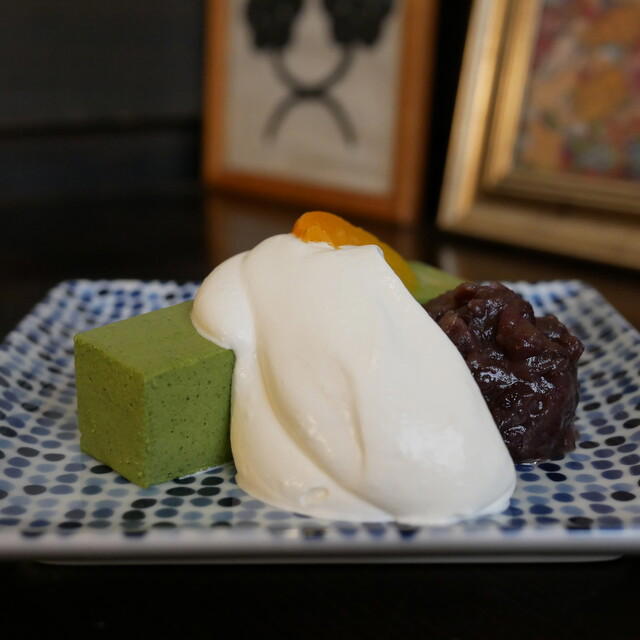
The menu
What to order
- Kakigori (shaved ice)
- Japanese traditional sweets (wagashi)
- Matcha-based desserts
Approaching a Japanese sweets cafe in Kobe changes the rhythm of eating in the city. The cues are quieter than the city’s heavier meal rituals: a modest room, a focused sweets format, and the expectation that the main event may be Japanese sweets or kakigori rather than a multi-course dinner. Kanmidokoro Akachaya belongs to that tradition, where the point is not scale but calibration: sweetness, temperature, texture, and the pause between lunch and evening.
Kobe is too often reduced to a single famous food in travel shorthand, yet the city’s everyday dining range is broader and more local than that. A visitor can build a day around sweets cafes, coffee stops, casual meals, and evening plans without touching the usual luxury checklist. For that wider map, our full Kobe restaurants guide is the useful starting point, while our full Kobe hotels guide, our full Kobe bars guide, our full Kobe wineries guide, and our full Kobe experiences guide help separate a food stop from the rest of the itinerary.
A sweets-cafe rhythm in a city known for heavier meals
Japanese sweets cafes occupy a different lane from Kobe’s better-known meal destinations. They ask for a narrower appetite and a sharper sense of timing. In warm weather, kakigori becomes more than refreshment: it is a seasonal-feeling format with its own appeal. In other moments, Japanese sweets cafes shift toward the quieter pleasures of texture, portion, and pacing. The category rewards restraint because a small change in sweetness, ice, or serving temperature can dominate the whole experience.
That is why Akachaya’s recognition matters. Selection for Tabelog 100 Japanese traditional sweets and Japanese sweets cafe WEST 2023 places it within a regional sweets conversation, not merely among neighborhood cafes. Its Tabelog score of 3.61 adds another signal: in Japan’s user-review culture, especially outside Tokyo’s international glare, a mid-three rating attached to a category-specific award is a meaningful marker rather than a casual compliment.
The format also explains the appeal. Rather than asking diners to commit to a long meal, the cafe featuring Japanese sweets and kakigori suits solo visitors, families, and small groups looking for a defined pause. That balance mirrors the dual identity of many Japanese sweets cafes: part everyday stop, part seasonal destination.
Where Akachaya fits in Kobe's price and category spread
The city’s dining range stretches from inexpensive casual counters to higher-spend rooms. In the comparison set, ENISHI, Karapincha, Yoshoku SAEKI, Moriguchi, and Daiei show how broad Kobe’s casual-to-occasion dining map can be. Akachaya’s sweets-cafe positioning keeps the decision lighter: it is a targeted stop for a specific Japanese tradition, not a substitute for dinner.
That distinction is useful for visitors planning Kobe by appetite rather than by a single headline dish. Other Kobe dining rooms serve another version of the city: more meal-led, reservation-minded, or built around a fuller sitting. A sweets cafe works better as a hinge between activities, especially for travelers moving through Kobe during the day.
Coffee culture provides the closest parallel. Kobe’s cafe traditions show how atmosphere and pacing can matter as much as the order itself. Akachaya does something comparable through Japanese sweets and kakigori: it turns a short stop into a study of local habits. The value is not excess but focus.
How to read the experience without over-ordering
The smarter way to approach a Japanese sweets cafe is to treat it as its own course. Shaved ice and traditional sweets can feel modest on paper, but the genre depends on contrast: cold against softness, sweetness against restraint, and a room quiet enough for small details to register. The listed categories, cafe featuring Japanese sweets and kakigori, are specific enough to set expectations without forcing a full meal frame onto the visit.
Seasonality affects the practical decision. Kakigori is most naturally read as a weather-sensitive craving, while Japanese sweets can make sense as a quieter pause between larger meals. Those details make timing more consequential than at a general cafe: arrive for the format being sought, not merely for an open seat.
The operating style is plain rather than elaborate. The key public signals are the category, the Tabelog recognition, and the modest listed budget of Dinner: - JPY 999; Lunch: - JPY 999. For travelers used to building a day around major reservations, that simplicity matters more than it sounds.
Akachaya also fits into a broader Japan itinerary for readers comparing regional casual formats rather than only luxury dining. The country’s everyday food culture can include quick counters, cafe culture, contemporary dining, and other casual specializations across other cities. Outside Japan, the same editorial lens can stretch to small-format venues of many kinds, but the Kobe lesson remains precise: focused stops often reveal a city more clearly than grand rooms.
For a Kobe day, Akachaya is strongest when treated as a planned pause, not an afterthought. Pair it with wandering, coffee, or a later dinner elsewhere; let the sweets-cafe format do what it does well. In a city where visitors arrive primed for heavier meals, this is the quieter counterargument: Kobe’s food culture is also built from Japanese sweets, kakigori, and rooms where focus is enough.
Frequently asked questions
What should I budget for a meal at Kanmidokoro Akachaya?
Pricing at Kanmidokoro Akachaya is listed as - JPY 999 - JPY 999 View spending breakdown.
What time does Kanmidokoro Akachaya open and close?
Check the venue's official channels for the latest details.
Where exactly is Kanmidokoro Akachaya?
Kobe.
What do critics highlight about Kanmidokoro Akachaya?
Critics point first to its Tabelog 100 selection for Japanese traditional sweets / Japanese sweets cafe WEST in 2023. The draw is the format: a cafe featuring Japanese sweets and kakigori in Kobe.
Is Kanmidokoro Akachaya allergy-friendly?
The public record provided here confirms a sweets-led category, with Japanese sweets and kakigori at the core. That narrower format can help with simpler ordering, but guests with allergies should check details before going to Kobe. Check the venue's official channels for the latest details.
Is Kanmidokoro Akachaya good for families?
The public record provided here does not include a confirmed family policy. Its cafe featuring Japanese sweets and kakigori format may suit a relaxed stop, but guests should check the venue's official channels for the latest details.
Fast Comparison
Nearby venues at a similar price tier for orientation.
| Venue | Cuisine | Price | Awards | Notes |
|---|---|---|---|---|
| Kanmidokoro AkachayaThis venue (the venue you are viewing) | Japanese sweets & kakigori cafe | $10–20 | Tabelog 100 #2 | Not listed |
| Sanuki Menbo Suzume | Traditional Sanuki Udon & Tempura | $10–20 | Tabelog 100 #84 | Chūō |
| Tommy's Sannomiya higashi ten | Japanese Bakery & Café | $1–10 | Tabelog 100 #32 | Chūō |
| 北野坂木下 | Seasonal Italian Tasting Menu | $150–200 | La Liste Top Restaurants | Chūō |
| Tsukemen Shigeta | Tsukemen & Ramen Shop | $10–20 | Tabelog 100 #97 | Nada |
| Kitanosaka Kobayashi | Traditional Soba (Buckwheat Noodles) | $20–30 | Tabelog 100 #35 | Chūō |
Recognition history
Dated appearances from independent guides and award organizations, with the underlying list record or original source where available.
Tabelog 100 #2 · No. 2
Tabelog · Tabelog 100 - Japanese traditional sweets / Japanese sweets cafe - WEST - 2023
Continue exploring
More in Kobe
Restaurants in Kobe
All restaurants in Kobe →

Bars in Kobe
Browse all →




Details
- Cozy
- Quiet
- Classic
- Solo
- Family
- Casual Hangout
- After Work
- Standalone
- A La Carte
- Tea
- Vegetarian Friendly
Current opening hours
- Monday
- Closed
- Tuesday
- 12–7:30 PM
- Wednesday
- 12–7:30 PM
- Thursday
- 12–7:30 PM
- Friday
- 12–7:30 PM
- Saturday
- 12–7:30 PM
- Sunday
- 12–7:30 PM
Hours can change for holidays and private events. Last verified .
A small, classic Japanese sweets shop with a calm, cozy atmosphere where guests quietly enjoy seasonal kakigori and traditional confections at simple tables, more like a neighborhood kissaten than a modern cafe.