




1 Michelin Star · Star Wine List · Guía Repsol 1 Sol
Our verdict
Kabo holds a Michelin star (2024) and operates a single contemporary tasting menu rooted in Navarran seasonal produce and small-scale local suppliers. Located on Avenida de Zaragoza, it opens for lunch Tuesday through Sunday and adds dinner service on Fridays and Saturdays.

Pearl is the En Primeur Club membership app — saves, bookings, and concierge access live there. Same editors, same standards.
- Address
- Av. de Zaragoza, 10, 31003 Pamplona, Navarra, Spain
- Phone
- +34 948 00 27 73
- Hours
- Mon ClosedTue–Thu 1:30–3 PMFri–Sat 1:30–3 PM, 9–10 PMSun 1:30–3 PM
- Website
- restaurantekabo.com
- Directions
- Get directions
The menu
What to order
- Transformación
- Onion from La Mejana
A Michelin Star on the Edge of Pamplona's Restaurant Scene
Pamplona occupies an unusual position in Spain's fine-dining geography. The city is globally associated with a single week in July, yet its restaurant culture operates year-round at a level that rarely gets the attention directed at San Sebastián or Madrid. The Michelin Guide has taken notice: Kabo, on Avenida de Zaragoza, received its first star in 2024, joining a small group of Pamplona addresses that hold Guide recognition. Europa and Rodero are the other starred names in the city, both at the €€€–€€€€ tier, which gives Kabo a clear competitive position: it is the newest addition to that bracket, and the one most explicitly anchored to hyper-local Navarran sourcing.
The restaurant's name comes from the Masai word for butterfly, a frame that runs through the cooking and the room rather than sitting as decoration. Above the kitchen bell, a line reads: "Pursue a dream big enough never to lose sight of." It is an unusual kind of mission statement for a restaurant interior, and it signals something about the register of the place: considered, committed, and not especially interested in performing modernity for its own sake.
What the Michelin Recognition Actually Means Here
A first Michelin star in 2024 positions Kabo within a broader Spanish contemporary dining movement that has been pushing recognition outward from the Basque Country and Catalonia into smaller cities with serious local-produce infrastructure. Navarra has long supplied the kitchens of the north: its white asparagus, piquillo peppers, and artichokes from the Ebro valley are reference ingredients in restaurants from Arzak in San Sebastián to El Celler de Can Roca in Girona. Kabo's approach is to keep those ingredients at home and build the tasting menu around them directly, sourcing from small-scale producers in the region rather than distributing outward.
That sourcing philosophy is not unusual in 2024, but the execution at this price point, with a single tasting menu format, is the kind of discipline that tends to attract Michelin attention. The Guide's language around Kabo describes a focus on Navarran regional cuisine, seasonal ingredients, and an "unconditional love for its land." That phrasing in Michelin copy is not rhetorical filler; it reflects a consistent kitchen discipline that inspectors return to verify across multiple visits before a star is awarded.
For context on what a 2024 star means in the broader Spanish scene: the same Guide cycle that recognised Kabo also encompasses multi-star operations like Azurmendi in Larrabetzu, Aponiente in El Puerto de Santa María, Cocina Hermanos Torres in Barcelona, and DiverXO in Madrid. Kabo operates in a different register from those larger, high-production rooms, closer in format and philosophy to the smaller couple-run properties that the Guide has increasingly favoured across Europe for their consistency and clarity of purpose.
The Menu and What Defines It
Kabo runs a single contemporary tasting menu. In a city where Alhambra offers traditional Navarran cuisine and Rodero works the modern Spanish register at the same price point, Kabo's single-format approach is a deliberate narrowing. There is no à la carte option, no abbreviated lunch menu running parallel to a longer dinner version. One menu, constructed around what Navarra's seasons make available.
The Michelin record highlights two dishes specifically. The first involves onions from La Mejana, a market garden area in the Ebro valley long associated with high-quality alliums, served with an accompanying broth and constructed so that every part of the vegetable is used. Whole-vegetable cooking of this kind, where nothing is discarded and the preparation reveals multiple textures and flavour registers from a single ingredient, has become a marker of serious contemporary kitchens across Spain. The approach at Kabo applies that logic to a local product most diners overlook.
The signature dessert, called Transformación, is the most discussed element of the menu in public record. It is described as undergoing a visual metamorphosis on the plate, moving from a silkworm form to a butterfly. The butterfly motif connects back to the restaurant's name and its working philosophy without being decorative for its own sake: the dessert apparently earns the conceit through the transformation itself.
Format, Timing, and How It Sits in the Week
Service pattern at Kabo is more restricted than most starred restaurants in Spain. Lunch runs from 1:30 PM to 3:00 PM Tuesday through Sunday. Dinner, from 9:00 PM to 10:00 PM, is available only on Friday and Saturday. Monday is closed entirely. This structure is common for small couple-run operations where kitchen and front-of-house capacity are managed tightly, and it has the practical effect of making the dinner service at the weekend the primary occasion for visitors travelling specifically to eat here.
Address is Avenida de Zaragoza, 10, in the 31003 postcode, which places the restaurant outside the old city walls but accessible from central Pamplona. For those building a broader itinerary around the city, the full Pamplona restaurants guide maps the range from Kabo's starred contemporary format down to the pintxos bars of the old quarter, including Pamplona's bar scene anchored by addresses like Bar Gorriti and the century-old Café Iruña. The Pamplona hotels guide, wineries guide, and experiences guide cover the rest of the city's visitor infrastructure.
At the €€€ price tier, Kabo sits alongside Rodero rather than Europa, which operates at the higher €€€€ level.
Planning a Visit
A Michelin star awarded in 2024 tends to generate a booking lag that stretches several weeks forward, particularly for Friday and Saturday dinner, which is the only weekend evening service available. Visitors planning around a specific date in Pamplona should treat advance reservation as necessary rather than optional. The restaurant does not list a booking method in the public record, so direct contact via the venue or a restaurant reservation platform is the practical approach. Given the single-menu format and the tasting structure, the meal runs longer than a standard à la carte lunch; the 1:30 PM start for a working-week lunch should be factored against afternoon plans accordingly.
Frequently asked questions
What time does Kabo open and close?
Hours at Kabo: Monday closed Tuesday 1:30 PM-3 PM Wednesday 1:30 PM-3 PM Thursday 1:30 PM-3 PM Friday 1:30 PM-3 PM 9 PM-10 PM Saturday 1:30 PM-3 PM 9 PM-10 PM Sunday 1:30 PM-3 PM.
What awards or recognition does Kabo have?
Kabo has received recognition including: This pleasant, contemporary-style restaurant run by a couple takes its name from the Masai word for “butterfly” and sums up its working philosophy in a sentence visible above the bell in the kitchen: “Pursue a dream big enough never to lose….
What dish is Kabo famous for?
The most-discussed savoury course in Kabo's Michelin record is the onion preparation sourced from La Mejana, a market-garden zone in the Ebro valley, served with a broth and constructed to use every part of the vegetable. At a €€€ price point on a single tasting menu, it represents the restaurant's commitment to Navarran producers over imported luxury ingredients.
How much does it cost to eat at Kabo?
Pricing at Kabo is listed as €€€.
Where is Kabo located?
Kabo is located at Av. de Zaragoza, 10, 31003 Pamplona, Navarra, Spain, Pamplona.
What's the signature at Kabo?
Kabo's signature is the dessert called Transformación, cited by the Michelin Guide as appearing to metamorphose from a silkworm into a butterfly on the plate. The name mirrors the restaurant's own identity: Kabo is the Masai word for butterfly, and the dish functions as a direct expression of the couple's founding philosophy.
Cost Snapshot
| Venue | Cuisine | Price | Awards | Notes |
|---|---|---|---|---|
| KaboThis venue — the venue you are viewing | Contemporary Navarrese Fine Dining | $100–150 | 1 Michelin Star · Star Wine List | Not listed |
| Rodero | Modern Navarran Cuisine | Not listed | 1 Michelin Star · Guía Repsol 2 Soles | Modern Spanish, Modern Cuisine |
| Europa | Contemporary Navarran Fine Dining | $100–150 | 1 Michelin Star · Guía Repsol 1 Sol | Contemporary |
| Bar Gorriti | Traditional Spanish Tapas | Not listed | Not listed | Not listed |
| Café Iruña | Traditional Spanish Tapas & Café | $20–30 | Not listed | Not listed |
| El Merca'o | Traditional Spanish Fusion with Asian Touches | Not listed | Michelin Bib Gourmand · Macarfi 7.2 Food Rating | Not listed |
Recognition history
Dated appearances from independent guides and award organizations, with the underlying list record or original source where available.
Michelin 1 Star
Michelin
Star Wine List
Star Wine List
Guía Repsol 1 Sol
Guía Repsol
Macarfi 8.3 Food Rating
Macarfi
We're Smart World 3 Radishes
We're Smart World
Full recognition history (7 entries)
Michelin 1 Star
Michelin
Michelin 1 Star
Michelin
Continue exploring
More in Pamplona
Restaurants in Pamplona
Browse all →
Bars in Pamplona
Browse all →
Hotels in Pamplona
Browse all →
Details
- Elegant
- Sophisticated
- Cozy
- Modern
- Date Night
- Special Occasion
- Business Dinner
- Open Kitchen
- Extensive Wine List
- Local Sourcing
- Tasting Menu
- Vegetarian Friendly
Current opening hours
- Monday
- Closed
- Tuesday
- 1:30–3 PM
- Wednesday
- 1:30–3 PM
- Thursday
- 1:30–3 PM
- Friday
- 1:30–3 PM, 9–10 PM
- Saturday
- 1:30–3 PM, 9–10 PM
- Sunday
- 1:30–3 PM
Hours can change for holidays and private events. Last verified .
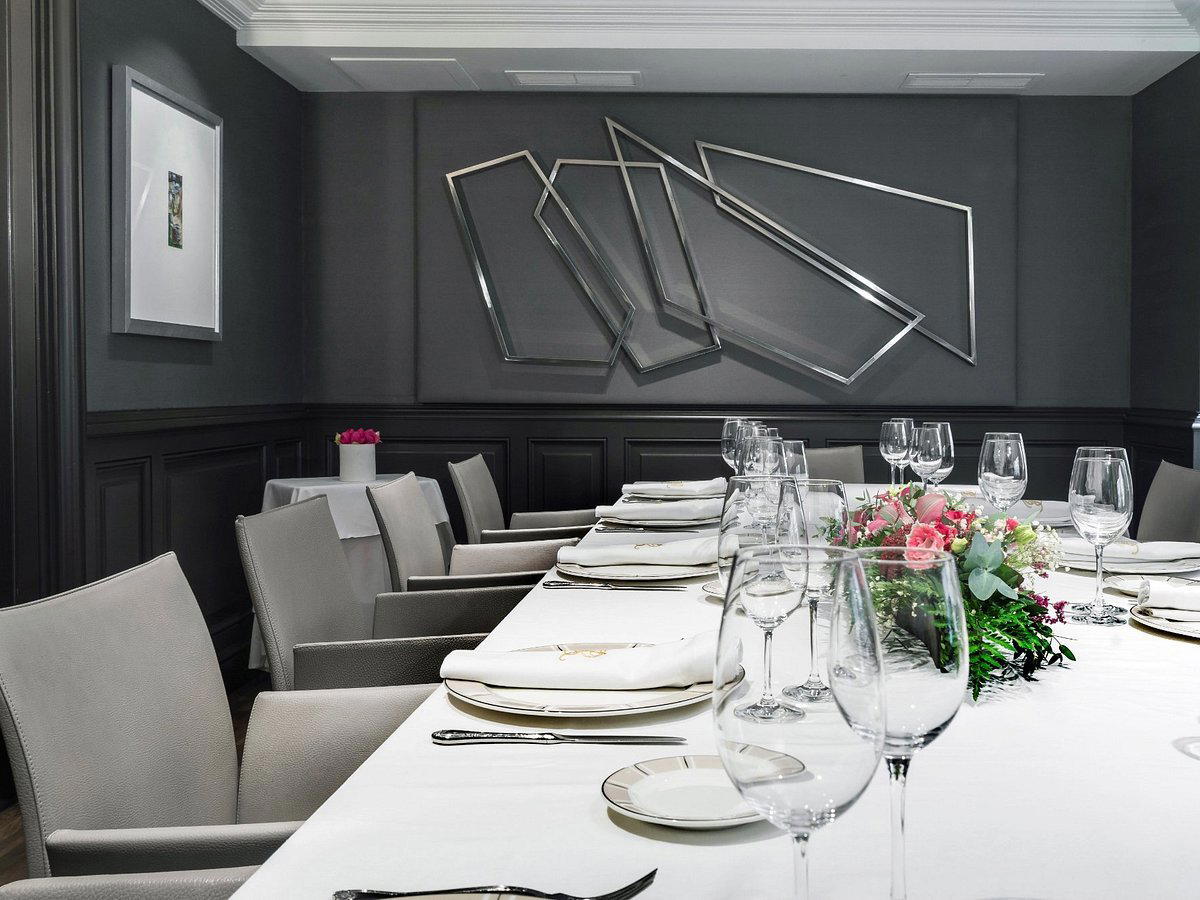
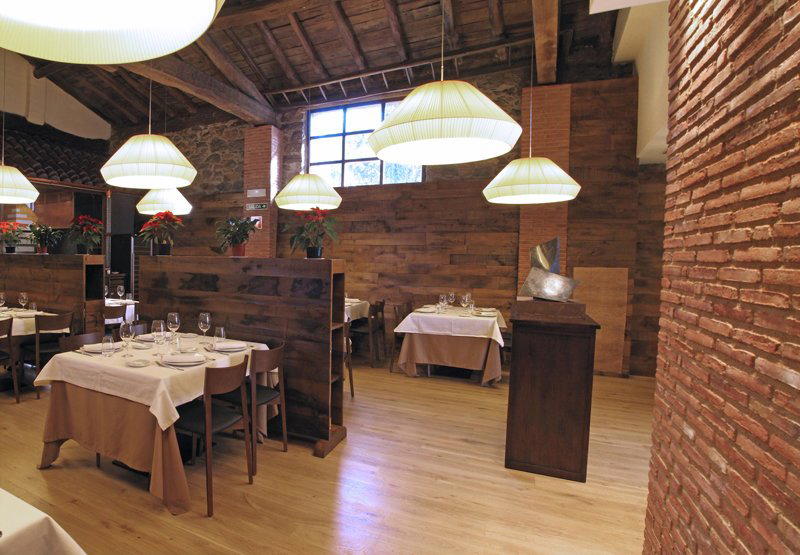
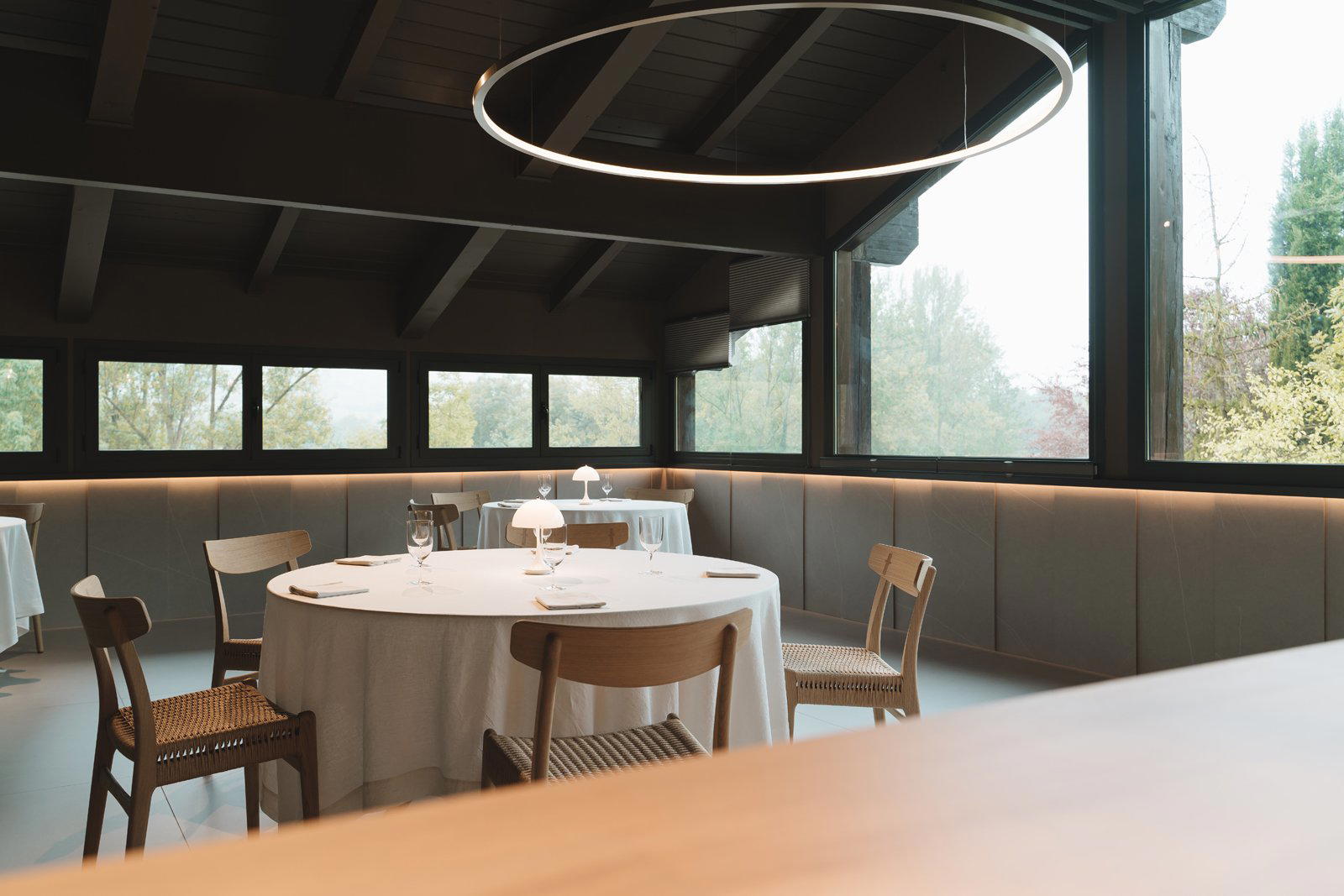
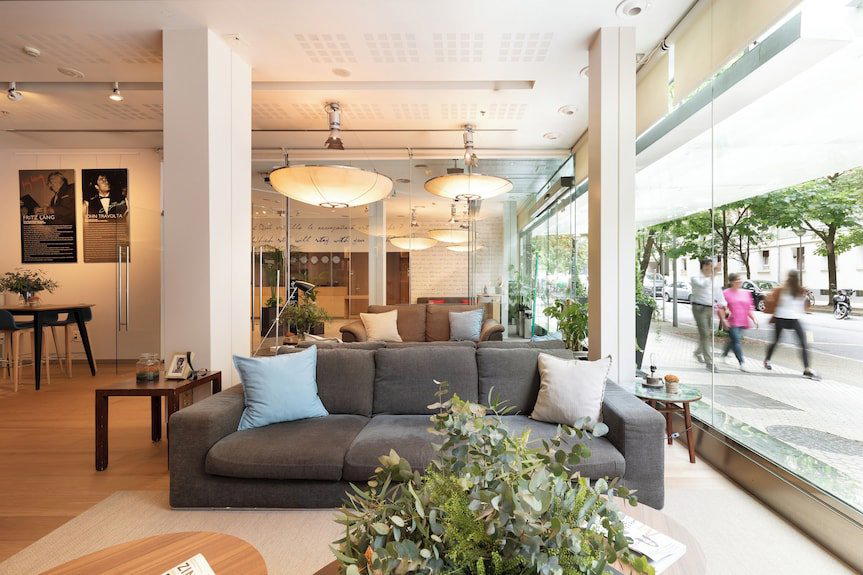
Warm, classy, elegant, and tranquil atmosphere with contemporary style.