


Michelin Plate · Macarfi 8.3 Food Rating · Guía Repsol 2 Soles
Our verdict
A Pamplona classic operating under the Idoate family's culinary standard, Alhambra sits one tier below sibling restaurant Europa in price and register but shares the same commitment to Navarran produce and technique. The à la carte format, with the option to order raciones, makes it one of the city's more flexible addresses for traditional Spanish cooking at a serious level. Holders of the Michelin Plate in both 2024 and 2025, it draws a loyal local following that keeps the dining room consistently full.

Pearl is the En Primeur Club membership app — saves, bookings, and concierge access live there. Same editors, same standards.
- Address
- C. de Francisco Bergamin Kalea, 7, 31003 Pamplona, Navarra, Spain
- Phone
- +34 948 24 50 07
- Hours
- Mon 1:15–3:30 PM, 8:30–10:15 PMTue–Wed 1:15–3:30 PMThu–Sat 1:15–3:30 PM, 8:30–10:15 PMSun Closed
- Website
- restaurantealhambra.es
- Directions
- Get directions
- Booking
- Book on the venue's website
The menu
What to order
- Cod ajoarriero with lobster
- Boneless trotters
- Truffle egg
The Weight of a Pamplona Dining Room
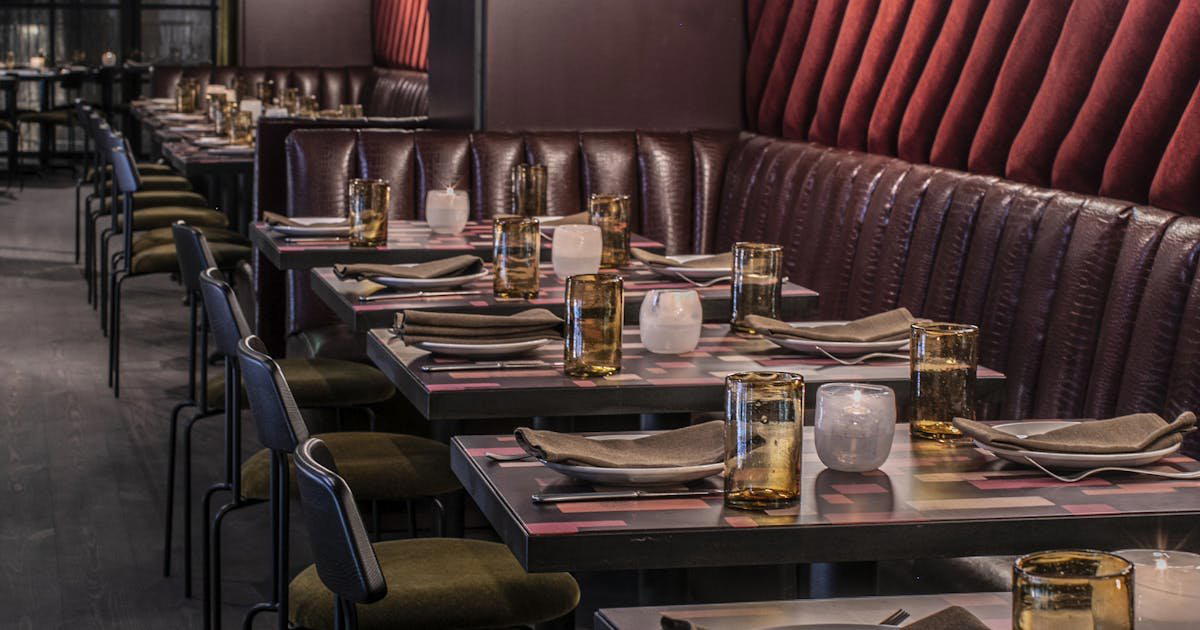
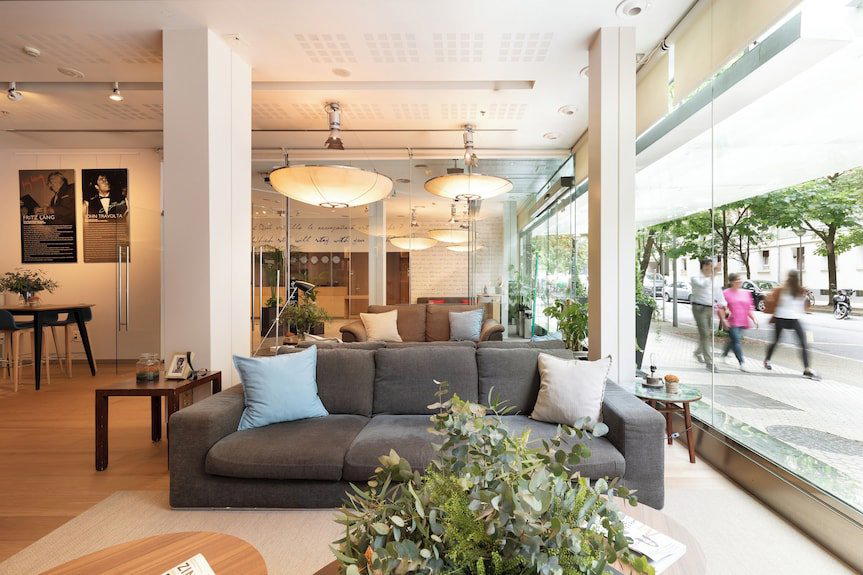
There is a particular kind of Spanish restaurant that resists trend cycles entirely. Not because it is unaware of them, but because its regulars never asked for them. Calle Francisco Bergamín is not a street that tourists stumble down by accident, and the dining room at Alhambra carries that neighbourhood confidence in every detail: the steady hum of tables where people clearly know the staff, the absence of the performative minimalism that dominates newer openings, and a menu that treats Navarran ingredients as the point rather than the context.
Pamplona's serious dining scene sits across a fairly clear spectrum. At the upper end, Europa (Contemporary) and Rodero (Modern Spanish, Modern Cuisine) operate at €€€€ and €€€ respectively, both holding Michelin stars. Kabo (Contemporary) occupies the contemporary-creative tier. Alhambra sits at €€€ and holds a Michelin Plate for 2024 and 2025, positioning it as the entry point into serious, technique-driven traditional cooking in the city without the full formality of a starred room. For a city of Pamplona's size, having this depth of Michelin-recognised addresses across different price tiers is a mark of a genuinely developed dining culture, not just a reputation built on the San Fermín calendar.
Where the Produce Comes From, and Why That Matters Here
Navarra sits at a geographical crossroads that gives its kitchens access to an unusually varied larder. The Pyrenean foothills to the north produce lamb with a grass-forward character, while the Ebro valley's market gardens have been supplying Spanish kitchens with white asparagus, piquillo peppers, and artichokes since before most of Europe's current fine-dining vocabulary existed. The region's rivers have historically shaped its fish cookery, and the influence of the Basque coast is close enough that Atlantic species appear regularly on Navarran tables.
This geography is what makes a dish like the cod ajoarriero with lobster worth reading as an editorial statement rather than just a menu item. Ajoarriero is one of Navarra's most rooted preparations: salt cod worked with garlic, olive oil, and often tomato or piquillo pepper into a textured, deeply savoury paste. The technique is peasant-register but technically exacting — the emulsification of the cod and fat requires patience and control. Pairing it with lobster is not fusion or novelty; it is a claim about what Navarran cooking can do when it builds upward from its own foundations rather than borrowing from elsewhere. That combination has become one of the dishes most associated with the Alhambra kitchen, and it functions as a useful shorthand for what the broader Idoate family approach represents: classical Navarran produce, handled with the precision expected of a kitchen operating under sustained Michelin scrutiny.
Traditional cuisine at this level in Spain shares a common set of pressures with peers in other regions. Auga in Gijón navigates similar territory with Asturian seafood traditions, and Auberge Grand'Maison in Mûr-de-Bretagne represents a comparable approach in Brittany: regional produce as the non-negotiable anchor, technique as the differentiator, and Michelin recognition as the quality signal that brings diners willing to pay for that seriousness.
The Idoate Standard and What It Implies
Alhambra operates as the younger sibling to Europa, where the Idoate family has built one of Pamplona's most sustained reputations in contemporary Spanish cooking. The sibling relationship matters to understanding what Alhambra is and is not: it is not a casual offshoot or a volume operation running on the parent brand's goodwill. The kitchen operates under the same family DNA, with Iñaki and Esther Idoate running the front of house with the kind of attentiveness that comes from ownership and genuine investment in the room's reputation.
This family-run dynamic is not incidental. Spanish serious dining has a strong tradition of family-led houses, from El Celler de Can Roca in Girona at the summit of global recognition to the Arzak family's decades-long operation in San Sebastián. The structural advantages are real: continuity of kitchen culture, deeper ties to local suppliers, and a dining room run by people whose professional identity is inseparable from the restaurant's performance. Alhambra is several tiers below those references in terms of scale and recognition, but the underlying model is the same.
At that volume, a 4.6 average reflects consistent performance rather than a handful of exceptional experiences inflating the score. For a Pamplona restaurant at this price point, maintaining that satisfaction rate across a large and predominantly local customer base suggests the kitchen delivers reliably rather than occasionally.
Format, Flexibility, and How to Eat Here
The menu structure at Alhambra is one of its more practical qualities. The à la carte runs alongside two tasting menus, and the option to order raciones from the à la carte allows a table to graze across multiple dishes rather than committing to individual plates. In a Navarran context, this is culturally appropriate — the region sits close enough to the Basque Country that the logic of sharing multiple preparations is embedded in how people eat, even in more formal settings.
For visitors comparing options across the city, the choice between Alhambra and its comparison set comes down to what kind of experience the evening calls for. El Merca'o operates at a lower price tier with traditional cuisine in a more casual register. Gaucho occupies a different lane entirely. Alhambra is the address for traditional Navarran cooking handled with technique and seriousness, at a price point that makes it accessible without requiring the full commitment of a starred tasting-menu dinner. The two tasting menus provide a structured entry point for those who want the kitchen to guide the meal, while the raciones format suits those arriving with specific regional dishes in mind.
Practically, Alhambra's reputation as a loyalist address means the dining room fills with regulars who book ahead. The address at Calle Francisco Bergamín 7 is in central Pamplona, within reasonable distance of the old city, and the €€€ price range sits between the city's more casual traditional options and the starred rooms. Given the volume and consistency of its reviews, booking in advance is the more reliable approach, particularly during San Fermín in July, when Pamplona's already-limited serious dining capacity is under considerable pressure.
For anyone building a broader itinerary across northern Spain's serious dining scene, Alhambra fits alongside the kind of regional specialists that reward attention to provenance: Azurmendi in Larrabetzu, Cocina Hermanos Torres in Barcelona, DiverXO in Madrid, and Aponiente in El Puerto de Santa María all share, in different registers, the same underlying logic: Spanish geography produces ingredients of real character, and the kitchen's job is to not get in the way of that.
For a fuller picture of where Alhambra sits in Pamplona's overall hospitality offering, see our [full Pamplona restaurants guide](), alongside guides to [hotels](), [bars](), [wineries](), and experiences across the city.
Frequently asked questions
Where is Alhambra located?
Alhambra is located at C. de Francisco Bergamin Kalea, 7, 31003 Pamplona, Navarra, Spain, Pamplona.
What's the pricing like at Alhambra?
Pricing at Alhambra is listed as €€€.
Is Alhambra award-winning?
Alhambra has received recognition including: This restaurant, the younger sibling of the award-winning Europa, bears the quality stamp and DNA of the Idoate family, where the brother-and-sister team of Iñaki and Esther run the dining room. It also happens to be one of Pamplona’s class….
What's the must-try dish at Alhambra?
The cod ajoarriero with lobster is the kitchen's most emblematic plate, combining the Navarran tradition of salt cod cooked in a garlic-and-tomato sauce with the addition of lobster. It captures what this Michelin Plate-recognised address does consistently: regional technique applied to quality produce. The à la carte structure, with the option to order raciones, means you can order it alongside other dishes rather than committing it to a fixed sequence.
A Quick Peer Check
| Venue | Cuisine | Price | Awards | Notes |
|---|---|---|---|---|
| AlhambraThis venue — the venue you are viewing | Contemporary Navarrese | $50–100 | Michelin Plate · Macarfi 8.3 Food Rating | Not listed |
| Rodero | Modern Navarran Cuisine | Not listed | 1 Michelin Star · Guía Repsol 2 Soles | Modern Spanish, Modern Cuisine |
| Europa | Contemporary Navarran Fine Dining | $100–150 | 1 Michelin Star · Guía Repsol 1 Sol | Contemporary |
| Bar Gorriti | Traditional Spanish Tapas | Not listed | Not listed | Not listed |
| Café Iruña | Traditional Spanish Tapas & Café | $20–30 | Not listed | Not listed |
| El Merca'o | Traditional Spanish Fusion with Asian Touches | Not listed | Michelin Bib Gourmand · Macarfi 7.2 Food Rating | Not listed |
Recognition history
Dated appearances from independent guides and award organizations, with the underlying list record or original source where available.
Michelin Plate
Michelin
Guía Repsol 2 Soles
Guía Repsol
Macarfi 8.3 Food Rating
Macarfi
Full recognition history (5 entries)
Michelin Plate
Michelin
Michelin Plate
Michelin
Continue exploring
More in Pamplona
Restaurants in Pamplona
Browse all →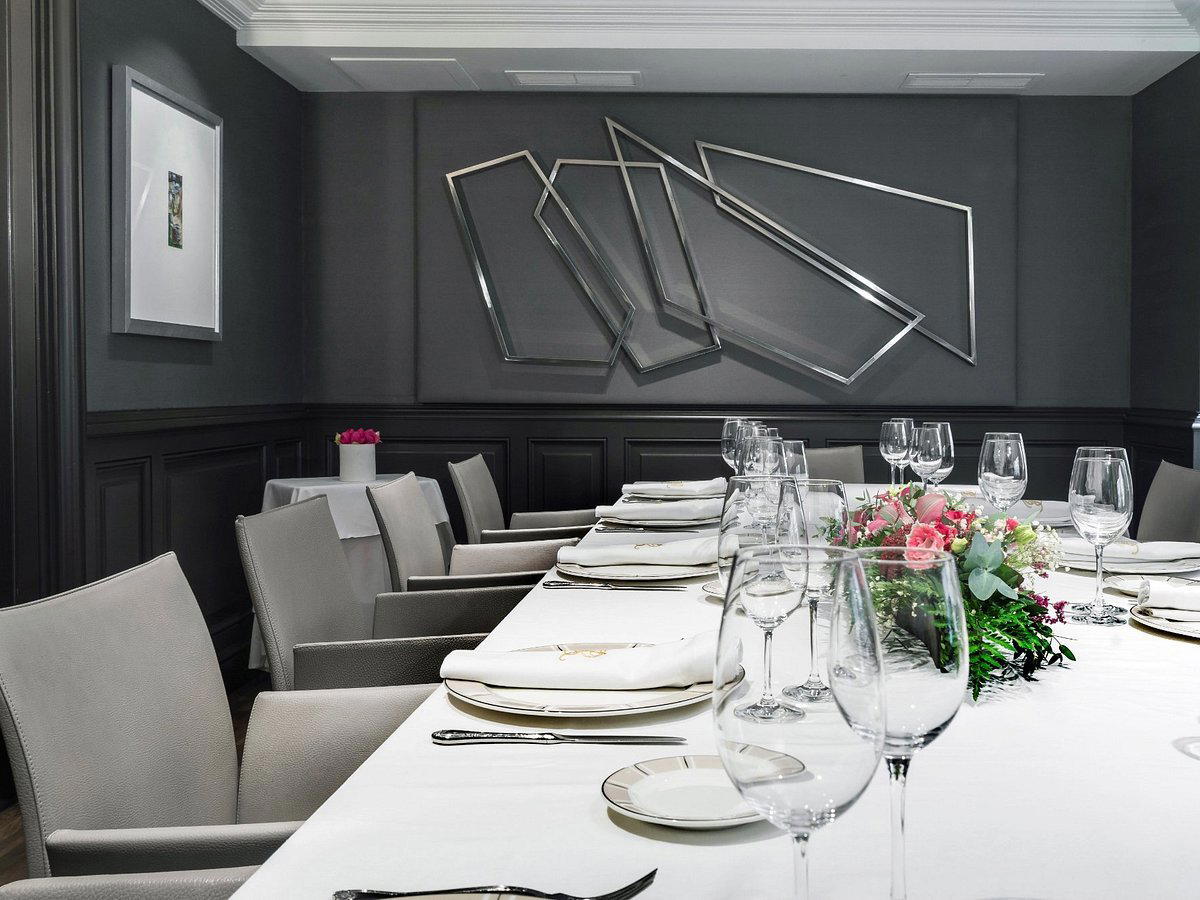
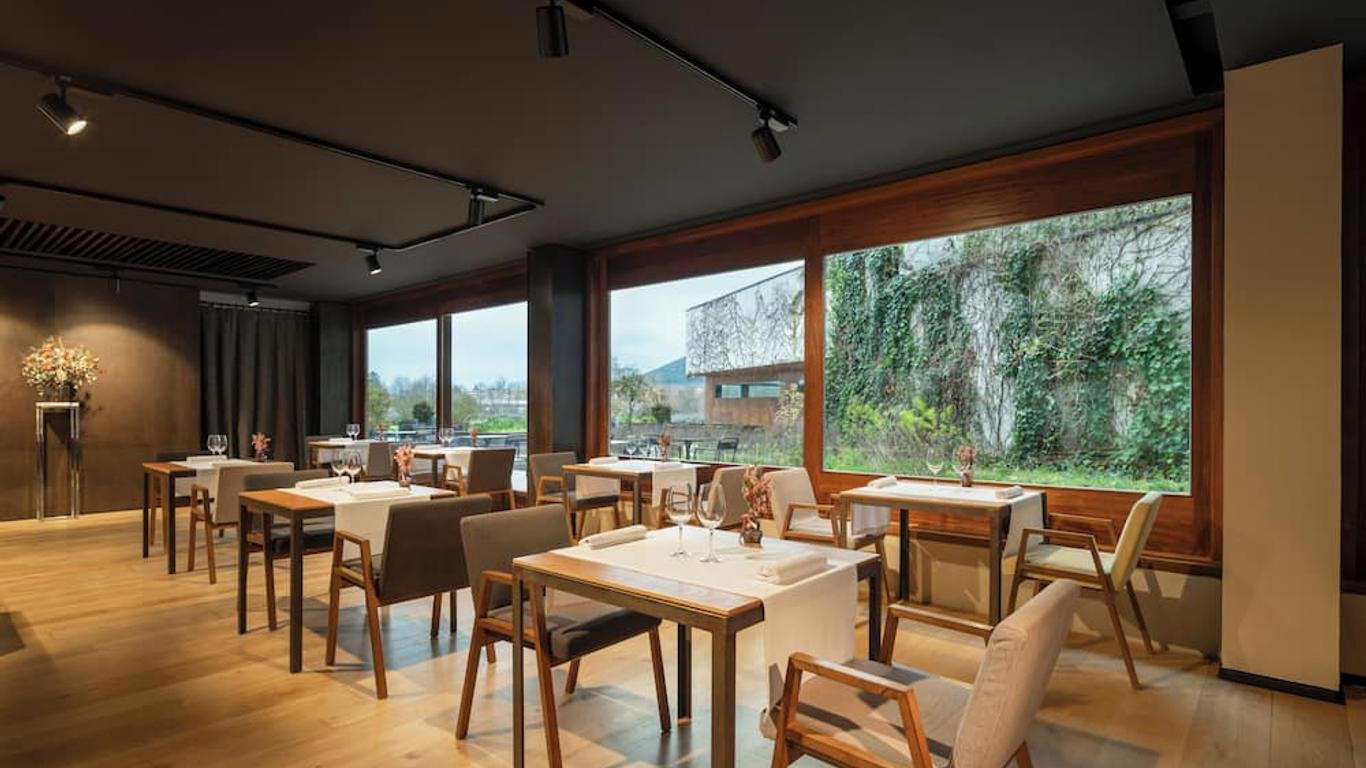
Bars in Pamplona
Browse all →
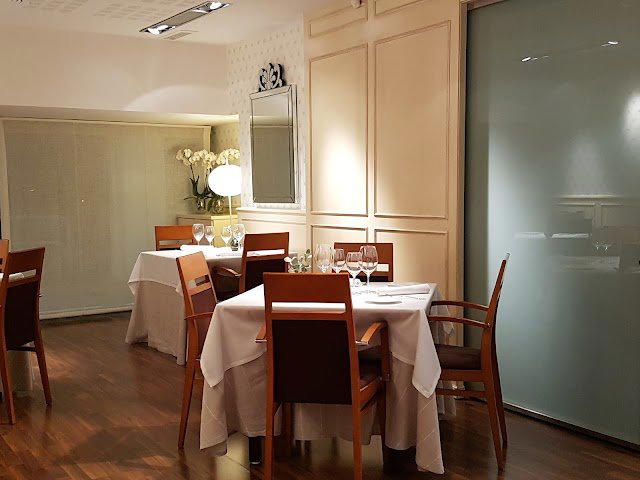
Hotels in Pamplona
Browse all →
Details
- Classic
- Elegant
- Sophisticated
- Business Dinner
- Special Occasion
- Date Night
- Private Dining
- Extensive Wine List
- Local Sourcing
- A La Carte
- Tasting Menu
- Wine
- Vegetarian Friendly
- Vegan Options
- Gluten Free Options
Current opening hours
- Monday
- 1:15–3:30 PM, 8:30–10:15 PM
- Tuesday
- 1:15–3:30 PM
- Wednesday
- 1:15–3:30 PM
- Thursday
- 1:15–3:30 PM, 8:30–10:15 PM
- Friday
- 1:15–3:30 PM, 8:30–10:15 PM
- Saturday
- 1:15–3:30 PM, 8:30–10:15 PM
- Sunday
- Closed
Hours can change for holidays and private events. Last verified .
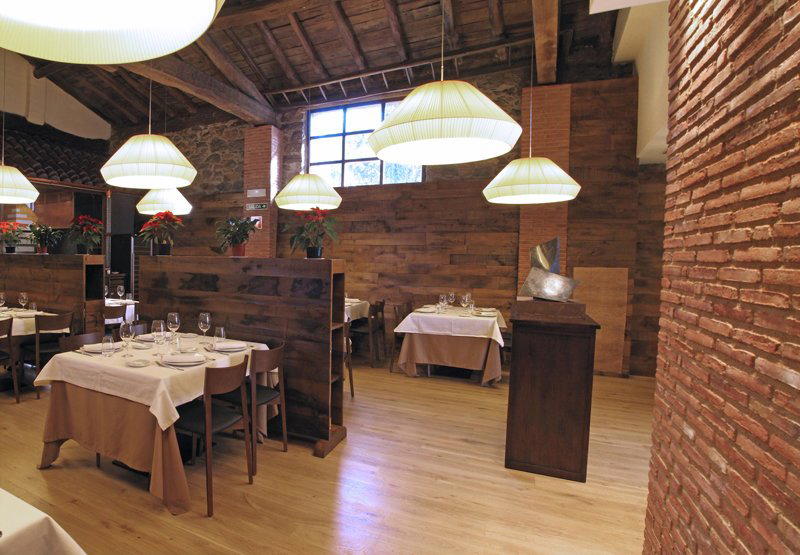
Welcoming and elegant atmosphere with beautiful decor, private alcoves, and attentive, professional service.