Michelin Plate
Our verdict
Rivaaj at the St. Regis Doha carries a Michelin Plate for two consecutive years running, making it one of the few Indian restaurants in Qatar with that level of independent recognition. The menu moves from tandoor-fired street food through layered biryanis and refined curries, overseen by Chef Jolly, whose approach is framed around heritage technique rather than novelty. It sits in the mid-to-upper tier of Doha's Indian dining scene.

Pearl is the En Primeur Club membership app, where members save venues, book tables and use the concierge.
The menu
What to order
- Rivaaji Raj Kachori
- Dal Makhani
- Lamb Shank Biryani
- Indian Ocean Lobster
Mood and Setting at the St. Regis
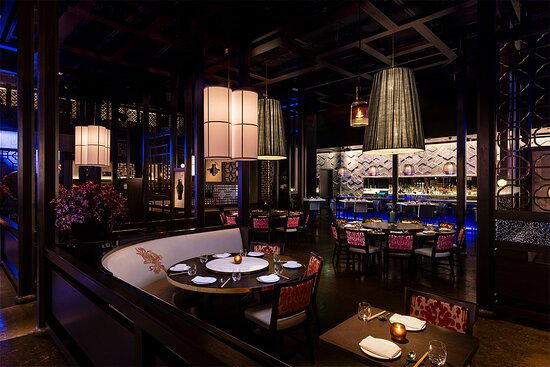
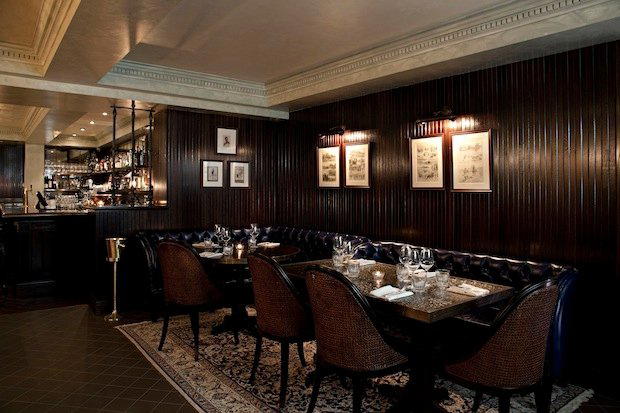
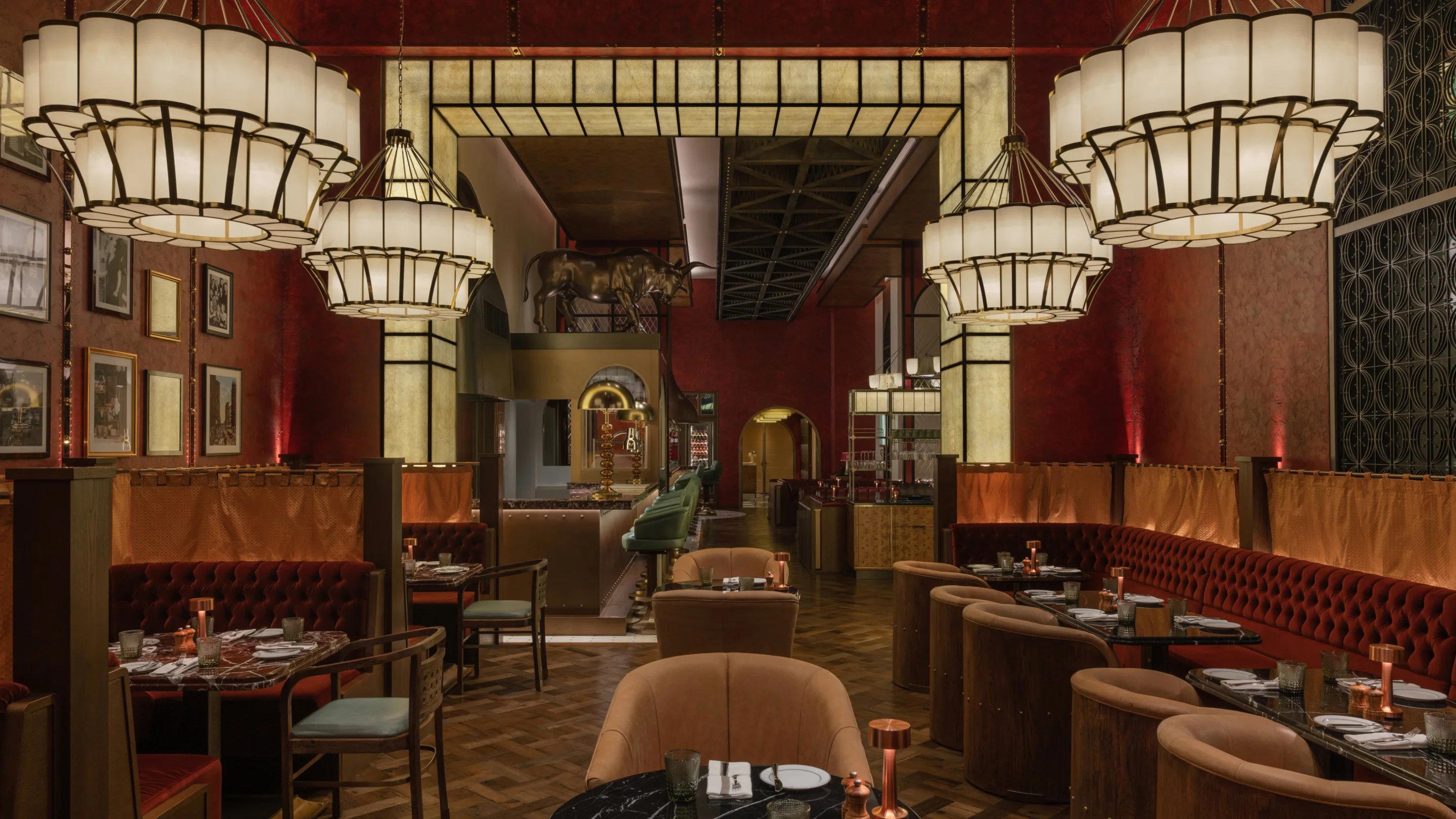
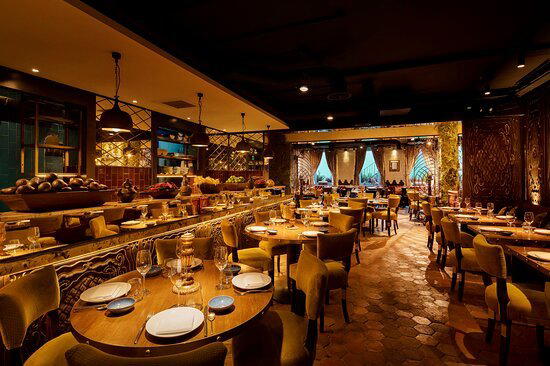
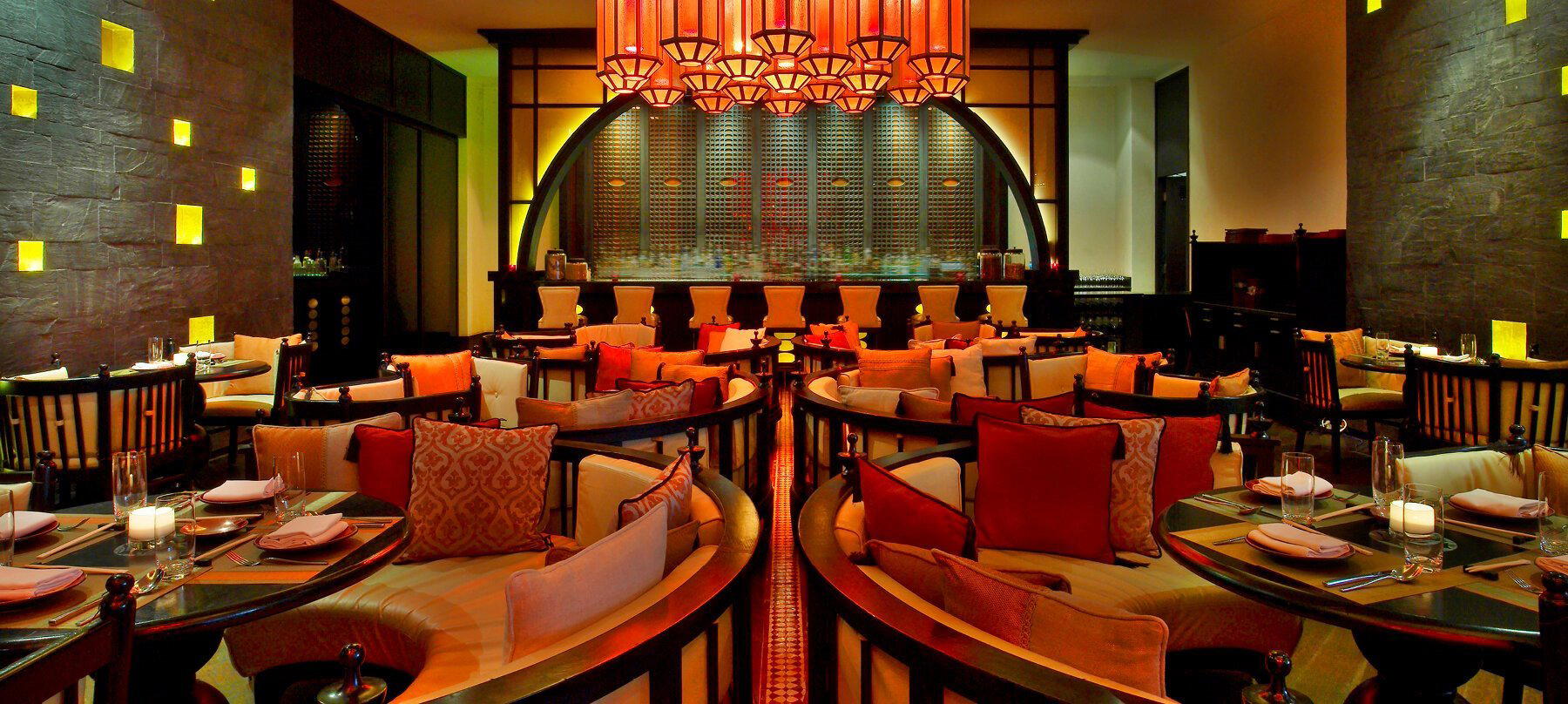
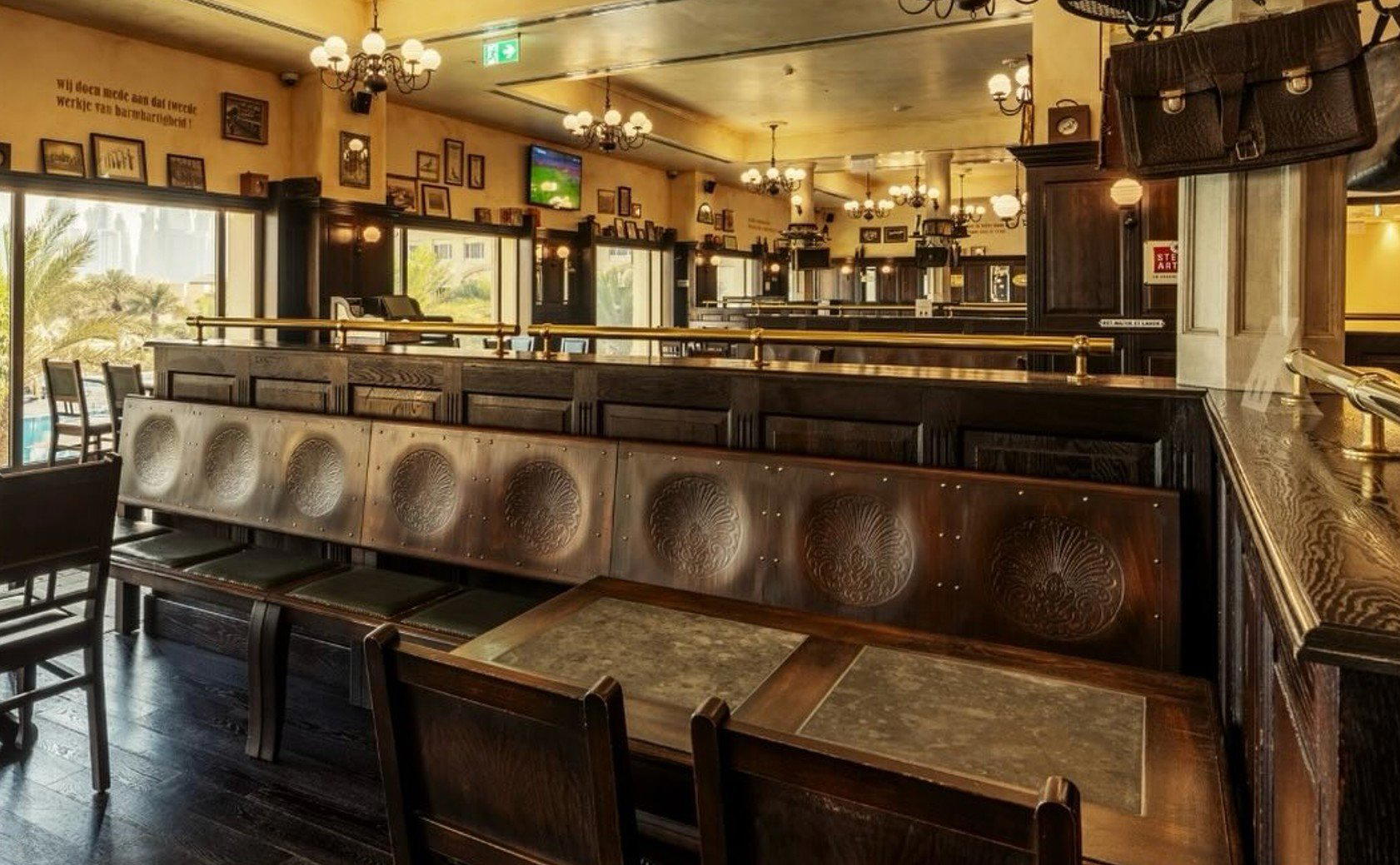
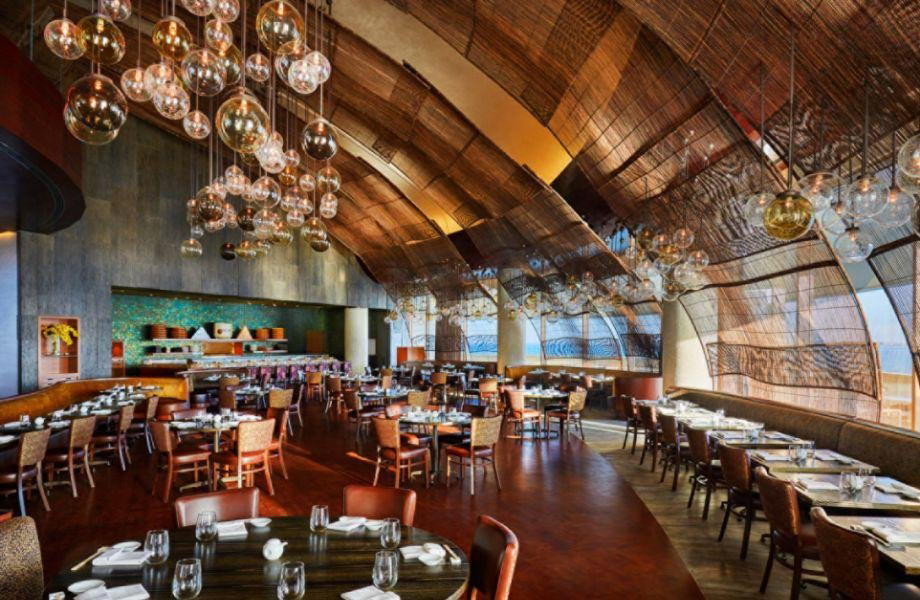
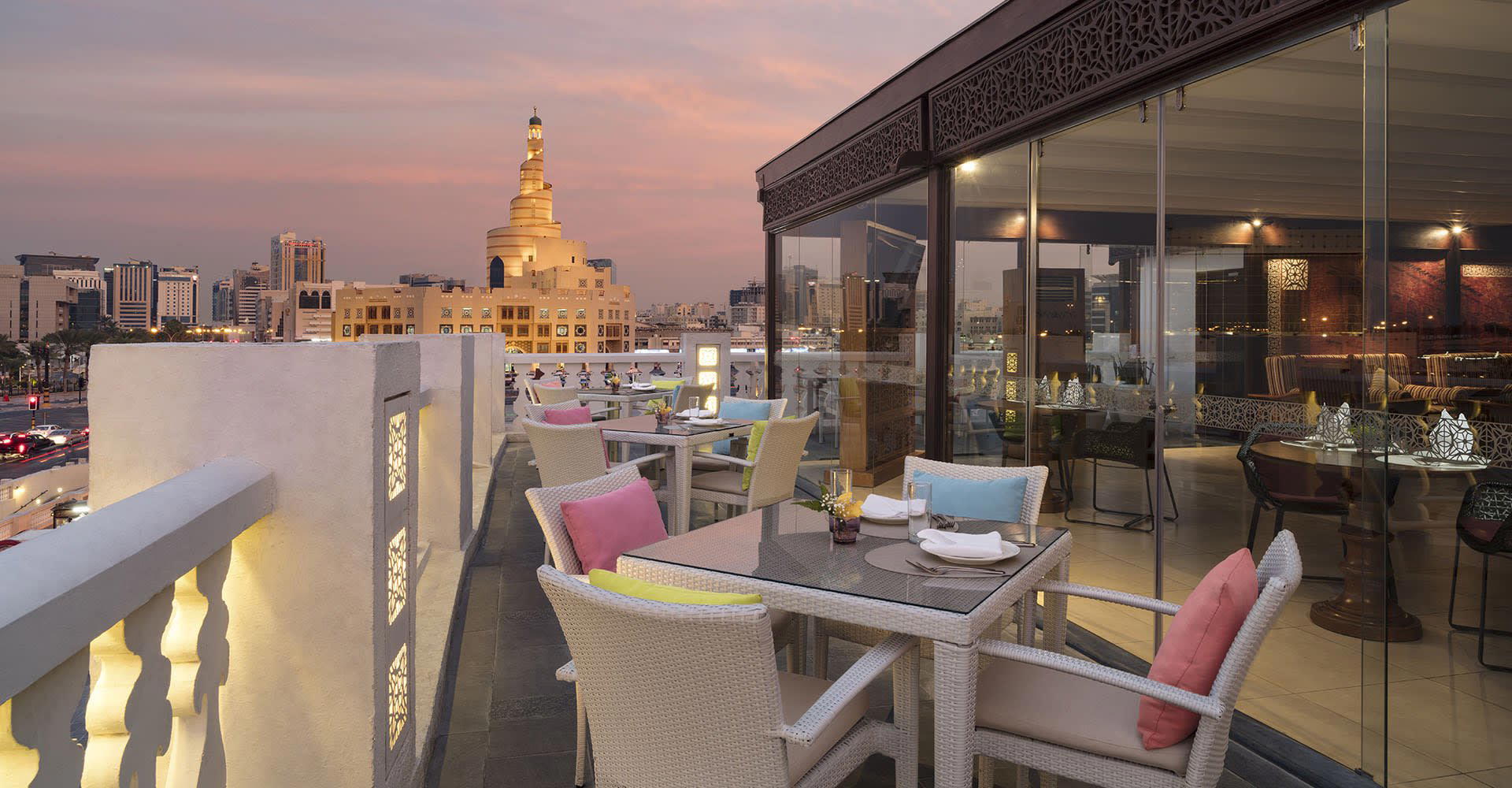
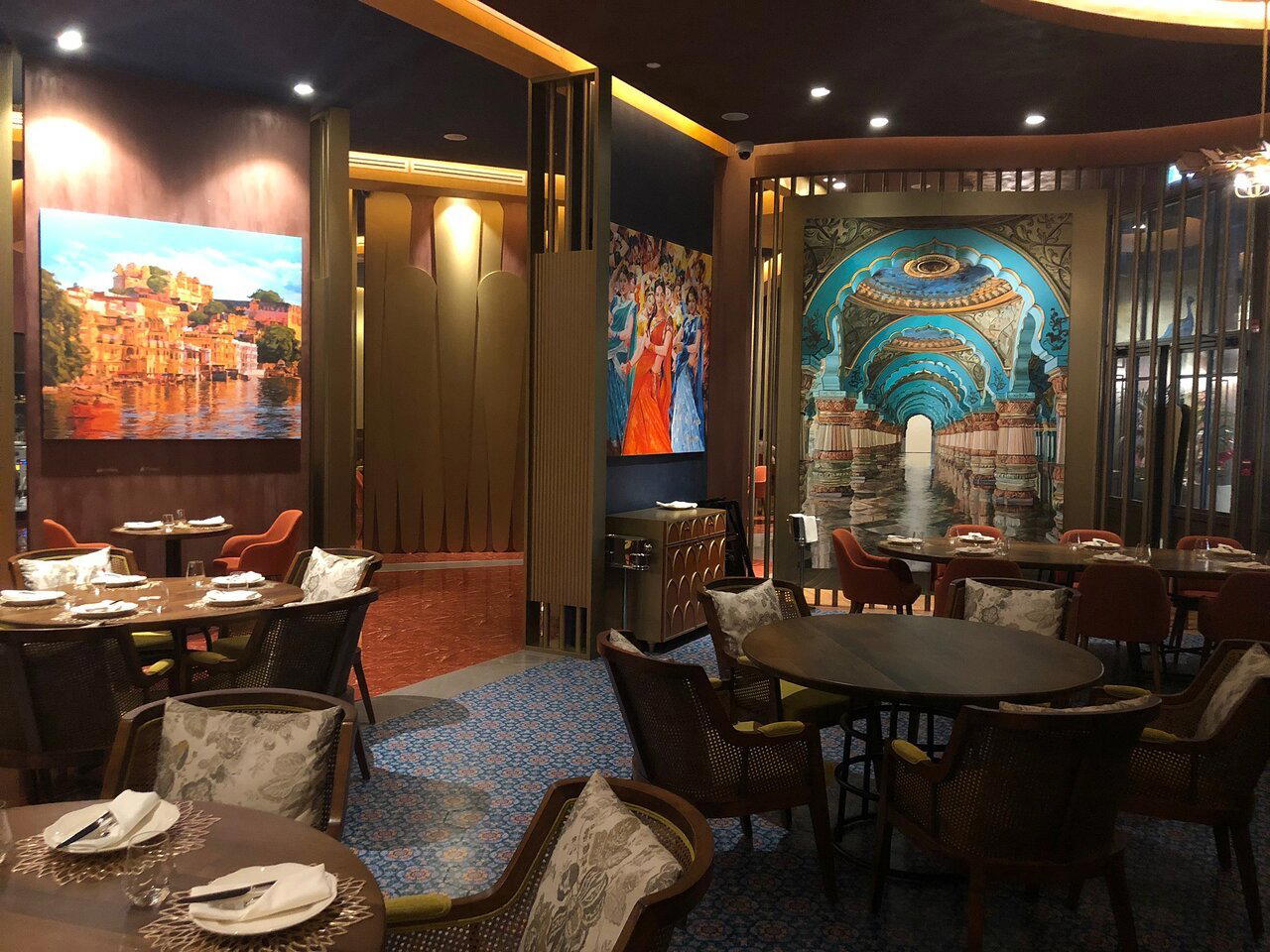
The dining room at Rivaaj operates in a register that Doha's hotel restaurants have largely moved away from: low light, deliberate pacing, and an atmosphere that reads as an invitation to linger rather than turn tables. Within the St. Regis at Al Gassar Resort, it occupies a position distinct from the property's other outlets, trading the brightness typical of all-day dining for something more considered. The room signals that the meal itself is the purpose, which is a useful prompt for first-time visitors deciding how much time to allocate.
Hotel-based Indian restaurants in the Gulf have historically operated as comfort options for the subcontinent diaspora rather than as destinations in their own right. Rivaaj sits closer to the destination end of that range, and its two consecutive Michelin Plate recognitions, in 2024 and 2025, confirm that the cooking registers beyond the familiar hotel-curry circuit.
Heritage Indian Cuisine: What That Actually Means
The phrase "heritage Indian cuisine" appears in Rivaaj's positioning under the direction of Chef Surjan Singh, known publicly as Chef Jolly. In the context of Indian fine dining internationally, "heritage" has become a contested term: sometimes it signals genuine archival research into regional recipes, sometimes it is shorthand for familiar dishes served on better crockery. At Rivaaj, the descriptor appears to mean a commitment to technique and regional range rather than fusion or deconstruction, which places it alongside properties like Gymkhana and Masala Library in Doha's more classically oriented Indian tier, as opposed to the modernist approach visible at venues like Trèsind Studio in Dubai.
The menu covers an appealing range: tandoor-fired street food at the accessible end, through to the kind of composed curries and biryanis that require more kitchen time and attention. For guests uncertain where to begin, the Signature Board offers a cross-section of meats and seafood from the tandoor, accompanied by salad and chutney, which functions as both an introduction to the kitchen's range and a practical way to share across the table.
The Biryani as a Measure of the Kitchen
Among Indian dishes, biryani is perhaps the most reliable diagnostic for a kitchen's discipline. Dum biryani, the method in which par-cooked rice and meat are sealed together and finished over low heat, requires timing, proportion, and patience. The steam trapped under the dough seal or tight lid completes the cooking through its own pressure, and the result, when done correctly, produces rice grains that are individually distinct, aromatic from saffron and spices absorbed during the dum phase, with meat that has had time to release its fat into the base.
The regional variations within the biryani tradition are substantial. Hyderabadi dum biryani uses raw marinated meat layered with rice before sealing; Lucknawi (Awadhi) biryani parcooks both components separately before layering. Kolkata biryani, influenced by the Awadhi court tradition, incorporates potato alongside meat. Malabar biryani from Kerala uses short-grain kaima rice and tends toward sweeter aromatics. Each carries its own internal logic, and a menu claiming heritage credentials will typically signal which tradition anchors its version. The presence of biryani in Rivaaj's range, within a kitchen framed around heritage method, makes it a dish worth ordering as a calibration point for the kitchen overall.
Internationally, the biryani has tracked the broader movement of Indian fine dining into hotel and upscale restaurant formats. Venues like Chaat in Hong Kong and Jamavar in Dubai have demonstrated that the dish translates effectively into premium contexts without requiring adaptation, because the technique itself is already elaborate. The question is whether the kitchen is sourcing quality aromatics and respecting the resting period after cooking, both of which are non-negotiable for a dum biryani to perform correctly.
Where Rivaaj Sits in Doha's Dining Scene
Doha's restaurant market has diversified considerably across hotel dining, standalone venues, and destination restaurants attached to cultural institutions. The Indian segment reflects that spread. At the more accessible end, Dalchini covers everyday Indian across multiple price points. Rivaaj operates at a higher tier, priced at three riyals out of four on the local scale, which places it in the same general bracket as IDAM by Alain Ducasse in terms of positioning within the hotel dining market, though in a different cuisine category entirely.
Against the wider Indian restaurant scene globally, Rivaaj's Michelin recognition aligns it with a cohort that includes Opheem in Birmingham, INDDEE in Bangkok, Musaafer in Houston, Rania in Washington D.C., and Avatara Restaurant in Dubai: Indian kitchens operating outside the subcontinent with enough technical credibility to earn independent critical recognition. The Michelin Plate, it is worth clarifying, is not a star: it denotes a restaurant producing food of good quality without yet reaching the one-star threshold. But two consecutive Plates in a market where Michelin coverage is still developing confirms that the kitchen performs at a level above the hotel-circuit average.
Beyond Indian, Doha's hotel dining scene ranges widely. Baron covers Middle Eastern with a different register, and the city's overall dining spread is mapped in our full Doha restaurants guide. For those planning around accommodation, our Doha hotels guide covers the full spectrum. Additional city guides include bars, wineries, and experiences across Doha.
Service and the Case for Booking Ahead
The service at Rivaaj has been noted consistently for its warmth, which is a meaningful differentiator in hotel restaurant dining where attentiveness can tip into formality. In a room designed for slower meals, that tone matters for the overall experience.
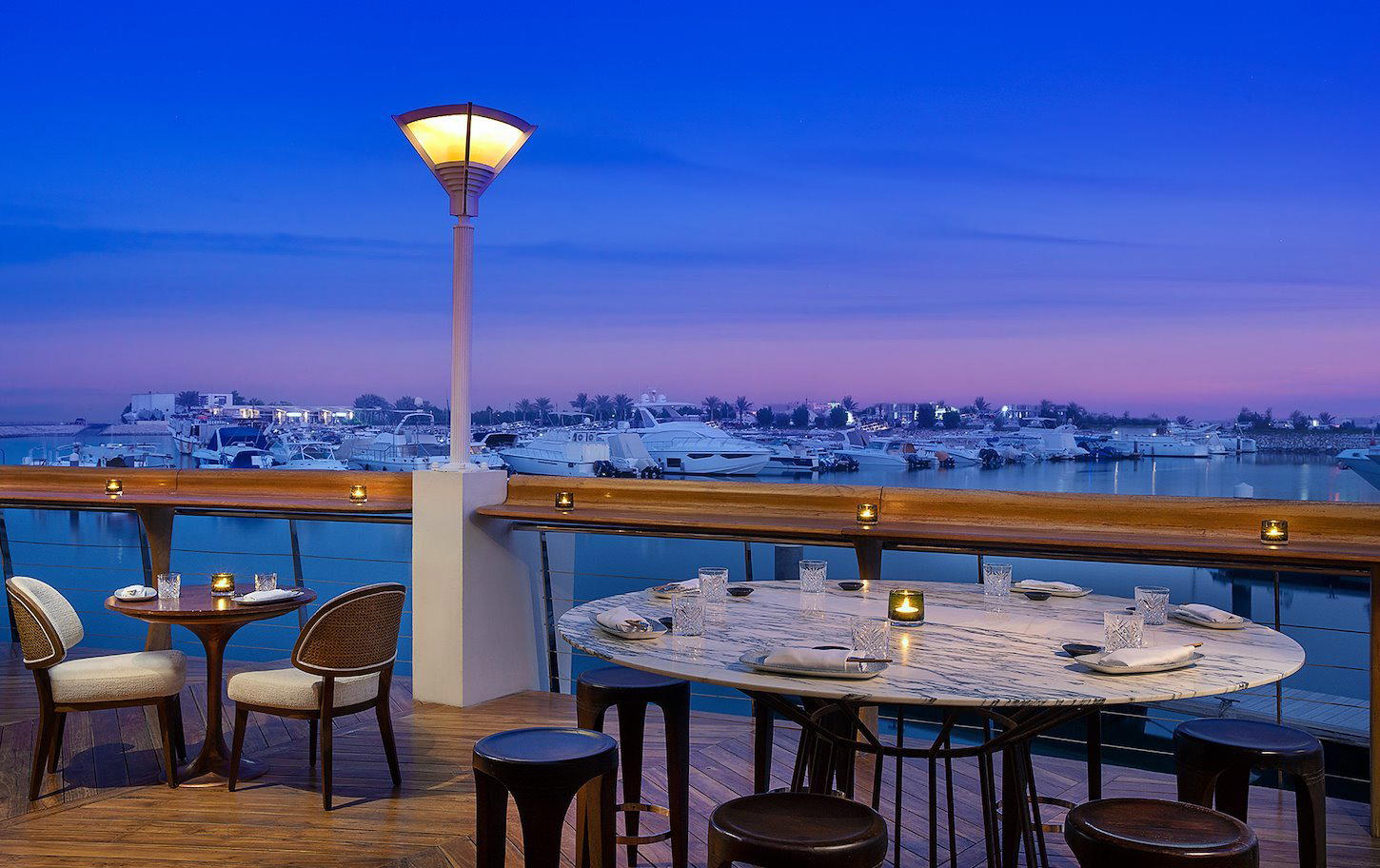
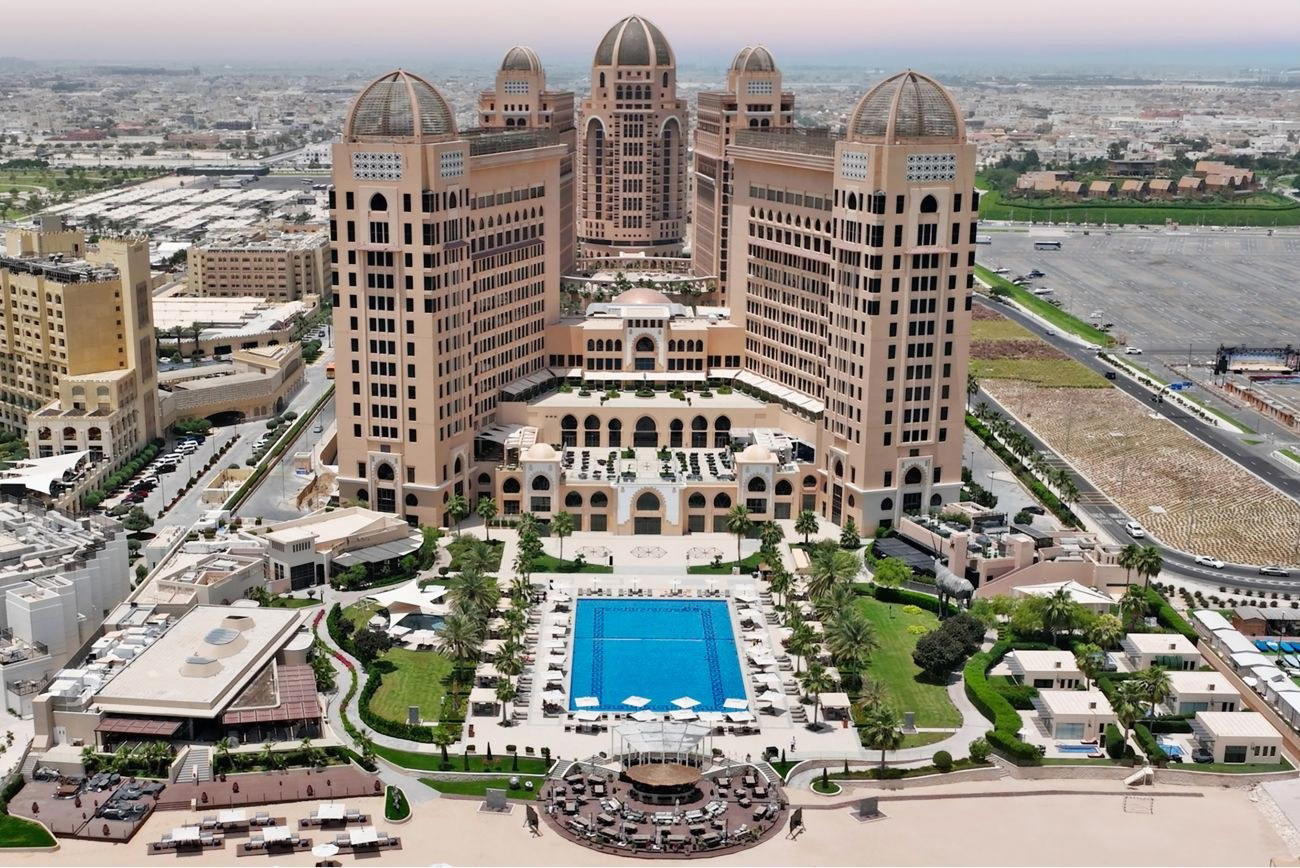
Rivaaj is located within the St. Regis Doha at Al Gassar Resort, which sits in the West Bay area. Guests staying at the property can book through the hotel concierge; outside guests are advised to reserve in advance, particularly for weekend evenings when demand across Doha's hotel dining circuit tends to compress. The three-riyal price positioning means a full dinner for two with beverages will sit at the upper end of the mid-range for Doha, competitive with peer hotel restaurants in the same tier.
Frequently asked questions
Is Rivaaj expensive?
Pricing at Rivaaj is listed as ﷼﷼﷼.
Is Rivaaj focused on a specific cuisine style?
Does Rivaaj have a Michelin star or similar recognition?
Rivaaj has received recognition including: ‘Heritage Indian Cuisine’ under the aegis of Surjan Singh, better known as ‘Chef Jolly’, is the order of the day at this elegant and moodily lit restaurant at the St Regis hotel. That means a menu offering an appealing range of dishes, from….
What should I eat at Rivaaj?
The Signature Board is the kitchen's clearest statement: a selection of meats and seafood from the tandoor, served with salad and chutney. It covers the range of what Chef Jolly's heritage Indian menu does well across formats, from street-food references to more composed preparations. Biryanis and curries round out a menu that holds a Michelin Plate for 2024 and 2025.
What's the address for Rivaaj?
Rivaaj is located at The St. Regis Doha, Al Gassar Resort, Doha, Qatar, Doha.
What's the best way to book Rivaaj?
Rivaaj sits inside the St. Regis Doha at Al Gassar Resort, so reservations can typically be arranged through the hotel's dining concierge or front desk. Given the restaurant's consistent Michelin Plate recognition and the pace of hotel dining in Doha, booking ahead rather than walking in is the practical approach, particularly for weekend dinners.
Credentials Lens
A short peer table to compare basics side-by-side.
| Venue | Cuisine | Price | Awards | Notes |
|---|---|---|---|---|
| RivaajThis venue (the venue you are viewing) | Heritage Indian Fine Dining | Not listed | Michelin Plate | Not listed |
| IDAM by Alain Ducasse | Contemporary French Mediterranean with Arabian influences | $50–100 | 1 Michelin Star · World's 50 Best #44 | French, French Contemporary, ﷼﷼﷼﷼ |
| Argan | Authentic Moroccan | $20–30 | Michelin Bib Gourmand | Moroccan, ﷼ |
| Hakkasan | Modern Cantonese | $100–150 | Michelin Plate | Chinese, ﷼﷼﷼﷼ |
| Jiwan | Modern Qatari Fine Dining | Not listed | Michelin Bib Gourmand | Middle Eastern, ﷼﷼ |
| Morimoto | Contemporary Japanese Fusion | $100–150 | Michelin Plate · Wine Spectator Award of Excellence | Japanese, Sushi, Japanese Contemporary, ﷼﷼﷼ |
Recognition history
Dated appearances from independent guides and award organizations, with the underlying list record or original source where available.
Michelin Plate
Michelin
Full recognition history (3 entries)
Michelin Plate
Michelin
Michelin Plate
Michelin