
Preferred Hotels Member
Dusit Doha Hotel occupies a strategic position near the Qatar Financial Centre on Diplomatic Street, offering 357 rooms across a property that bridges the city's commercial core with its diplomatic quarter. The scale places it in a different competitive tier from Doha's boutique-led properties, making it a functional anchor for business and extended-stay travellers moving between the financial district and the wider city.

Pearl is the En Primeur Club membership app — saves, bookings, and concierge access live there. Same editors, same standards.
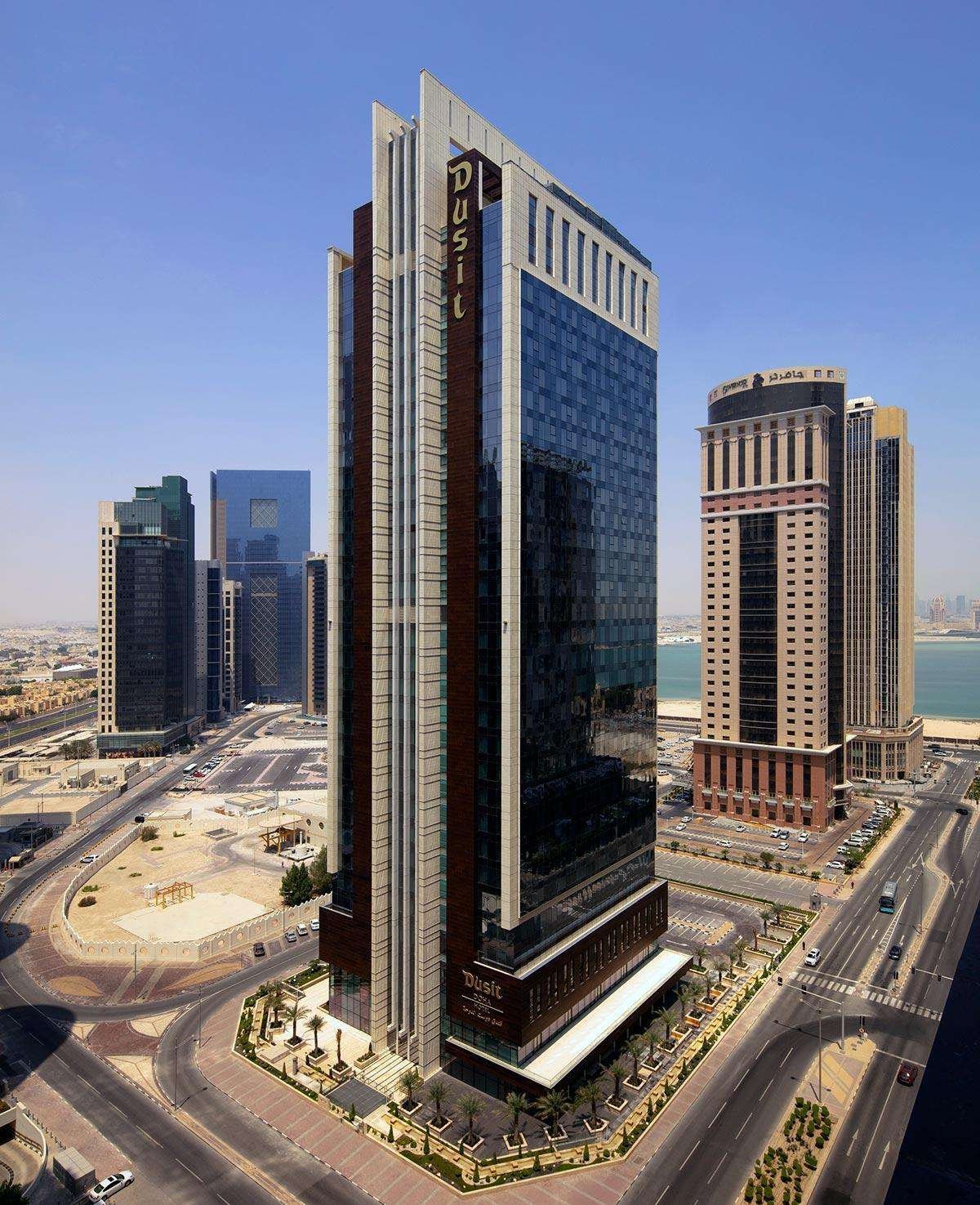
Diplomatic Street, QFC Corridor: Where Doha Positions Its Business-Grade Hotels
The stretch of Diplomatic Street running past the Qatar Financial Centre has become one of Doha's more legible hotel corridors. Unlike the West Bay waterfront, which clusters international flagships for maximum visibility, or the Mushaireb district, where properties like Banyan Tree Doha At La Cigale Mushaireb draw on a heritage-adjacent identity, this QFC-adjacent zone operates on a different logic: proximity to corporate headquarters, government ministries, and the institutional infrastructure that drives Doha's mid-week occupancy. Dusit Doha Hotel sits inside that logic, with 357 rooms and an address that positions it as a natural base for anyone whose Doha itinerary is built around meetings rather than Marina walks.
The Thai-heritage Dusit brand brings a recognisable service framework to this location, one that prioritises courteous efficiency over theatrical luxury. That positioning matters in a city where the hospitality conversation tends to amplify the most spectacular end of the market: the Four Seasons Hotel Doha on the corniche, the Fairmont Doha in Lusail, or the Grand Hyatt Doha Hotel and Villas on the West Bay lagoon. At 357 rooms, Dusit Doha is a full-scale hotel rather than a boutique property, and it competes on that basis: consistent delivery across a large footprint, rather than the curated intimacy you get at a smaller address.
A Property Built for the QFC Corridor's Working Week
Doha's hotel market has bifurcated sharply since 2022. The World Cup accelerated investment at the high-visibility end, producing a wave of destination-scale properties that are now calibrating for post-tournament demand. Simultaneously, the city's expansion as a financial hub and regional headquarters location has sustained demand for well-located, professionally operated hotels that don't require guests to justify a luxury spend on every trip. Dusit Doha occupies that second category, where location relative to the financial district is the primary decision variable for the travel managers and frequent visitors who fill its rooms from Sunday through Thursday.
The 357-room count indicates infrastructure built for conference demand as well as transient business stays. Properties at this scale typically carry meeting rooms, all-day dining, and operational redundancy that smaller addresses can't match. For travellers whose Doha visit centres on the QFC or the ministries clustered in this part of the city, that self-contained character reduces friction: fewer transit decisions, predictable food and beverage access, and the kind of service consistency that matters when you're returning to your room after a long day of meetings.
For a different kind of Doha stay with a resort focus, Banana Island Resort Doha by Anantara occupies the opposite end of the spectrum, requiring a short boat transfer but delivering genuine escape from the city's working rhythm. The Hilton Salwa Beach Resort and Villas in Abu Samra extends that logic further south for those with flexibility to leave the city altogether. Dusit Doha is not competing with either of those; it is competing with the cluster of mid-to-upper business hotels that ring the financial district.
Sourcing and Dining in the QFC Hotel Tier
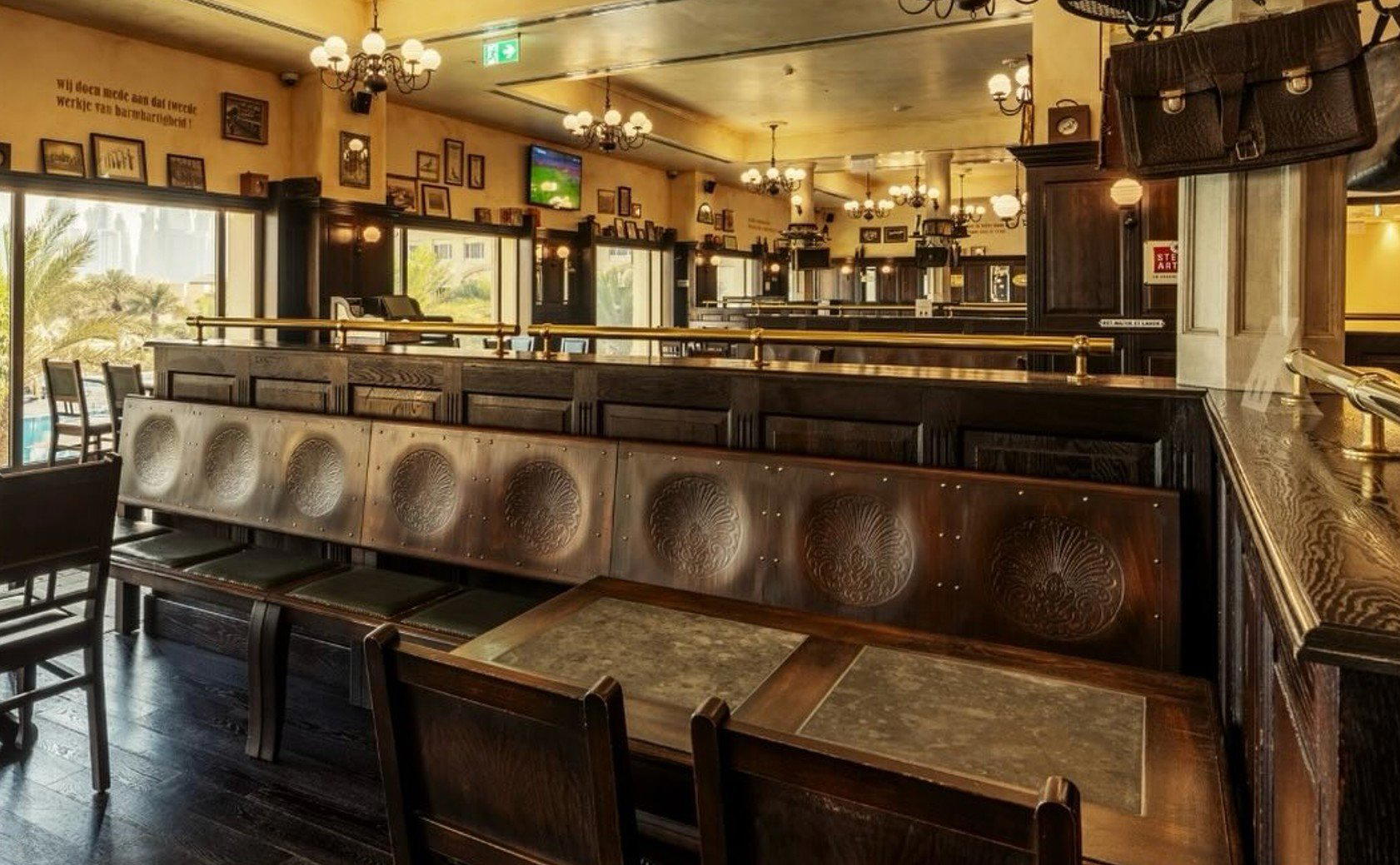
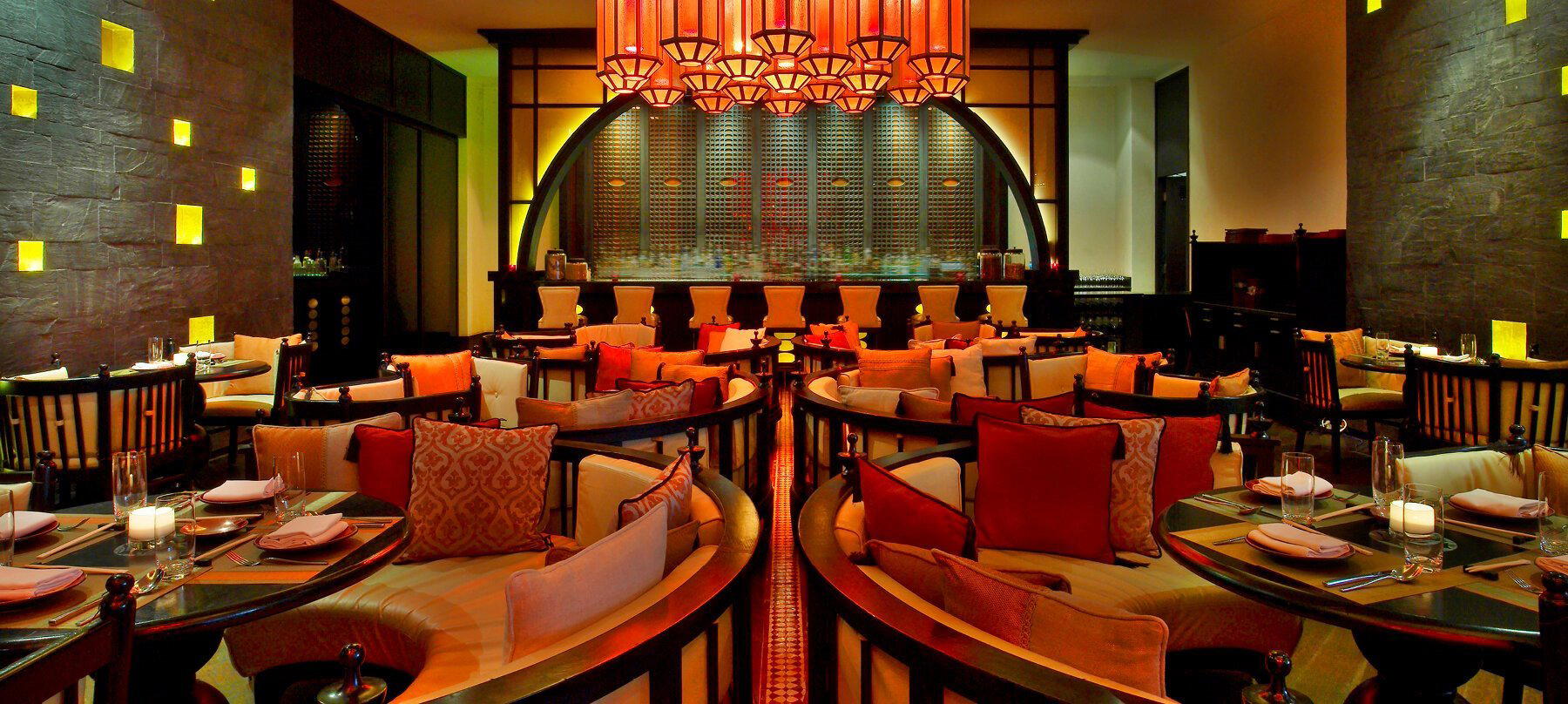
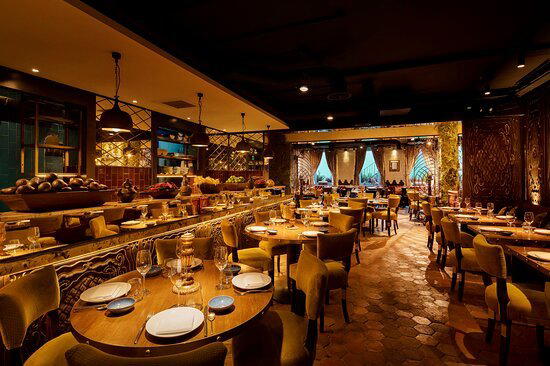
Business hotels in Doha's QFC corridor tend to run international all-day dining concepts alongside more focused F&B; outlets, reflecting the mixed demand from corporate guests who want familiar options and leisure visitors exploring the city. The sourcing picture across Doha's hotel restaurant tier has shifted meaningfully in recent years: the broader regional move toward Gulf-grown produce, hydroponic vegetables from local farms, and regional seafood from Qatari waters has reached even the mid-scale hotel dining circuit, not just the prestige-end restaurants reviewed in Doha's international press. That shift matters because it changes what a hotel breakfast or a casual dinner at a property like Dusit Doha actually delivers, moving it further from the generic international buffet model that dominated Doha hotel dining a decade ago.
Doha's fishing heritage along the northern coast and the sustained commercial fishing operations in Qatari waters mean that Gulf seafood, when hotels choose to source it, carries genuine provenance. Hamour, the grouper-family fish that appears across Gulf menus, alongside shrimp from local waters and the date varieties grown in Qatar's interior, represent the most direct line from Qatari agriculture and fisheries to a hotel plate. For a broader map of where Doha's dining scene sits right now, the EP Club Doha restaurants guide covers the full picture across restaurant tiers and neighbourhoods.
How Dusit Doha Fits Into Doha's Wider Hotel Map
Doha's premium hotel tier has expanded dramatically enough that the mid-scale business hotel category now occupies a clearly defined niche rather than a default position. Properties like Aleph Doha Residences, Curio Collection by Hilton or 21 High Street Residence By The Torch represent the serviced residence model that appeals to longer-stay guests, while Dusit Doha runs as a conventional hotel with the full amenity stack. The Doha Tower Hotel offers another point of comparison for travellers weighing location against brand within the business segment.
The Dusit brand's Thai origin gives it a service philosophy that distinguishes it from the American and European chains dominant in this tier globally. That philosophy, centred on a concept of gracious hospitality rooted in Thai court traditions, tends to translate into a particular warmth in guest-facing interactions that sets Dusit properties apart from operationally equivalent competitors. At 357 rooms, maintaining that quality of service across a large team is the challenge that separates good Dusit properties from merely functional ones.
Travellers interested in how Doha compares to other international business hotel markets can map the Dusit stay against properties in comparable financial district contexts: Bvlgari Hotel Tokyo operates at the ultra-premium end of the Tokyo business hotel spectrum, while Cheval Blanc Paris and Hotel Plaza Athenee in Paris anchor the prestige tier in a European financial capital context. For wellness-led alternatives in the Gulf region, Zulal Wellness Resort by Chiva-Som in Al Ruwais represents the most distinct departure from the urban business hotel model available within Qatar.
Planning Your Stay
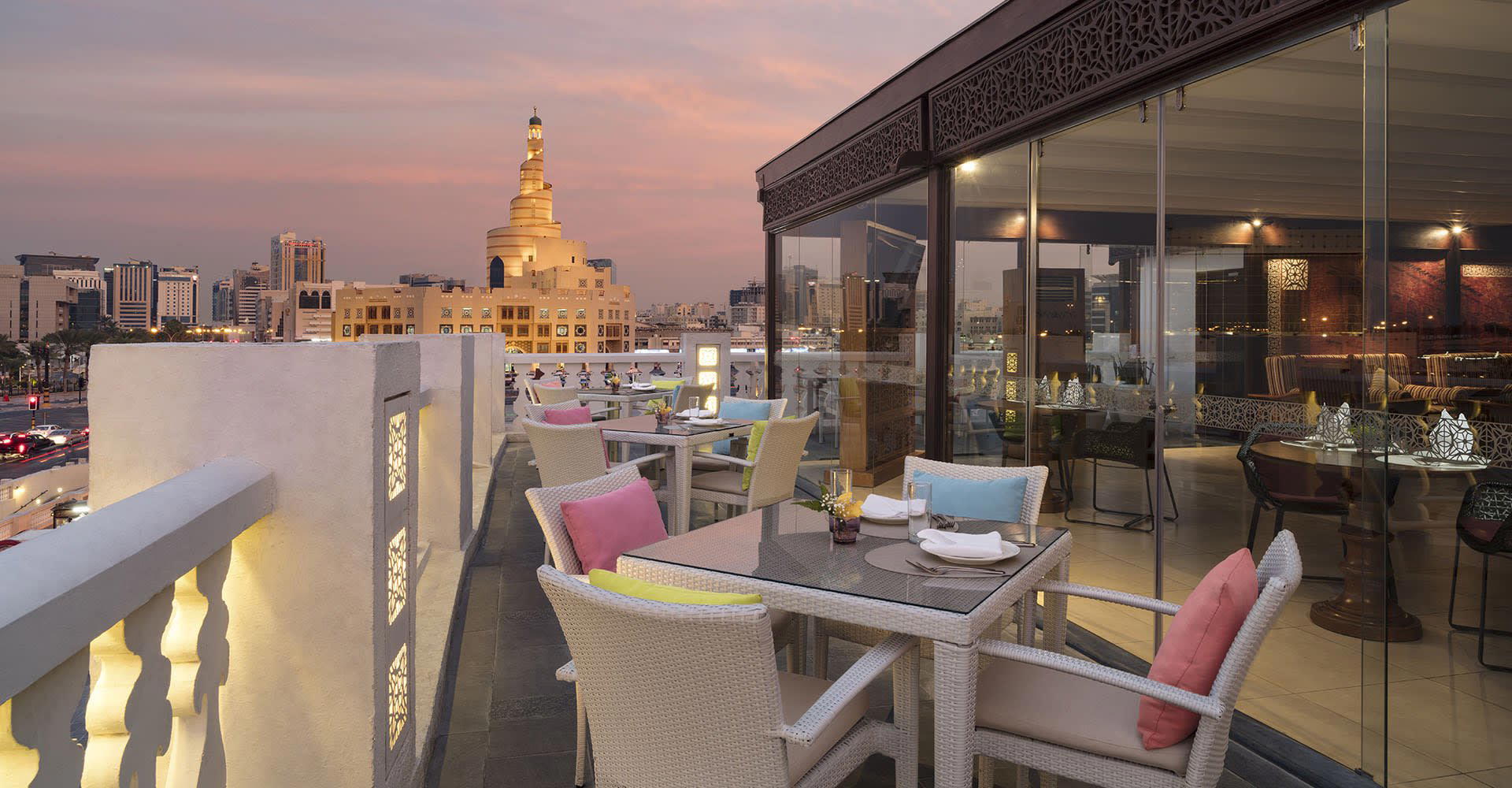
Dusit Doha Hotel is located on Diplomatic Street near the Qatar Financial Centre in Doha, placing it within direct reach of the QFC towers and the ministerial corridor that defines this part of the city. The address is practical for anyone whose Doha schedule centres on the financial district; West Bay and the corniche are accessible by taxi or the Doha Metro, with the nearest metro infrastructure having expanded significantly since 2019. Guests travelling to Hamad International Airport, consistently ranked among the Gulf's highest-performing airports for transit experience, will find the journey direct by metered taxi or ride-hailing app. The hotel's 357-room scale means availability is generally less constrained than at the city's smaller boutique addresses, though the Sunday-to-Thursday corporate demand cycle tightens midweek inventory during peak conference periods. Booking through the Dusit brand's own channels typically delivers the most direct rate access.
Cuisine Context
Comparable venues nearby, for context on price, style, and recognition.
| Venue | Cuisine | Awards | Notes |
|---|---|---|---|
| Dusit Doha HotelThis venue (the venue you are viewing) | Contemporary luxury serviced residences with spacious suites and panoramic views | Preferred Hotels Member | Not listed |
| Andaz Doha | Lifestyle hotel with polished, locally inspired design | Michelin Selected | West Bay |
| The Torch Doha | Well-known high-rise tower hotel connected to shopping mall | World Luxury Hotel Awards WLHA Country Winner | Umm Ghuwailina |
| Sheraton Grand Doha Resort & Convention Hotel | Well-known beachfront resort with convention facilities and pyramidal architecture. | Not listed | West Bay |
| Banana Island Resort Doha by Anantara | Luxurious private island resort with Arabian hospitality and modern amenities. | Michelin Selected · Forbes Recommended | Banana Island |
| 21 High Street Residence By The Torch | Artist-themed luxury serviced apartments with historical inspiration and modern comforts | World Luxury Hotel Awards WLHA Continent Winner | Fereej Abdul Aziz |
Recognition history
Dated appearances from independent guides and award organizations, with the underlying list record or original source where available.
Preferred Hotels Member
Preferred Hotels
Continue exploring
More in Doha
Hotels in Doha
All hotels in Doha →
Bars in Doha
All bars in Doha →
Details
- Elegant
- Modern
- Sophisticated
- Family Vacation
- Business Trip
- Rooftop Pool
- Panoramic View
- Wi Fi
- Pool
- Spa
- Fitness Center
- Room Service
- Concierge
- Business Center
- Valet Parking
- Skyline
- Waterfront
- Wheelchair Accessible
- Elevator
- Step Free Entrance
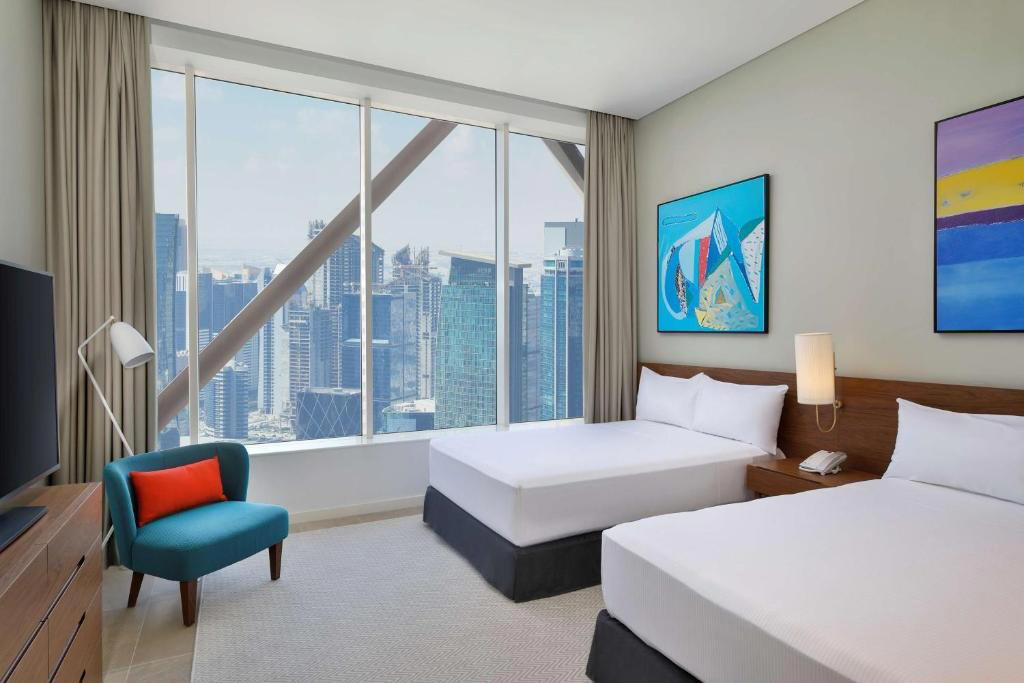
Soundproofed rooms with soothing interiors, floor-to-ceiling windows offering natural light, and a serene, elegant atmosphere.