
Michelin Plate
Our verdict
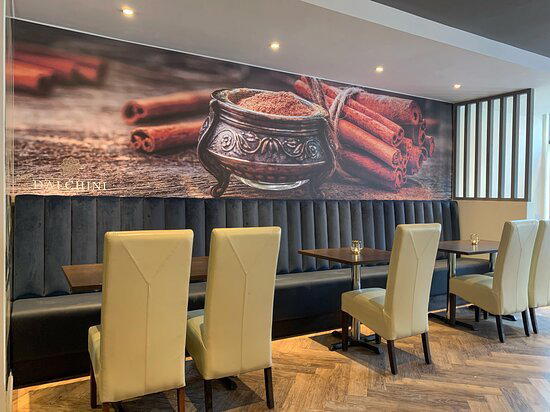
Dalchini, situated within the Centara West Bay Hotel on Diplomatic Street, holds a 2024 Michelin Plate for its progressive Indian cooking, drawing on all regional traditions from the subcontinent. The interior's purple, cyan, and orange palette signals the kitchen's intent: confident spicing, considered presentation, and an approach that moves beyond the familiar. At a mid-range price point, it occupies a distinct position in Doha's Indian dining tier.

Pearl is the En Primeur Club membership app, where members save venues, book tables and use the concierge.
The menu
What to order
- South Indian Thali
- Kabab Platter
- Butter Chicken
- Rogan Josh
Where Colour and Spice Set the Register
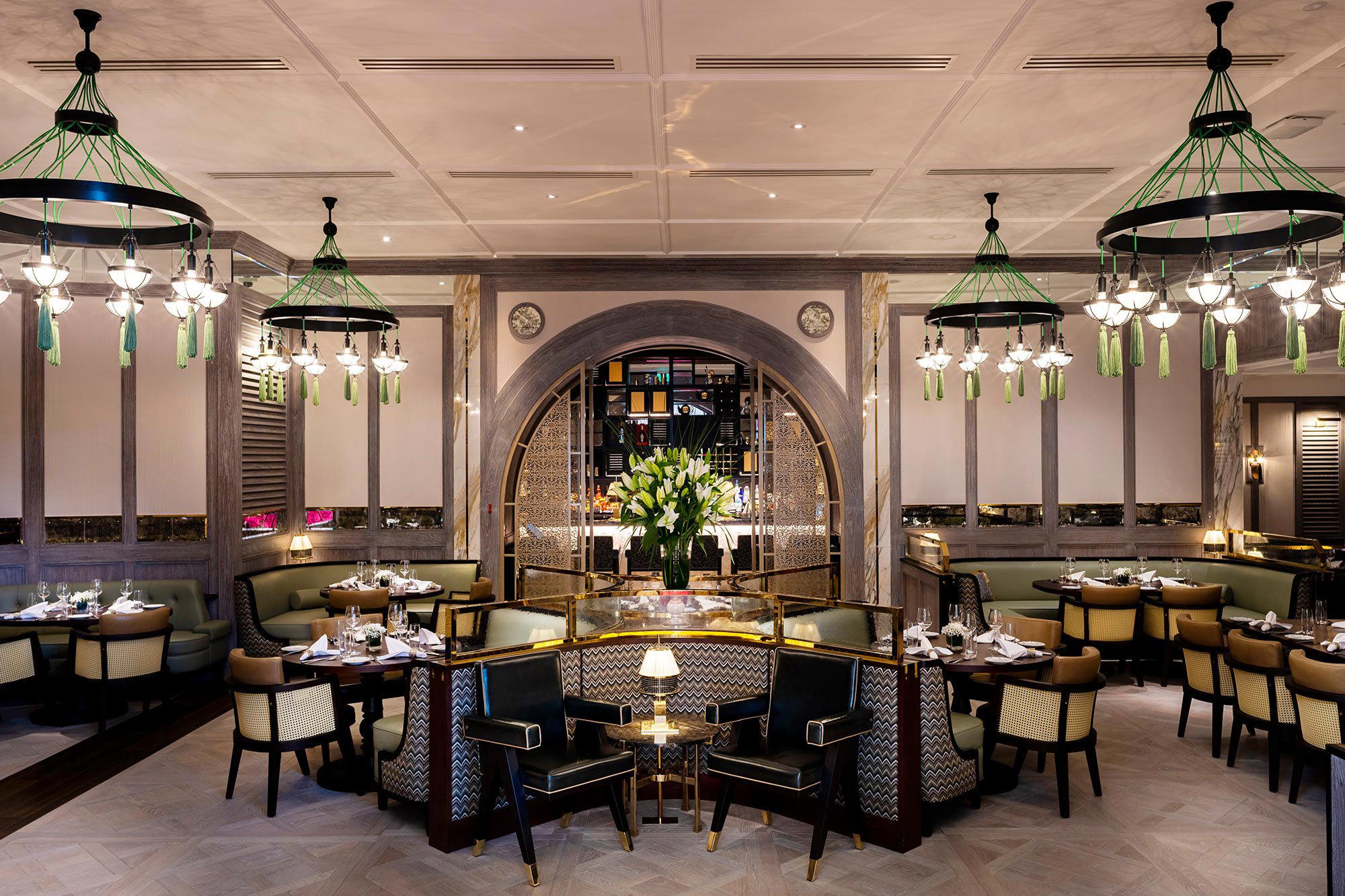
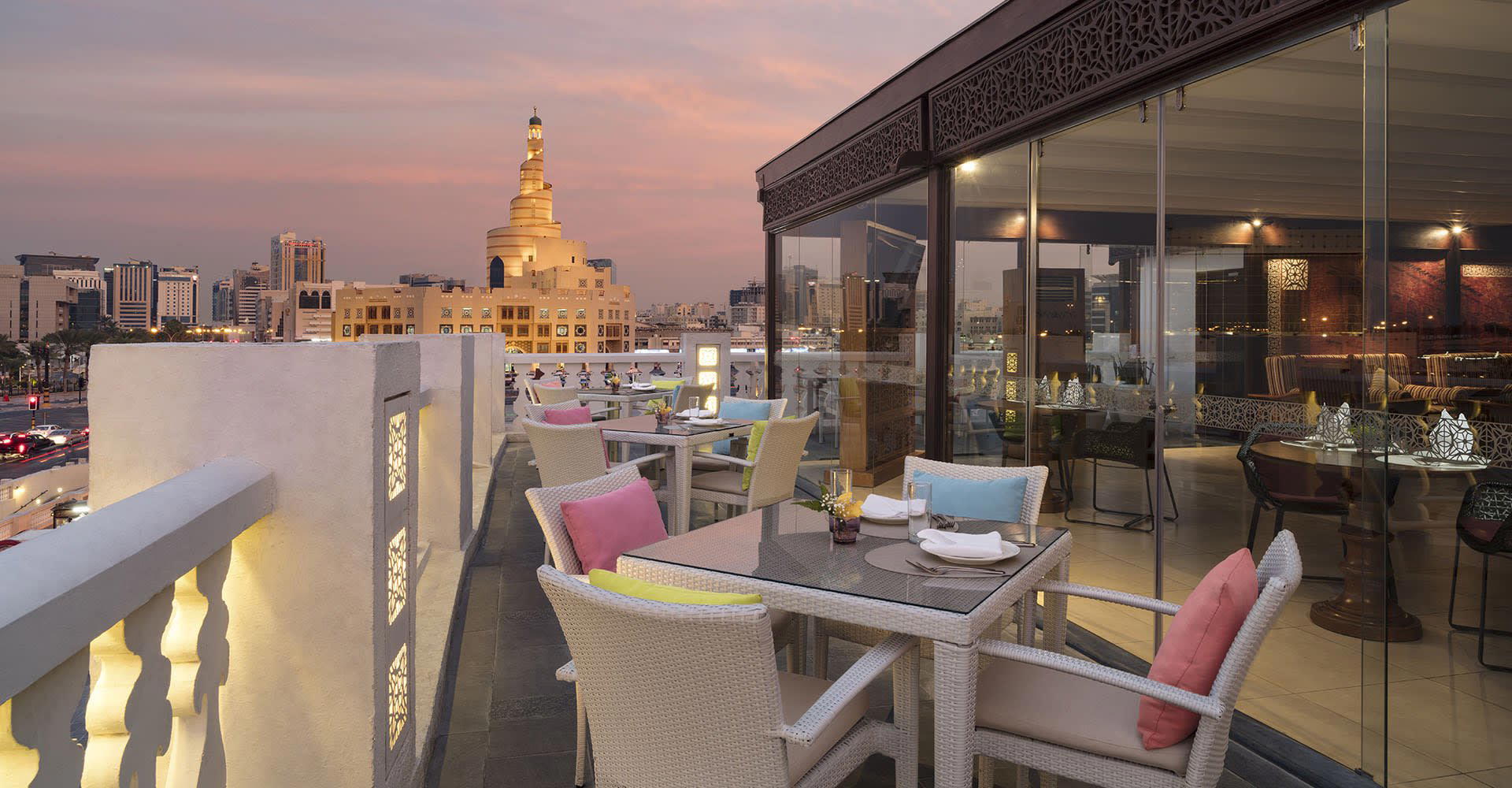
The palette hits you first. Purple, cyan blue, and orange sweep through the Dalchini dining room inside the Centara West Bay Hotel on Diplomatic Street, and the chromatic confidence is not accidental. In a city where hotel restaurants often retreat to neutral luxury finishes, a room that commits so fully to colour is making an argument about the food before a single plate arrives. The name itself declares an ingredient: dalchini is Hindi for cinnamon, one of the most geographically travelled spices in the subcontinental pantry, carried along trade routes from Sri Lanka and Kerala long before it entered the canon of Mughal court cooking.
That grounding in the ingredient, rather than in a single regional tradition, turns out to be an accurate signal for what follows. Progressive Indian cooking, as a category, has matured considerably across the Gulf and beyond in the past decade, with kitchens in Dubai, London, and Hong Kong rethinking how the subcontinent's ingredients and techniques translate into contemporary fine-dining formats. Dalchini operates in that current, representing all regions of India on the menu rather than anchoring to one state's tradition. The approach means the kitchen draws from a spectrum of sourcing logic: the coastal aromatics of the south, the dairy-rich preparations of the north, the mustard-forward registers of Bengal, and the dried-spice depth of Rajasthan all carry different ingredient histories and growing geographies, and a menu that spans them requires genuine command of that material.
The Sourcing Logic Behind Progressive Indian
Progressive Indian, at its most considered, is not a departure from ingredient fidelity but a deepening of it. The movement's better exponents work from the position that subcontinental produce, spicing hierarchies, and preparation sequences deserve the same scrutiny that Scandinavian or Japanese kitchens apply to their own larders. When Dalchini's kitchen is described as delivering a well-judged balance of vivid and subtle spicing, that is an ingredient-management observation as much as a flavour one: getting that balance consistently across regional recipes with very different spice foundations is a technical challenge, not just a creative preference.
Across the wider Indian fine-dining circuit, the sourcing conversation has shifted. At Trèsind Studio in Dubai, the kitchen has pushed ingredient theatrics toward fermentation and hyper-local provenance. Avatara in Dubai works an entirely plant-based format that repositions vegetarian Indian cooking as a philosophy rather than a concession. In London, Amaya built its reputation on open-fire cooking techniques that foreground the ingredient rather than the sauce, while Benares and Opheem in Birmingham hold Michelin recognition for approaches that treat classical Indian spicing as a starting point for original construction. In Bangkok, Haoma and INDDEE each represent the format's spread into Southeast Asian dining culture. Chaat in Hong Kong brings street-food vocabulary into a refined format. Dalchini's 2024 Michelin Plate places it in credentialed company across this global circuit, holding recognition at the same guide cycle that refined several peers across the region.
Doha's Indian Dining Tier
Within Doha specifically, Indian cooking occupies a meaningful share of the restaurant offer, supported by one of the city's largest expatriate communities and a longstanding appetite for the cuisine across Qatari dining culture. The city's Indian restaurants now operate across a wide price spectrum, from neighbourhood canteens serving the labour community to hotel restaurants operating at the upper end of the local fine-dining bracket. Dalchini's double-riyal price point positions it in the mid-to-upper segment without reaching the four-riyal tier occupied by places like IDAM by Alain Ducasse.
Rivaaj adds another reference point in the city's Indian fine-dining conversation. The Michelin Plate, awarded in 2024, is the guide's recognition that cooking quality meets a consistent standard worth noting; it sits below a star but above the general field, and in a city where Michelin's Gulf edition is still establishing its citation authority, early inclusion carries weight as a trust signal. For context on the full dining offer across the city, our full Doha restaurants guide maps the scene across categories and price points.
Reading the Menu's Regional Ambition
A menu that represents all of India is a structural statement with real consequences for the kitchen. Most subcontinental regions have distinct ingredient signatures tied to geography and climate: the coconut oil and curry leaf of Kerala, the saffron and dried fruit of Kashmir, the tamarind acidity of Tamil Nadu, the chickpea flour base of Gujarati snacking culture. Moving confidently between these registers requires sourcing relationships that reach beyond a single regional supplier, and the Michelin guide's observation that dishes are confidently made and neatly presented with an original touch suggests the kitchen is managing that complexity with control rather than spreading thin.
The neatness of presentation is worth noting separately from the flavour commentary. Progressive Indian at the sharper end of the format tends to invest in plating discipline that European and Japanese fine dining have long applied to their own traditions. It reflects a broader argument, now fairly well established across the global Indian dining conversation, that subcontinental cooking deserves the same visual and textural consideration that French or Japanese cuisine receives. At the price point Dalchini operates, that presentation register is appropriate and expected.
For those building a fuller picture of Doha's hospitality offer alongside a meal here, our Doha hotels guide, bars guide, wineries guide, and experiences guide cover the wider scene. For those exploring Doha's Middle Eastern options alongside Indian, Baron represents a relevant comparison in the regional dining category.
Planning a Visit
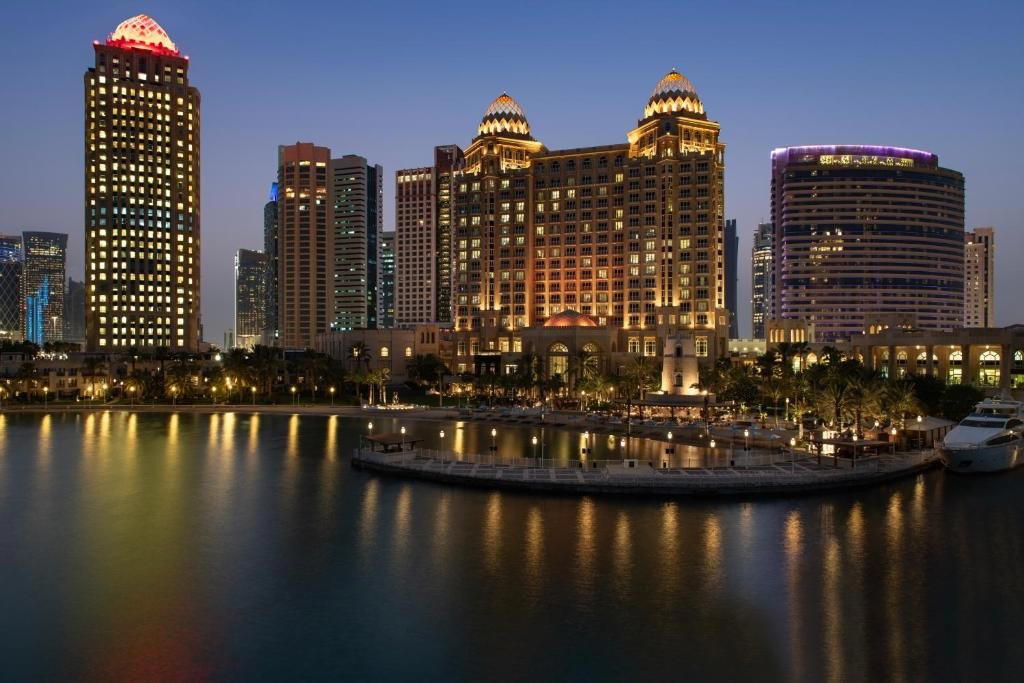
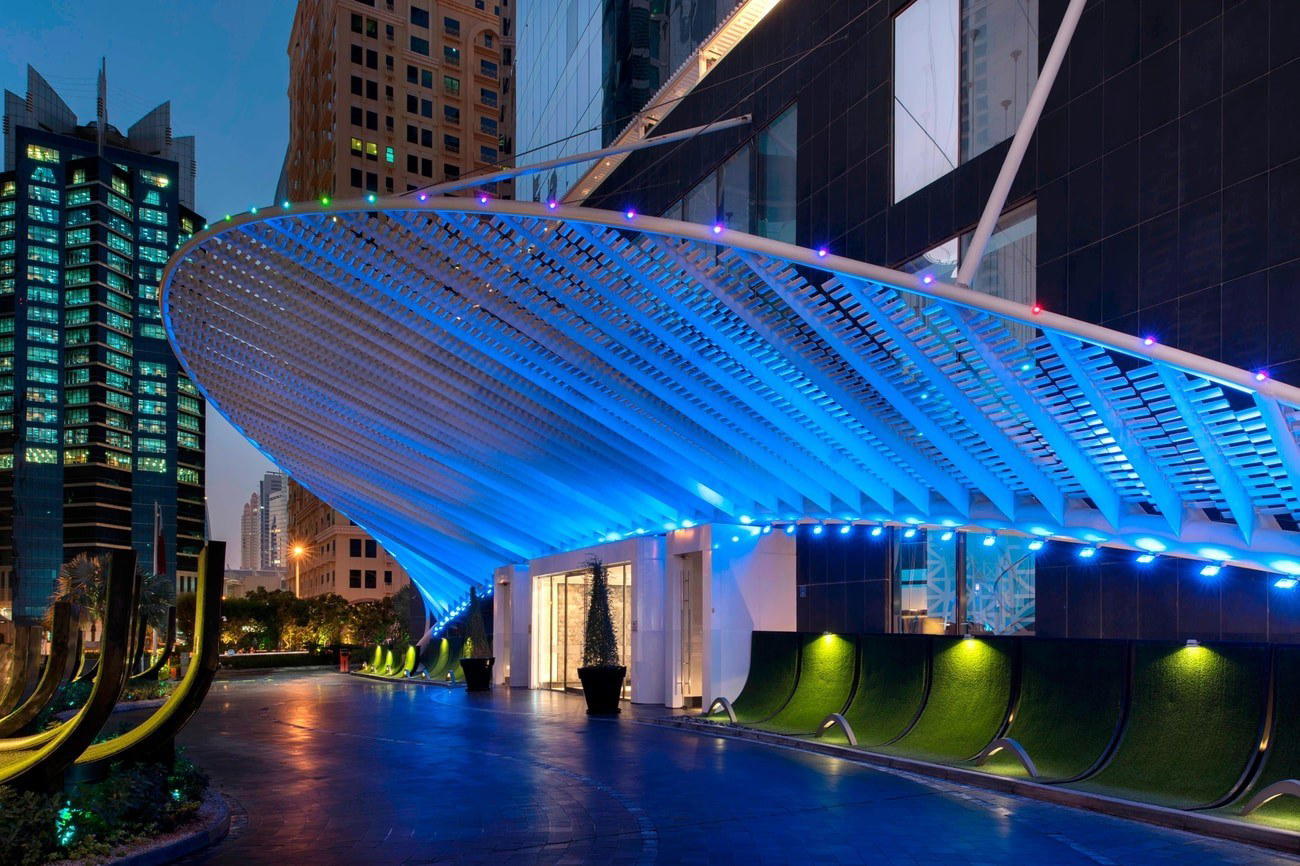
Dalchini is located within the Centara West Bay Hotel on Diplomatic Street in Doha's West Bay district, the city's main business and hotel quarter. The mid-range price positioning, paired with the Michelin Plate credential, makes it a sensible choice for a serious dinner without the commitment of the city's top-tier hotel dining rooms. Reservation practice and operating hours are best confirmed directly with the hotel. The Centara West Bay provides the practical infrastructure of a full hotel property, including parking and lobby access, which eases the logistics of an evening visit.
Frequently asked questions
What price level is Dalchini?
Pricing at Dalchini is listed as ﷼﷼.
Recognition Snapshot
Comparable options at a glance, pulled from our tracked venues.
| Venue | Cuisine | Price | Awards | Notes |
|---|---|---|---|---|
| DalchiniThis venue (the venue you are viewing) | Progressive Indian | $50–100 | Michelin Plate | Not listed |
| IDAM by Alain Ducasse | Contemporary French Mediterranean with Arabian influences | $50–100 | 1 Michelin Star · World's 50 Best #44 | French, French Contemporary, ﷼﷼﷼﷼ |
| Argan | Authentic Moroccan | $20–30 | Michelin Bib Gourmand | Moroccan, ﷼ |
| Hakkasan | Modern Cantonese | $100–150 | Michelin Plate | Chinese, ﷼﷼﷼﷼ |
| Jiwan | Modern Qatari Fine Dining | Not listed | Michelin Bib Gourmand | Middle Eastern, ﷼﷼ |
| Morimoto | Contemporary Japanese Fusion | $100–150 | Michelin Plate · Wine Spectator Award of Excellence | Japanese, Sushi, Japanese Contemporary, ﷼﷼﷼ |
Recognition history
Dated appearances from independent guides and award organizations, with the underlying list record or original source where available.
Michelin Plate
Michelin
Full recognition history (2 entries)
Michelin Plate
Michelin
Continue exploring
More in Doha
Restaurants in Doha
All restaurants in Doha →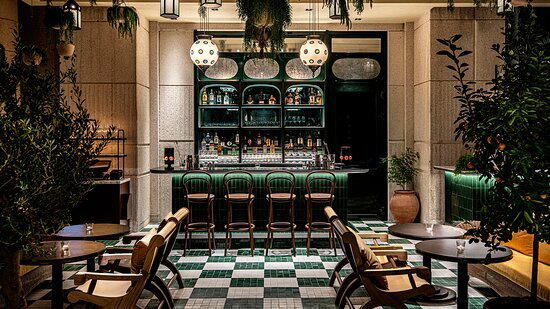
Bars in Doha
All bars in Doha →

Details
- Elegant
- Modern
- Sophisticated
- Date Night
- Business Dinner
- Group Dining
- Family
- Celebration
- Hotel Restaurant
- Extensive Wine List
- A La Carte
- Buffet
- Vegetarian Friendly
- Vegan Options
- Gluten Free Options
- Halal
Current opening hours
- Monday
- 12–11:30 PM
- Tuesday
- 12–11:30 PM
- Wednesday
- 12–11:30 PM
- Thursday
- 12–11:30 PM
- Friday
- 12–11:30 PM
- Saturday
- 12–11:30 PM
- Sunday
- 12–11:30 PM
Hours can change for holidays and private events. Hours as of .
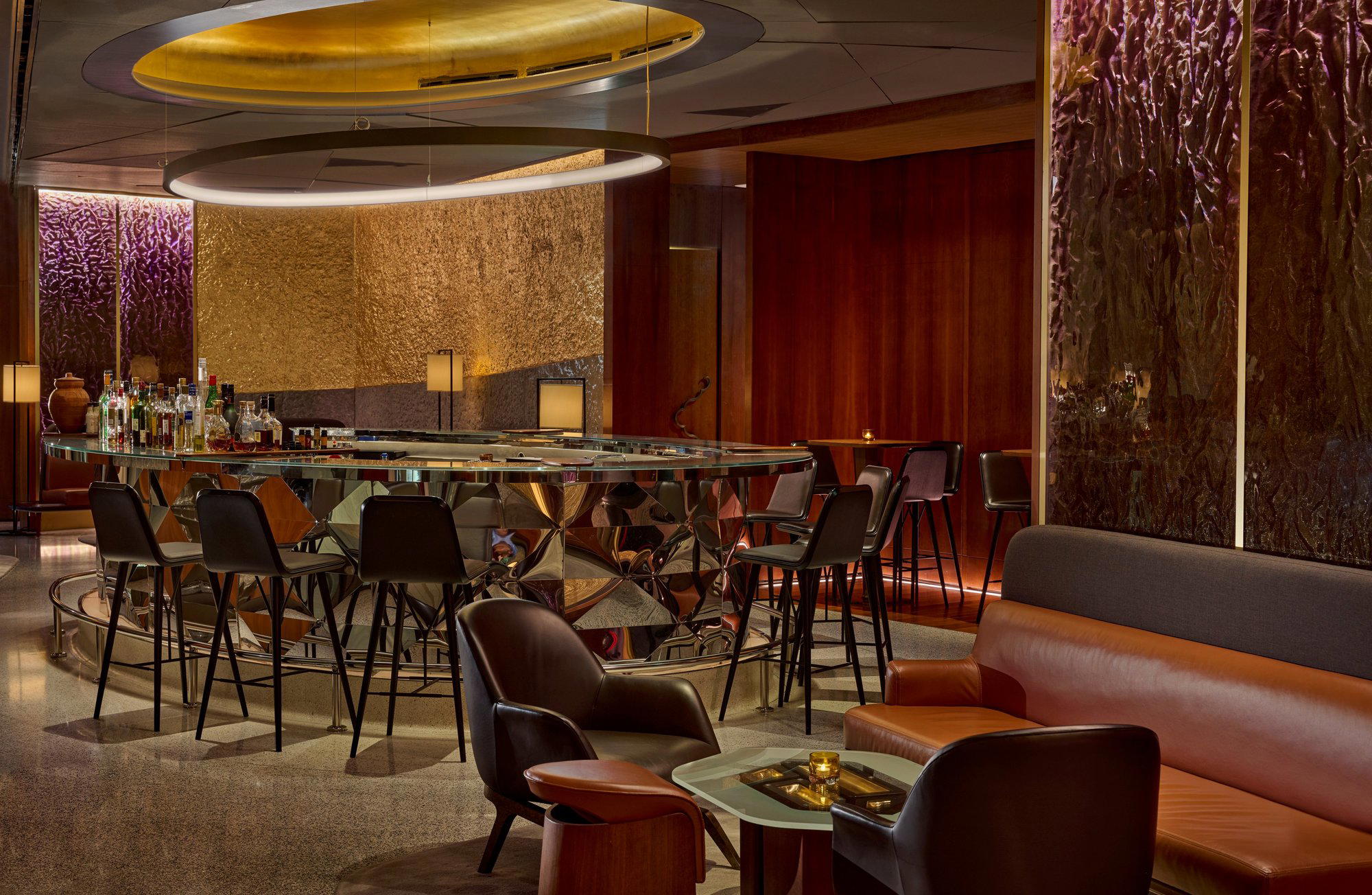
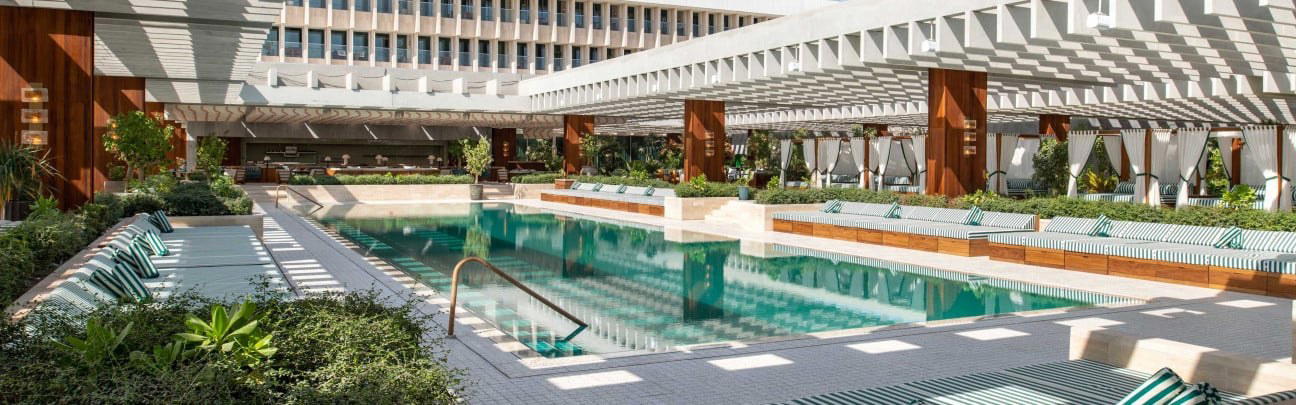
Dimmed lighting with hues of green, copper, and vivid colors creating a soothing, elegant atmosphere.