



Hong Kong's fine-dining Indian scene found a serious address when Chaat opened at Rosewood's Victoria Dockside. Ranked #77 in Opinionated About Dining's Top Restaurants in Asia (2025) and holding a Black Pearl Diamond, the restaurant moves from street-level chaat snacks to tandoor-fired centrepieces with a confidence that places it well above the city's decorative curry-house tier.
Pearl is the En Primeur Club membership app — saves, bookings, and concierge access live there. Same editors, same standards.
- Address
- Victoria Dockside, 5/F, Rosewood, 18 Salisbury Rd, Tsim Sha Tsui, Hong Kong
- Phone
- +852 3891 8732
- Website
- rosewoodhotels.com
- Directions
- Get directions
 Saves & bookings on Pearl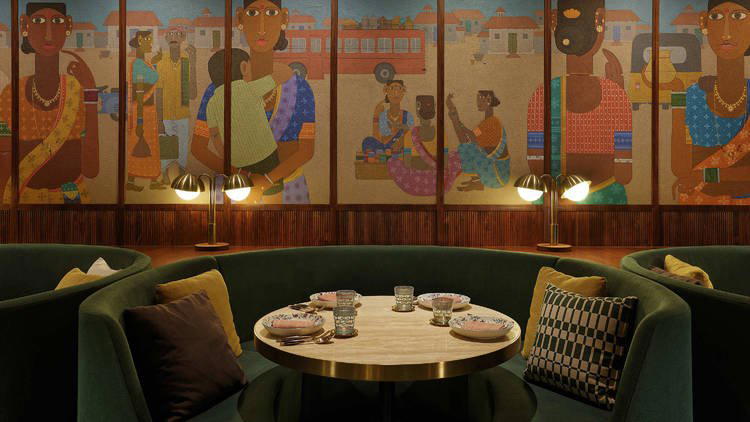
Where Tsim Sha Tsui Meets the Subcontinent
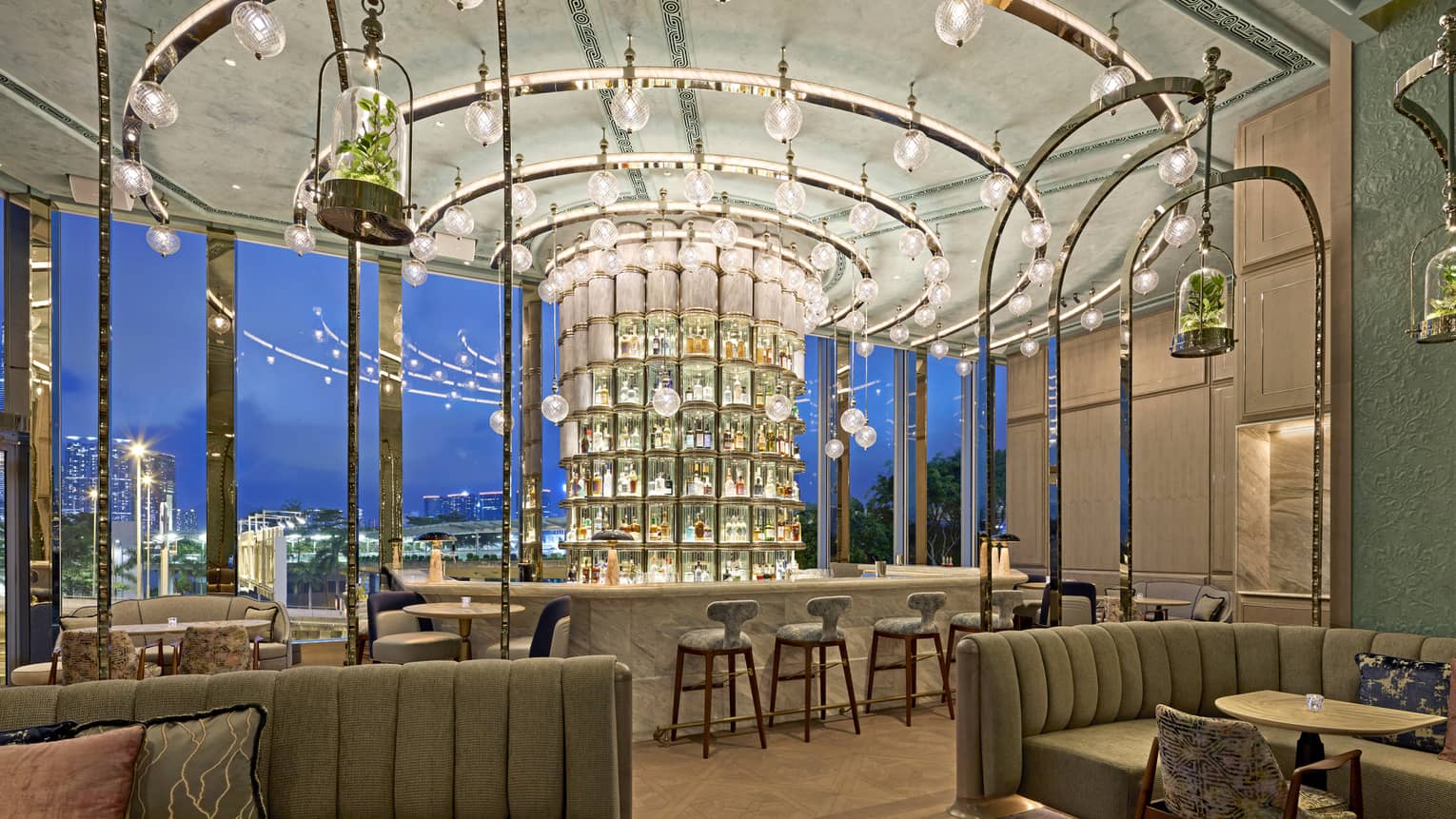
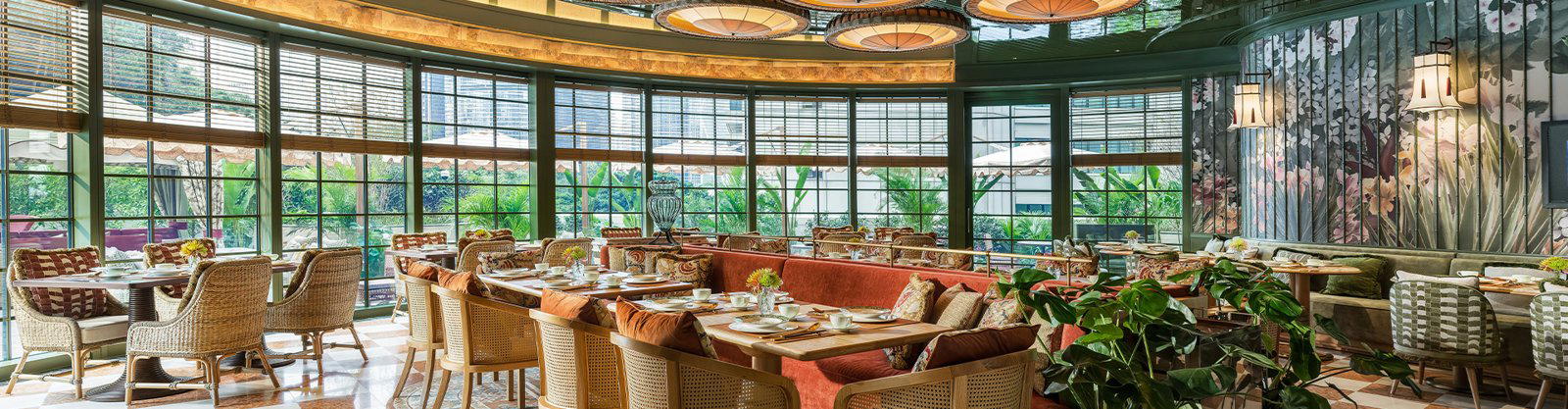
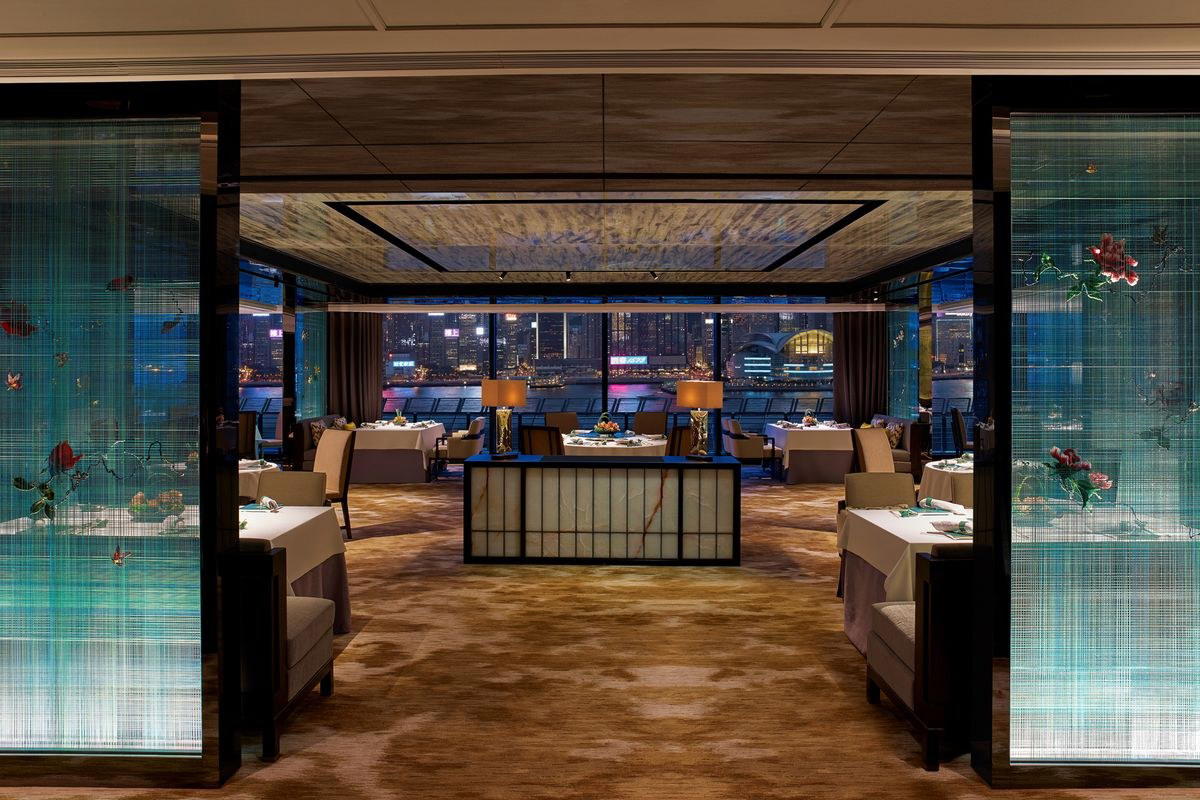
Chaat is a one-Michelin-starred modern Indian fine dining restaurant in Hong Kong, on the fifth floor of Rosewood Hong Kong at Victoria Dockside. At Chaat, the setting is context rather than compensation. The glazed open kitchen faces the dining room directly, so the tandoor's glow and the movement of the kitchen brigade become part of the room's character from the moment you are seated. There is a visual argument being made here: this is cooking worth watching, not just eating.
That argument carries weight in a city where Indian food has long occupied a reliable but rarely celebrated position. Hong Kong has dozens of South Asian restaurants serving competent curries to expat communities and tourists, but the category has historically sat outside the tier where serious food attention lands. Chaat's arrival at a luxury hotel property on the Tsim Sha Tsui waterfront changed the framing, pulling Indian cooking into the same competitive conversation as the French and Italian addresses that dominate Hong Kong's fine-dining awards circuit. For reference, the neighbours in that conversation include 8½ Otto e Mezzo Bombana and Caprice, both three-Michelin-starred Italian and French operations that have defined the city's upper tier for years. Chaat competes for the same diner but with a fundamentally different culinary vocabulary.
The Chaat Tradition and What It Demands
The name is both a declaration and a challenge. Chaat, in Hindi, means to lick, a reference to the street-food category built on intense, layered flavour that demands every scrap of sauce be accounted for. The canonical chaat repertoire spans pani puri, bhel puri, aloo tikki, and papdi chaat, dishes engineered on the pavements of Delhi and Mumbai to deliver simultaneous sweet, sour, salty, and spicy signals in a single bite. Translating that architecture into a hotel dining room without stripping away its essential populism is one of the harder problems in contemporary Indian cooking.
The wider global Indian fine-dining scene has spent a decade working through this problem with mixed results. Operations like Trèsind Studio in Dubai and Opheem in Birmingham have approached it through modernist technique; Amaya in London and Benares through classical refinement. Chaat's approach, as the Black Pearl citation describes it, moves from street snacks to ambitious tradition-based creations, suggesting a vertical range across the menu rather than a single editorial position.
In the broader Asian context, the challenge is even sharper. Bangkok has developed a small cluster of serious Indian addresses, including Haoma and INDDEE, that have found regional audiences for refined subcontinental cooking. Hong Kong's Indian dining scene, by contrast, is smaller and less developed at the upper end, which makes Chaat's sustained recognition across three consecutive years on the Opinionated About Dining Asia rankings, from #104 in 2023 to #71 in 2024 to #77 in 2025, a meaningful signal of consistent performance rather than debut momentum.
Coastal Spice and the Tandoor
The editorial angle that makes Chaat worth reading closely is not its hotel address or its awards haul but the range of Indian regional cooking it draws on. The tandoor is especially visible element, and the kitchen uses it as a primary instrument rather than a side attraction. The Black Pearl assessment singles out the black pepper chicken tikka as evidence of what the oven can do: juicy, correctly spiced, with black pepper given enough weight to function as a flavour rather than mere seasoning. That specificity of spice, black pepper as a regional indicator, not background noise, points toward South Indian and coastal influences where pepper, curry leaf, and kokum have distinct roles rather than being folded into a generic northern gravy base.
Coastal Indian cooking, particularly the Goan and Kerala traditions, operates on a different logic from the Mughal-derived northern style that most hotel Indian restaurants default to. Coconut in its various forms, tamarind as the primary souring agent, and curry leaf as an aromatic backbone create a flavour profile that reads cleaner and more acidic than northern Indian food. These are not subtle distinctions. The difference between a Goan fish curry built on kokum and tamarind and a northern korma built on cream and cardamom is as significant as the difference between a Burgundian Pinot Noir and a Napa Cabernet. Both are Indian, but the underlying logic is different.
The combination of chaat-format street snacks (a northern street tradition), tandoor cooking (a northern technique), and the spicing signals in the Black Pearl notes suggests a menu that draws across regions rather than committing to one. That pluralism is increasingly the model for serious Indian restaurants operating outside India, where the audience may have limited reference points for regional specificity and responds better to a curated national range.
Recognition Trajectory and Peer Positioning
Three consecutive Opinionated About Dining Asia rankings, a Michelin star in 2024, and a Black Pearl Diamond in 2025 place Chaat in a small tier of Indian restaurants receiving sustained critical attention across multiple credentialing bodies simultaneously. The Michelin listing puts it in conversation with Hong Kong's starred Indian category, which remains thin, while the OAD ranking positions it against a broader Asian field where Japanese, Chinese, and French-influenced restaurants dominate the upper placings. Reaching #71 on OAD Asia in 2024 as an Indian restaurant in Hong Kong is a more significant achievement in context than the raw number suggests.
Within Hong Kong's Indian dining scene specifically, the comparison set is limited. Leela and Prince and the Peacock occupy different positions in the market, and neither carries the same combination of hotel backing, critical recognition, and price accessibility that defines Chaat's position. The restaurant sits in a higher price tier: for a restaurant at this awards level in a Rosewood property, Chaat remains more accessible relative to the $$$$ peers like Amber operating at the city's leading price tier. That positioning, serious cooking at a price point below the French-Italian establishment, is not accidental and gives the restaurant a different kind of appeal to the Hong Kong dining market.
The Dubai Indian fine-dining scene offers a useful comparison for thinking about where Chaat sits regionally. Addresses like Jamavar and Avatara have built strong followings in a market with a large South Asian diaspora providing a deep base of knowledgeable diners. Hong Kong's Indian diaspora is smaller, which means Chaat has built its reputation across a more generalist audience, a harder task and a more instructive one for understanding what Indian fine dining can communicate to diners without a subcontinental reference frame.
Planning Your Visit
Chaat is located on the fifth floor of Rosewood Hong Kong at 18 Salisbury Road, Tsim Sha Tsui, a short walk from the Tsim Sha Tsui MTR exit and directly accessible from the Victoria Dockside waterfront. The restaurant is closed on Mondays. Tuesday through Sunday it operates lunch service from noon to 2:30 PM and dinner from 5:30 PM to 10:30 PM. Given the restaurant's sustained critical profile and hotel setting, booking ahead is advisable, particularly for dinner and weekend lunch slots. The $$ price range places it well below the city's upper-tier tasting-menu operations, which makes it a realistic option for travellers who want to spend their large-format dining budget elsewhere.
Cuisine and Awards Snapshot
Comparable venues nearby, for context on price, style, and recognition.
| Venue | Cuisine | Price | Awards | Notes |
|---|---|---|---|---|
| ChaatThis venue — the venue you are viewing | Modern Indian Fine Dining | $$$ | Michelin 1 Star | Not listed |
| Ryota Kappou Modern | Modern Kappou Japanese | $$$$ | Michelin 1 Star | Central |
| Fook Lam Moon | Classic Cantonese | $$$ | Michelin 1 Star | Wan Chai |
| Roganic | Modern British Farm-to-Table | $$$$ | Michelin 1 Star | Wan Chai |
| Arcane | Modern European | $$$$ | Michelin 1 Star | Central |
| Seventh Son Restaurant | Traditional Cantonese Roast Meats and Dim Sum | $$$$ | Michelin 1 Star | Wan Chai |
Recognition history
Dated appearances from independent guides and award organizations, with the underlying list record or original source where available.
Black Pearl 1 Diamond
Black Pearl
Michelin 1 Star
Michelin
Opinionated About Dining Top Restaurants in Asia Ranked #92
Opinionated About Dining
SCMP 100 Top Tables Restaurants
SCMP 100 Top Tables
Black Pearl 1 Diamond
Black Pearl
Michelin 1 Star
Michelin
Opinionated About Dining Top Restaurants in Asia Ranked #77
Opinionated About Dining
Michelin 1 Star
Michelin
Opinionated About Dining Top Restaurants in Asia Ranked #71
Opinionated About Dining
Opinionated About Dining Top Restaurants in Asia Ranked #104
Opinionated About Dining
Continue exploring
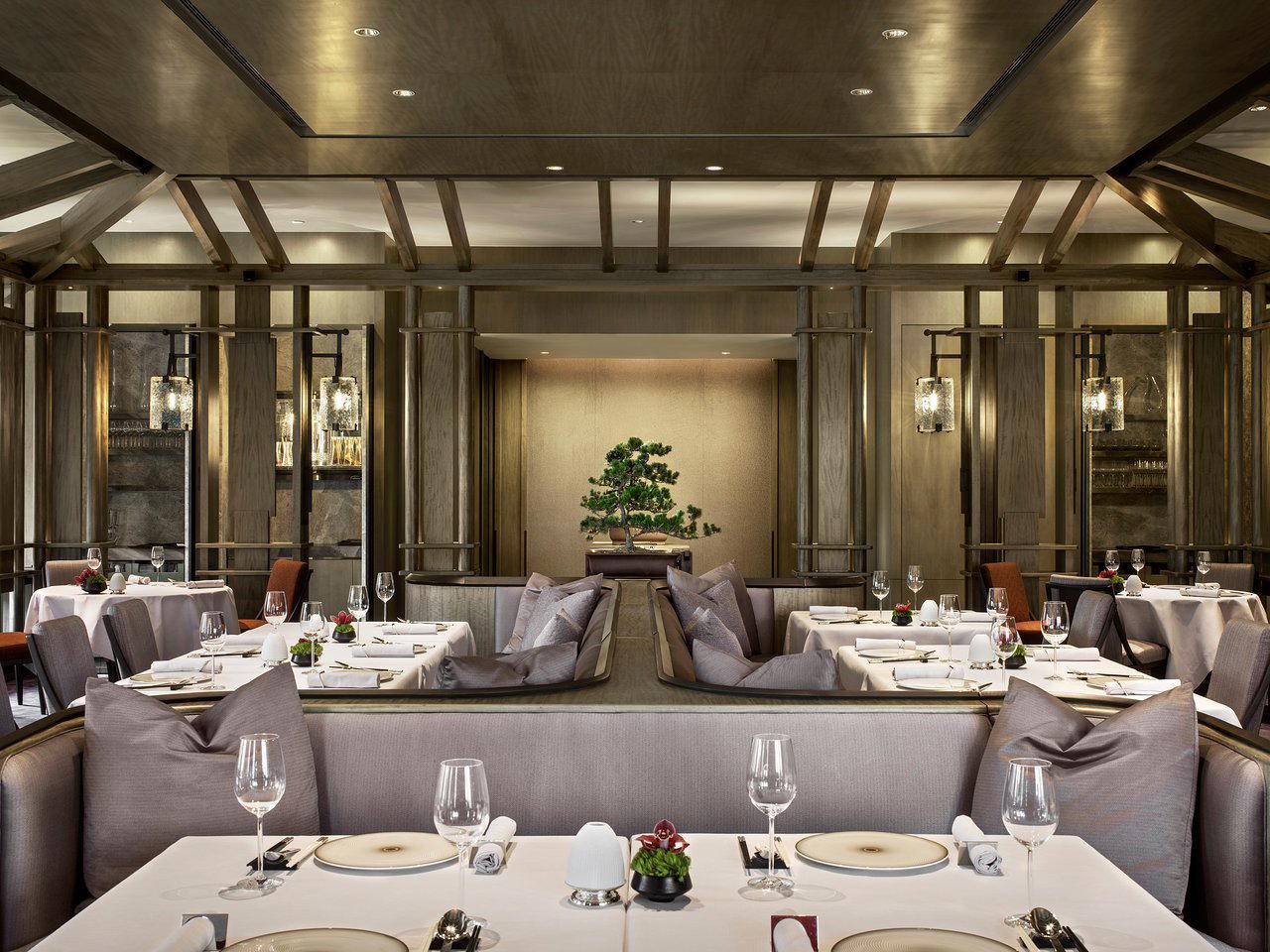
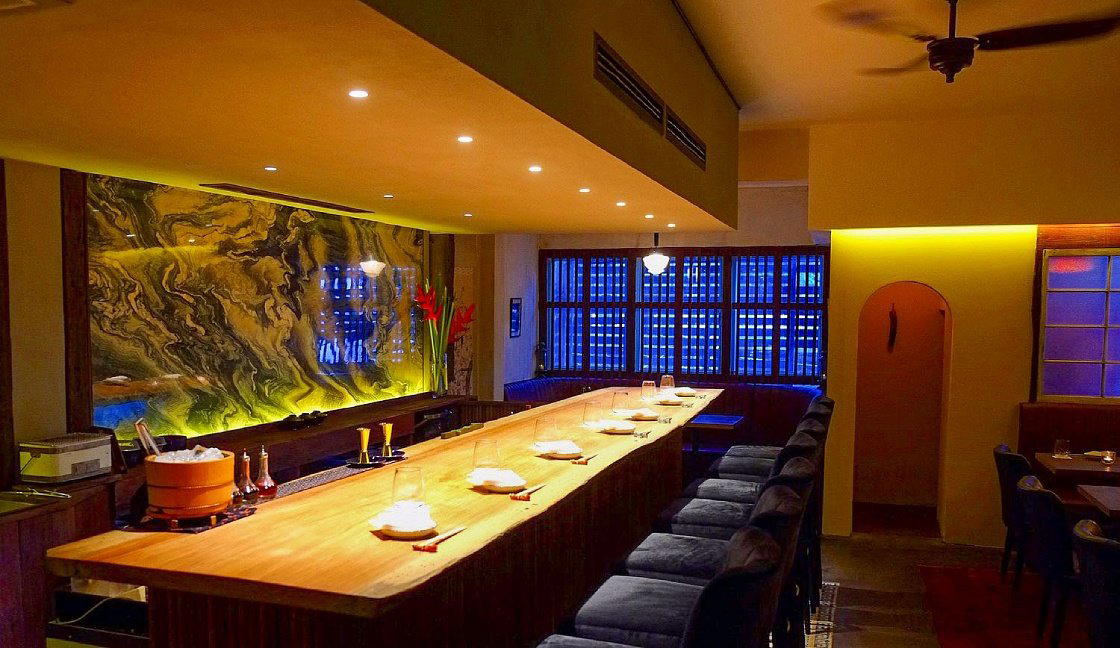
More in Hong Kong
Restaurants in Hong Kong
Browse all →
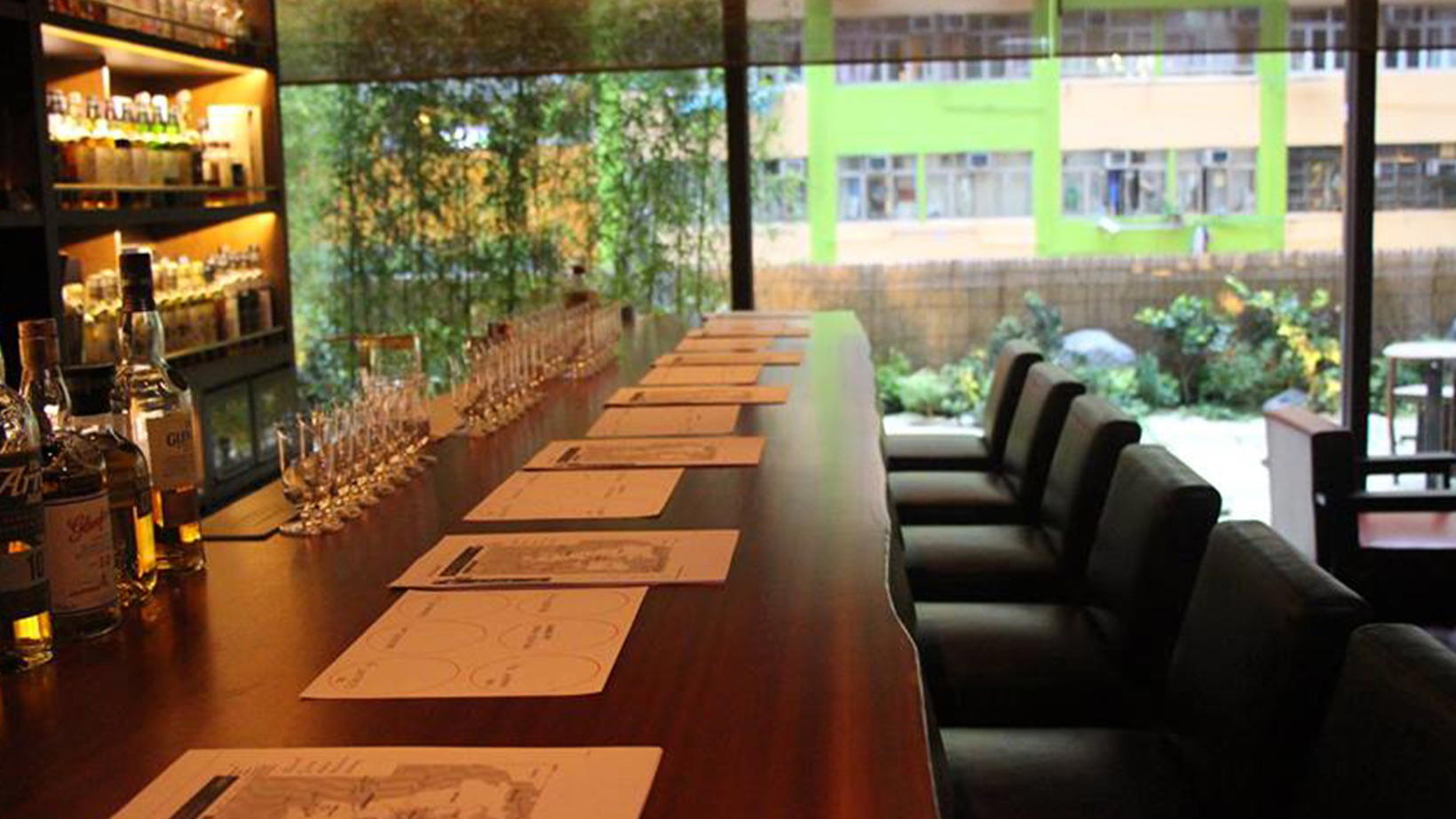
Bars in Hong Kong
Browse all →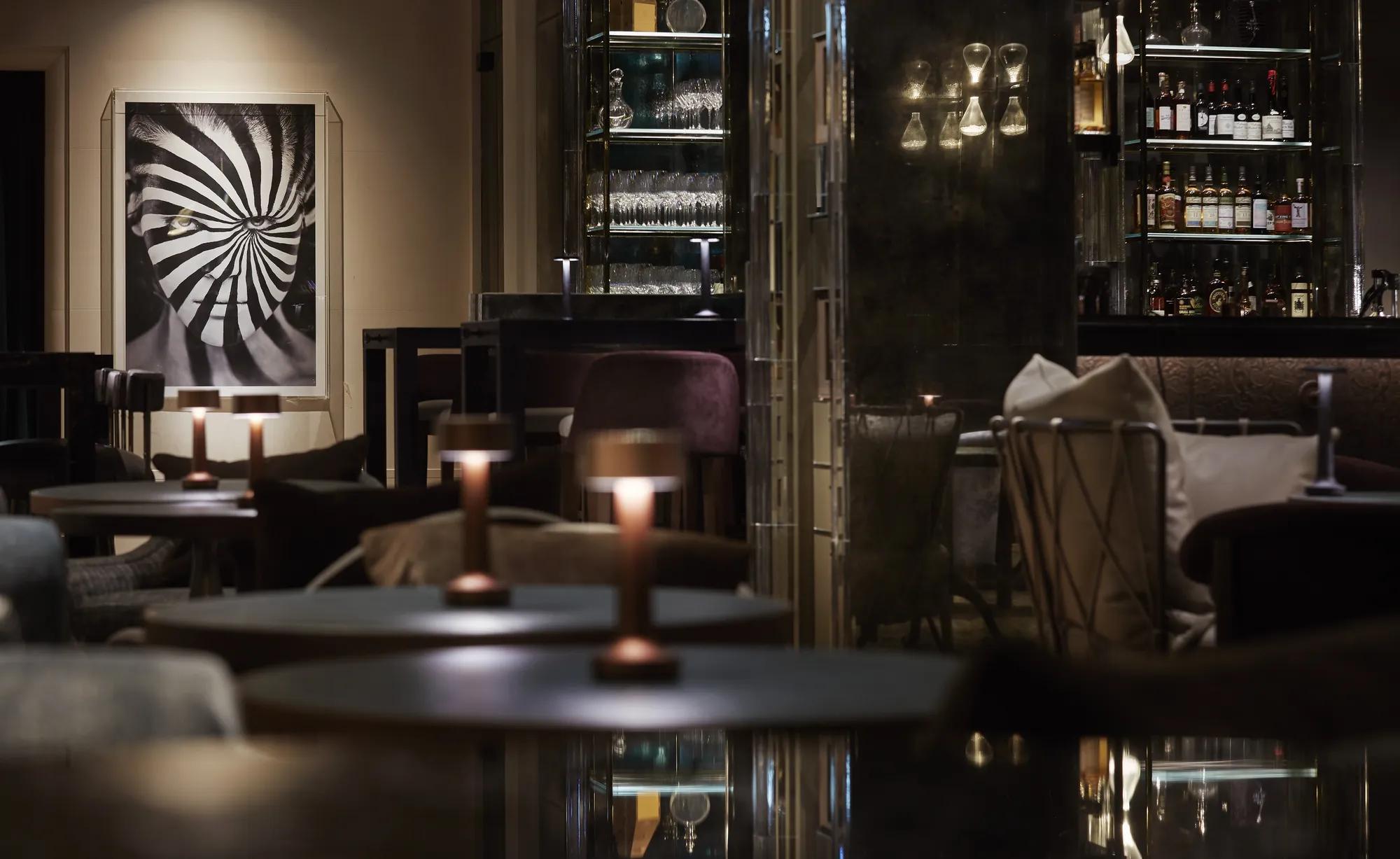

At a Glance
- Lively
- Modern
- Trendy
- Elegant
- Date Night
- Group Dining
- Celebration
- Special Occasion
- Open Kitchen
- Skyline
Current opening hours
- Monday
- Closed
- Tuesday
- 12–2:30 PM, 5:30–10:30 PM
- Wednesday
- 12–2:30 PM, 5:30–10:30 PM
- Thursday
- 12–2:30 PM, 5:30–10:30 PM
- Friday
- 12–2:30 PM, 5:30–10:30 PM
- Saturday
- 12–2:30 PM, 5:30–10:30 PM
- Sunday
- 12–2:30 PM, 5:30–10:30 PM
Hours can change for holidays and private events. Last verified .
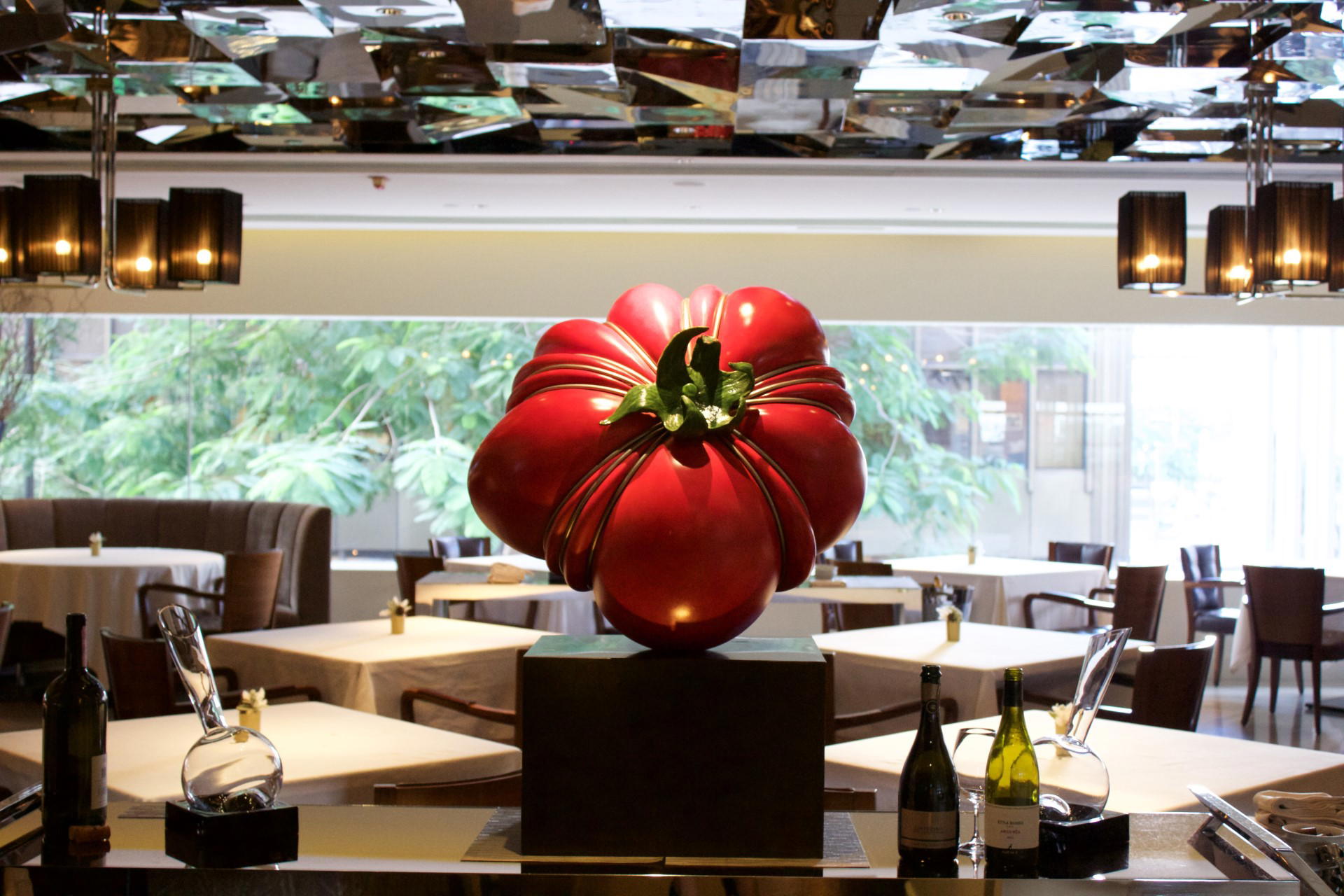
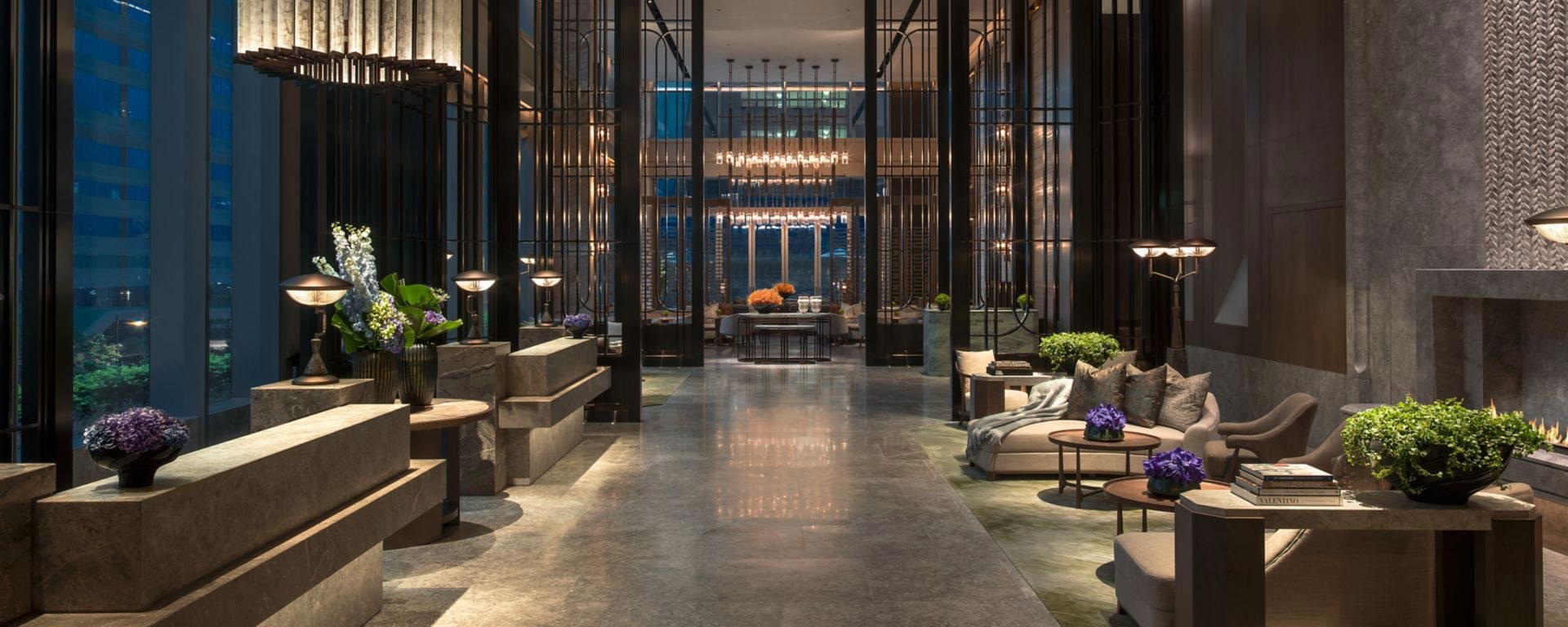
Lively and colorful decor with stylish Indian accents, offering views over Hong Kong and an open kitchen for watching chefs.