Avatara Restaurant





Avatara holds a Michelin star and a 2025 ranking on Opinionated About Dining's Top Restaurants in Asia for its 18-course 'Rasas' tasting menu, which is entirely plant-based and free of garlic and onion. Set in Dubai Hills Estate, it represents the serious end of modern Indian vegetarian fine dining in the UAE, with a format that rewards patience and attention.
Pearl is the En Primeur Club membership app — saves, bookings, and concierge access live there. Same editors, same standards.
- Address
- Dubai Hills Estate, Business Park 1 - Hadaeq Sheikh Mohammed Bin Rashid - Dubai Hills - Dubai - United Arab Emirates
- Phone
- +971 800 1604
- Website
- avatara.ae
- Directions
- Get directions
 Saves & bookings on Pearl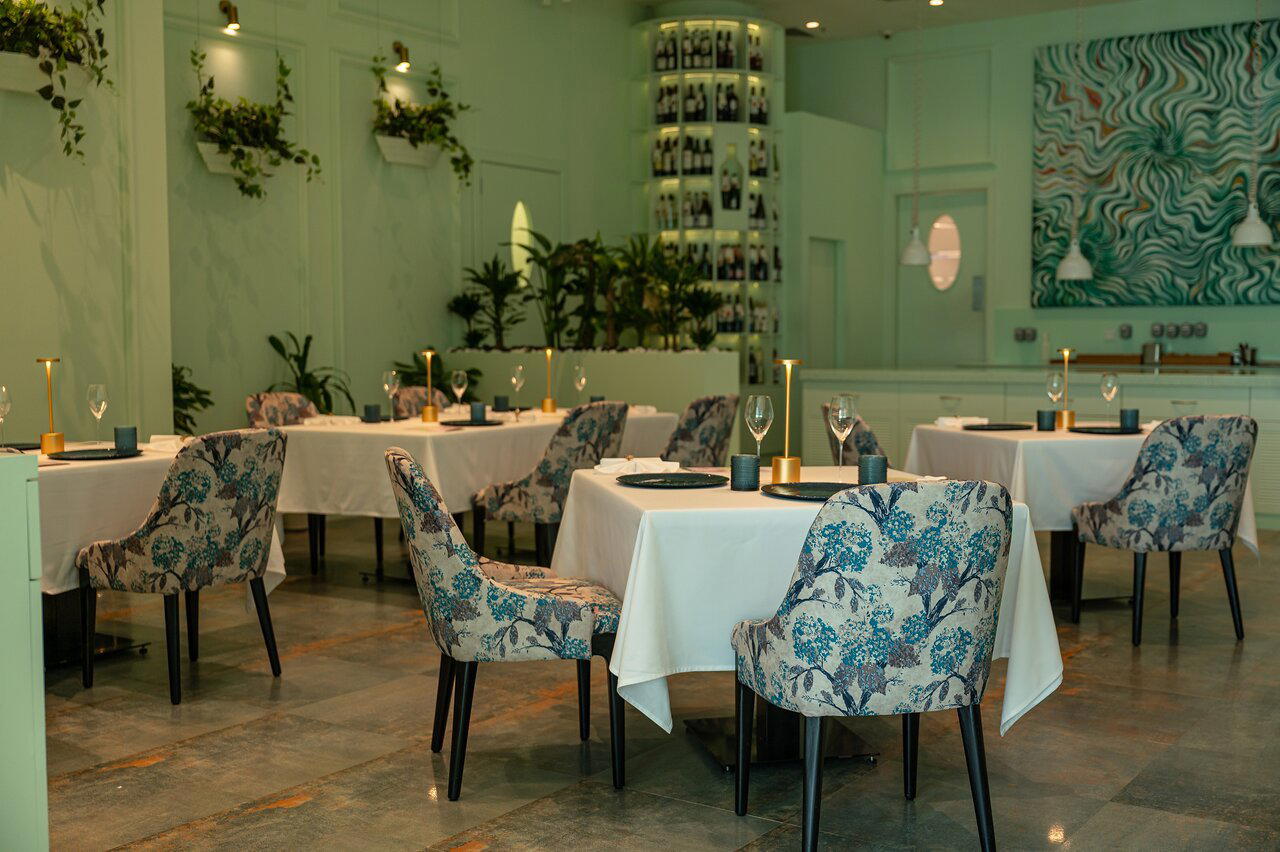
A Different Kind of Counter in Dubai Hills
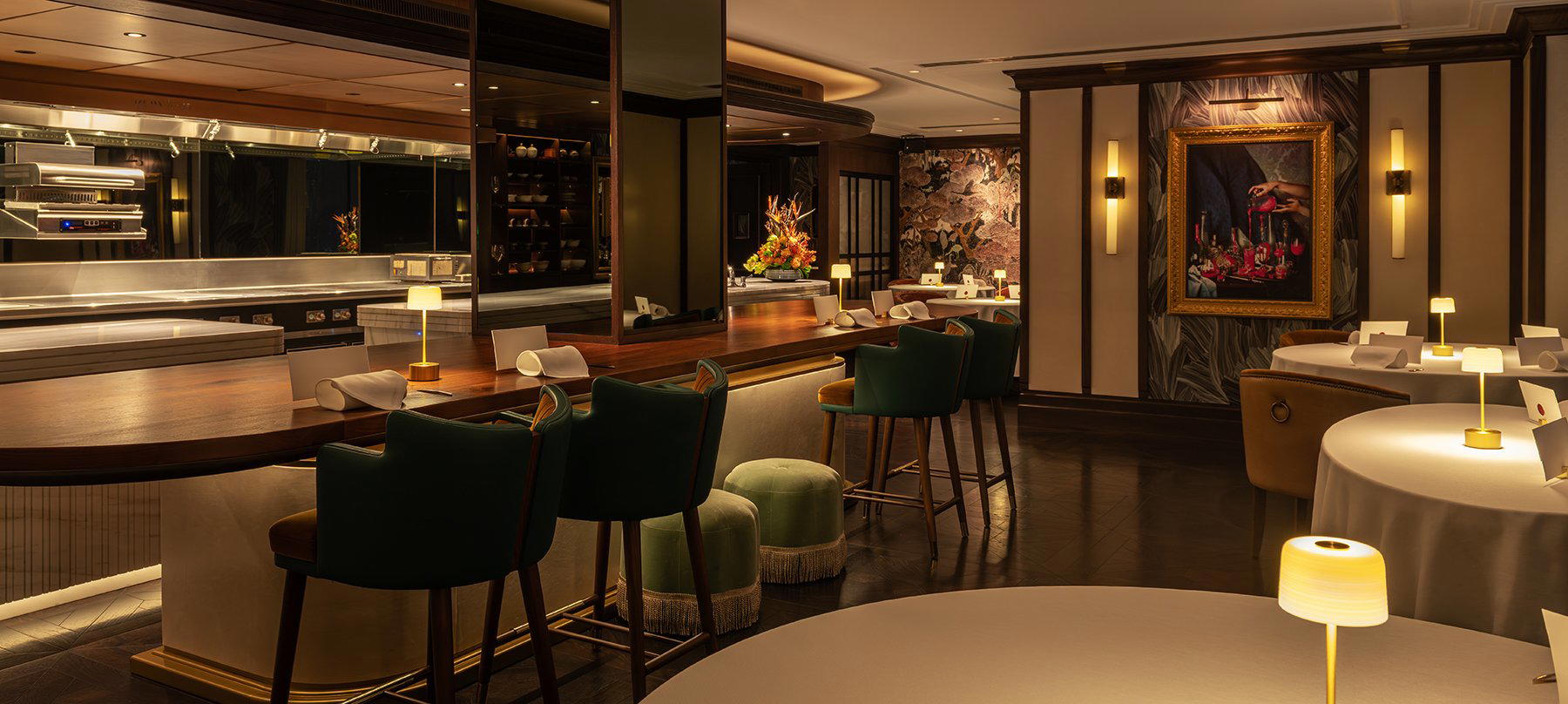
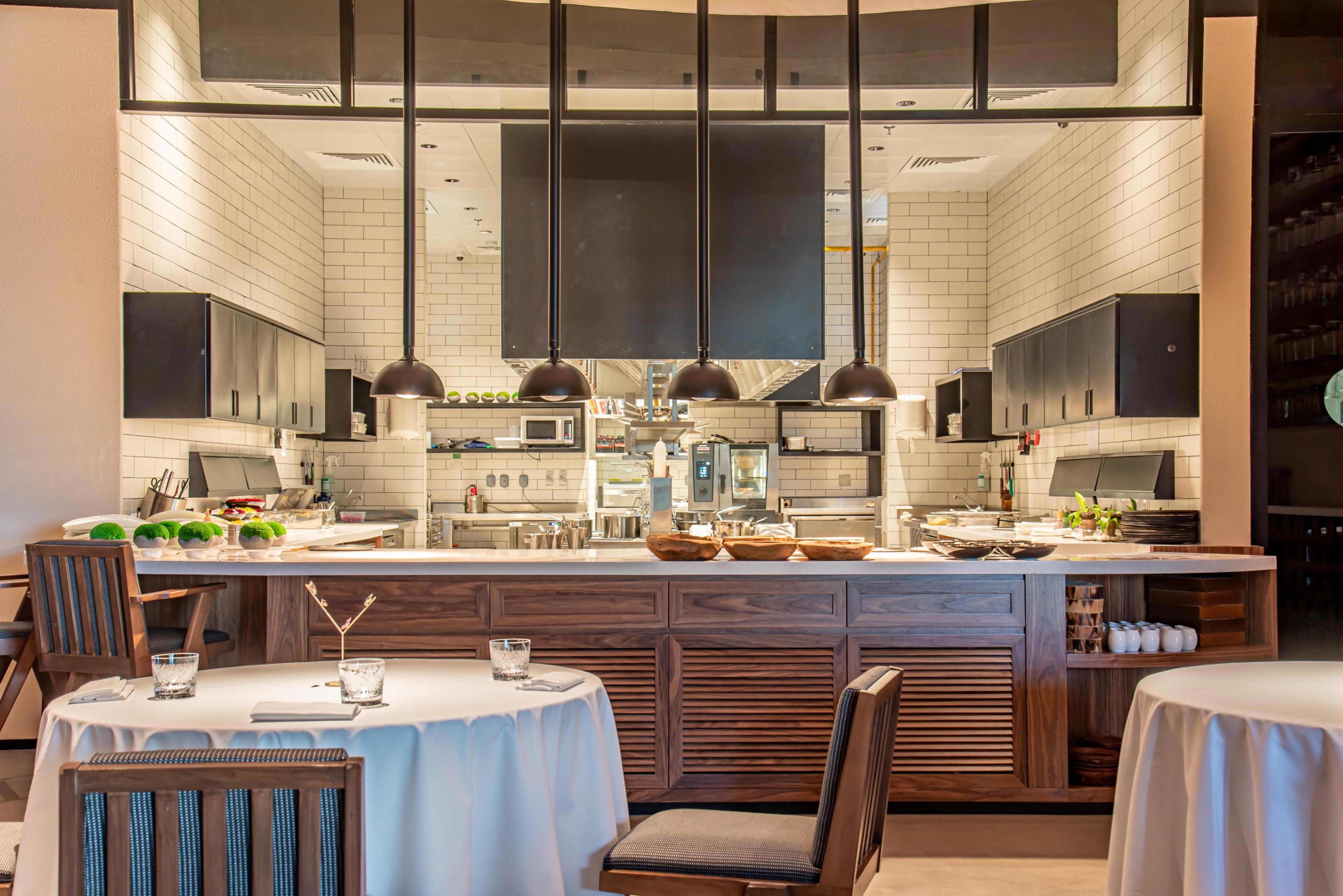
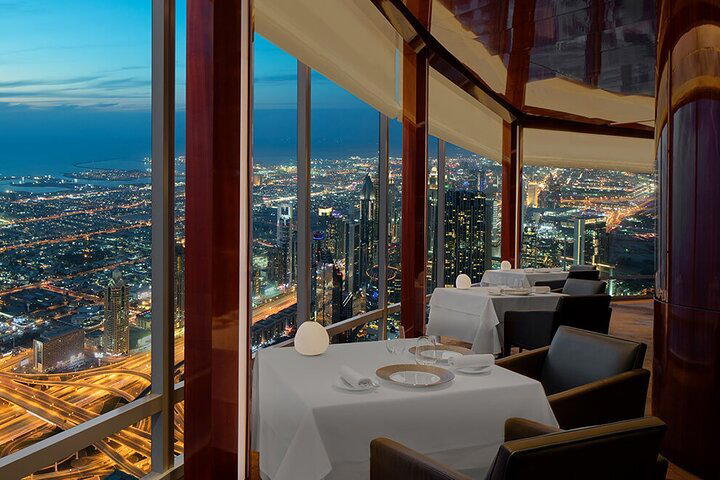
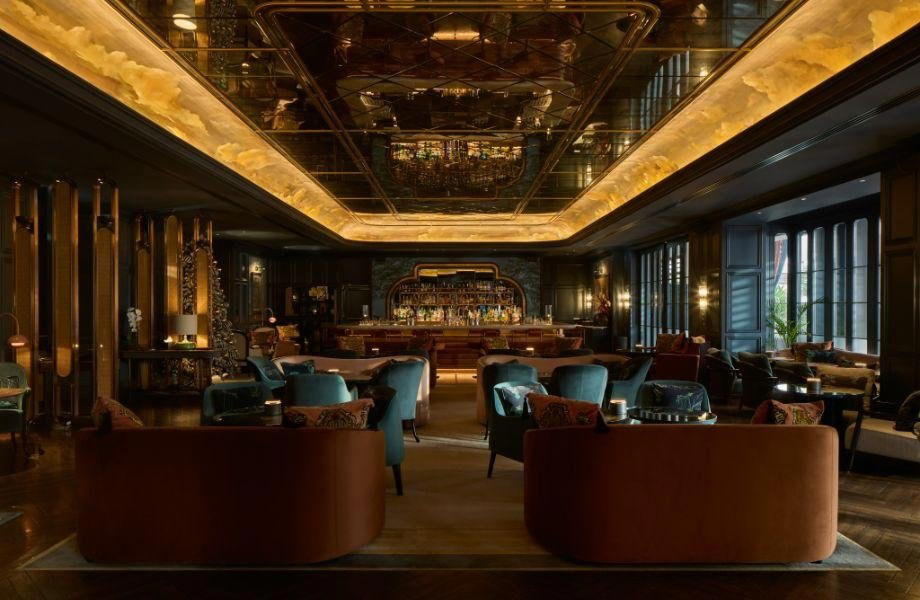
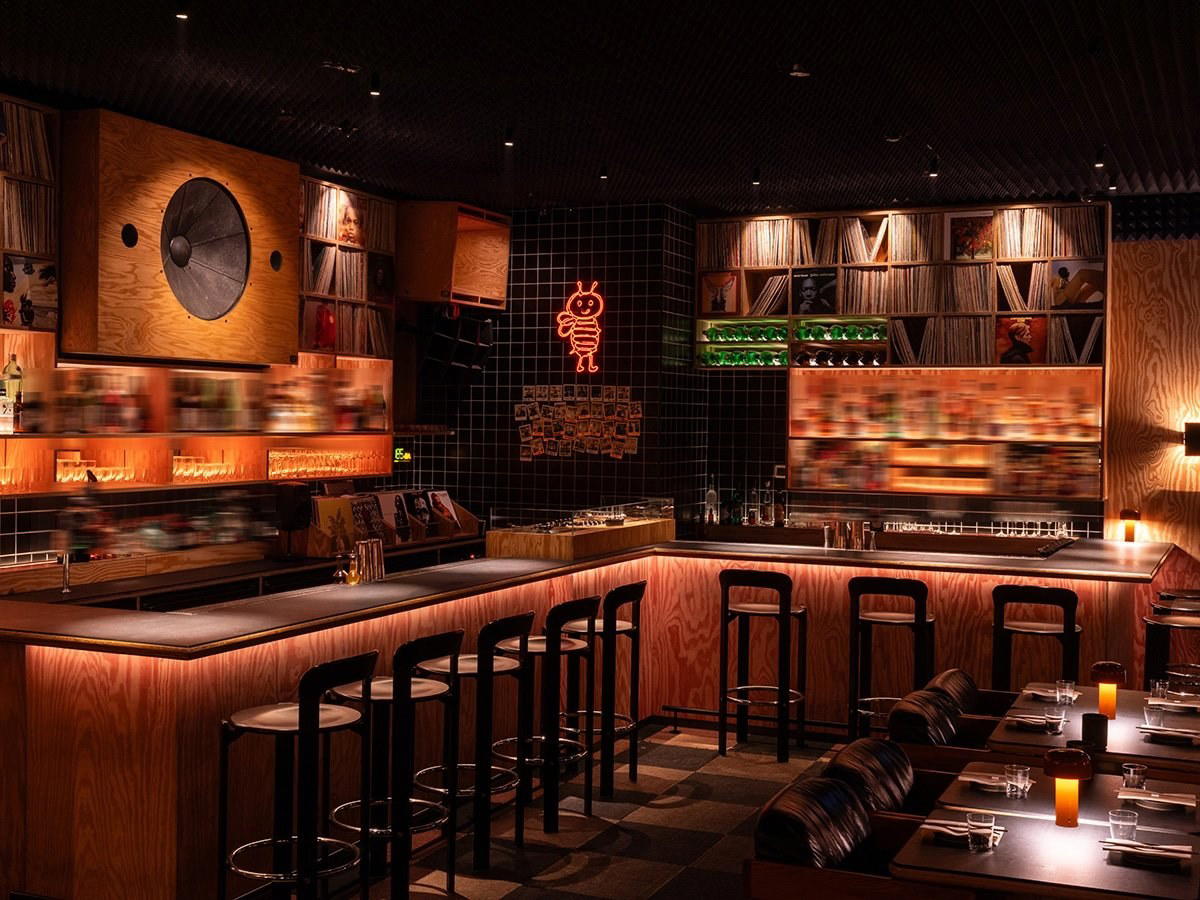
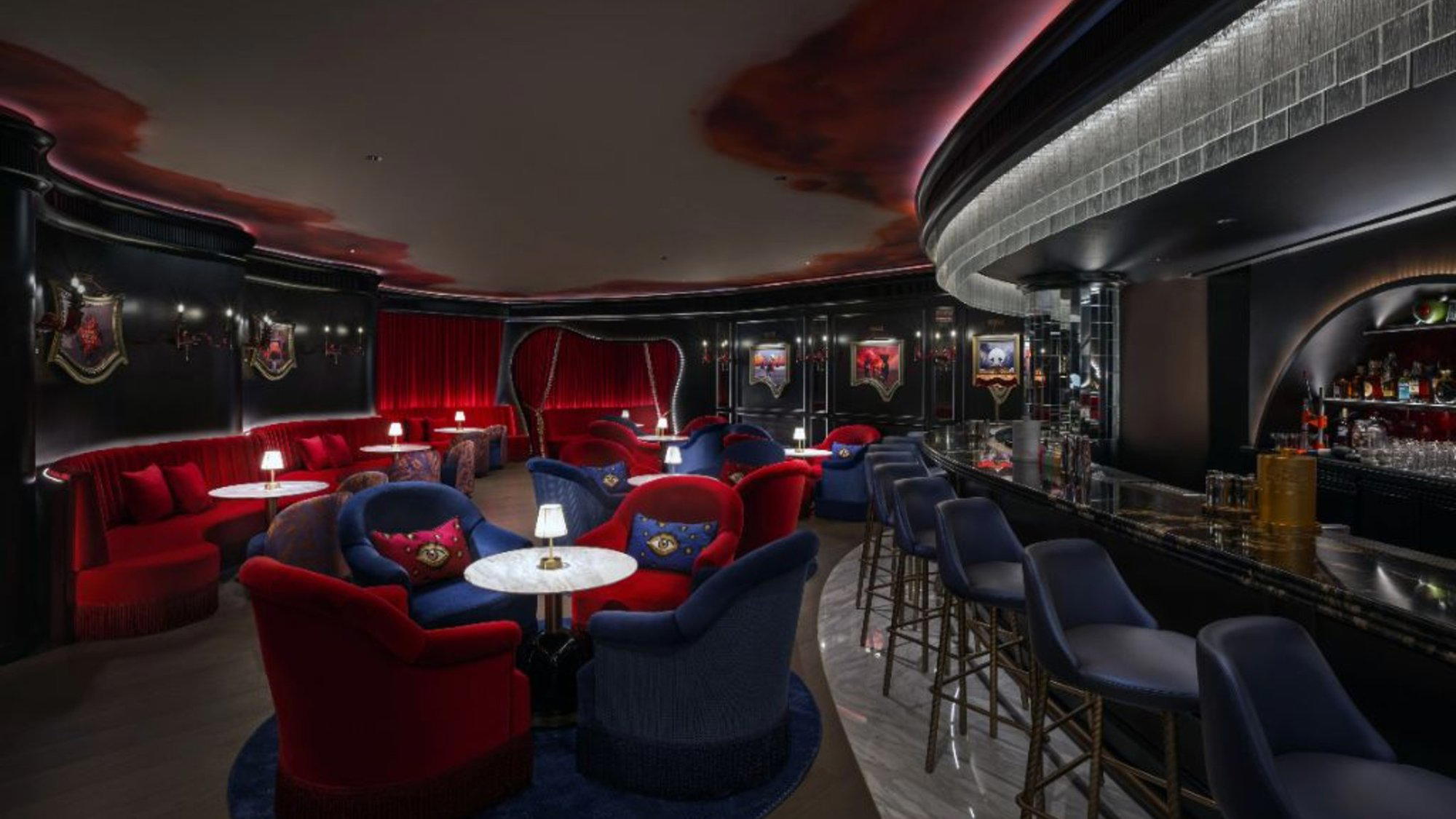
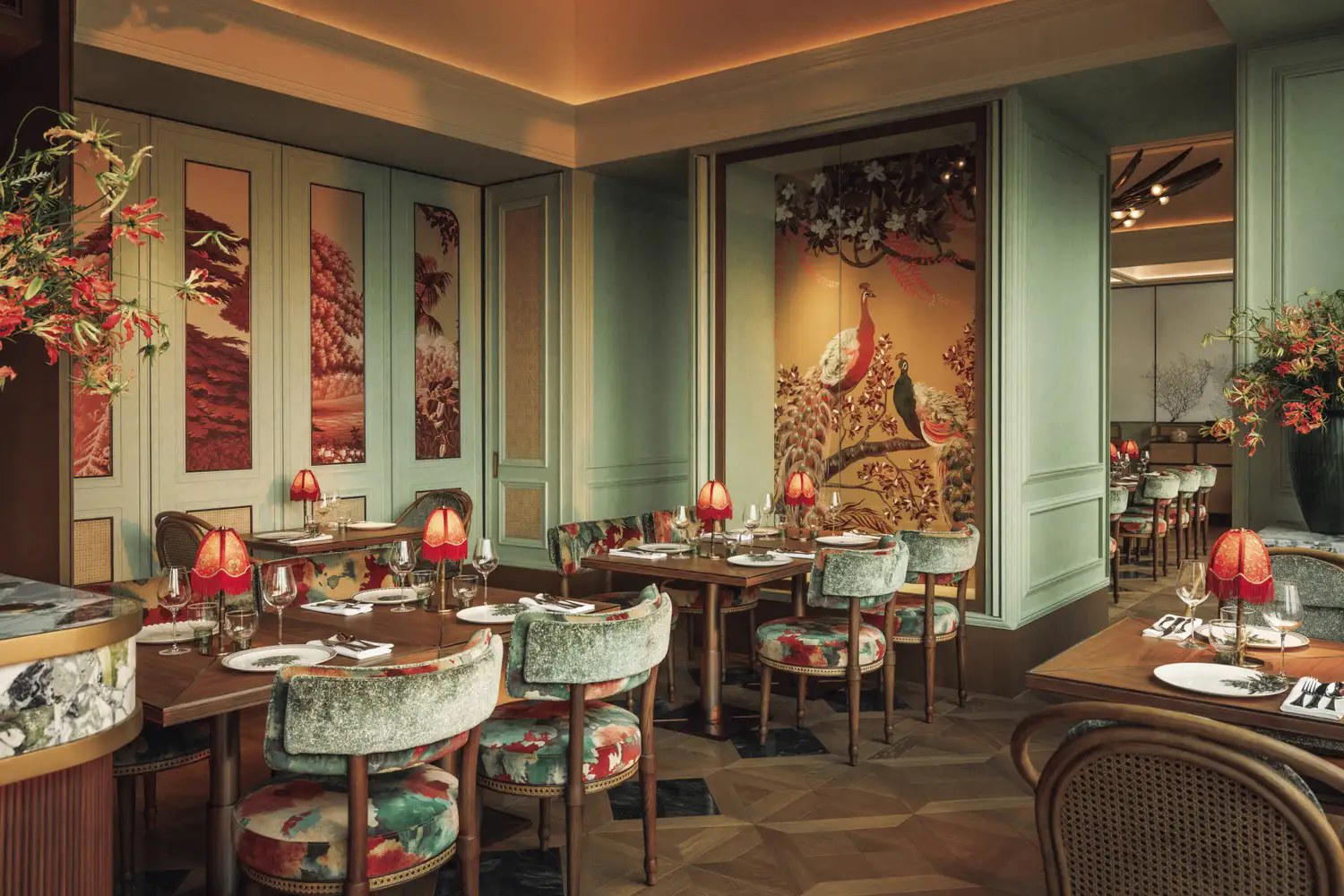
Avatara Restaurant is a one-Michelin-starred modern vegetarian Indian fine dining restaurant in Dubai Hills, Dubai. The dining room at Avatara is easy to miss in the broader sprawl of Dubai Hills Estate's business park addresses, which is partly the point. Dubai's premium Indian dining scene tends to cluster in hotel lobbies and destination addresses along Sheikh Zayed Road, so a Michelin-starred room tucked into a quieter suburban office park reads as a deliberate departure from spectacle. Inside, the space is painted in a distinctive pale green, and the room is arranged so that most tables face a wide, altar-like central station where chefs complete the finishing passes on each course. It is a setup closer to the open-kitchen theatrics of Copenhagen's natural wine bars than anything you would associate with a conventional Indian restaurant, and that spatial tension between familiar cuisine and unfamiliar format tells you something important about what Avatara is attempting.
Where Avatara Sits in the Dubai Indian Dining Tier
Dubai's Indian restaurant market is one of the deepest in any city outside the subcontinent itself. At the approachable end, neighbourhood restaurants serve the large South Asian expatriate population with consistent, affordable cooking. Somewhere above that sits a dense middle band of polished, hotel-backed rooms offering reliable North Indian classics with imported spirits programmes and well-lit social-media setups. The premium tier, where Michelin recognition, serious tasting-menu formats, and international critical attention converge, is smaller. Trèsind Studio has held that position with its own Michelin recognition and global ranking. Jamavar operates at the luxury hotel end of the register. Carnival by Trèsind and Atrangi by Ritu Dalmia each occupy slightly different positions in the modern Indian conversation. Avatara sits at the intersection of two narrower categories within that tier: high-format tasting menu and fully plant-based. Neither alone would earn a Michelin star; together, executed at this level, they do.
Globally, the comparison set for serious plant-based Indian fine dining is thin. Chaat in Hong Kong approaches Indian cuisine through a different lens, while Opheem in Birmingham and Amaya in London each represent the premium Indian register in their respective markets. Haoma in Bangkok and INDDEE, also in Bangkok, show how the modern Indian format travels across Southeast Asia. Musaafer in Houston and Rania in Washington D.C. extend the conversation to the United States. What distinguishes Avatara from most of that comparable set is the total commitment to plant-based cooking, not as a dietary accommodation, but as the entire culinary premise of a Michelin-starred tasting menu.
The 'Rasas' Menu: Value Through Depth, Not Volume
At the $$$$ price tier, Avatara sits alongside comparators like Al Mahara, Coya, and City Social in Dubai's leading price band. What that price bracket buys at Avatara is eighteen courses on the 'Rasas' menu, each constructed around the Indian philosophical concept of emotional essence, the word 'rasa' referring to distinct flavours and emotional states that Indian classical aesthetics identifies as the foundations of human feeling. Whether you find that framing instructive or ornamental, the practical result is a menu with genuine internal logic: courses are not simply a sequence of dishes but part of an attempt to move through a considered arc of taste, texture, and mood.
The absence of garlic and onion across all eighteen courses is the kind of constraint that sounds like a marketing claim until you sit with the implications. Both ingredients function as aromatic foundations in the vast majority of Indian cooking, their removal forces the kitchen to find depth through fermentation, reduction, spice layering, and technique rather than through the shorthand that most professional kitchens rely upon.
Each dish is presented with table explanation from the service team, which adds a layer of context that tasting menus in this format typically struggle to deliver without feeling scripted. Given that many guests may be encountering specific regional Indian techniques or unfamiliar ingredient preparations for the first time, the narrative function of service here is genuinely useful rather than decorative. Bombay Bungalow operates at a more casual register within Dubai's Indian dining landscape; Avatara's service model is calibrated to match the formality of the tasting-menu format and the investment a diner is making.
The Plant-Based Argument in an Indian Fine-Dining Context
There is a broader argument to be made about Indian cuisine and plant-based cooking that Avatara embeds itself within. Indian culinary tradition already encompasses some of the world's most sophisticated vegetarian cooking: Jain cuisine eliminates root vegetables entirely, Brahminical traditions in different regions carry their own ingredient exclusions, and the vegetarian repertoire across South and North India spans thousands of dishes built without meat as a structural component. Avatara's approach draws on that deep tradition while overlaying contemporary technique and presentation, a model that differs structurally from European plant-based fine dining, which often works from an omnivore baseline and removes rather than reimagines.
Chef Rahul Rana, who drives the kitchen, operates in a climate where the pressure on tasting-menu restaurants to justify their format grows each year. The answer Avatara gives is formal: the cuisine evolves by design, balancing classical Indian reference points against international technique without dissolving the specificity that makes Indian cooking identifiable. That balance is harder to maintain than it sounds. Restaurants that lean too far toward global technique tend to produce Indian-inflected fusion that reads as generic modernist; those that stay too close to tradition can feel static in a format that rewards progression. Avatara's Michelin recognition suggests the balance is holding.
For regional context, Erth in Abu Dhabi represents a different approach to heritage-forward UAE fine dining that forms a useful comparison.
At Avatara
The format here removes the question of à la carte selection entirely: the kitchen serves the full eighteen-course 'Rasas' menu to all guests, so the question of what to order resolves into how to prepare. That means arriving without the expectation of a single standout dish and instead giving the menu room to operate as a sequence. The service team explains each course as it arrives, which means attentive guests who engage with those explanations tend to get more from the meal than those treating it as a passive experience. Given the absence of garlic and onion, guests who are accustomed to conventional Indian restaurant flavour profiles should expect a different aromatic architecture, one built on spice, fermentation, and reduction rather than the pungent base notes those two ingredients typically provide. The menu changes as the kitchen evolves its approach, so returning guests report meaningful differences between visits rather than a static format replicated course for course.
The Short List
Comparable venues nearby, for context on price, style, and recognition.
| Venue | Cuisine | Price | Notes |
|---|---|---|---|
| Avatara RestaurantThis venue — the venue you are viewing | Indian | $$$$ | Not listed |
| Jamavar | Downtown Dubai, Pan-Indian Fine Dining | $$$$ | Not listed |
| Al Muntaha | Not listed | $$$$ | Umm Suqeim, Sophisticated French with Italian influences |
| Hōseki | Jumeira, Traditional Japanese Omakase | $$$$ | Not listed |
| La Dame de Pic Dubai | Za'abeel, Modern French Fine Dining | $$$$ | Not listed |
| Chez Wam | Not listed | $$$$ | Palm Jumeirah, Modern French-Asian Fusion |
Recognition history
Dated appearances from independent guides and award organizations, with the underlying list record or original source where available.
Gault & Millau UAE Selected Restaurant
Gault & Millau · Gault & Millau UAE 2026 - Selected Restaurant
Opinionated About Dining Top Restaurants in Asia Recommended
Opinionated About Dining
Michelin 1 Star
Michelin
Opinionated About Dining Top Restaurants in Asia Ranked #222
Opinionated About Dining
The Best Chef One Knife
The Best Chef
We're Smart World 3 Radishes
We're Smart World
Michelin 1 Star
Michelin



At a Glance
- Elegant
- Sophisticated
- Modern
- Date Night
- Special Occasion
- Celebration
- Open Kitchen
- Local Sourcing
Current opening hours
- Monday
- Closed
- Tuesday
- 6–11:30 PM
- Wednesday
- 6–11:30 PM
- Thursday
- 6–11:30 PM
- Friday
- 6–11:30 PM
- Saturday
- 1:30–3 PM, 6–11:30 PM
- Sunday
- 1:30–3 PM, 6–11:30 PM
Hours can change for holidays and private events. Last verified .
Fresh white interior with pops of color and light green decor, thoughtfully designed around Indian culture with an altar-like chef's table; comfortable, quiet space with air-conditioned coolness addressed by shawls.