
Michelin Selected
Our verdict
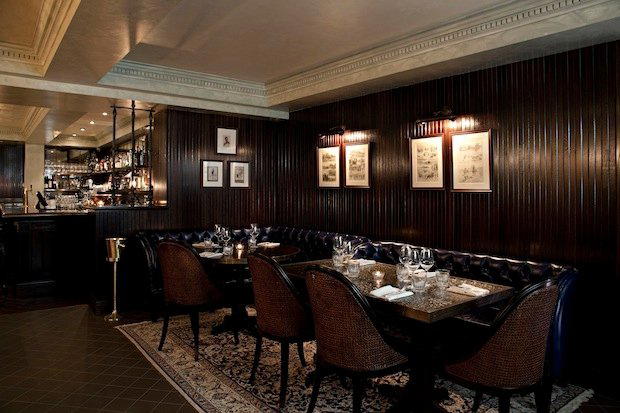
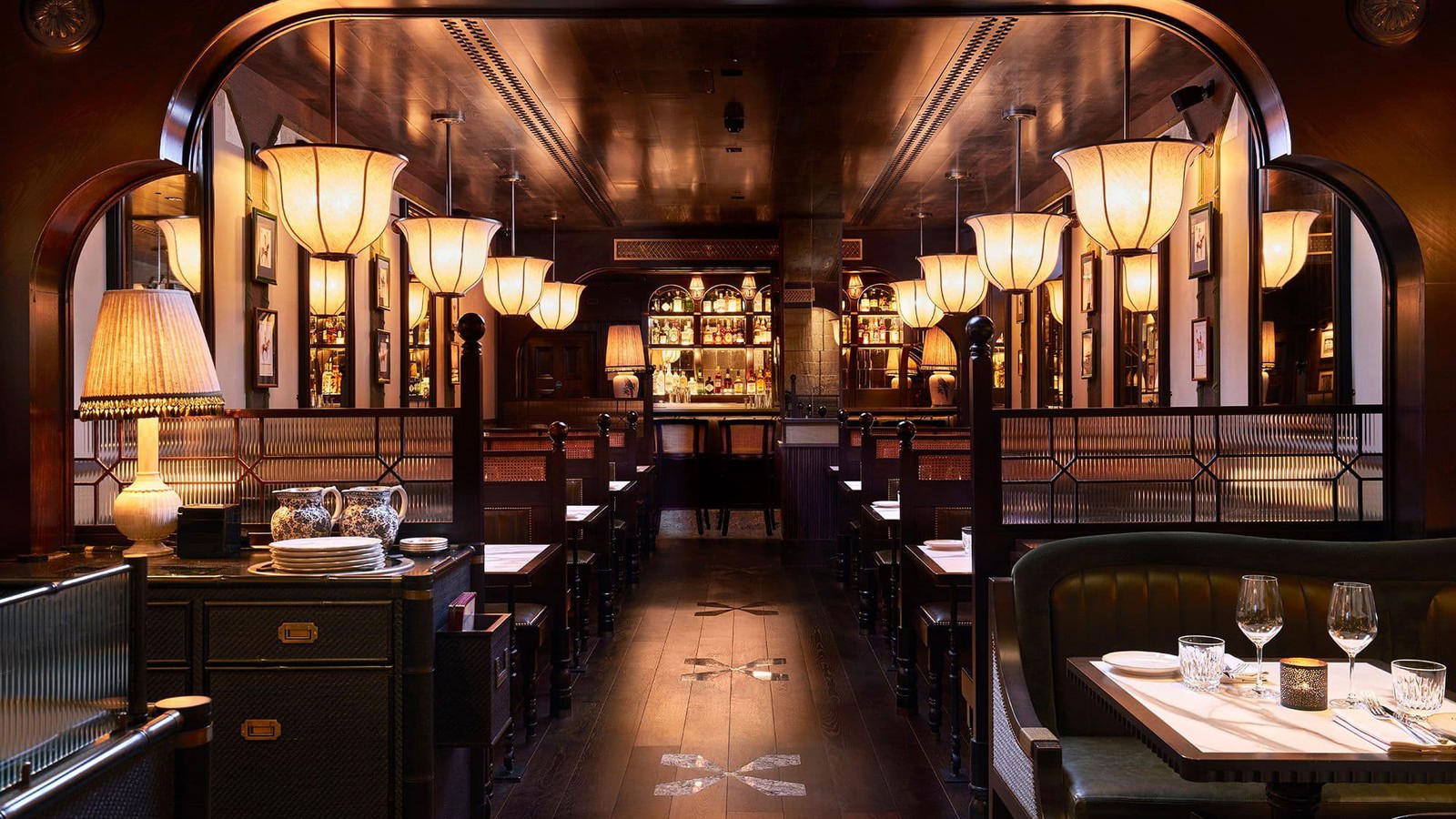
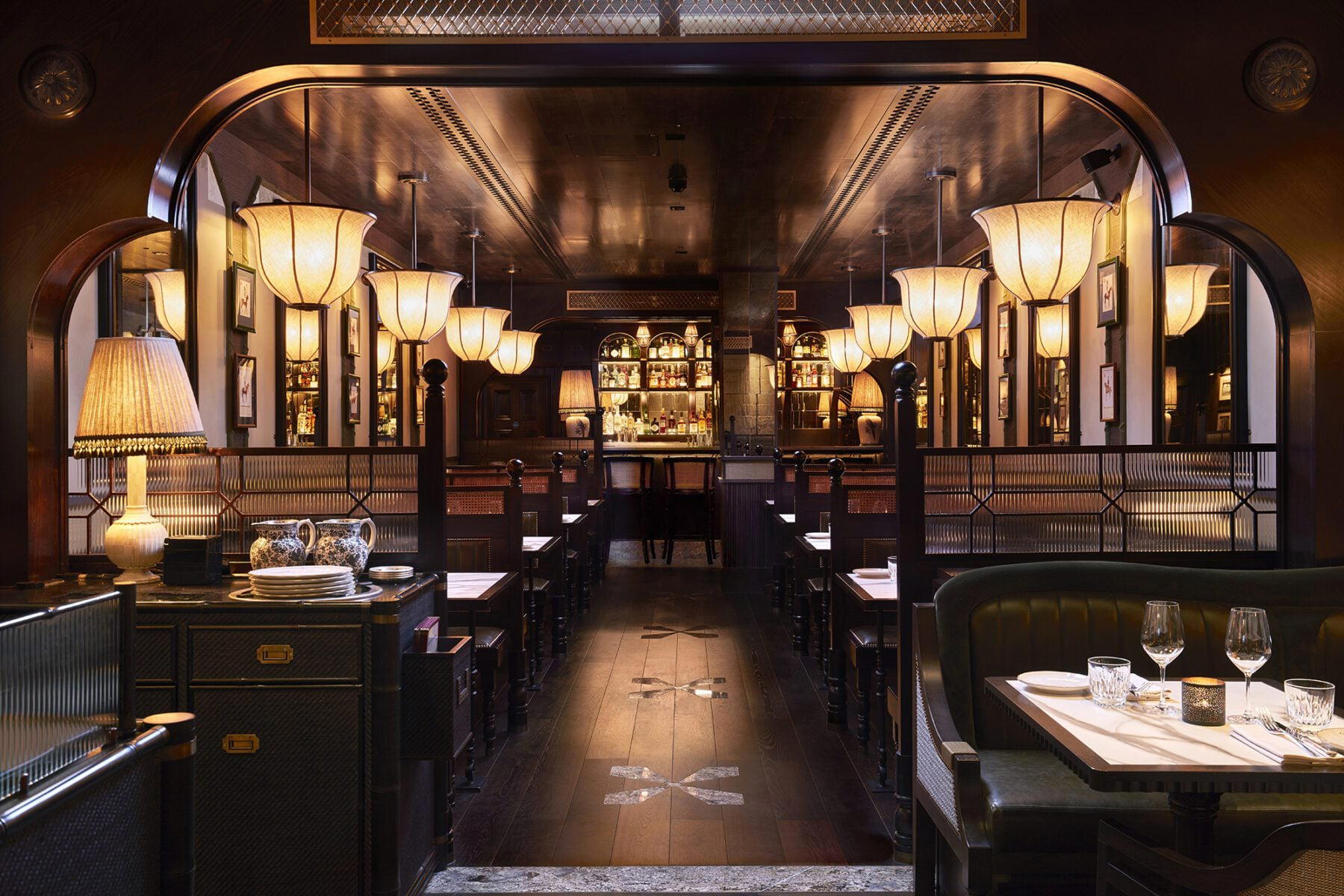
Modelled on the members' clubs of colonial India, Gymkhana at Katara Hills brings a Northern Indian menu of considered depth to Doha's fine-dining tier. Split across two floors with a vivid red basement for evening intimacy, the kitchen works within traditional frameworks rather than against them.

Pearl is the En Primeur Club membership app, where members save venues, book tables and use the concierge.
The menu
What to order
- Morel Mushroom and Truffle Biryani
- Samosa Chaat
- Lasooni Tiger Prawns
- Butter Chicken
- Chicken Biryani
- Tandoori Broccoli
Two Floors, One Strong Point of View
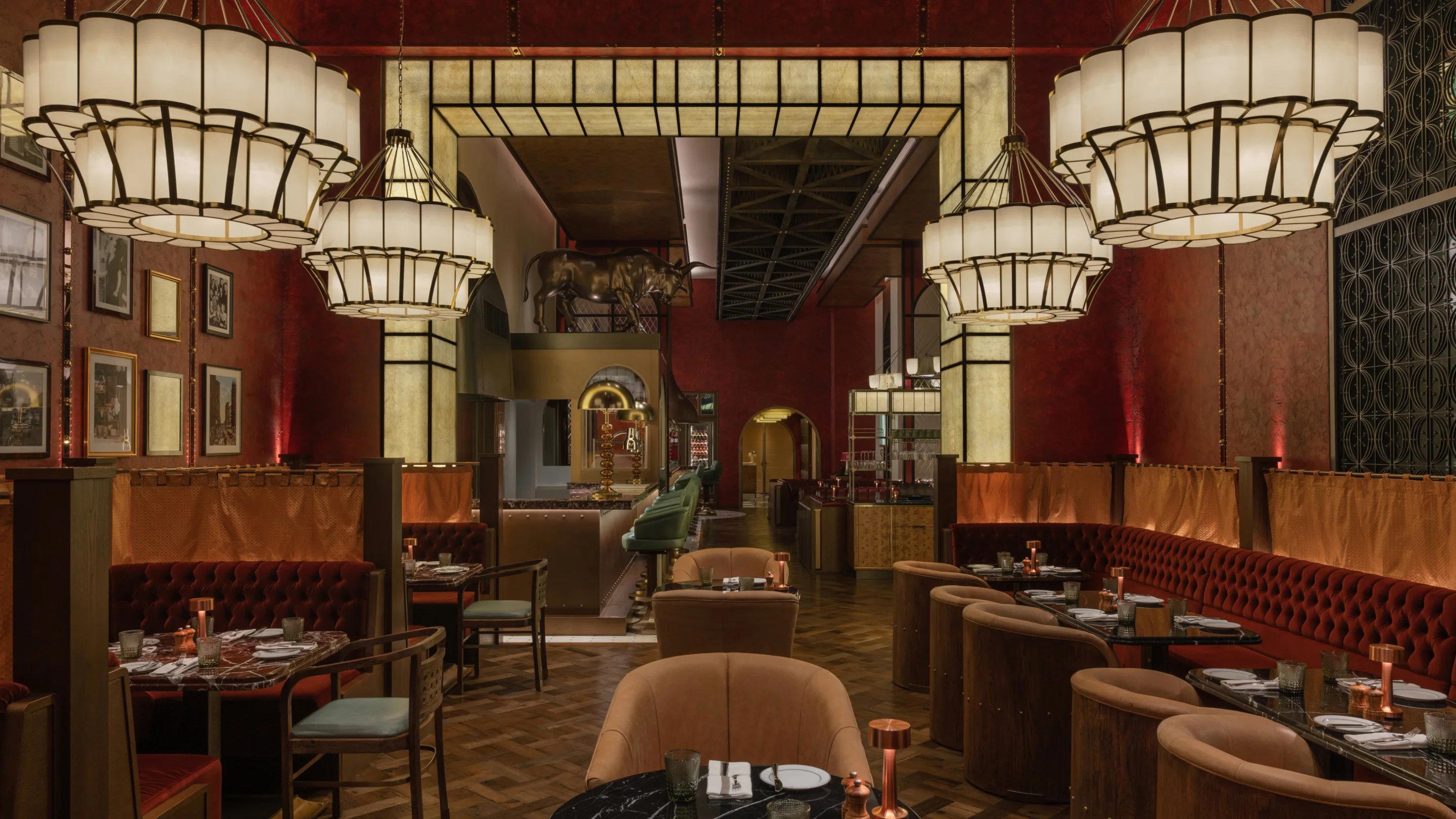
The clubs of British India, Calcutta, Bombay, Lahore, were spaces defined by ritual: a particular seat, a particular order, the measured hum of a room that knew its own tempo. Gymkhana at Katara Hills draws from that register deliberately. The ground floor runs to booths suited to lunch and the kind of meeting that benefits from good light and a contained noise level. Downstairs, the basement is finished in a deep red that narrows the atmosphere considerably, pulling the room into something closer and more deliberate after dark. The two levels are not interchangeable: one is for the working meal, the other for the considered evening. That physical division is itself an editorial statement about how the restaurant expects to be used.
What the Menu Architecture Reveals
Doha's Indian dining tier has grown quickly over the past decade, with venues ranging from accessible curry-house formats to more structured fine-dining propositions. Among Doha's Indian addresses, Gymkhana positions itself firmly at the structured end, a kitchen operating on Northern Indian tradition as a discipline rather than a background. Peer restaurants in the city's Indian segment, including Dalchini, Masala Library, and Rivaaj, each take a different angle, some leaning into regional breadth, others into modern Indian idioms. Gymkhana's menu signals a different priority: depth within a defined Northern framework over breadth across the subcontinent.
The menu reads extensively but cohesively. The tandoor is a load-bearing structure here, not a token section. Tandoori masala lamb chops and kid goat methi keema are cited in the venue's own Michelin documentation as dishes that carry the kitchen's identity, both rooted in technique (the temperature control of the tandoor, the fat management of keema) rather than novelty. Northern Indian cooking at this level is about calibration: how much fenugreek bitterness balances against the richness of the goat, how the char of the chop is managed so that the spice crust doesn't overwhelm the meat's texture. The fact that these are the dishes the kitchen chooses to foreground tells you something about its confidence in the classical register. It is not reaching for fusion shortcuts or plating gestures to signal seriousness.
Balance, sophistication, and depth are the terms that appear repeatedly in assessments of the cooking here, and those are specific claims that carry weight in this context. Northern Indian food, Mughal-influenced, clarified-butter-rich, spice-layered, is easy to flatten into heavy and one-note. Getting it to read as both composed and alive requires a kitchen that respects the ratio work underpinning each dish. Gymkhana's Michelin Plate recognition in 2025 is the external signal that this calibration is being achieved consistently, not just on good nights.
Where It Sits in Doha's Fine-Dining Grid
Katara Hills is a different kind of address from the downtown or West Bay dining clusters. The location gives Gymkhana a slightly removed quality from the hotel-corridor restaurant scene that defines much of Doha's higher-end dining. Compare this placement to venues like IDAM by Alain Ducasse, a Michelin one-star French address at a higher price point, or Baron, which works in the Middle Eastern register. Gymkhana's ﷼﷼﷼ pricing sits a tier below Hakkasan's ﷼﷼﷼﷼ Chinese fine dining, which means it occupies a thoughtful middle position: more expensive than a casual Indian address but accessible compared to the city's most premium international formats. For a city where Indian cuisine represents one of the most demographically significant food cultures in the resident population, a kitchen operating at this level carries more than usual cultural weight.
Globally, the premium Indian dining category has produced a set of reference points, Trèsind Studio in Dubai, Opheem in Birmingham, Amaya and Benares in London, Chaat in Hong Kong, Haoma and INDDEE in Bangkok, Avatara in Dubai, that have each claimed a Michelin signal in their respective cities. The Gulf region, and Doha specifically, is a newer market for this kind of validation. Gymkhana's 2025 Plate recognition places it in the first cohort of Doha Indian restaurants to receive that external signal, which matters as a baseline for what follows.
The Guest Rating in Context
It does not reflect the kind of enthusiast crowd that inflates ratings for buzzy openings; it reflects consistent satisfaction over time and across a range of dining occasions. For a restaurant at this price point, maintaining that average across nearly 500 responses suggests reliability across shifts and sections, not just peak performance on the nights when the kitchen is at full attention.
Planning the Visit
Gymkhana is at Katara Hills, which positions it within the Katara Cultural Village development on Doha's northern waterfront. The ﷼﷼﷼ price tier suggests a main-course-led order rather than a multi-course tasting structure, so the decision of what to order carries more individual weight than at a fixed-menu restaurant. Given the kitchen's stated confidence in its tandoor work, anchoring the meal there, the lamb chops and keema are the documented reference points, is the most direct path to understanding what the kitchen does. For evenings where atmosphere matters as much as the food, the basement is the more considered choice; the ground floor suits lunch or a group that wants more ambient light and a less enclosed feel.
Reservations are advisable given the venue's Michelin recognition and its position as one of Doha's more structured Indian addresses. Phone and online booking details are best confirmed through current local listings or the Katara Cultural Village directory, as contact information is subject to change.
For broader context on what else the city offers, see our full Doha restaurants guide, along with our guides to Doha hotels, Doha bars, Doha experiences, and Doha wineries.
Frequently asked questions
How do I find Gymkhana?
Gymkhana is located at Katara Hills, Doha, Qatar, Doha.
What kind of recognition has Gymkhana received?
Gymkhana has received recognition including: The clubs of colonial India are the inspiration for this impeccably run restaurant. It's spread across two levels: the ground floor booths are perfect for lunch, while the vivid red basement has a more intimate feel. The extensive menus are….
What's the best thing to order at Gymkhana?
The Michelin Plate recognition in 2025 specifically calls out the tandoori masala lamb chops and kid goat methi keema as dishes where the kitchen's depth is most apparent. Both are rooted in Northern Indian technique and represent the traditionally based cooking the menu is built around.
What does dinner at Gymkhana typically cost?
Pricing at Gymkhana is listed as ﷼﷼﷼.
Can I walk in to Gymkhana?
Gymkhana sits at Katara Hills, a destination address that draws a consistent crowd, particularly for dinner in the basement room. Walk-ins may be possible for lunch at the ground-floor booths, but the restaurant's Michelin Plate standing and ﷼﷼﷼ price tier suggest reservations are the safer approach for evening visits.
What's the defining dish or idea at Gymkhana?
The defining idea is the colonial India club as a dining format: two distinct floors with different registers, an extensive Northern Indian menu built on balance and depth rather than novelty, and a level of operational precision that earned a Michelin Plate in 2025. The cooking is traditional in its references but executed with enough sophistication to hold its own in Doha's growing fine-dining tier.
A Tight Comparison
| Venue | Cuisine | Price | Awards | Notes |
|---|---|---|---|---|
| GymkhanaThis venue (the venue you are viewing) | Modern Indian Fine Dining | $50–100 | Michelin Selected | Not listed |
| IDAM by Alain Ducasse | Contemporary French Mediterranean with Arabian influences | $50–100 | 1 Michelin Star · World's 50 Best #44 | French, French Contemporary, ﷼﷼﷼﷼ |
| Argan | Authentic Moroccan | $20–30 | Michelin Bib Gourmand | Moroccan, ﷼ |
| Hakkasan | Modern Cantonese | $100–150 | Michelin Plate | Chinese, ﷼﷼﷼﷼ |
| Jiwan | Modern Qatari Fine Dining | Not listed | Michelin Bib Gourmand | Middle Eastern, ﷼﷼ |
| Morimoto | Contemporary Japanese Fusion | $100–150 | Michelin Plate · Wine Spectator Award of Excellence | Japanese, Sushi, Japanese Contemporary, ﷼﷼﷼ |
Recognition history
Dated appearances from independent guides and award organizations, with the underlying list record or original source where available.
Michelin Selected
Michelin
Full recognition history (2 entries)
Michelin Plate
Michelin
Continue exploring
More in Doha
Restaurants in Doha
All restaurants in Doha →
Bars in Doha
All bars in Doha →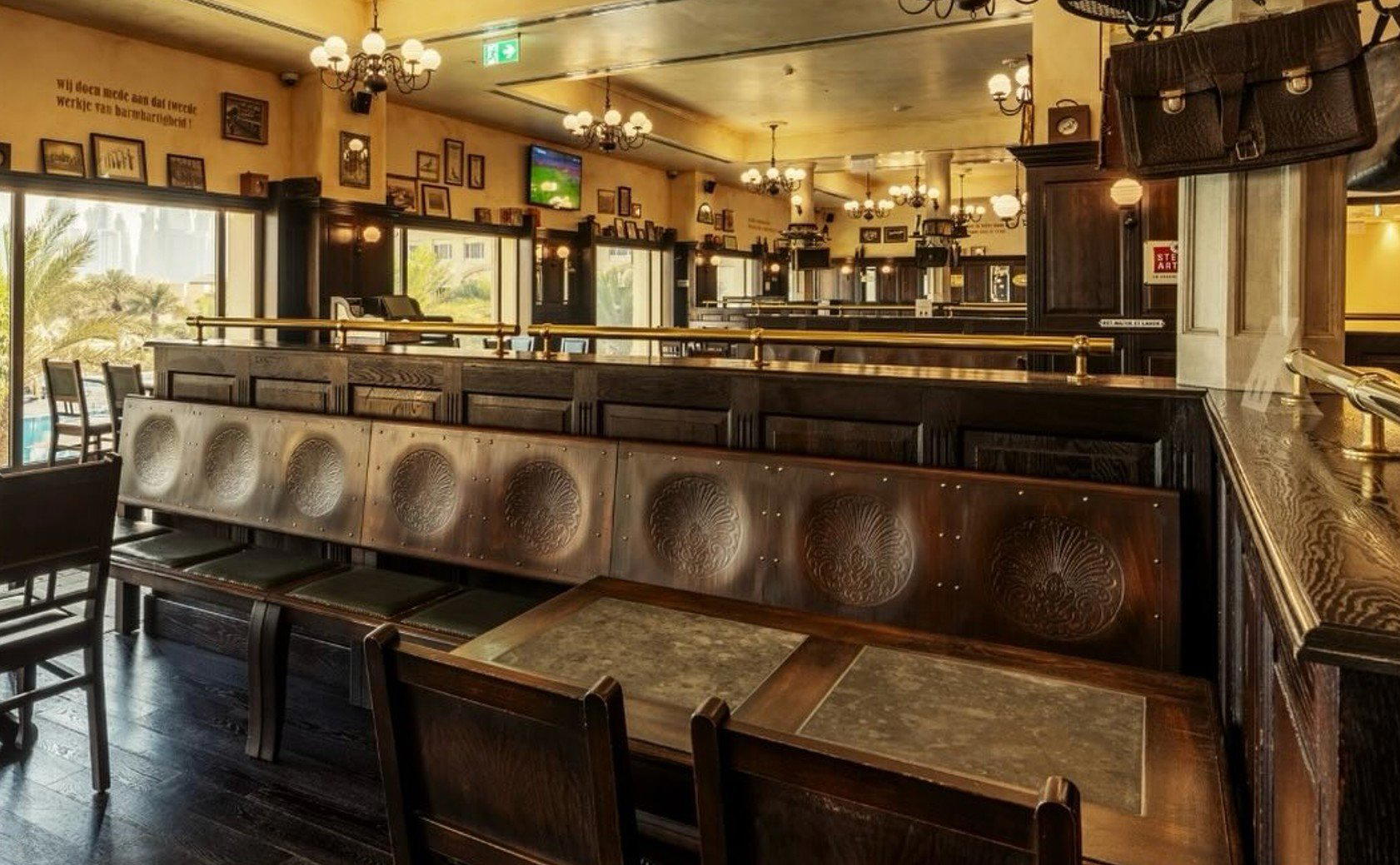
Details
- Elegant
- Sophisticated
- Classic
- Scenic
- Date Night
- Business Dinner
- Group Dining
- Celebration
- Special Occasion
- Open Kitchen
- Terrace
- Panoramic View
- Hotel Restaurant
- Zero Proof
- Garden
- A La Carte
- Tasting Menu
- Set Menu
- Non Alcoholic Cocktails
- Vegetarian Friendly
- Vegan Options
- Halal
Current opening hours
- Monday
- 5 PM–12:30 AM
- Tuesday
- 5 PM–12:30 AM
- Wednesday
- 5 PM–12:30 AM
- Thursday
- 5 PM–12:30 AM
- Friday
- 5 PM–12:30 AM
- Saturday
- 5 PM–12:30 AM
- Sunday
- 5 PM–12:30 AM
Hours can change for holidays and private events. Hours as of .
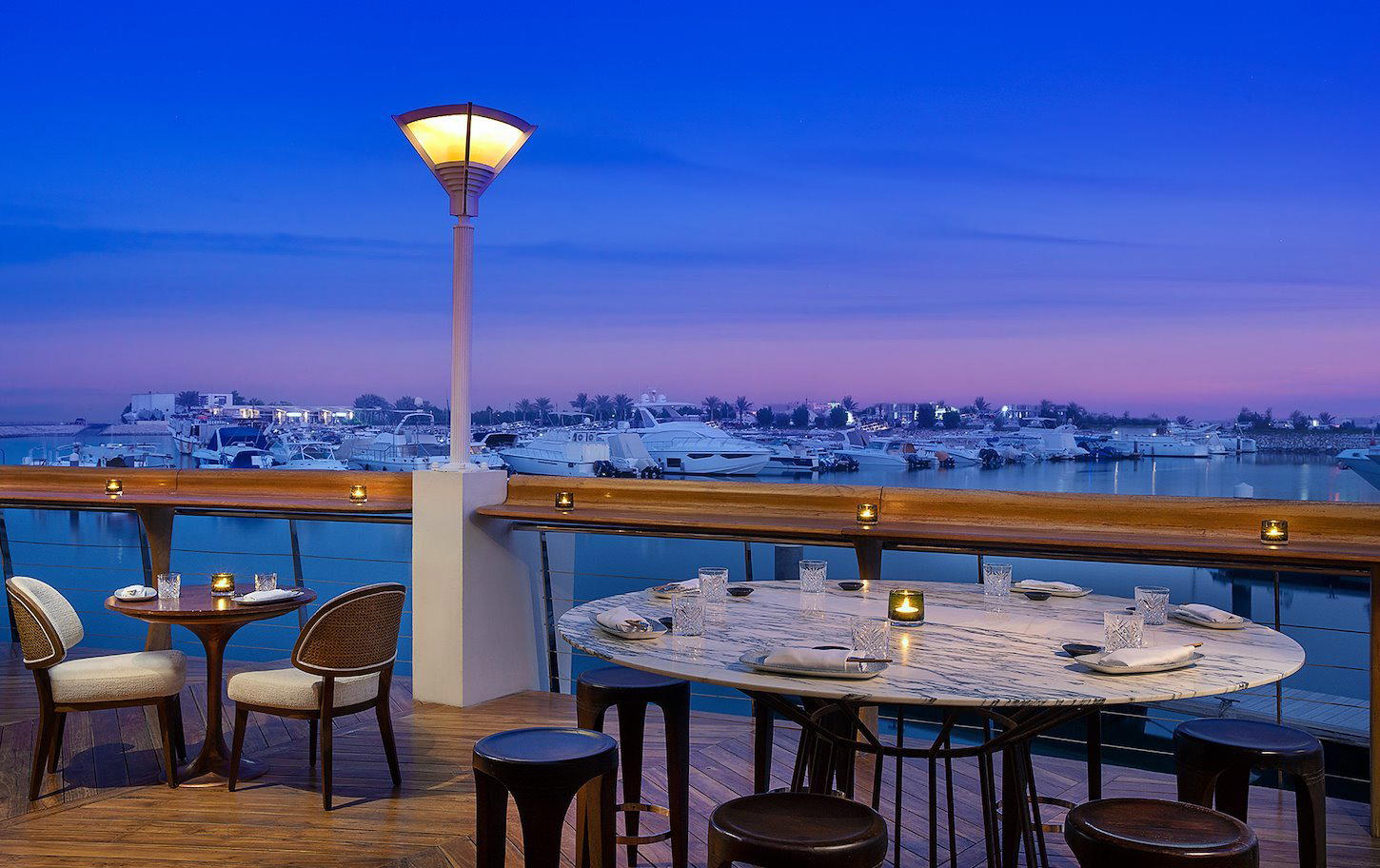
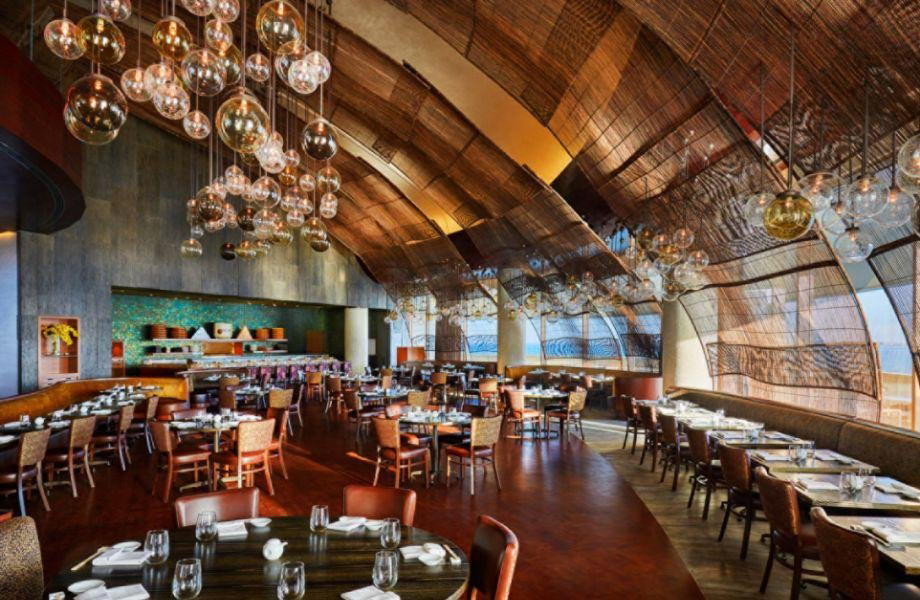
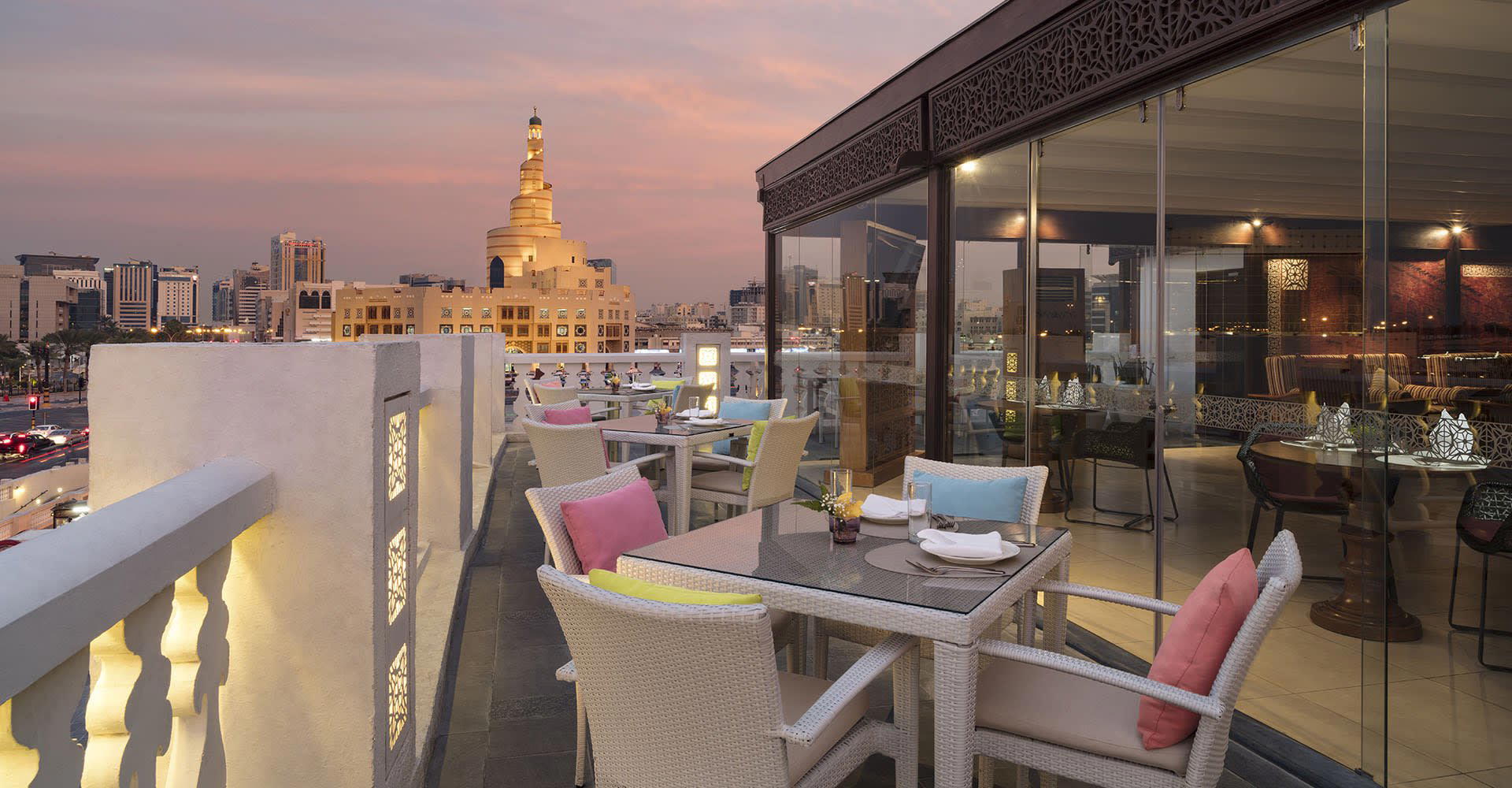
Striking lodge-like interior with dark wood and brass details, clubby colonial feel, open kitchen adding animation, panoramic views of lush hills, stylish and refined decor with a premium atmosphere.