Michelin Plate · Wine Spectator Best of Award of Excellence
Our verdict
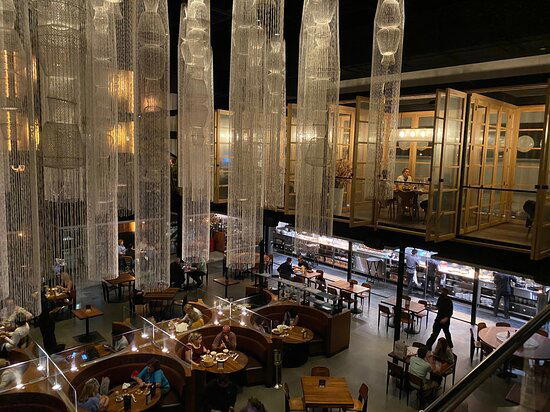
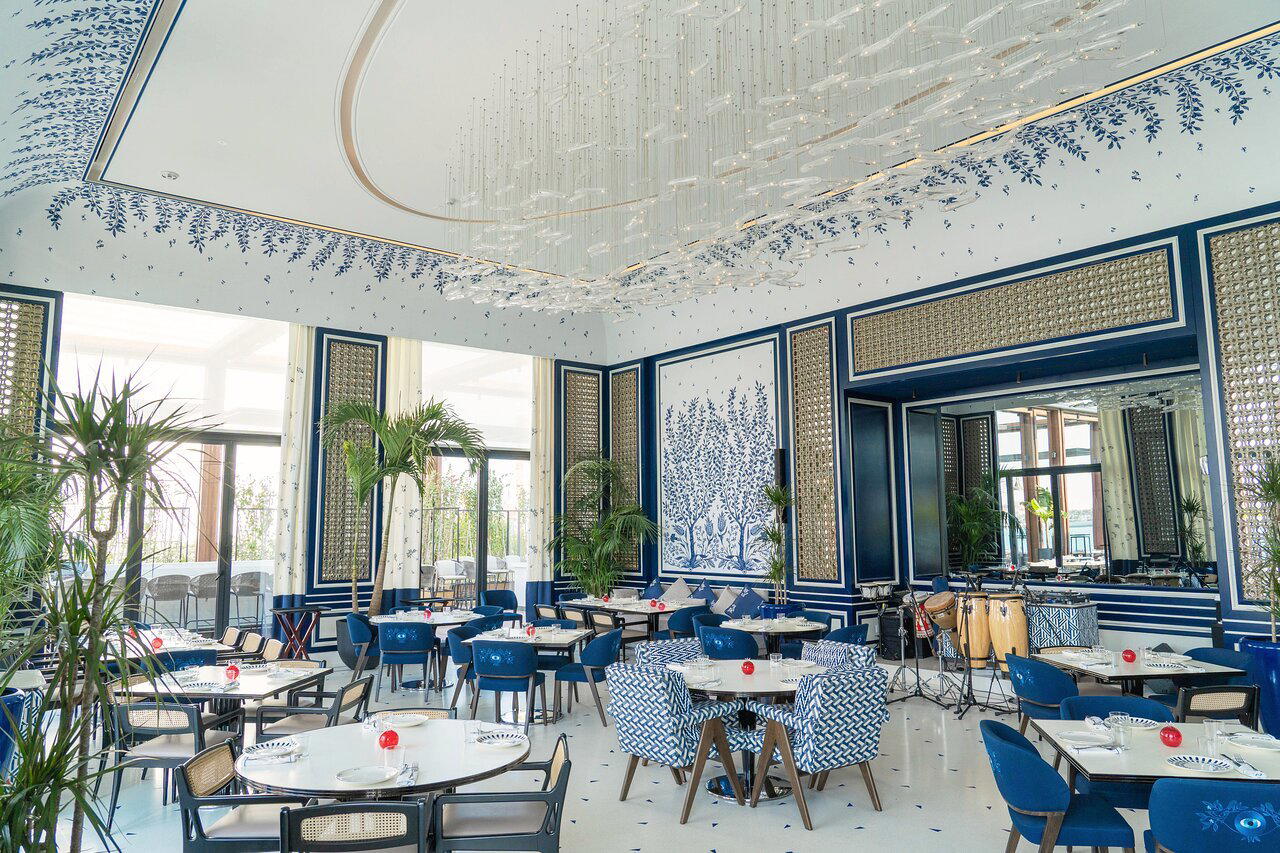
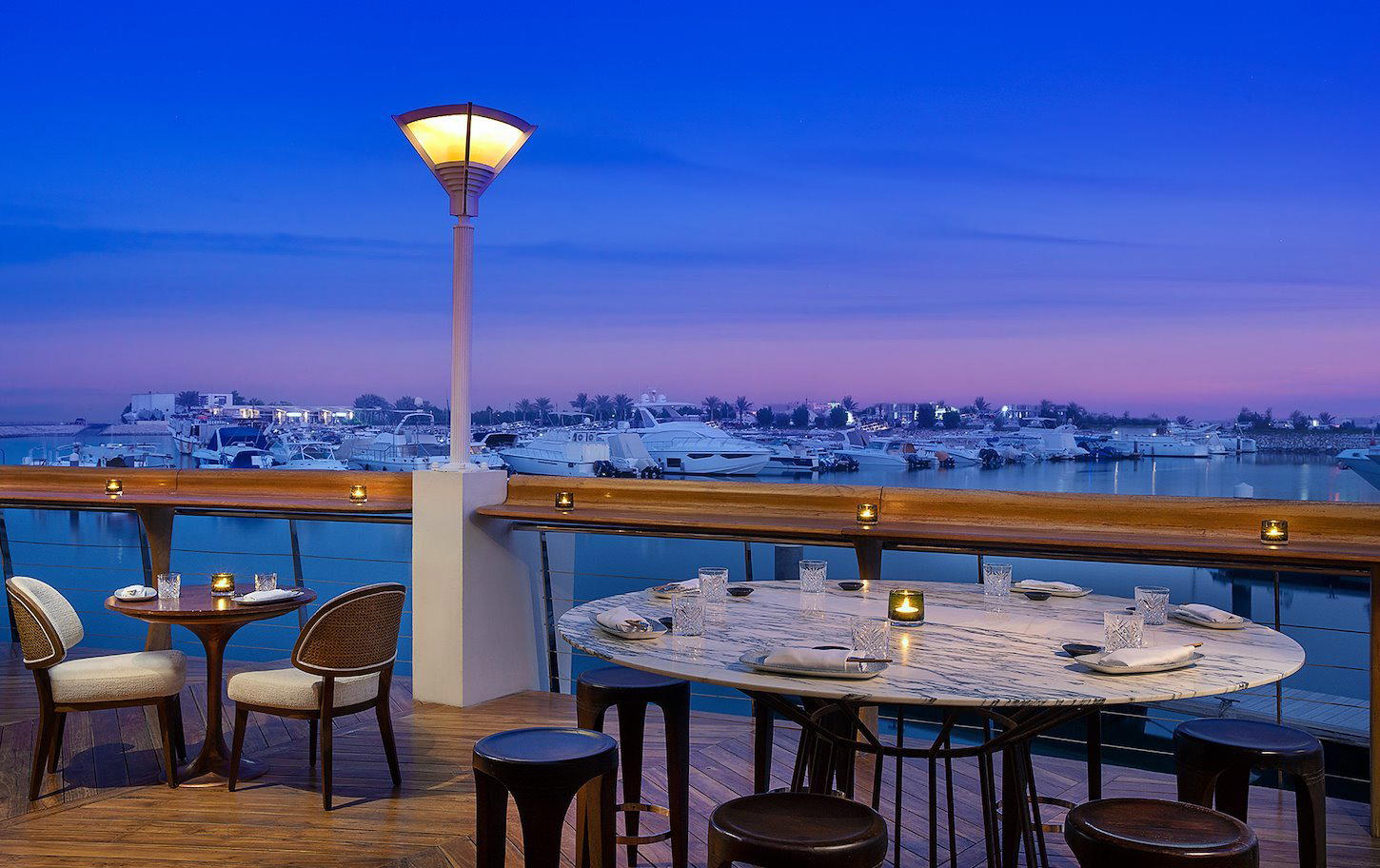
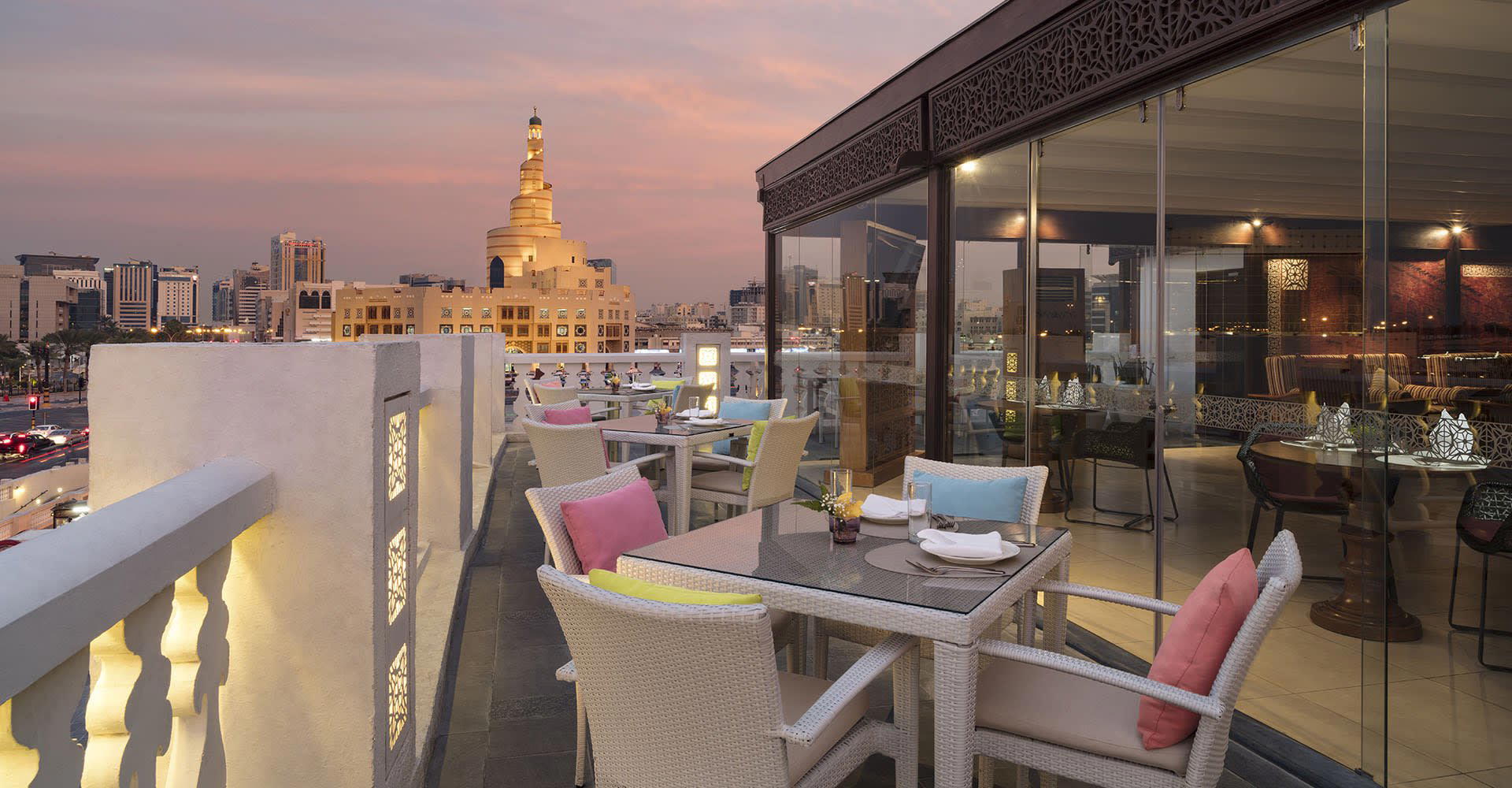
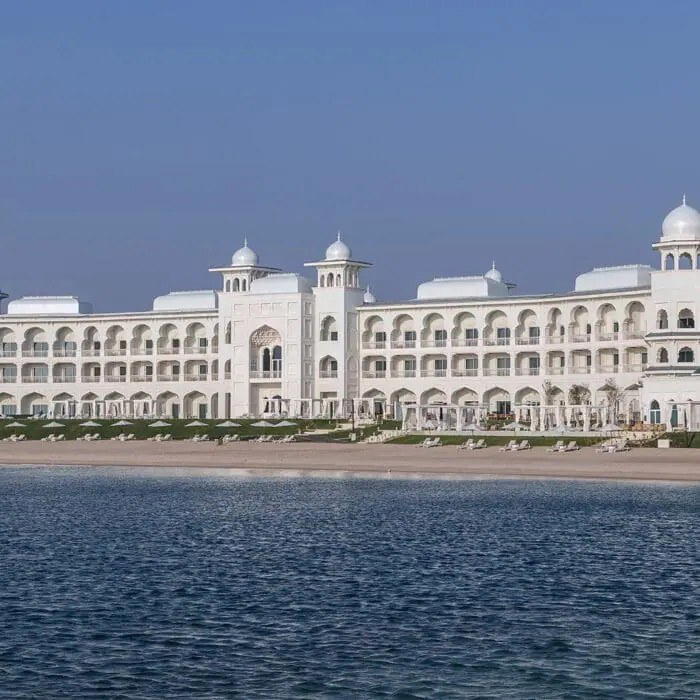
Masala Library occupies the first floor of the Fairmont Doha, facing Lusail Marina through full-length windows. The kitchen works a layered spice vocabulary rooted in North Indian technique, with a distinct West Bengali influence and artistically plated dishes earning Michelin Plate recognition in both 2024 and 2025. Note that the restaurant is currently closed for rebranding.

Pearl is the En Primeur Club membership app, where members save venues, book tables and use the concierge.
The menu
What to order
- Hand-Pulled Butter Chicken
- Chicken Dum Biryani
- Yellow Daal
- Jalebi Caviar
- Lamb Biryani
- Lobster Moilee
Spice, Light, and the Marina View
Doha's hotel dining scene has matured considerably in the past decade, moving from international import menus toward restaurants with identifiable regional authority. Indian cuisine within that shift occupies a specific position: it arrives in the Gulf with deep familiarity among a large resident population but is rarely treated with the same architectural seriousness as, say, Japanese or French kitchens. Masala Library, positioned on the first floor of the Fairmont Doha along the Lusail Marina waterfront, works against that pattern. The full-length windows that frame the room do more than provide a view; they set a tone of deliberate elegance that the kitchen then has to meet at the plate.
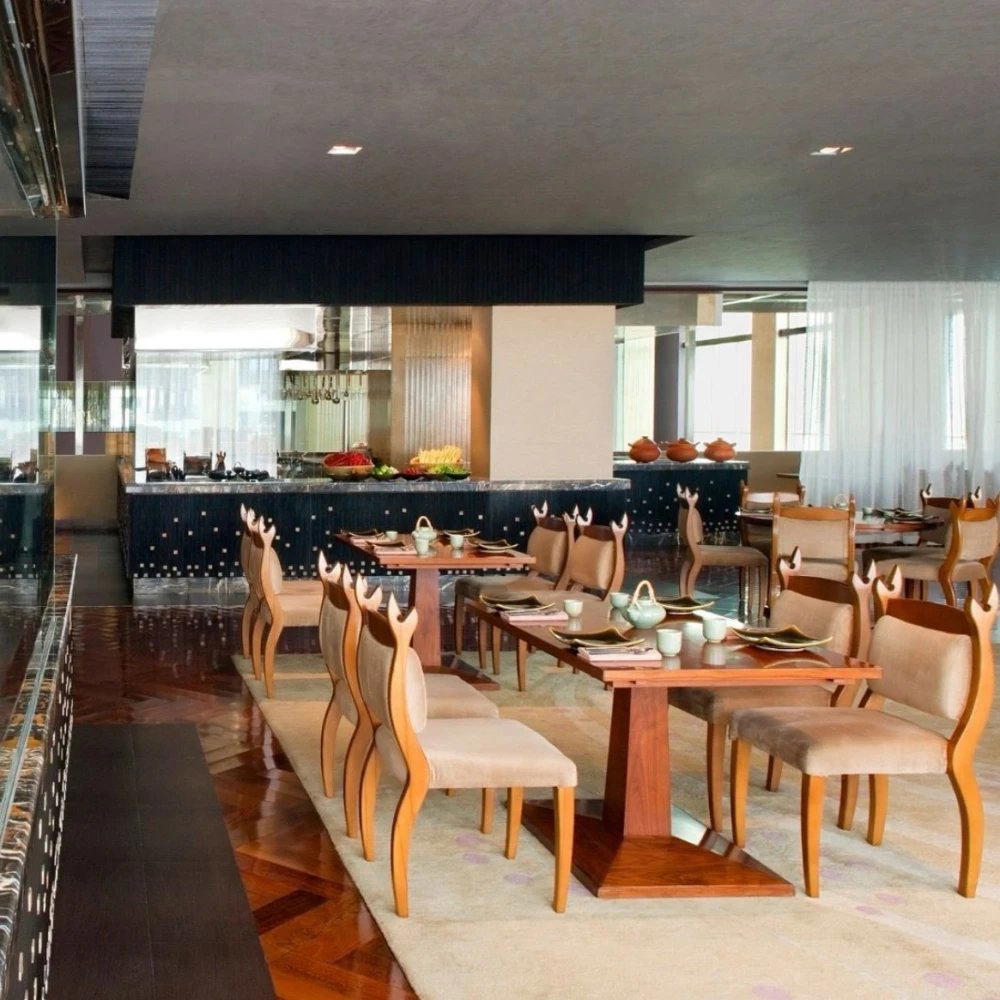
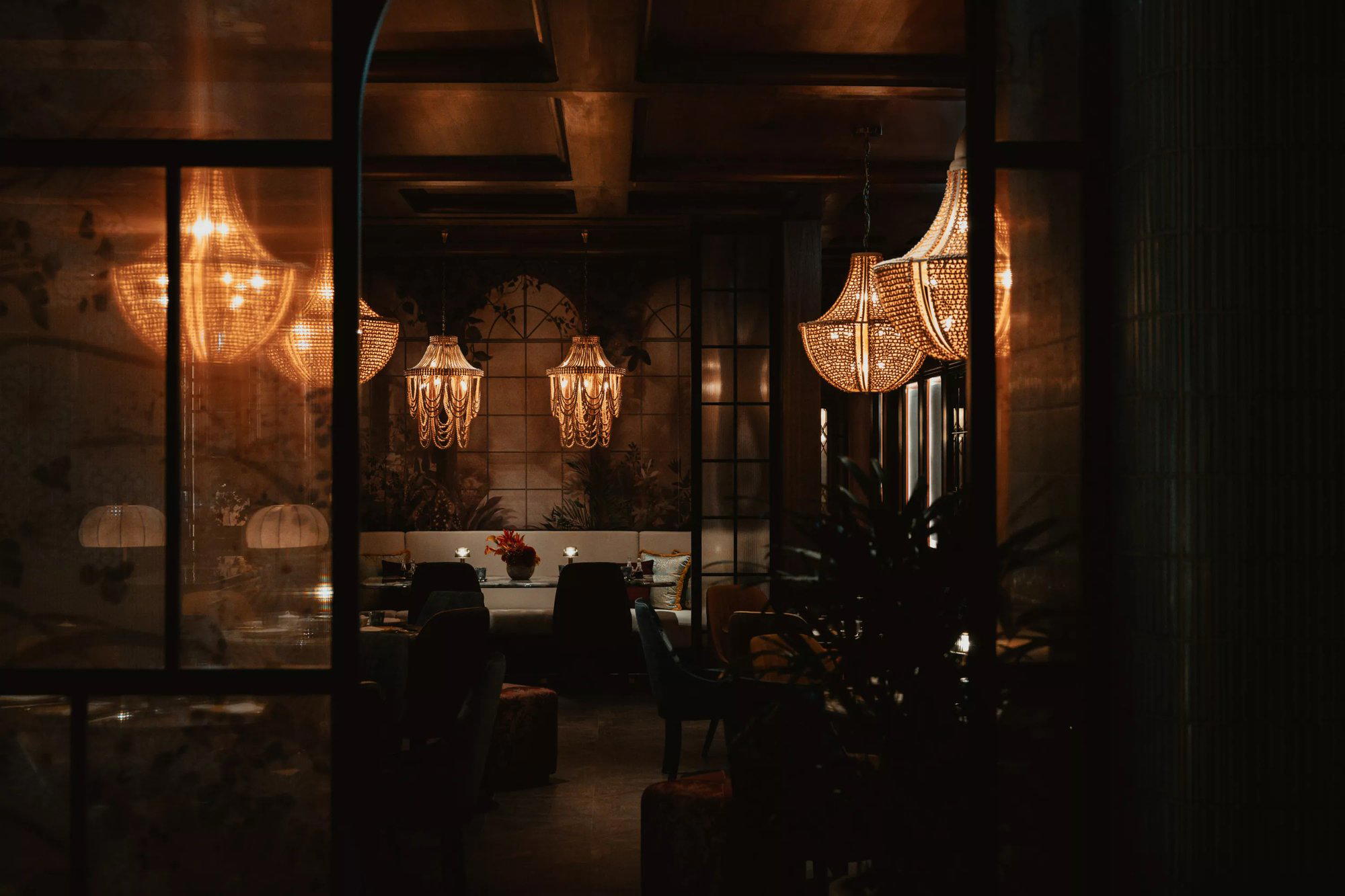
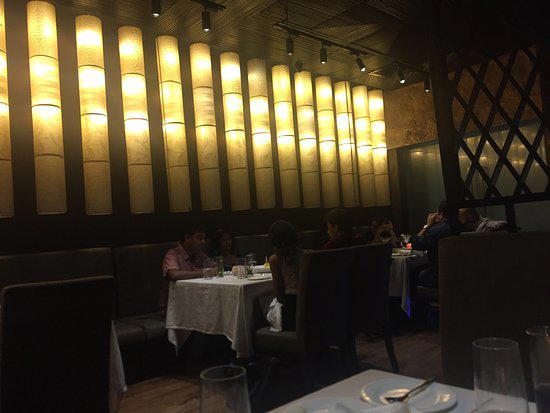
The white interior reads as considered restraint rather than absence of character. Plush seating, a well-organised service team, and the kind of table spacing that signals a kitchen confident in holding a room's attention without theatrical noise, these are not incidental choices. They reflect how seriously the restaurant positions itself within Doha's ﷼﷼﷼ dining tier, where it competes indirectly with venues like IDAM by Alain Ducasse (French Contemporary, ﷼﷼﷼﷼) and occupies a peer tier closer to Baron on the Middle Eastern side.
The Architecture of Spice
The editorial phrase "spice architecture" is worth taking literally here. Indian cuisine is often discussed in terms of heat or boldness, but the more technically interesting question is how spices are deployed at different stages of cooking: whole spices bloomed in hot fat at the start of a dish, ground powders added mid-cook to build body, and tempered finishing spices that arrive late to retain their volatile aromatics. A kitchen that manages all three phases with discipline produces food that reads as layered rather than simply seasoned.
Masala Library's output, based on its Michelin Plate recognition in both 2024 and 2025, operates at that level of control. The Michelin Plate is not a starred recognition, but it does signal that inspectors found the cooking technically sound and worth recommending, a meaningful threshold in a market where Indian restaurants have historically been underrepresented in the guide's commentary. Within Doha specifically, that recognition places the kitchen in a small peer group. Across the broader Gulf and Asia, the conversation includes venues like Trèsind Studio in Dubai and Jamavar Dubai, both of which approach Indian cuisine through a similar lens of precision and visual presentation.
The West Bengal Influence
One of the most identifiable characteristics of the menu is its West Bengali thread. Bengali cuisine brings a distinct spice grammar to the table: mustard oil as a cooking fat and condiment, the panch phoron five-spice blend, and a strong emphasis on freshwater and sea fish prepared with restrained heat rather than the cream-heavy saucing common in North Indian restaurant formats. In the Gulf context, where freshness of seafood is not in question, this is a genuinely useful regional register to work from.
The fish-forward orientation also distinguishes Masala Library from most of its Doha Indian peers. Dalchini and Gymkhana both operate within different register frameworks, and Rivaaj takes a more pan-Indian approach. The Bengali specificity here is not a gimmick; it functions as a genuine point of culinary differentiation within a city that has more Indian restaurants than critical frameworks to describe them.
For a broader lens on how ambitious Indian kitchens are working globally, the range is wide: Opheem in Birmingham, Chaat in Hong Kong, INDDEE in Bangkok, Musaafer in Houston, Rania in Washington D.C., and Avatara Restaurant in Dubai each represent distinct approaches to the question of how Indian cuisine translates into a fine-dining format. Masala Library sits within that global conversation, anchored in its specific Gulf context.
What the Kitchen Produces
The restaurant's reputation for artistically plated dishes is consistent with what Michelin documentation of the venue describes. Colourful, visually considered presentation across multiple courses suggests a kitchen conscious of the whole plate as a composition, not merely as a vehicle for flavour. That approach has become common at the higher end of Indian restaurant cooking internationally, where the visual vocabulary of fine dining is applied to spice-forward food without flattening either.
Two specific items surface in any serious discussion of the menu. The kulcha, a leavened, oven-baked flatbread typically associated with North Indian street eating, is worth ordering alongside the dals, where spice depth accumulates over long cooking. The bebinca dessert, a layered Goan sweet made with coconut milk and egg yolk, represents a different regional thread on the menu and a technically demanding preparation: its layers are built individually, each cooked before the next is added. Its presence on a menu otherwise rooted in Bengali and North Indian registers says something about the kitchen's range.
The Doha Fine Dining Context
Doha's restaurant scene at the ﷼﷼﷼ price point is hotel-anchored, which shapes everything from service culture to wine list depth. Masala Library benefits from the Fairmont infrastructure without being defined by it. The wine program reflects the broader hotel-restaurant approach: a list with France (Burgundy and Bordeaux) and Italy as anchors, supported by California and Spain, with Madeira making a more unusual appearance that pairs well with spiced preparations. At a $$-positioned wine program (meaning a range of pricing rather than a predominantly high-spend list), it sits accessibly relative to the food's price tier.
Pairing wine with Indian food is a conversation that serious sommeliers have been having for decades, and the answer increasingly points toward wines with texture and weight rather than raw fruit: aged white Burgundy, off-dry Alsatian bottles, and certain oxidative styles. Madeira's presence on this list suggests some awareness of that pairing logic.
A Note on Current Status
Masala Library is currently closed for rebranding. This is a relevant piece of information for anyone planning a visit: the restaurant as it exists in Michelin's 2025 documentation and in the Fairmont Doha's current positioning may re-emerge under a different name or with a revised concept. The rebranding process at hotel restaurants of this tier typically involves menu evolution rather than wholesale kitchen changes, but the specific format on reopening should be verified directly with the Fairmont Doha before booking.
For planning a broader Doha itinerary around the reopening, our full Doha restaurants guide covers the current field. Supplementary resources include our Doha hotels guide, our Doha bars guide, our Doha wineries guide, and our Doha experiences guide.
Planning Your Visit
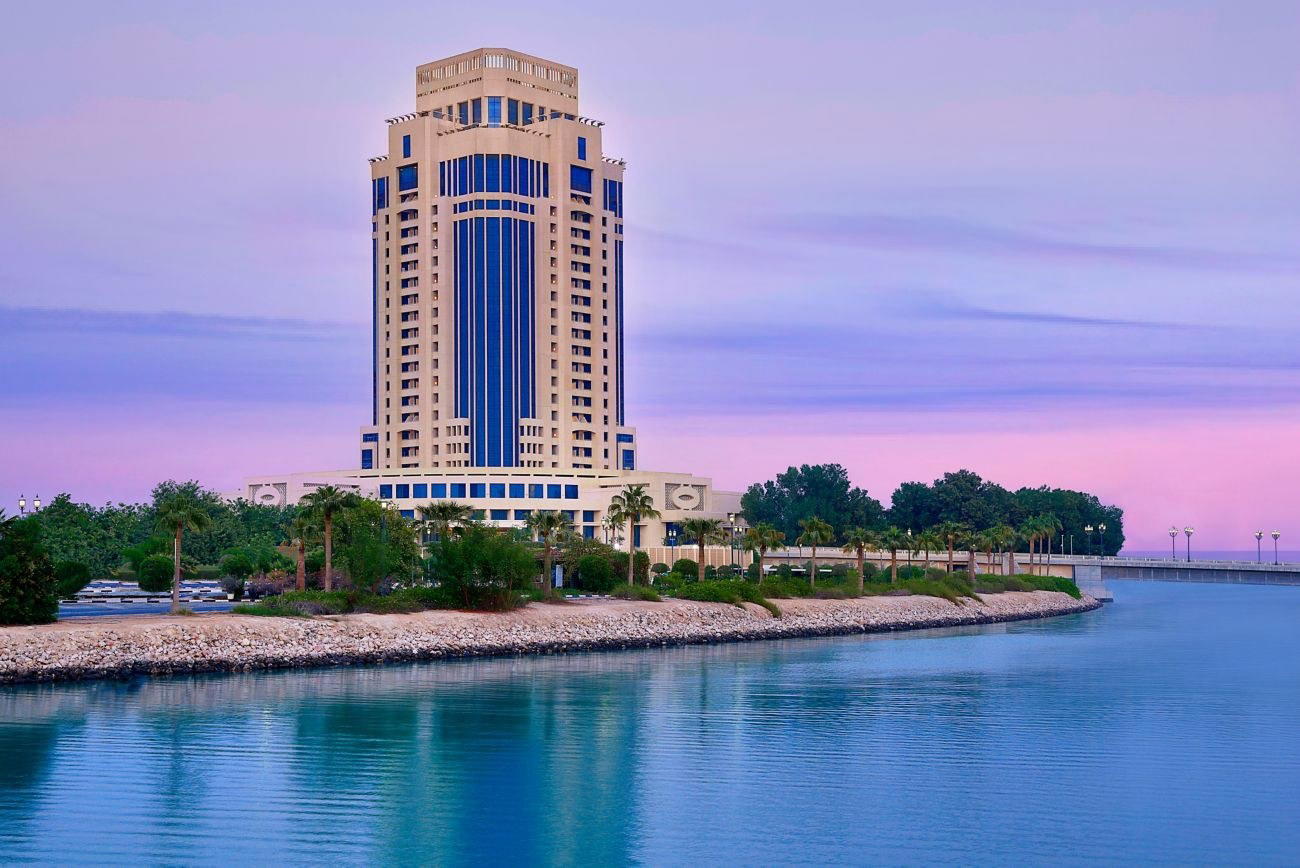
Masala Library sits within the Fairmont Doha, a property on Lusail Marina. The restaurant occupies the first floor, with the full-length window views of the marina making early evening the most visually rewarding time to arrive. As a hotel restaurant at the ﷼﷼﷼ price point, smart casual dress is the practical baseline; the white-interior room leans toward the more formal end of that range. Given the current rebranding closure, confirm reopening status and reservation availability directly through the Fairmont Doha before planning around it.
Frequently asked questions
What should I expect cuisine-wise at Masala Library?
Does Masala Library have a Michelin star or similar recognition?
Masala Library has received recognition including: The Fairmont Doha is a striking property by Lusail Marina and this Indian restaurant occupies a position on its first floor, with full-length windows facing the ever-changing landscape. The plush white surroundings are matched by a well-org….
What's the must-try dish at Masala Library?
The kulcha paired with dal is the most consistently recommended order, capturing the kitchen's approach to spice layering at its clearest. The menu also carries a West Bengali thread, which means fish dishes appear with regularity. Save room for the bebinca dessert. Note that Masala Library is currently closed for rebranding, so confirm status before planning a visit.
Is Masala Library more mid-range or high-end?
Pricing at Masala Library is listed as ﷼﷼﷼.
| Venue | Cuisine | Price | Awards | Notes |
|---|---|---|---|---|
| Masala LibraryThis venue (the venue you are viewing) | Progressive Indian Fine Dining | $100–150 | Michelin Plate · Wine Spectator Best of Award of Excellence | Not listed |
| IDAM by Alain Ducasse | Contemporary French Mediterranean with Arabian influences | $50–100 | 1 Michelin Star · World's 50 Best #44 | French, French Contemporary, ﷼﷼﷼﷼ |
| Argan | Authentic Moroccan | $20–30 | Michelin Bib Gourmand | Moroccan, ﷼ |
| Hakkasan | Modern Cantonese | $100–150 | Michelin Plate | Chinese, ﷼﷼﷼﷼ |
| Jiwan | Modern Qatari Fine Dining | Not listed | Michelin Bib Gourmand | Middle Eastern, ﷼﷼ |
| Morimoto | Contemporary Japanese Fusion | $100–150 | Michelin Plate · Wine Spectator Award of Excellence | Japanese, Sushi, Japanese Contemporary, ﷼﷼﷼ |
Recognition history
Dated appearances from independent guides and award organizations, with the underlying list record or original source where available.
Michelin Plate
Michelin
Wine Spectator Best of Award of Excellence
Wine Spectator
Full recognition history (4 entries)
Michelin Plate
Michelin
Michelin Plate
Michelin