A'Riccione on Via Taramelli sits within Milan's broader tradition of seafood-led dining rooms that hold their own against the city's modern Italian tasting-menu circuit. The address places it in the Porta Nuova corridor, where the restaurant scene has shifted toward longer-format meals and sharper ingredient sourcing. Visitors who follow Milan's fish-focused dining closely tend to return here with purpose.
Pearl is the En Primeur Club membership app — saves, bookings, and concierge access live there. Same editors, same standards.
- Address
- Via Torquato Taramelli, 70, 20124 Milano MI, Italy
- Phone
- +39392683807
- Website
- ariccionemilano.it
- Directions
- Get directions
 Saves & bookings on Pearl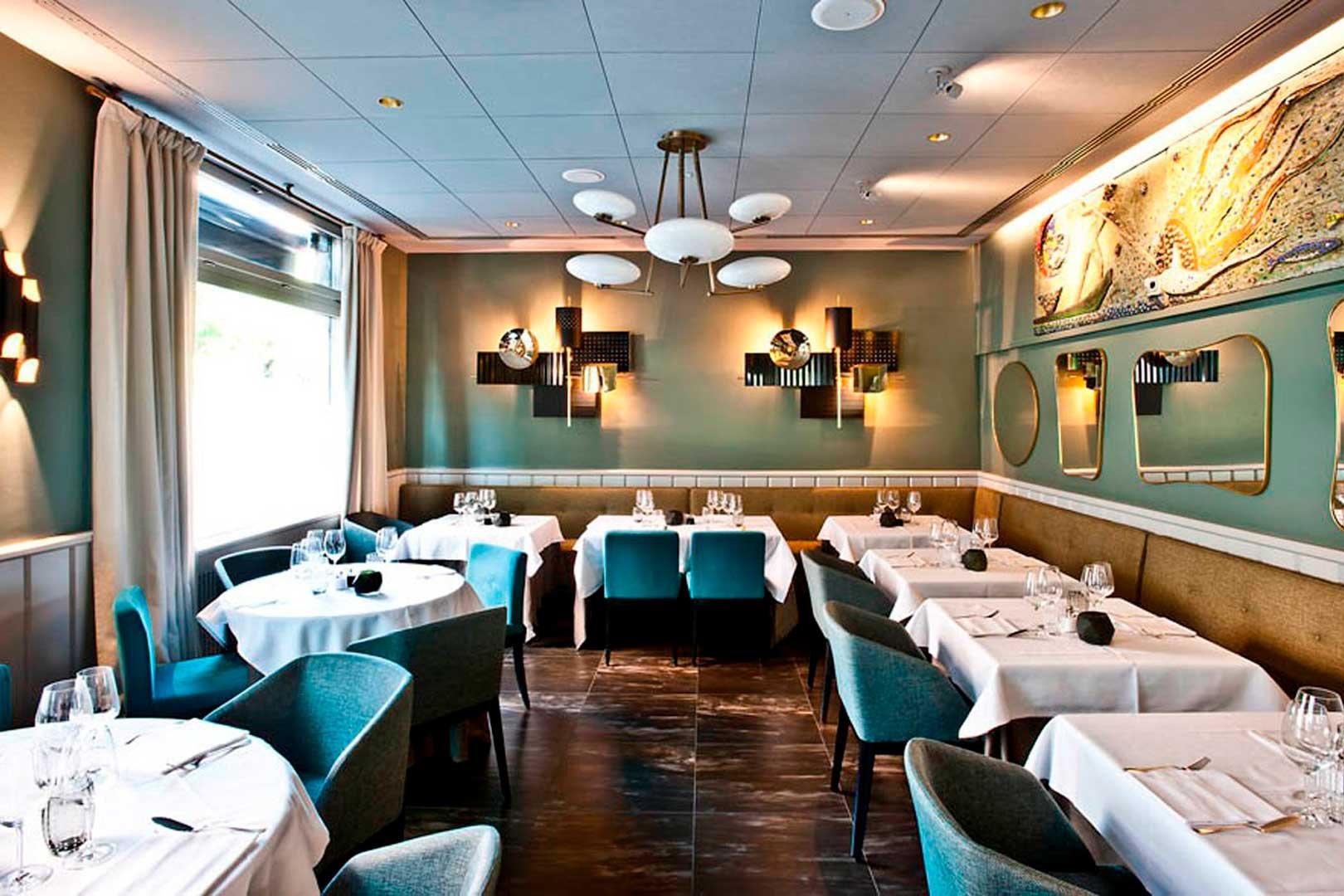
Where Milan's Seafood Tradition Takes Shape
There is a specific type of Milan restaurant that the city's dining culture depends on but rarely celebrates loudly: the specialist seafood house that operates with the confidence of a decades-long address rather than the noise of a new opening. These rooms tend to occupy residential side streets, fill at lunch with professionals who know exactly what they are ordering, and maintain a menu logic built around supply rather than trend. A'Riccione, on Via Torquato Taramelli in Milan, fits that pattern. The street itself is quiet by Milan standards, and the approach to the restaurant carries none of the theatrical signaling that defines the city's newer, higher-profile dining corridors.
Milan's dining scene has, in recent years, consolidated heavily around the creative and modern Italian formats led by rooms like Enrico Bartolini, Cracco in Galleria, Andrea Aprea, and Seta. These are tasting-menu operations with strong technical ambitions, competing in an international register. The city's committed seafood specialists occupy a different niche, one that prizes sourcing continuity and classical Italian seafood cooking over structural experimentation. A'Riccione sits in that niche, and its presence on Via Taramelli reinforces the argument that Milan's most reliable fish dining often happens outside the venues generating editorial attention.
The Arc of the Meal
Seafood restaurants in the Italian tradition build their leading meals around a sequencing logic that the kitchen, not the diner, has spent years calibrating. The opening moves tend to be raw or lightly treated: crudi, shellfish served cold, preparations where the sourcing is either immediately apparent or immediately compromising. In rooms like A'Riccione, this early phase sets the standard against which everything that follows is measured. Guests who skip these courses in favor of a faster path to pasta or secondi are, in effect, bypassing the clearest signal of what the kitchen prioritizes.
The middle of the meal in a serious Italian seafood house typically shifts toward pasta: risotto with shellfish, spaghetti alle vongole, paccheri with ragu di mare. These are not supplementary dishes in the way that pasta sometimes functions at modern tasting tables, they are structural, caloric, and the clearest test of whether a kitchen can execute Italian fundamentals without decoration. At this price point and in this city, they should be cooked with confidence and served without apology for their richness. The Italian coastal tradition expects pasta to carry weight, and rooms that hedge this with too-small portions or unnecessary refinement tend to satisfy no one.
The progression toward secondi in Milan's seafood rooms follows the logic of the catch: whole fish, grilled or baked with minimal interference, portions that reflect the actual size of the animal rather than the aesthetic preferences of the plating team. This is where the sourcing story either lands or falls apart. Italy's leading seafood restaurants, from Uliassi in Senigallia to Quattro Passi in Marina del Cantone, treat the main fish course as the culmination of a sourcing commitment made at the market that morning. The leading Milan fish rooms operate on a similar premise, relying on supplier relationships built over years.
Milan's Seafood Geography
Structural tension in Milan seafood dining is that the city has no coast. Every serious fish house here is, in effect, an inland operation running on logistics: early-morning deliveries, trusted suppliers in Sicily, Sardinia, the Ligurian coast, or the Adriatic. This constraint has historically separated the reliable rooms from the unreliable ones more cleanly than in coastal cities, because there is no buffer of proximity. When a Milan seafood kitchen succeeds, it is because the supply chain has been maintained with genuine attention over time. The restaurant's address on Via Taramelli suggests it has held that relationship.
Across Italy, the restaurants that have defined the standard for seafood-led tasting menus operate at significant remove from simple fish houses. Osteria Francescana in Modena approaches the sea conceptually; Dal Pescatore in Runate remains a land-focused institution; and Enoteca Pinchiorri in Florence treats the kitchen as secondary to the cellar. The fish-specialist register is narrower and more specific, and its Italian practitioners, whether working in resort contexts like Atelier Moessmer Norbert Niederkofler in Brunico or within the broader northern Italian restaurant culture represented by Le Calandre in Rubano, share a commitment to ingredient primacy over conceptual ambition.
In the international context, the logic of a seafood-specialist room built around a progressive tasting progression finds its most visible expression in places like Le Bernardin in New York City, where the format of a dedicated fish tasting menu has sustained recognition across decades. The contrast with a menu-forward progressive format like Atomix in New York City underlines how different the seafood-specialist tradition is from contemporary tasting-menu culture. The restaurant operates in a lineage closer to the former than the latter.
Where It Sits in Milan's Current Scene
Milan's restaurant market has pushed hard into the creative and progressive format, with rooms like Verso Capitaneo representing newer entrants to that tier. The specialist fish house sits in a different competitive position, less exposed to the volatility of trend cycles and more dependent on the loyalty of a regular clientele. This is not a disadvantage in a city where business dining remains a significant economic driver and where repeat visitors often prefer familiarity over novelty.
For a complete picture of where the restaurant sits within Milan's broader dining map, including how the city's seafood options compare to its creative and modern Italian tasting rooms, see our full Milan restaurants guide. Across Italy, the comparable set for serious seafood dining also includes Piazza Duomo in Alba and Reale in Castel di Sangro, both of which use regional produce with the same sourcing discipline that defines the leading fish rooms. Casa Perbellini 12 Apostoli in Verona offers a useful reference point for how northern Italian fine dining handles classical structure without sacrificing precision.
Standing Among Peers
Comparable venues nearby, for context on price, style, and recognition.
| Venue | Cuisine | Price | Notes |
|---|---|---|---|
| A'RiccioneThis venue — the venue you are viewing | Traditional Italian Seafood | $$$ | Not listed |
| Sea Signora | Contemporary Mediterranean Seafood | $$$ | Brera |
| Bistrot Atempo | Contemporary Seasonal Italian-Mediterranean Bistro | $$$ | Porta Venezia |
| Stadera Gastronomia | Campania-Inspired Italian Gastronomia | $$$ | Guastalla |
| L'Amùri Sicilian Restaurant | Authentic Sicilian Seafood | $$$ | Xxii Marzo |
| Le Terrazze Restaurant | Traditional Italian with Lombard specialties | $$$ | Buenos Aires - Porta Venezia - Porta Monforte |
Continue exploring
More in Milan
Restaurants in Milan
Browse all →
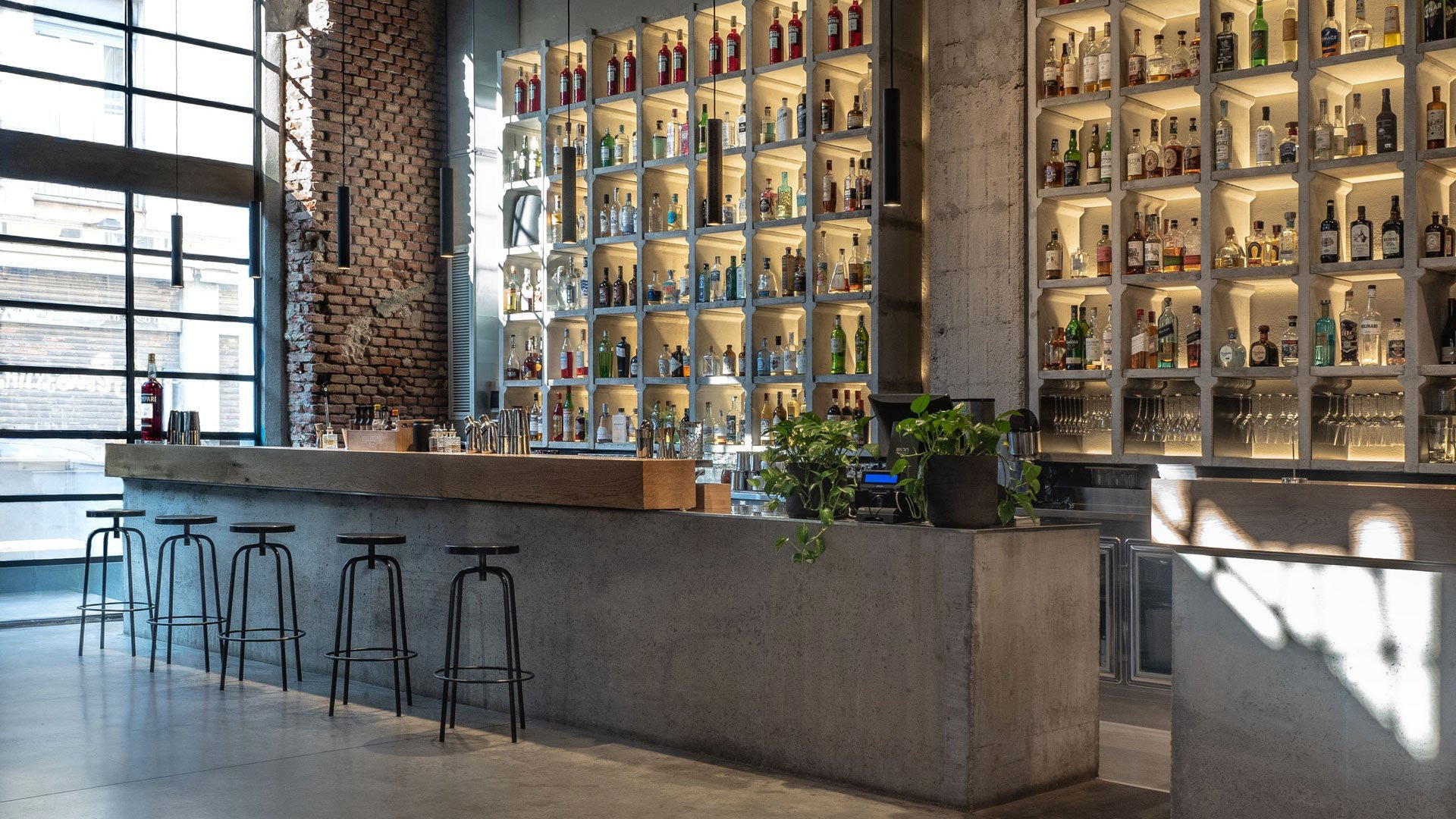
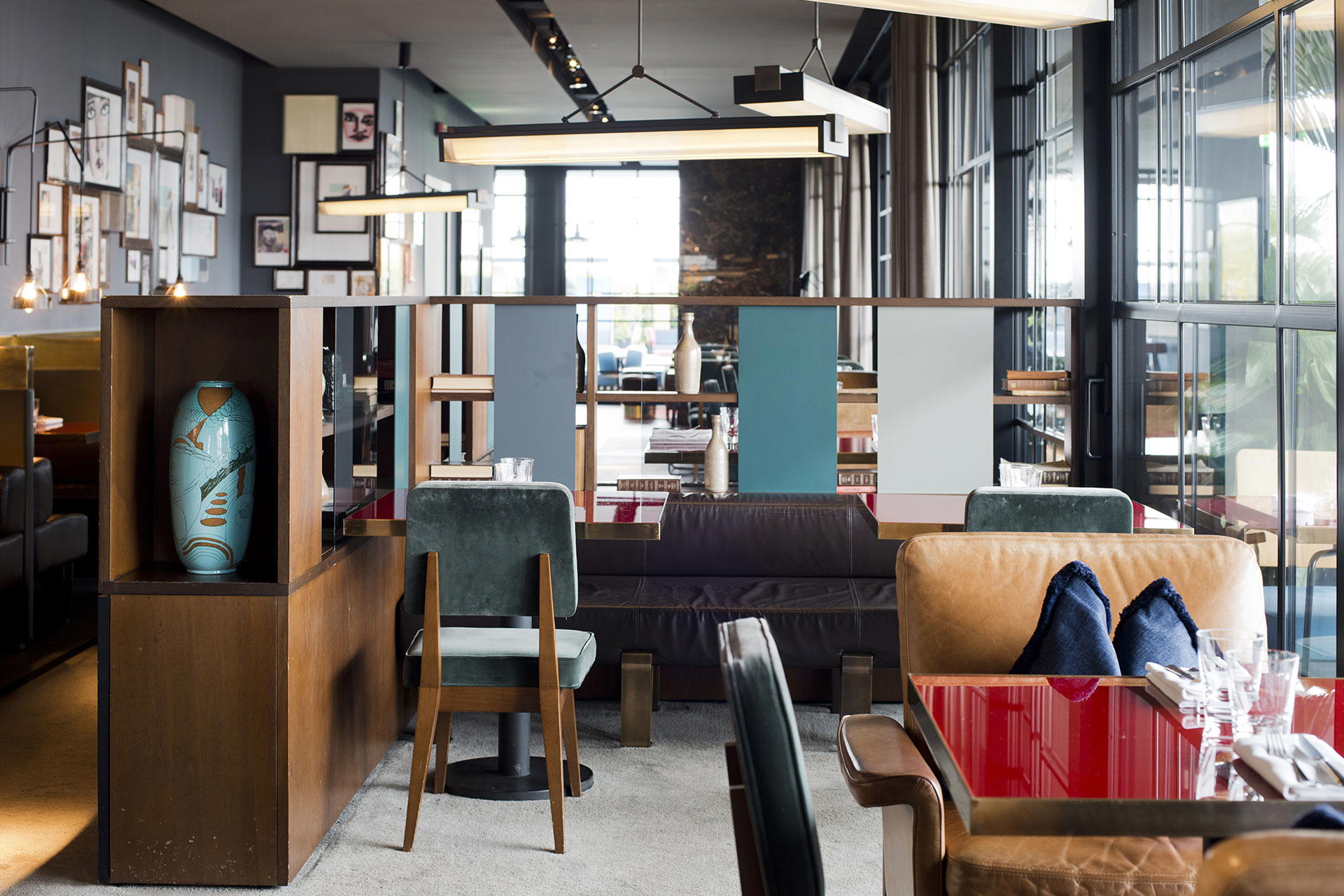
Bars in Milan
Browse all →
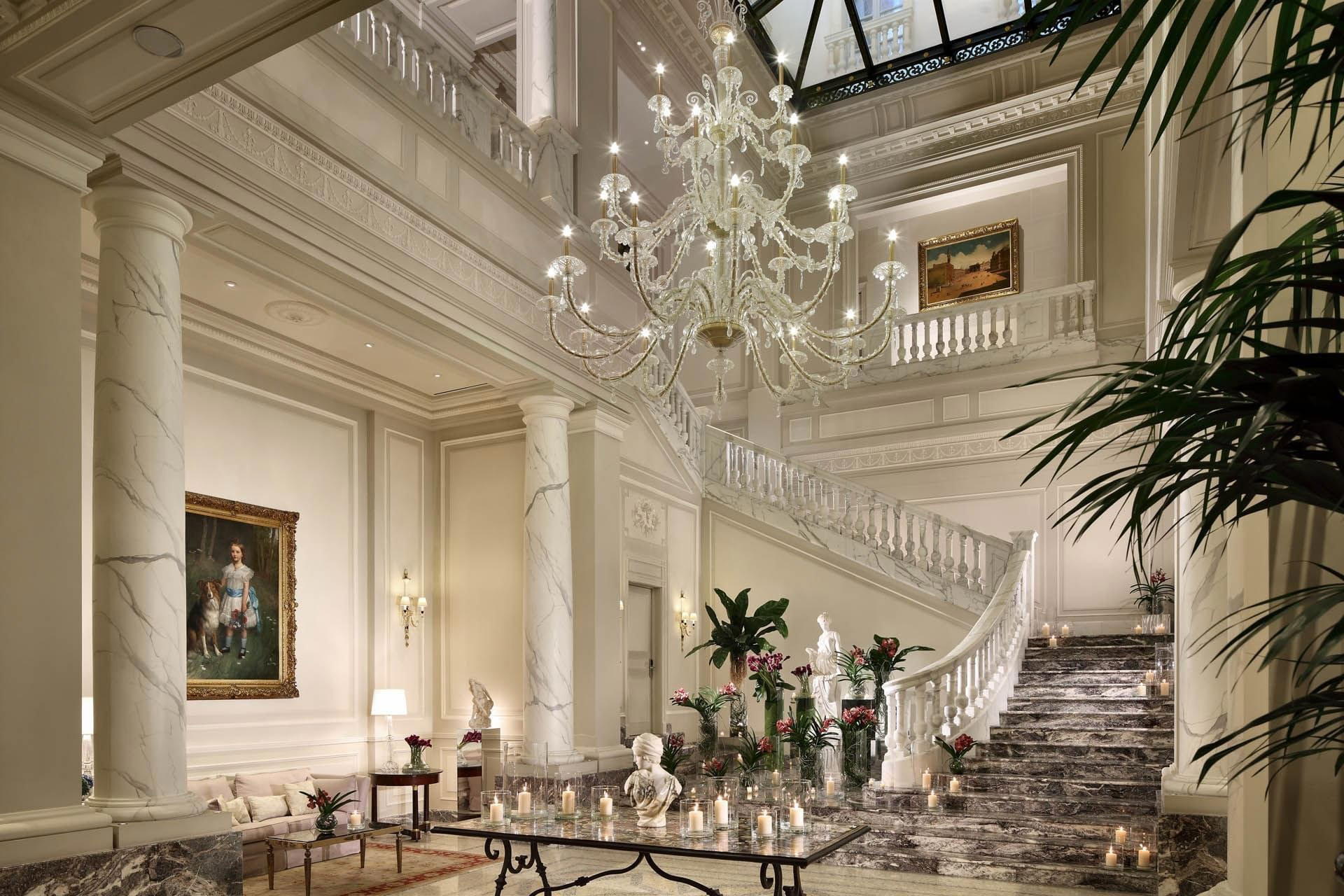
Hotels in Milan
Browse all →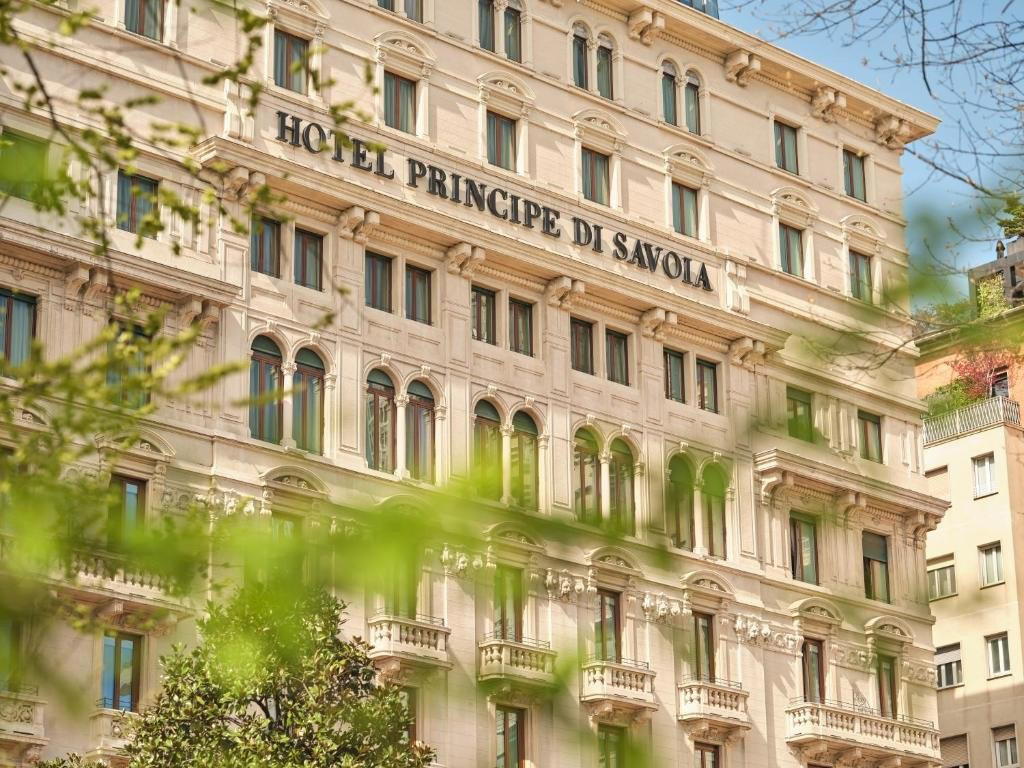

At a Glance
- Elegant
- Classic
- Sophisticated
- Date Night
- Special Occasion
- Business Dinner
- Historic Building
- Extensive Wine List
- Local Sourcing
Current opening hours
- Monday
- Closed
- Tuesday
- 12:30–3 PM, 7:30 PM–12 AM
- Wednesday
- 12:30–3 PM, 7:30 PM–12 AM
- Thursday
- 12:30–3 PM, 7:30 PM–12 AM
- Friday
- 12:30–3 PM, 7:30 PM–12 AM
- Saturday
- 7:30 PM–12 AM
- Sunday
- 12:30–3 PM, 7:30 PM–12 AM
Hours can change for holidays and private events. Last verified .
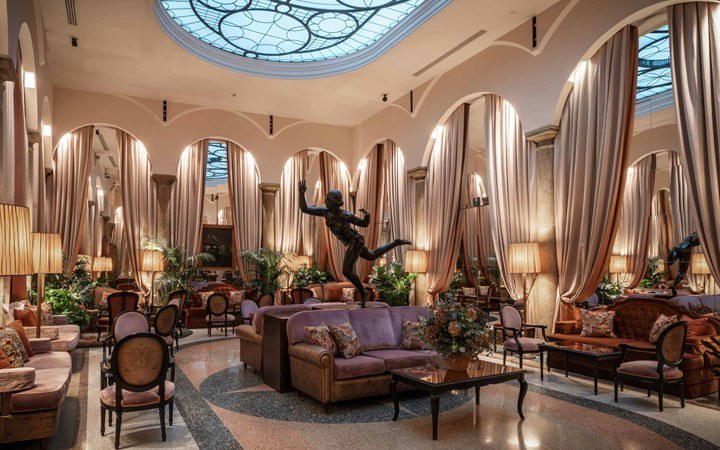
Refined design with chic elegance, mosaic wall details, and an atmosphere celebrating sea flavors with authenticity and sophistication.