Modern style dishes with authentic flavors.
 Discover on Pearl
Pearl is the En Primeur Club membership app — saves, bookings, and concierge access live there. Same editors, same standards.
- Address
- Piazza Enea Codotto, 17, 33053 Latisana UD, Italy
- Phone
- +393943155445
- Website
- daboschet.it
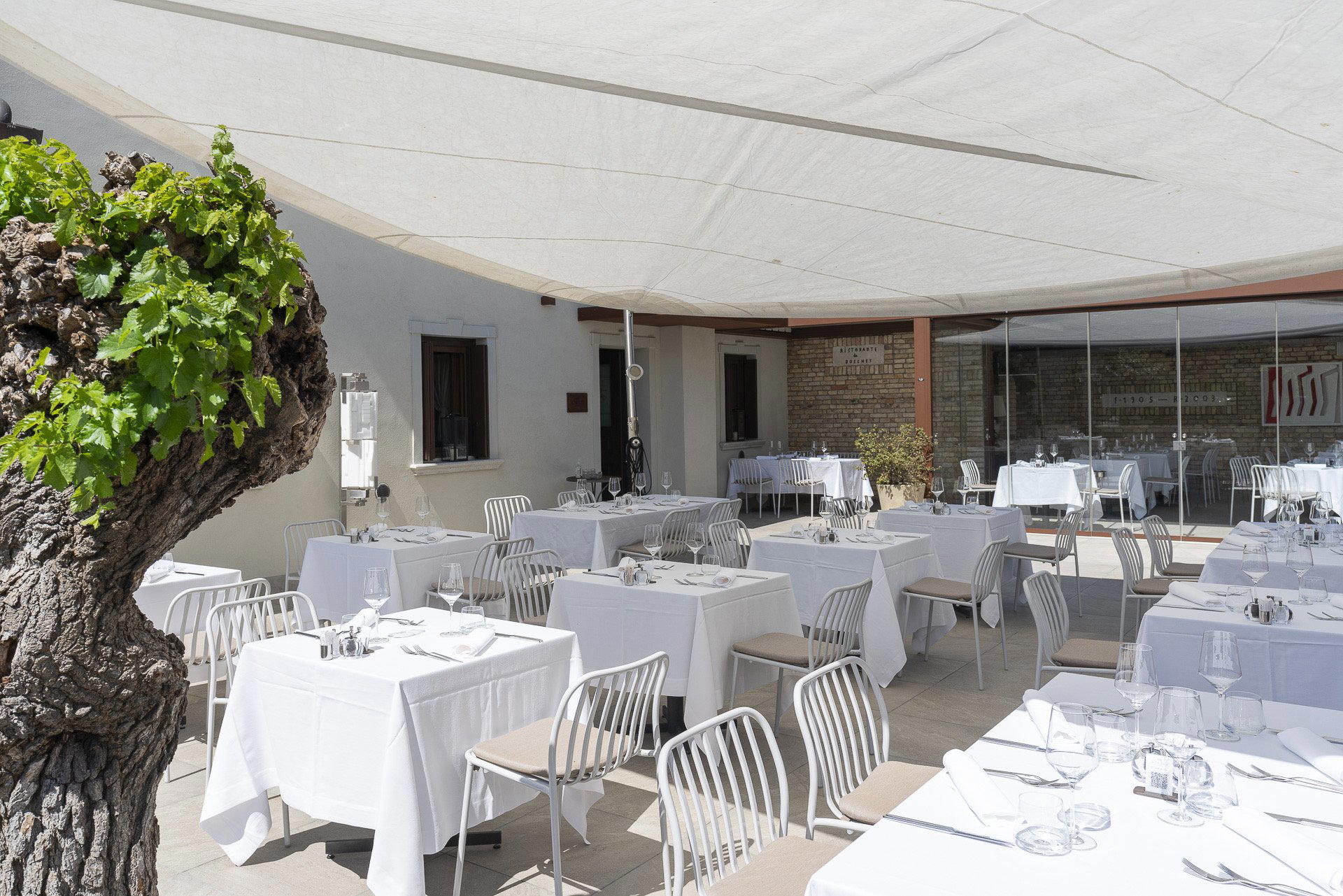
Where the Friulian Table Begins: At the Source
Piazza Enea Codotto sits at the civic center of Latisana, a market town in the Friuli Venezia Giulia region where the Tagliamento river plain meets the northern Adriatic hinterland. The square has the unhurried quality of a place that has not performed itself for outsiders: a few parked cars, a church facade, the kind of afternoon light that arrives low and amber across flat agricultural land. Ristorante Da Boschet occupies address number 17 on that square, serving modern Italian seafood in a smart casual setting at Piazza Enea Codotto, 17, in Latisana.
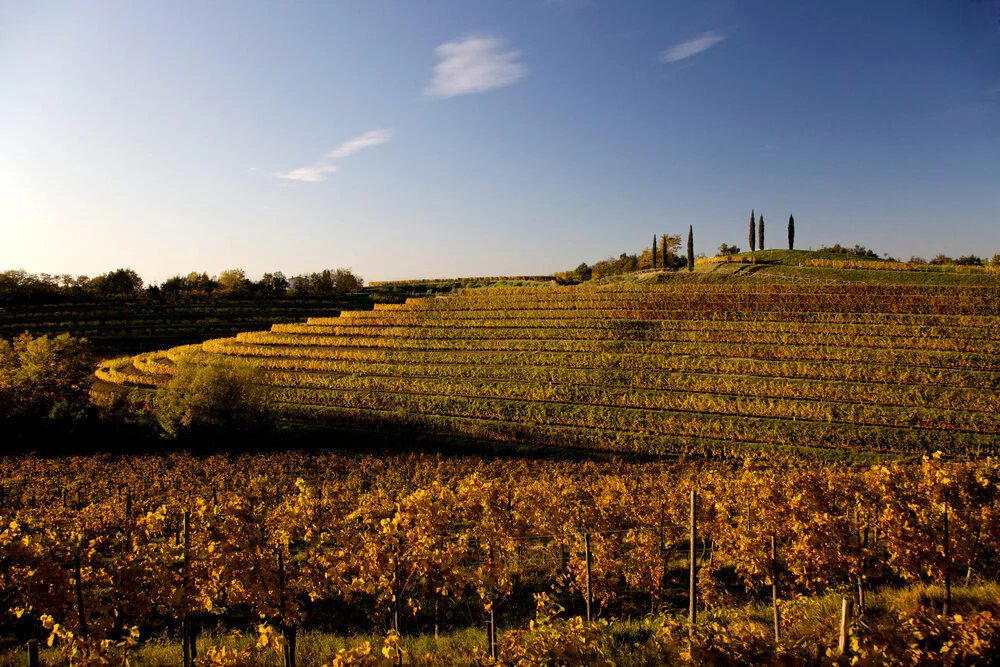
That geographical context matters more than it might appear. Friuli Venezia Giulia is one of Italy's most internally complex food regions. The cooking here draws from Venetian, Austro-Hungarian, and Slavic influences, layered across a landscape that moves from Alpine valleys to coastal lagoons within a few dozen kilometers. Latisana sits in the lowland agricultural corridor between Udine and the coast, where rice and corn fields share ground with small farms raising pigs and cattle in ways that have not changed substantially in generations. Restaurants that hold a place in this environment for any length of time tend to do so by maintaining a direct relationship with that supply chain, because the region's diners know what the ingredients are supposed to taste like.
Ingredient Territory: The Friulian Larder
The editorial angle for any serious trattoria in this part of Friuli is the same as it is for the region's most celebrated kitchens: what arrives on the plate is inseparable from where it was grown, caught, or aged. Italy's northeast produces some of the country's most geographically specific ingredients. San Daniele prosciutto, cured roughly 40 kilometers north of Latisana, is among the most PDO-protected products in the country. Montasio cheese, produced across the Friulian plain and into the Carnic Alps, has a designation of origin that dates to 1986. The white asparagus of the Veneto-Friuli border and the lagoon fish pulled from the Marano and Grado estuaries a few kilometers south of Latisana represent the kind of hyper-local sourcing that Italy's leading destination restaurants market aggressively. In Latisana, these ingredients are simply the local grocery.
This distinction between a restaurant that performs regionality and one that simply practices it is worth pausing on. Compare the sourcing rhetoric at high-end northern Italian destinations like Le Calandre in Rubano or Dal Pescatore in Runate, where the farm-to-table narrative is woven into the tasting menu experience as a selling point, with the quieter dynamic at a town-square restaurant in Latisana, where the same sourcing geography is simply what being open means. The Friulian plain between Latisana and Cervignano is not producing ingredients for the benefit of destination restaurants. The destination restaurants are benefiting from a supply network that exists primarily to feed the local population.
Regional Tradition on the Plate
Friulian cuisine at the trattoria level tends to resist the modernizing pressure that has reshaped fine dining in Italy over the past two decades. While kitchens at Osteria Francescana in Modena or Piazza Duomo in Alba have built international reputations on reinterpreting their regions' traditions, the town-square trattoria in a place like Latisana generally maintains the original without the interpretive layer. That means dishes structured around a logic of preservation and economy: broths built from bones, cured meats served simply, freshwater and lagoonal fish prepared without obscuring their source. The Tagliamento basin historically produced freshwater fish for the local table, and the proximity to the Marano lagoon means coastal species arrive without significant transit distance.
Italy's broader fine dining circuit, including decorated addresses like Enoteca Pinchiorri in Florence, Enrico Bartolini in Milan, and La Pergola in Rome, operates at a price and format distance from what a regional trattoria in Latisana represents. That is not a hierarchy of quality so much as a difference in category. The comparison points for Da Boschet are other established family-run restaurants in the Friulian plain, not the tasting-menu circuit. For readers whose reference frame runs toward coastal Italian fine dining, Uliassi in Senigallia or Quattro Passi in Marina del Cantone offer a useful counterpoint: kitchens where coastal sourcing is the starting premise but the format is wholly different.
Latisana in the Wider Northeast Italy Context
Latisana functions primarily as a transit point for travelers moving between Trieste, Venice, and the Carnic Alps, which means its restaurants operate for a local audience with a secondary layer of seasonal visitors. The town is not a culinary destination in the way that Udine or Cividale del Friuli attract food-focused travelers, but that operating condition tends to keep standards honest. A restaurant that has held its place on a local piazza across multiple decades does so because residents return, and residents know the baseline. This is a different accountability than the one imposed by international review platforms or award cycles.
For a broader sense of what serious eating looks like across the Italian northeast, our full Latisana restaurants guide maps the options across price points and styles. Those planning a wider northern Italian circuit might also reference Casa Perbellini 12 Apostoli in Verona, Da Vittorio in Brusaporto, Villa Crespi in Orta San Giulio, or Atelier Moessmer Norbert Niederkofler in Brunico for the award-tracked end of the regional spectrum. For those whose northeastern Italian interest runs toward the mountain-to-coast sourcing story, Reale in Castel di Sangro offers a southern Italian parallel in how regional geography structures a kitchen. International reference points that illuminate the serious sourcing commitment of this type of regional cooking include Le Bernardin in New York City for its disciplined product-first seafood approach, and Atomix in New York City for how regional ingredient identity can anchor a serious restaurant format. A further coastal Italian parallel is Gambero Rosso in Marina di Gioiosa Ionica.
Planning a Visit
Latisana is accessible from the A4 motorway connecting Venice and Trieste, with the Latisana-Lignano exit placing the town center within a few minutes' drive. The nearest rail station is Latisana-Lignano-Bibione, on the Venice-Trieste line, with services from Venice taking approximately one hour. Da Boschet sits directly on Piazza Enea Codotto, making it direct to locate on foot from the station.
At-a-Glance Comparison
Comparable venues nearby, for context on price, style, and recognition.
| Venue | Cuisine | Price | Awards | Notes |
|---|---|---|---|---|
| Ristorante Da BoschetThis venue — the venue you are viewing | Modern Italian Seafood | $$$ | , | |
| FIVE | Contemporary Italian Mediterranean | $$$ | , | Porta Venezia |
| Ristorante Allo Storione | Traditional Friulian Osteria | $$$ | , | Prata di Pordenone |
| Stiefel | Traditional Italian Pizza | $$$ | , | Lido di Jesolo |
| L'Ultimo Mulino | Traditional Italian in Historic Mill | $$$ | , | Fiume Veneto |
| Osteria Bancogiro | Modern Venetian Osteria | $$$ | , | San Polo |
At a Glance
- Elegant
- Intimate
- Cozy
- Sophisticated
- Date Night
- Special Occasion
- Open Kitchen
- Extensive Wine List
- Sommelier Led
- Local Sourcing
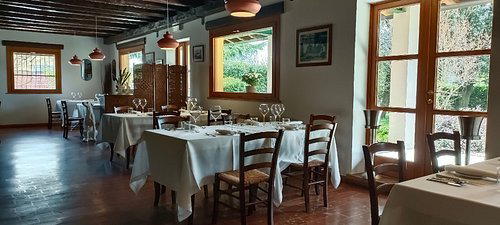
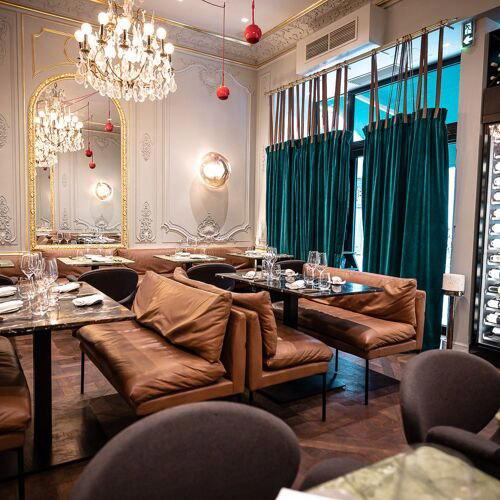
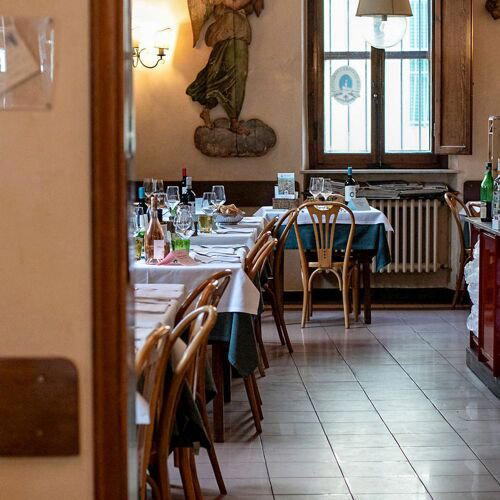
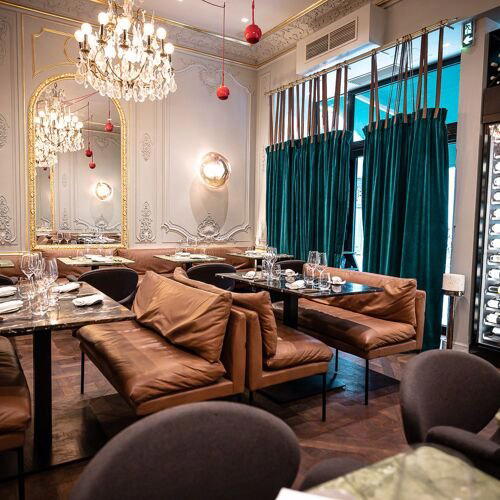
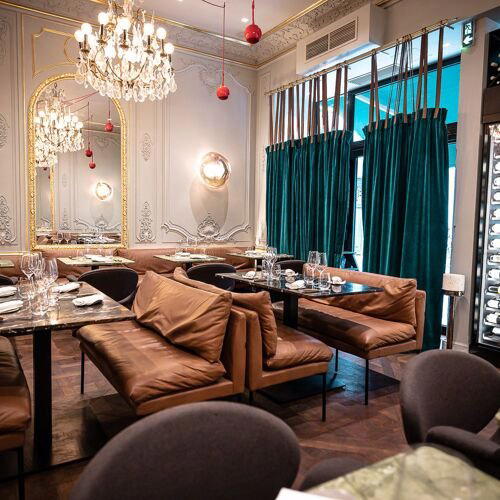
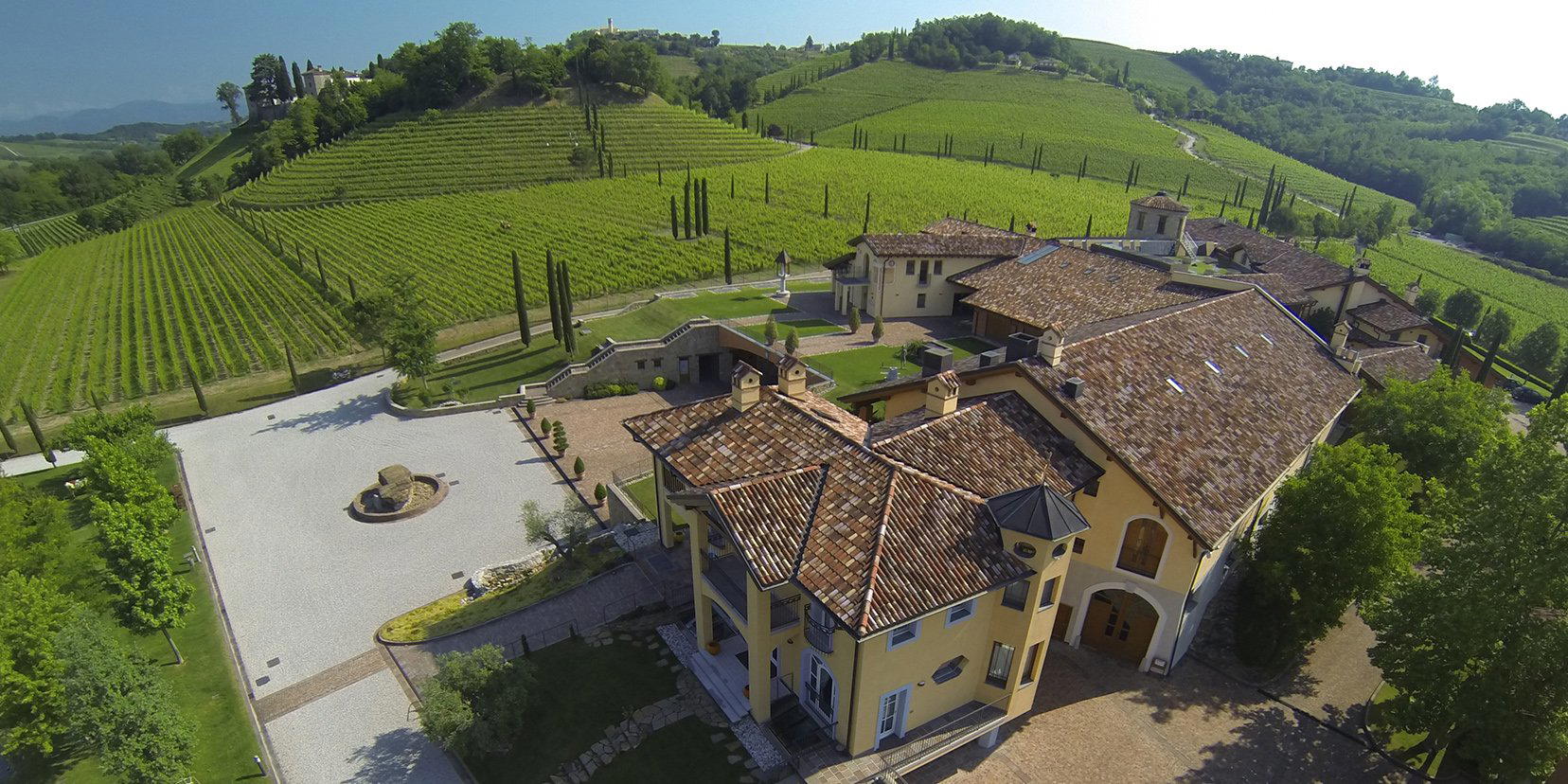
Elegant but welcoming atmosphere with refined refinement coexisting with a young and dynamic environment.