Al Paradiso

A Michelin Plate-recognised farmhouse restaurant in the small Friulian hamlet of Paradiso di Pocenia, Al Paradiso has anchored its identity in the regional traditions of Friuli-Venezia Giulia for decades. Meat roasted on the open-hearth spit remains the centrepiece, with game dishes reflecting the agricultural and hunting culture of the surrounding lowlands. Pricing sits at the accessible end of the region's serious dining options.
Pearl is the En Primeur Club membership app — saves, bookings, and concierge access live there. Same editors, same standards.
- Address
- Via S. Ermacora, 1, 33050 Paradiso UD, Italy
- Phone
- +39 0432 777000
- Website
- trattoriaparadiso.it
- Directions
- Get directions
 Saves & bookings on Pearl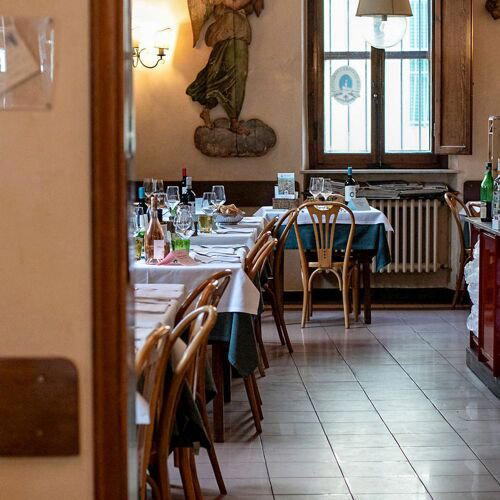
Where the Farmhouse Is the Argument
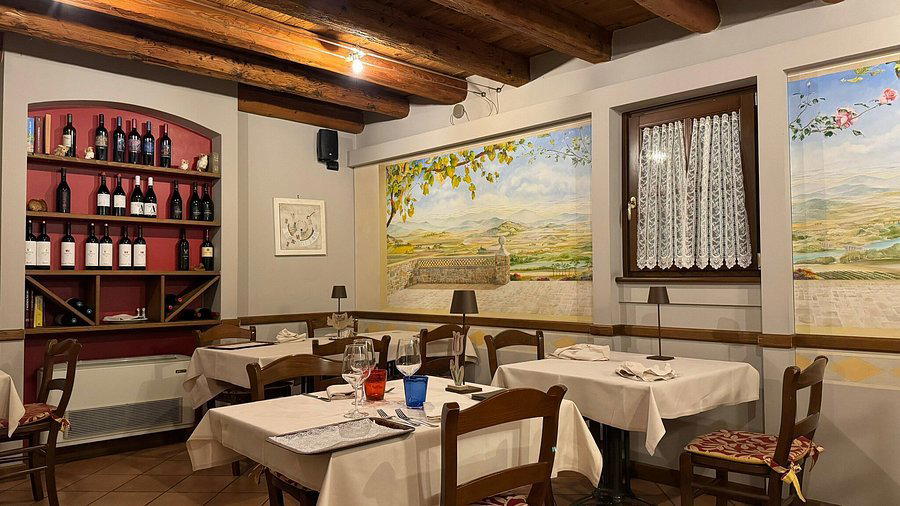
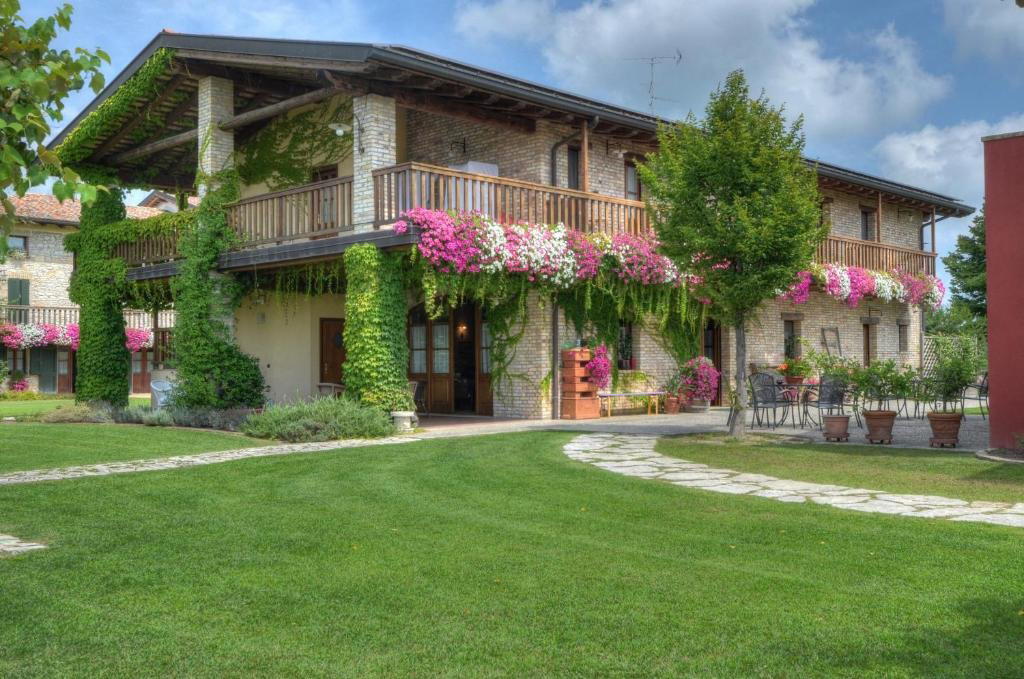
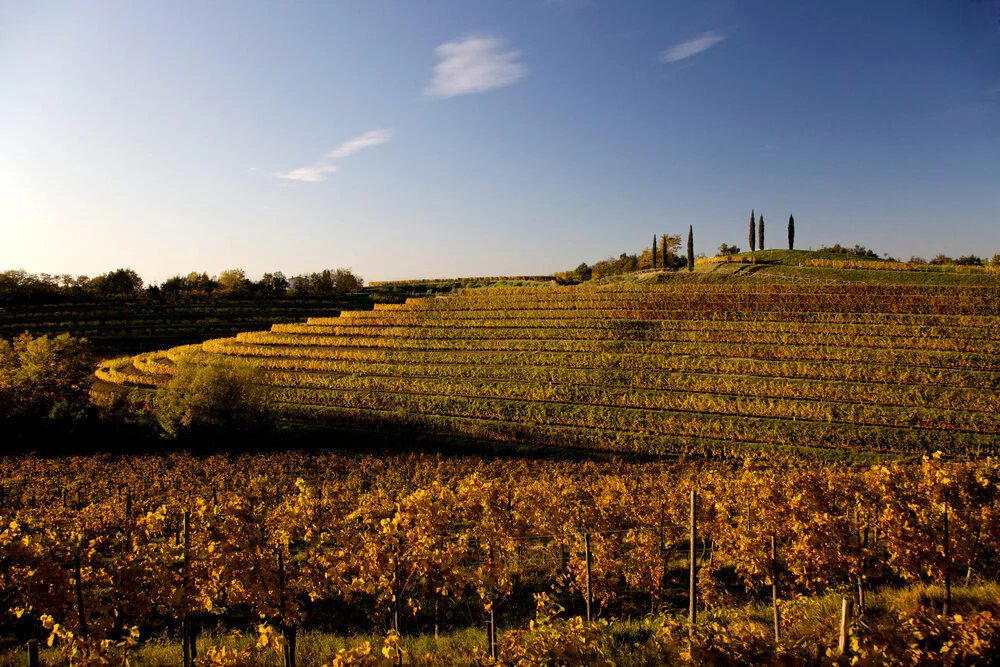
The approach to Al Paradiso tells you what kind of meal to expect before you reach the door. The hamlet of Paradiso di Pocenia sits in the lowland plain of Friuli-Venezia Giulia, a part of northeastern Italy where the landscape is shaped by rivers, farmland, and small agricultural settlements rather than the wine-terraced hills or Dolomite-backed villages that draw most visitors to the region. The restaurant occupies an old farmhouse on Via S. Ermacora, and the interior, dressed with drapes and period decorations, reads as a continuation of that agricultural world rather than an escape from it. The fireplace in the main dining room, fitted with a large working spit for roasting meat, is not decorative. It is the kitchen's central statement.
In much of Italy's serious regional dining, provenance is performed rather than practised. At this price tier in Friuli, the better farmhouse tables operate differently: the sourcing is embedded in the format itself, with whole-animal cookery, game birds, and locally reared meat appearing not as a seasonal flourish but as the default mode of operation. Al Paradiso sits clearly in that tradition. For readers building a broader picture of where to eat in this part of northeastern Italy, our full Paradiso di Pocenia restaurants guide maps the wider options across the area.
The Friulian Kitchen and Its Meat Tradition
Friuli-Venezia Giulia occupies a distinctive position in Italian culinary geography. It borders Slovenia and Austria, and its food culture reflects centuries of influence from all three directions: the cured and smoked meats of central European tradition sit alongside the polenta-based dishes of the Veneto border, while the inland plains have long sustained a hunting culture that puts game, hare, venison, wild boar, waterfowl, at the centre of autumn and winter menus. This is a region where the connection between landscape and plate is not a marketing claim but a structural feature of how people have eaten for generations.
The open-hearth spit is the key instrument in that tradition. Spit-roasting over a live fire is one of the oldest cooking methods in this part of Italy, predating modern kitchen infrastructure entirely, and it produces results that are categorically different from oven-roasting: the constant rotation creates an even crust, the dripping fat bastes the meat continuously, and the proximity to flame concentrates flavour in a way that slower, more controlled methods do not replicate. Restaurants that maintain a working spit in a public dining room are making a claim about continuity and craft simultaneously. It is a decision that requires both the physical infrastructure and the kitchen knowledge to use it correctly.
Al Paradiso has held a Michelin Plate in both 2024 and 2025, a recognition that signals consistent quality and serious technique. In the context of Friulian farmhouse cooking, this places the restaurant in a credible middle tier: above the casual trattoria, below the modernist or destination-dining registers. For comparison, Italy's three-Michelin-star operators, among them Dal Pescatore in Runate, Enoteca Pinchiorri in Florence, and Osteria Francescana in Modena, operate at price points (€€€€) and in registers far removed from a working farmhouse. The Michelin Plate here functions as a quality floor, not a ceiling: it tells you the cooking is serious and consistent, not that the experience is theatrical or technically elaborate.
Family Tradition as Kitchen Infrastructure
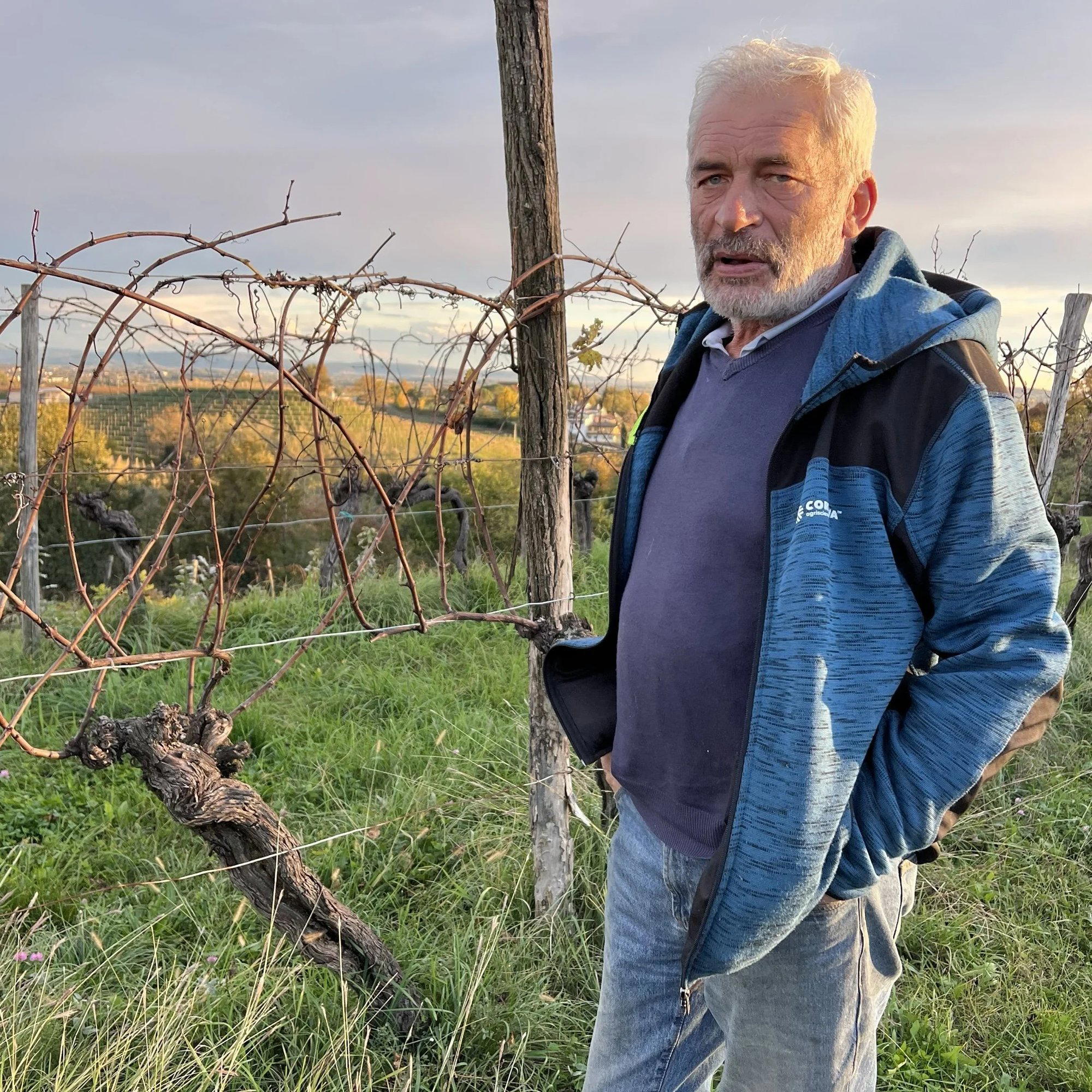
The regional dining traditions that define places like Al Paradiso are not static archives but live practices sustained by specific decisions about what to preserve and what to change. The kitchen here has seen a change of chef, but the framework, the spit, the game, the meat-centred menu, the farmhouse setting, has remained intact across that transition. This is a meaningful signal. In many rural Italian restaurants, the cuisine is inseparable from the individual who developed it, and a generational change collapses the identity of the place. The fact that the format has absorbed a new cook without abandoning its character suggests the tradition is embedded in the structure of the kitchen rather than in a single personality.
This also places the restaurant in a different competitive conversation from restaurants built around a named chef's vision. Compare this to the named-chef registers of Enrico Bartolini in Milan, Le Calandre in Rubano, or Piazza Duomo in Alba, where the tasting menu format and the chef's personal direction are explicitly the product. At the restaurant, the product is the accumulated practice of a family-run kitchen operating in a specific agricultural setting. That distinction matters when you are deciding what kind of meal you are booking.
Among other European restaurants working within a similarly rigorous regional framework, Fahr in Künten-Sulz and Gannerhof in Innervillgraten offer useful reference points for how Alpine and sub-Alpine traditions sustain themselves in farmhouse formats. The comparison with Atelier Moessmer Norbert Niederkofler in Brunico is also instructive: both operate within a regional, ingredient-led logic, but at radically different price points and scales of ambition. Additional Italian reference points at different positions on the quality and formality spectrum include Reale in Castel di Sangro, Uliassi in Senigallia, Quattro Passi in Marina del Cantone, and Casa Perbellini 12 Apostoli in Verona.
Planning Your Visit
The restaurant sits at the €€ price tier, which in the context of Michelin-recognised Italian dining represents a genuinely accessible entry point. The address is Via S. Ermacora, 1, in the small settlement of Paradiso di Pocenia in the Udine province. Given the rural location, arriving by car is the practical approach for most visitors. For those planning a broader stay in the area, our guides cover hotels in Paradiso di Pocenia, bars, wineries, and experiences across the wider area.
Fast Comparison
Comparable venues nearby, for context on price, style, and recognition.
| Venue | Cuisine | Price | Awards | Notes |
|---|---|---|---|---|
| Al ParadisoThis venue — the venue you are viewing | Traditional Friulian Trattoria with Grilled Meats | $$$ | Michelin Plate | Not listed |
| Ai Mercanti | Modern Venetian Gastrosteria | $$$ | Michelin Plate | San Marco |
| Menegaldo | Traditional Italian Seafood | $$$ | Michelin Plate | Monastier di Treviso |
| Baracca - Storica Hostaria | Traditional Italian Regional | $$$ | Michelin Plate | Trebaseleghe |
| Sostansa | Contemporary Italian with Seasonal Focus | $$$ | Michelin Plate | town centre |
| Zanze XVI | Modern Venetian Fine Dining | $$$ | Michelin Plate | Santa Croce |
Recognition history
Dated appearances from independent guides and award organizations, with the underlying list record or original source where available.
Michelin Plate
Michelin
Michelin Plate
Michelin
Michelin Plate
Michelin
Continue exploring
More in Paradiso di Pocenia
Restaurants in Paradiso di Pocenia
Browse all →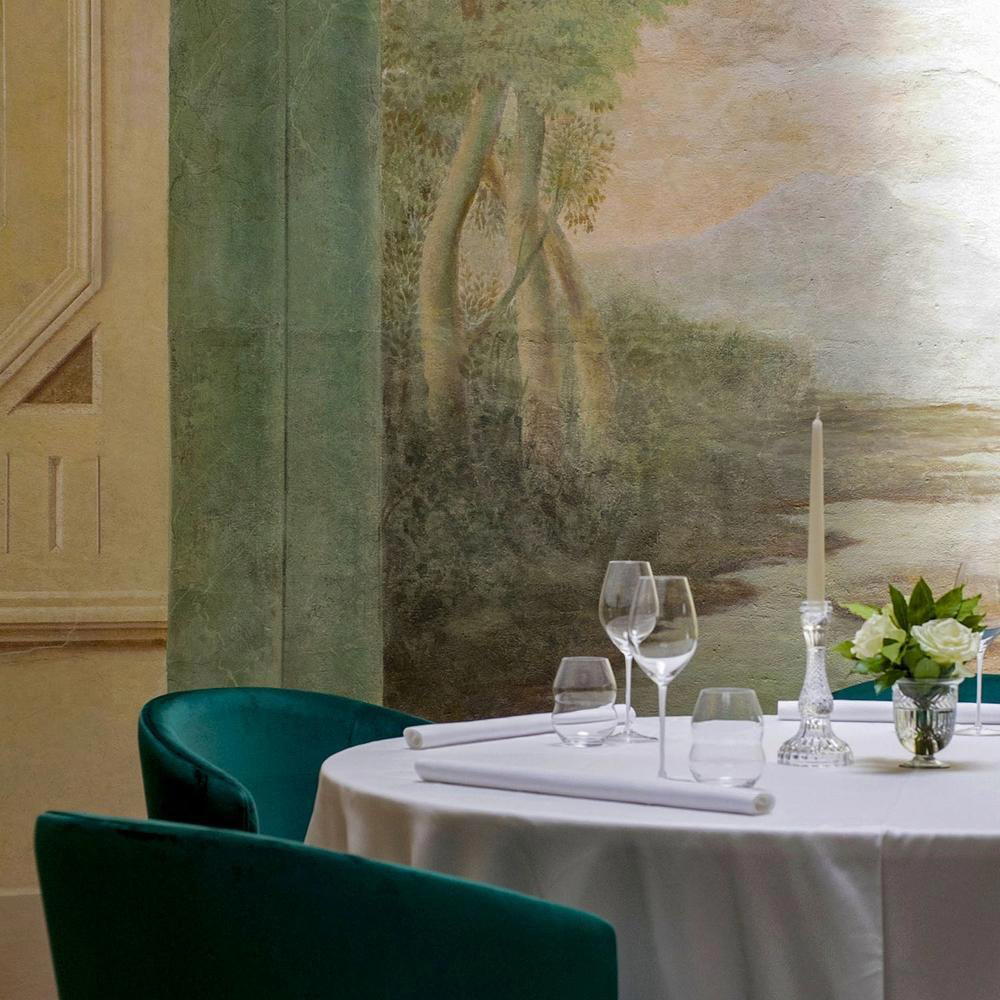
Bars in Paradiso di Pocenia
Browse all →
Hotels in Paradiso di Pocenia
Browse all →
At a Glance
- Rustic
- Elegant
- Cozy
- Classic
- Special Occasion
- Date Night
- Family
- Open Kitchen
- Terrace
- Historic Building
- Extensive Wine List
- Local Sourcing
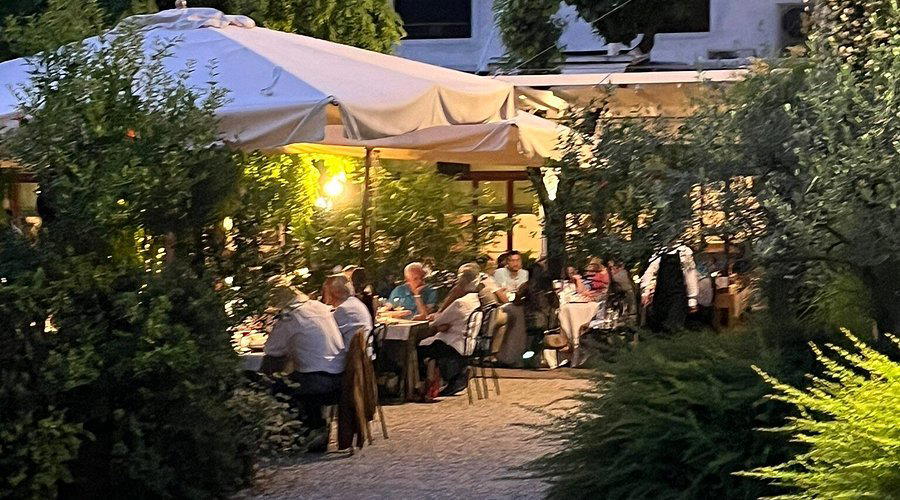
- Garden
Current opening hours
- Monday
- Closed
- Tuesday
- Closed
- Wednesday
- Closed
- Thursday
- Closed
- Friday
- Closed
- Saturday
- Closed
- Sunday
- Closed
Hours can change for holidays and private events. Last verified .
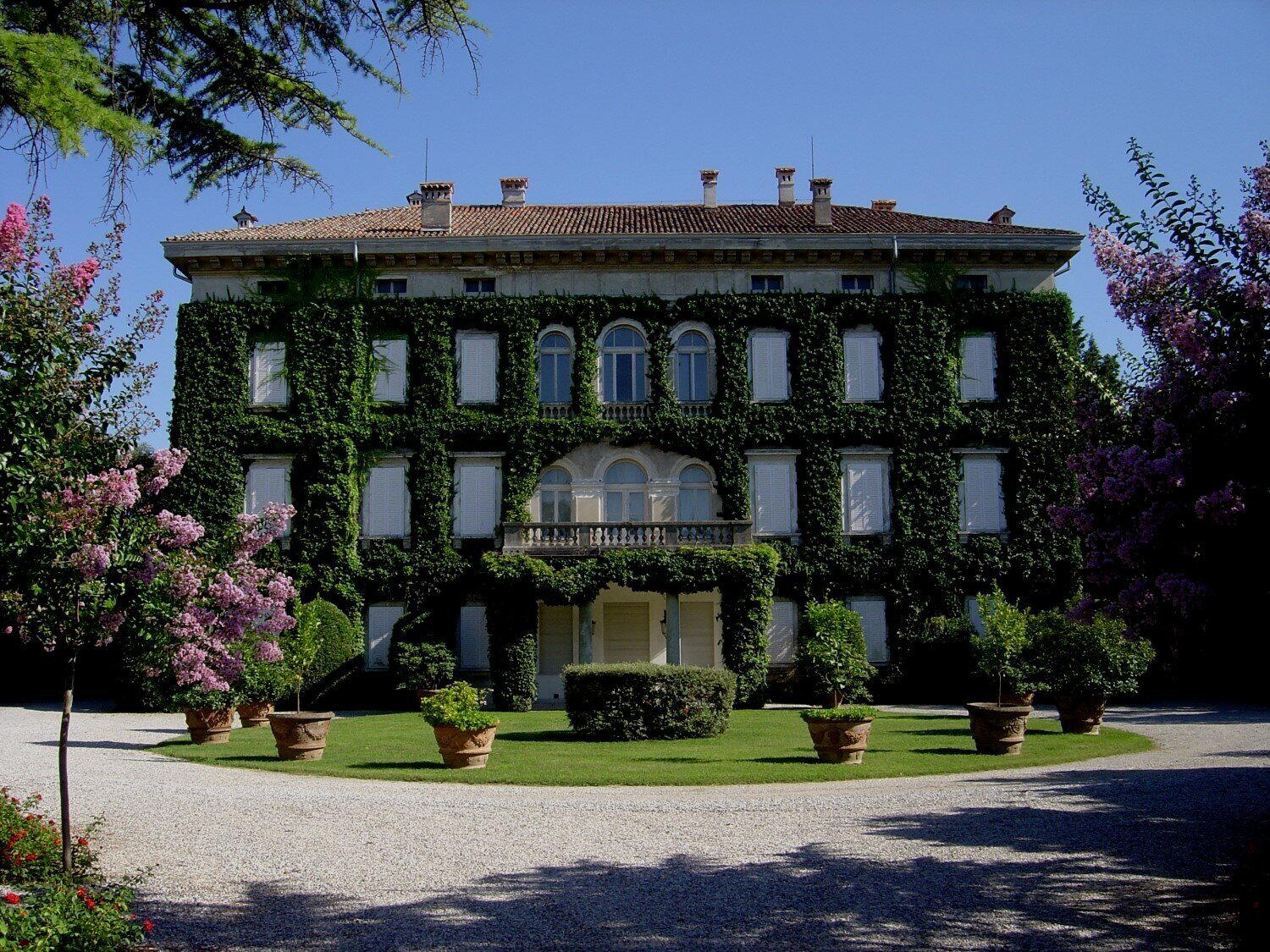
Warm and elegant atmosphere in a restored 17th-century farmhouse with rustic furnishings, fine decorations, and a central fireplace grill.