Ristorante Allo Storione
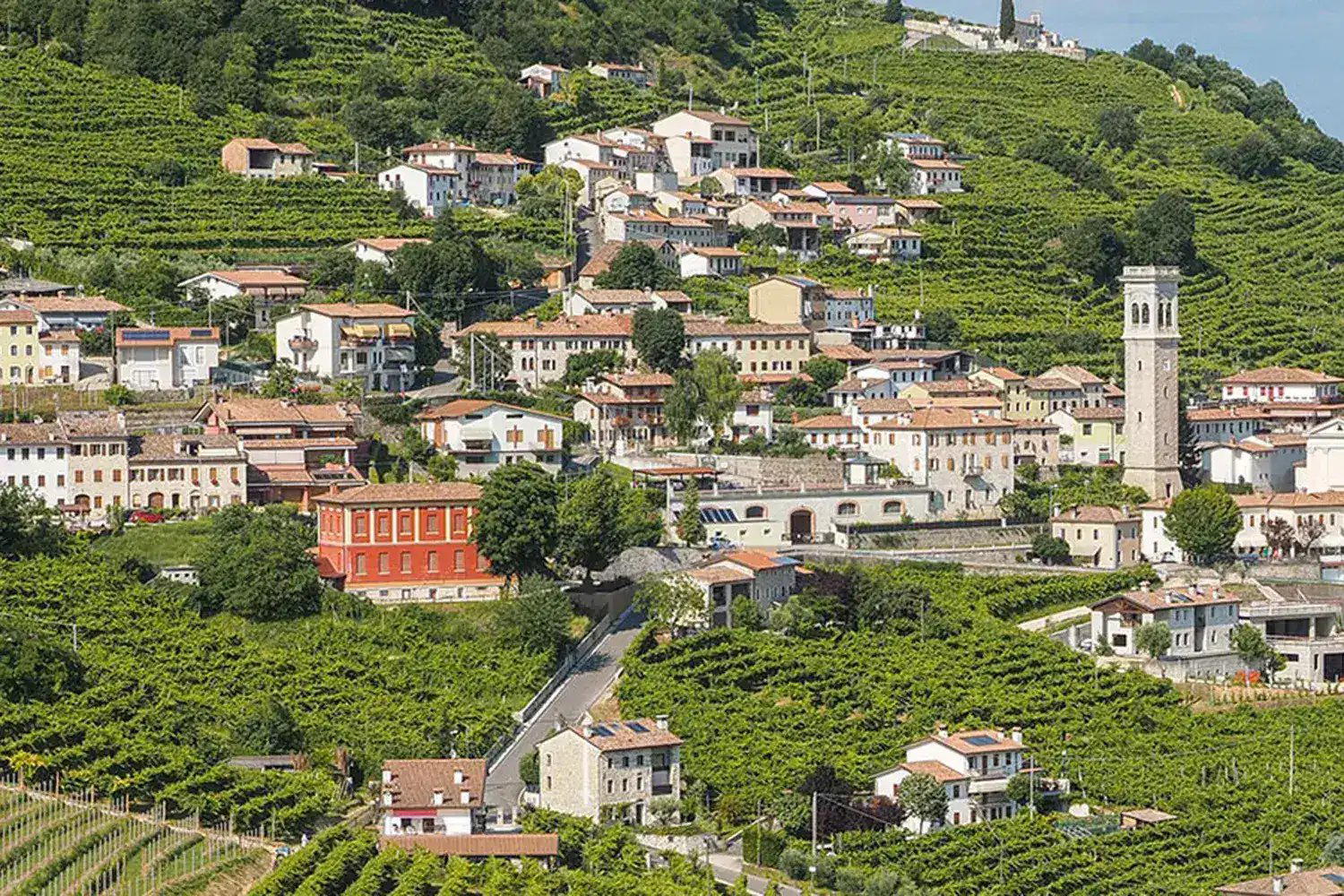
Ristorante Allo Storione occupies a piazza address in Prata di Pordenone, a small town in the Friuli Venezia Giulia borderlands where Italian and Central European culinary traditions have long overlapped. The setting is rooted in that regional identity, placing it within a dining culture that prizes local ingredient sourcing above stylistic novelty. It sits in a part of northeastern Italy that serious food travelers often overlook in favour of Venice or Trieste.
Pearl is the En Primeur Club membership app — saves, bookings, and concierge access live there. Same editors, same standards.
- Address
- Piazza G. Mazzini, 11, 33080 Prata di Pordenone PN, Italy
- Phone
- +39434626028
- Website
- ristoranteallostorione.com
- Directions
- Get directions
 Saves & bookings on Pearl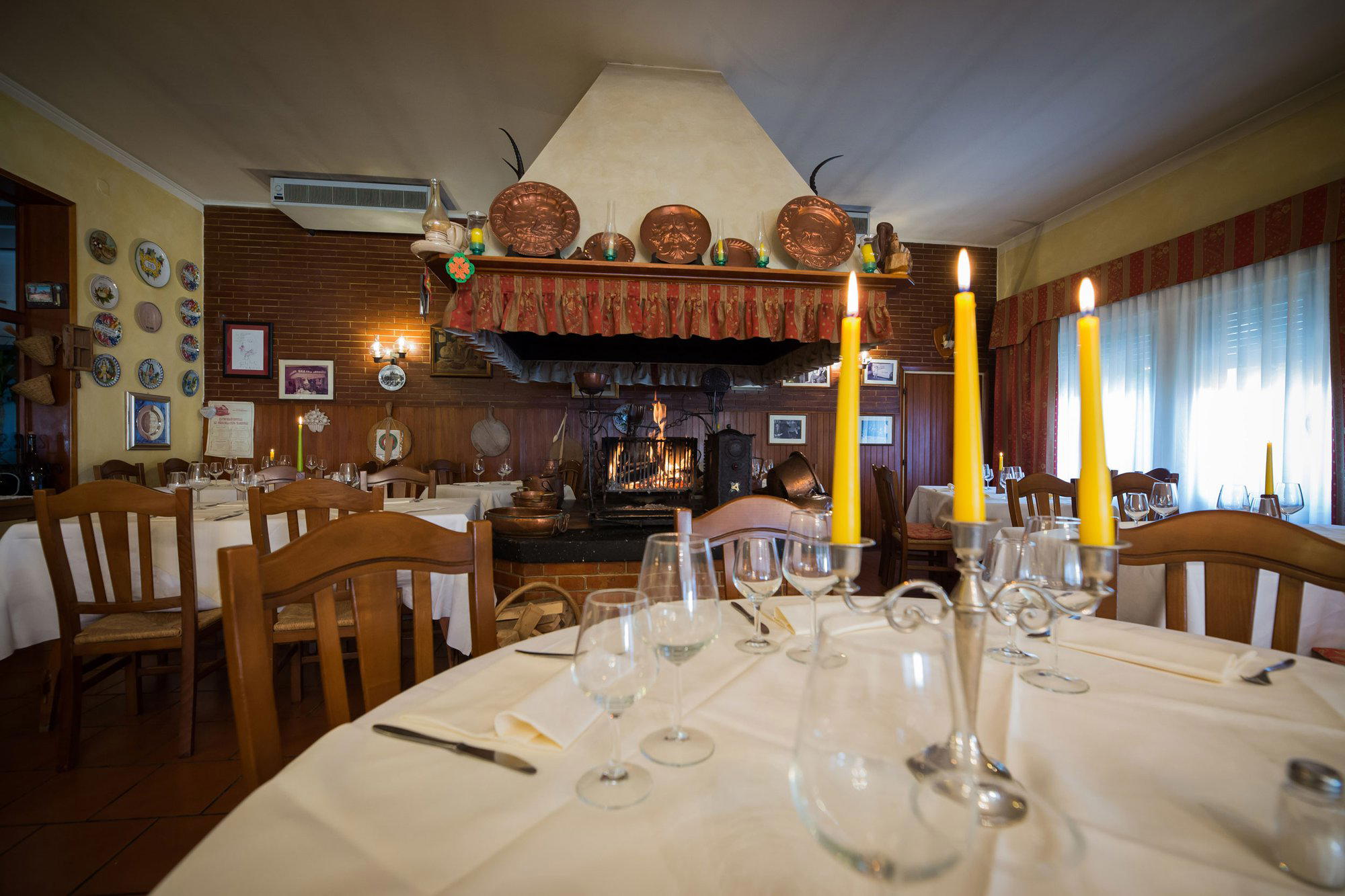
Where Friuli's Larder Meets the Piazza
Ristorante Allo Storione is a traditional Friulian osteria in Prata di Pordenone, Italy, on Piazza G. Mazzini. Piazza G. Mazzini, where Ristorante Allo Storione holds its address, is the kind of square that functions as the civic center of a small Italian commune: unhurried, local in scale, built for residents rather than tourists. That context matters, because the restaurants that survive in these squares do so on the strength of their relationship with the surrounding land and the people who work it, not on destination dining cachet.
Friuli Venezia Giulia as a region has been generating serious culinary attention for some years now, partly because its ingredient base is difficult to replicate elsewhere. The soils of the Tagliamento river basin produce distinctive grains and vegetables. The rivers and adjacent lagoons carry freshwater and brackish species that rarely travel far. The hills toward Collio and the Carso yield wines that are reference points for natural and skin-contact producers across Europe. A restaurant on a piazza in this part of the world draws on that larder almost by default, and the question is always how deliberately and how honestly it does so.
The Ingredient Logic of Northeastern Italy
The dining room's appeal lies in sourcing specificity. In the Veneto and Friuli, the leading kitchens tend to build their identity around named producers, specific river catches, and hyper-local cultivars rather than around technique for its own sake. This positions them differently from the progressive Italian cooking that drives places like Le Calandre in Rubano or the creative ambition of Enrico Bartolini in Milan, where the cuisine is as much about the kitchen's intellectual proposition as it is about provenance. In smaller regional towns, the product tends to be the proposition.
The storione of the name is worth noting. Storione is Italian for sturgeon, a fish with deep roots in the Po Valley and the rivers of northeastern Italy. Historically, sturgeon ran in the Po and its tributaries in significant numbers, and the tradition of cooking freshwater fish with the kind of seriousness that coastal restaurants apply to sea catch is characteristic of this interior zone. That culinary tradition connects the Pordenone area to a longer lineage of river-based cooking that pre-dates the modern Italian restaurant by centuries. Whether the kitchen at Allo Storione leans into that heritage actively is something the table itself will confirm, but the name signals a positioning within that regional narrative.
This regional approach to sourcing contrasts with the broader arc of Italian fine dining, where restaurants like Osteria Francescana in Modena and Piazza Duomo in Alba have used local ingredients as a platform for highly authored cuisine with international recognition. The tables of Friuli and the Pordenone province occupy a quieter register, where the cooking is often rooted in continuity rather than reinvention. That is not a lesser ambition; it is a different one, and in a climate where many diners are actively seeking out that kind of cooking, it is increasingly valued.
Placing Allo Storione in Its Competitive Context
Northeastern Italy has a handful of destination tables that draw travelers from across the country and beyond. Dal Pescatore in Runate is the canonical example of a family-run regional table operating at the highest level of Italian gastronomy over multiple generations. Casa Perbellini 12 Apostoli in Verona represents the kind of urban fine dining that pulls the regional tradition toward a more contemporary register. Ristorante Allo Storione operates at a different scale and in a different register from either of those references, positioned as the kind of local institution that a town like Prata di Pordenone produces and sustains across years rather than seasons.
For travelers moving through northern Italy, a detour into the Friulian plain offers a different kind of value. Italy's serious food culture does not reside exclusively in starred addresses; it also lives in the accumulated knowledge of local kitchens that have been feeding the same community across decades. The comparison set for a table like this is the cluster of quietly serious regional tables that hold a town's culinary memory together.
Internationally, the appetite for this kind of regionally anchored eating is well established. Travelers who seek regionally anchored cooking will recognize the same logic at work in Friuli, applied to a different set of landscapes and species. The pull toward restaurant addresses at the outer edges of the standard Italian itinerary has been growing, and the Pordenone area fits that pattern.
Planning a Visit
Prata di Pordenone is accessible from Venice by road in under two hours and sits close to Pordenone city, which has a rail connection to Venice Santa Lucia. The restaurant's address on Piazza G. Mazzini places it at the center of the town, which makes it direct to locate on arrival. Confirm current hours, pricing, and booking arrangements directly before travel. Small piazza restaurants in provincial Italian towns often operate with seasonal schedules that are not reliably captured in online listings, and the local practice of closing for riposo and on certain weekdays is common across this part of Italy. For travelers building an itinerary through the northeastern dining corridor, it sits logically alongside visits to the Collio wine zone and the Carnia mountains, which together give a more complete picture of what Friuli's food and drink culture actually comprises.
How It Stacks Up
Comparable venues nearby, for context on price, style, and recognition.
| Venue | Cuisine | Price | Notes |
|---|---|---|---|
| Ristorante Allo StorioneThis venue — the venue you are viewing | Traditional Friulian Osteria | $$$ | Not listed |
| FIVE | Contemporary Italian Mediterranean | $$$ | Porta Venezia |
| Laguna | Refined Italian Seafood | $$$ | Jesolo Lido |
| Da Toso | Traditional Friulian Trattoria | $$$ | Tricesimo |
| Da Rioba | Creative Venetian Seafood | $$$ | Cannaregio |
| Ristorante Casa Cappellari | Venetian Trattoria | $$$ | San Polo |
Continue exploring
More in Prata Di Pordenone
Restaurants in Prata Di Pordenone
Browse all →
Bars in Prata Di Pordenone
Browse all →
Hotels in Prata Di Pordenone
Browse all →
At a Glance
- Rustic
- Elegant
- Cozy
- Classic
- Special Occasion
- Family
- Date Night
- Historic Building
- Extensive Wine List
- Local Sourcing
Current opening hours
- Monday
- Closed
- Tuesday
- 12–2 PM, 7:30–9:30 PM
- Wednesday
- 12–2 PM, 7:30–9:30 PM
- Thursday
- 12–2 PM, 7:30–9:30 PM
- Friday
- 12–2 PM, 7:30–9:30 PM
- Saturday
- 7:30–9:30 PM
- Sunday
- 12–2 PM
Hours can change for holidays and private events. Last verified .
Suggestive fusion of early 20th-century country house charm and modern comforts in an elegant, welcoming dining room.