
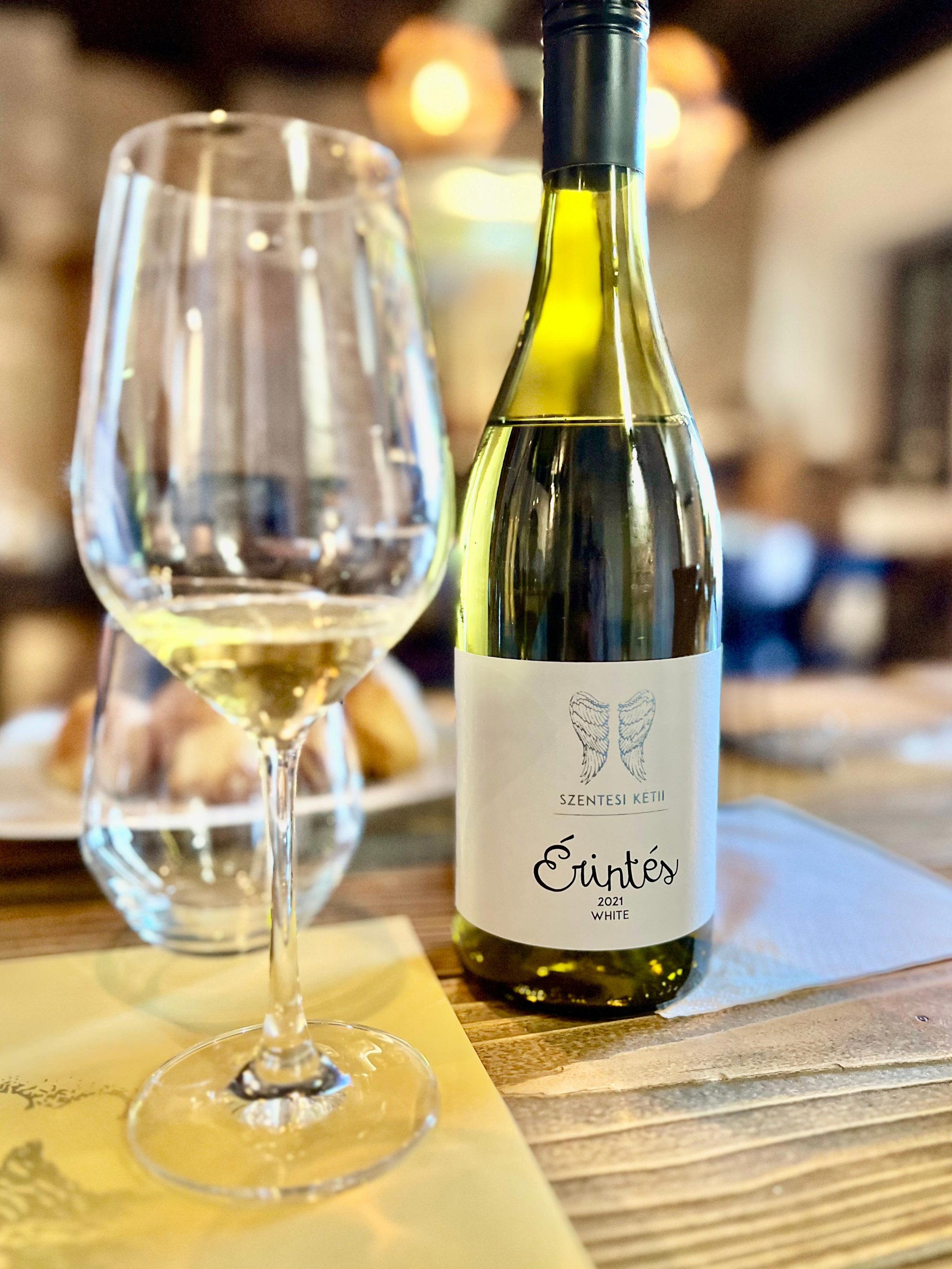
Tom George Osteria sits on Október 6. utca in Budapest's fifth district, earning a White Star recognition from Star Wine List in 2024 for the depth of its wine program. The osteria format positions it within Budapest's growing tier of wine-forward dining rooms, where the list carries as much editorial weight as the kitchen. A considered choice for guests who treat the bottle as part of the meal, not an afterthought.
Pearl is the En Primeur Club membership app — saves, bookings, and concierge access live there. Same editors, same standards.
- Address
- Budapest, Október 6. u. 8, 1051 Hungary
- Phone
- +36 70 333 2174
- Website
- tomgeorge.hu
- Directions
- Get directions
 Saves & bookings on Pearl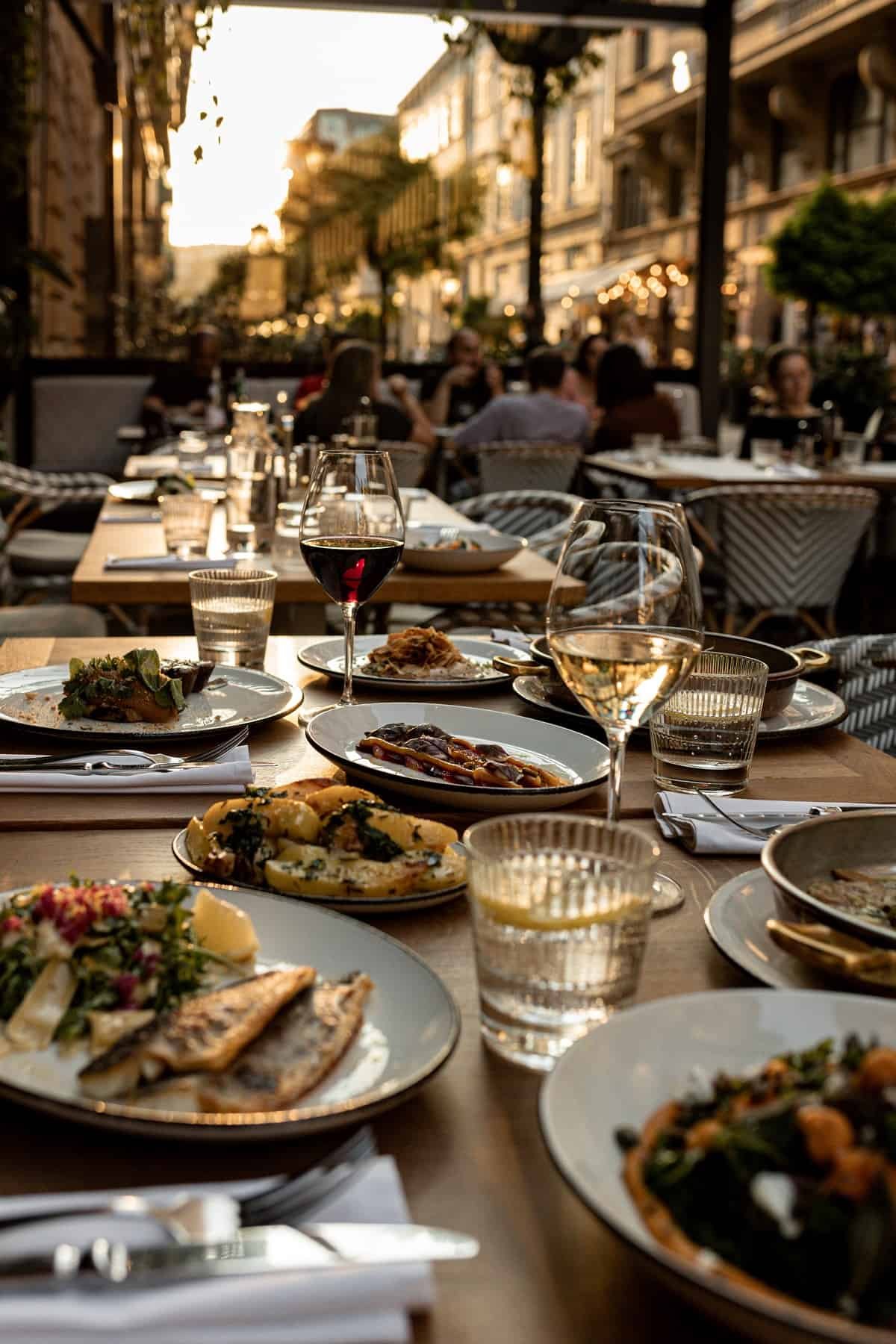
A Fifth-District Address Where the Wine List Sets the Agenda
Október 6. utca runs through the heart of Budapest's fifth district, a few minutes' walk from the Chain Bridge and the cluster of embassies and banks that give the neighbourhood its measured, unhurried character. The street itself is quieter than the main arteries feeding Vörösmarty tér, which means arriving at Tom George Osteria feels less like fighting through tourist traffic and more like stepping into the part of the city that locals actually use on a Tuesday evening. The building stock on this stretch is dense and mid-century, the kind of block where a well-lit dining room signals its presence through the window without needing a sign you can read from fifty metres away.
The osteria format, borrowed from northern Italian tradition, implies a particular set of expectations: a wine list treated as seriously as the food, a room that doesn't demand formal behaviour, and a kitchen that understands what it means to cook in support of a glass rather than in competition with it. Budapest has absorbed that model with genuine enthusiasm over the past decade, as the city's fine dining scene matured beyond its early post-communist fascination with French technique and began developing its own wine-literate dining culture. Tom George Osteria sits within that broader movement in Budapest's fifth district.
The Wine Recognition and What It Signals
In September 2024, Star Wine List awarded Tom George Osteria a White Star, placing it within a recognised tier of wine-programme venues across Europe. Star Wine List's White Star designation is not awarded for breadth alone; the methodology weights depth, sourcing intelligence, and the coherence of the list relative to the kitchen's direction. For a Budapest address to receive that recognition in 2024 reflects how the city's restaurant wine culture has shifted: Hungarian producers, Tokaj foremost among them, now sit alongside Austrian, Burgundian, and natural-leaning European labels on lists that are carefully curated.
That context matters when you're deciding where to spend an evening in the fifth district. Restaurants in Budapest's premium tier, including Borkonyha Winekitchen (€€€ · Modern Cuisine) and Babel (€€€€ · Modern Cuisine), have built reputations partly on wine programs that take Hungarian viticulture seriously. The restaurant competes within that same recognisable set, but with an osteria format that positions it differently from the modern tasting-menu model that defines places like Costes (€€€€ · Modern Cuisine) or Stand (€€€€ · Modern Cuisine).
Sourcing and the Osteria Tradition
The osteria model is an argument about ingredients. Where a haute cuisine kitchen might foreground transformation, an osteria is expected to foreground provenance: the quality of a cured meat, the acidity of a tomato, the texture of a cheese at the right stage of ripeness. In a Central European context, that logic opens a specific set of sourcing questions. Hungary's agricultural interior produces ingredients that rarely appear on international radar but are deeply embedded in regional cooking traditions: Mangalica pork from the southern plains, paprika of varying complexity from Kalocsa and Szeged, freshwater fish from the Tisza, stone fruits from the orchards of the northern hills.
An osteria in Budapest that takes its source material seriously is drawing on that regional larder rather than importing a generic Mediterranean pantry. The Italian framework becomes a lens, not a cage: the discipline of letting good ingredients make the case for themselves, applied to produce that is emphatically Hungarian. This is the same logic that drives regional cooking outside the capital, from Pajta in Őriszentpéter to Platán Gourmet in Tata.
Ingredient-led cooking at the osteria scale has a clear lineage. Kitchens like Le Bernardin in New York City and, in a different register, Emeril's in New Orleans built reputations on the argument that where food comes from shapes what it becomes on the plate. At the osteria scale, that argument is made more quietly but no less seriously.
The Fifth District in Context
Budapest's fifth district contains a concentration of premium dining addresses that has grown considerably. The neighbourhood benefits from proximity to both the business community that uses it for client meals and the tourist corridor that moves between the Danube embankment and the Jewish quarter. That dual audience creates a particular challenge for restaurants: menus and rooms have to function for guests who are deeply familiar with the city and guests who are on their second day. The osteria format navigates that challenge reasonably well, because the model is internationally legible without being generic.
Comparing price tiers in the area, the restaurant operates within a bracket that sits between the accessible mid-range of a place like essência (€€€€ · Modern Cuisine) and the more relaxed formats further from the river. For visitors building a broader itinerary around Hungarian food and wine, the regional picture extends well beyond the capital: 42 Restaurant in Esztergom, 67 Sigma in Székesfehérvár, A Konyhám Stúdió 365 in Fonyód, and Alkimista Kulináris Műhely in Szeged each represent the seriousness with which Hungary's provincial kitchens now approach local produce.
Planning Your Visit
The restaurant is located at Október 6. utca 8, in Budapest's fifth district, and booking ahead is recommended.
Quick Comparison
Comparable venues nearby, for context on price, style, and recognition.
| Venue | Cuisine | Price | Notes |
|---|---|---|---|
| Tom George OsteriaThis venue — the venue you are viewing | Modern Italian Osteria | $$$ | Not listed |
| LR Italian | Authentic Italian Trattoria | $$$ | Varhegy |
| Mercatino Ristorante Enoteca | Traditional Italian Ristorante Enoteca | $$$ | Varhegy |
| Toscana | Authentic Tuscan Trattoria | $$ | Belvaros |
| Café Gerbeaud | Hungarian Café & Pastries | $$$ | Varhegy |
| La Pampa steakhouse | Argentine Steakhouse | $$$ | Varhegy |
Recognition history
Dated appearances from independent guides and award organizations, with the underlying list record or original source where available.
Star Wine List
Star Wine List
Continue exploring
More in Budapest
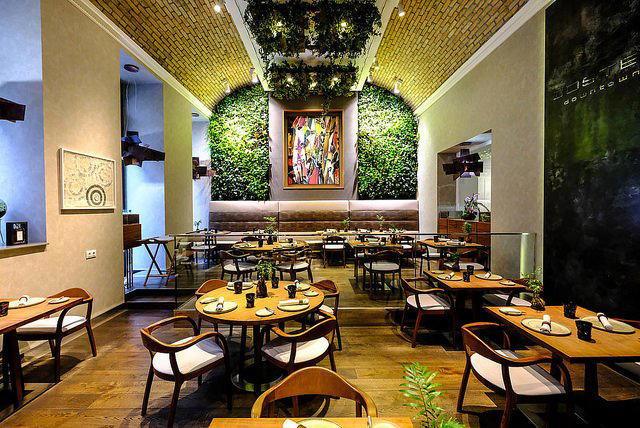
Restaurants in Budapest
Browse all →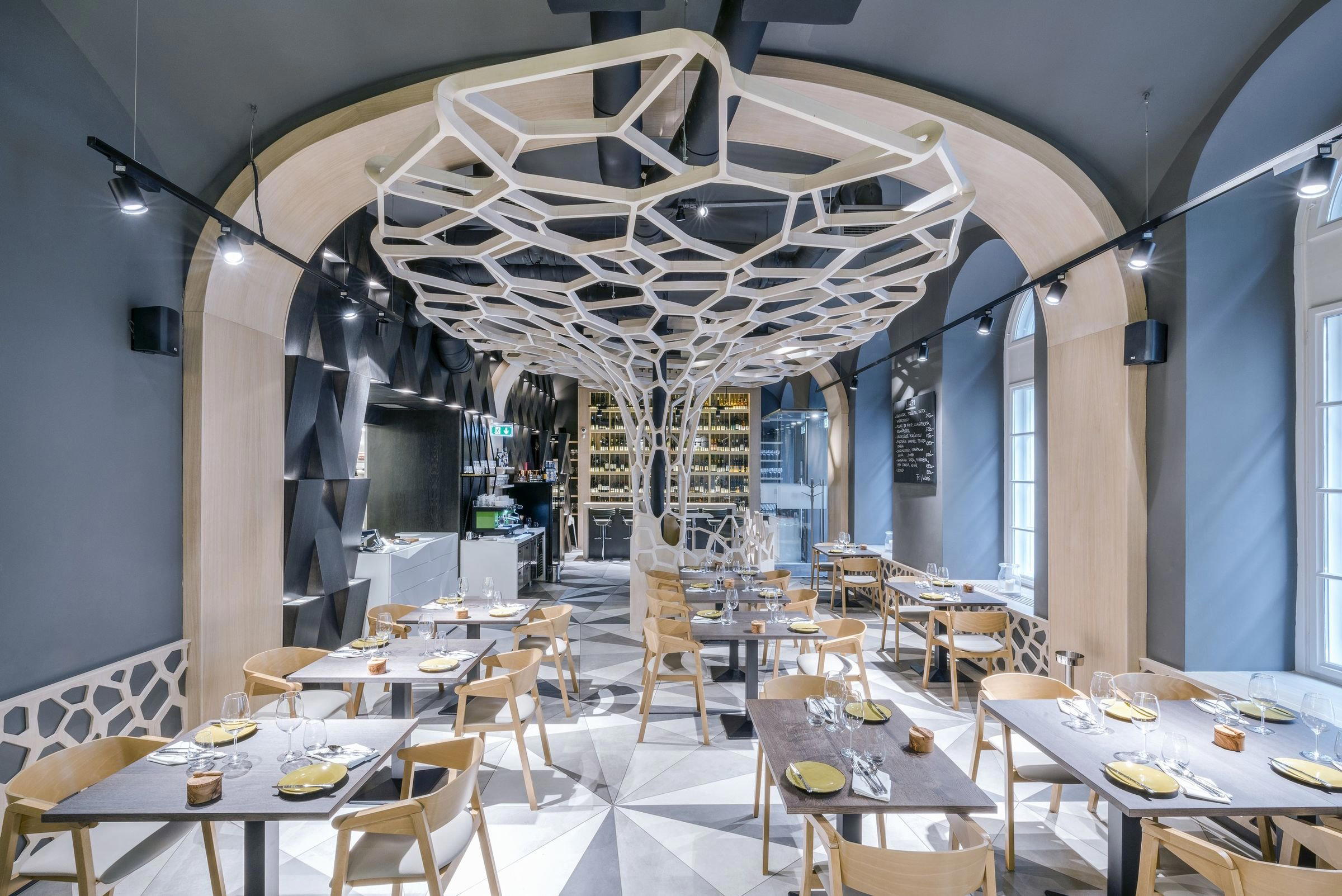
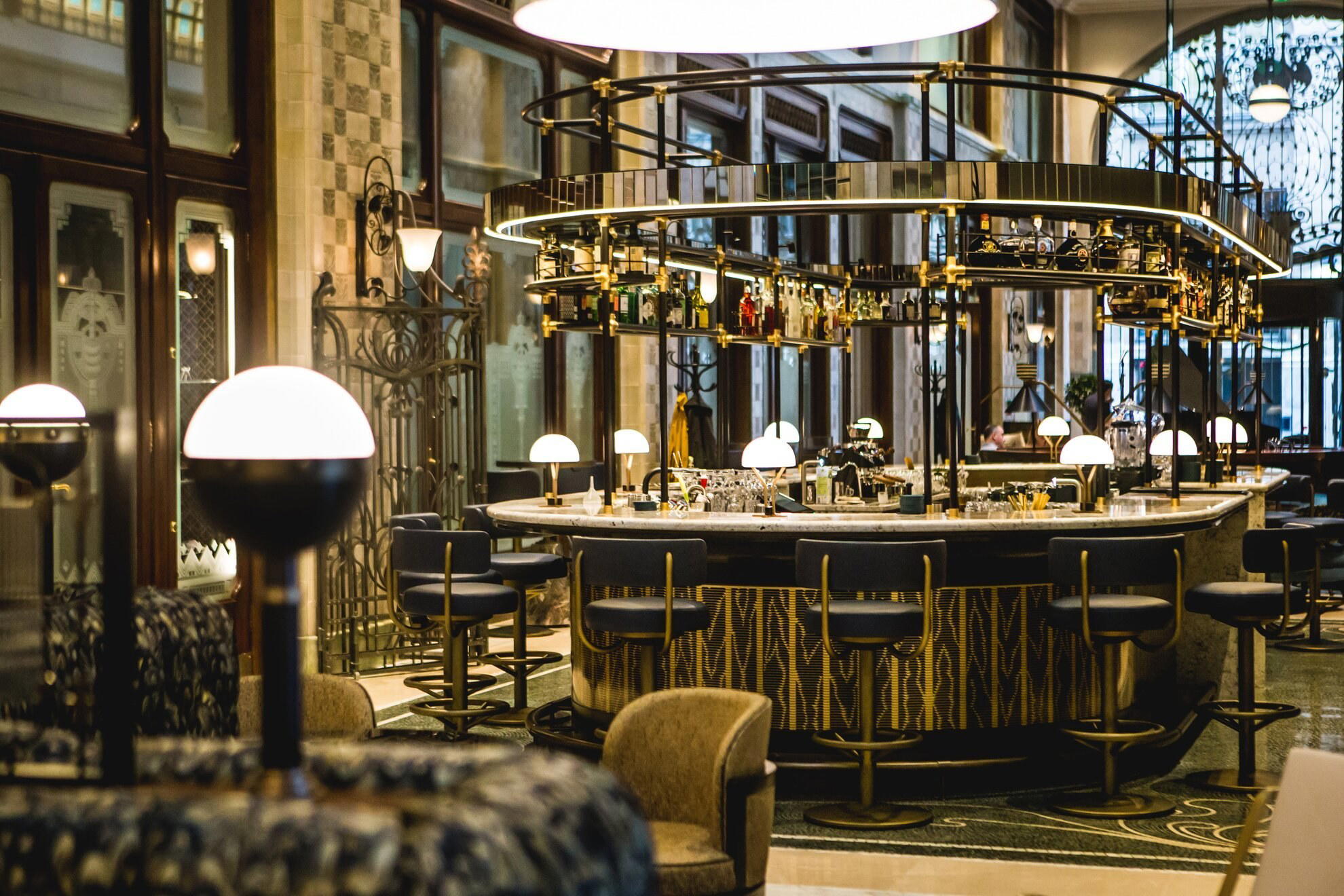
Bars in Budapest
Browse all →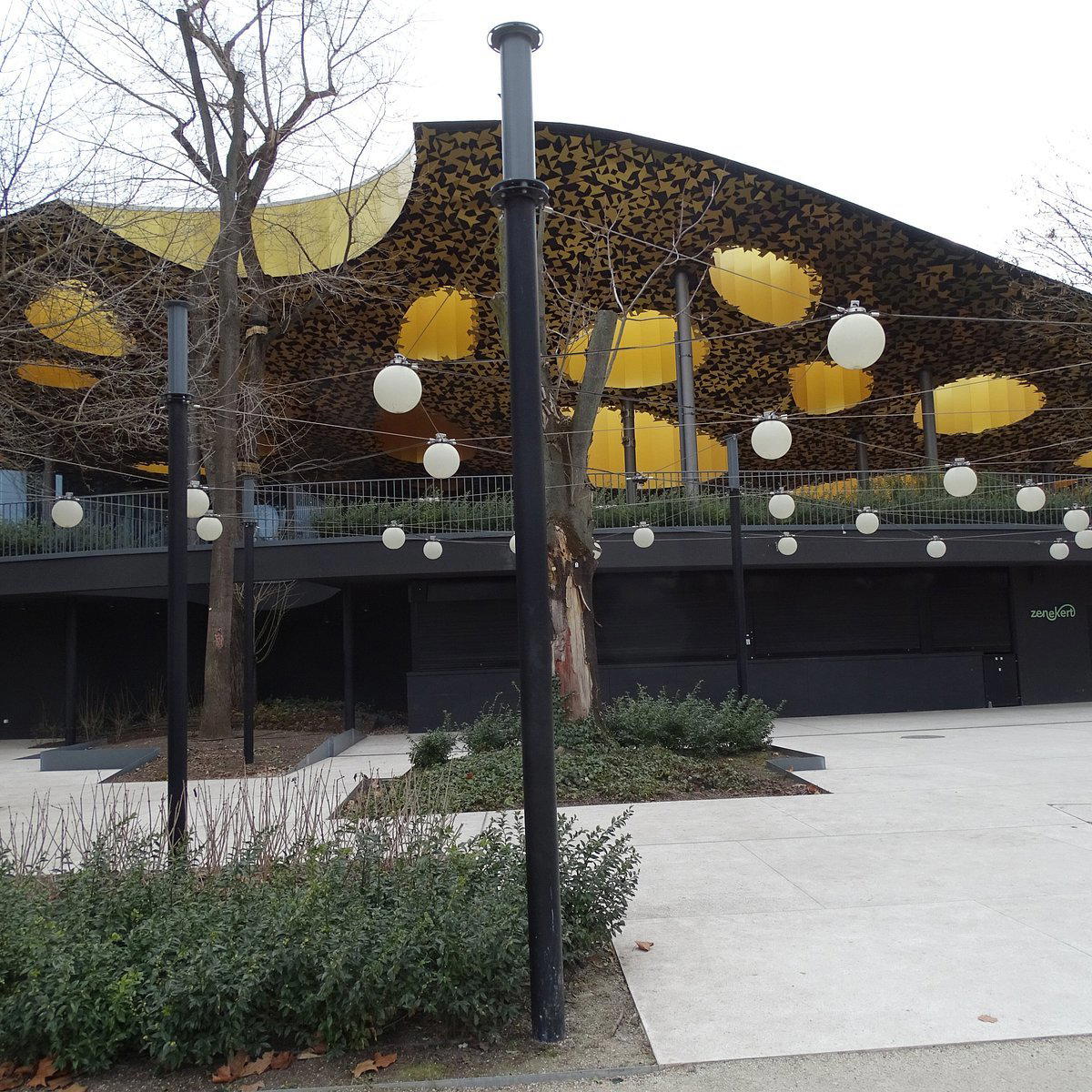
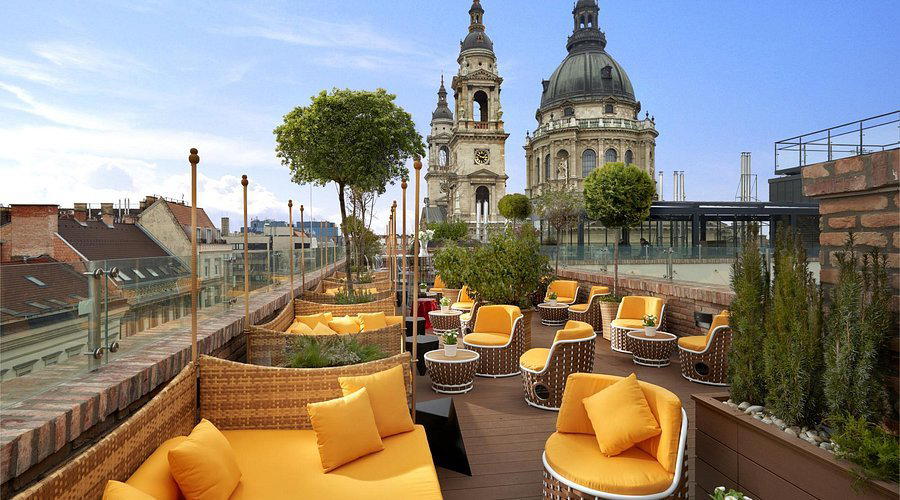
Hotels in Budapest
Browse all →

At a Glance
- Cozy
- Elegant
- Lively
- Date Night
- Group Dining
- Casual Hangout
- Open Kitchen
- Terrace
- Extensive Wine List
- Street Scene
Current opening hours
- Monday
- 12 PM–12 AM
- Tuesday
- 12 PM–12 AM
- Wednesday
- 12 PM–12 AM
- Thursday
- 12 PM–12 AM
- Friday
- 12 PM–12 AM
- Saturday
- 12 PM–12 AM
- Sunday
- 12 PM–12 AM
Hours can change for holidays and private events. Last verified .
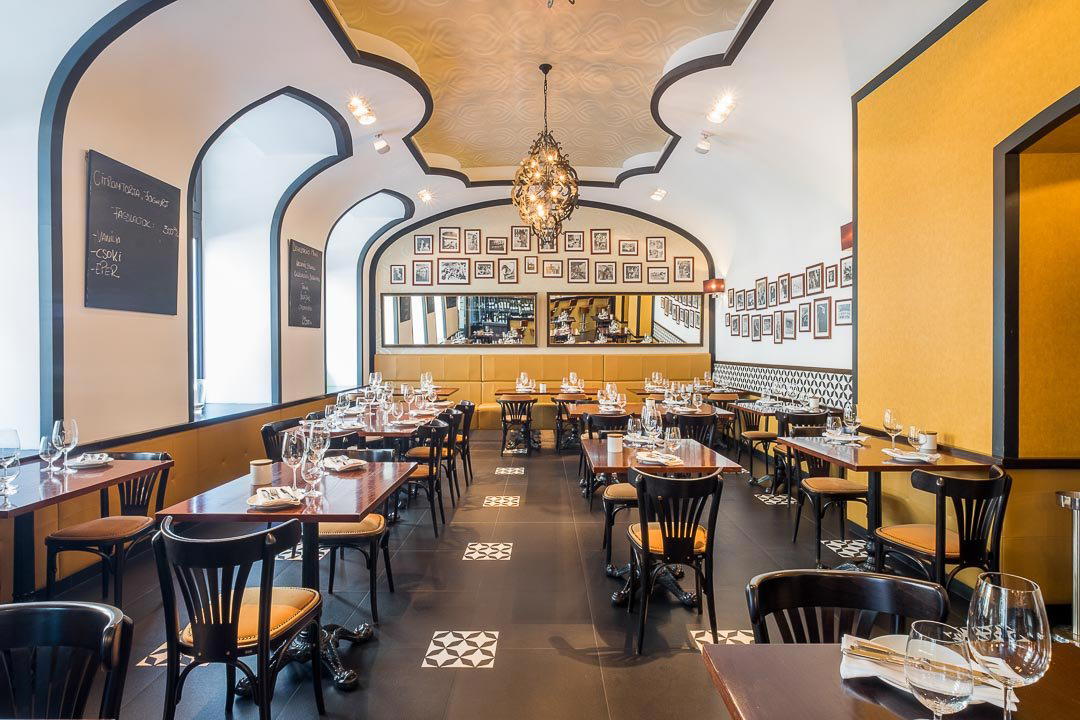
Cozy and stylish with beautiful decor, warm lighting, and energetic vibe suitable for date nights and groups.