
Kinryo belongs to Yokohama Chinatown’s everyday end of Chinese dining: compact, inexpensive, and built around dim sum and yum cha rather than banquet-room ceremony. Its 2026 selection for Tabelog 100 Chinese cuisine EAST gives it a trust signal beyond neighbourhood convenience, while its low price band keeps the meal closer to local routine than destination tasting format.
Pearl is the En Primeur Club membership app — saves, bookings, and concierge access live there. Same editors, same standards.
- Address
- 131-5 Yamashitacho, Naka Ward, Yokohama, Kanagawa 231-0023, Japan
- Phone
- +81 45-681-2967
- Website
- sites.google.com
 Saves & bookings on Pearl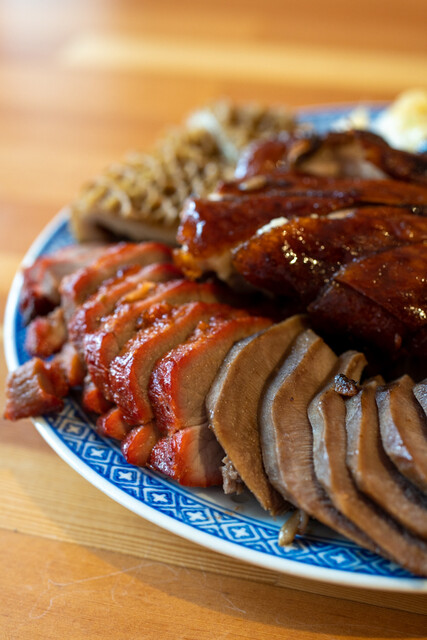
Yokohama Chinatown works on two tempos: the banquet rhythm of laminated menus, multi-generational tables, and dining rooms built for long sittings; and a faster, practical rhythm of small counters, steamed baskets, shopfront kitchens, and Chinese eating that treats appetite as a sequence, not a performance. Kinryo belongs to the second tempo: arrive, choose decisively, eat while the kitchen is moving, and leave the table for the next party.
That matters because Yokohama Chinatown is not decorative scenery grafted onto the city. It is one of Japan’s major Chinese food centres, ranging from high-spend Cantonese dining to compact rooms where dim sum and yum cha sit close to everyday lunch culture. Kinryo’s place in the 2026 Tabelog 100 Chinese cuisine EAST list puts it in a competitive regional frame, but the format is more telling. This is not a drawn-out tasting arc; it is a meal for reading the room, ordering with pace, and knowing that small Chinese restaurants often reward directness more than lingering.
Small-room Chinese dining in a city built on Chinatown habit
Strong Yokohama Chinese addresses often divide by use case: destination banquet rooms, specialist noodle or dumpling stops, and neighbourhood lunch engines whose reputations outgrow their footprints. Kinryo sits in the compact specialist category, helped by a 13-seat room and a category listing between Chinese cooking and dim sum/yum cha. That scale changes the ritual. A large dining room absorbs indecision; a small one makes hesitation visible.
Price shapes expectation. In a district where comparison venues range from the same JPY 1,000 to JPY 1,999 band at Aichun to higher-spend formats such as Saiko Shinkan, Kinryo reads as an accessibly priced Chinatown address with recognition attached. That combination is rarer than it sounds. Awards often push venues toward reservation theatre and higher tariffs; here, the signal is closer to curation than luxury. A Tabelog score of 3.61 and 2026 Hyakumeiten selection give public proof of standing, but the meal stays anchored in a modest budget bracket.
The ritual is closer to a market meal than a chef-led performance. Dim sum and yum cha depend on cadence: small plates, steam, heat, repetition, and the social logic of sharing. In Japan, especially in Chinatown districts, those traditions often fold into a hybrid rhythm, with visitors eating between sightseeing stops and regulars treating the same streets as routine. The useful decision is not whether the room is grand, but whether the meal should be quick, inexpensive, and focused, or whether the occasion needs space, private rooms, and banquet pacing.
How to read the Yokohama Chinatown choice
For travellers mapping Yokohama through food, the distinction between neighbourhood institution and broader city itinerary matters. The same day could involve yakitori at 1000 (Yakitori (Grilled chicken skewers)), curry at Ajowan, soup curry at Alpenjiro Honten, or a utilitarian counter meal at Anzen Shokudo. Chinatown adds another register: Chinese food shaped by port-city history, tourism pressure, and local repetition. Kinryo is strongest as part of that register, not as a substitute for a formal Chinese dinner.
Against nearby Chinese peers, its price band places it closer to Aichun and Kyo Chubo than to the higher dinner budgets of Saiko Shinkan. Goku Chasou occupies a slightly higher dinner spend, while Keitokuchin signals a different budget rhythm. The role is clear: Kinryo is the small-format, award-recognised choice for diners who want Chinatown without committing to a banquet. That is a sharper reason to go than chasing a generic list placement.
The same logic applies beside broader regional dining. A Yokohama itinerary may stretch toward Kamakura for -Grilled beef Sukiyaki- KAMAKURA TANUKIAN 鎌倉 たぬき庵 in Kamakura, Kawasaki for (Shoku) Vietnam in Kawasaki, or farther afield to Tokyo addresses such as. 鮪と炭火焼き うお炭 秋葉原店 in Tokyo. Those are different trips with different expectations. Yokohama Chinatown rewards staying local and choosing by format: banquet, snack, noodles, dim sum, or tea-driven pause.
Kinryo’s public details point to a practical culture rather than a luxury one. Reservations are not part of the format, private rooms are not listed, and payment skews away from cards and electronic money while QR code payment is accepted. Read that not as inconvenience, but as small-shop etiquette: travel light, avoid overplanning the table, and let the room’s pace decide how long the meal lasts.
Where it fits in a Yokohama day
Kinryo works well as a focused Chinatown stop, especially for diners who want recognised local food without the cost or duration of a formal Chinese restaurant. The setting also suits families, with children welcome, though the small seating count makes timing part of the social contract. This is a room for compact groups and clear appetites, not a sprawling celebration.
Yokohama rewards precise planning. Build the day around one anchor, then let the neighbourhoods do the rest. For broader dining context, use Our full Yokohama restaurants guide; for stays, compare neighbourhood bases through Our full Yokohama hotels guide. Evening plans can move through Our full Yokohama bars guide, while drink-focused travellers can scan Our full Yokohama wineries guide and cultural planning sits in Our full Yokohama experiences guide.
Outside Yokohama, the comparison becomes less about cuisine and more about how Japan’s small-format dining travels across cities: the café register of.cafe in Osaka, the local specificity of.know in Kumamoto, the curry focus of [Curry Senmon Ten] Maruyama Kyoju. in Sapporo, and the Japanese drinking and rice formats represented abroad by Jōdo Saké Bar in Los Angeles and Onigiri Time in Pasadena. Kinryo’s appeal is narrower and more local: a small Chinatown room with a recognised place in eastern Japan’s Chinese dining conversation, priced for repetition rather than spectacle.
What It’s Closest To
Comparable venues at the same tier for side-by-side context.
| Venue | Cuisine | Price | Notes |
|---|---|---|---|
| KinryoThis venue — the venue you are viewing | Traditional Cantonese roast meats | $ | Not listed |
| Ri En | Casual Neighborhood Chinese & Dumplings | $$ | Naka |
| Kasei Rou Yokohama chuukagai shinkan baiten | Traditional Chinese sweets & pork buns shop | $ | Naka |
| Juraku | Traditional Chinese sweets and bakery | $ | Naka |
| Ryuho | Traditional Chinese (Yokohama Isezakicho) | $$ | Naka |
| Banri | Chinese Dumplings | $$ | Naka |
Recognition history
Dated appearances from independent guides and award organizations, with the underlying list record or original source where available.
Tabelog 100 #21 · No. 21
Tabelog · Tabelog 100 - Chinese cuisine - EAST - 2026











At a Glance
- Cozy
- Classic
- Solo
- Casual Hangout
- After Work
- Family
- Standalone
- Historic Building
- Street Scene
Current opening hours
- Monday
- Closed
- Tuesday
- 12–6 PM
- Wednesday
- 12–6 PM
- Thursday
- 12–6 PM
- Friday
- 12–6 PM
- Saturday
- 12–6 PM
- Sunday
- 12–6 PM
Hours can change for holidays and private events. Last verified .
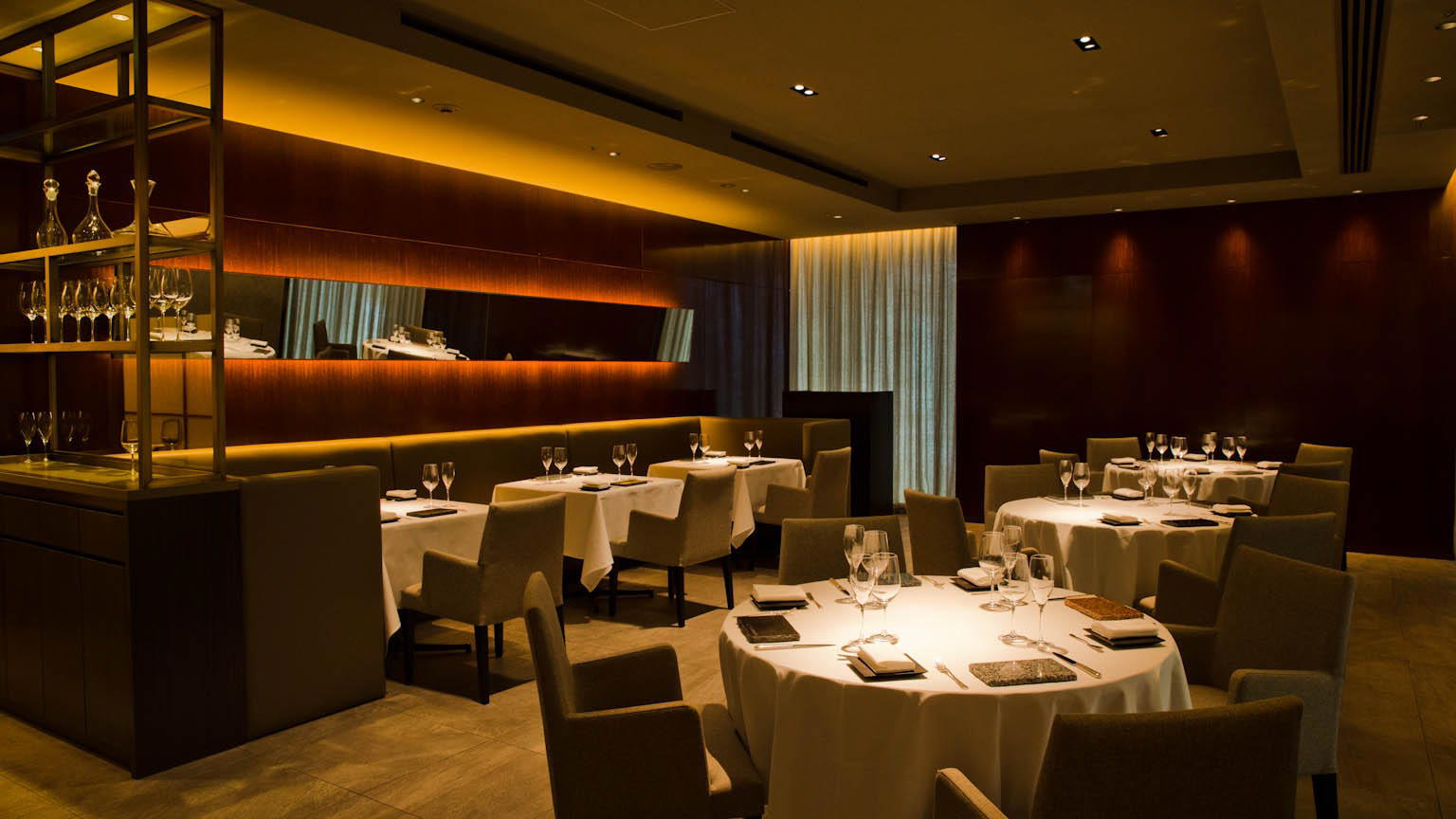
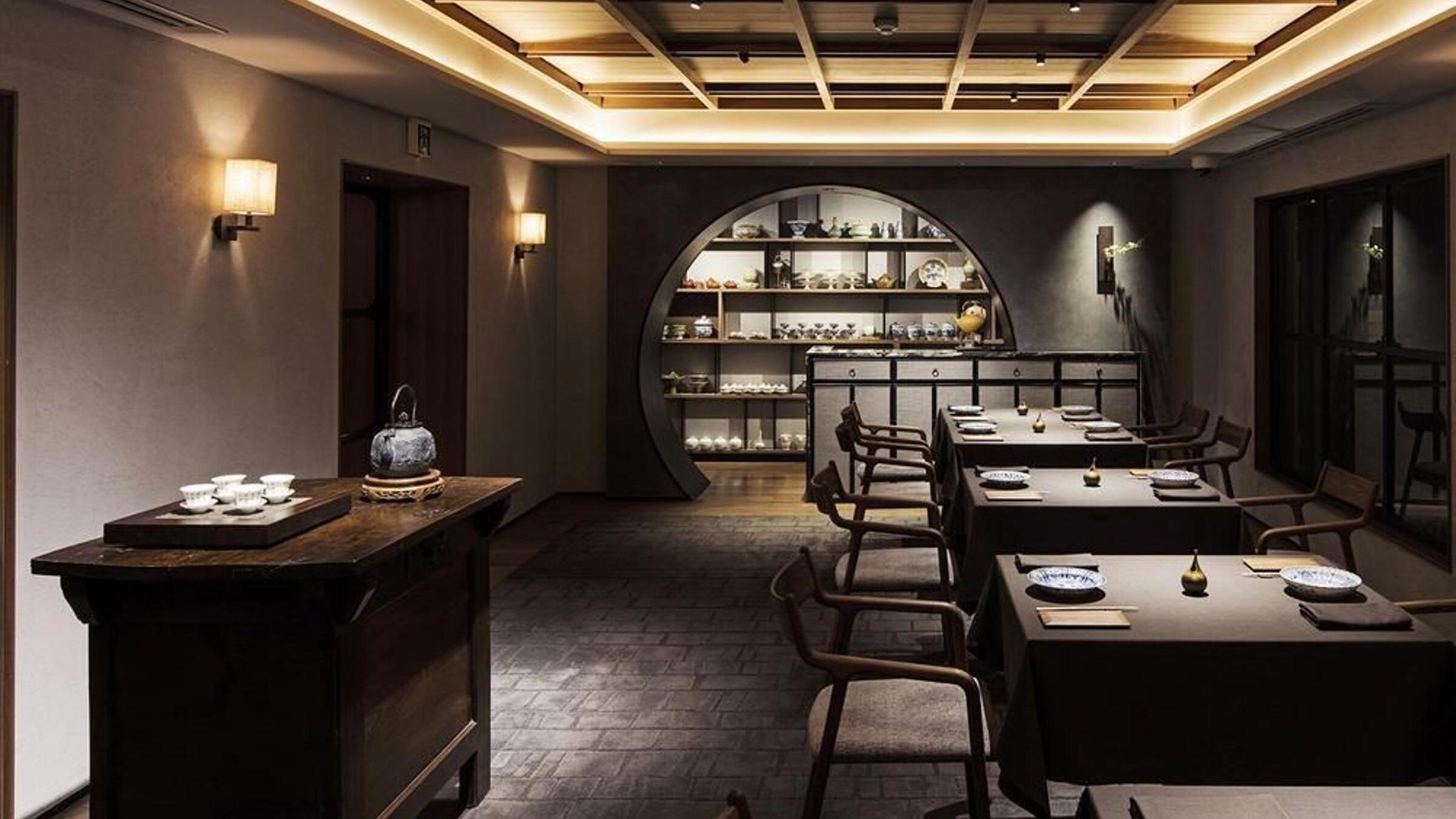
A small, no-frills, old-school Chinatown roast meat shop with counter-style, tightly packed seating, simple decor, and an efficient, casual atmosphere focused on quick meals and takeaway rather than lingering.