
A Yan Nawa institution with more than four decades behind it, Reunros holds consecutive Michelin Plate recognition (2024 and 2025) for a menu rooted in herbal and medicinal Chinese braising traditions. The third-generation family now runs the kitchen, sourcing market ingredients daily. Signature plates include family-recipe spring rolls, stir-fried goat with celery, and slow-cooked soups dense with braised depth.
Pearl is the En Primeur Club membership app — saves, bookings, and concierge access live there. Same editors, same standards.
- Address
- 762/2 โครงการบางกอกสแควร์ Rama III Rd, Bang Phong Phang, Yan Nawa, Bangkok 10120, Thailand
- Phone
- +66 97 160 0004
- Website
- facebook.com
 Saves & bookings on Pearl
Where Chinese Medicine Meets the Dining Table
Along Bangkok's Rama III corridor, where Sino-Thai shophouse culture has shaped the neighbourhood's character for generations, a particular style of Chinese cooking survives almost nowhere else in the city: braised and slow-cooked dishes built on medicinal herb logic, where the choice of ingredient is as much about constitution as flavour. Reunros, on Rama III Road in Yan Nawa, is a Chinese restaurant serving traditional Chinese cooking with a herbal and medicinal focus.
Nan Bei. In the middle register, shophouse operators offer regional Chinese cooking, often Teochew or Hakka in origin, at neighbourhood prices. Below that sits a larger mass of fast-turnover roast-meat and noodle shops. Reunros occupies the middle register, but with a distinctive medical-herb emphasis that separates it from the Teochew mainstream and has earned it Michelin Plate recognition in both 2024 and 2025.
The Herbal Braising Tradition
The founding logic of the restaurant traces to a medical background: the original owner came from healthcare, and the menu was constructed around herbal and medicinal principles from the start. This positions Reunros within a Chinese culinary tradition rooted in concepts of warming and cooling ingredients.
The slow-cooked soup is the clearest expression of this philosophy. These are not broths built in a few hours; the depth of flavour that medicinal herb soups require comes from extended simmering, with ingredients selected for their interaction rather than individual impact alone. Across Chinese communities in Southeast Asia, this style of cooking has historically sat at the intersection of domestic tradition and professional kitchen practice,
This style of Chinese cooking finds international expression in different registers: Restaurant Tim Raue in Berlin and Mister Jiu's in San Francisco both engage with Chinese culinary tradition, but through a contemporary reinterpretation lens. Reunros operates without that mediation, remaining closer to the source tradition.
What the Menu Signals
Michelin Plate recognition signals a kitchen cooking with competence and consistency, without the additional layers of service theatre or tasting-menu architecture that stars require. For a 40-year-old neighbourhood Chinese restaurant, that recognition functions as external validation of continuity rather than innovation. It confirms that what the restaurant has been doing for four decades continues to hold up against a contemporary critical framework.
The spring rolls at Reunros follow a family recipe that predates the restaurant's current iteration. Family-recipe heritage in a Chinese restaurant context typically means a dish that has been refined through repetition rather than reinvention, where the goal is accuracy to an established standard rather than novelty. The stir-fried goat with celery is a less common offering in Bangkok's Chinese restaurant scene, where pork, duck, and seafood dominate. Goat requires careful preparation to manage its stronger flavour, and its presence on the menu reflects the medicinal-diet tradition, where goat is prized for specific properties in Chinese nutritional thinking. The fried rice with salted fish, meanwhile, is a Cantonese classic found across Southeast Asia, but whose quality varies considerably depending on the fish sourcing and rice technique.
For dessert, taro purée with sticky rice sits within a broader Thai-Chinese culinary overlap, where root-vegetable sweets have been absorbed into both traditions. It is a modest, texturally specific finish that suits the restaurant's overall register better than a showy confection would.
Third Generation, Daily Market Run
The restaurant is now in its third generation. In Bangkok's Chinese restaurant scene, multi-generational continuity is less common than in, say, Tokyo or Hong Kong, where family-run institutions can sustain across four or five generations. The current operator's practice of personally selecting market ingredients each day represents a particular approach to quality control: sourcing authority sits with the operator rather than delegated to a purchasing manager or supplier relationship. This is consistent with how the restaurant has maintained Michelin recognition across consecutive years without significant format change.
Within Bangkok's broader Thai dining context, the Yan Nawa location places Reunros outside the central dining districts where most internationally recognised restaurants cluster. Sorn and Baan Tepa operate in more established dining corridors, as does Côte by Mauro Colagreco. Reunros's Rama III address is neighbourhood-rooted rather than destination-designed, and the dining room reflects that: this is a place locals return to, not a stop on a tourist circuit. A similar dynamic applies to Sanyod in Bang Rak, another Michelin-recognised Chinese operator working outside the central fine-dining envelope.
Across Thailand, Michelin Plate recognition extends beyond Bangkok's central districts. AKKEE in Pak Kret, PRU in Phuket, Aeeen in Chiang Mai, and Angeum in Ayutthaya all hold recognition in provincial settings. Agave in Ubon Ratchathani and The Spa in Lamai Beach extend that footprint further. Reunros sits within this wider pattern of Michelin identifying quality in locations that guidebook-style tourism tends to underweight.
Planning Your Visit
| Factor | Reunros (Yan Nawa) | Nan Bei (Central Bangkok) | Sanyod (Bang Rak) |
|---|---|---|---|
| Cuisine | Chinese (medicinal braising) | Cantonese fine dining | Chinese shophouse |
| Price range | ฿฿ | ฿฿฿฿ | ฿฿ |
| Michelin recognition | Plate (2024, 2025) | Starred | Plate |
| Location | Yan Nawa / Rama III | Central Bangkok | Bang Rak |
| Format | Neighbourhood restaurant | Hotel fine dining | Neighbourhood restaurant |
Reunros is located at 762/2, Bangkok Square Project, Rama III Road, Yan Nawa.4 from 637 responses.
Pricing, Compared
Comparable venues nearby, for context on price, style, and recognition.
| Venue | Cuisine | Price | Awards | Notes |
|---|---|---|---|---|
| Reunros (Yan Nawa)This venue — the venue you are viewing | Chinese | $$$ | Michelin Plate | Not listed |
| Chop Chop Cook Shop | Not listed | $$$ | Michelin Plate | Samphanthawong Khwaeng, Thai-Chinese Roast Meats & Noodles |
| Foong | Not listed | $$$ | Michelin Plate | Watthana Khwaeng, Cantonese Dim Sum and Peking Duck |
| Chef Man (Sathon) | Bang Rak Khwaeng, Authentic Cantonese | $$$ | Michelin Plate | Not listed |
| Philippe | Watthana Khwaeng, Classic French Bistro | $$$ | Michelin Plate | Not listed |
| Jok's Kitchen | Khanna Yao, Chinese Seafood | $$ | Michelin Plate | Not listed |
Recognition history
Dated appearances from independent guides and award organizations, with the underlying list record or original source where available.
Michelin Plate
Michelin
Michelin Plate
Michelin
Michelin Plate
Michelin

At a Glance
- Romantic
- Scenic
- Elegant
- Classic
- Date Night
- Celebration
- Group Dining
- Special Occasion
- Family
- Waterfront
- Private Dining
- Local Sourcing
- Waterfront
Current opening hours
- Monday
- 11 AM–2:30 PM, 5–10 PM
- Tuesday
- 11 AM–2:30 PM, 5–10 PM
- Wednesday
- 11 AM–2:30 PM, 5–10 PM
- Thursday
- 11 AM–2:30 PM, 5–10 PM
- Friday
- 11 AM–2:30 PM, 5–10 PM
- Saturday
- 11 AM–10 PM
- Sunday
- 11 AM–10 PM
Hours can change for holidays and private events. Last verified .
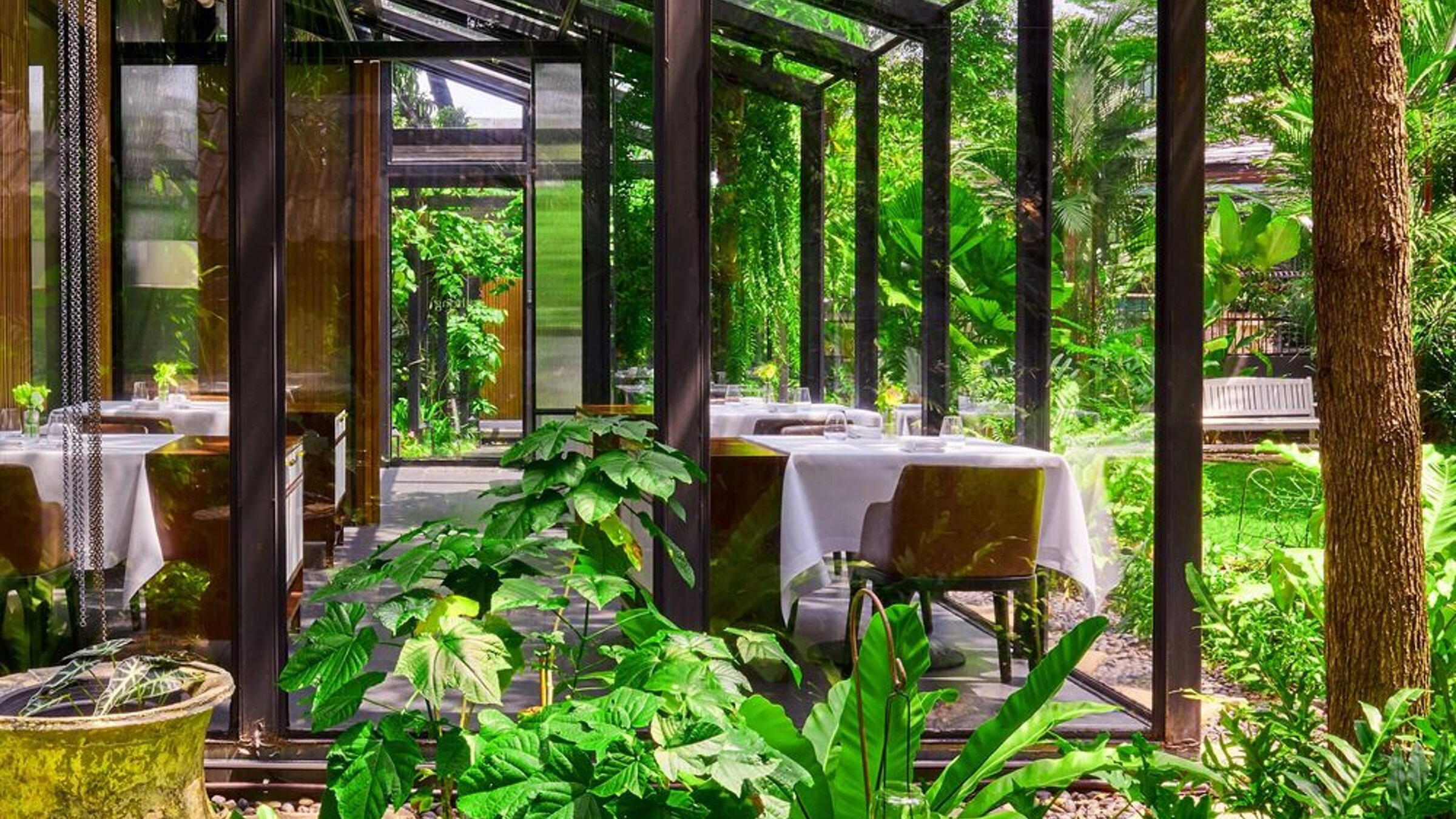
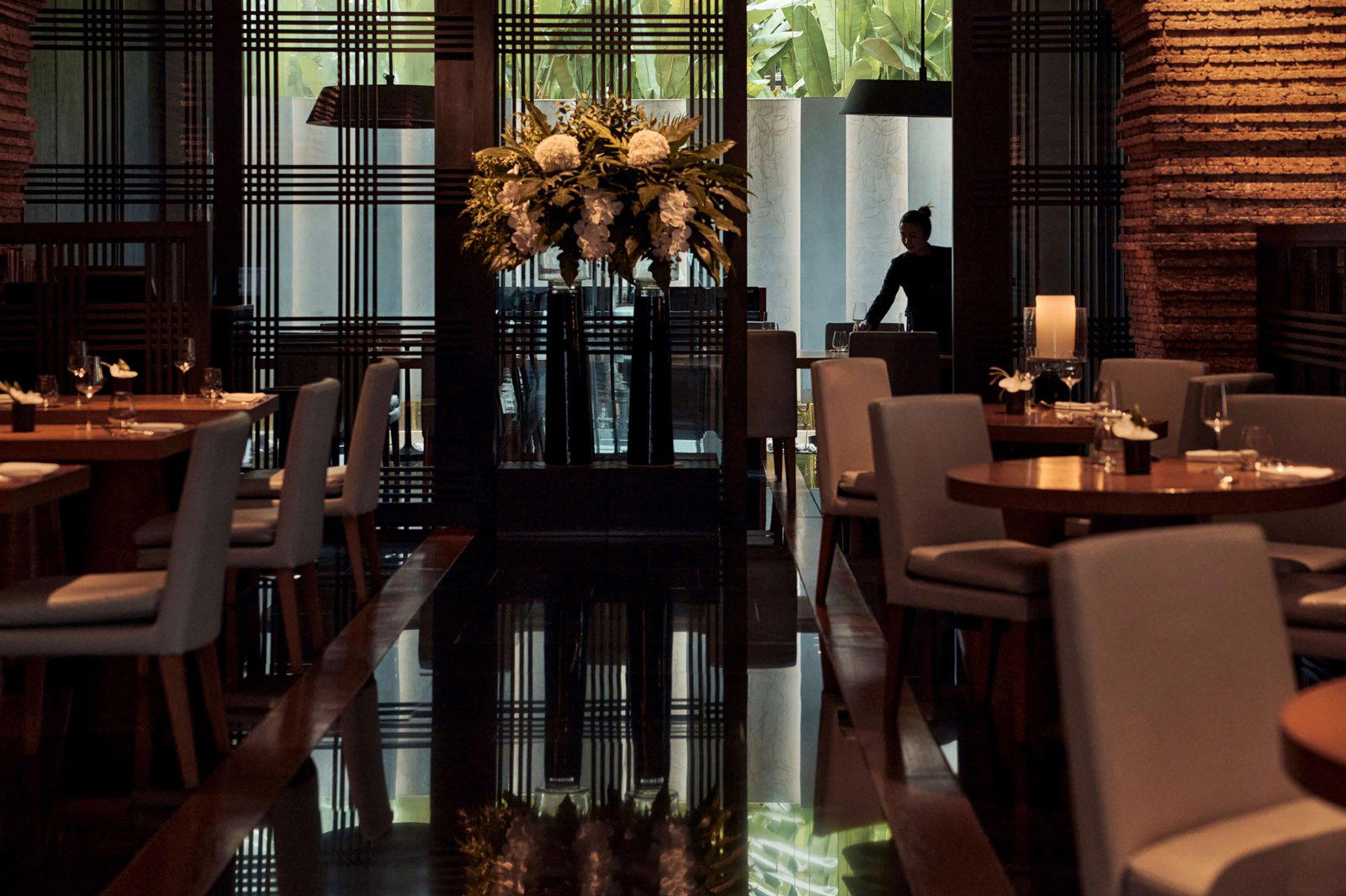
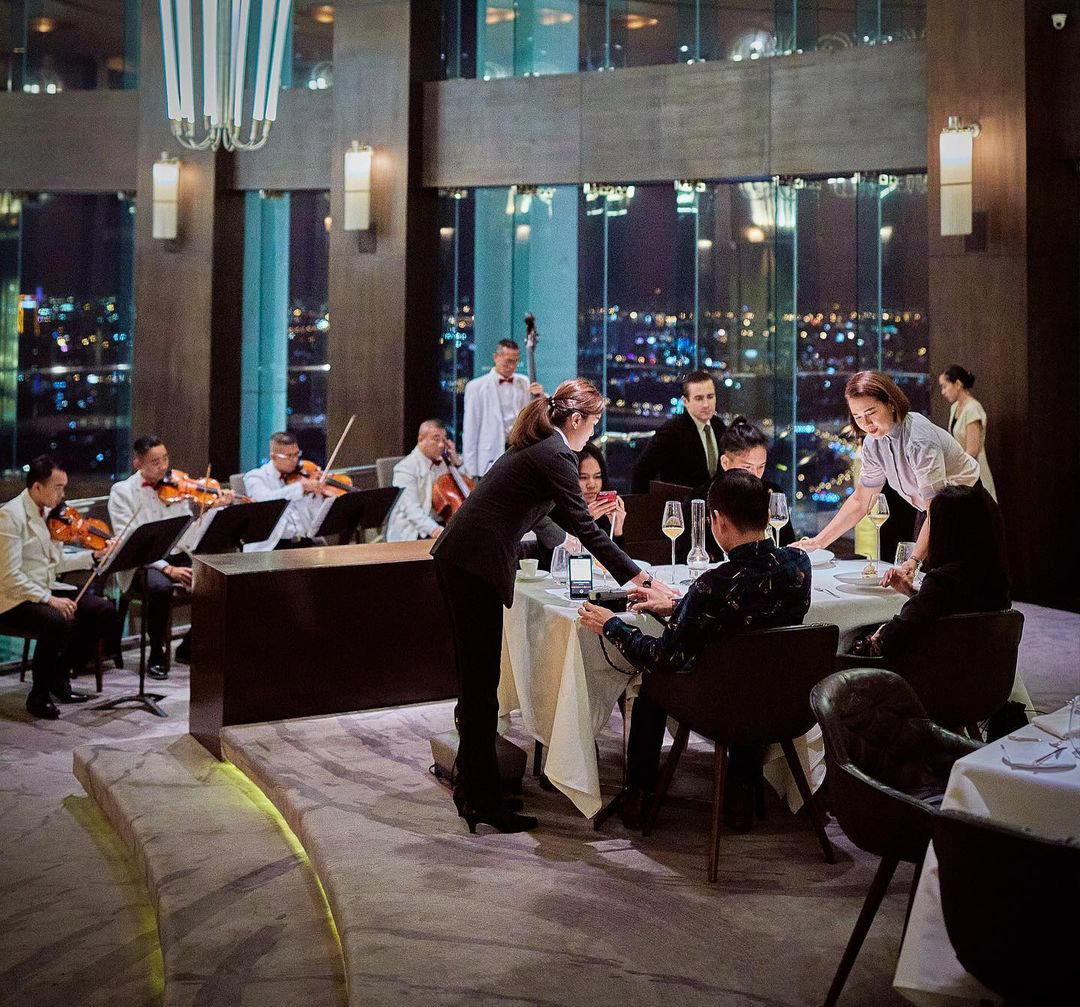
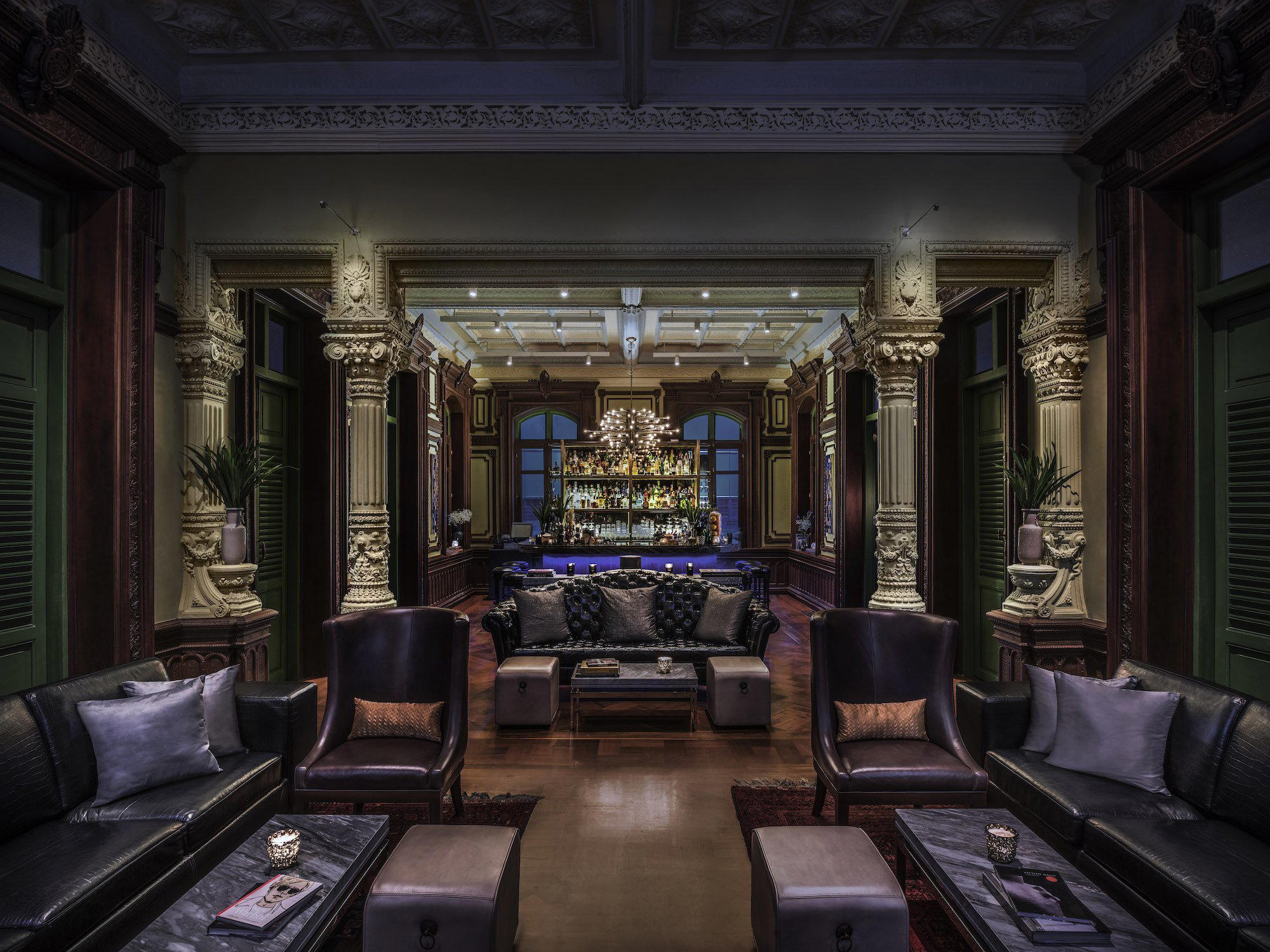
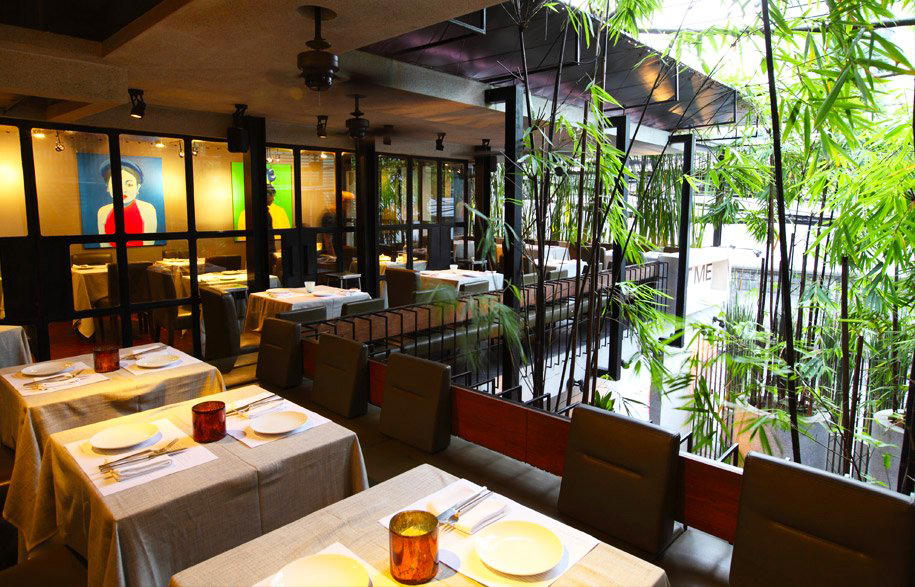
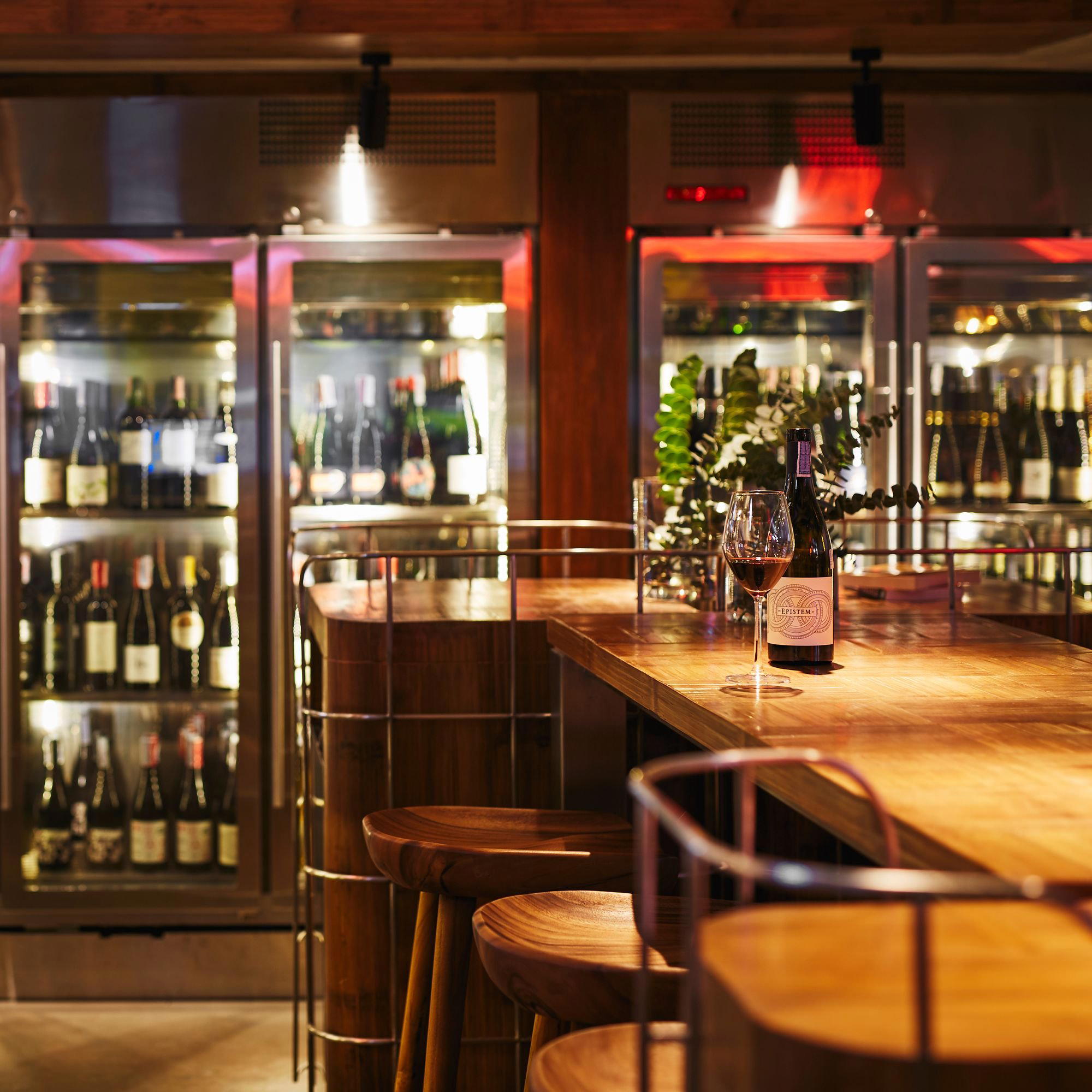
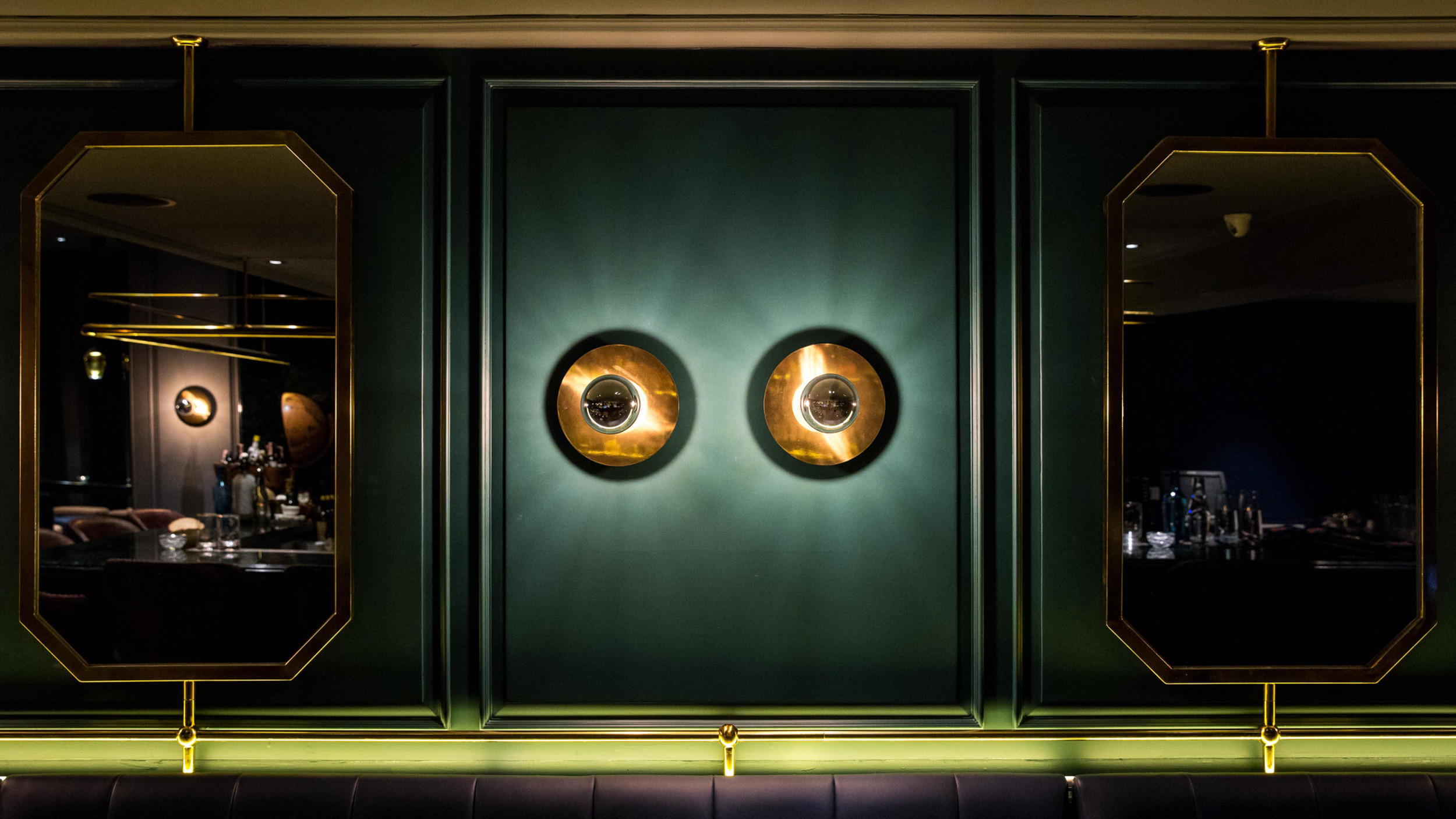
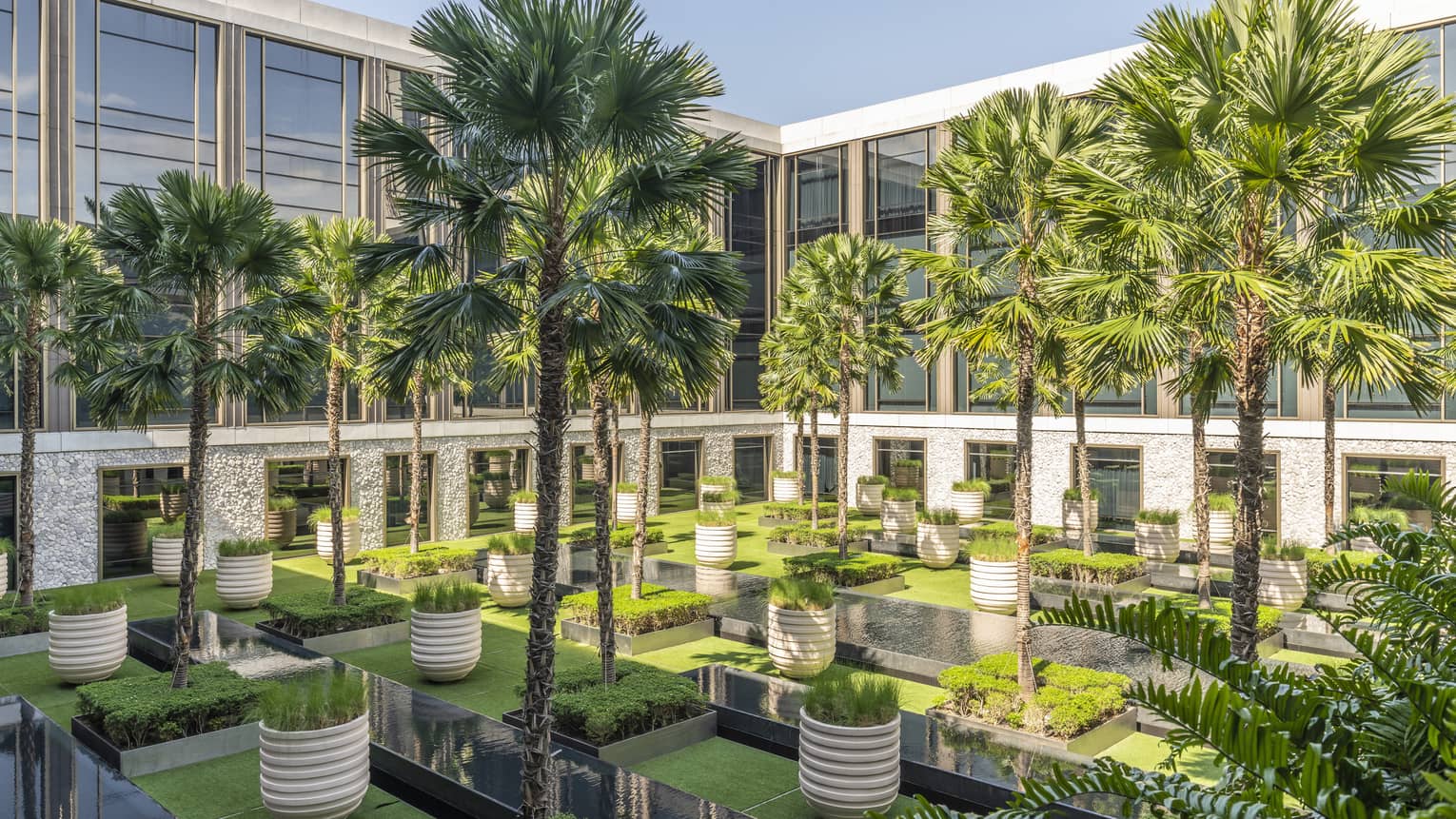
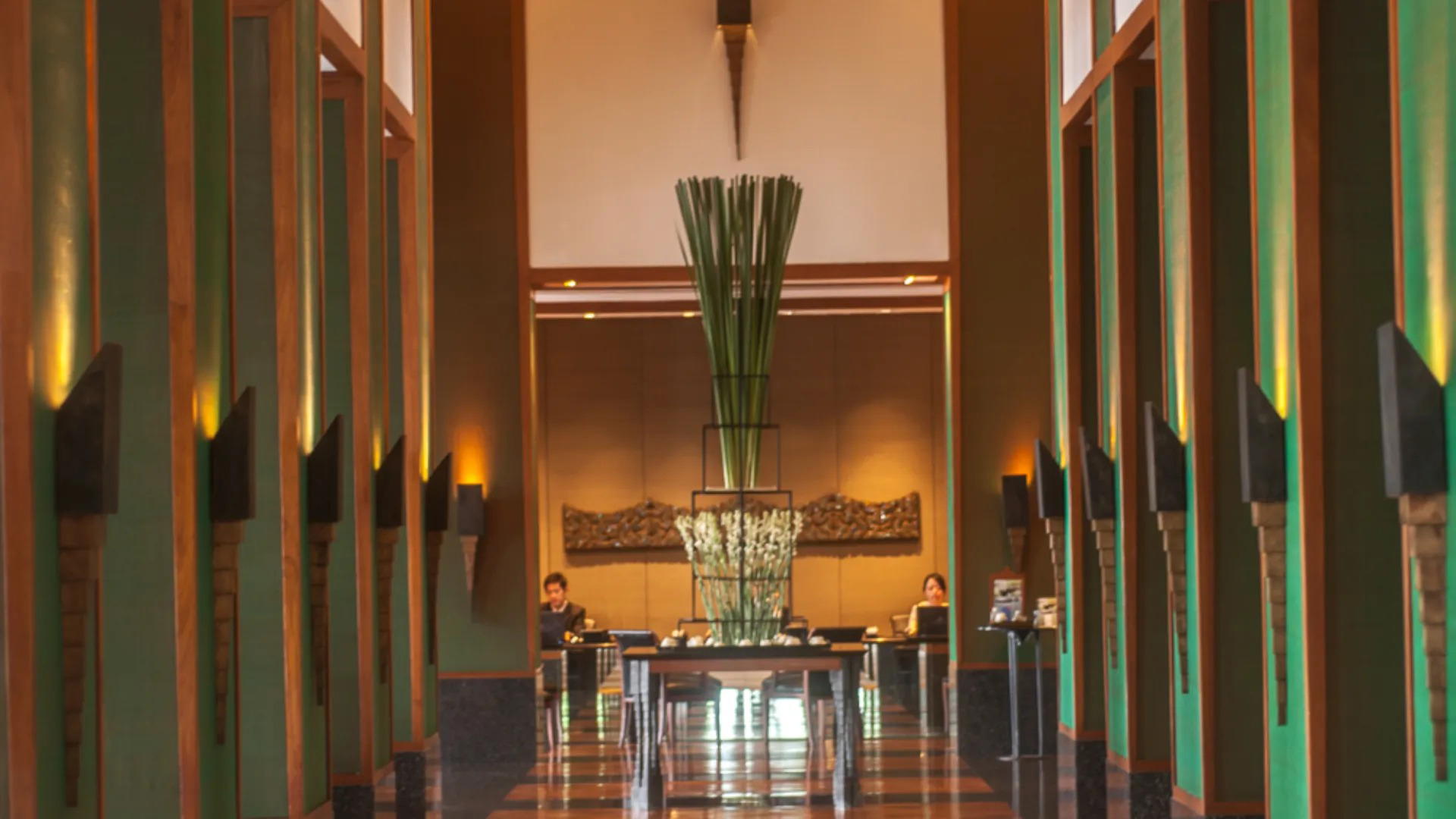
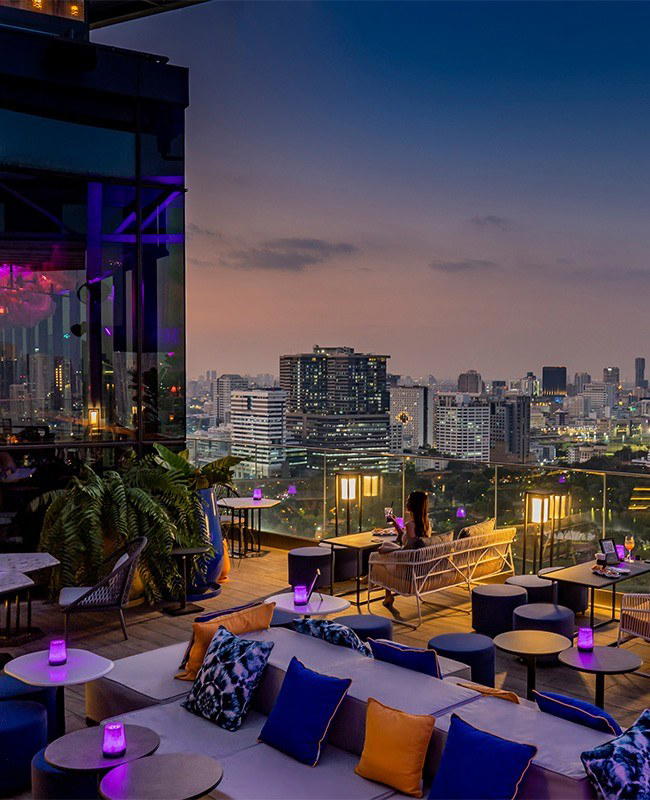
Cool, breezy waterfront setting with scenic views overlooking the lake; modern Chinese ambiance suitable for special occasions and group gatherings.