
Foong occupies a quiet corner of Thong Lo's residential back-alleys, running monthly-rotating set menus of around ten shared Thai plates for groups of four or more. The format strips away fine-dining ceremony and returns to the logic of family-style eating: nam prik, spicy salads, stir-fries, curries, and soup, closed with a simple Thai dessert. Reservations are required, and the minimum-party rule shapes the entire experience around communal dining.
Pearl is the En Primeur Club membership app — saves, bookings, and concierge access live there. Same editors, same standards.
- Address
- 53 Thong Lo 19 Alley, Khlong Tan Nuea, Watthana, Bangkok 10110, Thailand
- Phone
- +66 98 924 8111
 Saves & bookings on Pearl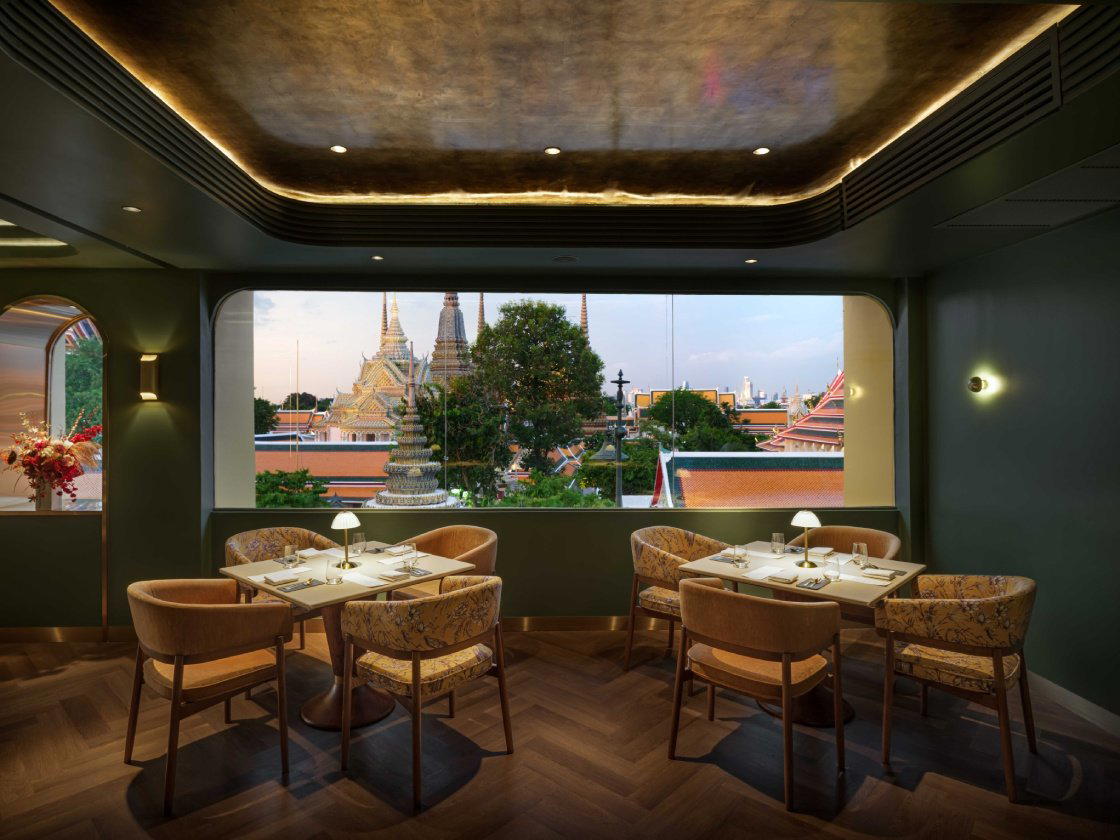
The Thong Lo Back-Alley as Dining Room
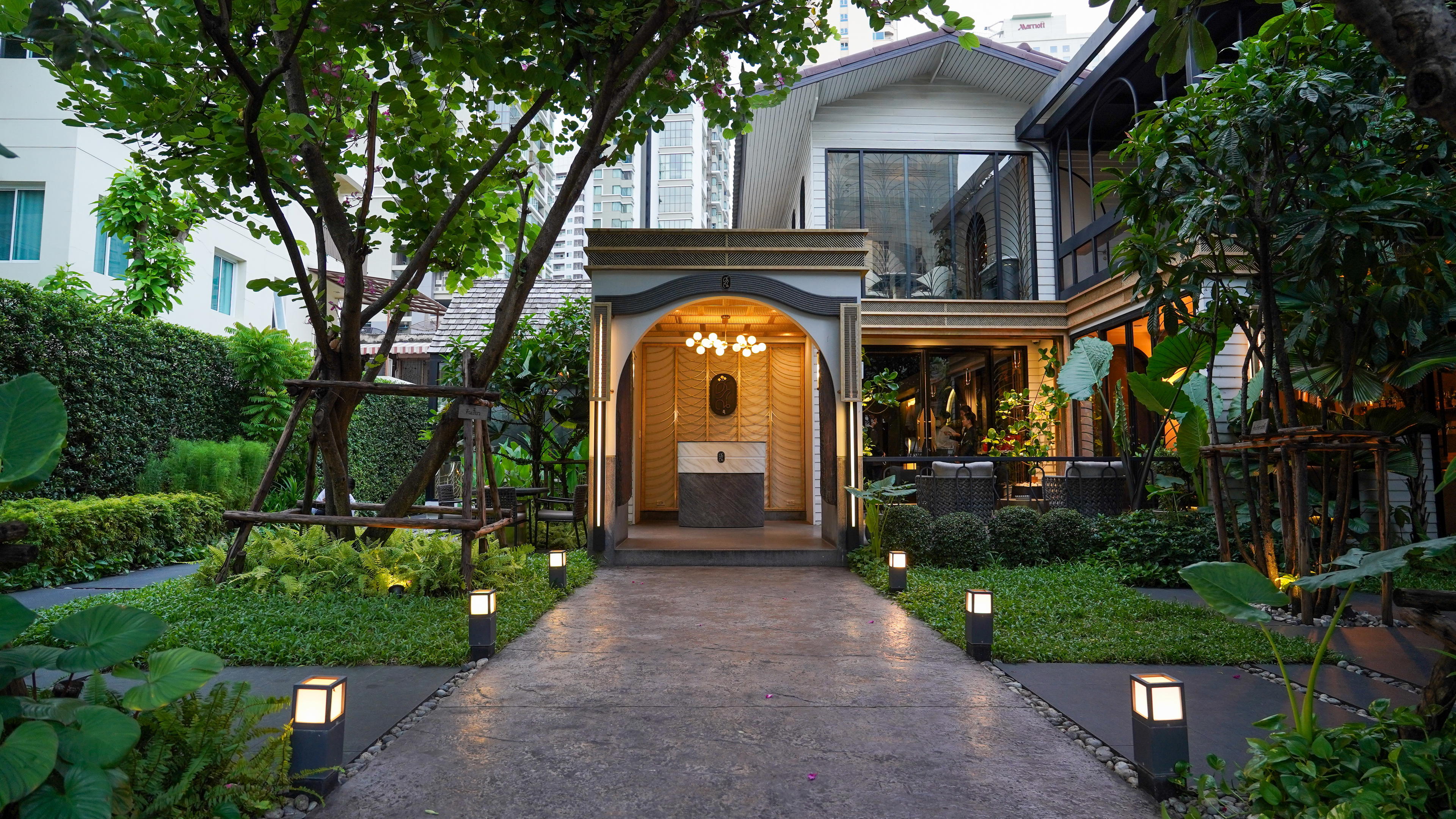
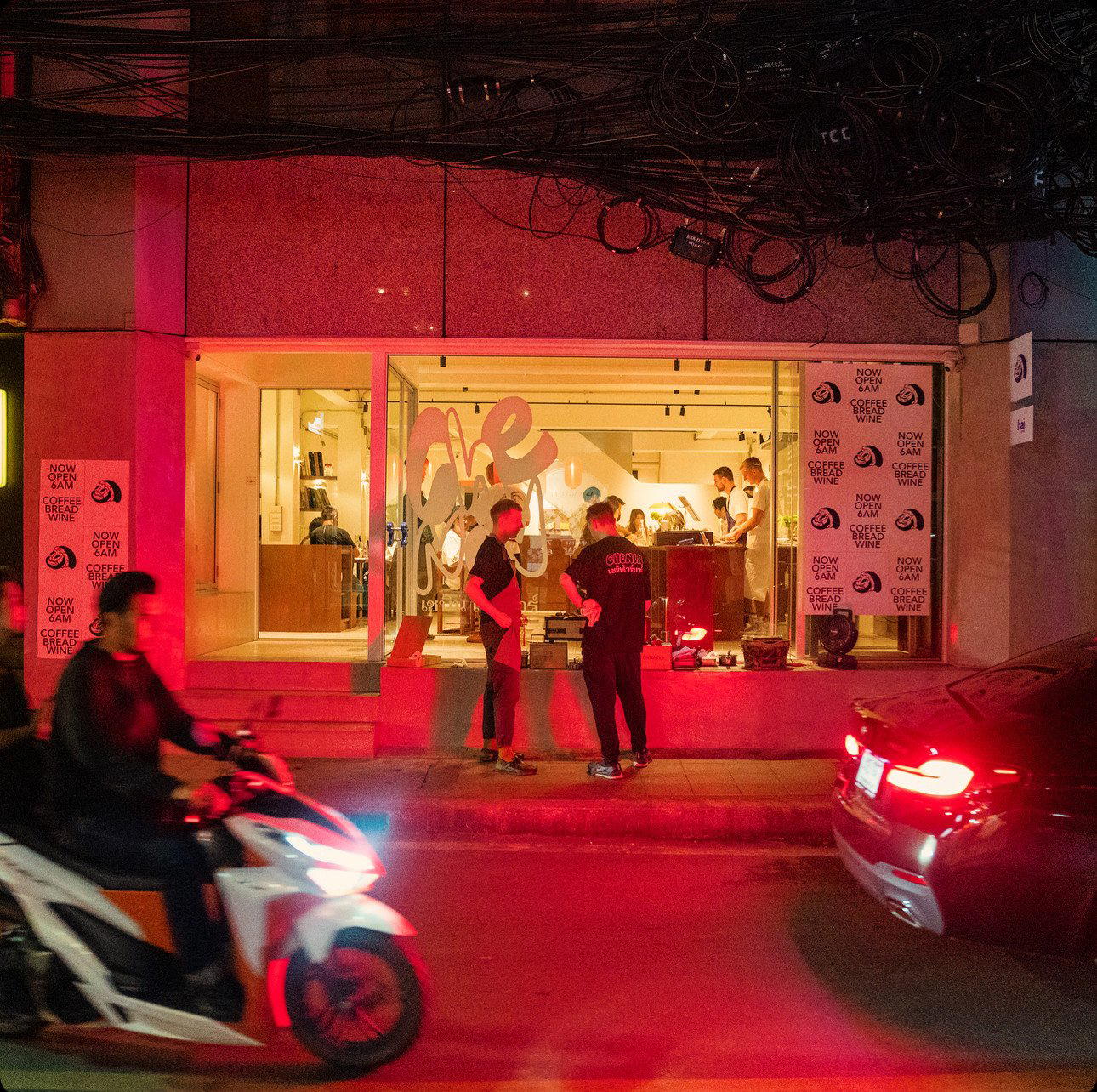
Bangkok's restaurant scene has split cleanly between two poles over the past decade. On one side, a tier of Michelin-decorated rooms where Thai cuisine is refracted through fine-dining technique: Sorn at the three-star level, Baan Tepa at two, both operating prix-fixe formats at ฿฿฿฿ price points. On the other, a quieter cohort of reservation-only spots that reject the ceremony entirely and return to the rhythms of household cooking. Foong belongs to the second group, and its address tells you as much before you arrive: 53 Thong Lo 19 Alley, Khlong Tan Nuea, Watthana, Bangkok 10110, Thailand, a residential lane that peels away from the neighbourhood's louder commercial strip.
Thong Lo has spent years consolidating a reputation as Bangkok's most design-conscious eating corridor, with high-end Japanese restaurants, cocktail bars, and international concepts filling the main road and its immediate offshoots. The further you move into its quieter sois, though, the more the character shifts toward the local and the deliberate. Foong sits in that zone, where the ambient noise drops and the dining proposition becomes less about spectacle and more about attention to what is on the table.
Monthly Rotation as Editorial Statement
The structure of Foong's menu is its clearest statement of intent. A set menu that changes every month is not a logistical quirk but a commitment to seasonality as the primary editorial frame. Where Gaa and Sühring build tasting menus around a sustained, evolving creative vision, Foong's monthly rotation operates on a different logic: the menu follows what is available and what makes sense to cook right now, rather than what serves a larger artistic narrative.
Around ten plates arrive in shared format, covering the essential grammar of Thai home cooking. Nam prik anchors the early progression, a category that encompasses everything from roasted chili pastes to fermented shrimp-based relishes, typically served with fresh and blanched vegetables for dipping. Spicy salads follow the same principle of contrast, with the sourness, heat, and herb register calibrated against the richness of whatever proteins are in season. Stir-fries and deep-fried dishes occupy the mid-section, providing textural range and the kind of wok-breath intensity that home kitchens rarely achieve. A curry and a substantial soup extend the meal toward comfort and satiation before a simple Thai dessert closes the sequence.
What the architecture reveals is a kitchen that thinks in courses without imposing them. The ten-plate format is generous enough to build a full arc but specific enough that every dish carries weight. Nothing here is a garnish or an amuse; every plate is meant to be eaten, shared, and discussed. That is a harder editorial discipline than it appears, and the monthly rotation compounds the difficulty by requiring the kitchen to rebuild that balance from scratch each time.
Family-Style Format and the Four-Person Rule
The minimum-group requirement of four guests is not a commercial decision dressed up as policy. It is a structural feature of how shared Thai dining actually functions. Nam prik and spicy salads are condiment-and-main combinations that assume a table will pass plates rather than portion individually. A curry shared between two people is a side dish; shared between four or six, it becomes a centrepiece that integrates with everything else on the table. The format collapses below a certain group size, and Foong's reservation policy acknowledges that plainly.
This positions Foong differently from Bangkok's solo-counter or couples-friendly omakase format, a category well-represented at the city's higher price tiers. Foong's dining proposition is social before it is gastronomic. The experience is built for the kind of group that arrives with a baseline of shared context and leaves with something to talk about afterward. Elsewhere in Thailand, you find this logic operating at different scales: AKKEE in Pak Kret and Aeeen in Chiang Mai both work within the broader tradition of chef-led, small-format Thai dining that prioritises the meal as a communal act.
Familiar Flavours, Careful Sourcing
The language used to describe Foong's cooking is precise in a way that matters: homely yet skilfully executed, familiar flavours, quality ingredients. None of those phrases points toward innovation or technique as ends in themselves. They point toward fidelity, toward the idea that the correct ambition for this kind of cooking is to make the familiar version as well as it can be made, using ingredients that justify the care.
That framing places Foong in a different comparable set from the Michelin-decorated rooms that surround it in Bangkok's dining conversation. Venues like Côte by Mauro Colagreco operate on the assumption that transformation and authorship are primary values. Foong operates on the assumption that the recipes already exist and the job is to execute them with honesty. Both are legitimate positions, but they produce different meals and require different modes of attention from the diner.
For reference points at the premium end of Thai cuisine outside Bangkok, PRU in Phuket applies a farm-to-table methodology to Southern Thai ingredients; Foong's approach is less programmatic but shares the underlying respect for sourcing as a non-negotiable constraint rather than a marketing position.
Placing Foong in Bangkok's Broader Scene
Bangkok's restaurant ecosystem rewards exploration across registers. The city's Michelin tier is well-documented and, for travellers with the time and budget, worth the commitment: a full evening at Sorn delivers a Southern Thai education that no casual lunch replicates. But the city's more interesting texture often lies in spots that operate below that tier without operating below its standards. Foong occupies that middle ground, a reservation-only format with a structured menu and a clear philosophy, at about $35 per person.
For travellers building a Bangkok itinerary, Bangkok's restaurants map the city across price tiers and cuisines. The bars and hotels guides extend the picture into the broader visit, and the experiences guide covers the parts of Bangkok that don't fit neatly into restaurant categories. For those moving beyond the capital, Angeum in Ayutthaya and Agave in Ubon Ratchathani represent the kind of chef-driven destination dining that has spread into Thailand's secondary cities over the past several years.
Know Before You Go
- Address: 53 Thong Lo 19 Alley, Khlong Tan Nuea, Watthana, Bangkok 10110, Thailand
- Reservations: Required. Minimum party of four guests.
- Format: Seasonal Thai set menu, approximately ten shared plates, rotating monthly
- Closing dish: Simple Thai dessert
- Neighbourhood: Thong Lo, accessible via BTS Thong Lo station
- Context: Suitable for group dinners; the shared-plate format does not function well below the four-person minimum
Recognition, Side-by-Side
Comparable venues nearby, for context on price, style, and recognition.
| Venue | Cuisine | Price | Awards | Notes |
|---|---|---|---|---|
| FoongThis venue — the venue you are viewing | Cantonese Dim Sum and Peking Duck | $$$ | Michelin Plate | Not listed |
| ELECTRIC SHEEP | Modern Mediterranean with Thai Ingredients | $$$ | Michelin Plate | Talat Noi |
| Mei Jiang | Fine Cantonese Dining | $$$$ | Not listed | Khlong Ton Sai |
| Jok Khlong San | Porridge Shop | $$ | Not listed | Bang Wa |
| Riva del Fiume | Modern Italian | $$$ | Michelin Plate | Klong San |
| The Silk Road | Modern Cantonese | $$$$ | Not listed | Sukhumwit |
Recognition history
Dated appearances from independent guides and award organizations, with the underlying list record or original source where available.
Michelin Plate
Michelin


At a Glance
- Elegant
- Sophisticated
- Cozy
- Family
- Group Dining
- Business Dinner
- Private Dining
- Hotel Restaurant
Current opening hours
- Monday
- 12–10 PM
- Tuesday
- Closed
- Wednesday
- 12–10 PM
- Thursday
- 12–10 PM
- Friday
- 12–10 PM
- Saturday
- 12–10 PM
- Sunday
- 12–10 PM
Hours can change for holidays and private events. Last verified .
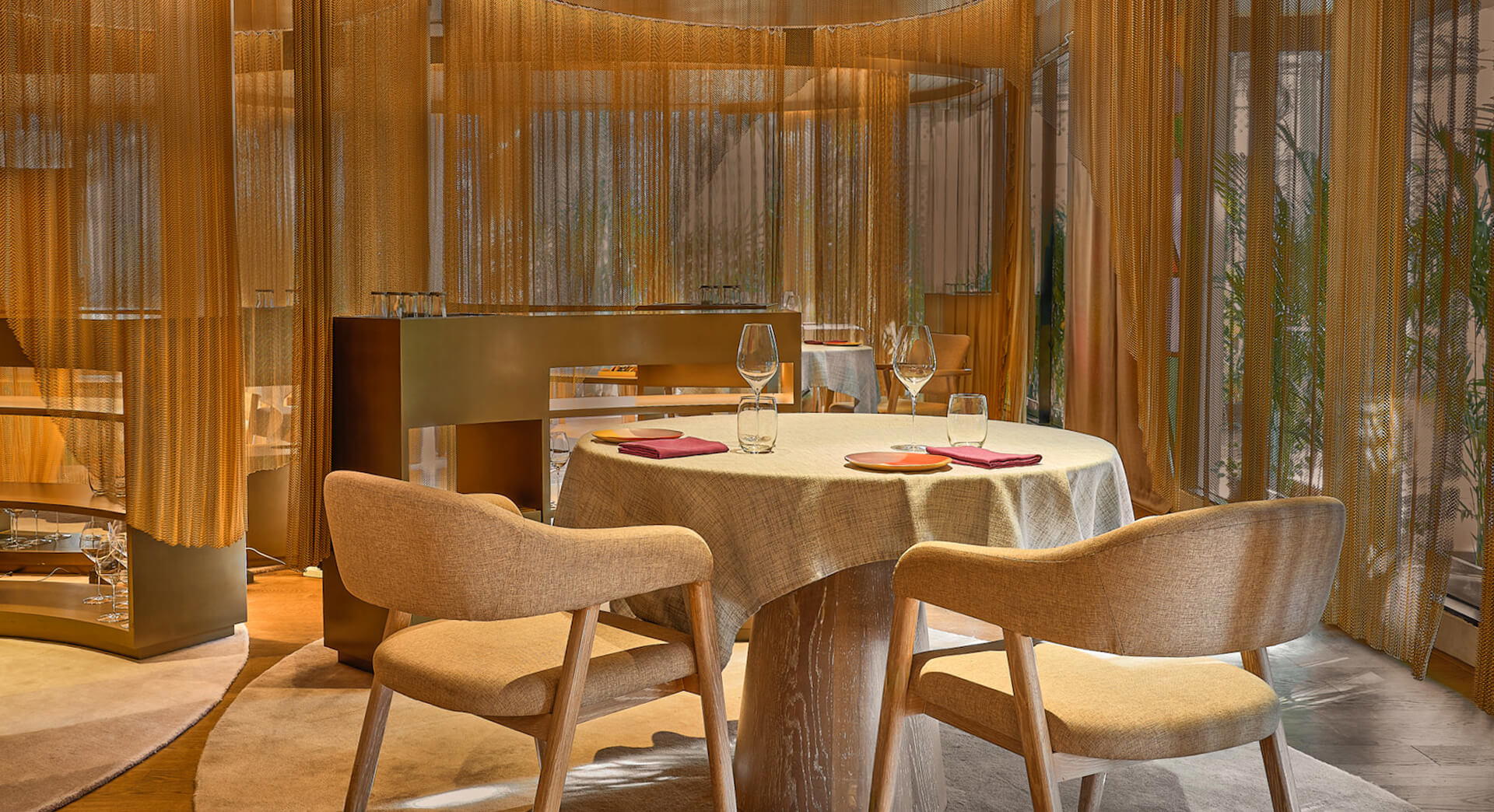
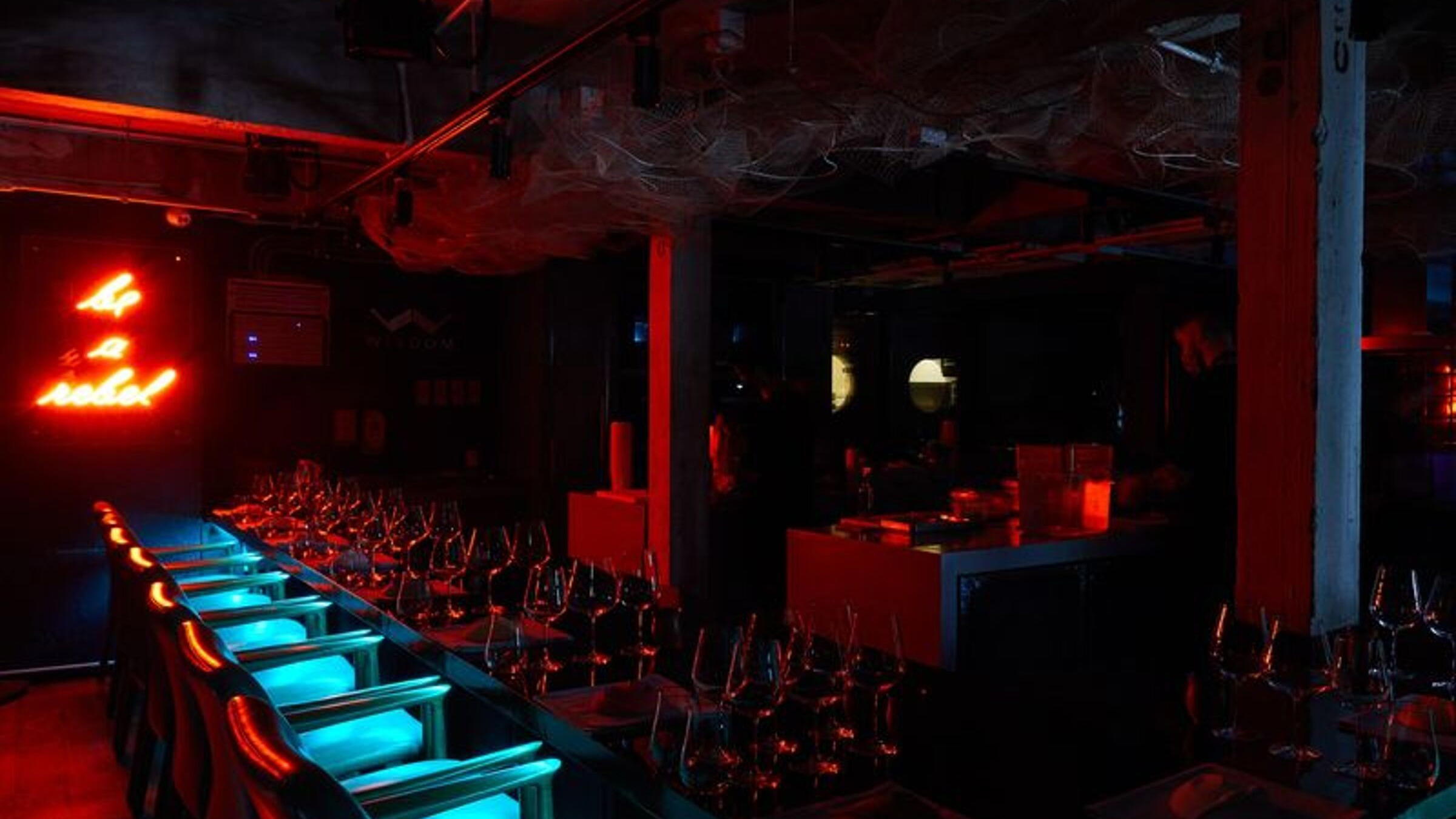
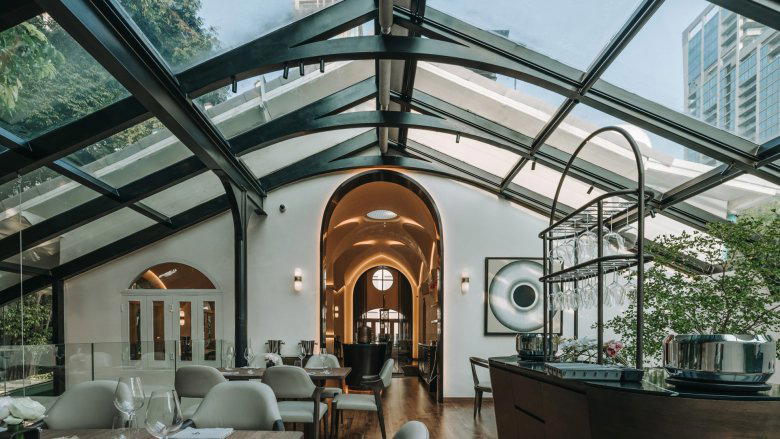
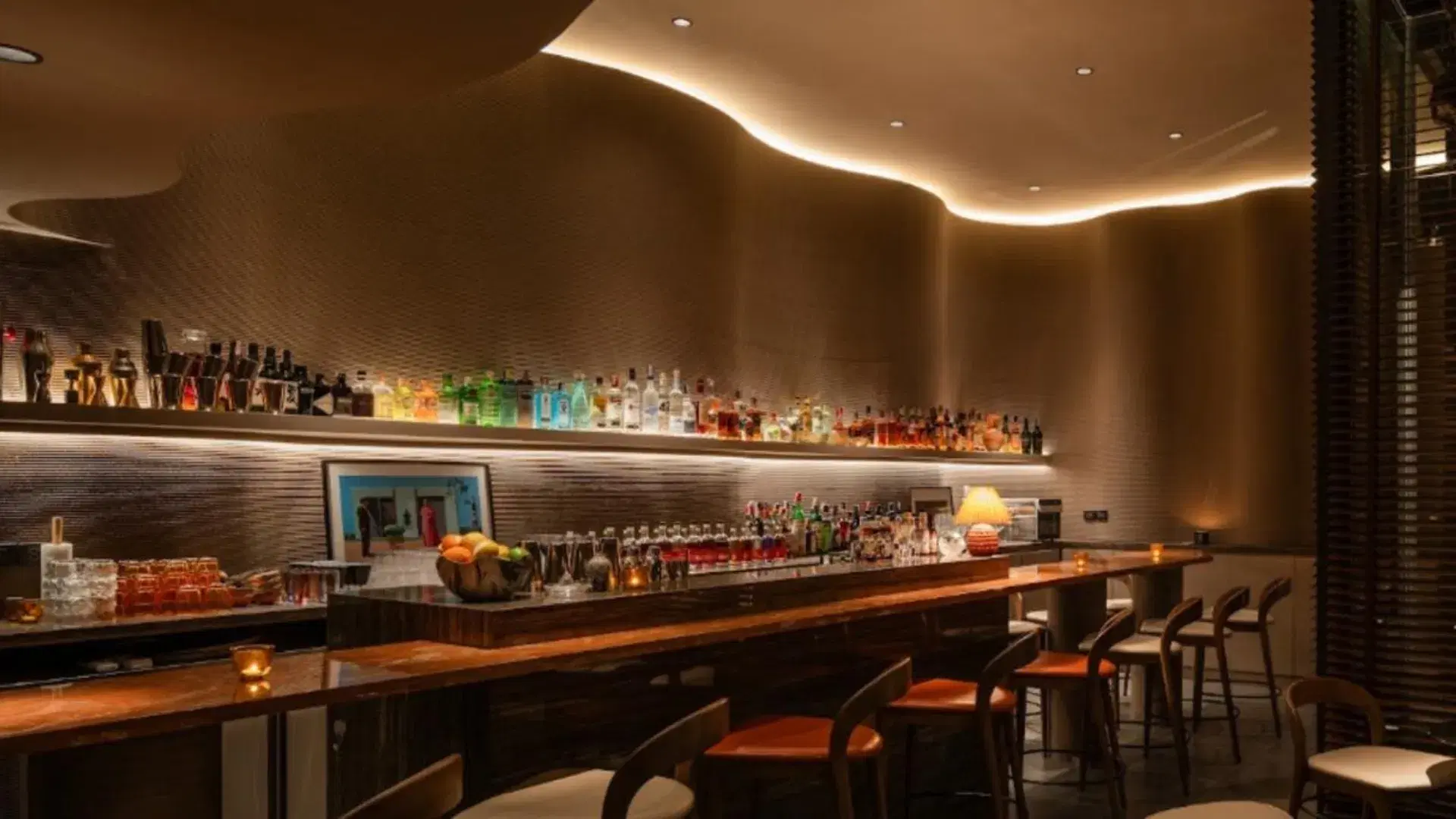
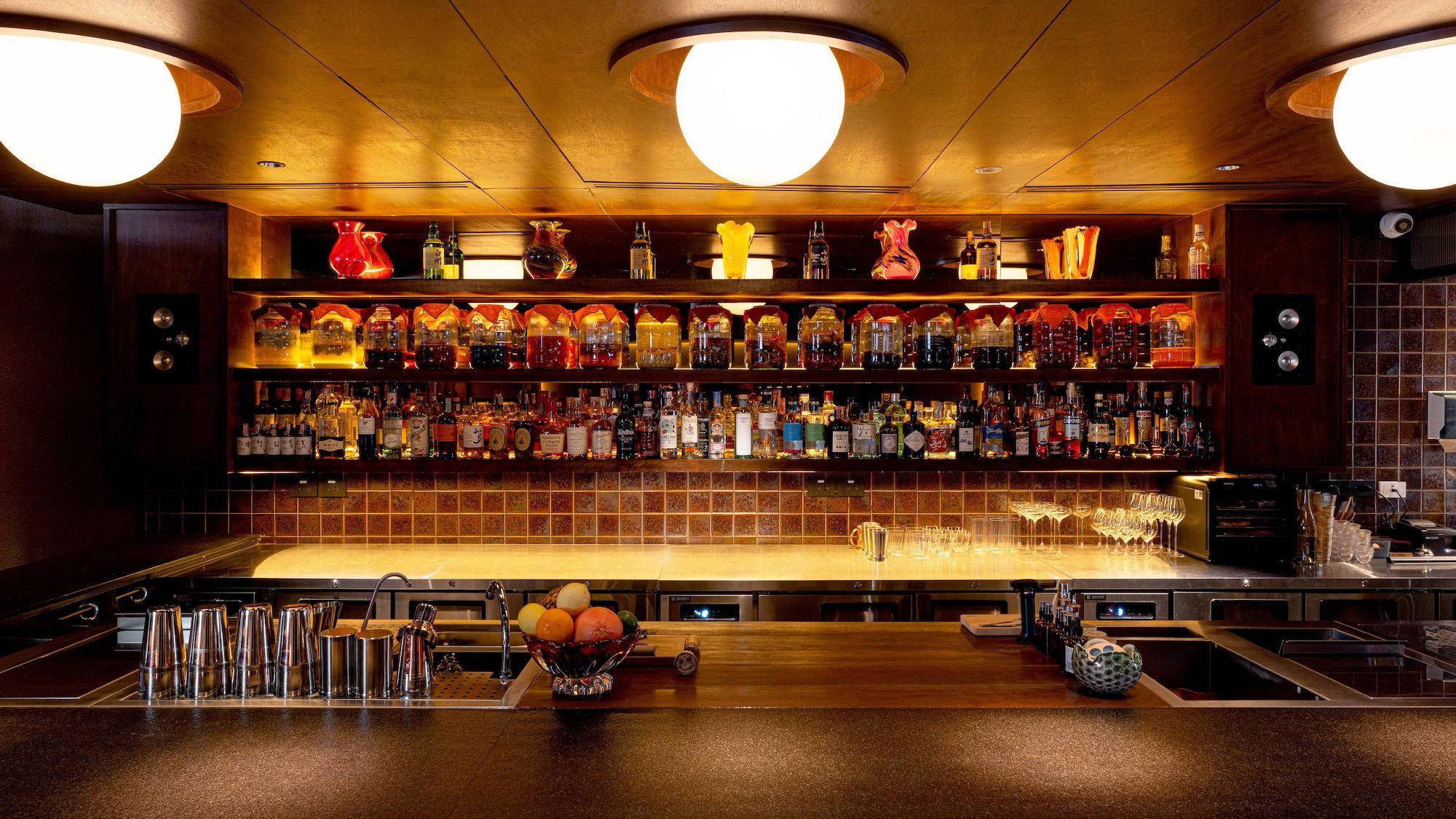
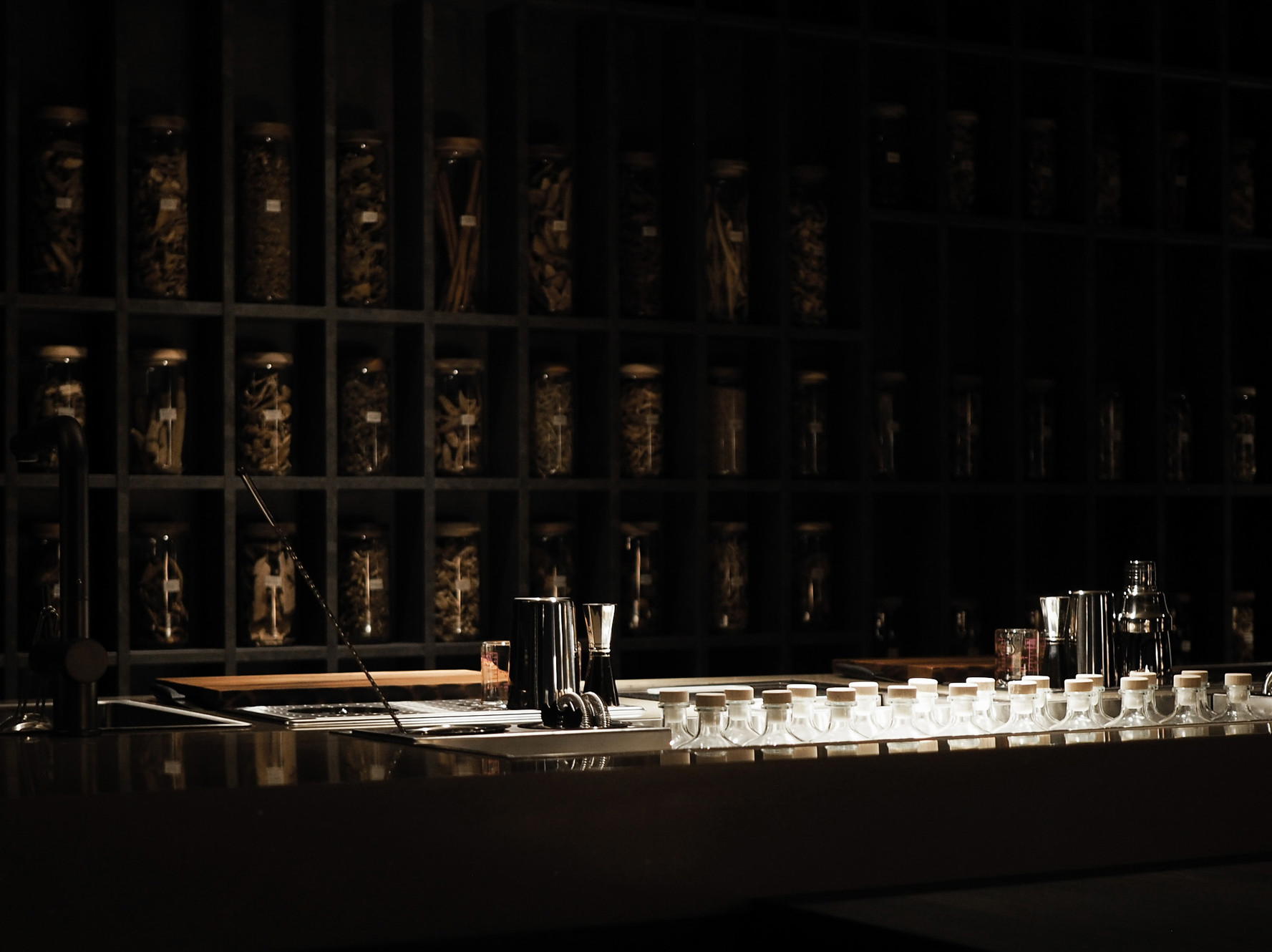
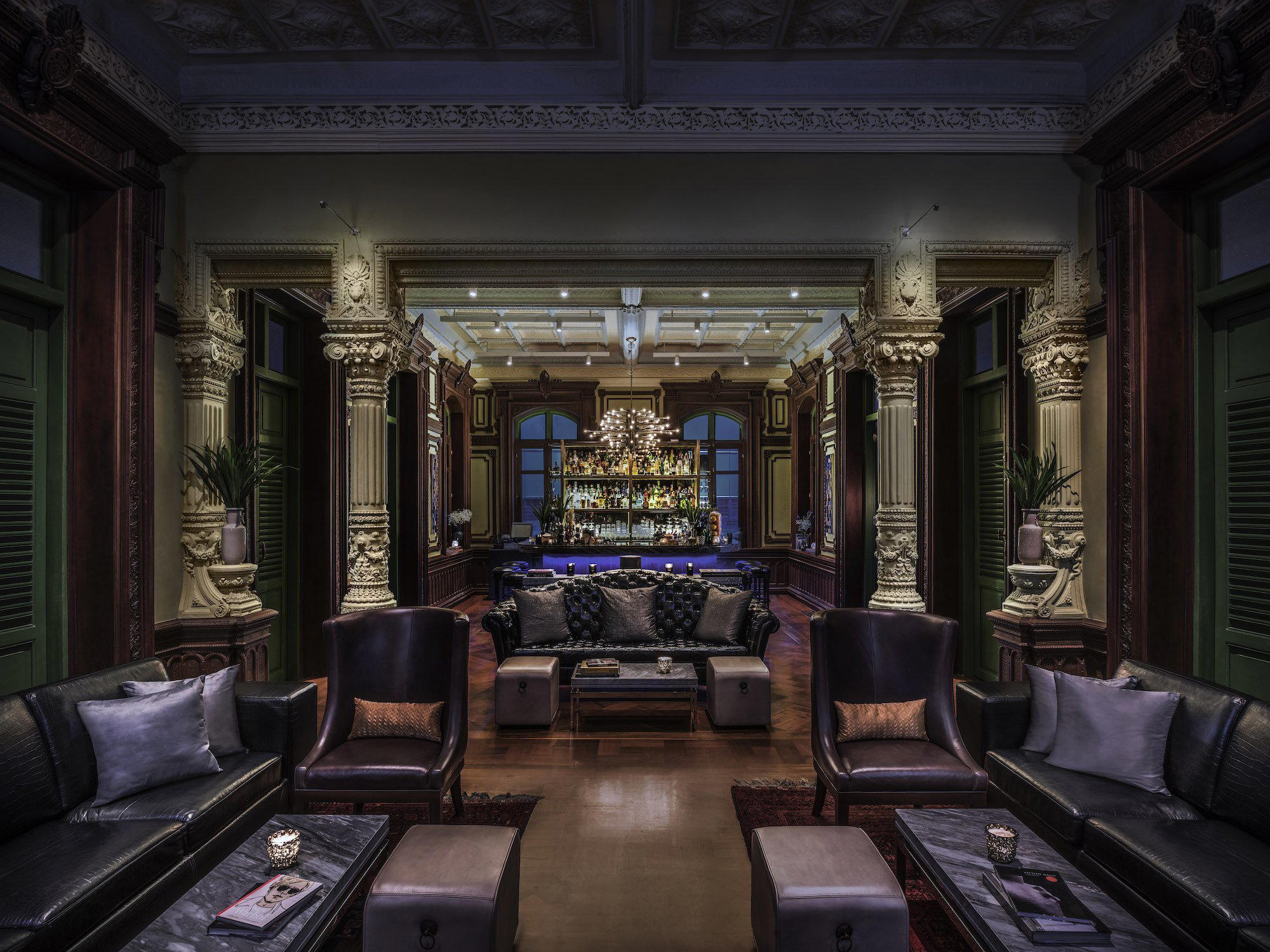
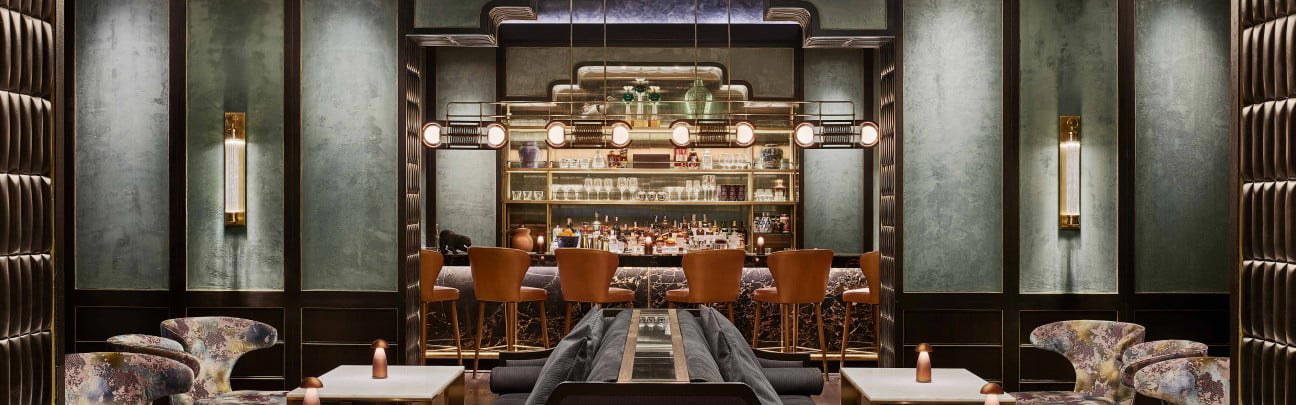
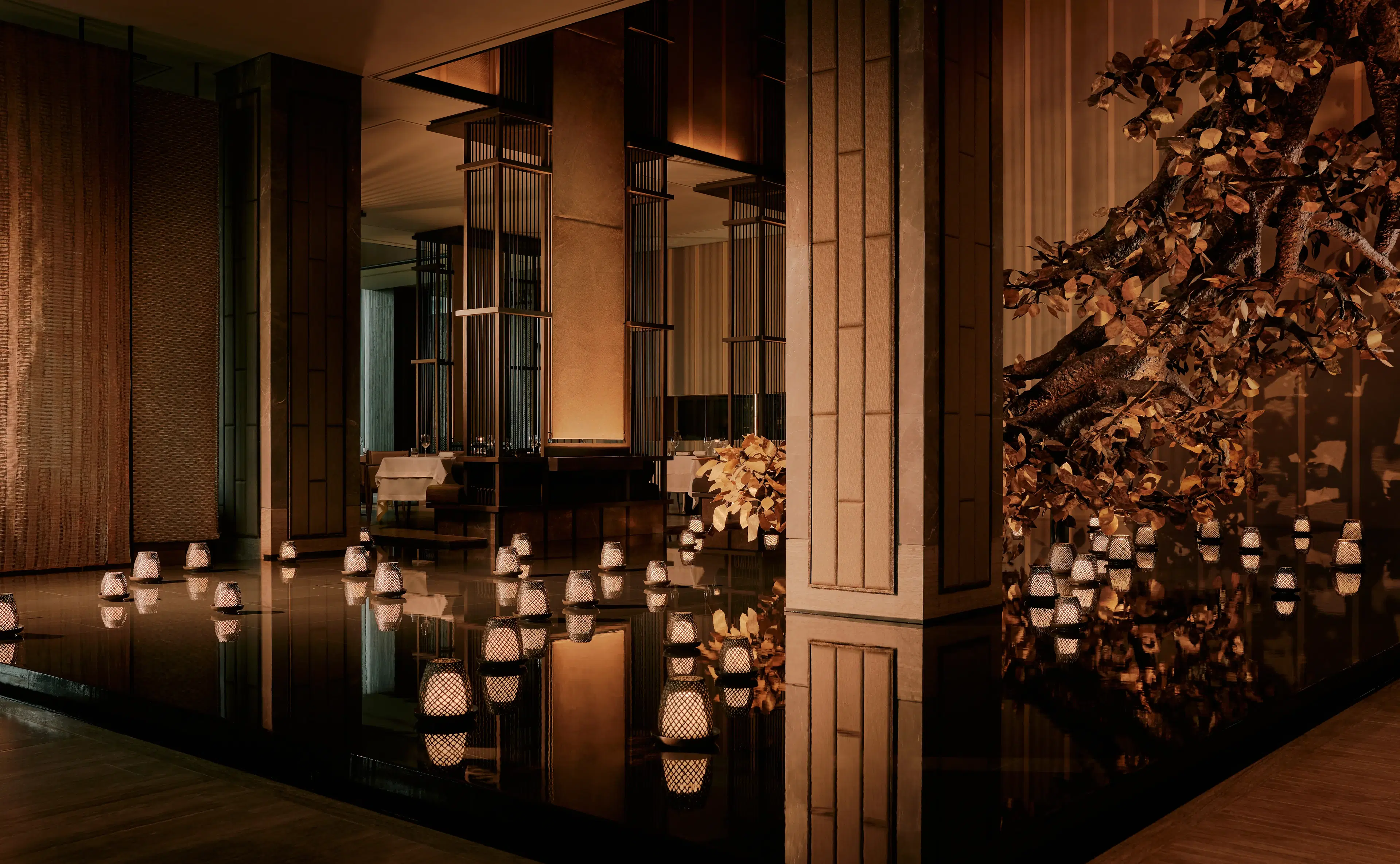
Sophisticated and spacious with warm inviting atmosphere, beautiful decorations, and attentive service creating a memorable dining experience.