Retiro da Costiña





2 Michelin Stars · La Liste Top Restaurants · Guía Repsol 2 Soles
Our verdict
Retiro da Costiña serves modern creative Galician fine dining in Santa Comba, with quiet, formal service and an extended experience.

Pearl is the En Primeur Club membership app, where members save venues, book tables and use the concierge.
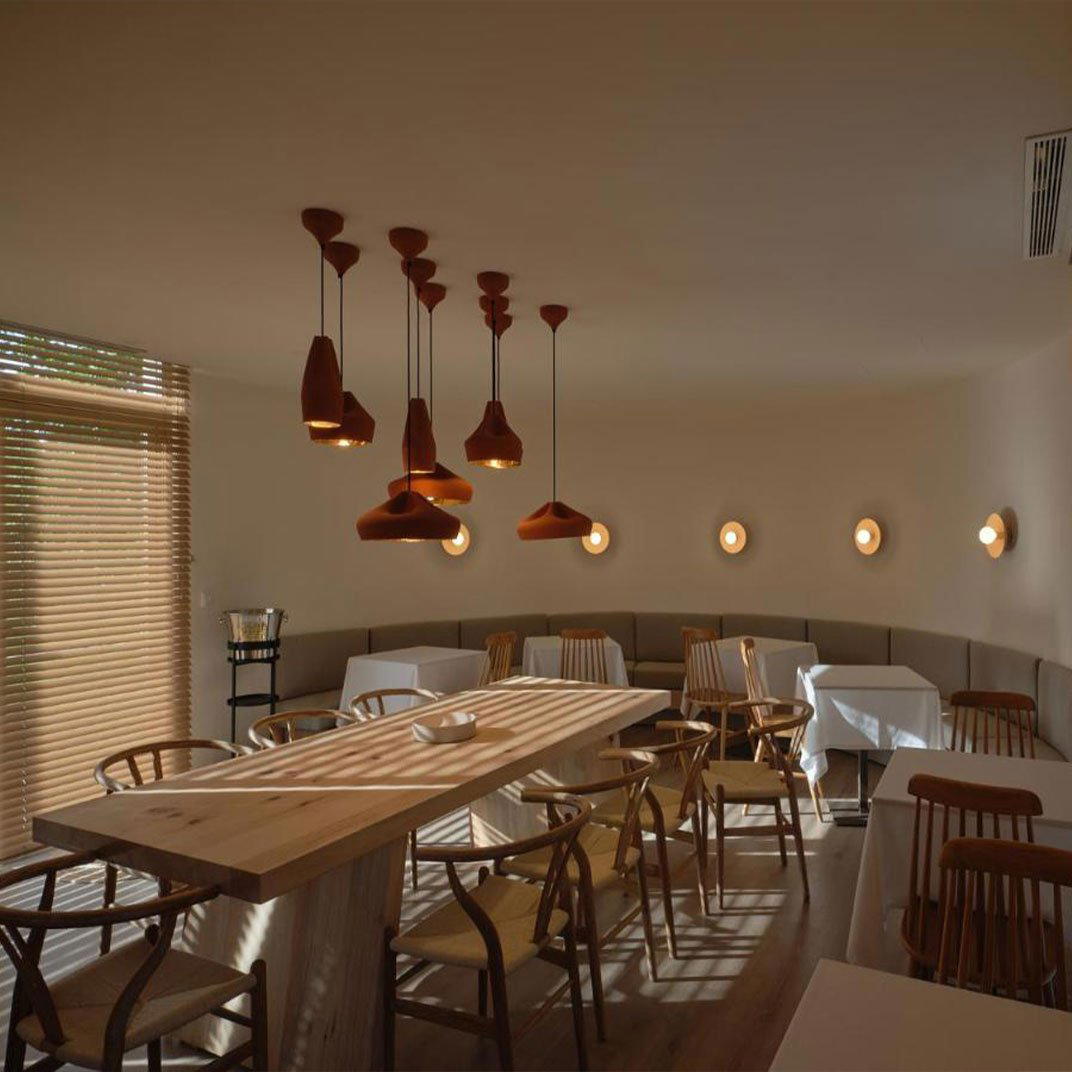
The Building and the Experience
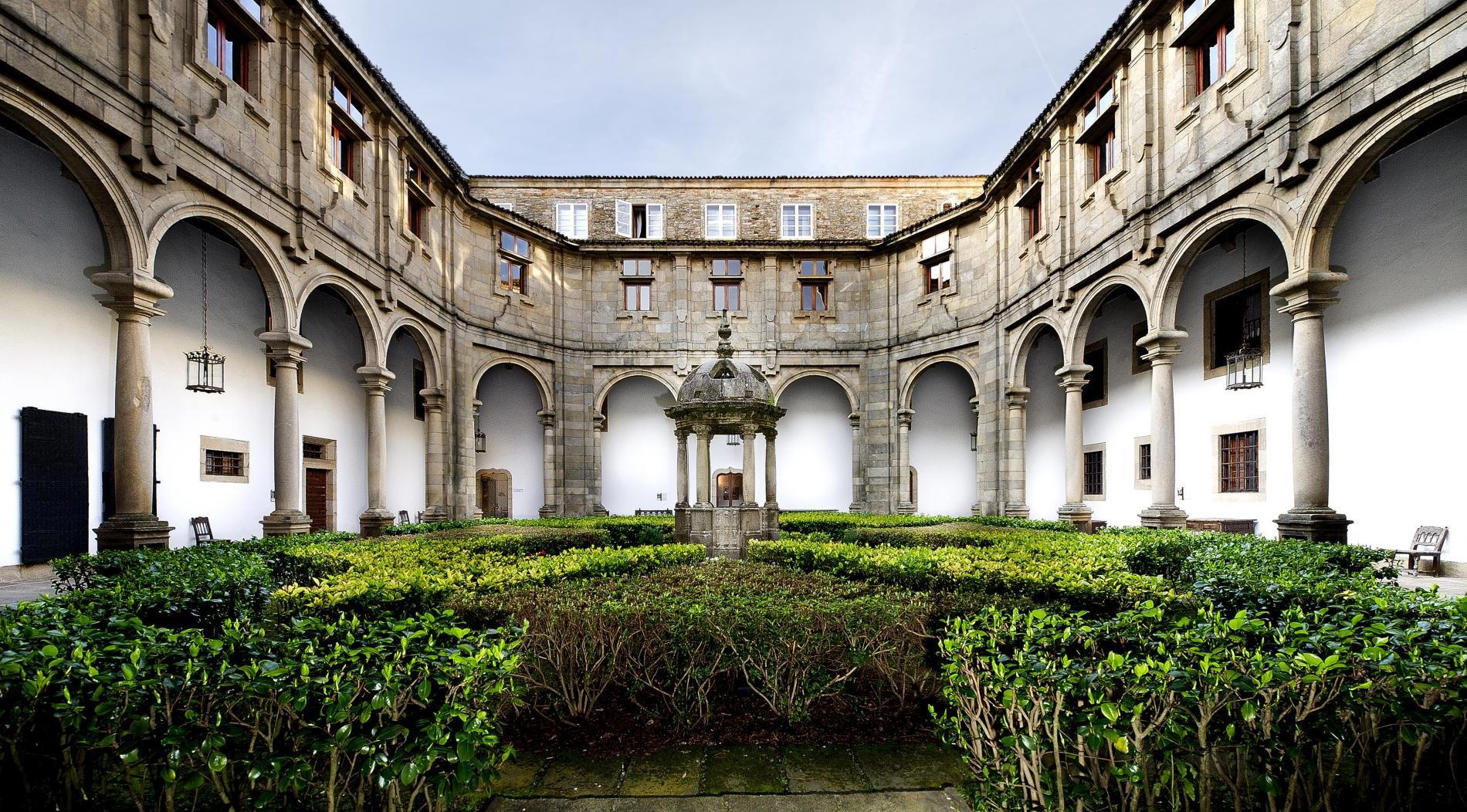
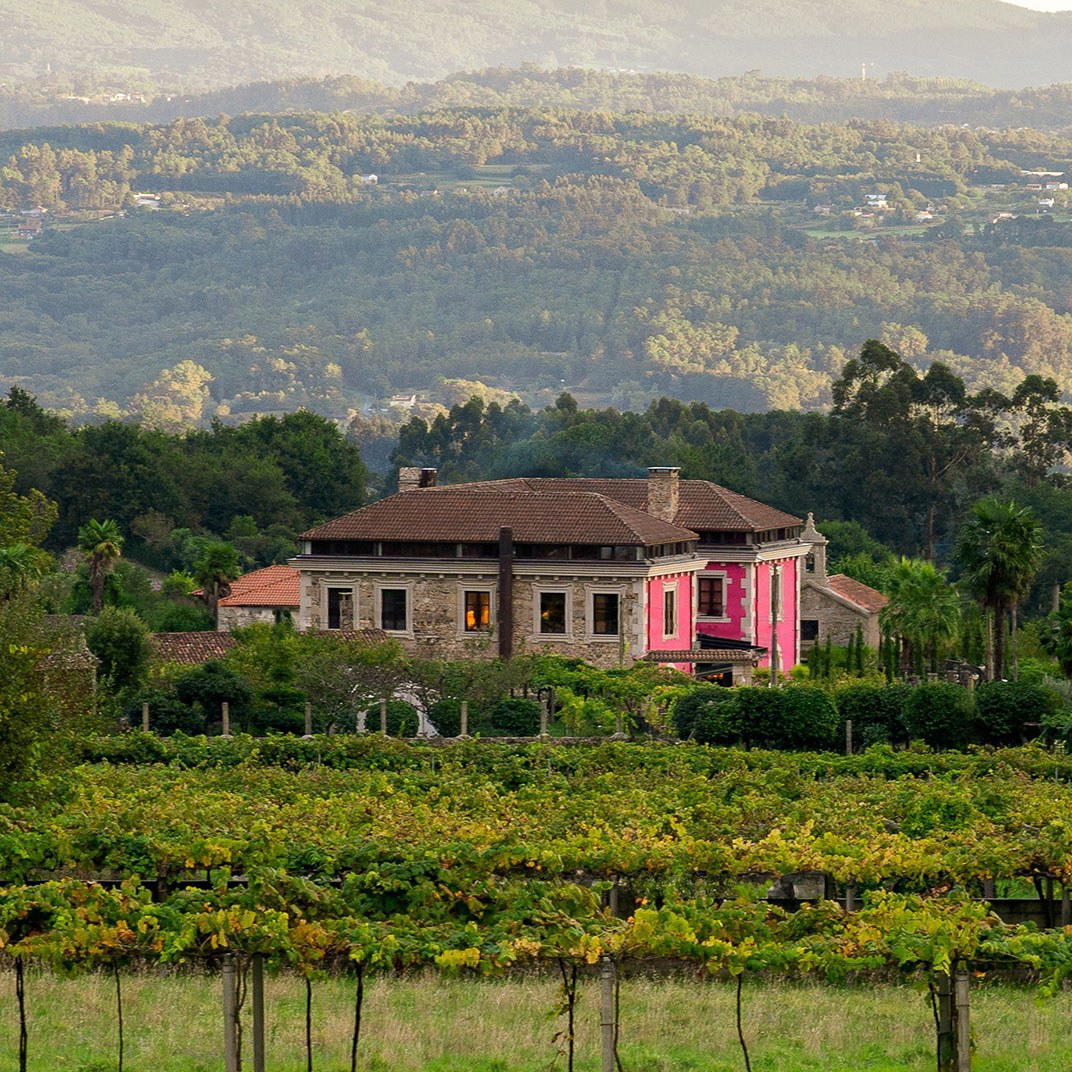
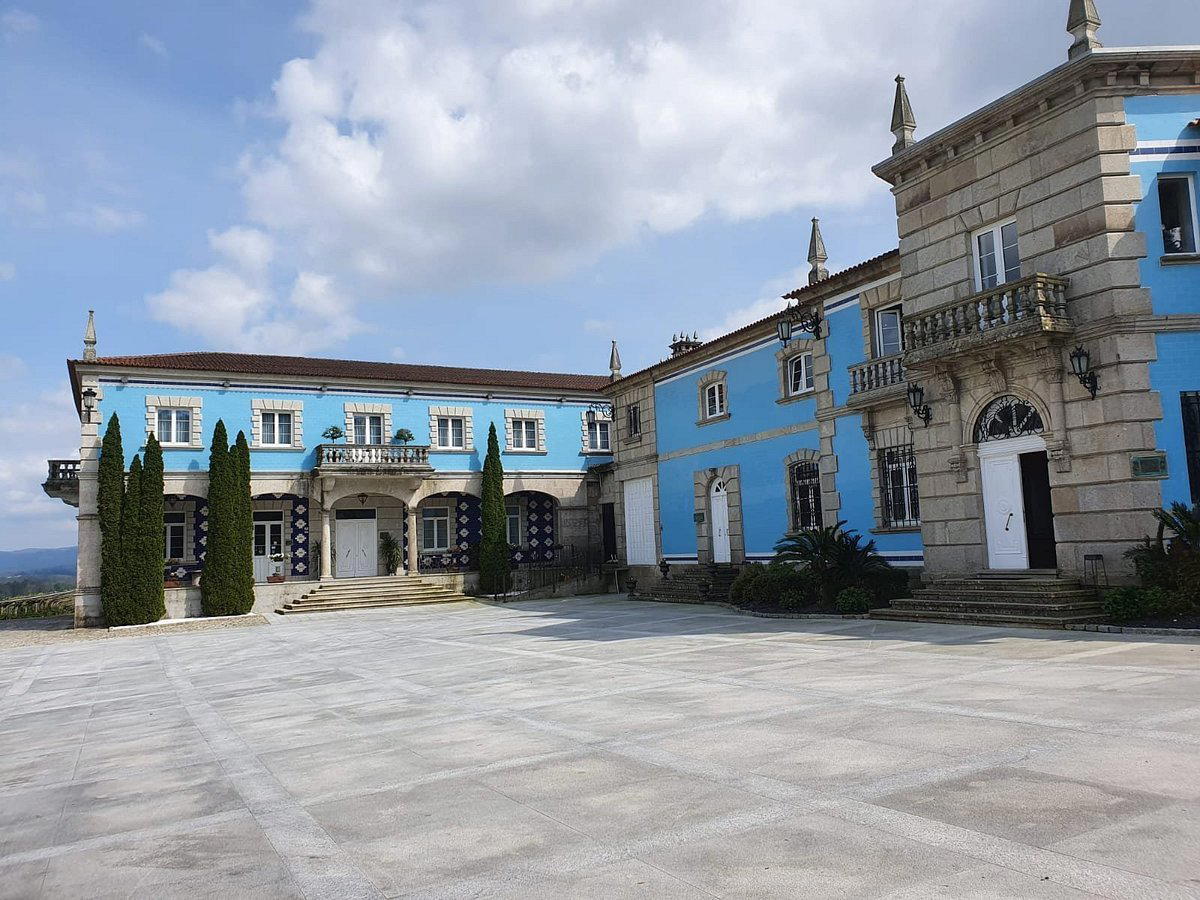
The dining experience at Retiro da Costiña does not begin at a restaurant table. It begins on the ground floor, in a Champagne corner that sets the tone for what follows: a multi-stage progression through the building itself. From there, the sequence moves through a bakery section and into a bodega described by La Liste, which awarded the restaurant 83 points in its 2026 Leading Restaurants ranking, as spectacular. The first-floor dining room follows, with the full meal concluding in a lounge fitted with sofas and a fireplace, where post-dinner coffee, petits-fours, and a wide selection of spirits extend the evening rather than close it abruptly.
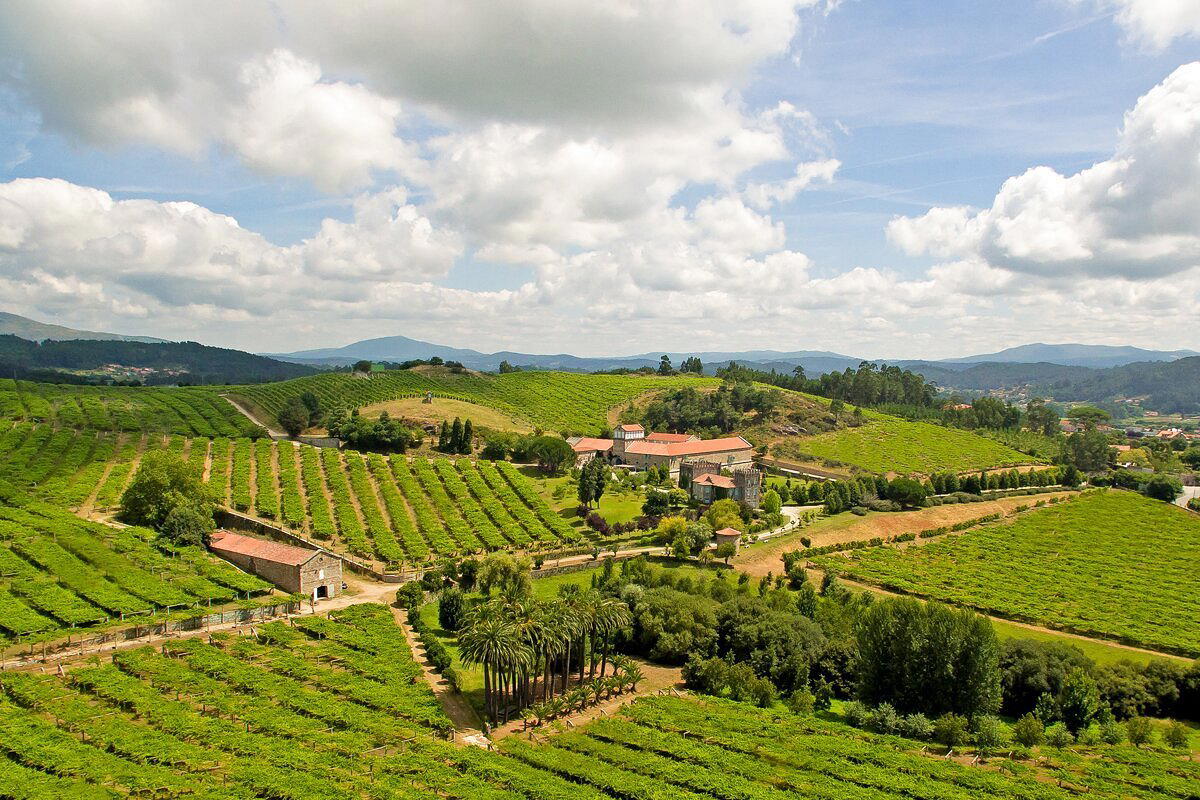
This format places Retiro da Costiña within a strand of European fine dining that treats the restaurant as a series of spaces rather than a single room. The approach is not theatrical for its own sake. Each zone corresponds to a distinct phase of the menu and a different relationship between guest and kitchen. Arriving guests are eased in; the dining room represents the central act; the lounge dissolves the formality that tasting-menu restaurants can accumulate by their final courses. For visitors travelling from outside Galicia, the design-led villas adjacent to the restaurant, modelled on a Celtic castro settlement, remove the drive entirely and extend the experience into an overnight stay.
The Tasting Menu and Its Anchors
The current centrepiece is the Costiña 85 Aniversario menu, named in reference to the business's founding year of 1939, when Manuel García's grandparents established the original operation. The eighty-five-year span between that founding and the present menu is not incidental framing. It functions as an argument: that what a kitchen can do with sea bass, spider crab, and locally reared chicken in 2024 is inseparable from what this family has understood about Galician ingredients across generations. The ría estuaries produce shellfish, particularly spider crab and percebes, that chefs across the country source from here. The Atlantic coast contributes white-fleshed fish of consistent quality. Inland, chicken breeds and livestock raised in the Galician interior carry a character shaped by the wet, temperate climate and pasture-fed rearing. The Costiña 85 menu uses this material not as regional patriotism but as editorial discipline: García's creative perspective, according to La Liste's citation, approaches these traditional ingredients from a contemporary angle rather than simply reproducing heritage cooking.
That combination, classical Galician product handled through a modern culinary intelligence, is also what Michelin has rewarded with two stars for consecutive years, 2024 and 2025. For the guidance Michelin provides, two stars indicates cooking worth a detour. What distinguishes individual restaurants within that tier is often the specificity of their geographic and cultural argument.enprimeurclub. Quique Dacosta in Dénia makes an argument about the Mediterranean coast of Valencia. Azurmendi in Larrabetzu makes an argument about the Basque countryside. Ricard Camarena in València and Atrio in Cáceres each anchor themselves to their specific territory. Retiro da Costiña's argument is about inland Galicia, and it makes that argument with the weight of a family history stretching back to 1939.
This is a meaningfully different position from the restaurants that define Spanish fine dining in international media. It is also more demanding of the guest. The reward is a version of Galician cooking that carries institutional depth rather than the energy of a recently launched concept.
What the Ratings Tell You
It suggests consistent delivery across a wide sample, which at this price point, the restaurant sits at the top tier of Spanish fine dining pricing, is the minimum expectation but not always the reality. Ranked 518th among European restaurants by Opinionated About Dining in 2025, Retiro da Costiña occupies a position in the broader continental ranking that reflects the combination of its critical recognition and its geographic remoteness. Restaurants in accessible urban centres with equivalent technical ability tend to accumulate reviews faster; the OAD position here reflects genuine critical standing rather than volume-driven ranking.
For international comparisons in the broader modern cuisine space, Frantzén in Stockholm and FZN by Björn Frantzén in Dubai represent the kind of multi-room, immersive format that has become a reference point for high-end tasting experiences globally. Retiro da Costiña's multi-stage spatial progression through the building places it in a comparable structural conversation, even if its scale, ingredients, and cultural roots are entirely distinct. Given the multi-course, multi-space format of the tasting menu and the option of overnight accommodation in the adjacent villas, this is a destination that suits an overnight stay rather than a single-meal dash.enprimeurclub. Booking well in advance is advisable at this tier; two-starred Galician restaurants in small towns do not have the same volume of covers as their urban counterparts, and availability reflects that.
Frequently asked questions
Can I bring kids to Retiro da Costiña?
The Costiña 85 Aniversario tasting menu is a multi-stage experience moving through a champagne corner, a bakery, a bodega, and a first-floor dining room before concluding in a lounge with post-dinner petits-fours. That format, combined with two Michelin stars and a €€€€ price point, is calibrated for adult guests who can sustain a long, progressive meal. Families with young children would likely find the pace and structure a poor fit.
What's the overall feel of Retiro da Costiña?
The restaurant occupies a family-run building that has been operating since 1939, and that history is present in the architecture: a ground-floor champagne corner gives way to a bakery, then a bodega, then the main dining room, and finally a lounge with sofas and a fireplace for the close of the evening. La Liste describes it as a place where passion for hospitality is as apparent as the cooking. The effect is more rooted and domestic than the clinical minimalism of many two-star spaces.
What distinctions does Retiro da Costiña have?
Retiro da Costiña has received recognition including: La Liste Top Restaurants (2026): 83pts; A restaurant that will be a pleasant surprise for guests, both in terms of its passion for hospitality, its use of the very best ingredients, and its small town location. Ably supported by his family,….
What do people recommend at Retiro da Costiña?
The Costiña 85 Aniversario tasting menu is the reason to make the drive to Santa Comba. La Liste specifically highlights its grounding in traditional Galician ingredients, including sea bass, spider crab, and locally reared chicken, approached from a creative angle. The bodega stage of the meal and the post-dinner lounge with its spirits selection draw particular attention in the venue's La Liste citation.
At-a-Glance Comparison
| Venue | Cuisine | Price | Awards | Notes |
|---|---|---|---|---|
| Retiro da CostiñaThis venue (the venue you are viewing) | Modern Creative Galician Fine Dining | $150–200 | 2 Michelin Stars · La Liste Top Restaurants | Not listed |
| Aponiente | Avant-Garde Marine Seafood | $200–300 | 3 Michelin Stars · World's 50 Best #84 | Progressive - Seafood, Creative |
| Arzak | Contemporary Basque Fine Dining | $300–500 | 3 Michelin Stars · World's 50 Best #31 | Modern Basque, Creative |
| DiverXO | Avant-Garde Spanish Tasting Menu | $300–500 | 3 Michelin Stars · World's 50 Best #4 | Progressive - Asian, Creative |
| El Celler de Can Roca | Creative Catalan Fine Dining | $300–500 | 3 Michelin Stars · World's 50 Best #2 | Progressive Spanish, Creative |
| Quique Dacosta | Avant-Garde Spanish Fine Dining | $300–500 | 3 Michelin Stars · World's 50 Best #65 | Creative |
Recognition history
Dated appearances from independent guides and award organizations, with the underlying list record or original source where available.
Michelin 2 Stars
Michelin
La Liste Top Restaurants
La Liste
Guía Repsol 2 Soles
Guía Repsol
Macarfi 9.2 Food Rating
Macarfi
Opinionated About Dining Top Restaurants in Europe Recommended
Opinionated About Dining
Full recognition history (8 entries)
Michelin 2 Stars
Michelin
Opinionated About Dining Top Restaurants in Europe Ranked #518
Opinionated About Dining
Michelin 2 Stars
Michelin
Continue exploring
More in Santa Comba
Restaurants in Santa Comba
All restaurants in Santa Comba →
Hotels in Santa Comba
All hotels in Santa Comba →
Retiro da Costiña
The wine
- Wine program
- Deep wine list
- Extensive wine list
Details
- Elegant
- Cozy
- Intimate
- Sophisticated
- Rustic
- Special Occasion
- Celebration
- Date Night
- Wine Cellar
- Private Dining
- Extensive Wine List
- Local Sourcing
- Tasting Menu
- Wine Pairing
- Vegetarian Friendly
- Gluten Free Options
- Vegan Options
Current opening hours
- Monday
- Closed
- Tuesday
- Closed
- Wednesday
- 1:30–3 PM
- Thursday
- 1:30–3 PM
- Friday
- 1:30–3 PM, 9–10 PM
- Saturday
- 1:30–3 PM, 9–10 PM
- Sunday
- 1:30–3 PM
Hours can change for holidays and private events. Hours as of .
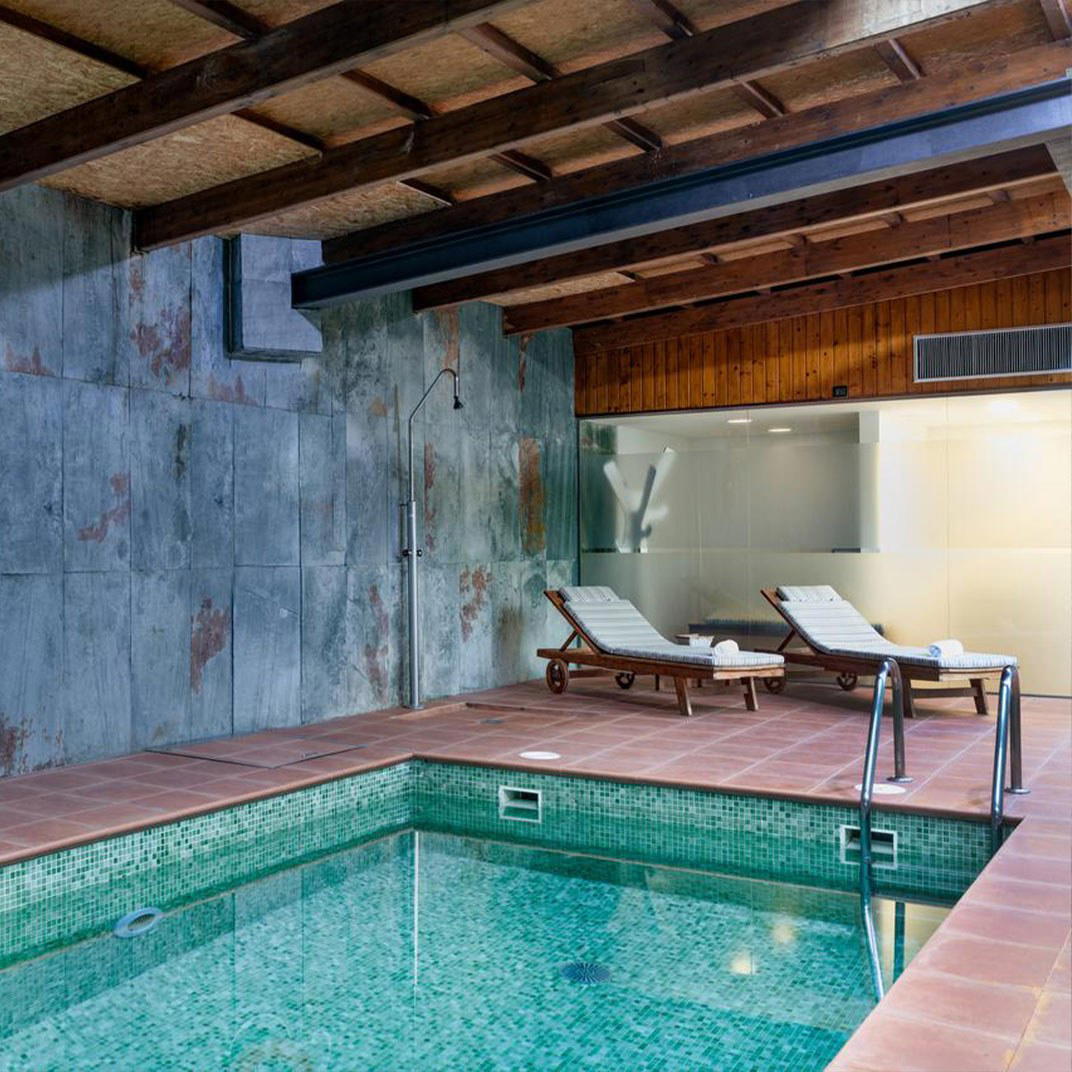
Pleasant dining room with cozy lounge featuring sofas and fireplace, elegant and welcoming atmosphere.