Restaurante Sushi Hiroshi operates from Rua Capitão Manuel Novaes in Santana, a northern São Paulo neighbourhood that sits well outside the usual circuit of Jardins and Itaim Bibi dining. São Paulo's Japanese-Brazilian culinary tradition runs deep, and neighbourhood sushi counters like Hiroshi represent the everyday infrastructure of that culture rather than its showcase tier. Visitors seeking the city's Japanese dining scene beyond the fine-dining bracket will find Santana a less-trafficked reference point.
Pearl is the En Primeur Club membership app — saves, bookings, and concierge access live there. Same editors, same standards.
- Address
- Rua Capitão Manuel Novaes, 189 - Santana, São Paulo - SP, 02017-030, Brazil
- Phone
- +551129787128
- Website
- sushihiroshisp.com.br
- Directions
- Get directions
 Saves & bookings on Pearl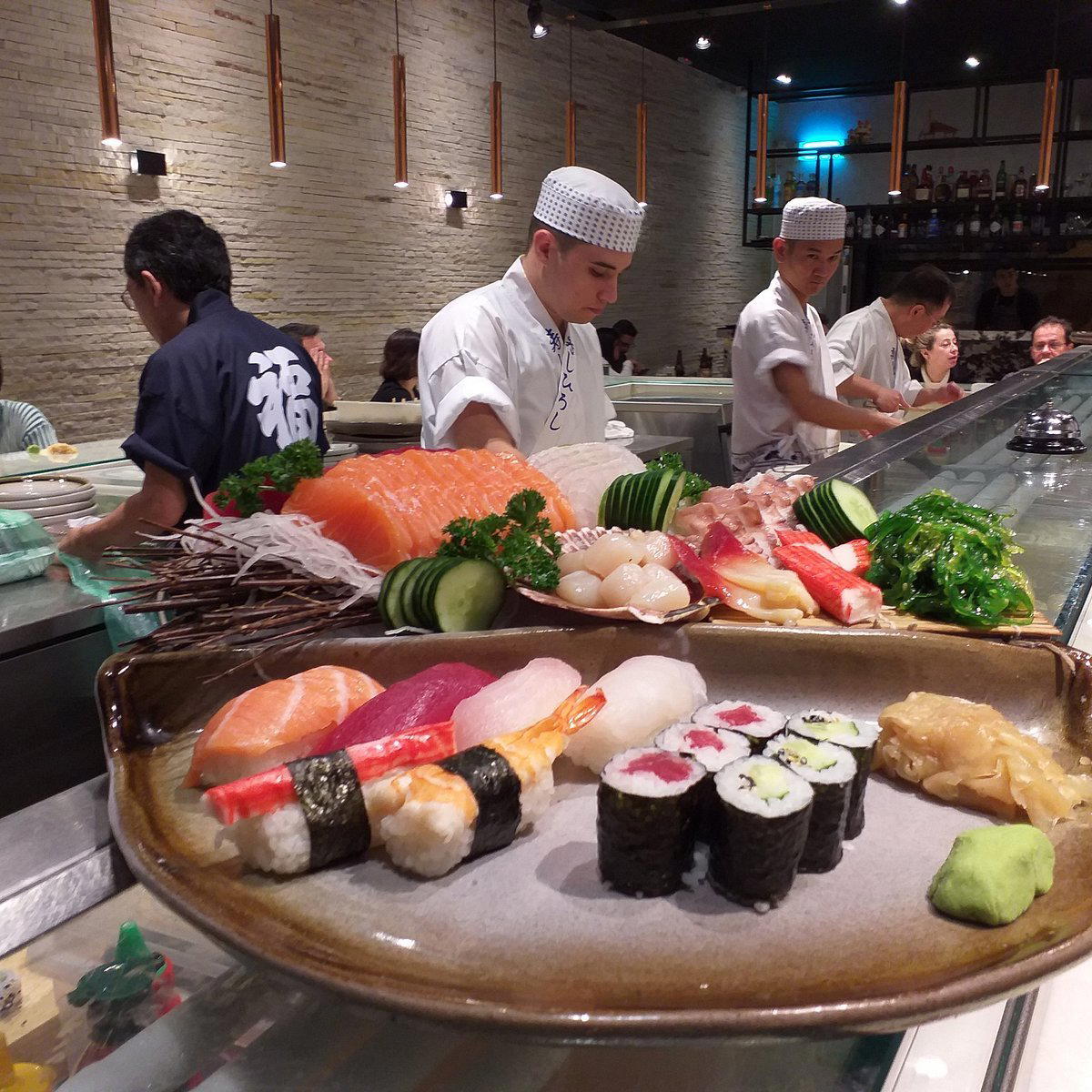
Santana and the Distributed Geography of São Paulo Sushi
Restaurante Sushi Hiroshi is a traditional Japanese sushi restaurant in Santana, São Paulo, with. While D.O.M. Evvai, and Tuju cluster around Jardins and Pinheiros, the city's sushi counters and Japanese restaurants spread across virtually every bairro, from Liberdade, the historic Japanese-Brazilian neighbourhood near the centro, northward into residential districts that rarely appear in international dining press. Santana, where Restaurante Sushi Hiroshi sits on Rua Capitão Manuel Novaes, belongs to that distributed geography. It is a neighbourhood of apartment blocks, local commerce, and families rather than of expense-account dinners, which shapes the kind of restaurant that establishes itself and endures there.
Brazil hosts the largest Japanese diaspora outside Japan, a community that has been settled in São Paulo since the early twentieth century. That history has produced a culinary tradition that is neither straightforwardly Japanese nor straightforwardly Brazilian, but something calibrated to local palates, local ingredients, and local economics. The neighbourhood sushi counter, operating at a price point accessible to residents rather than to visitors on hotel budgets, is one expression of that tradition. It contrasts sharply with the omakase counters of Jardins or the high-format Japanese dining represented by venues like Jun Sakamoto, which prices and pitches itself against an entirely different competitive set. Hiroshi, by address and neighbourhood character, operates closer to the former model.
The Physical Container: What the Address Suggests
São Paulo's mid-tier Japanese restaurants tend toward a consistent spatial logic: compact rooms, close-set tables, a sushi bar running along one wall, and décor that prioritises function over statement. The aesthetic is often one of considered restraint, the kind that accumulates over years of operation rather than being installed by a designer. In Santana, where commercial rents sit below those of the Jardins corridor, restaurants occupy the space they can sustain, which tends to produce rooms that feel inhabited rather than staged.
This spatial character matters because it shapes the experience before a single plate arrives. The absence of formal tasting-menu theatrics, the proximity of neighbouring tables, the ambient noise of a neighbourhood rather than a destination restaurant, these are not deficits in the Santana context. They are the environment in which Japanese-Brazilian neighbourhood dining has always operated, and they carry their own kind of authority. Visitors accustomed to the curated silence of a counter like Atomix in New York or the dining-room formality of Le Bernardin will encounter something categorically different here: a room built for regulars, not for occasions.
The street itself, Rua Capitão Manuel Novaes, runs through a residential-commercial stretch of Santana that requires no particular navigation once you have the address. The nearest metro access point is Santana station on Line 1-Blue, making the restaurant reachable from central São Paulo without a car, though the walk from the station covers several blocks through a neighbourhood that sees little tourist foot traffic.
São Paulo's Japanese Dining Spectrum
Understanding where Hiroshi fits requires some sense of the full spectrum São Paulo Japanese dining now covers. At the leading sits a cluster of omakase and kaiseki-adjacent operations that price and perform at a level comparable to their counterparts in other global cities. Below that, a mid-tier of established neighbourhood restaurants, many operating for decades, some within families, provides the everyday infrastructure of the city's Japanese food culture. This is where the serious local knowledge lives: the regulars who have been eating at the same counter for twenty years, the fish sourced through relationships built over time, the miso soup that reflects a specific regional preference.
The contrast with São Paulo's contemporary fine-dining tier is instructive. Maní and venues at the Fame Osteria level operate with press profiles, awards recognition, and international visibility. A neighbourhood sushi counter in Santana operates without most of those signals, which means its reputation is built entirely through repeat local patronage. That is a different kind of credibility, and for visitors interested in the city's Japanese-Brazilian culture rather than its award-circuit restaurants, it may be a more instructive one.
For broader context on how São Paulo's dining scene organises itself across neighbourhoods and price points, the EP Club São Paulo restaurants guide maps the full range. Those planning to eat across Brazil more widely may also find reference points in Lasai in Rio de Janeiro or in regional venues like Cantina Pozzobon in Santa Maria and Bistro Fitz Carraldo in Manaus, each of which reflects a distinct regional character.
Planning a Visit
Restaurante Sushi Hiroshi is located at Rua Capitão Manuel Novaes, 189, in the Santana district of northern São Paulo, postcode 02017-030. Reservations are recommended. Given the neighbourhood context, peak weekend lunch hours tend to draw local families and regulars; arriving outside those windows typically means shorter waits at mid-tier neighbourhood restaurants of this type. The restaurant is in price tier 3, at about US$40 per person.
Those exploring São Paulo's broader dining geography beyond the standard Jardins-Pinheiros circuit may also consider venues in adjacent contexts: Aero Burguer e Grill in Santa Cruz do Sul, Arte e Café Imperial in Angra dos Reis, Casa da Dika in Bragança, Casa da Flor in Dourados, Casa da Picanha Penedo in Itatiaia, Famosa Pizza in Ribeirão Preto, and Fornazzo Pizzaria in Passo Fundo, each offering a window into how Brazil eats outside its major metropolitan fine-dining circuits.
Style and Standing
Comparable venues nearby, for context on price, style, and recognition.
| Venue | Cuisine | Price | Notes |
|---|---|---|---|
| Restaurante Sushi HiroshiThis venue — the venue you are viewing | Traditional Japanese Sushi | $$$ | Not listed |
| Jam Jardins Japanese Cusine | Japanese Fusion | $$$ | Jardim Paulista |
| Djapa Moema | Modern Japanese Rodízio | $$$ | Moema |
| Daiki Sushi | Classic Japanese Sushi | $$ | Moema |
| Restaurante Aizomê | Modern Japanese Kaiseki | $$$ | Vila Bela Vista |
| Altruísta Osteria e Enoteca | Italian Osteria with Wine Focus | $$$ | Jardim Paulista |
Continue exploring
More in São Paulo
Restaurants in São Paulo
Browse all →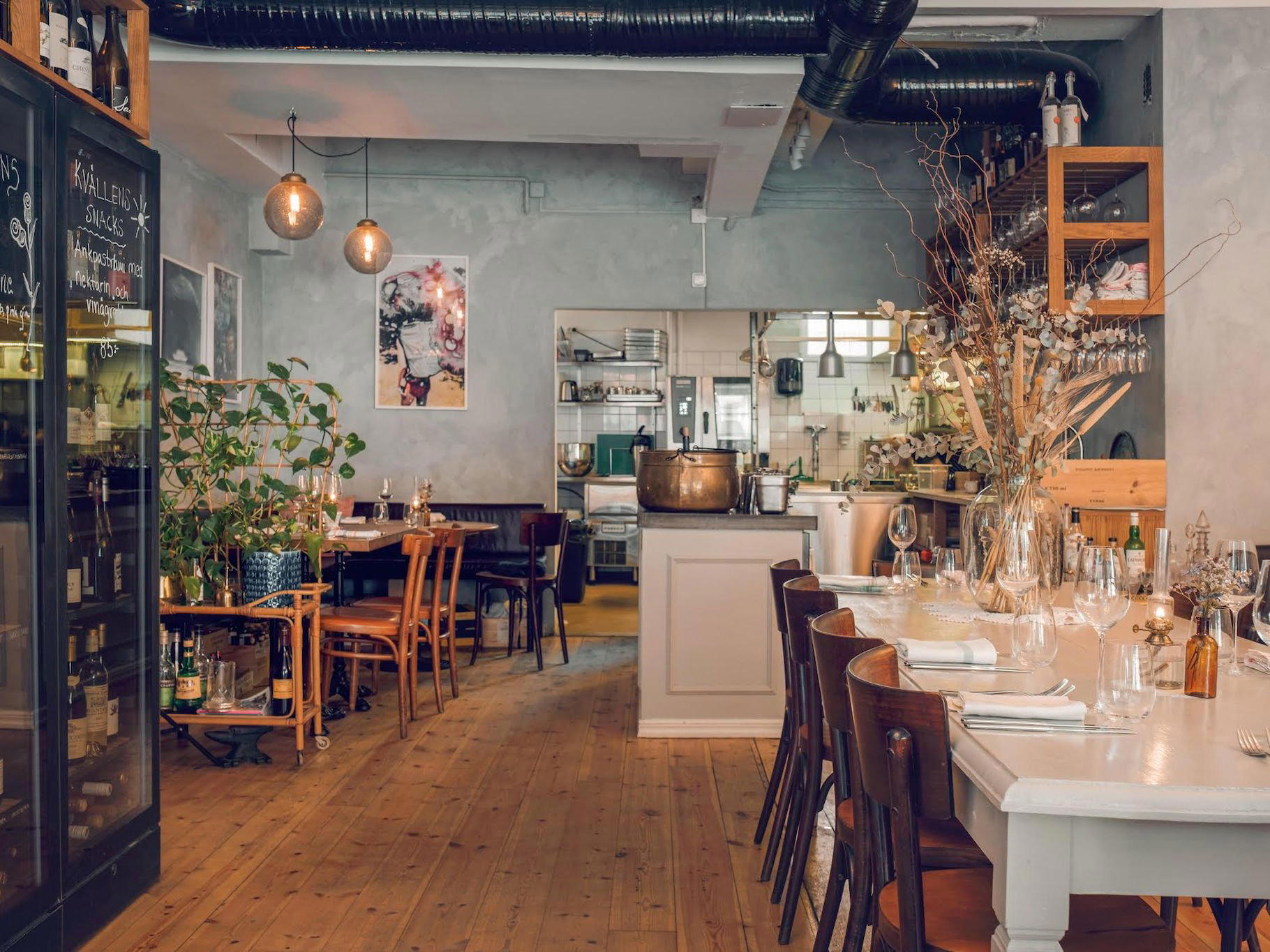
Bars in São Paulo
Browse all →
At a Glance
- Classic
- Date Night
- Family
- Sake Program
Current opening hours
- Monday
- 11:30 AM–2:30 PM, 6:30–10:30 PM
- Tuesday
- 11:30 AM–2:30 PM, 6:30–10:30 PM
- Wednesday
- Closed
- Thursday
- 11:30 AM–2:30 PM, 6:30–10:30 PM
- Friday
- 11:30 AM–2:30 PM, 6:30–10:30 PM
- Saturday
- 12–3 PM, 6:30–10:30 PM
- Sunday
- 12–3 PM, 6:30–10:30 PM
Hours can change for holidays and private events. Last verified .
Classic Japanese restaurant atmosphere focused on quality seafood preparation.