Our verdict
Djapa Moema occupies a quiet address on Rua Gaivota in one of São Paulo's most residential dining neighbourhoods, sitting within a broader city scene that has made Brazil's largest metropolis a serious destination for occasion dining. The format places it alongside Moema's quieter, table-focused restaurants rather than the high-decibel venues of Itaim Bibi or Jardins.

Pearl is the En Primeur Club membership app, where members save venues, book tables and use the concierge.
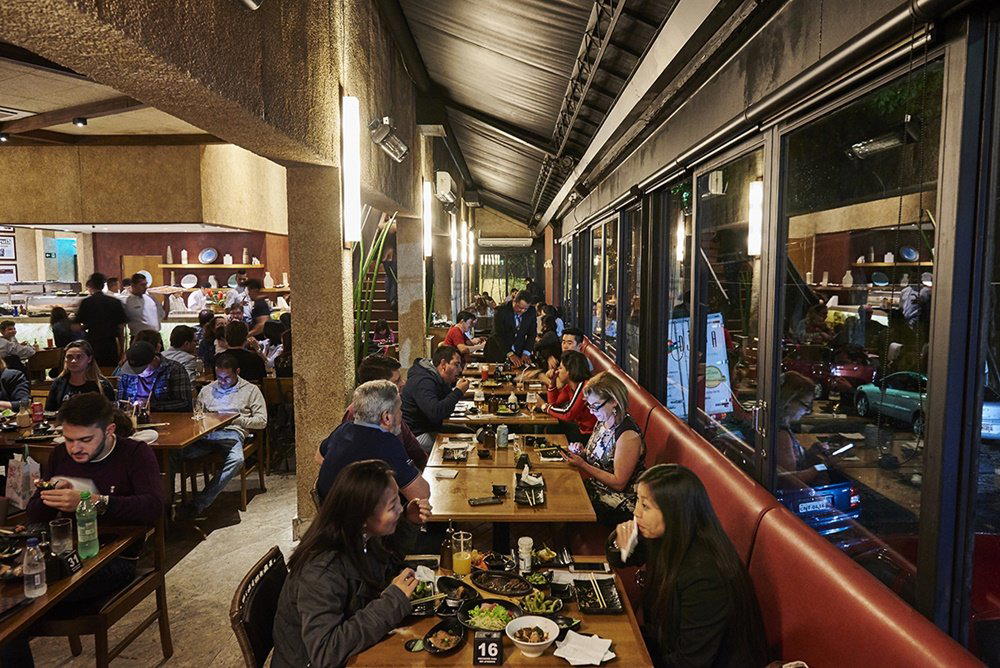
Moema's Dining Register and Where Djapa Sits
São Paulo's restaurant geography is more stratified than it first appears. The city's loudest culinary conversation happens in Itaim Bibi and Jardins, where Michelin-starred addresses like D.O.M. and Tuju anchor a competitive tier of creative and modern Brazilian cooking. Moema operates at a different frequency. The neighbourhood runs south of Ibirapuera Park, and its restaurant strip along Alameda dos Arapanés and the surrounding blocks tends to draw residents rather than destination diners. Tables here fill with anniversary groups and birthday parties more than with critics or food journalists. That local, occasion-driven character is precisely the context in which Djapa Moema should be understood.
Rua Gaivota, where the restaurant sits at number 168, is a short residential street that feeds into the wider Moema grid. Arriving on foot from the park's southern edge, the neighbourhood transitions from open green space to low-rise apartment buildings and the kind of discreet storefront restaurants that São Paulo's residential districts do particularly well. The physical approach is calm by the standards of a city that rarely slows down, which signals something about the kind of meal being offered.
The Occasion Dining Context in São Paulo
Brazilian dining culture places significant weight on the celebration meal. The long communal table, the extended Saturday afternoon lunch that runs into early evening, the birthday dinner where a kitchen sends out a progression of dishes to mark the occasion: these are not incidental to the culture, they are central to it. São Paulo's most durable restaurants are often those that have learned to hold both registers, serious enough for a milestone meal, warm enough to feel like a gathering rather than a performance.
The city has developed a wide range of price points and formats for this kind of dining. At the upper end, Evvai and Maní occupy the creative tasting-menu bracket, where a special occasion is marked by course count and technical ambition. Further down the register, neighbourhood restaurants in Moema and Pinheiros offer the kind of reliable, convivial tables that work better for a group of eight than a tasting counter built for two. The Japanese-Brazilian hybrid format, which São Paulo does more convincingly than almost any city outside Japan itself, sits comfortably across both tiers. The city's Nikkei population, the largest outside Japan, has shaped a dining tradition that runs from market stalls to multi-room restaurants, and the Djapa name (a colloquial Brazilian Portuguese term for someone of Japanese descent) places this address squarely within that tradition.
Japanese-Brazilian Cooking as a São Paulo Category
The Japanese-Brazilian format is not fusion in the careless, grab-bag sense. It is a cooking tradition with its own internal logic, developed over more than a century of cultural exchange. Brazilian ingredients, the acidity of passion fruit, the earthiness of tucumã, the heat of regional peppers, find their way into preparations rooted in Japanese technique. The result, at its most coherent, is cooking that reads as neither imported nor imitative, but genuinely local. São Paulo's leading addresses in this format treat the combination as a starting point rather than a selling point.
For occasion dining specifically, this format has particular advantages. The shared-plate conventions of Japanese service translate well to celebratory tables. Cold preparations that hold well through conversation, proteins that arrive at different temperatures and textures across a meal, and the visual precision that Japanese plating traditions bring to the table all suit the rhythm of a group celebrating something. It is a format built for lingering, which is what a birthday or anniversary dinner in São Paulo is expected to do.
Across Brazil, restaurants working in related registers include Manga in Salvador, which draws on Bahian ingredients with global technique, and Oteque in Rio de Janeiro, which operates at a different formality level but shares the instinct for placing Brazilian produce at the centre of a technically demanding menu. São Paulo's own depth in this space is covered more fully in our full São Paulo restaurants guide.
Planning a Meal at Djapa Moema
Moema restaurants at the table-service level tend to book ahead on weekends, particularly for groups of four or more. São Paulo's dining week runs Thursday through Saturday with particular intensity, and neighbourhood addresses in Moema draw heavily from local residents who book their milestone meals close to home rather than crossing the city. Arriving without a reservation on a Friday or Saturday evening is a risk in this bracket, regardless of the specific venue.
The neighbourhood is accessible by metro on the Linha 5-Lilás, with the Eucaliptos or Moema stations placing diners within walking distance of Rua Gaivota. Parking is available on surrounding streets, and the area is generally well-served by ride-share apps, which dominate urban transport in São Paulo's dining districts. For out-of-town visitors building a São Paulo itinerary, Moema makes sense as a dinner destination on an afternoon that starts at Ibirapuera Park, particularly given the neighbourhood's relative calm compared to Jardins or Vila Olímpia.
For those building a broader picture of serious Brazilian restaurant cooking beyond São Paulo, Manu in Curitiba, Birosca S2 in Belo Horizonte, and Mina in Campos do Jordão each represent distinct regional registers worth understanding alongside what São Paulo's neighbourhood dining scene offers. Italian-influenced addresses in the state include Olivetto Restaurante E Enoteca in Campinas, while further afield, Orixás | North Restaurant in Itacaré and the State of Espírito Santo in Rio Bananal point toward the regional diversity that makes Brazilian dining difficult to reduce to any single city or tradition.
For São Paulo's Italian contemporary tier, Fame Osteria occupies a different neighbourhood and register but competes for a similar occasion-dining decision. In southern Brazil, Primrose in Gramado and Castelo Saint Andrews in Gramado serve the celebration market in a very different geographic and cultural context. Internationally, the question of what an occasion-dining restaurant should accomplish at its price point is answered very differently by Le Bernardin in New York City and Lazy Bear in San Francisco, both of which have built formats that treat the special-occasion brief seriously without becoming stiff.
Frequently asked questions
Where is Djapa Moema in São Paulo?
Djapa Moema is located at R. Gaivota, 168 - Moema, São Paulo - SP, 04522-030, Brazil, São Paulo.
How does Djapa Moema compare to other Japanese-Brazilian restaurants in São Paulo?
São Paulo has a deeper bench of Nikkei and Japanese-Brazilian restaurants than almost any city outside Japan, given the size of the city's Japanese-descendant community. Djapa Moema's location on R. Gaivota in Moema places it in a residential dining corridor that draws a local repeat clientele, which is a different context from the higher-profile Nikkei addresses in Itaim Bibi. Without current award recognition on file, the clearest differentiator is neighbourhood: Moema's dining register skews toward regulars rather than destination seekers.
What's the best thing to order at Djapa Moema?
Djapa Moema sits within the Japanese-Brazilian cooking tradition, a format with its own internal logic built over more than a century of Nikkei culinary development in São Paulo. Without a current menu on file, the strongest approach is to follow what the kitchen treats as a signature on the day, ask the floor staff directly, as this category of São Paulo restaurant typically rotates dishes around seasonal Brazilian produce interpreted through Japanese technique.
Do I need a reservation for Djapa Moema?
Moema table-service restaurants tend to fill on Thursday through Saturday evenings, and groups of four or more should expect to book at least several days ahead. The address on R. Gaivota, 168 places Djapa in a residential pocket of Moema where walk-in availability varies considerably by time of week. Contacting the venue directly before arrival is the practical approach, particularly for weekend dinners.
What has Djapa Moema built its reputation on?
Djapa Moema operates in the Japanese-Brazilian dining category, a cooking tradition São Paulo developed over more than a century as the largest Japanese diaspora community outside Japan shaped the city's food culture. That context gives restaurants in this category a depth of reference that distinguishes them from general fusion concepts. Djapa's position in Moema, a neighbourhood with a settled, local dining clientele rather than a tourist circuit, suggests a reputation built on repeat custom rather than novelty.
Do they accommodate allergies at Djapa Moema?
Given that Japanese-Brazilian cooking frequently involves soy, shellfish, and fish-based preparations, anyone with relevant allergies should check the venue's official channels before booking to confirm what accommodations are possible.
Is Djapa Moema worth the price?
No pricing data is currently on file for Djapa Moema, so a direct cost comparison against peers in Itaim Bibi or Jardins isn't possible here. What can be said is that Moema restaurants at the table-service level generally price between the mid-market Pinheiros bracket and the upper tiers of Jardins, and the Japanese-Brazilian category in São Paulo tends to reflect the cost of quality fish and produce sourced for that specific cooking tradition. Checking current pricing directly with the venue before your visit is advisable.
A Pricing-First Comparison
A small set of peers for context, based on recorded venue fields.
| Venue | Cuisine | Price | Awards | Notes |
|---|---|---|---|---|
| Djapa MoemaThis venue (the venue you are viewing) | Modern Japanese Rodízio | $30–50 | Not listed | Not listed |
| D.O.M. | Modern Brazilian Amazonian Fine Dining | $150–200 | 2 Michelin Stars · World's 50 Best #74 | Modern Brazilian, Creative |
| Evvai | Modern Italian-Brazilian Fusion | $200–300 | 3 Michelin Stars · World's 50 Best #68 | Contemporary Italian, Modern Cuisine |
| Maní | Modern Creative Brazilian | $50–100 | 1 Michelin Star · World's 50 Best #67 | Brazilian - International, Creative |
| Jun Sakamoto | Japanese Omakase | $100–150 | 1 Michelin Star · La Liste Top Restaurants | Sushi, Japanese |
| A Casa do Porco | Modern Brazilian Pork-Centric | $30–50 | Michelin Bib Gourmand · World's 50 Best #25 | Regional Brazilian, Brazilian |
Continue exploring
More in São Paulo
Restaurants in São Paulo
All restaurants in São Paulo →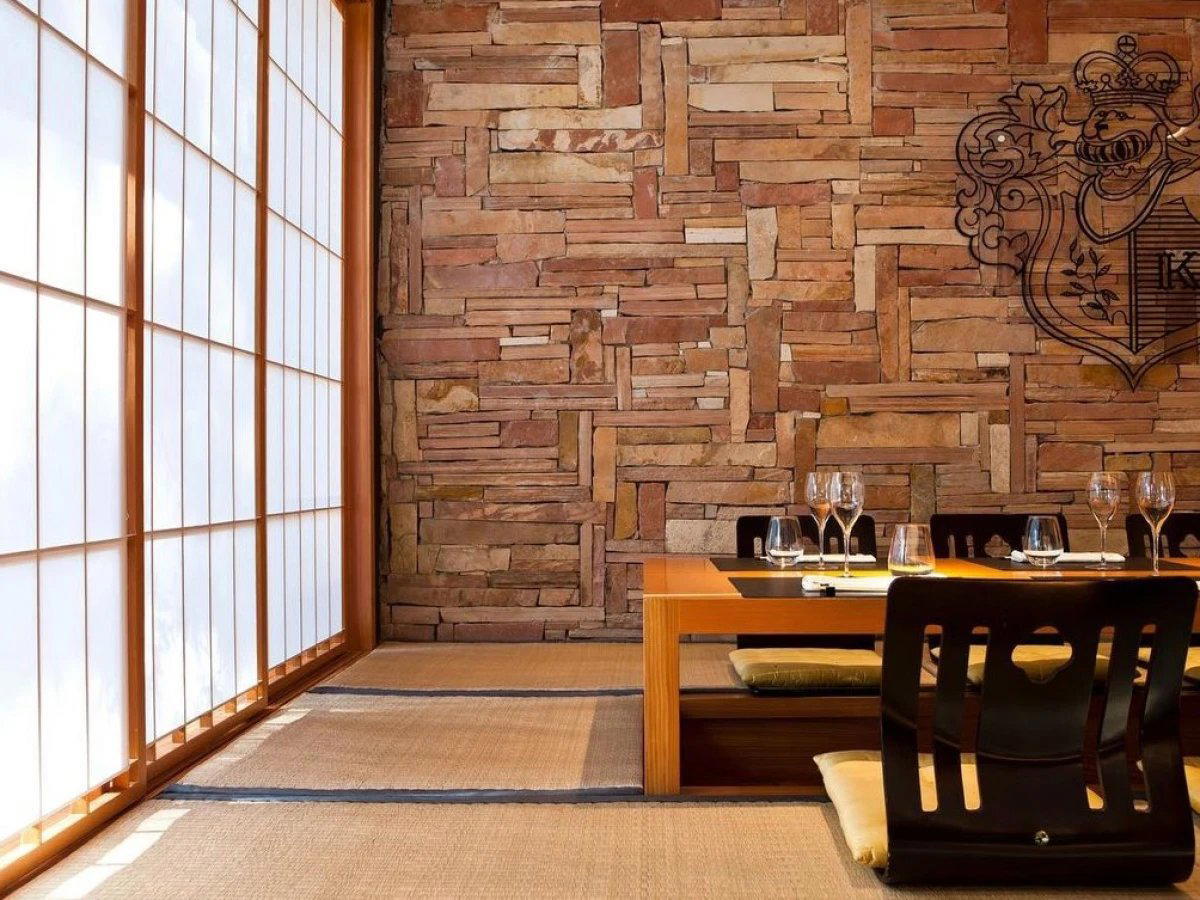
Details
- Modern
- Trendy
- Elegant
- Cozy
- Group Dining
- Family
- Celebration
- Open Kitchen
- A La Carte
- Vegetarian Friendly
- Vegan Options
Current opening hours
- Monday
- 12–3 PM, 6:30–11 PM
- Tuesday
- 12–3 PM, 6:30–11 PM
- Wednesday
- 12–3 PM, 6:30–11 PM
- Thursday
- 12–3 PM, 6:30–11 PM
- Friday
- 12–3 PM, 6:30 PM–12 AM
- Saturday
- 11:30 AM–12 AM
- Sunday
- 11:30 AM–10 PM
Hours can change for holidays and private events. Hours as of .
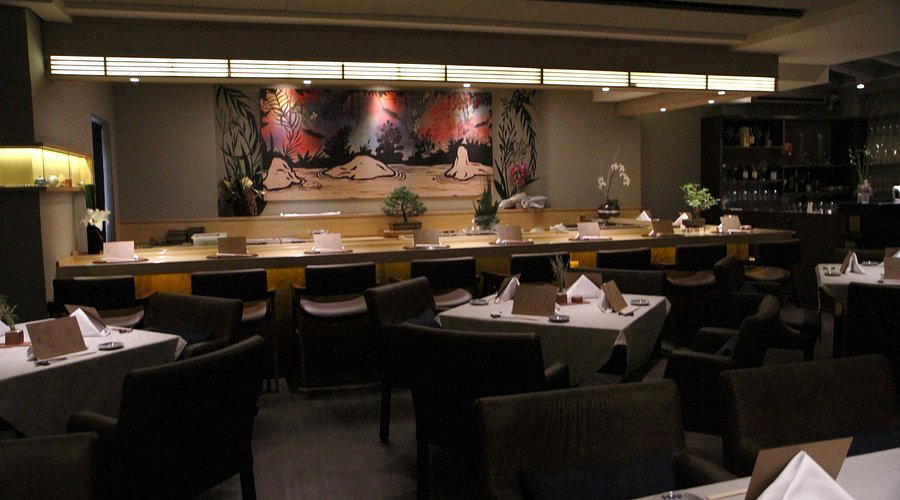
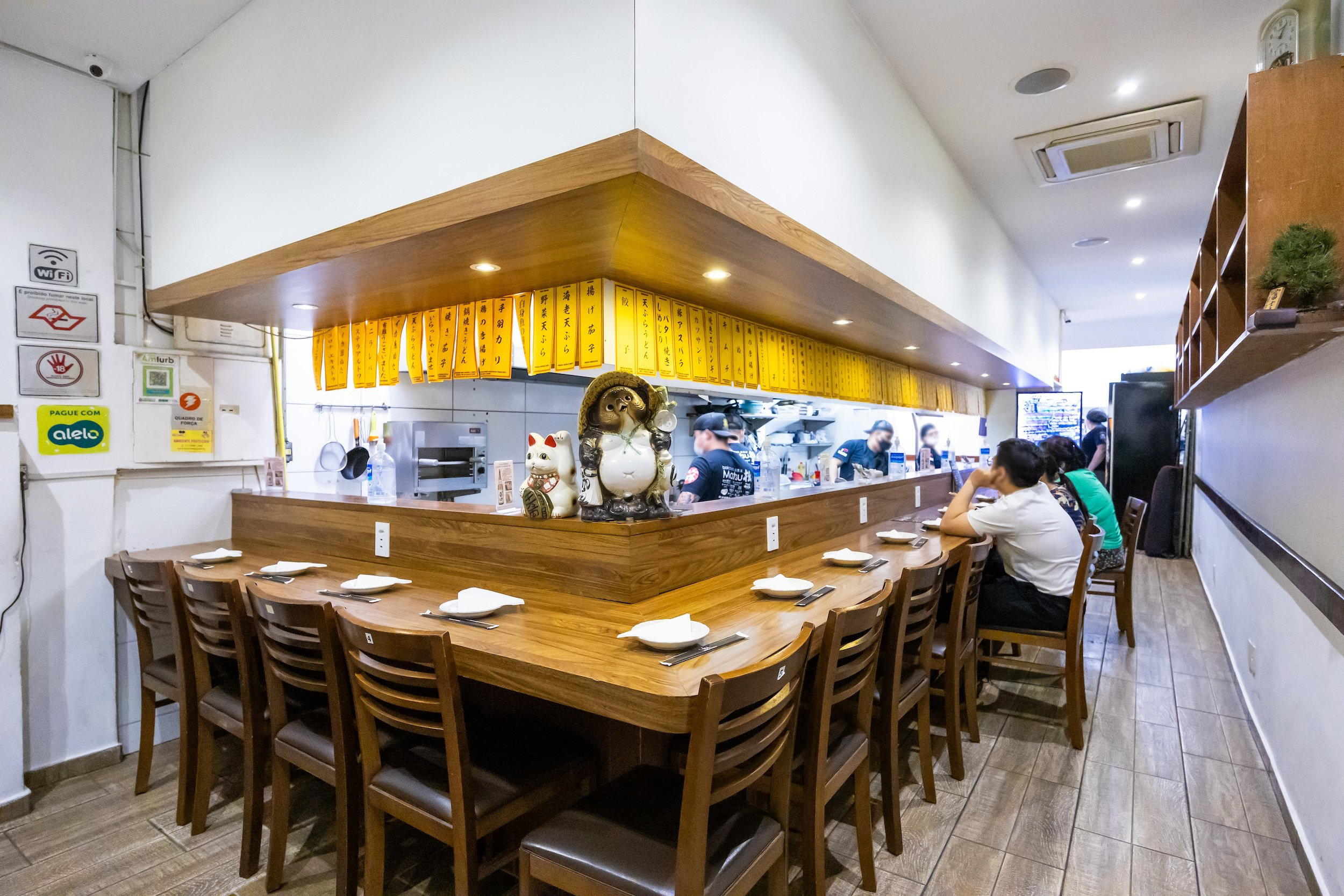
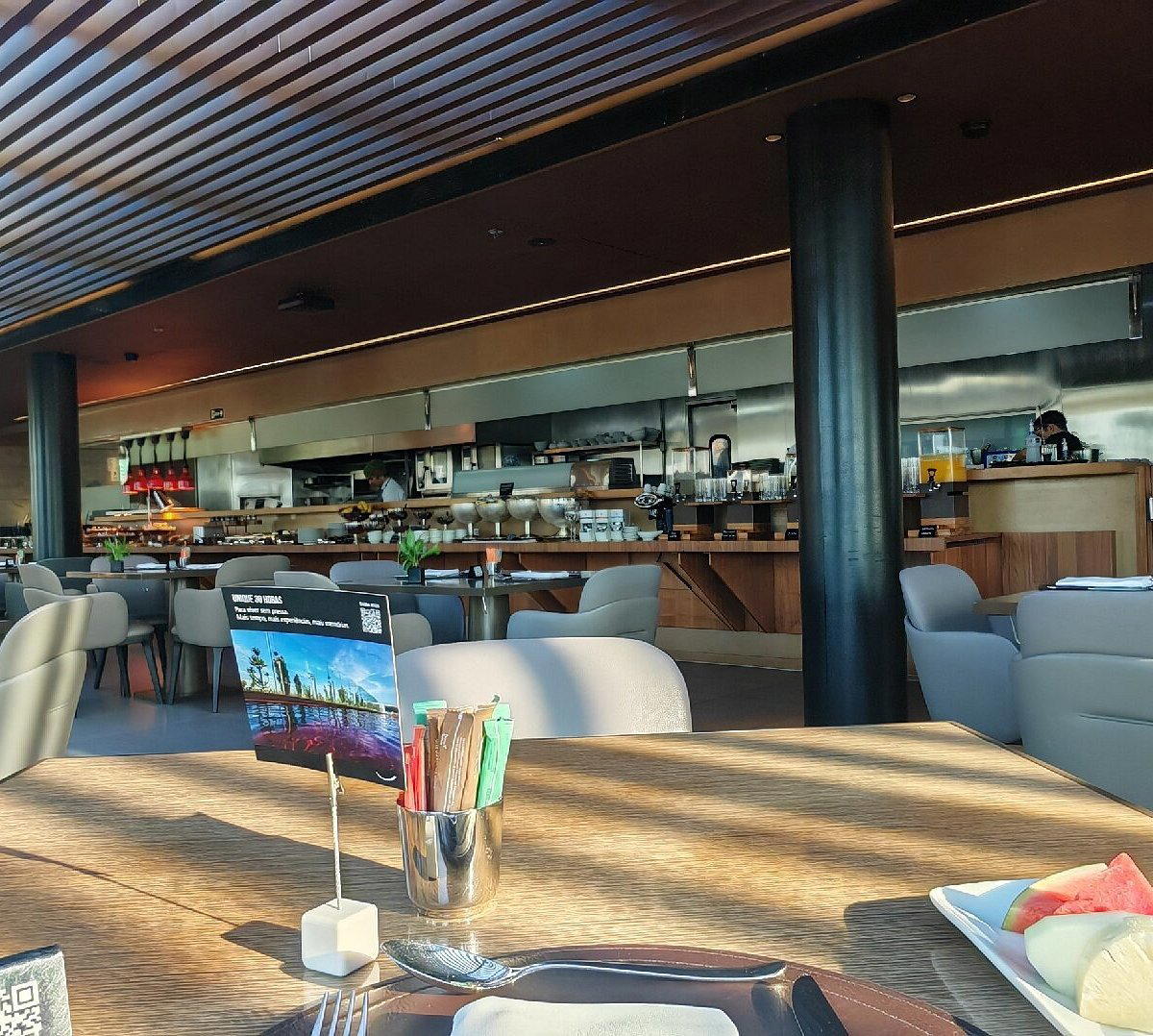
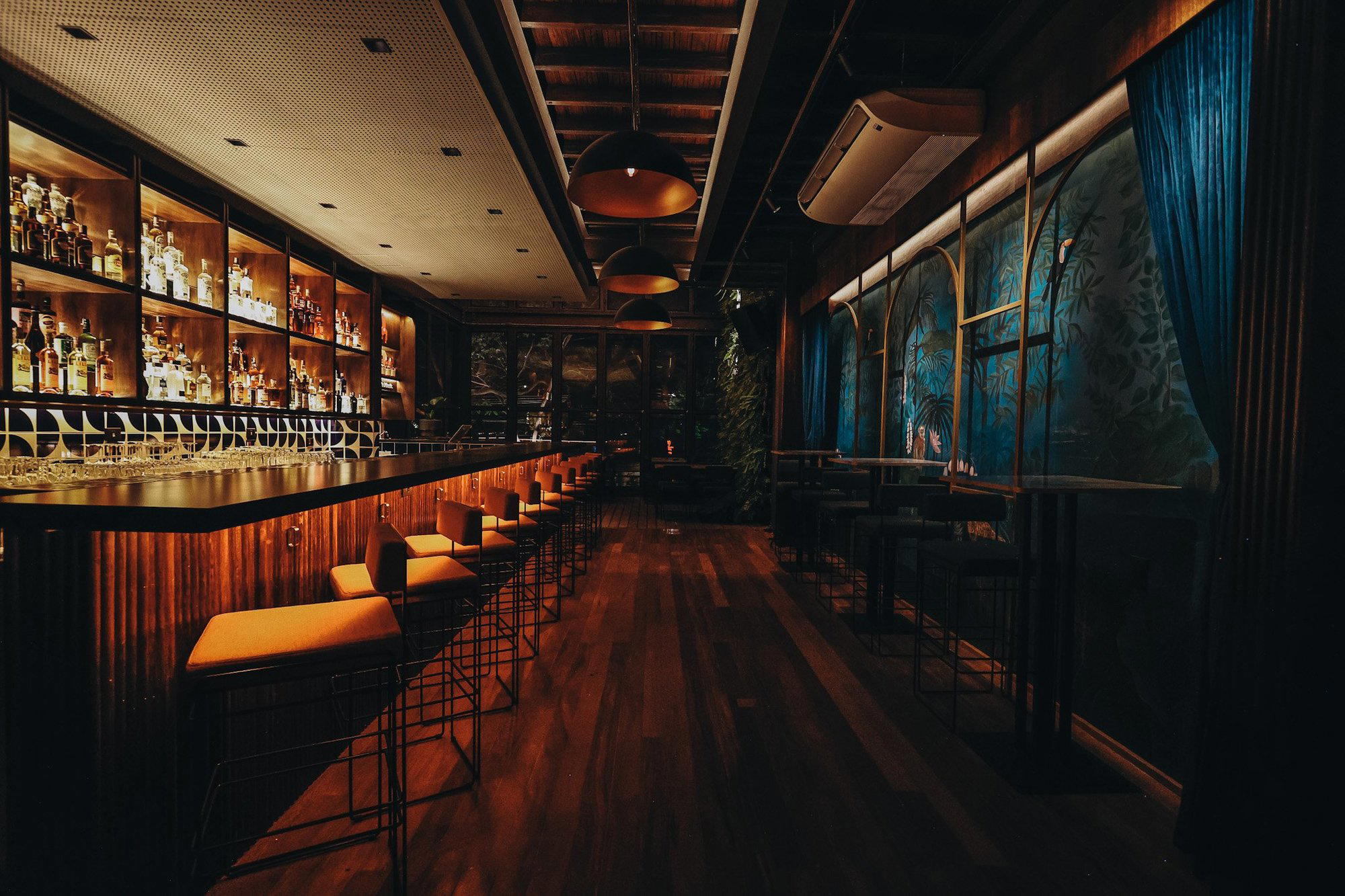
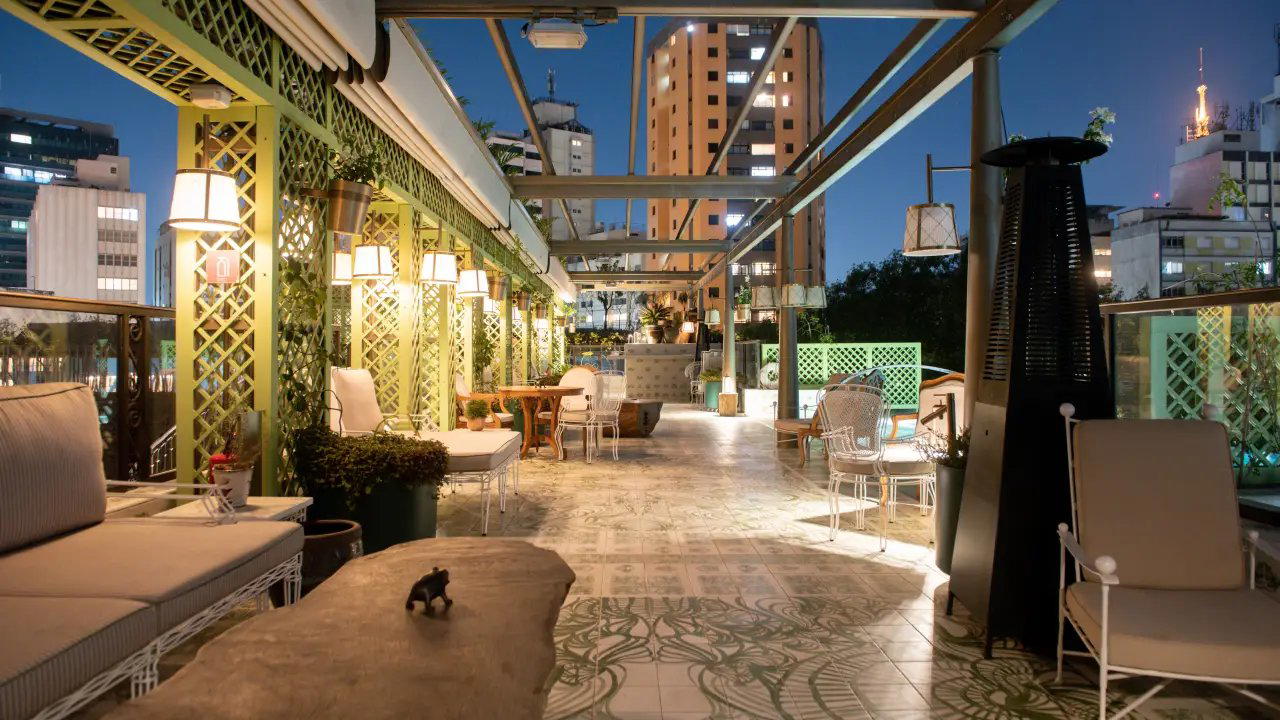
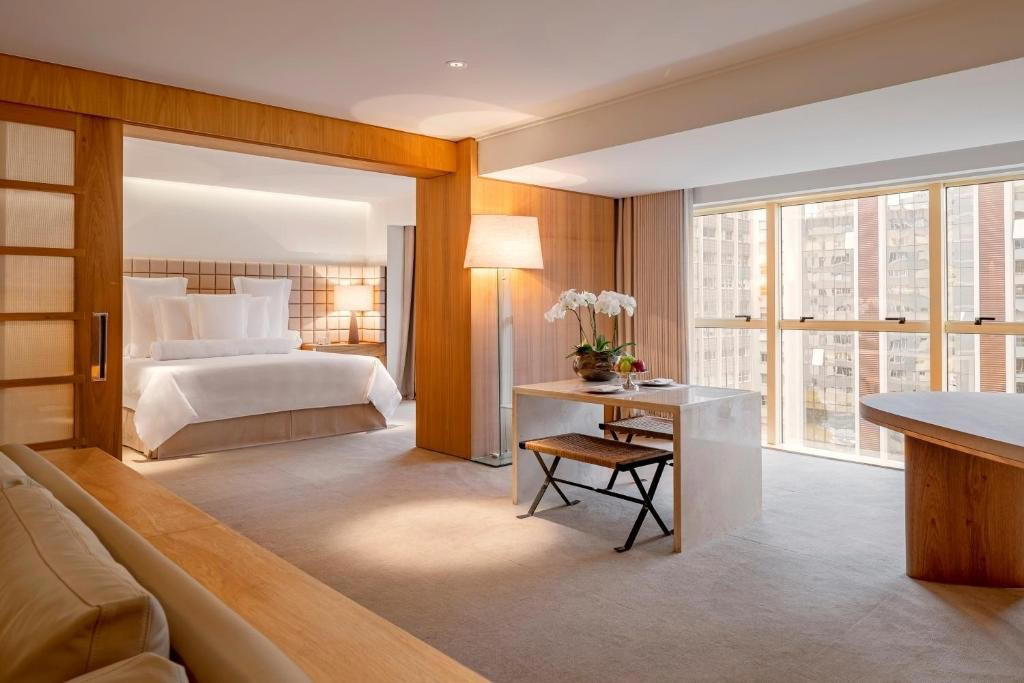
Modern and welcoming atmosphere with ambient lighting, floor-to-ceiling windows, and stylish open kitchen.