Our verdict
Altruísta Osteria e Enoteca pairs an Italian osteria menu with a sommelier-led wine program in Jardins, with a conversational pace for lunch or dinner.

Pearl is the En Primeur Club membership app, where members save venues, book tables and use the concierge.
The menu
What to order
- Cavatelli with octopus
- Risotto with seafood
- Lamb pasta
- Fish with cashew crust
Where Jardins Slows Down for the Meal
Alameda Campinas runs through the middle of Jardins, one of São Paulo's most composed neighbourhoods for eating and drinking, where the density of serious restaurants per block rivals anything in Rio or Belo Horizonte. The address alone places Altruísta Osteria e Enoteca in a particular tier: this is a stretch where the room tends to be quieter than the kitchen is precise, where the pace of service is set by the logic of the meal rather than the anxiety of the cover-turn. That orientation, osteria-and-enoteca combined, signals something about the dining ritual before a single dish arrives. The osteria format, inherited from northern Italian tradition, implies a cadenced meal: antipasto yields to primo, primo to secondo, with wine selection running parallel rather than as an afterthought.
The Osteria Tradition in a Brazilian Context
São Paulo has absorbed Italian culinary influence longer and more thoroughly than almost any city outside Italy itself. The Italian immigrant wave that shaped the city through the early twentieth century left behind a food culture that has since bifurcated: on one side, neighbourhood trattorias that preserved old-world domesticity; on the other, a newer generation of Italian-rooted restaurants that have folded in Brazilian produce, technique, and ambition. Altruísta occupies the enoteca end of this spectrum, pairing the slower, wine-anchored dining logic of central Italy with a Jardins address that situates it clearly among São Paulo's considered dining options rather than its casual Italian trattoria circuit. Across the city, formats like this sit between the full tasting-menu commitment of places like Evvai and the more relaxed but equally ingredient-focused approach of Maní. The osteria format offers something neither extreme does: the freedom to construct a longer or shorter meal according to the table's mood, with the wine list acting as a structural guide.
The Enoteca Half of the Equation
In Italy, the enoteca function is distinct from the restaurant function even when they share a roof. The enoteca is a place to drink seriously, with food as accompaniment, while the osteria is a place to eat seriously, with wine as accompaniment. When the two are combined under one concept, the implicit promise is that neither side is subordinated. São Paulo's Italian-anchored wine culture has matured considerably over the past decade: Brazilian consumers now engage with Italian DOC and DOCG designations at a depth that would have been unusual twenty years ago, and the city's better enotecas have responded by moving beyond the obvious Tuscany-and-Piedmont axis toward Campania, Sicily, and Friuli. An enoteca that earns its title in São Paulo today is expected to know its producers, not merely its appellations. For visitors approaching from a broader Brazilian context, reference points exist well beyond the city: Oteque in Rio de Janeiro and Manu in Curitiba both demonstrate how Brazilian restaurants at this level treat the wine program as editorial, not decorative.
Dining Pace and the Logic of the Meal
The osteria ritual, properly observed, does not rush. Antipasti are for the table to settle: conversation, the first pour, a read of who is eating and how. The primo, whether pasta or risotto, is where the kitchen's identity becomes legible. In Italian tradition, the secondo is protein but rarely the main event in the way a steakhouse plate might be; it is completion rather than climax. São Paulo's better Italian-rooted tables have absorbed this sequencing without rigidly transplanting it, making adjustments for local produce cycles and the reality that many São Paulo diners arrive having already navigated a cross-city commute through traffic that would test the patience of anyone. A well-run osteria in this city knows how to read the table: whether to pace the courses tightly or give the room to breathe. That calibration is ultimately a hospitality skill, distinct from kitchen skill, and it is what separates a meal at a genuine osteria from dinner at a restaurant that merely describes itself as one. Comparable dining rituals at the city's other thoughtful Italian-rooted address, Fame Osteria, suggest the format has found a durable São Paulo audience that appreciates this kind of pacing over the more compressed tasting-menu format.
Jardins and Its Dining Gravity
The Jardins neighbourhood functions as São Paulo's clearest dining reference point for visitors, concentrating a disproportionate share of the city's serious restaurants within walkable distance. D.O.M. established a template here for what Brazilian fine dining could mean at an international level; Tuju extended that conversation toward creative restraint. The neighbourhood has since diversified, with formats ranging from high-commitment tasting menus to the kind of convivial, wine-centred evening that an osteria-enoteca hybrid is designed to facilitate. Alameda Campinas specifically runs through the heart of this, a street address that carries its own contextual weight in São Paulo's dining geography. For those building a wider Brazilian itinerary, the country's restaurant culture extends in directions that reward exploration: Birosca S2 in Belo Horizonte, Manga in Salvador, and Orixás in Itacaré each represent distinct regional expressions, while Mina in Campos do Jordão and Primrose in Gramado demonstrate how smaller Brazilian cities have developed their own culinary reference points. The full São Paulo restaurants guide maps the city's broader dining options for those planning multiple nights. Further afield, Castelo Saint Andrews in Vale do Bosque, State of Espírito Santo in Rio Bananal, and Olivetto Restaurante e Enoteca in Campinas add dimension to what a Brazil dining itinerary can encompass beyond São Paulo. For international comparative context, the wine-anchored, produce-driven dining ritual that an osteria-enoteca format pursues has strong parallels at places like Le Bernardin in New York City and Lazy Bear in San Francisco, where the pacing of the meal is treated as seriously as the food itself.
Planning Your Visit
Altruísta Osteria e Enoteca sits at Alameda Campinas, 952, in the Jardins district, reachable on foot from most of the neighbourhood's hotels and within reasonable taxi or rideshare distance from other parts of the city. The Jardins area is most navigable in the evening, when traffic on the neighbourhood's tree-lined streets has eased. Given the combination of osteria format and enoteca ambition, an evening here is likely to run longer than a standard dinner booking; arriving without a tight post-dinner schedule is advisable.
Frequently asked questions
How do I find Altruísta Osteria e Enoteca?
Altruísta Osteria e Enoteca is located at Alameda Campinas, 952 - Jardins, São Paulo - SP, 01404-200, Brazil, São Paulo.
How does the enoteca wine program at Altruísta differ from a standard restaurant wine list in São Paulo?
An enoteca designation, as used in the Italian tradition, signals that the wine selection is curated with the same editorial depth as the food menu, often including producers by region and vintage rather than a generic house-and-reserve split. At Altruísta on Alameda Campinas in Jardins, that framing positions the list as a destination in itself, drawing guests who may arrive primarily to drink and eat lightly rather than to complete a full dinner service.
What's the best thing to order at Altruísta Osteria e Enoteca?
The osteria-and-enoteca format signals a kitchen where pasta and the wine list both carry weight. In venues structured this way, the strongest order is typically a composed antipasto followed by a hand-made pasta course, paired with a bottle chosen from the enoteca side of the program. Ask the floor staff what the kitchen is running well that evening rather than defaulting to a fixed choice.
Do they take walk-ins at Altruísta Osteria e Enoteca?
The safest approach for a guaranteed table is to check the venue's official channels via its Alameda Campinas, 952 address or through a hotel concierge in the Jardins district before visiting.
What's Altruísta Osteria e Enoteca best at?
The dual osteria-enoteca concept positions Altruísta in the overlap between Italian-rooted cooking and a wine program treated as a primary draw rather than a support function. In São Paulo's Jardins, that combination is relatively specific: this is not a neighbourhood trattoria or a broad Italian brasserie, but a format where the bottle list and the kitchen are given equal editorial standing.
Can Altruísta Osteria e Enoteca accommodate dietary restrictions?
Italian-rooted osteria menus in São Paulo's Jardins typically offer flexibility for vegetarian preferences, given the structural role of vegetable antipasti and egg-based pasta in the format. For stricter requirements such as gluten-free or vegan, it is worth contacting Altruísta directly at its Alameda Campinas, 952 location ahead of the reservation, as kitchen adaptations vary by service.
Where It Fits
Comparable venues nearby, for context on price, style, and recognition.
| Venue | Cuisine | Price | Awards | Notes |
|---|---|---|---|---|
| Altruísta Osteria e EnotecaThis venue (the venue you are viewing) | Italian Osteria with Wine Focus | $50–100 | Not listed | Not listed |
| Zucco | Contemporary Italian | $50–100 | Not listed | Jardim Paulista |
| Santo Colomba | Traditional Italian | Not listed | Not listed | Jardim Paulista |
| Terraço Itália | Tuscan Italian Fine Dining | $100–150 | Not listed | Republica |
| Charco | Modern Brazilian with South American and Asian influences | $30–50 | Not listed | Jardim Paulista |
| Bottega Bernacca | Authentic Italian Trattoria | $30–50 | Michelin Plate | Pinheiros |
Continue exploring
More in São Paulo
Restaurants in São Paulo
All restaurants in São Paulo →
Bars in São Paulo
All bars in São Paulo →



Altruísta Osteria e Enoteca
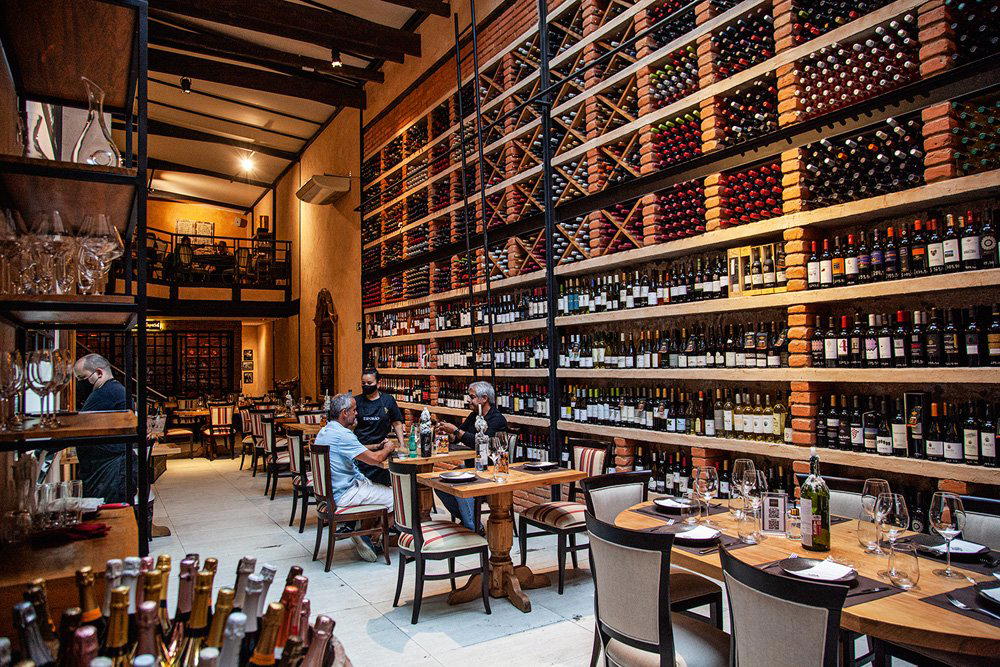
The wine
- Wine program
- Deep wine list
- Extensive wine list
- Sommelier-led
Details
- Sophisticated
- Elegant
- Cozy
- Romantic
- Date Night
- Special Occasion
- Celebration
- Group Dining
- Business Dinner
- Open Kitchen
- Private Dining
- Extensive Wine List
- Sommelier Led
- Farm To Table
- Organic
- A La Carte
- Tasting Menu
- Set Menu
- Wine
- Beer
- Organic Focus
- Vegetarian Friendly
Current opening hours
- Monday
- 12 PM–12 AM
- Tuesday
- 12 PM–12 AM
- Wednesday
- 12 PM–12 AM
- Thursday
- 12 PM–12 AM
- Friday
- 12 PM–12 AM
- Saturday
- 12 PM–12 AM
- Sunday
- 12–5 PM
Hours can change for holidays and private events. Hours as of .
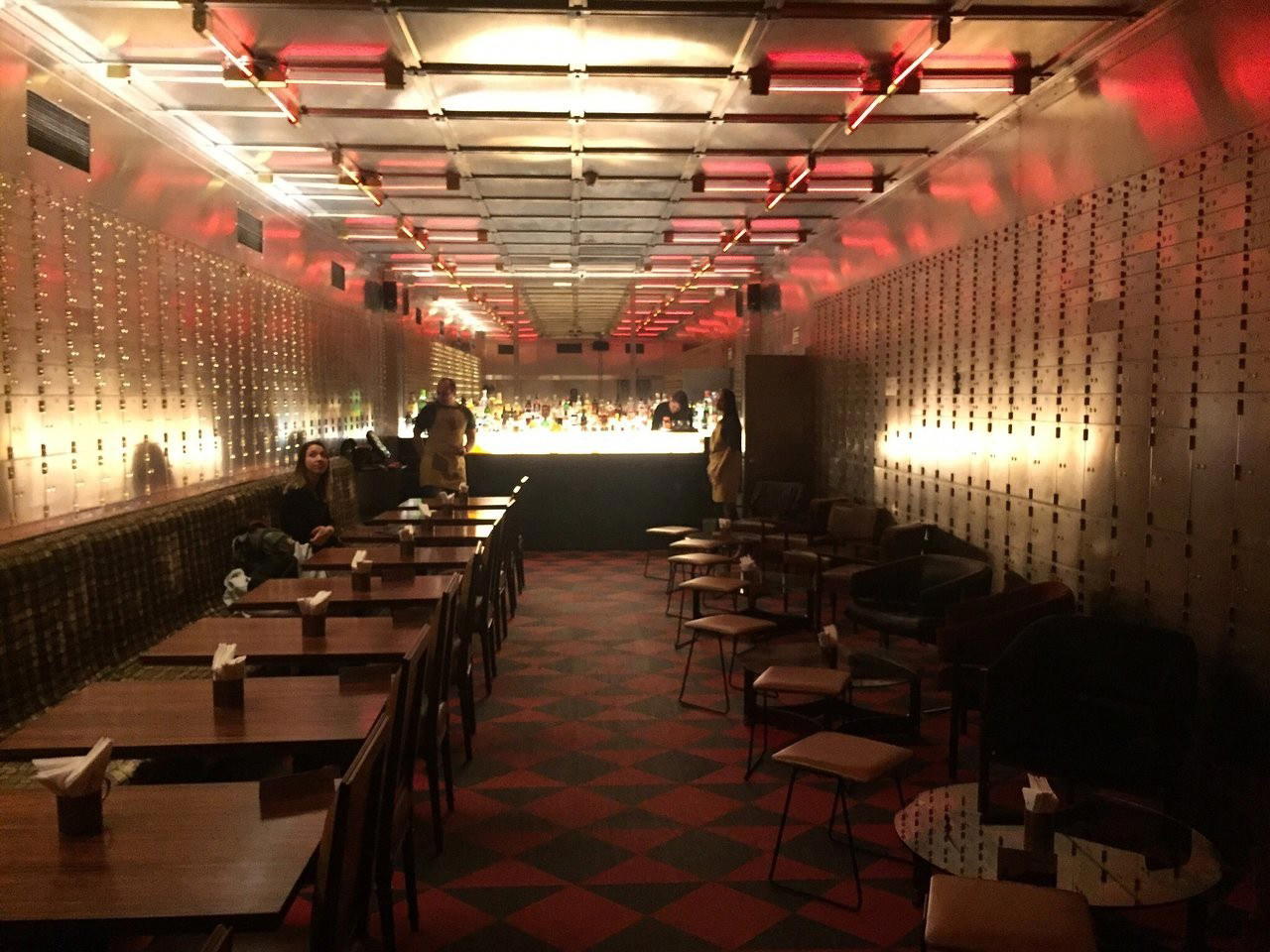
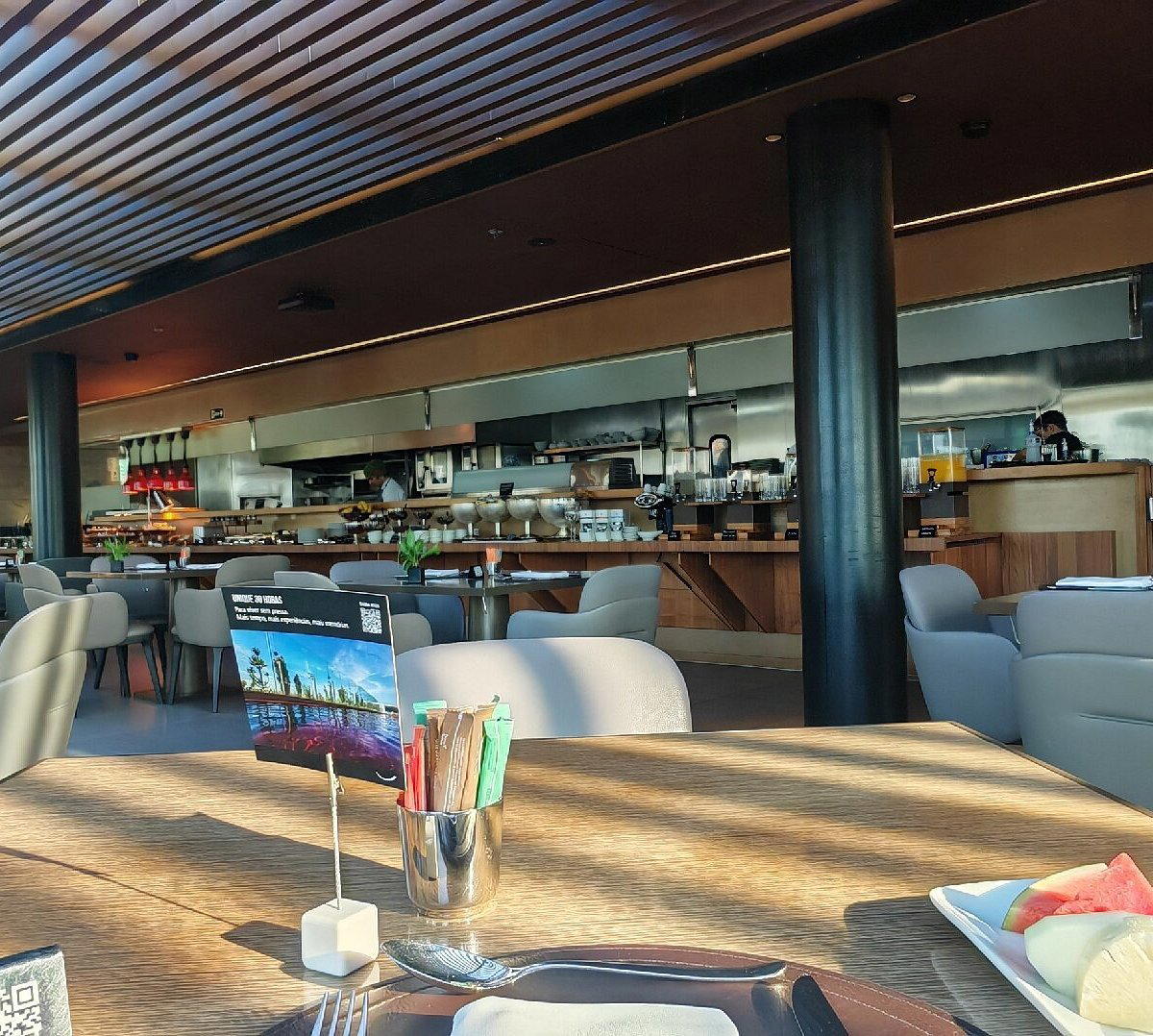
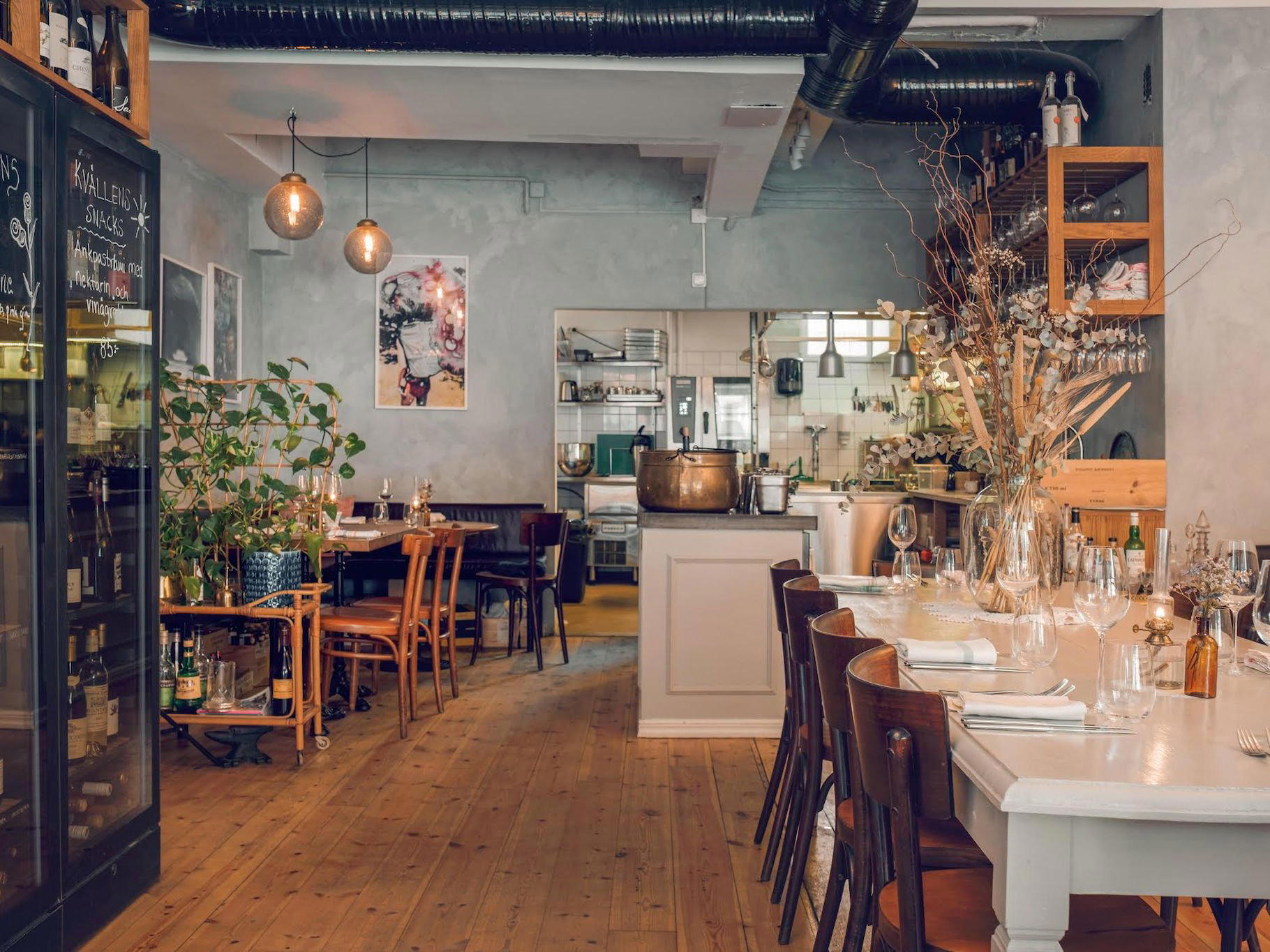
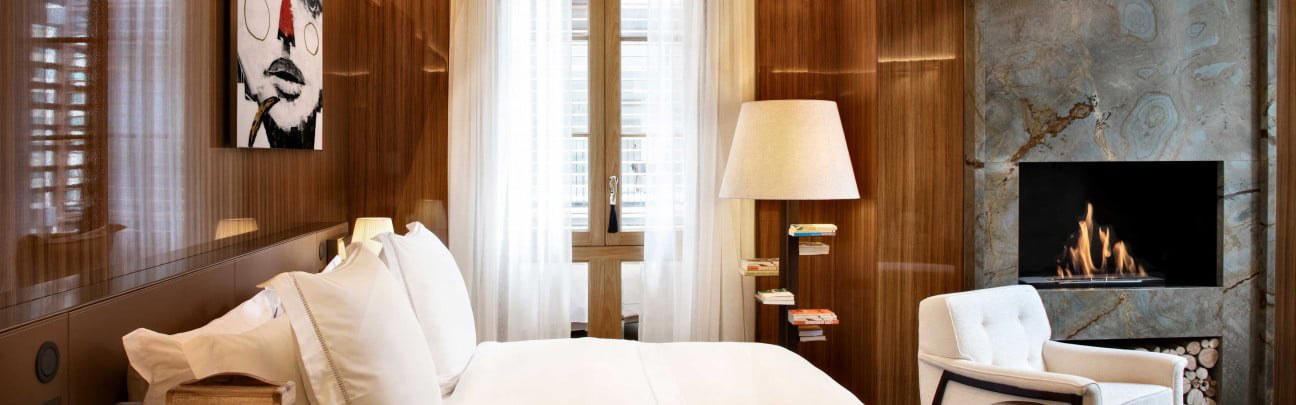
Warm and inviting with tasteful decor, an open kitchen visible from the dining room, and a sophisticated yet approachable atmosphere that balances refinement with simplicity.