Our verdict
On Calle del Dr. Esquerdo in Madrid's Salamanca district, Restaurante Q' Padre occupies a quieter corner of a neighbourhood better known for white-tablecloth formality. The restaurant draws attention not through awards infrastructure but through a cooking approach that prioritises sourcing transparency and seasonal constraint, qualities increasingly rare in a city where creative tasting menus dominate the conversation.

Pearl is the En Primeur Club membership app, where members save venues, book tables and use the concierge.
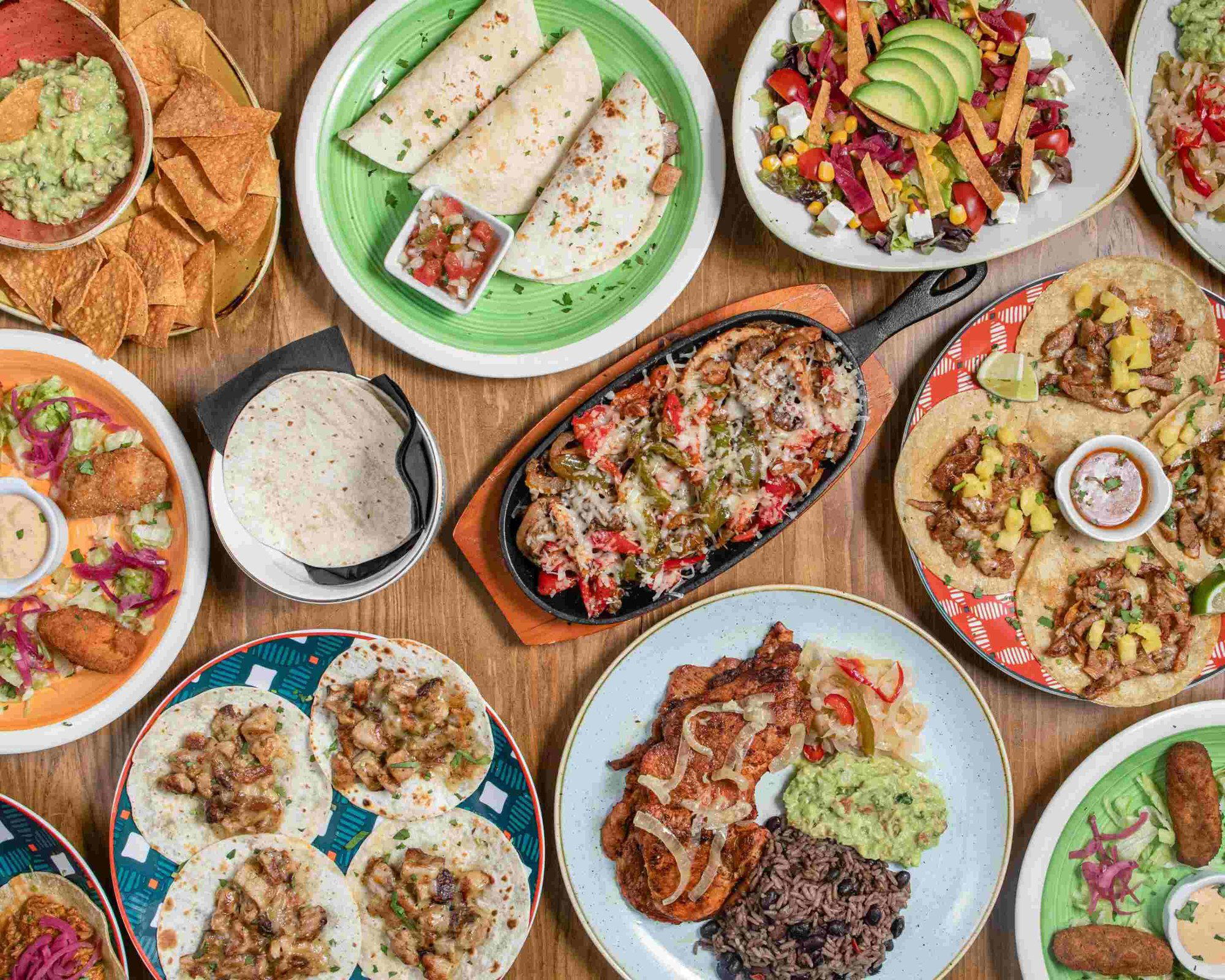
The menu
What to order
- Quesadillas Vegetarianas
- Patatas Habaneras
A Salamanca Address That Plays Against Type
Madrid's Salamanca district has long operated as the city's most legible luxury postcode. The grid of streets between Serrano and Velázquez concentrates designer retail, old-money apartment blocks, and a dining scene that has historically skewed toward white-tablecloth formality and conservative Spanish cooking. The neighbourhood's restaurant culture does not, as a rule, attract the kind of critical attention that lands in international press. That makes the handful of addresses on its quieter residential fringes, including Calle del Dr. Esquerdo, where Restaurante Q' Padre is situated at number 41, worth examining more closely. These are restaurants that exist to serve a local clientele rather than a destination-dining audience, and that distinction shapes everything about how they source, cook, and present food.
In a city where the headline dining narrative runs through David Muñoz's boundary-pushing work at DiverXO, the architectural theatre of Coque, and the Michelin-weighted menus at Deessa, DSTAgE, and Paco Roncero, a neighbourhood restaurant operating without the apparatus of awards recognition occupies a different competitive position entirely. It is not competing for the same diner. It is, instead, serving the residential fabric of a city that, like any city, depends on restaurants where the regulars know the staff and the menu shifts with what is available rather than what the brand requires.
Sourcing Discipline as the Guiding Logic
Across Spain's serious restaurant culture, the conversation around sustainability has moved from marketing language to operational discipline. At the three-Michelin-star level, venues like Azurmendi in Larrabetzu have built internationally recognised frameworks around zero-waste kitchens, on-site growing, and energy reduction, approaches that have reshaped what the country's dining press considers noteworthy. Further along the coast, Aponiente in El Puerto de Santa María has made marine ecosystem stewardship the conceptual core of its entire menu. These are headline cases, but they reflect a broader shift in how Spanish restaurants, at multiple price points, are expected to think about their supply chains.
For a neighbourhood restaurant in Salamanca, the sustainability question plays out differently. Without the research budgets of a Michelin-starred operation, ethical sourcing at this level tends to be expressed through market relationships: buying from a smaller number of trusted suppliers, adjusting the menu when a product is genuinely seasonal rather than artificially available, and avoiding the kind of ingredient redundancy that comes with fixed menus run for too long. This is less visible than a rooftop garden or a celebrated zero-waste tasting course, but it is the form that conscientious sourcing most often takes in residential dining. The discipline is in the editing rather than the spectacle.
Spain's broader restaurant culture has precedent for this kind of restraint-as-principle. Mugaritz in Errenteria has long operated through a philosophy of provocation and reduction. Ricard Camarena in València has built a career around ingredient specificity and seasonal honesty. At the neighbourhood level, those principles translate into shorter menus, closer supplier relationships, and a kitchen that does not attempt to produce everything year-round.
The Salamanca Diner and What They Expect
Understanding Restaurante Q' Padre requires understanding who eats on Calle del Dr. Esquerdo. This is not a tourist thoroughfare. The postcode draws a residential crowd, families, professionals, long-term Salamanca residents who return to the same restaurants across years and whose loyalty is earned through consistency and familiarity rather than novelty. Madrid's destination-dining circuit, which routes international visitors toward the tasting-menu addresses and the Michelin infrastructure, rarely extends this far into the residential blocks east of Retiro.
That insularity is not a limitation. It is what allows a restaurant in this position to operate with a different set of priorities. The incentive structure differs: repeat business from local regulars rewards reliability, seasonal honesty, and fair pricing in ways that destination dining does not always require. A restaurant cooking for tourists can sustain a fixed format across seasons. A restaurant cooking for the same neighbourhood week after week has to earn its place on the table through genuine attention to what is good and available.
For context on what the broader Spanish dining scene looks like at its most ambitious, El Celler de Can Roca in Girona, Arzak in San Sebastián, Martin Berasategui in Lasarte-Oria, Quique Dacosta in Dénia, and Cocina Hermanos Torres in Barcelona each represent a version of Spanish cooking with a defined sustainability or sourcing narrative now embedded in their critical identity. Restaurante Q' Padre does not operate at that altitude, nor does it need to. The comparison is useful only as a map of how differently the same underlying values can be expressed across price tiers and audience types.
Globally, the pattern holds. Restaurants like Le Bernardin in New York City and Atomix in New York City show how sourcing ethics and ingredient specificity can anchor a fine-dining identity at the highest level. Atrio in Cáceres demonstrates that Spain's commitment to place-rooted cooking runs through smaller cities as well as the major centres. The neighbourhood restaurant version of that commitment is quieter but no less present.
Planning Your Visit
Restaurante Q' Padre is located at Calle del Dr. Esquerdo, 41, in the Salamanca district of Madrid (28028). The address sits in the residential eastern section of Salamanca, accessible by metro from the Ibiza or O'Donnell stations on Line 9. Reservations: Dress: Salamanca dining at this neighbourhood level tends toward smart casual; the formality of the district's older white-tablecloth establishments is not the norm here. Timing: Madrid's dining rhythm runs late by northern European standards, lunch service typically runs from 2pm, dinner from 9pm, with the room filling later in the evening. For a broader picture of where this restaurant sits within Madrid's dining options, see our full Madrid restaurants guide.
Frequently asked questions
Where is Restaurante Q' Padre located?
Restaurante Q' Padre is located at C. del Dr. Esquerdo, 41, Salamanca, 28028 Madrid, Spain, Madrid.
Is Restaurante Q' Padre a good option for a business lunch in Madrid's Salamanca district?
The Calle del Dr. Esquerdo address places Q' Padre in the residential eastern edge of Salamanca, a district that functions as Madrid's professional and financial quarter. That postcode has a long-established culture of business dining, with a clientele that prioritises quality and discretion over spectacle. No specific lunch hours or set-menu formats are confirmed, so verifying service times directly before planning a midday booking is advisable.
What's the signature dish at Restaurante Q' Padre?
The kitchen's identity, based on its Salamanca address and operational ethos, centres on produce-led cooking rather than a single showpiece dish. Visiting without a fixed expectation of what will appear on the plate is part of how this address operates.
Do I need a reservation for Restaurante Q' Padre?
Esquerdo draws a predominantly local, repeat clientele rather than walk-in tourist traffic. Restaurants at this type of residential Madrid address typically fill through word-of-mouth regulars, so booking ahead is advisable. Contact details are not currently listed, so checking directly via search or local directories is the practical first step.
What is Restaurante Q' Padre known for?
Restaurante Q' Padre sits in the eastern residential stretch of Madrid's Salamanca district, a postcode better known for fashion flagships than serious cooking. Its reputation rests on a sourcing-focused approach that aligns with the shift in Spain's serious restaurant culture away from marketing language toward operational discipline. It draws a neighbourhood crowd rather than a destination-dining tourist circuit.
What if I have allergies at Restaurante Q' Padre?
Spanish law requires restaurants to provide allergen information on request, so staff should be able to advise at the table. Given the address's produce-led focus, direct communication before arrival is the sensible approach for guests with specific dietary needs.
Side-by-Side Snapshot
Comparable venues nearby, for context on price, style, and recognition.
| Venue | Cuisine | Price | Awards | Notes |
|---|---|---|---|---|
| Restaurante Q' PadreThis venue (the venue you are viewing) | Mexican, Caribbean & Cuban | $20–30 | Not listed | Not listed |
| Los Aguachiles Jorge Juan | Northern Mexican Seafood | $30–50 | Not listed | Recoletos |
| Robata | Contemporary Japanese Robata | $50–100 | Macarfi 7.3 Food Rating | Recoletos |
| Mosaico | Creative Mediterranean-Spanish | $30–50 | Not listed | Universidad |
| Yakiniku Rikyu | Japanese-Korean Yakiniku Grill | $50–100 | Macarfi 7 Food Rating | Almagro |
| Casa Benigna | Traditional Spanish Rice Dishes & Paella | $50–100 | Macarfi 7.2 Food Rating | Ciudad Jardin |
Continue exploring
More in Madrid
Restaurants in Madrid
All restaurants in Madrid →
Bars in Madrid
All bars in Madrid →

Details
- Casual Hangout
- Late Night
- A La Carte
- Small Plates
- Vegetarian Friendly
Current opening hours
- Monday
- 12:30 PM–12 AM
- Tuesday
- 12:30 PM–12 AM
- Wednesday
- 12:30 PM–12 AM
- Thursday
- 12:30 PM–12 AM
- Friday
- 12:30 PM–1 AM
- Saturday
- 12:30 PM–1 AM
- Sunday
- 12:30 PM–12 AM
Hours can change for holidays and private events. Hours as of .