.png)
A Conde Duque address with the soul of a cocktail bar, HDDN pairs contemporary tasting menus with an in-house mixology program that treats cocktails as a structural element of the meal rather than a sideshow. The kitchen draws on Galician and Mexican traditions, sourcing fish and seafood daily from the auction in Malpica de Bergantiños. Michelin Plate recognition in 2025 places it squarely in Madrid's growing tier of format-driven dining.
 Discover on Pearl
Pearl is the En Primeur Club membership app — saves, bookings, and concierge access live there. Same editors, same standards.
- Address
- C. del Conde Duque, 2, Centro, 28015 Madrid, Spain
- Phone
- +34 915 41 80 23
- Website
- eljardinsecretomadrid.es
Where the Drink Is Part of the Dish
Madrid's contemporary dining scene has long separated the kitchen and the bar into distinct departments, each running its own logic. What has emerged more recently, in rooms from Conde Duque to Lavapiés, is a smaller category of places that refuse that division — venues where the cocktail program is not a pre-dinner amenity but a structural component of the meal itself. HDDN is a restaurant in Madrid on Calle del Conde Duque, known for Premium Mixology & Fusion Cuisine.
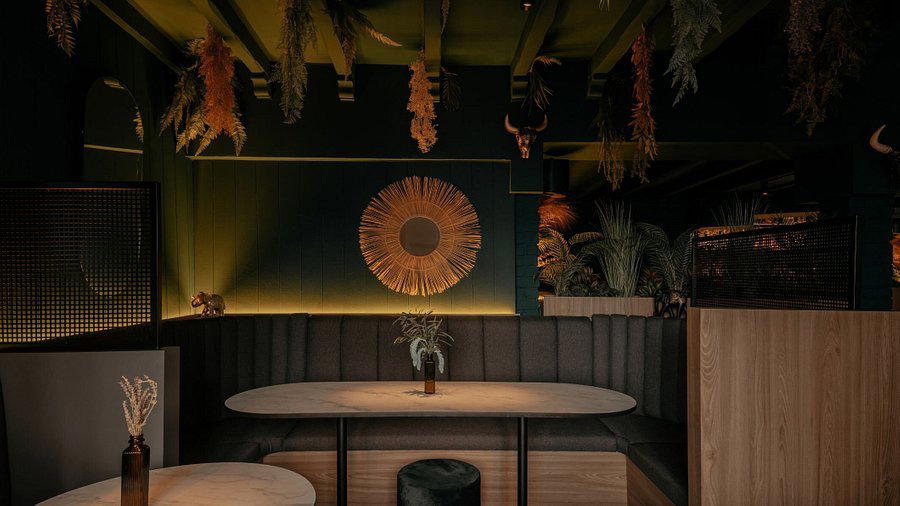
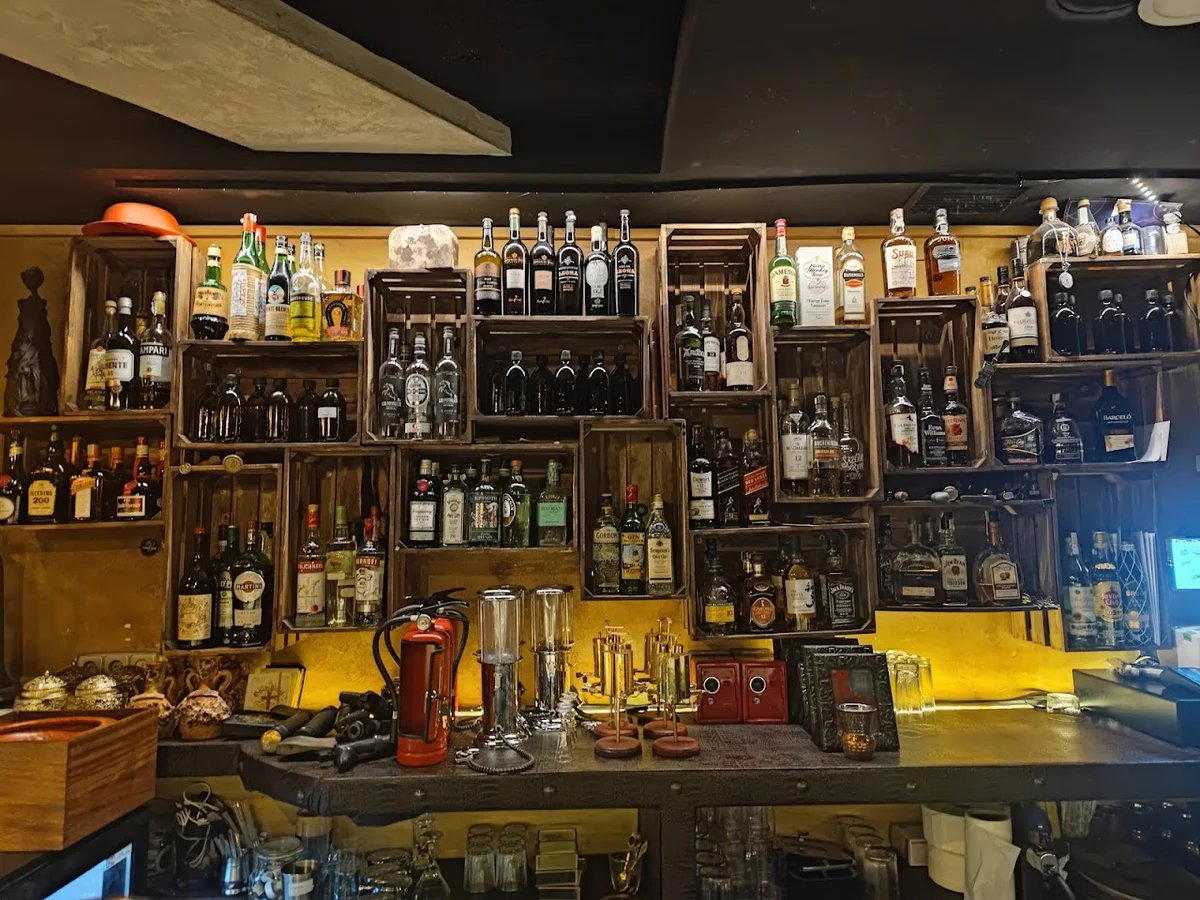
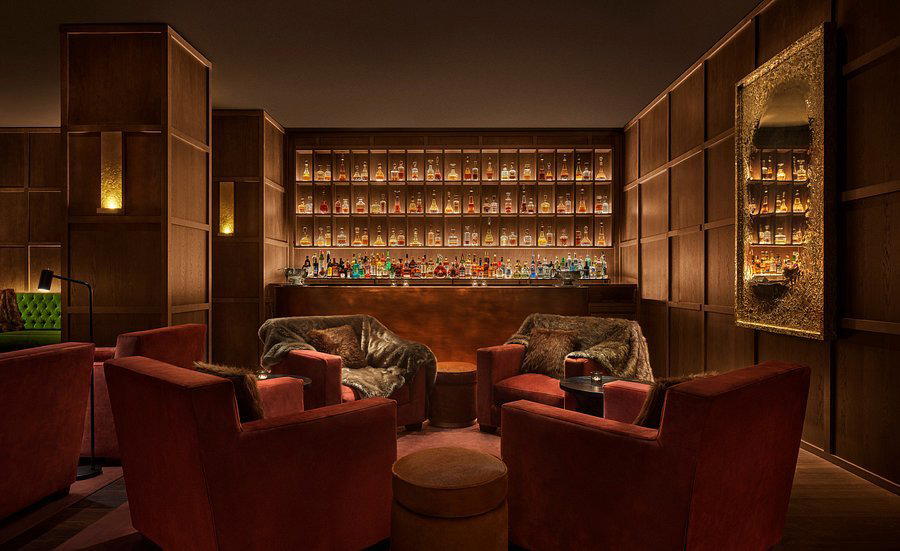
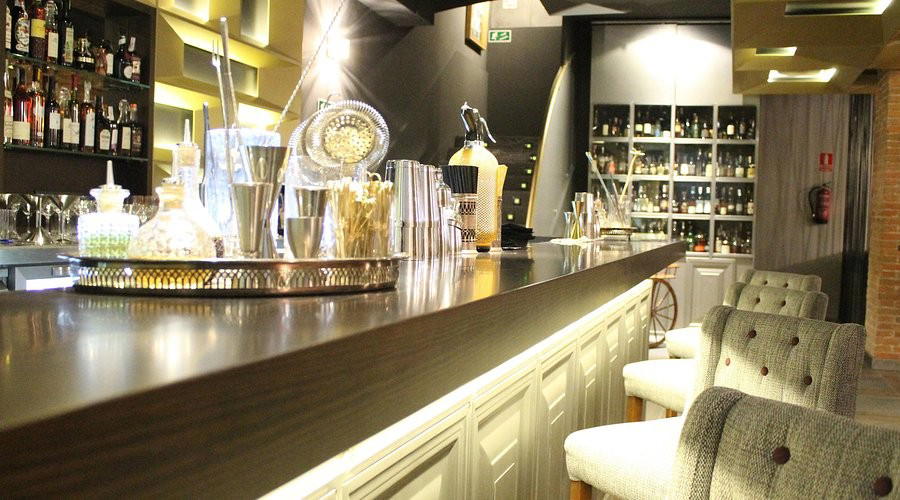
The space announces its intentions through atmosphere before any plate arrives. Subdued lighting and a persistent, low-key soundtrack give the room the mood of a cocktail bar that happens to be serving food rather than a restaurant that has installed a bar. At HDDN, the pacing follows bar logic as much as kitchen logic: the arrival of a cocktail and the arrival of a course are coordinated rather than sequential.
Three Menus, One Architecture
The tasting menu format has become the structural default for this tier of contemporary Spanish dining. What differentiates programs within that tier is usually the pairing format: most Spanish fine-dining rooms offer a wine pairing; a smaller number offer a sake, spirits, or mixed-drink option alongside. HDDN takes a more committed position. Its three menus — Carpe Diem, Origen, and Metamorfosis, each carry the option of a cocktail pairing, and that pairing is not an afterthought. The concept is built from the bar outward, so the liquid element is conceived in relation to the food.
That distinction changes the dining ritual in specific ways. A conventional wine pairing works by contrast or harmony with a dish's flavour architecture. A cocktail pairing at this level introduces acidity, sweetness, bitterness, and aromatic compounds in proportions that a winemaker cannot calibrate the same way. Diners choosing the cocktail pairing are, in effect, agreeing to a different kind of meal: one in which the drink sometimes leads and the dish responds.
For reference points in how this model plays out at scale elsewhere in Spain, Aponiente in El Puerto de Santa María has long pressed the boundaries of the liquid-as-ingredient idea, and El Celler de Can Roca in Girona maintains one of the most layered pairing programs in the country. HDDN operates at a different price tier, but the structural ambition points in the same direction.
Galician Seafood, Mexican Register
The kitchen's culinary axis connects two traditions that rarely appear together in a Spanish contemporary menu: the seafood culture of coastal Galicia and the flavour vocabulary of Mexico. Madrid chef Omar Martín handles the cooking. The sourcing anchor for the seafood component is the fish auction in Malpica de Bergantiños, a fishing port in the province of Coruña, from which the kitchen draws daily. That supply chain is not a marketing claim but a logistical commitment, one that means the menu's fish and shellfish content shifts with what the Galician coast is actually producing on a given day.
The Michelin assessment of 2025, which awarded HDDN a Plate, notes specifically the lobster caldeirada sequence as a point of distinction. A caldeirada is a Galician fish stew, elemental in technique and deeply tied to coastal tradition. Rendering it as a tasting menu sequence rather than a single dish requires expanding the logic of the preparation across multiple courses, which is where the kitchen's approach to restraint and amplification becomes visible to the diner paying attention.
Galician-Mexican combination has precedents in the broader conversation about Spain's relationship with Latin American cooking, a conversation that has been more active in Barcelona and San Sebastián than in Madrid. Arzak in San Sebastián and Azurmendi in Larrabetzu both maintain strong Latin American reference points within Basque-led kitchens. In Madrid, the integration tends to be less systematic. HDDN's pairing of Galician product with Mexican technique produces something with fewer direct comparisons in the city.
The Conde Duque Neighbourhood and HDDN's comparable set
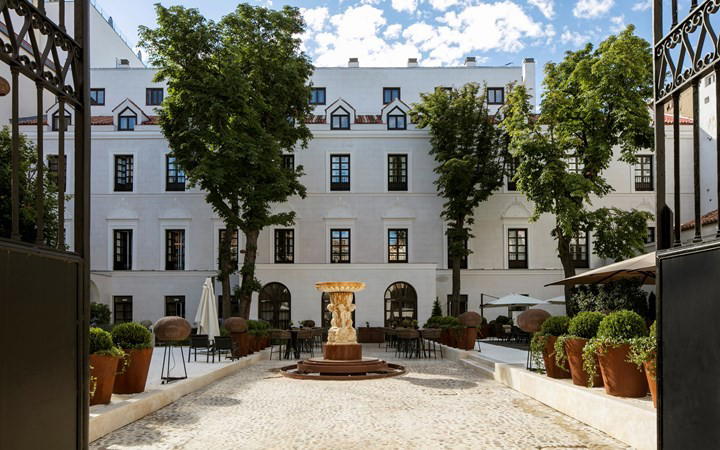
Address on Calle del Conde Duque places HDDN in a part of Centro that sits between the tourist density of Plaza Mayor and the residential calm of Malasaña. The street carries a mix of cultural institutions, bars, and smaller restaurants, a context that suits a venue whose identity sits between fine dining and a cocktail destination.
Within Madrid's contemporary restaurant tier, the comparison set for HDDN is not the city's highest-priced rooms. DiverXO, Coque, and Smoked Room operate at the €€€€ level with multi-star recognition. HDDN, priced at €€€ and holding a Michelin Plate, competes in the tier below: creative tasting-menu restaurants where the format and concept do the differentiation work. In that tier, Desborre and En la Parra occupy similar competitive ground, though their culinary profiles differ. Adaly, BANCAL, and Ferretería represent further options in the same price bracket for diners building a Madrid itinerary around this tier.
The cocktail-pairing model is worth tracking against international counterparts. César, Contemporary in New York City and Jungsik, Contemporary in Seoul both operate in cities where the beverage-integrated tasting menu has developed further infrastructure. HDDN makes a comparable structural bet at a different price point and in a city where the model is less established.
How the Meal Moves
For diners accustomed to conventional tasting menu rhythms, amuse, first courses, mains, cheese, dessert, each punctuated by a wine pour, HDDN asks for a different kind of attention. The cocktail pairing introduces longer pauses between elements, more deliberate transitions, and a sensory experience in which temperature, carbonation, and proof become as relevant as texture and seasoning. The room's lighting and sound design reinforce that tempo. This is not a quick dinner. The format rewards diners who read it as a single extended ritual rather than a succession of dishes.
Cost and Credentials
Comparable venues nearby, for context on price, style, and recognition.
| Venue | Cuisine | Price | Awards |
|---|---|---|---|
| HDDNThis venue — the venue you are viewing | Contemporary | €€€ | |
| DiverXO | Progressive - Asian, Creative | €€€€ | Michelin 3 Star |
| Deessa | Modern Spanish, Creative | €€€€ | Michelin 2 Star |
| Smoked Room | Progressive Asador, Contemporary | €€€€ | Michelin 2 Star |
| Coque | Spanish, Creative | €€€€ | Michelin 2 Star |
| Paco Roncero | Creative | €€€€ | Michelin 2 Star |
At a Glance
- Intimate
- Elegant
- Cozy
- Modern
- Hidden Gem
- Date Night
- Special Occasion
- Chefs Counter
- Open Kitchen
- Craft Cocktails
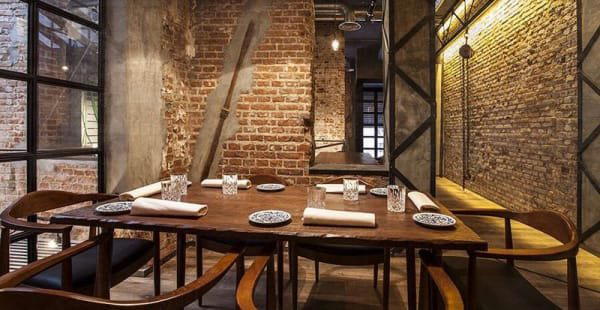
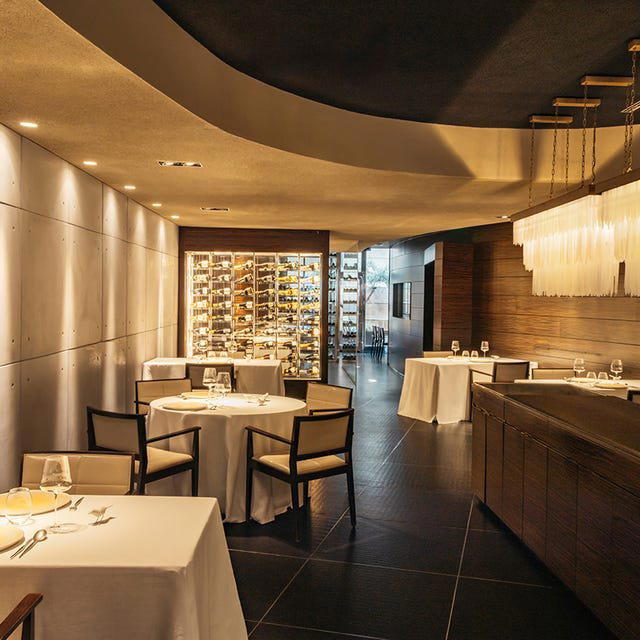
Hushed, elegantly lit space with stone, wood, and burnished metal creating a cozy, intimate atmosphere focused on culinary ritual.