Paravocè occupies a quiet stretch of Calle de José Abascal in Chamberí, one of Madrid's more residential and less tourist-trafficked districts. The address alone signals something about the restaurant's positioning: this is not a stage for spectacle but a room built around the act of eating with attention. For those tracking where serious Madrid dining is heading, Chamberí's quieter register is increasingly relevant.
Pearl is the En Primeur Club membership app — saves, bookings, and concierge access live there. Same editors, same standards.
- Address
- Calle de José Abascal, 43, Chamberí, 28003 Madrid, Spain
- Phone
- +34665207495
- Website
- paravoce.es
- Directions
- Get directions
 Saves & bookings on Pearl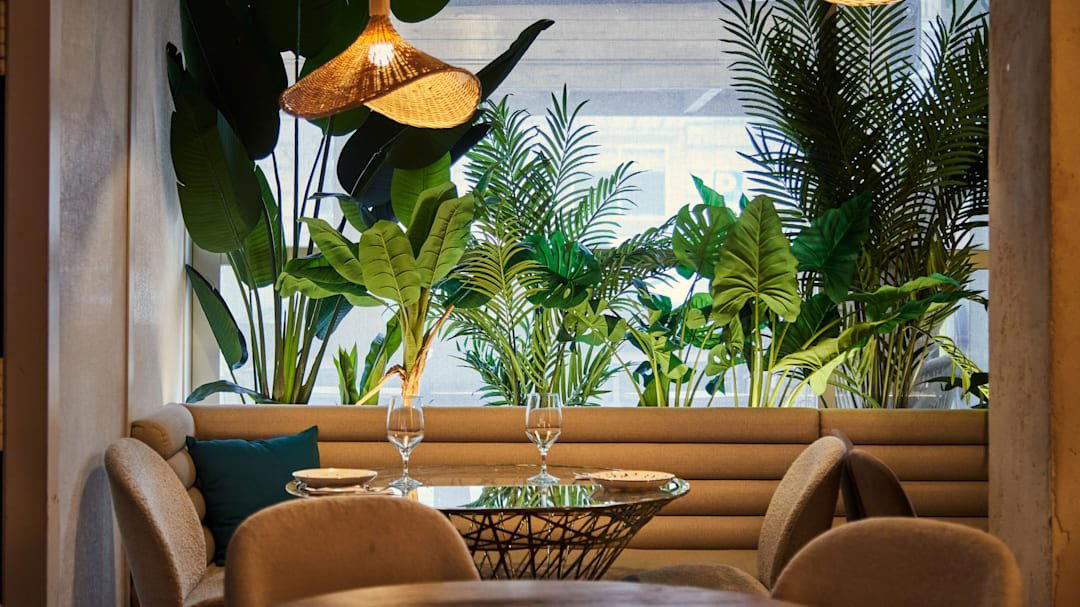
Chamberí and the Quieter Register of Madrid Dining
Madrid's restaurant conversation tends to cluster around a handful of addresses: the three-Michelin-star spectacle of DiverXO, the grand creative kitchens of Coque and DSTAgE, the hotel-anchored ambition of Deessa. These are rooms that announce themselves. Chamberí, the bourgeois neighbourhood running north from Alonso Martínez toward the broad avenues of Nuevos Ministerios, has never been that kind of address. Its dining character is residential and deliberate, closer in spirit to a Paris 17th arrondissement than to the performative energy of Gran Vía. Paravocè at Calle de José Abascal, 43 fits that register: an address you seek out rather than stumble upon.
That distinction matters in the context of where European fine dining is moving. Cities from Copenhagen to Lisbon have seen a sustained shift away from volume and spectacle toward smaller, more controlled formats where atmosphere is shaped by absence as much as presence: fewer tables, lower sound levels, longer pauses between courses. Chamberí, with its wide pavements and mid-century residential facades, provides the urban equivalent of that restraint before a diner even steps inside.
The Atmosphere Question in Contemporary Spanish Fine Dining
Spain's fine dining tier has long been comfortable with the theatrical. Aponiente transforms an old tidal mill into its setting. Azurmendi integrates the Basque landscape into its dining architecture. El Celler de Can Roca in Girona has built an entire atmospheric vocabulary around its converted farmhouse site. These are experiences where the room does considerable editorial work, framing the food as part of a larger statement about place, tradition, or the kitchen's intellectual project.
In Madrid specifically, that theatrical tradition expresses itself differently than in the Basque Country or Catalonia. The capital's upper-tier rooms, including Paco Roncero's creative format, tend toward urban formality rather than landscape connection. What Chamberí offers as a neighbourhood backdrop is a counterweight to that formality: a residential texture that predisposes a certain kind of intimacy before the kitchen has done anything at all.
For a restaurant operating at José Abascal 43, that neighbourhood context functions as a first sensory signal. The street is quieter than the commercial arteries closer to Castellana. The approach is on foot through a district that feels oriented toward its residents rather than its visitors. That shift in ambient register, from tourist-legible to locally functional, changes what a room can ask of its guests in terms of attention and pace.
Where Paravocè Sits in the Madrid Tier
Madrid's fine dining map currently supports several distinct layers. At the summit, DiverXO remains the only three-Michelin-star address in the city. Below that, a cluster of two-star and one-star rooms compete for a diner cohort that includes both domestic Spanish clientele and international visitors using Madrid as a gateway to wider Iberian travel. Peer restaurants such as Coque and DSTAgE have built clear identities within that bracket, with Coque's multi-floor format and DSTAgE's market-driven tasting menu representing opposite ends of the structural spectrum.
Chamberí-based restaurants sit within this competitive context but draw on a slightly different diner profile: fewer walk-ins, more deliberate visits, a clientele that has sought the address specifically. The comparison with internationally recognised Spanish tables operating outside Madrid, such as Arzak in San Sebastián or Martin Berasategui in Lasarte-Oria, is instructive: both built global reputations from addresses that required deliberate travel, proving that destination dining does not require a central-city postcode.
Sensing the Room: What the Physical Environment Communicates
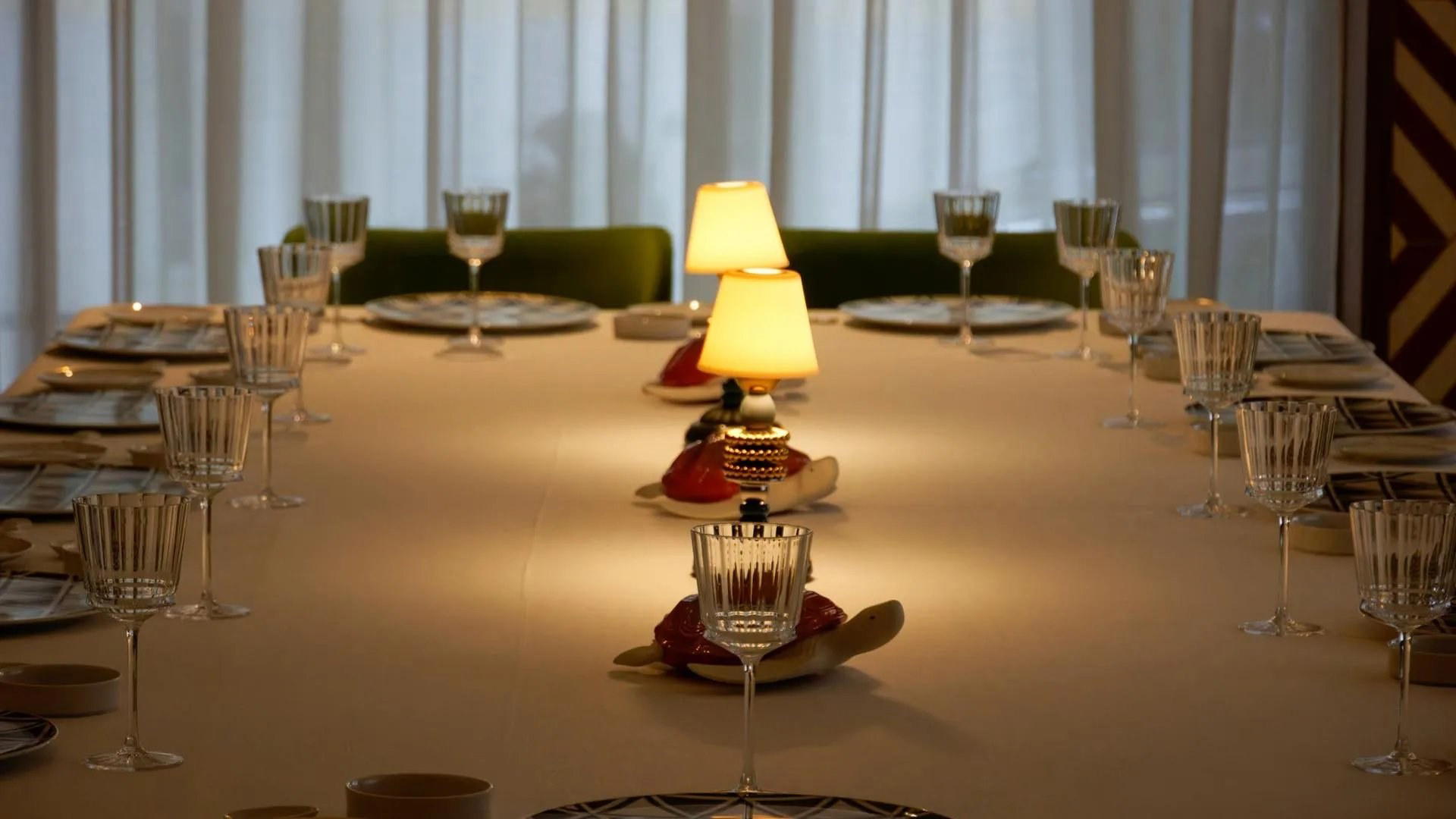
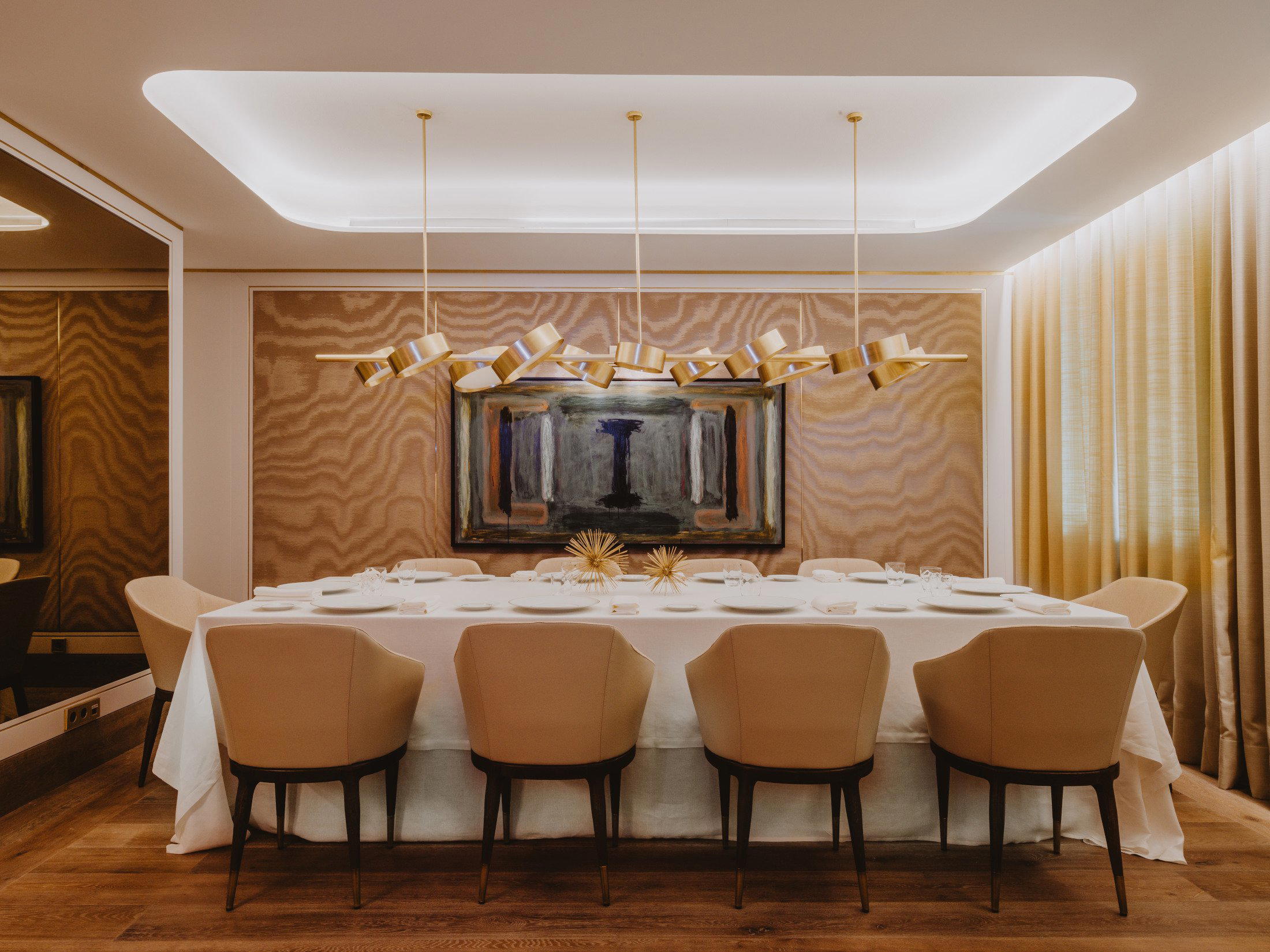
Fine dining rooms communicate before any food arrives. The ceiling height, the distance between tables, the ratio of hard to soft surfaces, the light temperature, the sound of a kitchen heard or not heard: these are all editorial decisions that shape what a guest expects from the sequence of courses that follows. In contemporary Spanish fine dining, where the tasting menu format dominates the serious end of the market, the room has to sustain attention across two to three hours. That requires a specific kind of atmospheric management.
The broader trend across Europe's serious restaurant tier has moved toward reduced table counts and longer reservations. Venues such as Mugaritz in Errenteria and Quique Dacosta in Dénia have both built reputations in part on the quality of stillness in their dining rooms: the sense that the kitchen has full control of pace and the room does not compete with the food for attention. Internationally, the same logic applies at venues like Atomix in New York, where the counter format concentrates atmosphere into a narrow band of sensory input.
Paravocè at José Abascal 43 occupies a building address consistent with Chamberí's mid-century residential stock. What that building type typically offers is proportioned rooms, good ceiling heights relative to floor area, and a street-level presence that does not shout. For a restaurant committed to the slower rhythms of serious tasting-menu dining, that architectural inheritance is a starting point rather than a constraint.
For the Wider Spanish Table
Tracking where to eat seriously in Spain requires looking beyond the headline addresses. Cocina Hermanos Torres in Barcelona demonstrated that a former industrial space could carry two Michelin stars. Ricard Camarena in València built a two-star kitchen in a neighbourhood that required no special reputation. Atrio in Cáceres operates at two-star level in a city most international diners would not think to include on an Iberian itinerary. These are all arguments for the same point: serious Spanish food is not concentrated in the headline postcodes, and the restaurants worth tracking often sit in addresses that reward diners willing to do a small amount of geographic work.
Chamberí, for Madrid, plays that role. It is close enough to the centre to be convenient but removed enough from the tourist circuit to attract a room that is largely there by choice rather than proximity.
Planning Your Visit
| Venue | Neighbourhood | Format | Price Tier |
|---|---|---|---|
| Paravocè | Chamberí | Not confirmed | Not confirmed |
| DiverXO | Las Tablas | Tasting menu | €€€€ |
| Coque | Salamanca | Tasting menu | €€€€ |
| DSTAgE | Chueca | Tasting menu | €€€€ |
| Deessa | Salamanca | Tasting menu | €€€€ |
Paravocè is located at Calle de José Abascal, 43, Chamberí, 28003 Madrid. Chamberí is well served by metro (Gregorio Marañón and Alonso Martínez stations are both within walking distance) and is a practical cab or rideshare ride from the city centre. Paravocè is recommended for reservations and is closed on Monday and Sunday. It opens Tuesday through Thursday from 1 PM to 1 AM, Friday and Saturday from 1 PM to 2:30 AM.
Standing Among Peers
Comparable venues nearby, for context on price, style, and recognition.
| Venue | Cuisine | Price | Notes |
|---|---|---|---|
| ParavocèThis venue — the venue you are viewing | Brazilian-Mediterranean Fusion | $$$ | Not listed |
| Panamera Madrid | Spanish-Latin American Fusion | $$$ | Rios Rosas |
| Devil's Cut | Japanese-Spanish Fusion Cocktail Bar | $$$ | Barrio de las Letras |
| Tsunami Nikkei Chamberi | Peruvian-Japanese Nikkei Fusion | $$ | Trafalgar |
| COKIMA | Modern Fusion Street Food | $$$$ | Gaztambide |
| Restaurante Más de Santa | Mediterranean-Asian Fusion | $$$$ | Lista |
At a Glance
- Lively
- Energetic
- Trendy
- Group Dining
- Celebration
- Casual Hangout
- Late Night
- Open Kitchen
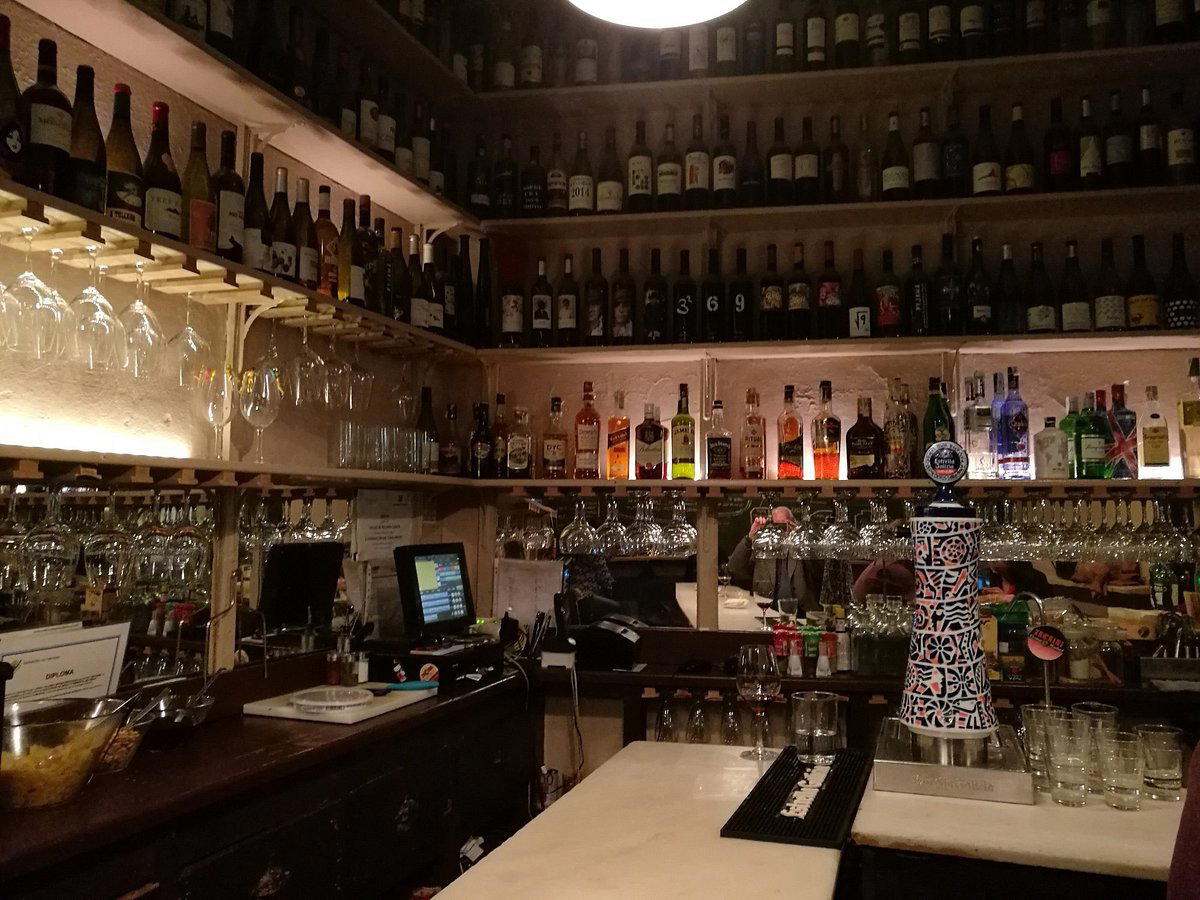
- Craft Cocktails
Current opening hours
- Monday
- Closed
- Tuesday
- 1 PM–1 AM
- Wednesday
- 1 PM–1 AM
- Thursday
- 1 PM–1 AM
- Friday
- 1 PM–2:30 AM
- Saturday
- 1 PM–2:30 AM
- Sunday
- Closed
Hours can change for holidays and private events. Last verified .
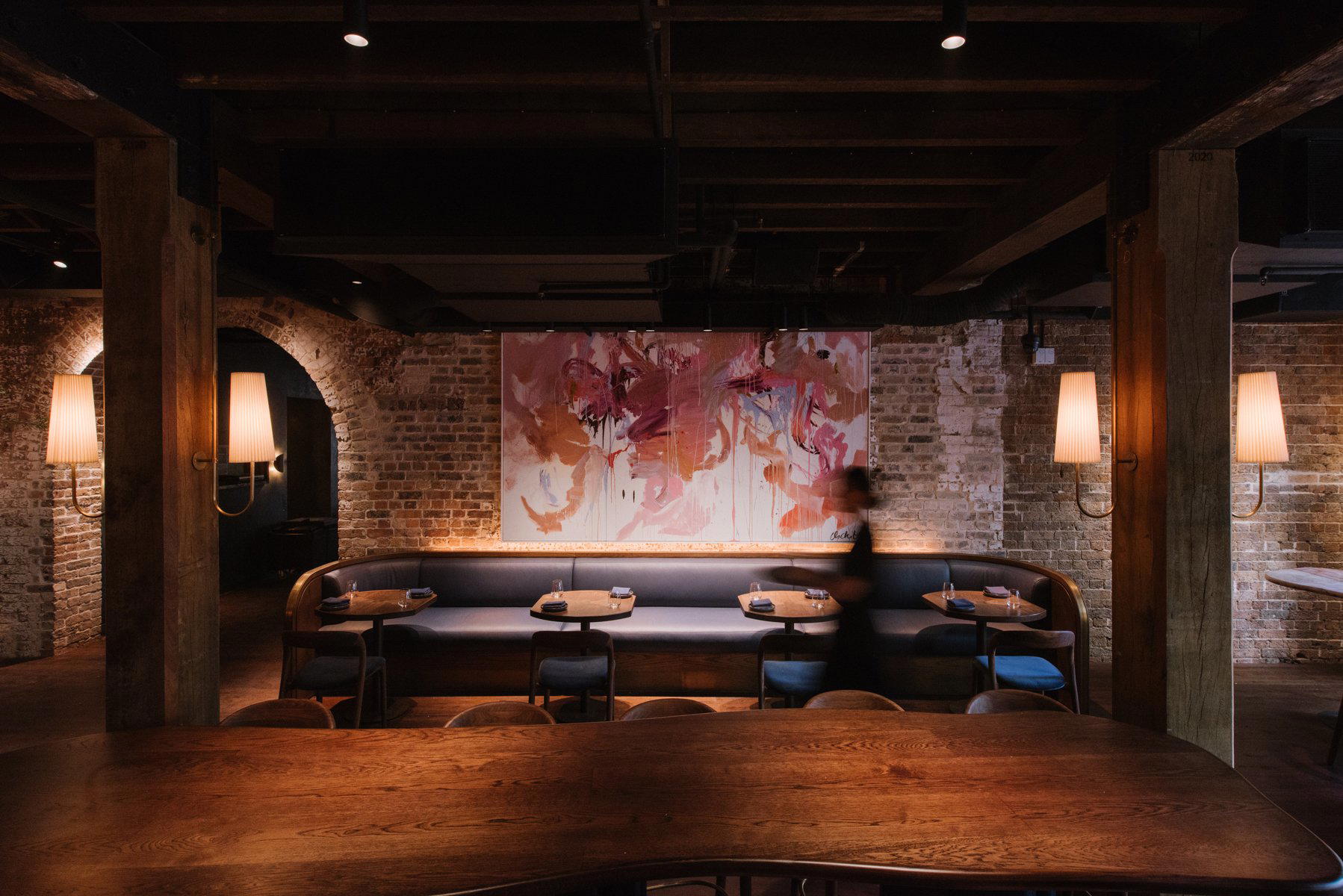
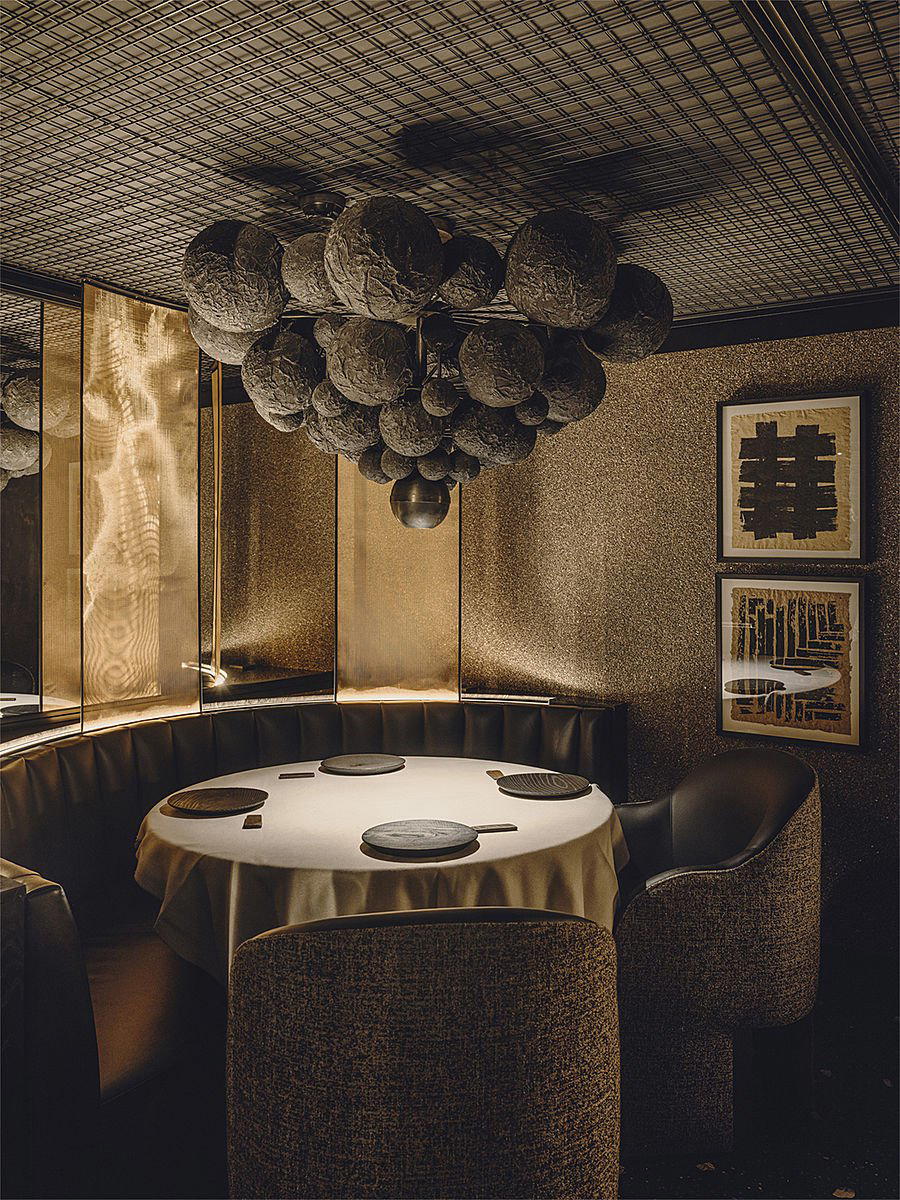
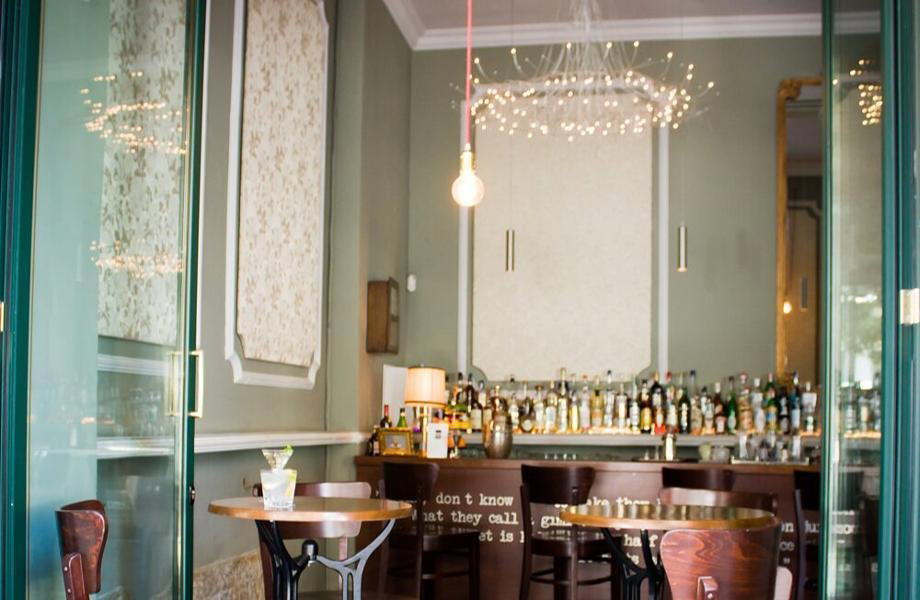
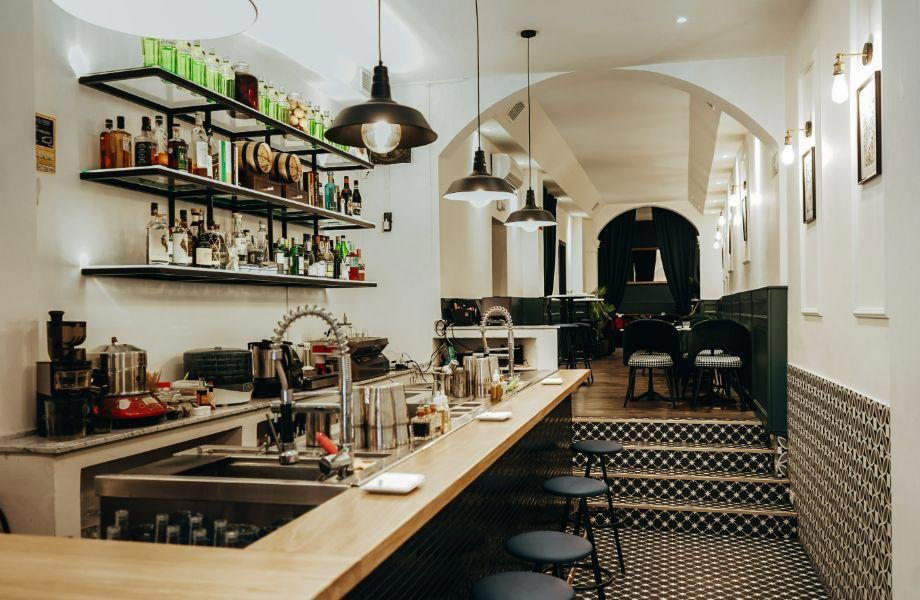
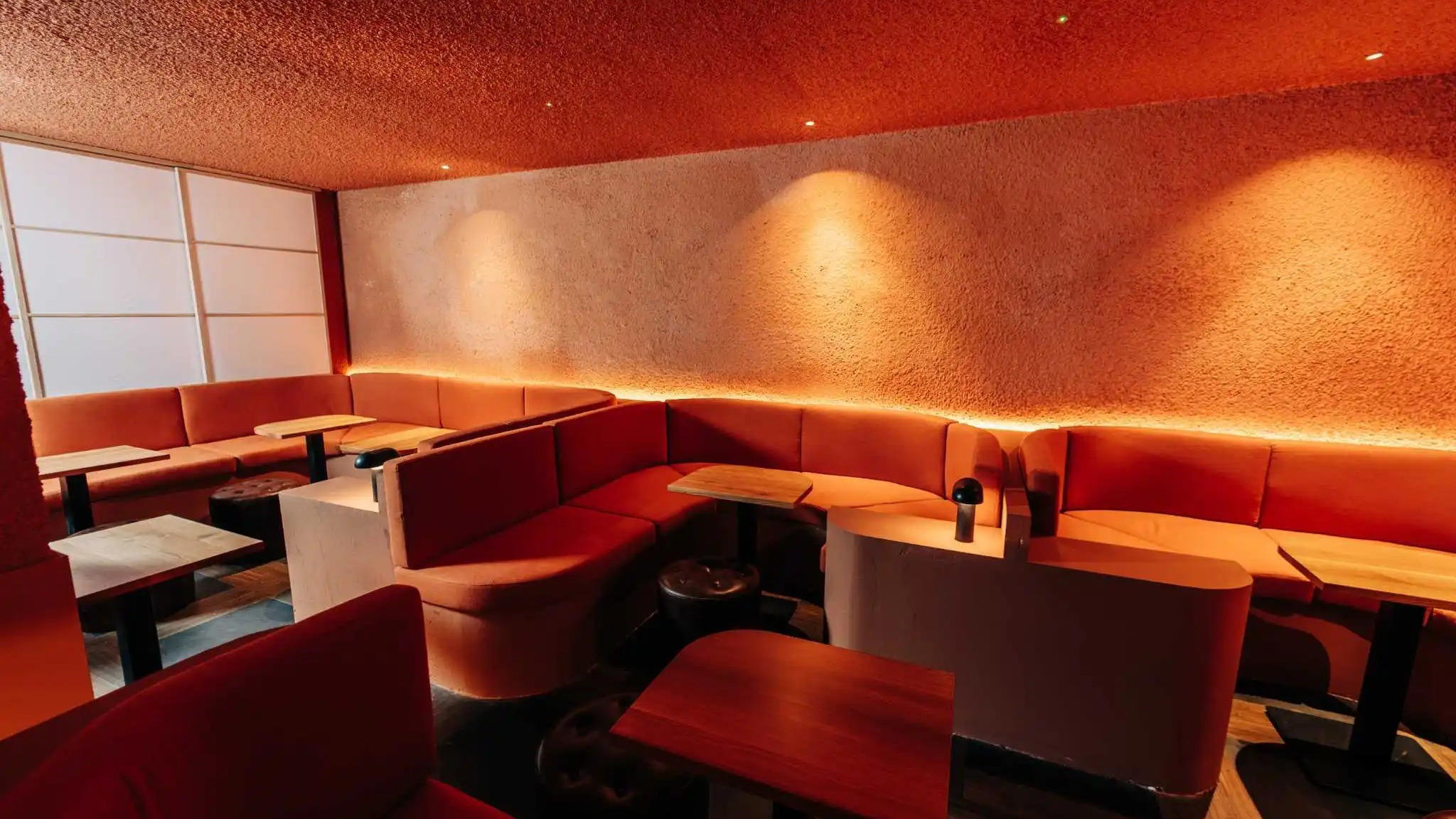
Relaxed atmosphere that builds to energetic with music, DJ, and dancing after dinner, though some note it can feel cold.