Our verdict
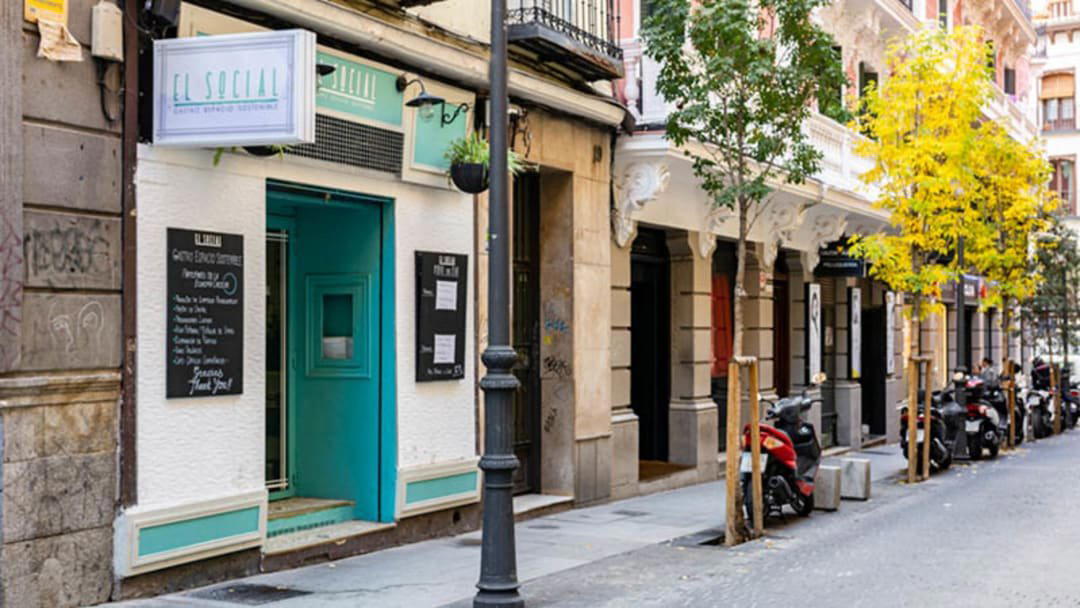
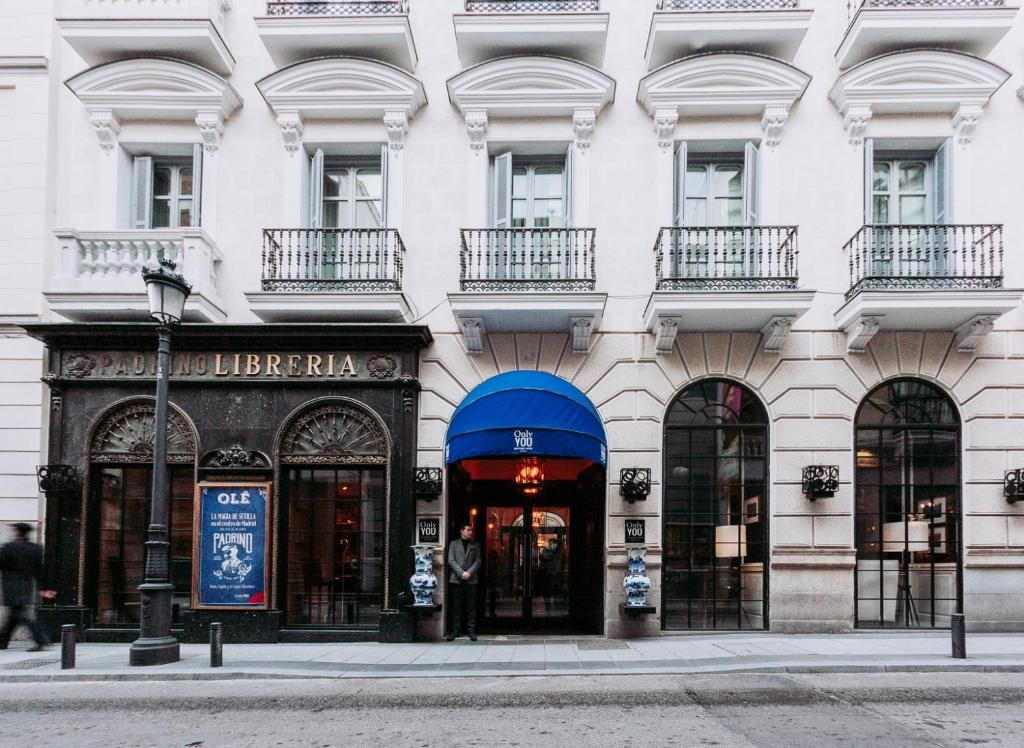
El Social occupies a quiet stretch of Calle de Hernán Cortés in Madrid's Centro district, where the city's midday dining ritual plays out at a pace the rest of Europe rarely manages. The address places it within reach of Chueca and Alonso Martínez, two neighbourhoods that have defined Madrid's contemporary eating culture for the better part of two decades. Sparse on official data, the venue rewards those who treat it as a local discovery rather than a trophy reservation.

Pearl is the En Primeur Club membership app, where members save venues, book tables and use the concierge.
The menu
What to order
- Ribs with smoky glaze
- Steak cooked to perfection
- Prawns sautéed with garlic
- Meatballs with almond sauce
- Green Prawn Tempura
- Carrot Cake with Cream Cheese Frosting
Where Chueca Meets the Counter: El Social in Context
Madrid's Centro district operates on a different clock from the rest of the city's dining scene. Lunch starts late, rarely before two in the afternoon, and the meal is rarely rushed. The neighbourhood around Calle de Hernán Cortés, 19 sits at the edge of Chueca, one of the districts that reoriented Madrid's restaurant culture in the early 2000s away from formal dining rooms and toward smaller, neighbourhood-anchored spaces where the food is serious but the atmosphere is not ceremonial. El Social belongs to that tradition, at least in address if not in any verifiable formal category.
The street itself is a useful signal. Hernán Cortés runs parallel to the busier arteries connecting Alonso Martínez and Gran Vía, which means the foot traffic is local rather than tourist-led. In a city where the difference between a street facing a metro exit and one set back a single block can determine whether a place survives on passing trade or repeat custom, that positioning carries weight. Venues on quieter cross streets in this part of Madrid tend to earn their clientele rather than inherit it from geography.
The Ritual of Eating in Madrid's Centro
Spanish dining customs in Madrid are not simply late; they are structured. The menú del día, a two- or three-course fixed lunch, operates as a civic institution across the city, peaking between 2pm and 4pm on weekdays and extending on Sundays into what becomes the social anchor of the week. The evening meal begins where most northern European cities would call a late dinner, often past 9pm, and continues without the sense of being hurried toward the door that characterises high-turnover city dining elsewhere.
Within that framework, the distinction between a bar, a social club concept, and a full restaurant matters less in Madrid than in cities where dining categories are more rigidly separated. The name El Social, in this context, is worth reading carefully. The word social in Spanish carries its own implication: a gathering place oriented around company as much as cuisine. That framing, if the venue delivers on it, places the meal within a tradition of long-table communal rhythm rather than the precise, timed progression of a tasting menu format.
For reference on what the higher end of Madrid's tasting-menu scene looks like, the comparison is instructive. DiverXO operates in the €€€€ tier with a format built around theatrical progression and asymmetric plating. Coque and DSTAgE occupy similar price territory, with Spanish-rooted creative menus that require advance booking and commit the diner to a full evening. Deessa and Paco Roncero round out the capital's high-formality creative tier. El Social, based on its address in a residential-adjacent block rather than a hotel or destination dining address, likely operates in a different register entirely: closer to the neighbourhood table than the destination counter.
Spain's Broader Scene: Placing Madrid in the National Picture
Understanding where a venue sits in Madrid's hierarchy means understanding where Madrid sits in Spain's. The country's most decorated restaurants are distributed across regions rather than concentrated in the capital. El Celler de Can Roca in Girona and Mugaritz in Errenteria define the long-format experimental end. Arzak in San Sebastián and Martin Berasategui in Lasarte-Oria anchor the Basque country's claim to the country's deepest concentration of Michelin stars per capita. Quique Dacosta in Dénia, Aponiente in El Puerto de Santa María, Cocina Hermanos Torres in Barcelona, Ricard Camarena in València, and Atrio in Cáceres all represent regional anchors that draw destination diners away from the capital.
Madrid's dining strength is not primarily in destination tasting rooms. It is in density: the concentration of competent, honest, mid-tier restaurants across its barrios. The neighbourhoods around Chueca, Malasaña, and Lavapiés have more reliable everyday cooking per square kilometre than most European capitals. That is the context in which a venue like El Social is most usefully read: not against a three-Michelin-star benchmark, but against the expectation of a well-run neighbourhood table in one of Europe's more food-literate cities. For a full orientation, see our full Madrid restaurants guide.
Internationally, the model of the neighbourhood social table has produced some of the more interesting dining formats of the past decade. Lazy Bear in San Francisco formalised the communal dinner-party format into a ticketed event. Le Bernardin in New York City represents the opposite extreme: the precisely choreographed room where the ritual is formal and the pacing is controlled by the kitchen. El Social, by name and neighbourhood, suggests something closer to the San Francisco model in spirit, even if the Spanish context means the execution would look quite different.
Planning Your Visit
Address: C. de Hernán Cortés, 19, Centro, 28004 Madrid. Reservations: Walk-in enquiries are typically possible at neighbourhood-format venues in this district during off-peak hours; lunch service on weekdays and early evening slots tend to have more availability than Friday or Saturday dinner. Timing: Plan lunch arrivals no earlier than 2pm and dinner no earlier than 9pm to align with local rhythms. Dress: No formal dress code is documented; Centro neighbourhood dining in Madrid is generally smart-casual. Budget:
Frequently asked questions
What's El Social's location?
El Social is located at C. de Hernán Cortés, 19, Centro, 28004 Madrid, Spain, Madrid.
Is El Social in Madrid's Centro district worth the detour from the main tourist corridor?
El Social sits on Calle Hernán Cortés, 19 in Chueca, roughly equidistant from Gran Vía and the Alonso Martínez metro interchange, not a detour so much as a five-minute walk off the central axis. Chueca operates as one of Madrid's most active neighbourhood dining corridors, meaning the draw is less about a single venue credential and more about eating where the city's own residents actually eat lunch.
What should I order at El Social?
In a Chueca neighbourhood setting at this address on Calle Hernán Cortés, the menú del día is the structural anchor of midday service across Centro Madrid, two or three courses at a fixed price that reflects local rather than tourist pricing. Ask the room what's running that day.
Do they take walk-ins at El Social?
Neighbourhood bars and mid-range dining rooms in Madrid's Centro district typically accommodate walk-ins at the counter or bar, particularly outside the 2–4pm lunch window when competition for tables is highest. Arriving before 2pm or after 3:30pm improves your odds considerably.
What's the defining dish or idea at El Social?
What the address does establish is context: Calle Hernán Cortés sits in Chueca, a neighbourhood where the social function of eating, shared plates, counter seating, long afternoons, tends to shape the format as much as any single recipe does.
Is El Social allergy-friendly?
Spanish regulations under EU Food Information Regulation 1169/2011 require all food businesses to declare the 14 major allergens, so staff should be able to answer allergen questions directly.
Comparable Options
A quick peer reference to anchor this venue in its category.
| Venue | Cuisine | Price | Awards | Notes |
|---|---|---|---|---|
| El SocialThis venue (the venue you are viewing) | International Fusion | $20–30 | Not listed | Not listed |
| DiverXO | Avant-Garde Spanish Tasting Menu | $300–500 | 3 Michelin Stars · World's 50 Best #9 | Progressive - Asian, Creative |
| Coque | Modern Spanish Fine Dining | $300–500 | 2 Michelin Stars · La Liste Top Restaurants | Spanish, Creative |
| Deessa | Modern Valencian Fine Dining | $150–200 | 2 Michelin Stars · La Liste Top Restaurants | Modern Spanish, Creative |
| Paco Roncero | Avant-Garde Spanish Fine Dining | $150–200 | 2 Michelin Stars · La Liste Top Restaurants | Creative |
| Smoked Room | Modern Japanese Fire Omakase | $200–300 | 2 Michelin Stars · La Liste Top Restaurants | Progressive Asador, Contemporary |
Continue exploring
More in Madrid
Restaurants in Madrid
All restaurants in Madrid →
Bars in Madrid
All bars in Madrid →

Details
- Cozy
- Trendy
- Romantic
- Date Night
- Casual Hangout
- Group Dining
- Standalone
- Craft Cocktails
- Beer Program
- Local Sourcing
- A La Carte
- Small Plates
- Craft Cocktails
- Local Wines
- Vegetarian Friendly
- Vegan Options
- Gluten Free Options
Current opening hours
- Monday
- 1–4:30 PM, 8 PM–12 AM
- Tuesday
- 1–4:30 PM, 8 PM–12 AM
- Wednesday
- 1–4:30 PM, 8 PM–12 AM
- Thursday
- 1–4:30 PM, 8 PM–12 AM
- Friday
- 1–4:30 PM, 8 PM–12 AM
- Saturday
- 1–4:30 PM, 8 PM–12 AM
- Sunday
- 1–4:30 PM, 8 PM–12 AM
Hours can change for holidays and private events. Hours as of .
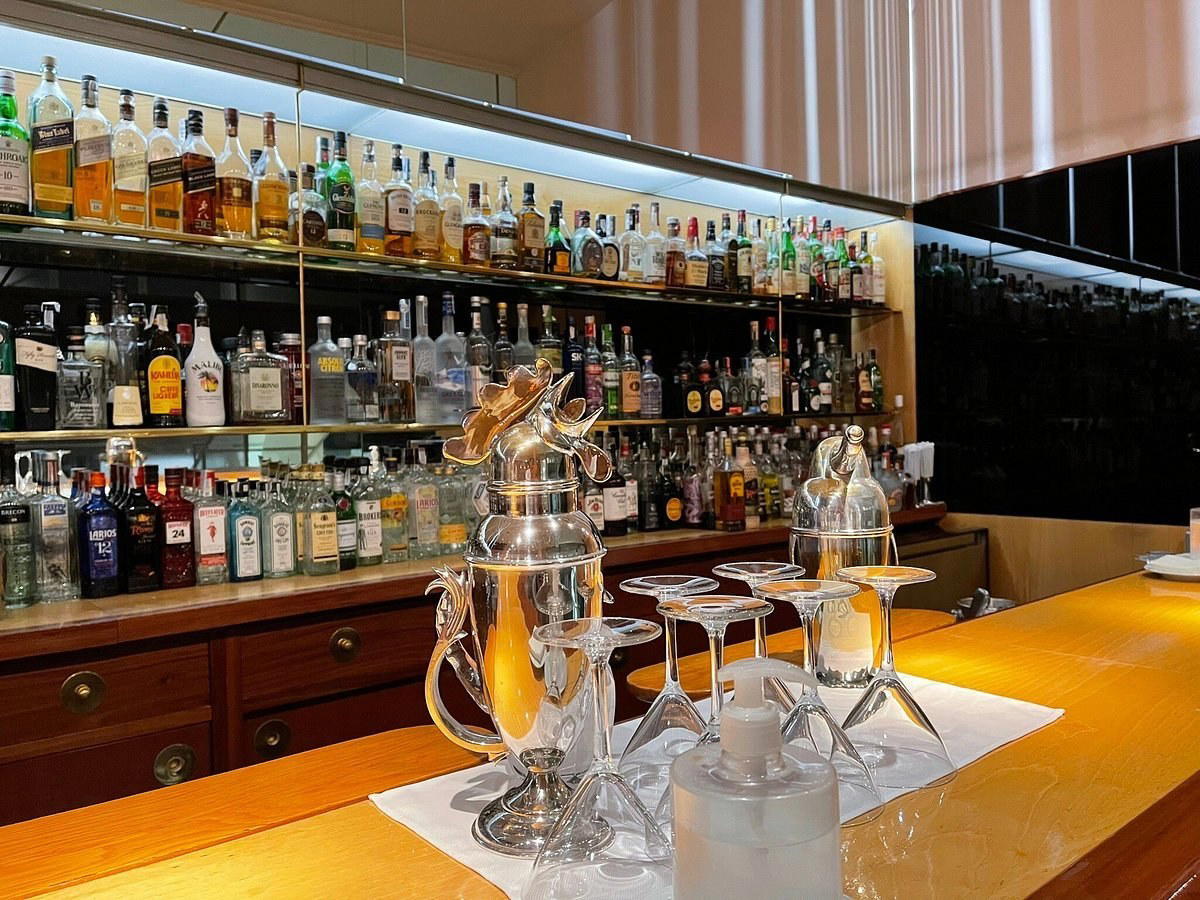
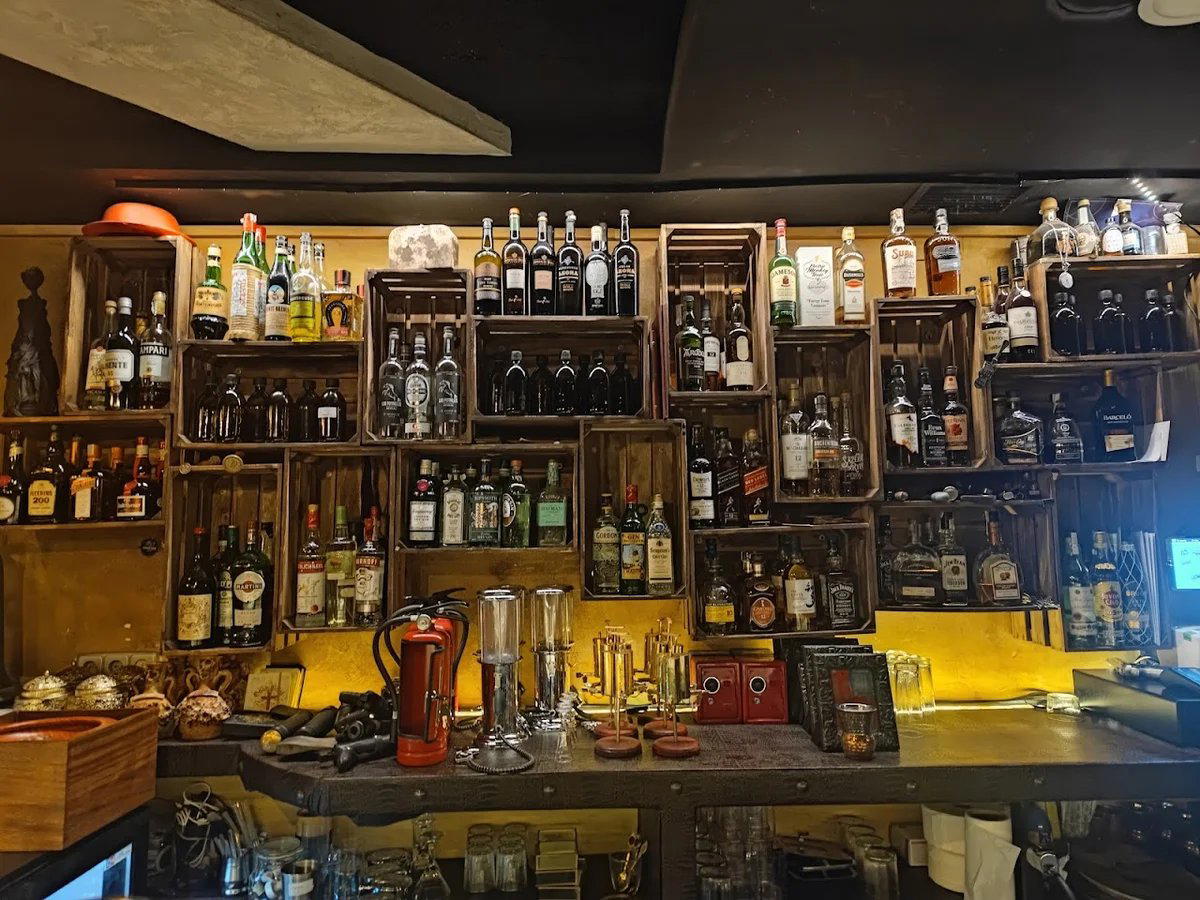
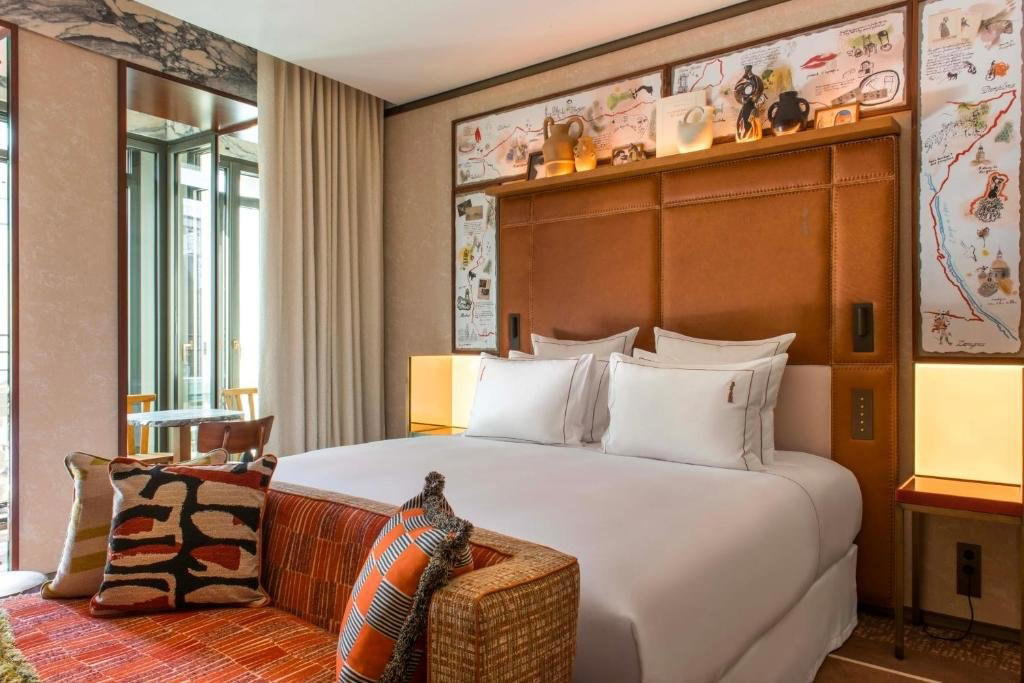
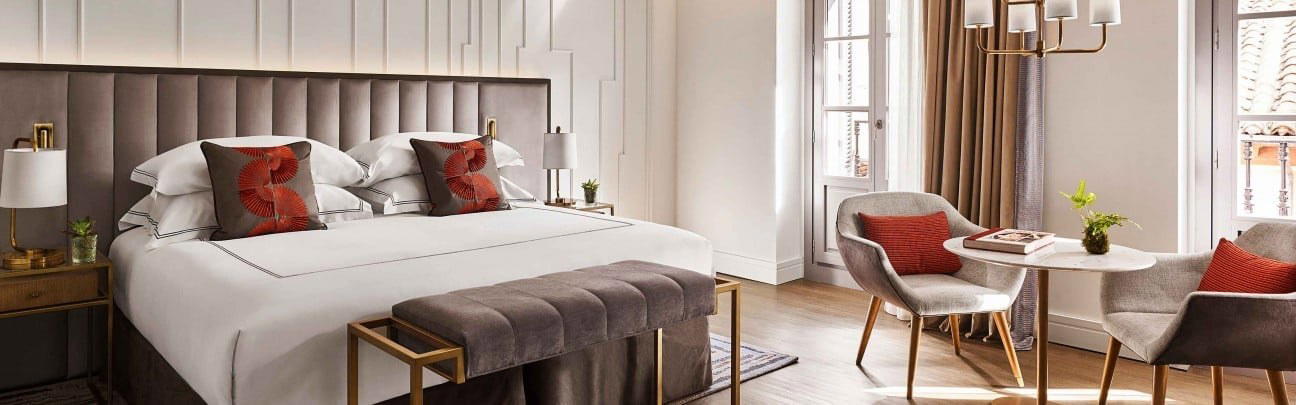
Bright, friendly, and welcoming interior with a classy atmosphere that feels intimate yet lively.