Armenia's dining scene rarely looks beyond its coffee-country identity, which makes Restaurante Español DeMaría, a Spanish kitchen operating on Carrera 11A in the city centre, an instructive outlier. The address places it within reach of the urban core, and the cuisine positions it against a broader Colombian tradition of Iberian influence that runs from Bogotá south through the Eje Cafetero.
Pearl is the En Primeur Club membership app — saves, bookings, and concierge access live there. Same editors, same standards.
- Address
- Cra. 11A #12n-06 local 2, Armenia, Quindío, Colombia
- Phone
- +573118068144
- Website
- linktr.ee
- Directions
- Get directions
 Saves & bookings on Pearl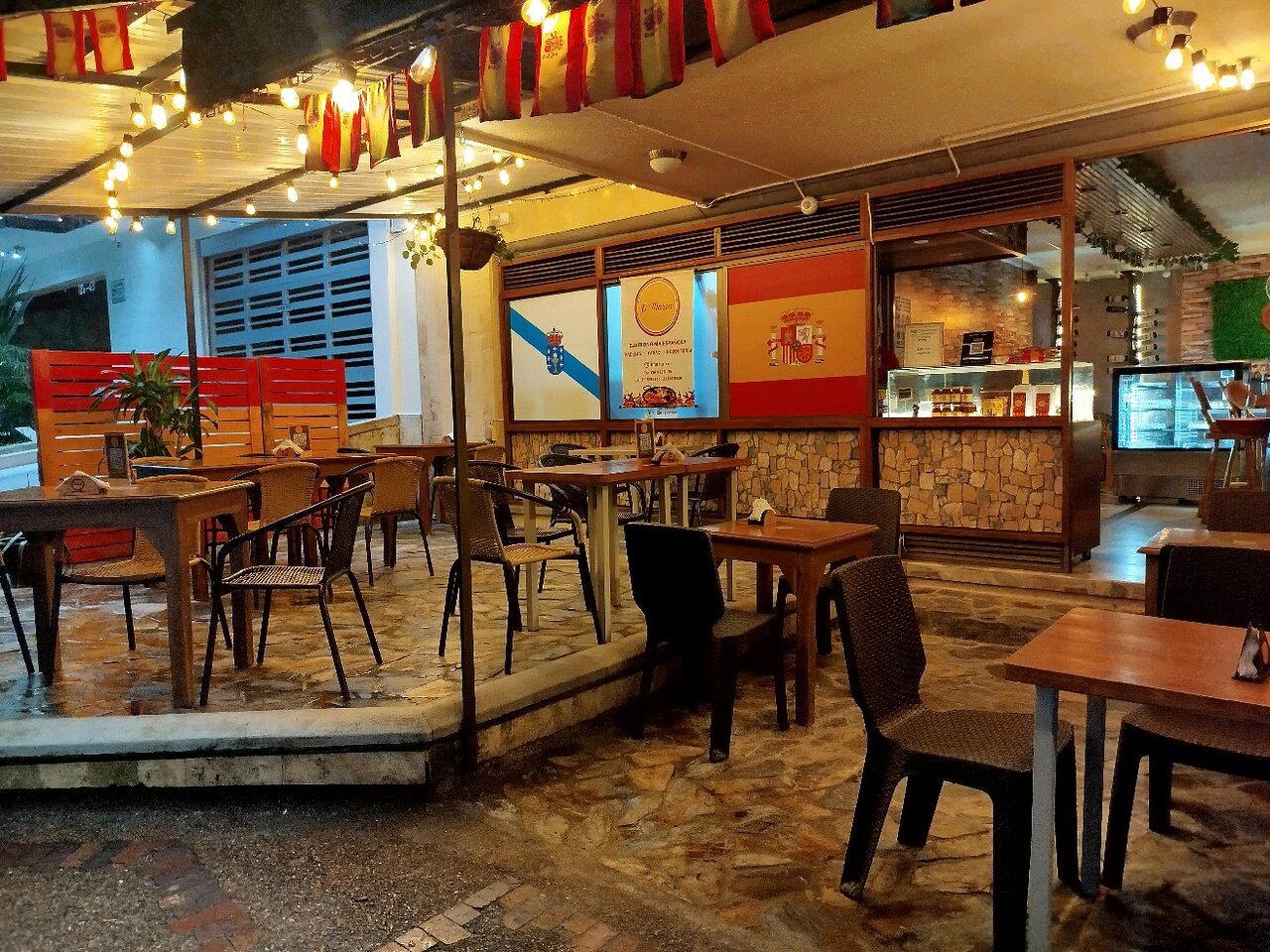
A Spanish Table in Coffee Country
Armenia sits at roughly 1,500 metres in the Quindío department, surrounded by coffee farms and the kind of produce-rich terrain that has long shaped Eje Cafetero cooking. The city's restaurant scene skews local: bandeja paisa variants, arepas, sancocho, and the produce-forward simplicity that defines Colombian highland eating. Against that backdrop, a Spanish kitchen is not a neutral choice. It signals a deliberate positioning, an argument that Iberian culinary tradition, which arrived in Colombia through centuries of migration and trade, belongs at the same table as the region's own canon.
Restaurante Español DeMaría occupies a ground-floor local on Carrera 11A, in the kind of mid-city block that Armenian residents use for daily life rather than destination dining. That address matters: it places the restaurant inside the city's working fabric rather than in a tourist corridor or a polished food district. For a Spanish concept, this kind of civic integration has its own logic, Madrid and Seville show that a Spanish restaurant can thrive in an everyday neighbourhood.
The Iberian Tradition Inside a Colombian Context
Spanish cuisine as it travels through Latin America is rarely a clean transplant. In Colombia, Iberian influence has been absorbed and rerouted through four centuries of local ingredient logic: the pork traditions of the Paisa region, the olive oil and legume patterns that appear in coastal cooking, the spiced rice dishes that trace back to Moorish Andalusia by way of the Caribbean. A Spanish restaurant in Armenia is therefore drawing on a tradition that is, in some ways, already present in Colombian food, but choosing to make that lineage explicit rather than dissolved.
That distinction matters for sourcing. Spanish cuisine at its foundational level is ingredient-driven: the quality of the olive oil, the breed and cure of the jamón, the freshness of the seafood, the age of the cheese. In a landlocked city at altitude, achieving those sourcing standards requires active supply work. Colombia's internal trade routes have improved substantially over the past decade, and Bogotá's import infrastructure now reaches secondary cities with a frequency that would have been impractical twenty years ago. Quindío's own agricultural output, including high-quality tropical fruits, fresh herbs, and free-range proteins, provides a supplementary layer that any ingredient-conscious kitchen can use. For a venue like DeMaría, the sourcing question is not simply where the food comes from, but how it negotiates between Iberian template and Colombian raw material.
This negotiation is what separates a serious Spanish kitchen in Latin America from a decorative one. The restaurants in Colombia that have earned sustained credibility, from the modern Colombian operators in Bogotá to the Iberian-focused addresses in Cali, such as Casa Ibérica, tend to be those where sourcing discipline is legible on the plate. The Spanish tradition does not hide its ingredients; it foregrounds them.
Armenia's Position in the Colombian Dining Picture
Colombia's restaurant scene has shifted considerably since 2015. Bogotá now operates with a density of serious kitchens that makes peer comparison meaningful; Medellín has its own emerging cohort; Cartagena functions as a coastal counterpoint with its own sourcing logic. But mid-sized cities, Pereira, Manizales, Armenia, occupy a different tier. They have local talent and genuine food culture, but the infrastructure of awards, press coverage, and international travel traffic that amplifies restaurant reputations is thinner on the ground.
That means a restaurant like DeMaría operates without the validation scaffolding available to its Bogotá equivalents. Armenia does not feature on the main Michelin or 50 Best circuits. The absence of that coverage does shape how a venue builds its audience, through word of mouth and local loyalty. For comparison, venues operating in larger Colombian cities with more visible press profiles, like Debora Restaurante in Bogotá or 37 Park in Medellín, carry a different kind of public visibility, one built partly on media access that secondary cities do not yet generate at the same volume.
Choosing to eat well in Armenia requires more active research than eating well in Bogotá. The reward is a dining room operating for its community rather than for a broader audience. Our full Armenia restaurants guide covers the wider scene in more detail for visitors planning a longer stay in the Eje Cafetero.
Planning a Visit
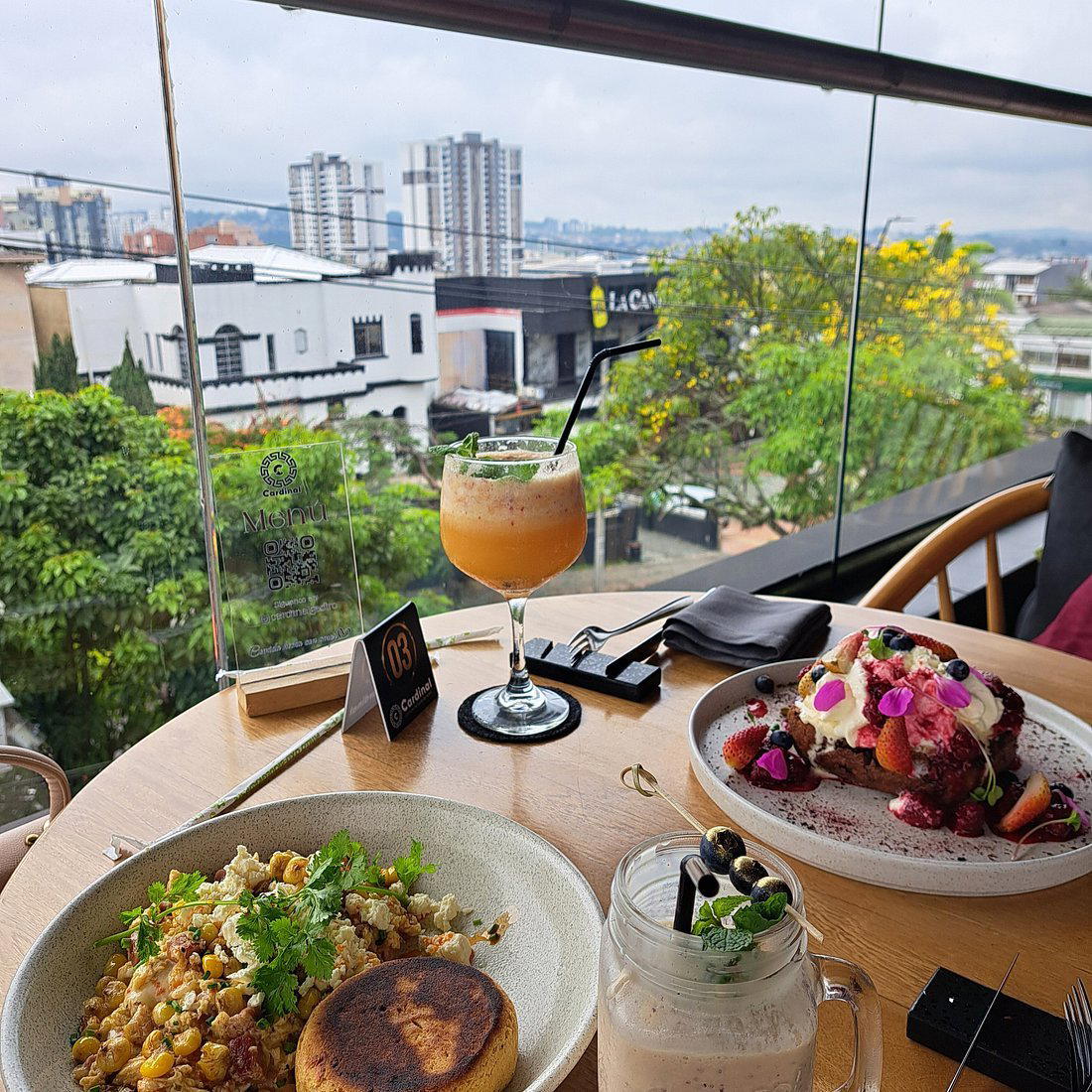
DeMaría's address, Cra. 11A #12n-06, local 2, puts it in central Armenia, walkable from the main commercial zone and accessible by taxi or app-based transport from most city hotels. Hours, booking, and pricing should be confirmed directly before visiting. Visiting earlier in the week tends to produce a quieter room in mid-tier city restaurants across Colombia; weekends in the central district can draw heavier foot traffic. For context on what a Spanish-influenced meal costs relative to other categories in the region, Cardinal Comida Peruana de Autor in Pereira offers a nearby comparison point for the kind of international-cuisine segment that operates in Eje Cafetero cities.
Other Colombian restaurants worth knowing across the country include Andrés Carne de Res in Chía, LA BRIOCHE Bocagrande in Cartagena, Varadero in Barranquilla, Bulgatta restaurante in Retiro, BK Burukuka in Santa Marta, Le Brunch Express in Envigado, Los Tacos Del Gordo in Cartagena, Crepes and Waffles Centro in Cartagena, La B Hamburgers in Sincelejo, El Rancherito in Rionegro, and Asadero Pressto Broaster in Bogotá. For a sense of how ingredient-led precision operates at a global reference point, Le Bernardin in New York and Atomix in New York represent the upper tier of that standard.
Quick Comparison
Comparable venues nearby, for context on price, style, and recognition.
| Venue | Cuisine | Price | Notes |
|---|---|---|---|
| Restaurante Español DeMaríaThis venue — the venue you are viewing | Authentic Spanish | $$ | Not listed |
| Mondongo's | Traditional Colombian Paisa Cuisine | $$ | Poblado |
| Gamberro | Spanish-Colombian Fusion | $$$ | El Chico |
| Pajares Salinas | Traditional Spanish | $$$ | Chico Norte Ii Sector |
| Carmen | Contemporary Colombian tasting menu & fine dining | $$$ | El Poblado |
| Mirador La Paloma | Colombian International Gastropub | $$ | Seminario |
Continue exploring
More in Armenia
Restaurants in Armenia
Browse all →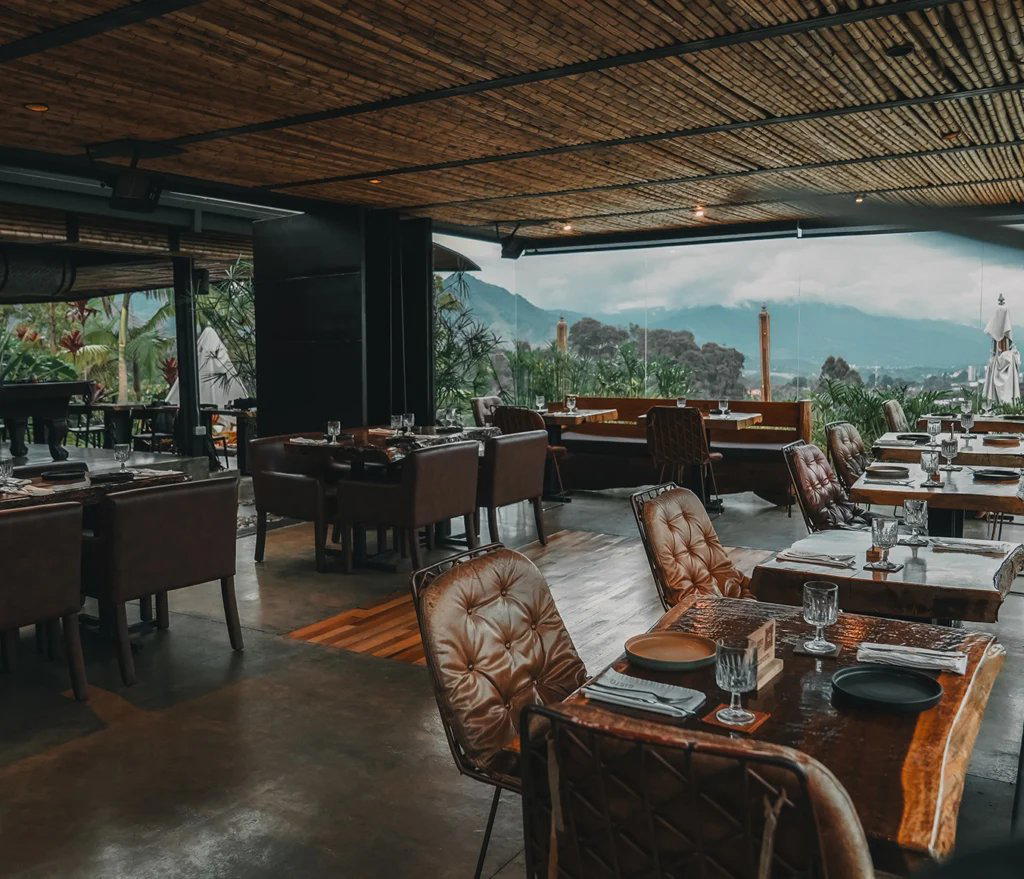
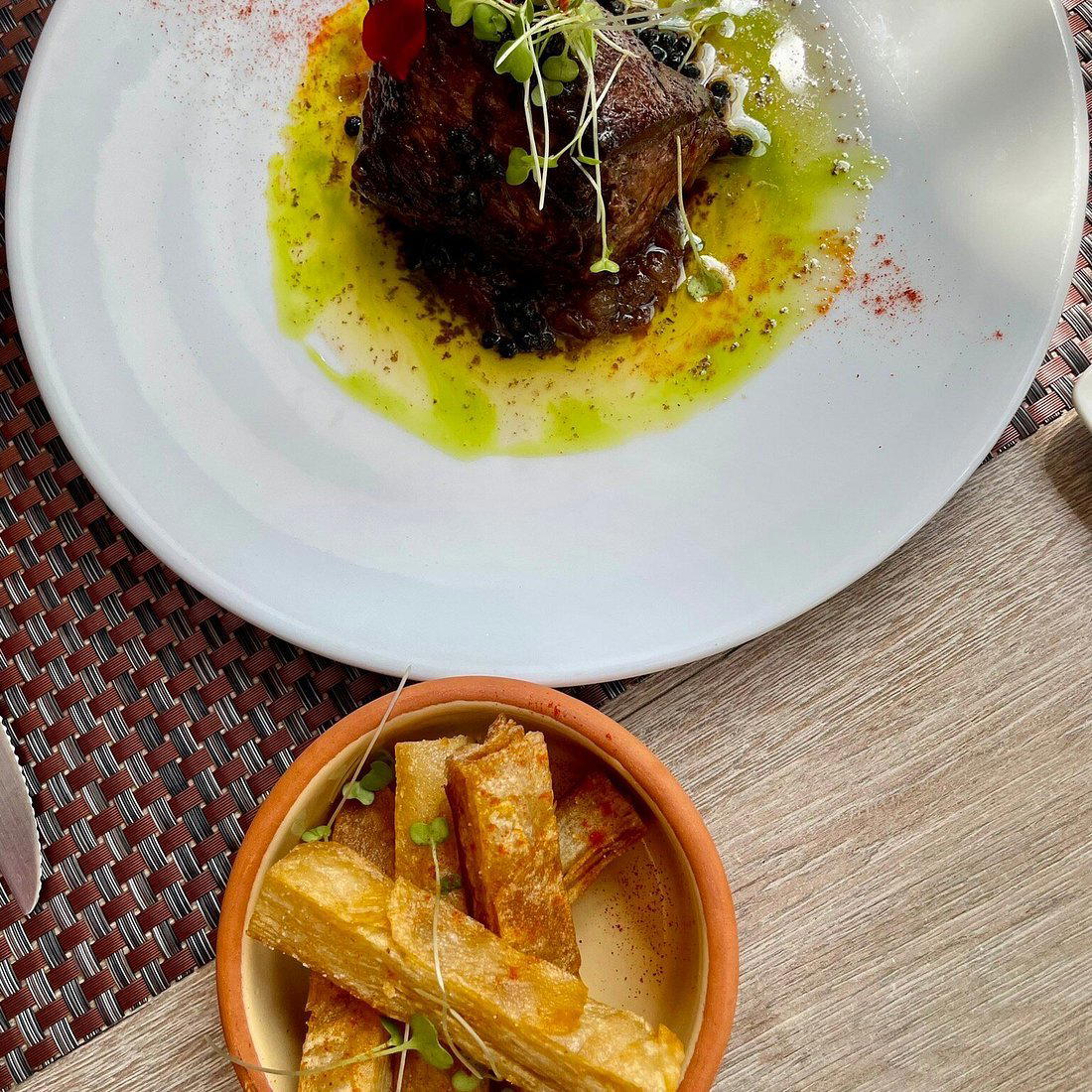

At a Glance
- Classic
- Cozy
- Family
- Special Occasion
- Terrace
Current opening hours
- Monday
- Closed
- Tuesday
- 12:30–8 PM
- Wednesday
- 12:30–8 PM
- Thursday
- 12:30–8 PM
- Friday
- 12:30–8 PM
- Saturday
- 12:30–8 PM
- Sunday
- 12–4 PM
Hours can change for holidays and private events. Last verified .
Cozy and welcoming with natural surroundings, good music, and friendly attentive service.