Positioned 500 metres before José María Córdova International Airport on the Vía Aeropuerto, El Rancherito is a roadside institution in Rionegro that draws on the agricultural traditions of Antioquia's Eastern Highlands. The setting and the menu speak to the same source: a region where cattle country and small-plot farming have shaped what ends up on the table for generations.
Pearl is the En Primeur Club membership app — saves, bookings, and concierge access live there. Same editors, same standards.
- Address
- Vereda Sajonia, diagonal a la bomba Texaco. 500 metros antes del Aeropuerto. (Vía Aeropuerto Km 2), Rionegro, Antioquia
- Website
- elrancherito.com.co
- Directions
- Get directions
 Saves & bookings on Pearl
Where the Road to Rionegro Still Feeds Like the Countryside
The stretch of road connecting Rionegro to José María Córdova International Airport carries a particular kind of traffic: business travellers from Medellín, exporters moving through Antioquia's commercial corridor, and the steady stream of families who have made this route a weekend ritual for decades. Along that corridor, El Rancherito occupies a position that has less to do with destination dining and more to do with the older Colombian habit of stopping where the land around you is also what feeds you. The address, Vereda Sajonia, diagonal a la bomba Texaco, roughly 500 metres before the airport on Vía Aeropuerto Km 2, places this restaurant in Rionegro, Antioquia. It places this restaurant inside a zone where Antioquia's agricultural output is still immediate, where the Eastern Highlands' tradition of cattle ranching, small dairy farms, and subsistence plots remains part of the daily economy rather than a marketing narrative.
In Colombia's broader dining conversation, ingredient sourcing is often framed as a premium concept, with Bogotá restaurants like Debora Restaurante and Harry Sasson building menus around the idea of provenance. At the high end of that register, a restaurant's relationship to its ingredients is curated and labelled. In a place like El Rancherito, that relationship is structural. The Antioqueño interior has always produced its own proteins and starches, and the roadside kitchens that have served this corridor for generations are a direct expression of that self-sufficiency.
Antioqueño Foodways and What They Demand of a Kitchen
The cuisine of Antioquia is not a subtle tradition. It is built around volume and reliability: the bandeja paisa format that places red beans, ground beef, chicharrón, egg, rice, plantain, avocado, and arepa on a single plate is both a regional statement and a practical response to agricultural abundance. Pork has historically dominated the protein range of the interior, with pig farming embedded in the small-holding culture of the hillside veredas, the rural districts that make up the patchwork of settlements surrounding Rionegro itself. El Rancherito's address in Vereda Sajonia places it within this patchwork, not at its edge.
What that geography implies for sourcing is meaningful. The Eastern Highlands around Rionegro sit at approximately 2,125 metres above sea level, producing a temperate climate that supports both beef cattle and dairy herds, as well as the tuber crops, yuca, papa criolla, arracacha, that anchor Antioqueño side dishes. A roadside restaurant operating in this zone draws from a supply chain that is, by default, short. That proximity is not a feature to be marketed; it is simply the condition under which cooking here has always operated. Compare that to coastal Colombian restaurants like Donde Mama in Barranquilla or El Boliche Ceviche in Cartagena, where the ingredient story runs through the sea and the Caribbean lowlands. Each regional tradition is complete on its own terms, shaped by what the land or water around it produces.
The Character of the Roadside Meal in Antioquia
There is a category of Colombian eating that receives almost no coverage in the international food press but functions as the backbone of how most Colombians actually eat when they travel between cities. The roadside restaurante de carretera, the highway restaurant, operates as a democratic institution. Truckers, families in minivans, travellers connecting through airports, and locals from nearby farms eat in the same room, often from the same fixed-price menu. The format rewards consistency over creativity. A kitchen that serves the Rionegro-airport corridor reliably, year after year, earns a different kind of loyalty than one chasing novelty.
This contrasts with the direction taken by ambitious Colombian restaurants in the country's major cities. X.O. in Medellín and Domingo in Cali work in a register defined by technique and curation. Andrés Carne de Res in Chia has turned the Colombian carnivore tradition into a theatrical experience at scale. El Rancherito operates at none of these registers. It belongs to an older and more stable category, one that Colombian food culture has always depended upon but rarely examines critically.
For readers who have eaten at Bulgatta Restaurante in Retiro or spent time in the broader Oriente Antioqueño, the sensibility will be familiar: an unpretentious interior, an emphasis on generous portions, and the assumption that the person eating has probably arrived hungry from a journey. The restaurant sits on a working road, not a pedestrian dining strip, and the approach to hospitality reflects that.
Planning a Visit: Logistics and Timing
The practical case for the restaurant is most legible to travellers passing through José María Córdova International Airport, which serves the Medellín metropolitan area and handles a significant volume of domestic and regional international traffic. The restaurant sits approximately 500 metres before the airport entrance on Vía Aeropuerto Km 2, making it accessible by taxi or private vehicle before or after a flight. Rionegro's town centre is a short drive in the opposite direction, and the surrounding Oriente Antioqueño region has developed into a significant secondary dining destination, with addresses like Café Le Gris in Medellin representing the more refined end of the regional coffee and dining culture.
At about US$15 per person, the restaurant sits in a modest price tier. Reservations are recommended. Walk-in is the norm at addresses of this type. Travellers with a specific schedule should allow time accordingly. For those connecting through the airport and looking to eat before departure, the proximity makes this corridor worth knowing regardless of which specific restaurant you choose.
Colombia's Regional Dining Network: Situating El Rancherito
Colombian dining at the premium end has expanded significantly in the past decade, with Bogotá and Medellín concentrating most of the critical attention. Restaurants operating in that register draw comparisons to internationally recognised addresses: the kind of precision and conceptual ambition seen at Le Bernardin in New York City or the narrative-driven format of Lazy Bear in San Francisco now have Colombian counterparts that compete seriously at the regional level. The rest of the country's eating, however, runs on a different engine entirely. The municipal and roadside restaurants of Antioquia, the coastal cevicherías like Sevichería Guapi in Santiago De Cali, the neighbourhood spots like Donde La Yiyo in Bazurto, and the regional pizza and casual categories represented by places like Adictta Pizza in Manizales or Cardinal Comida Peruana de Autor in Pereira form a second, larger layer that is often where particularly honest eating happens.
The restaurant sits within that layer. Its value to a traveller is measured in proximity, reliability, and the specific kind of Antioqueño cooking that the Eastern Highlands produce when a kitchen is close enough to its sources to let geography do most of the work. It is measured in proximity, reliability, and the specific kind of Antioqueño cooking that the Eastern Highlands produce when a kitchen is close enough to its sources to let geography do most of the work. And for a restaurant on the road to the airport, that is a sufficient brief. Meanwhile, the broader Colombian dining scene is worth exploring: Clero Restaurante in Cartagena De Indias and BK Burukuka in Santa Marta represent the coastal end of a national dining network that rewards exploration at every level.
Side-by-Side Snapshot
Comparable venues nearby, for context on price, style, and recognition.
| Venue | Cuisine | Price | Notes |
|---|---|---|---|
| El RancheritoThis venue — the venue you are viewing | Traditional Colombian Comida Típica | $$ | Not listed |
| Crepes & Waffles Centro | Crepes & Waffles | $$ | El Centro |
| LA BRIOCHE Bocagrande | Franco-Caribbean Brunch | $$ | Bocagrande |
| Le Brunch Express | Brunch | $$ | Zona 2 |
| Yacky Chan | Paisiatic Asian Fusion | $$ | El Poblado |
| Prudencia | Modern Colombian Fine Dining | $$$ | La Concordia |


At a Glance
- Rustic
- Cozy
- Lively
- Family
- Group Dining
- Casual Hangout
- Live Music
- Beer Program
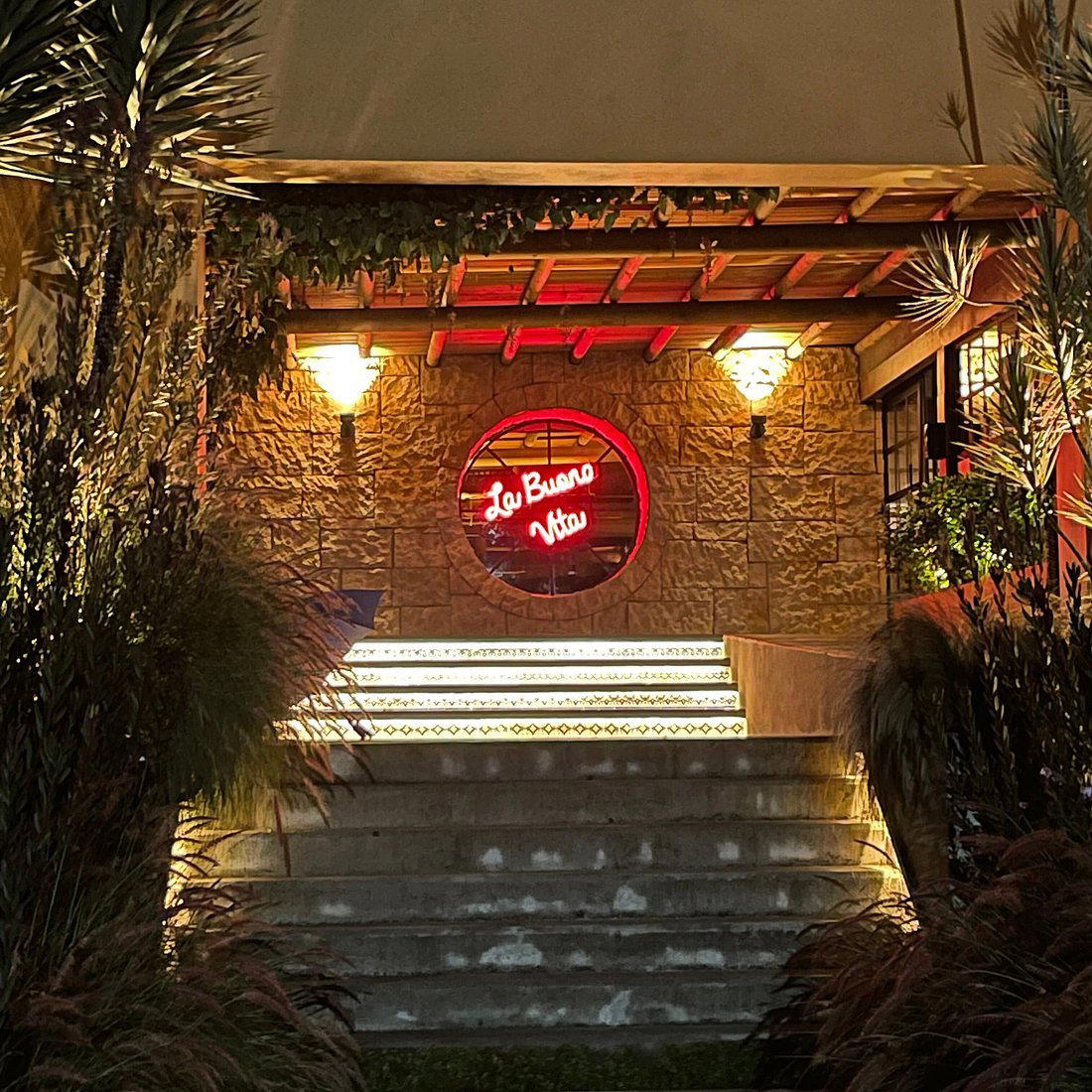
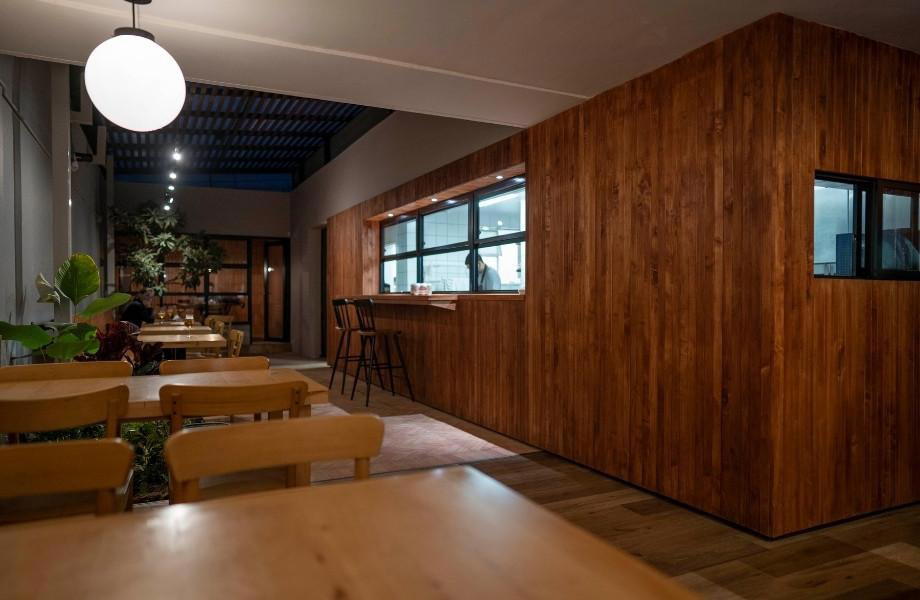
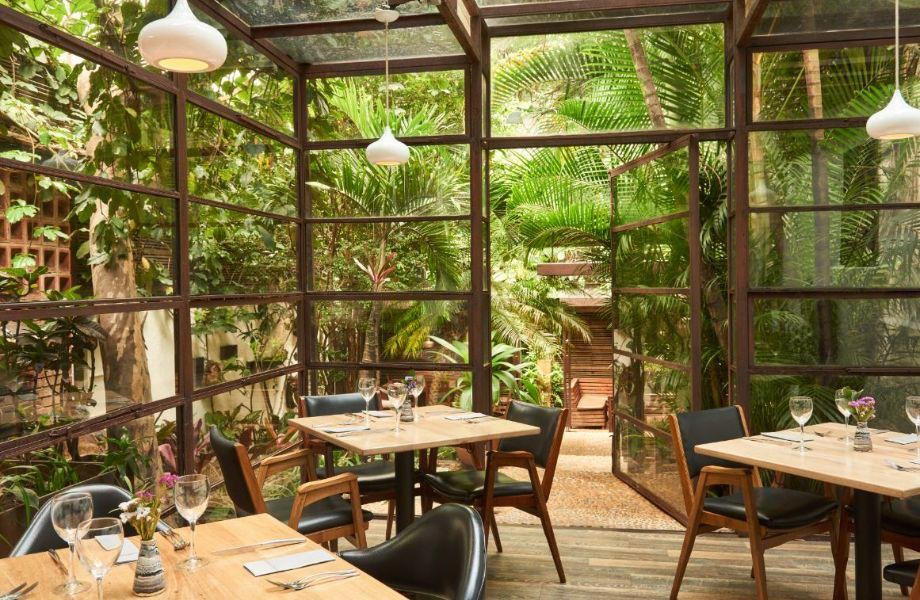
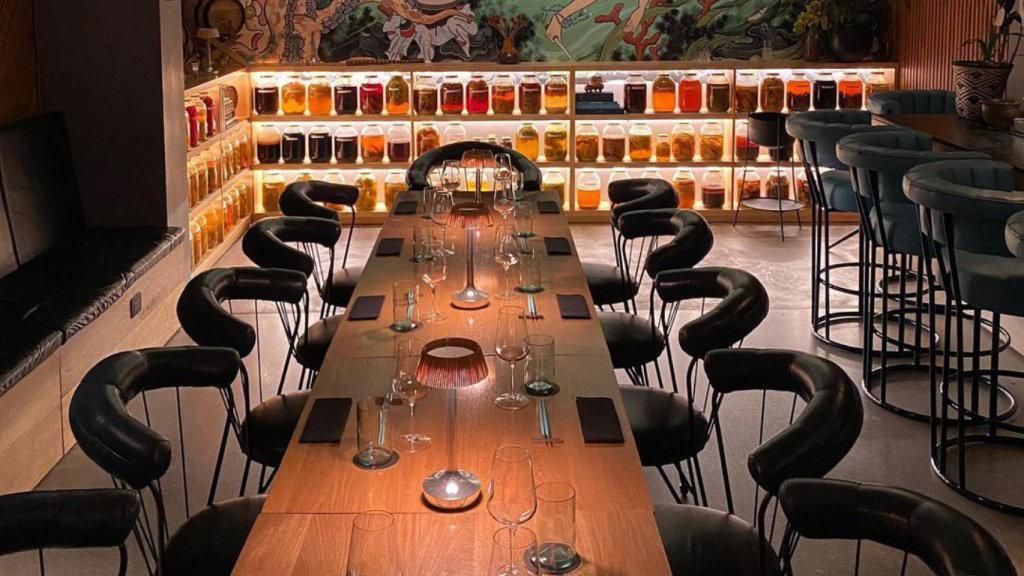
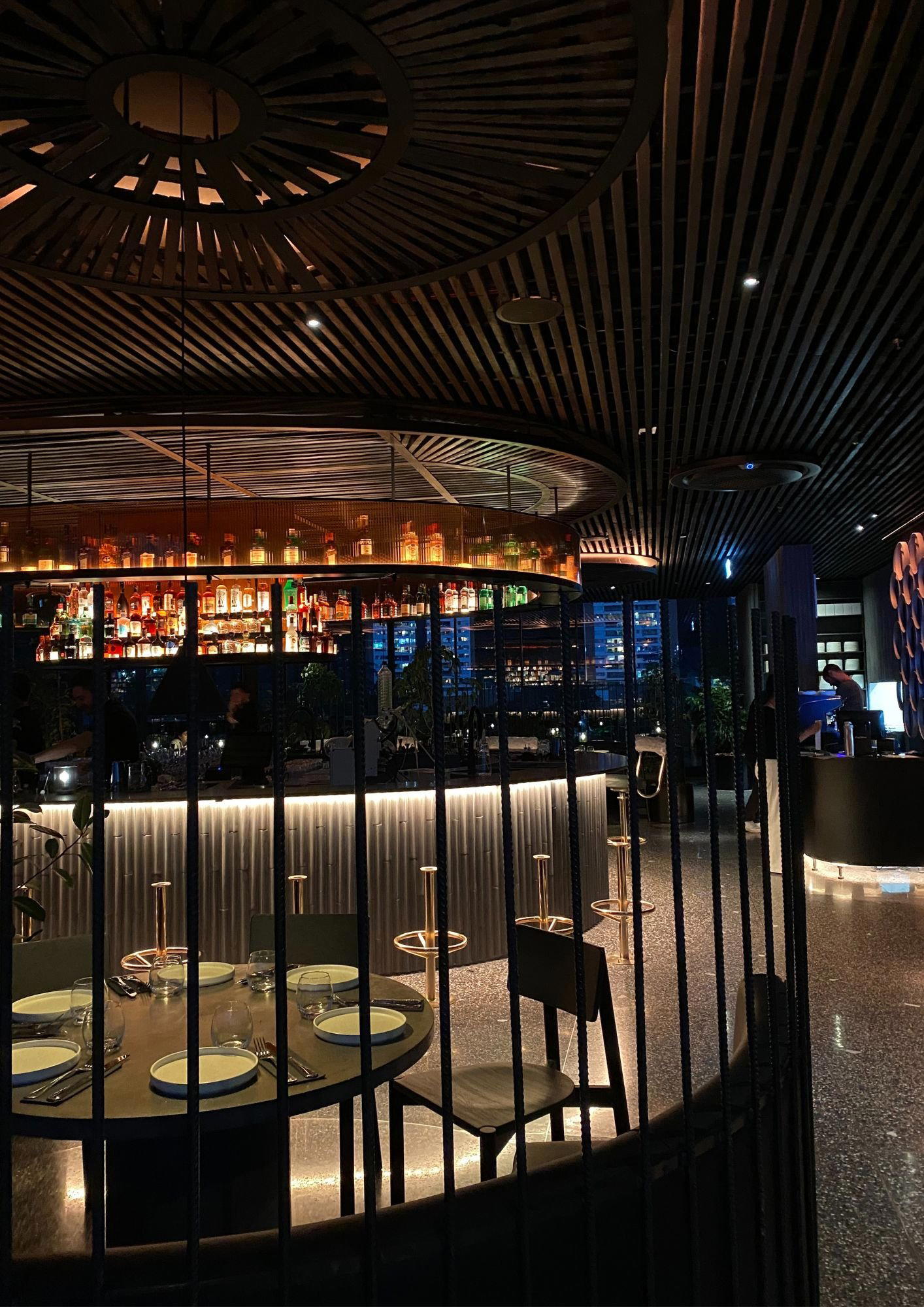
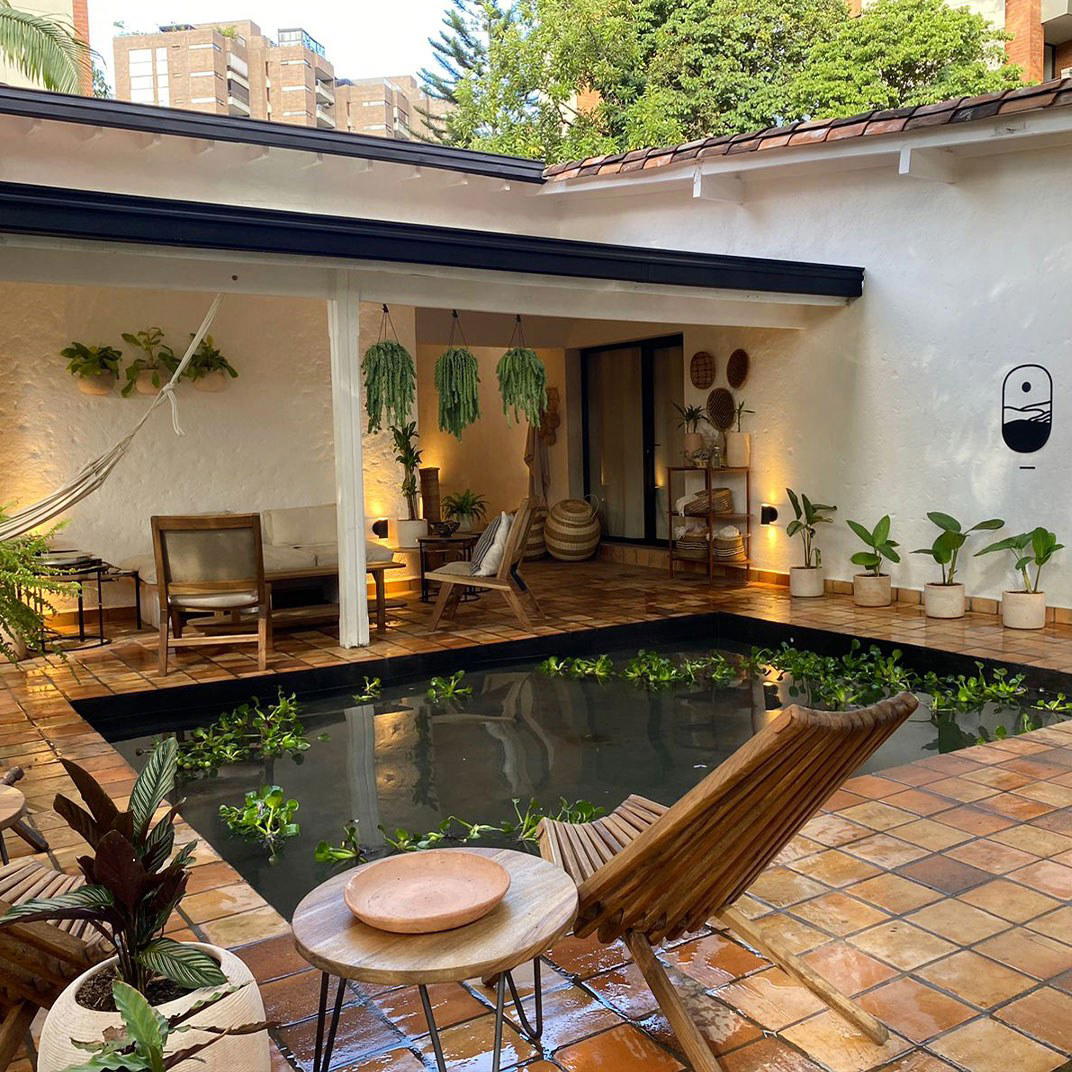
Relaxed rustic setting with nice charm, often featuring live music in evenings and packed with Colombian families.