Varadero
Varadero sits in Barranquilla's Norte Centro Histórico district, where the Caribbean coast's ingredient traditions shape the dining character of the neighbourhood. The address on Cra. 51B places it within a cluster of restaurants that draw on the Atlántico department's proximity to both sea and river systems. For visitors tracing the city's food geography, it belongs in the same conversation as Donde Mama and Restaurante La Cueva.
Pearl is the En Primeur Club membership app — saves, bookings, and concierge access live there. Same editors, same standards.
- Address
- Cra. 51B # 79 - 97, Nte. Centro Historico, Barranquilla, Atlántico, Colombia
- Phone
- +573178933016
- Website
- varaderoco.com
- Directions
- Get directions
 Saves & bookings on Pearl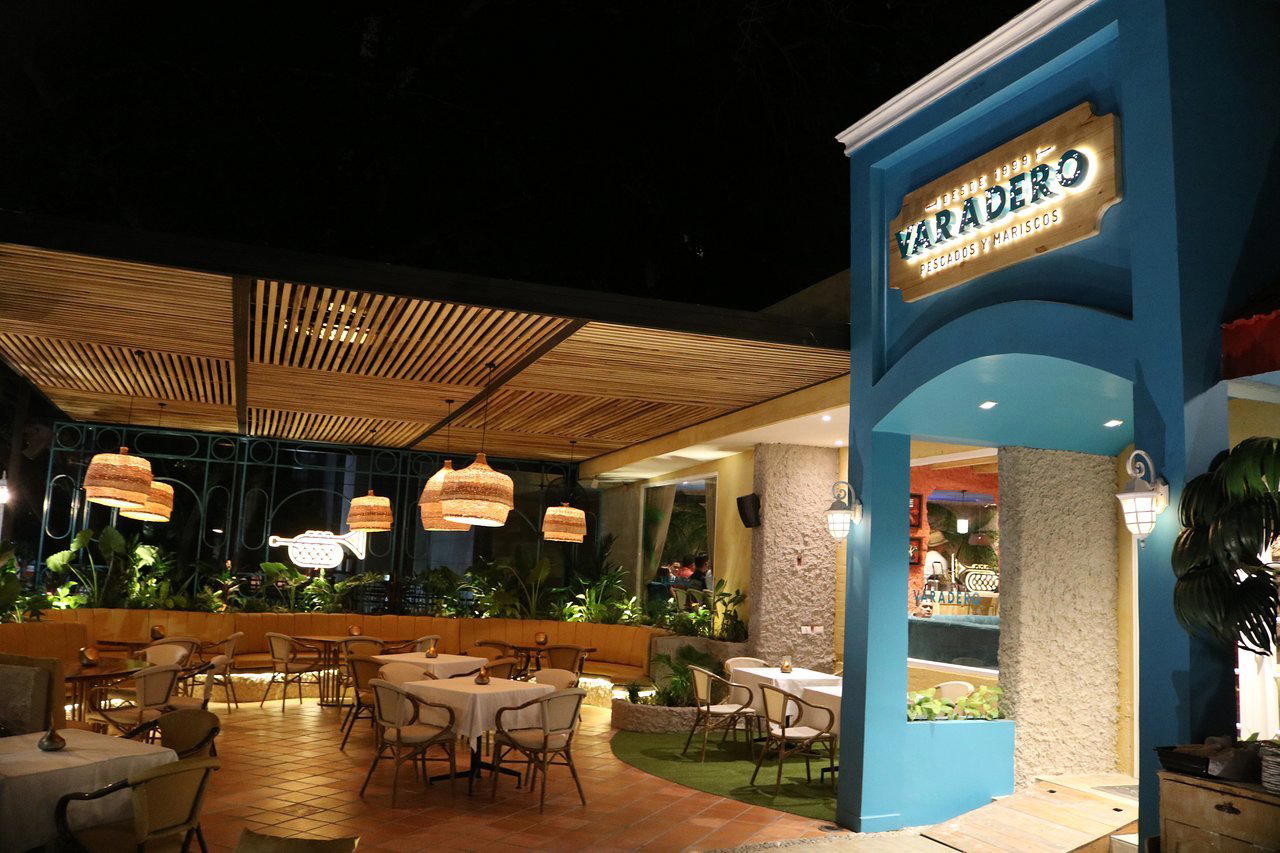
What the Caribbean Coast Puts on the Table
Barranquilla's position at the mouth of the Magdalena River, where the river's interior supply chains meet Caribbean fishing grounds, has always given its kitchens access to a wider ingredient range than most Colombian cities can manage. Freshwater fish from the Magdalena delta, shellfish pulled from the coastal waters of Atlántico, tropical fruits from the surrounding departments, and cattle raised on Caribbean lowland pasture, these are the raw materials that define the regional cooking tradition here, and they inform the food culture of the Norte Centro Histórico neighbourhood where Varadero operates.
That neighbourhood context matters. The stretch of Carrera 51B has accumulated a cluster of restaurants that draw on costeño cooking in different registers, from the informal lunch counters that anchor the midday trade to the sit-down addresses that attract the city's professional and business crowd in the evenings. Varadero occupies a position in that mix, at an address that puts it within easy reach of the district's main commercial activity.
Ingredient Geography and the Costeño Tradition
Colombian Caribbean cooking is built around sourcing proximity in a way that the country's highland kitchens are not. In Bogotá or Medellín, ingredient supply chains are longer and more varied; on the coast, what arrives on the plate is more directly tied to what the surrounding region produces. This creates a cooking tradition that reads as specific rather than eclectic, the mojarra, the bocachico, the camarones del Atlántico, the ñame and yuca from coastal farms, ingredients that appear in different preparations across different establishments but that establish a shared regional vocabulary.
That vocabulary is what makes Barranquilla's restaurant scene legible to visitors arriving from the interior of the country or from abroad. Addresses like Restaurante La Cueva have long served as reference points for the city's food culture, and newer entries in the Norte Centro Histórico area operate in relation to that established tradition. Donde Mama and Manuel each represent different interpretations of what costeño sourcing looks like at the table, and Restaurante Cuzco adds a further layer by bringing Peruvian-influenced technique into conversation with the same coastal ingredient base.
Varadero sits within that productive tension, a restaurant operating in a neighbourhood where ingredient provenance is both a culinary and cultural statement.
Barranquilla in the Wider Colombian Dining Picture
Colombia's restaurant scene has grown more differentiated across cities in recent years, with Bogotá maintaining the deepest concentration of formally recognized restaurants, Debora Restaurante being one recent example of the capital's more experimental end, and Medellín developing a parallel track that ranges from neighbourhood trattorias like 37 Park to the high-volume spectacle of Andrés Carne de Res just outside the capital in Chía.
The Caribbean coast operates as a third axis in this picture, with Barranquilla and Cartagena occupying different roles. Cartagena's restaurant scene, anchored by addresses like LA BRIOCHE Bocagrande and street-level institutions like Los Tacos Del Gordo, has been shaped by tourism volume in ways that Barranquilla's has not. The result is that Barranquilla's dining addresses tend to serve a local and regional clientele first, which produces a different relationship between kitchen and customer, one where the cooking is calibrated to repeat visitors who know the regional ingredient traditions rather than to tourists arriving with generic expectations.
For anyone benchmarking Caribbean coast dining against international reference points, the gap between a Barranquilla neighbourhood restaurant and a formally recognized address like Le Bernardin in New York is structural rather than qualitative, the two operate in entirely different frameworks of intention, scale, and recognition infrastructure. A closer international parallel might be the way that Atomix in New York uses Korean ingredient traditions as a serious editorial frame; Barranquilla's better restaurants apply similar seriousness to costeño sourcing, even when the formal recognition apparatus hasn't caught up.
The Norte Centro Histórico Address
Carrera 51B in the Norte Centro Histórico is a practical address for visitors staying in the northern residential districts of Barranquilla, which is where most business travellers and short-stay visitors are concentrated. The neighbourhood is less frequented by international tourists than Cartagena's Bocagrande or walled city, which means the experience skews toward the local end of the visitor spectrum, a relevant consideration for anyone trying to read the room accurately.
Getting to Varadero from the city's main hotel corridor is direct by taxi or ride-share application, both of which are standard options in this part of Barranquilla. The address cluster on Cra. 51B is navigable on foot once you arrive, with the surrounding blocks offering additional dining and coffee options that make the area worth a longer circuit if time allows.
Restaurants in this part of Colombia generally operate on a lunch-heavy schedule, with the midday meal carrying more cultural and commercial weight than dinner in many establishments. That pattern holds across the coast, from Santa Marta addresses like BK Burukuka to the more casual format of Crepes & Waffles in Cartagena, and visitors calibrating their day around a substantial lunch will find themselves more aligned with local rhythm than those holding out for a late dinner service.
How It Fits the Region
The broader Colombian Caribbean dining circuit extends across cities that each contribute different ingredients and culinary emphases. Sincelejo adds its own lowland cattle tradition, visible at places like La B Hamburgers. Pereira's restaurant scene, anchored by internationally inflected addresses like Cardinal Comida Peruana de Autor, sits outside the costeño tradition but points to how seriously Colombia's secondary cities are engaging with sourcing and technique. Envigado's Le Brunch Express and Retiro's Bulgatta Restaurante show the range of registers in which the country's emerging dining addresses now operate.
Varadero, operating out of Barranquilla's Norte Centro Histórico, is part of this wider national story, a city restaurant drawing on one of South America's most underappreciated regional ingredient traditions, in a neighbourhood that rewards the visitor who arrives with some knowledge of what the Caribbean coast actually grows, catches, and cooks.
Side-by-Side Snapshot
Comparable venues nearby, for context on price, style, and recognition.
| Venue | Cuisine | Price | Awards | Notes |
|---|---|---|---|---|
| VaraderoThis venue — the venue you are viewing | Caribbean Seafood with Cuban Flavors | $$$ | Not listed | Not listed |
| Restaurante Cuzco | Peruvian Coastal Cuisine | $$$$ | Not listed | Centro Histórico |
| Donde Mama | Caribbean Colombian | $$ | Not listed | Prado |
| Restaurante La Cueva | Caribbean Colombian | $$ | Not listed | El Recreo |
| Manuel | Modern Colombian Fusion | $$$ | World's 50 Best #46 | Centro Historico |
Continue exploring
More in Barranquilla
Restaurants in Barranquilla
Browse all →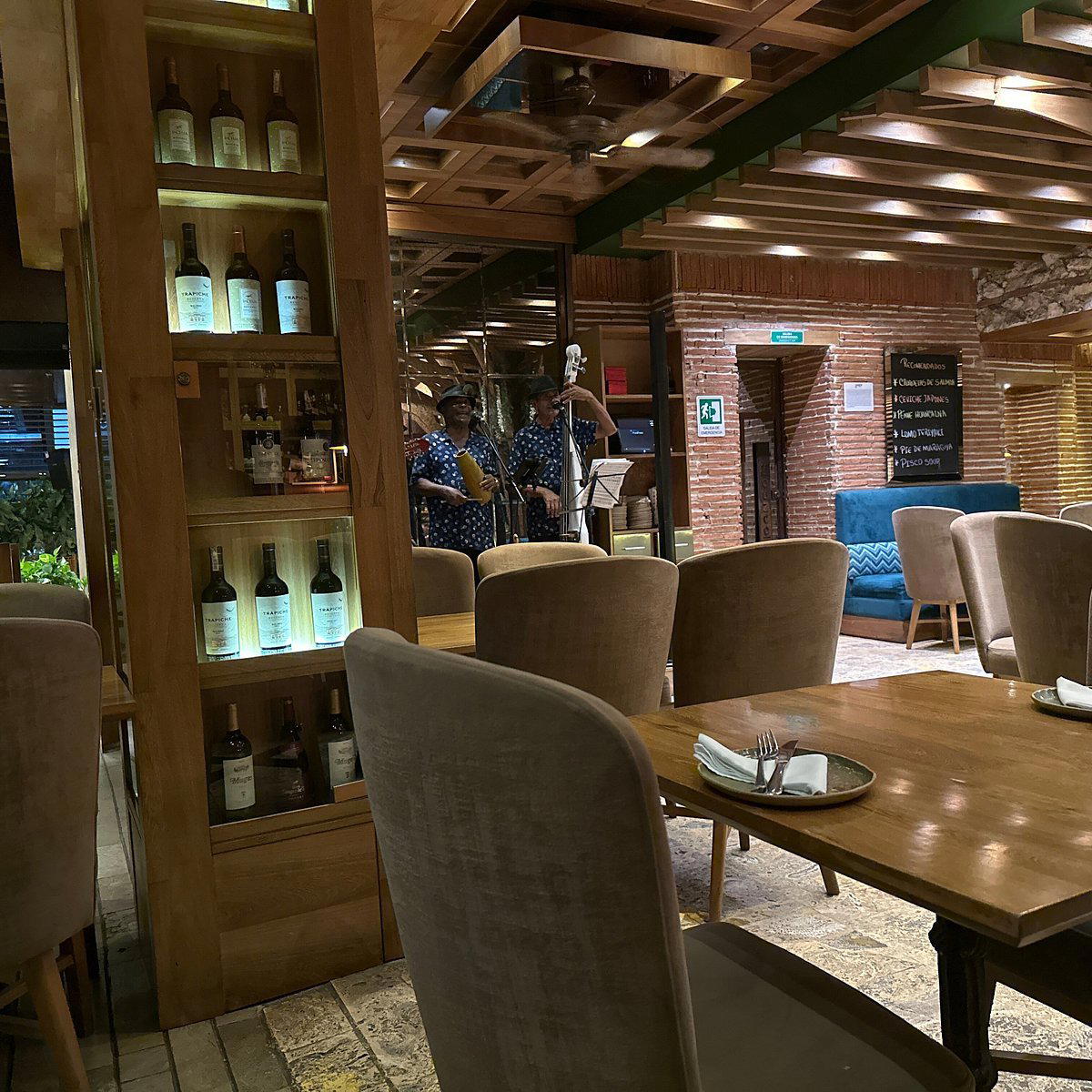
Bars in Barranquilla
Browse all →
Hotels in Barranquilla
Browse all →
At a Glance
- Lively
- Well Known
- Energetic
- Date Night
- Group Dining
- Celebration
- Live Music
- Terrace
- Craft Cocktails
Current opening hours
- Monday
- 12–10 PM
- Tuesday
- 12–10 PM
- Wednesday
- 12–10 PM
- Thursday
- 12–11 PM
- Friday
- 12–11 PM
- Saturday
- 12–11 PM
- Sunday
- 12–9 PM
Hours can change for holidays and private events. Last verified .
Sophisticated nostalgic Cuban atmosphere with lively live music, richly decorated interior, and breezy terrace.