A neighbourhood pollo asado and broaster spot on Calle 185 in northern Bogotá, Asadero Pressto Broaster sits in a category of casual rotisserie and fried-chicken restaurants that anchor Colombian daily eating. The format is direct: grilled and pressure-fried chicken served fast, priced for families, and rooted in the working-class asadero tradition that predates any modern dining trend.
Pearl is the En Primeur Club membership app — saves, bookings, and concierge access live there. Same editors, same standards.
- Address
- 111166, Cl. 185 #55d-28, Bogotá, Colombia
- Phone
- +573133882586
- Website
- presstobroaster.com
- Directions
- Get directions
 Saves & bookings on Pearl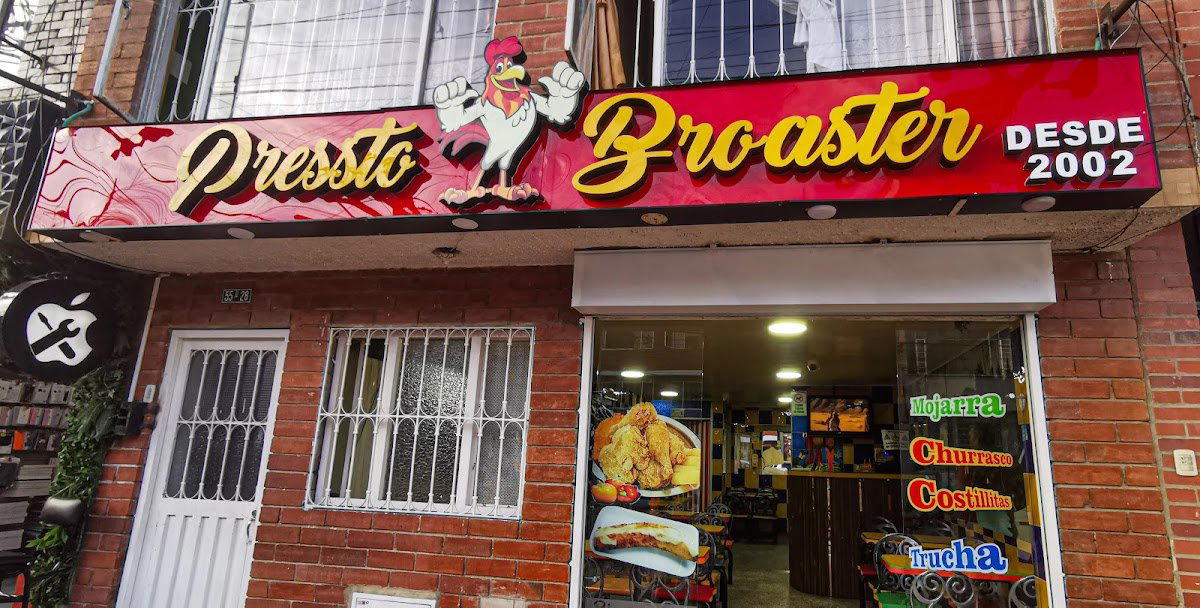
Northern Bogotá and the Asadero Tradition
Bogotá's northern periphery, stretching past the Autopista Norte toward Calle 185 and beyond, operates on a different dining logic than the Zona Rosa or Usaquén restaurant corridors. This is a residential city at scale, where the asadero, the neighbourhood rotisserie house, performs the same cultural function that the corner trattoria does in a Roman suburb or the rôtisseur does in a Lyon market town. The format is almost entirely practical: whole or half birds rotate over open flame or go into pressure fryers, the smoke carries to the street, and a queue forms before the lunch hour peaks. Asadero Pressto Broaster, at Calle 185 #55d-28, sits squarely in this tradition, serving pollo asado and pollo broaster.
Broaster chicken, worth a brief note for those who encounter the term only in Colombia, refers to a specific pressure-frying method introduced commercially in the mid-twentieth century. The technique uses a sealed pressure cooker filled with hot oil, which drives moisture into the meat while crisping the exterior faster than open-frying. The result is juicier than standard fried chicken at comparable cook times, which is why the format spread across Latin America and became a staple of the Colombian asadero repertoire alongside the wood-fired or gas-roasted pollo asado. The two preparations, grilled and pressure-fried, represent the two poles of Colombian casual chicken cookery, and many asaderos serve both to cover the full preference spectrum of a family table.
What the Ingredient Logic Looks Like at This Level
The ingredient story at a neighbourhood asadero is less about provenance provenance in the tasting-menu sense and more about the supply chain that makes the format economically viable at mass scale. Colombian poultry production is concentrated in departments like Cundinamarca, Santander, and Valle del Cauca, with Cundinamarca, the department that encircles Bogotá, supplying a significant portion of the capital's fresh chicken. The proximity matters: shorter cold-chain distances between farm and city mean that a neighbourhood spot in northern Bogotá is typically working with birds that have not travelled far. That logistical fact distinguishes Colombian urban asaderos from equivalent formats in cities where poultry infrastructure is more dispersed.
Marinades and rubs are where individual asaderos differentiate within a highly standardised category. The classic Colombian pollo asado preparation involves a combination of achiote (annatto), garlic, cumin, and citrus, applied hours before cooking to allow the coloring and flavoring compounds to penetrate the skin. Achiote is grown across Colombia's warmer lowland departments and gives the characteristic orange-red exterior that signals proper preparation to any Bogotano who grew up eating asadero chicken. The spice geometry here is not decorative; it reflects a cooking tradition that developed alongside Colombia's specific agricultural palette, distinct from Peruvian pollo a la brasa (which typically uses different herb profiles) or Mexican pollo rostizado traditions. For broader context on how Colombian kitchens have formalised these ingredient traditions at the high end, the work at Harry Sasson (Colombian) in Bogotá offers a reference point for how the same base ingredients function in a more composed format.
The Asadero in Bogotá's Eating Hierarchy
Bogotá's restaurant conversation tends to centre on the Michelin-adjacent modern Colombian scene, the kind of cooking represented by El Chato, Leo, and Celele, where Colombian ingredients are recontextualised through fine-dining technique. But the city feeds itself daily through a parallel infrastructure of asaderos, fritangas, and corrientazos that operate with no awards, no tasting menus, and no reservation systems. The asadero is a different structure entirely, valued by the city for consistency, speed, and price accessibility rather than novelty or technique complexity.
In that context, Asadero Pressto Broaster occupies a position that is representative rather than notable: a neighbourhood chicken house doing the thing that neighbourhood chicken houses in Bogotá do, located in a part of the city that runs on practical eating. At the more composed end of Bogotá's current scene, Debora Restaurante in Bogota offers a contrasting register for the same city's appetite.
Across Colombia, the casual-eating infrastructure follows similar patterns in other cities, though the specific formats shift. In Barranquilla, Donde Mama in Barranquilla represents the coastal equivalent of neighbourhood institution eating. In Cartagena, the seafood-led casual tier is anchored by spots like El Boliche Ceviche in Cartagena. The point is that every Colombian city sustains a layer of accessible, format-specific eating that sits below the editorial radar but above the purely transactional. The asadero belongs to that layer.
Getting There and Practical Notes
The address, Calle 185 #55d-28, places the restaurant in Bogotá's far northern residential zone, a considerable distance from the traditional tourist corridor that runs between La Candelaria and Chapinero. Visitors staying in the Zona Rosa or Usaquén would be making a deliberate trip rather than a casual detour. The TransMilenio system reaches this far north via the Autopista Norte corridor, and the area is accessible by app-based car services at reasonable fares from most of the city's central neighbourhoods. The restaurant is walk-in friendly, with hours listed below. It is walk-in friendly, though waits are possible at busy lunch periods.
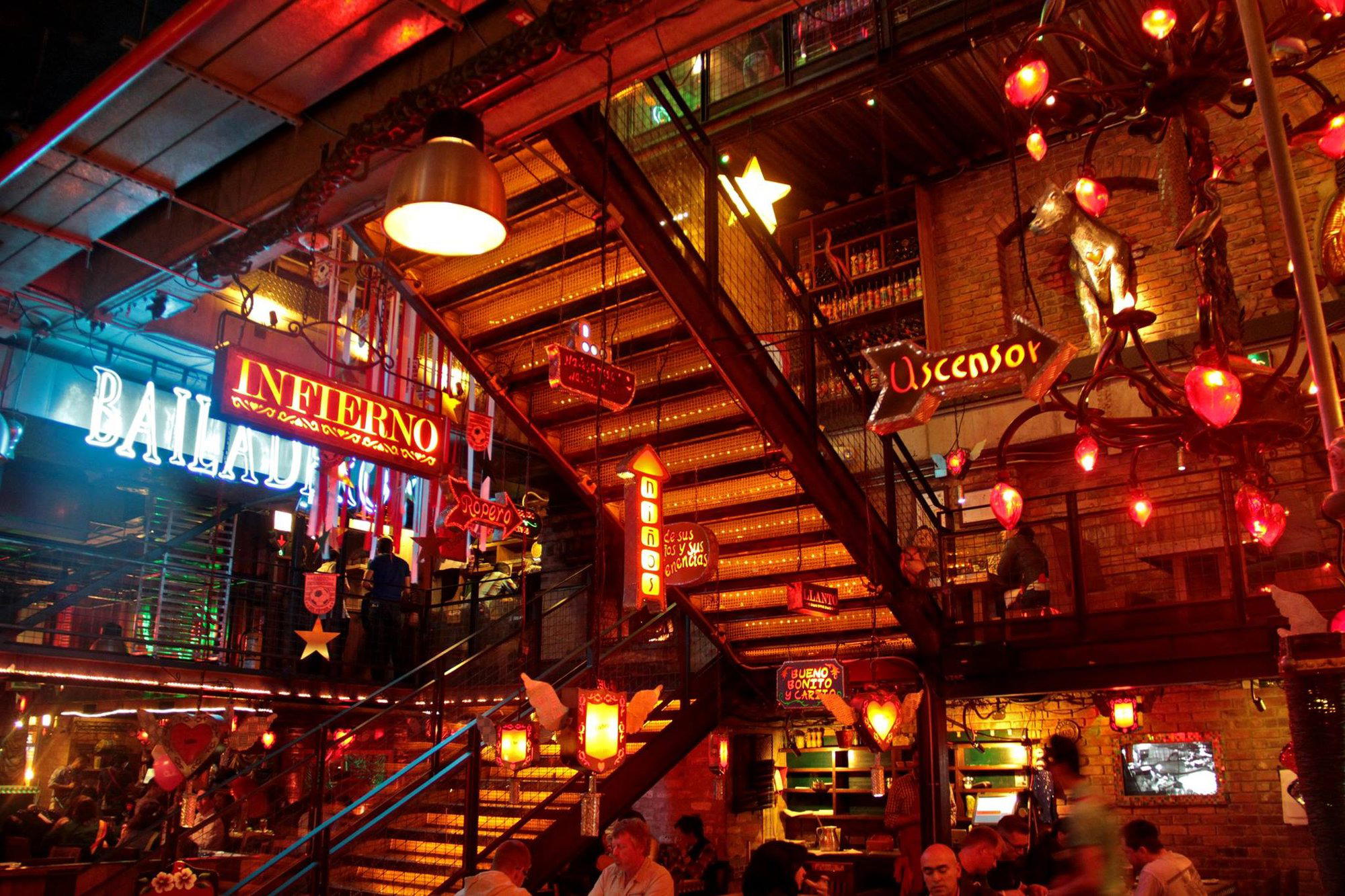
In Medellín, X.O. in Medellín and Café Le Gris in Medellin represent different casual registers in that city. In Cali, Domingo in Cali and Sevichería Guapi in Santiago De Cali anchor the local casual scene. Farther afield, Andrés Carne de Res in Chia is the reference point for large-format Colombian casual eating near Bogotá, operating at a scale and theatricality that places it in a different category from the neighbourhood asadero entirely. For those tracking regional Colombian cuisine more broadly, Cardinal Comida Peruana de Autor in Pereira and Clero Restaurante in Cartagena De Indias illustrate how different cities handle the mid-tier creative-casual space.
At-a-Glance Comparison
Comparable venues nearby, for context on price, style, and recognition.
| Venue | Cuisine | Price | Notes |
|---|---|---|---|
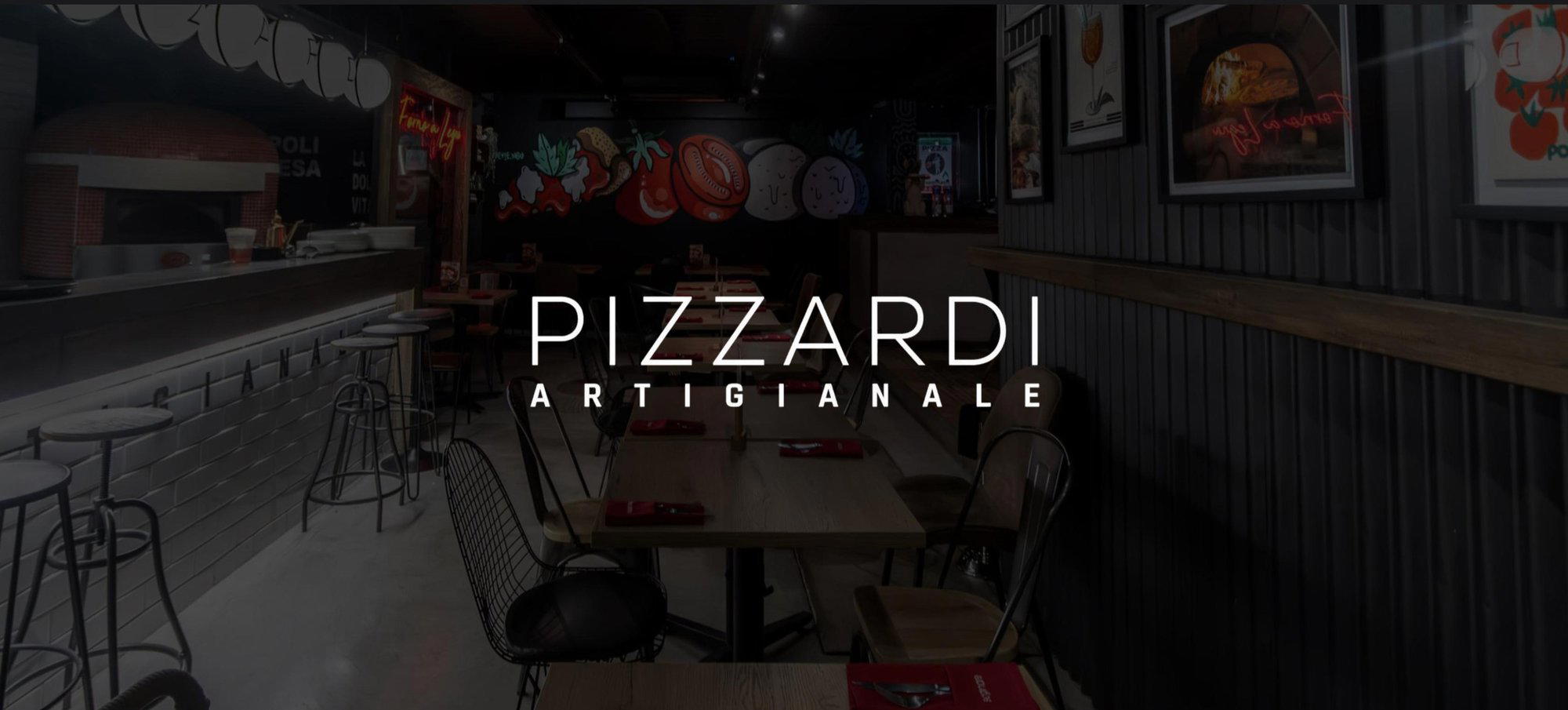
| Asadero Pressto Broaster – Pollo Asado y BroasterThis venue — the venue you are viewing | Colombian Broaster Chicken & Grilled Meats | $ | Not listed |
| Donut Factory | Donut Shop | $ | Mirandela |
| Mini Mal | Modern Colombian Farm-to-Table | $$ | Bosque Calderon |
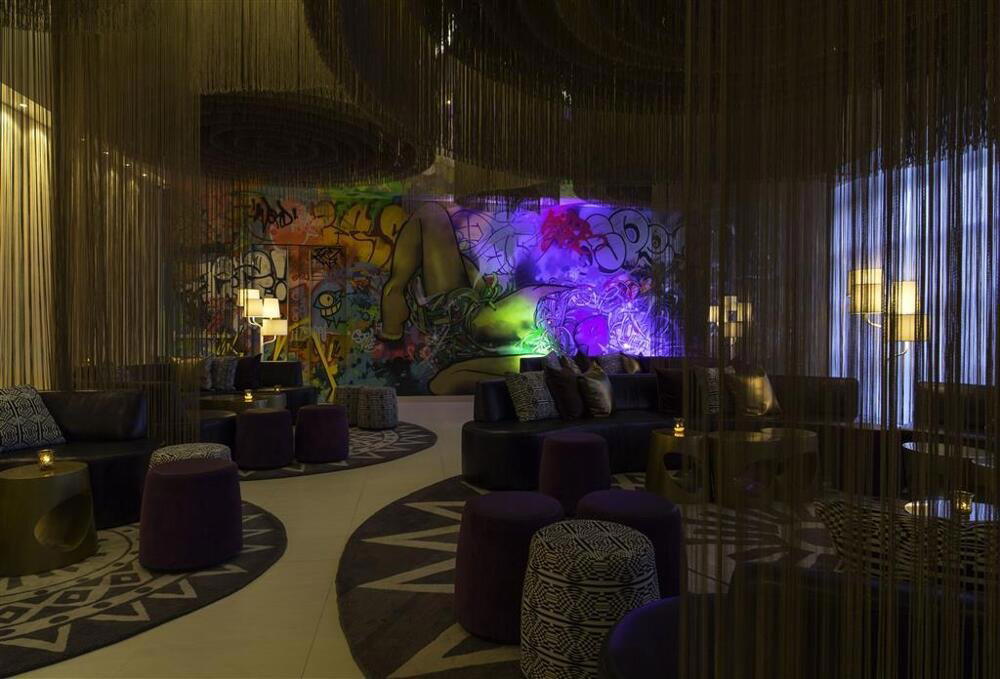
| Selma | Mediterranean Bistro | $$$ | Chapinero |
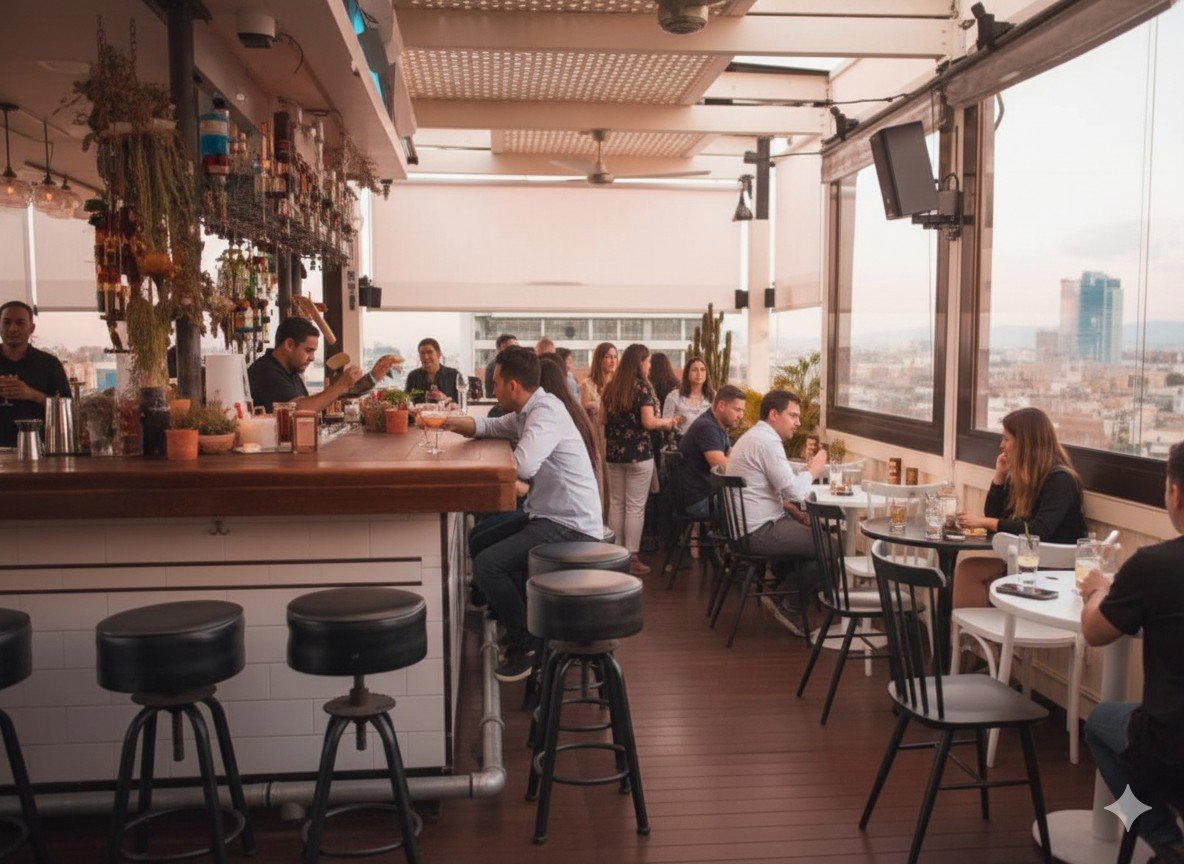
| Mirador La Paloma | Colombian International Gastropub | $$ | Seminario |
| Andres Carne de Res | Colombian steakhouse & grill | $$$ | Zona Rosa / Chapinero |
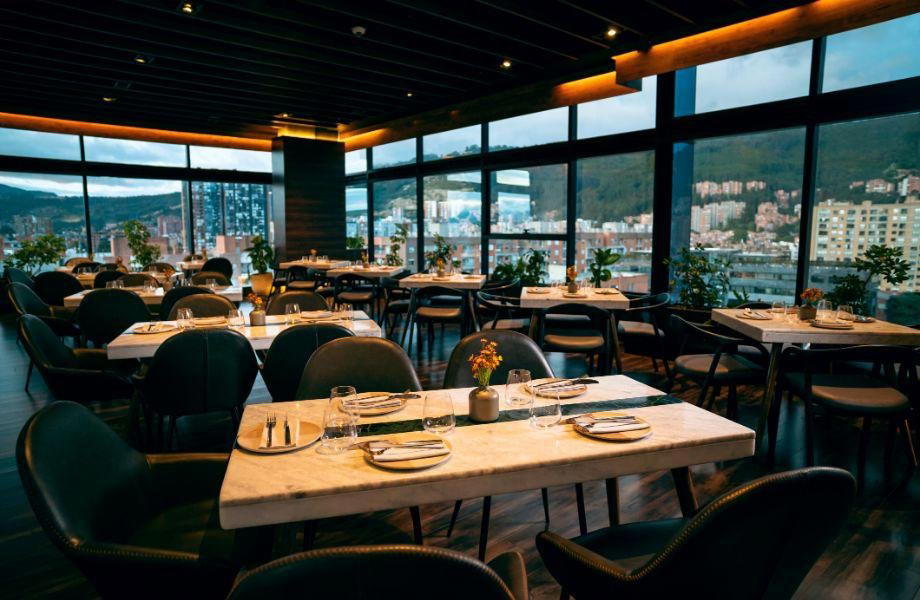
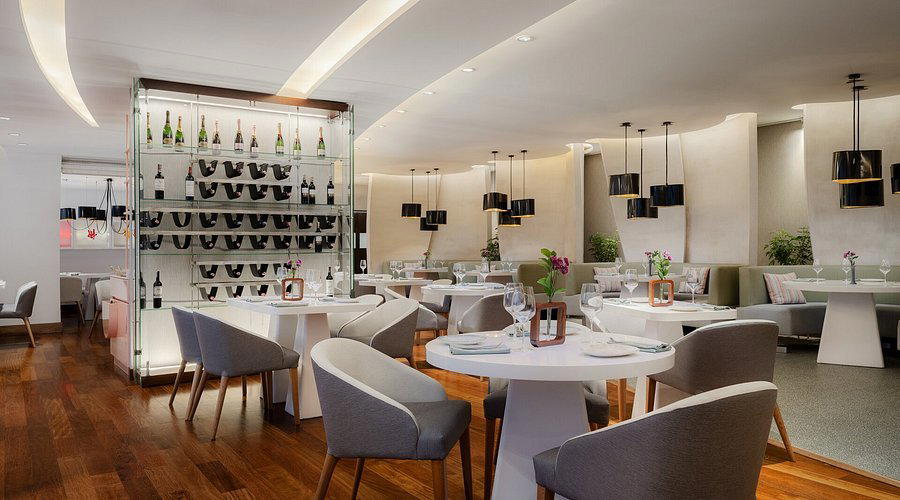
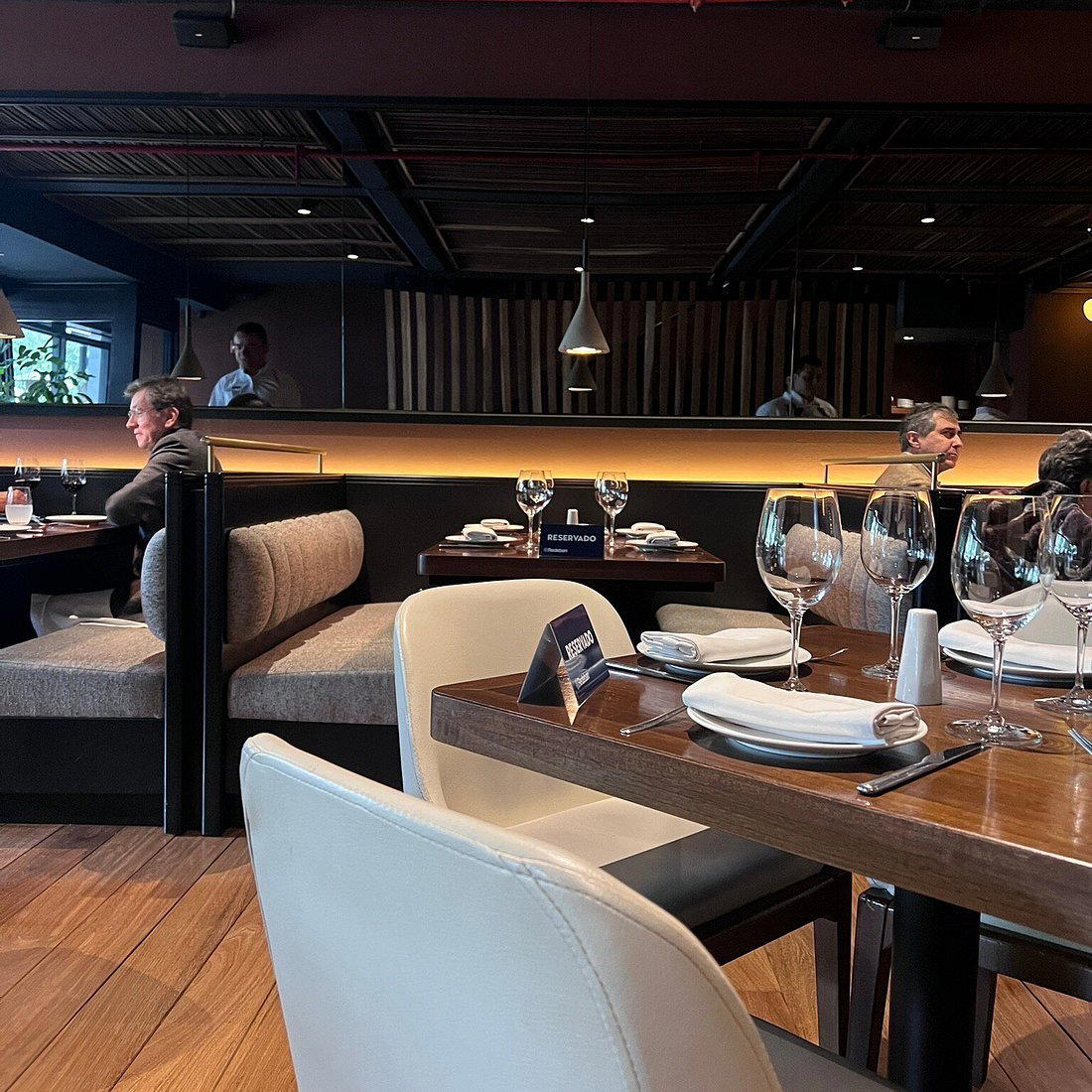
At a Glance
- Casual
- Rustic
- Family
- Group Dining
- Casual Hangout
- Standalone
Current opening hours
- Monday
- 12–9 PM
- Tuesday
- 12–9 PM
- Wednesday
- 12–9 PM
- Thursday
- 12–9 PM
- Friday
- 12–9 PM
- Saturday
- 12–9 PM
- Sunday
- 12–8 PM
Hours can change for holidays and private events. Last verified .
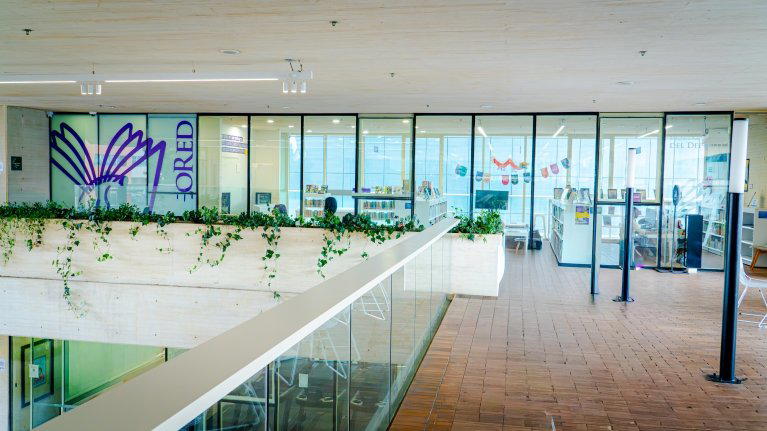
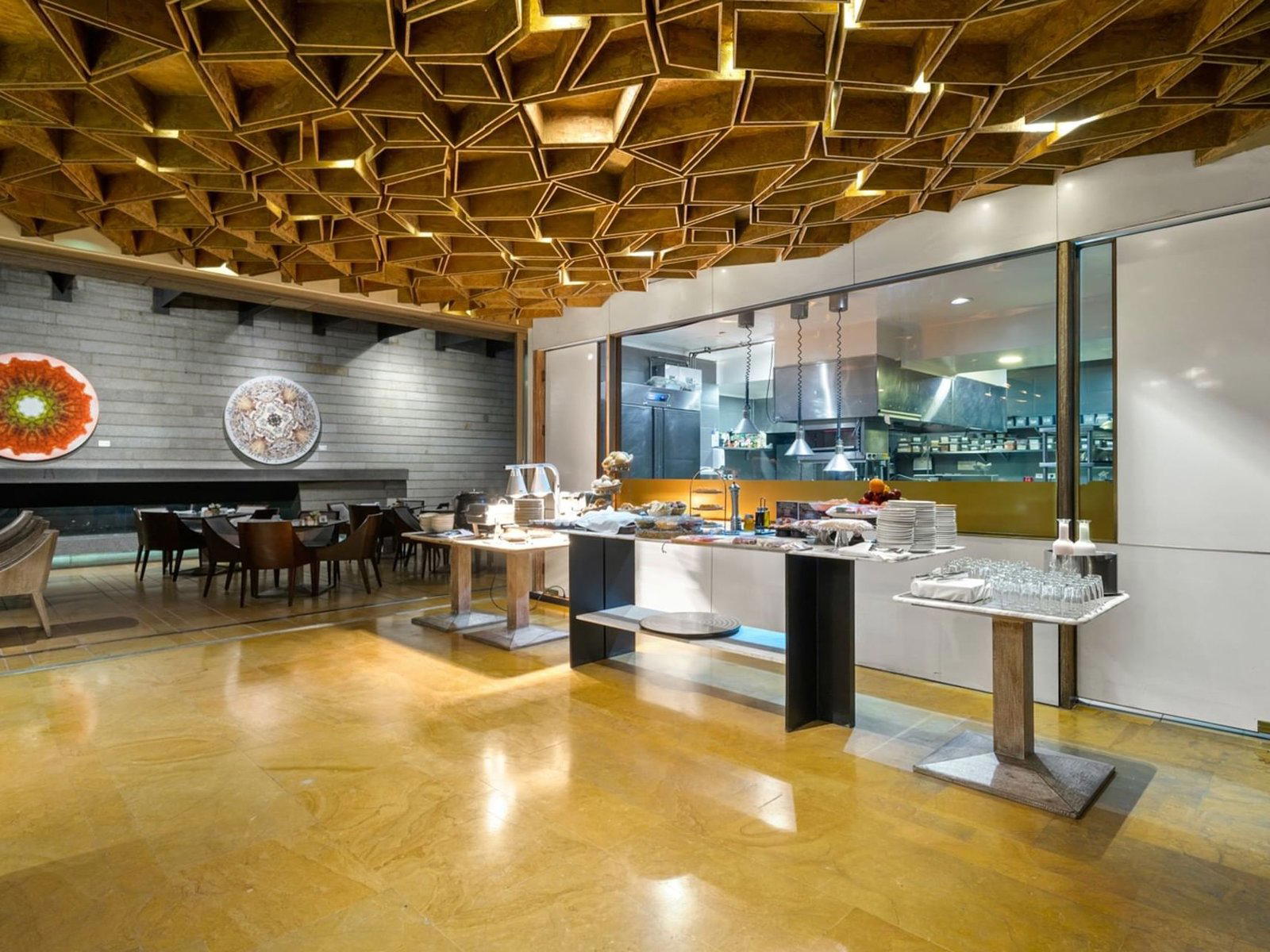
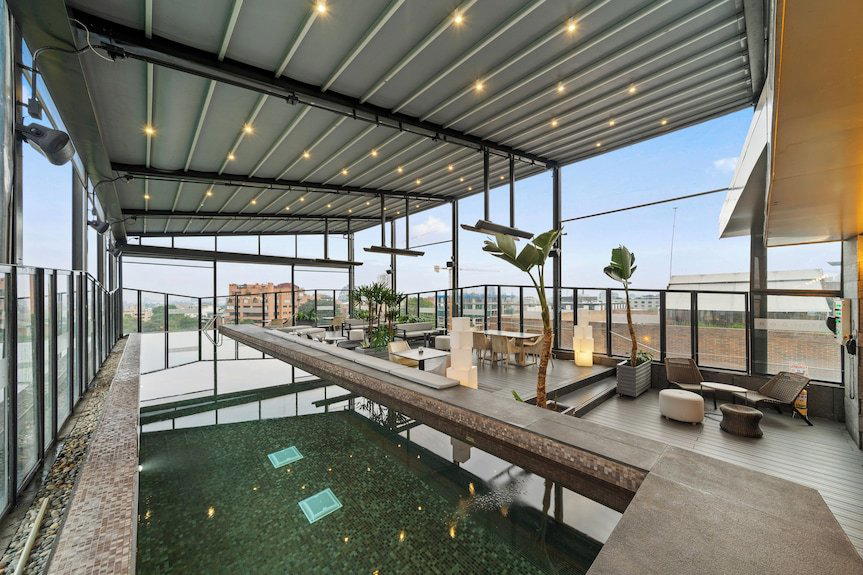
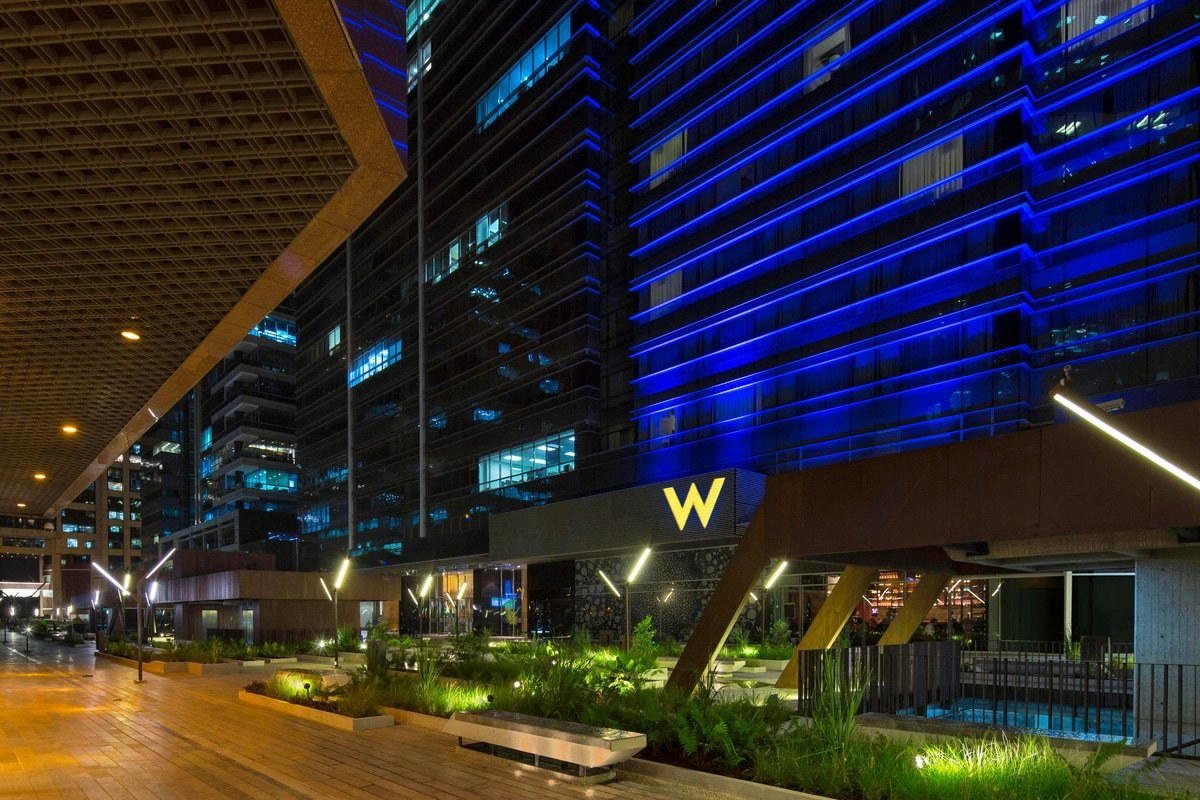
Simple, welcoming environment designed for casual family and group dining with a focus on food quality over decor.