Our verdict
Positioned on the road toward La Calera above Bogotá, Mirador La Paloma occupies the kind of altitude where the city recedes and the eastern cordillera takes over. The setting frames everything: a dining experience defined as much by what surrounds it as by what arrives at the table. For visitors moving through Bogotá's broader restaurant circuit, it represents the city's appetite for destinations that earn the drive.

Pearl is the En Primeur Club membership app, where members save venues, book tables and use the concierge.

Above the City: Bogotá's Appetite for Altitude Dining
The road from Bogotá toward La Calera climbs fast. Within a few kilometers, the urban density gives way to cloud-level views across the savanna, the city below spread flat and grey while the air above turns noticeably cooler and thinner. This is the physical context for Mirador La Paloma, located at kilometer 1 on the Bogotá–La Calera route, a position that places it at the intersection of two distinct Colombian dining traditions: the urban restaurant scene concentrated in Chapinero, Zona Rosa, and Usaquén, and the weekend-escape culture that sends bogotanos climbing into the hills for a meal with panoramic reach.
That dual identity matters when reading venues like this one. Bogotá has built one of South America's more consequential dining scenes over the past fifteen years, producing destinations ranging from the theatrical scale of Andrés D.C. in the city center to the more composed, ingredient-led approach at places like Debora Restaurante in Bogota and the Colombian-rooted cooking at Harry Sasson (Colombian). Mirador La Paloma sits outside that urban cluster, its address on the La Calera road signals a different contract with the visitor, one where the journey is part of the proposition.
What Altitude Dining Means for Sourcing
Restaurants positioned along the eastern cordillera above Bogotá operate with a sourcing geography that differs sharply from their urban counterparts. The Cundinamarca region, which encircles the capital, produces a significant share of Colombia's cold-climate vegetables: papa criolla, arracacha, various highland herbs, and tubers that don't survive at sea level. A venue at this elevation has direct proximity to those agricultural zones, the farms supplying highland produce sit closer to a hillside restaurant on the La Calera road than to a kitchen in Chapinero or Zona Rosa.
This geographic proximity to Cundinamarca's growing areas shapes how highland restaurants in this corridor can construct their menus, if they choose to engage with it. The cooking traditions of the Colombian interior, ajiaco, soups built from multiple potato varieties, slow-cooked meats, draw on exactly the ingredients that grow most readily in this altitude band. Restaurants in this position can source papa pastusa, papa criolla, and papa nevada from nearby plots, combining varieties in the layered fashion that distinguishes a properly made Bogotá-style ajiaco from its simplified urban versions.
Compare this to the sourcing dynamics facing a coastal Colombian operation like Varadero in Barranquilla or BK - BURUKUKA Restaurante Bar / Sunset Spot Santa Marta in Santa Marta, where the sourcing logic is built around the Caribbean's fish and tropical produce. The highland model is entirely different in its ingredient palette and cooking logic, slower, starch-forward, reliant on preservation techniques suited to a cooler, wetter climate.
The Scene at the Edge of the City
Bogotá's dining geography has long included a tier of restaurants positioned as escapes rather than destinations within the city. Andrés Carne de Res in Chia pioneered the out-of-city format for Bogotá's weekend market, demonstrating that bogotanos would travel for the right combination of spectacle, food, and setting. The La Calera road represents a shorter but steeper version of that impulse, restaurants here serve the desire to leave the city without leaving its orbit entirely.
What distinguishes this corridor from, say, a restaurant plaza in the Zona G is the sensory compression of the setting. The approach road offers views that no urban terrace can replicate: the plateau of the Bogotá savanna at roughly 2,600 meters, framed by the cordillera climbing higher to the east. At this elevation, light behaves differently, mornings are sharper, and afternoon cloud cover can roll in quickly, variables that make lunch the more predictable service for venues in this position.
For visitors orienting themselves in Bogotá's broader dining spread, the La Calera corridor functions as a counterpoint to the city's polished urban restaurant tier. It is where the cooking tends toward the traditional, the portions toward the generous, and the atmosphere toward the informal, even when the setting is demonstrably dramatic. The full picture of where Mirador La Paloma lands in that hierarchy requires on-the-ground verification, but the address alone places it in a category with its own logic and audience. The full range of Bogotá options, from urban fine dining to weekend escape formats, is covered in our full Bogotá restaurants guide.
Planning a Visit
Mirador La Paloma sits at kilometer 1 on the Bogotá–La Calera road, making it accessible by car or taxi from the city's eastern districts in under fifteen minutes under normal traffic conditions, though the Bogotá–La Calera road can back up significantly on weekend afternoons when urban drivers return downhill. Visiting midweek or arriving early for a weekend lunch avoids the worst of that congestion. Bogotá's restaurant scene offers broad alternatives for those building an itinerary, from the casual rotisserie format at Asadero Pressto Broaster – Pollo Asado y Broaster to the higher-register Colombian cooking at Harry Sasson. For visitors comparing Colombia's restaurant scene to international reference points, the ingredient-led precision at Le Bernardin in New York City or the tasting-menu discipline at Atomix in New York City offers a useful calibration for what purpose-driven sourcing looks like at the top of a competitive tier. Elsewhere in Colombia, 37 Park in Medellín, Cardinal Comida Peruana de Autor in Pereira, LA BRIOCHE Bocagrande in Cartagena De Indias, Los Tacos Del Gordo in Carthagene Des Indes, Crepes & Waffles Centro in Cartagena, La B Hamburgers in Sincelejo, Le Brunch Express in Envigado, and Bulgatta restaurante in Retiro represent different points on the country's dining range.
Frequently asked questions
Is Mirador La Paloma child-friendly?
The setting at kilometer 1 on the Bogotá–La Calera road, with open views across the savanna, tends to suit families looking for a relaxed outing away from urban density. The mirador format, oriented around landscape and outdoor experience, typically accommodates children more comfortably than a formal tasting-counter environment. Confirm specific facilities directly with the venue before visiting with young children.
What is the atmosphere like at Mirador La Paloma?
Mirador La Paloma sits where Bogotá's urban grid dissolves into cloud-level savanna, and the atmosphere reflects that threshold: part city escape, part countryside stop. The mirador position above the capital's eastern edge creates a sense of remove that urban restaurants along the Zona Rosa or Usaquén corridors cannot replicate. Expect a setting defined more by its views and altitude than by interior design theatrics.
How far is Mirador La Paloma from central Bogotá, and how do you get there?
Mirador La Paloma is at kilometer 1 on the Bogotá–La Calera road, placing it within fifteen minutes of Bogotá's eastern districts by car or taxi. The route climbs quickly from urban Cundinamarca into savanna-edge terrain, so the geographic shift feels more pronounced than the short distance suggests. Rideshare services operating in Bogotá reach the location without difficulty; public transport options to this specific kilometer mark are limited.
What should I eat at Mirador La Paloma?
Restaurants along the Bogotá–La Calera corridor frequently draw on the sourcing geography of the eastern cordillera, where highland produce and regional Colombian ingredients differ from what city-centre kitchens access.
What's the address for Mirador La Paloma?
Mirador La Paloma is located at km1 via, Bogotá - La Calera, Bogotá, Cundinamarca, Colombia, Bogotá.
Can I walk in to Mirador La Paloma?
The venue sits at kilometer 1 on the Bogotá–La Calera road, accessible by car or taxi from Bogotá's eastern districts in under fifteen minutes, which makes it a practical stop rather than a logistical commitment. Contacting the venue directly ahead of a visit is advisable, particularly for weekend dining when the La Calera road sees higher traffic.
What do critics highlight about Mirador La Paloma?
Its positioning in Bogotá's tier of altitude escapes, a category that includes established names like Andrés Carne de Res further along the cordillera corridor, places it within a dining geography that Colombian food media has increasingly covered for its sourcing and viewpoint distinctions from city dining.
Quick Comparison
| Venue | Cuisine | Price | Awards | Notes |
|---|---|---|---|---|
| Mirador La PalomaThis venue (the venue you are viewing) | Colombian International Gastropub | $30–50 | Not listed | Not listed |
| Harry Sasson | Latin-Asian Fusion Fine Dining | $30–50 | La Liste Top Restaurants | Colombian |
| Asadero Pressto Broaster – Pollo Asado y Broaster | Colombian Broaster Chicken & Grilled Meats | $1–10 | Not listed | Not listed |
Continue exploring
More in Bogotá
Restaurants in Bogotá
All restaurants in Bogotá →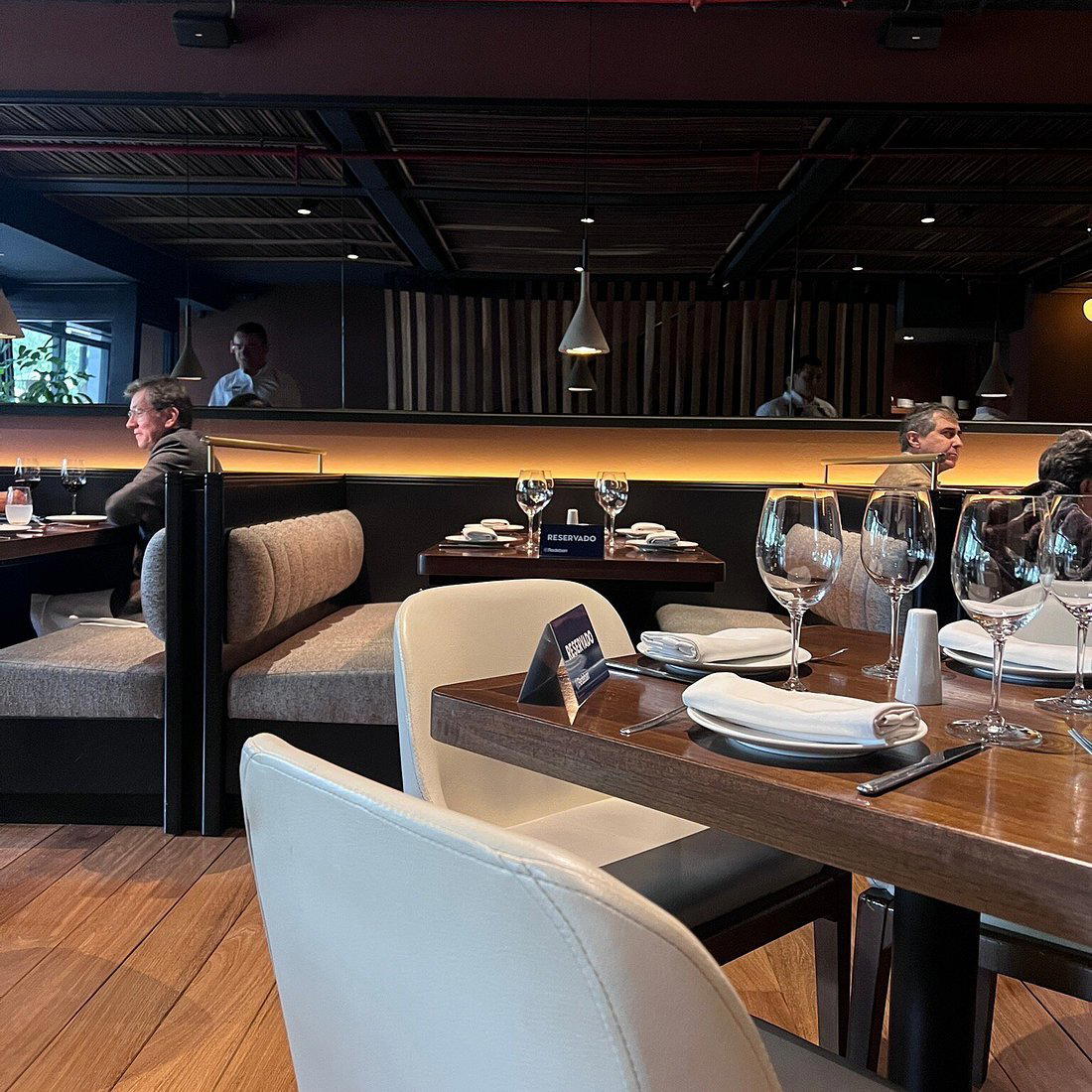

Details
- Scenic
- Lively
- Romantic
- Date Night
- Group Dining
- Celebration
- Casual Hangout
- After Work
- Late Night
- Rooftop
- Live Music
- Panoramic View
- Terrace
- Private Dining
- Craft Cocktails
- Beer Program
- Skyline
- A La Carte
- Family Style
- Cocktails
- Wine
- Beer
- Vegetarian Friendly
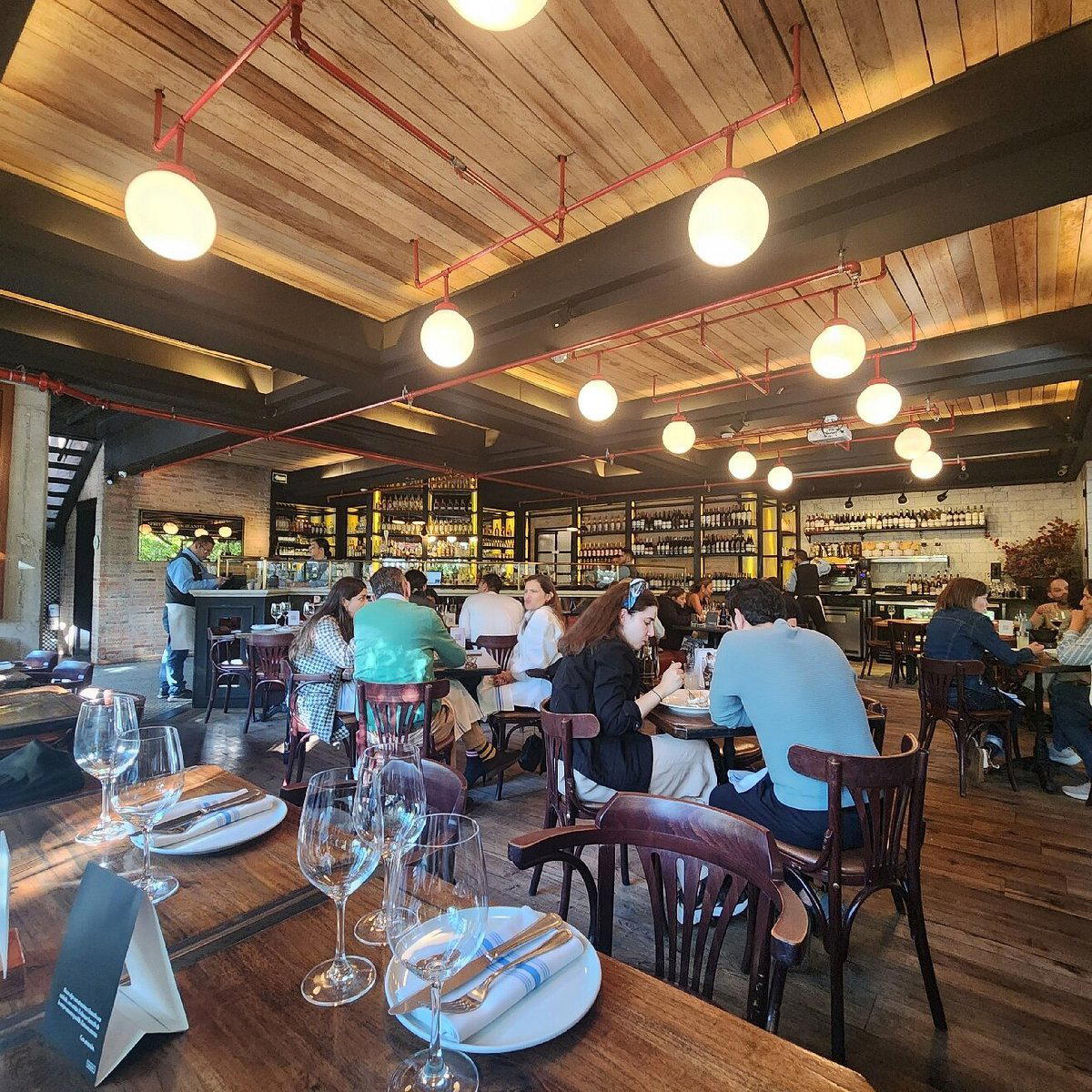
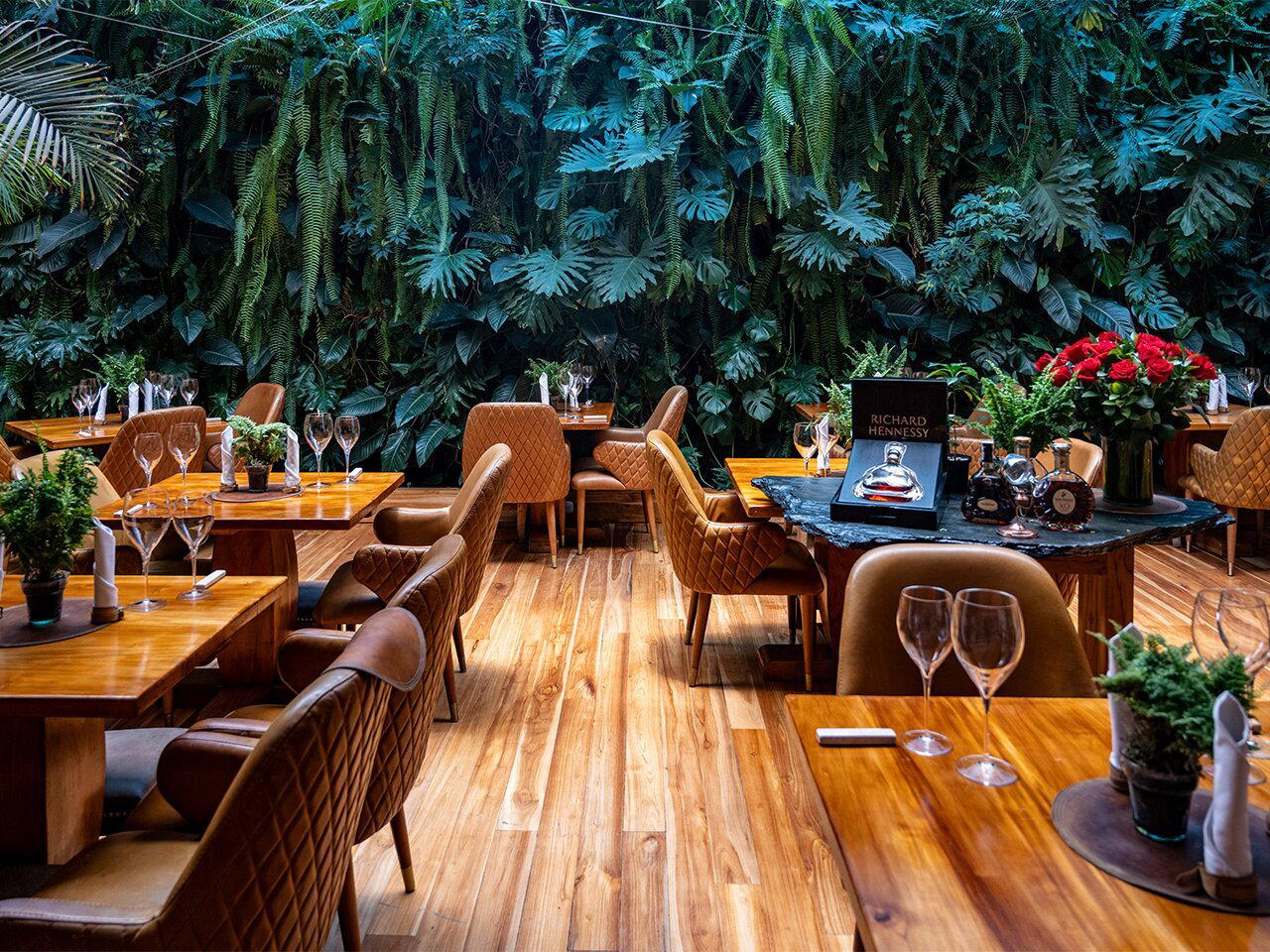
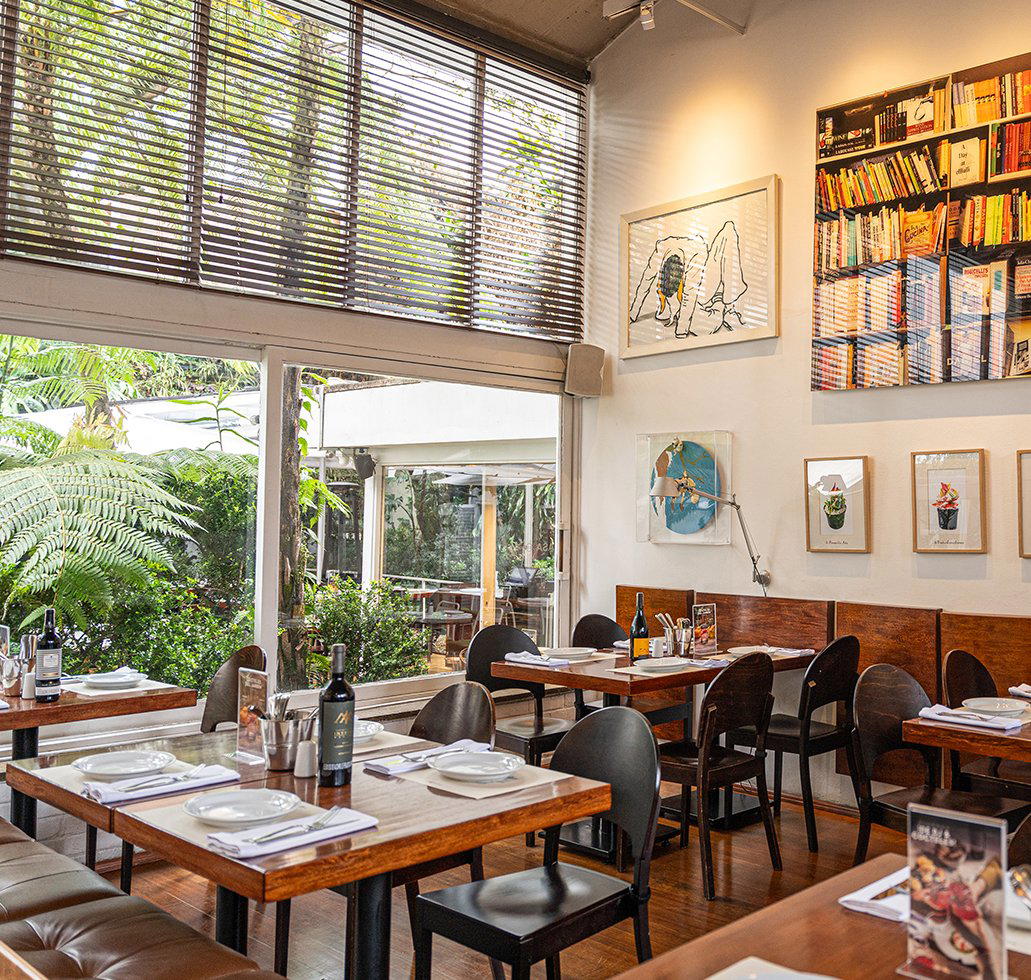
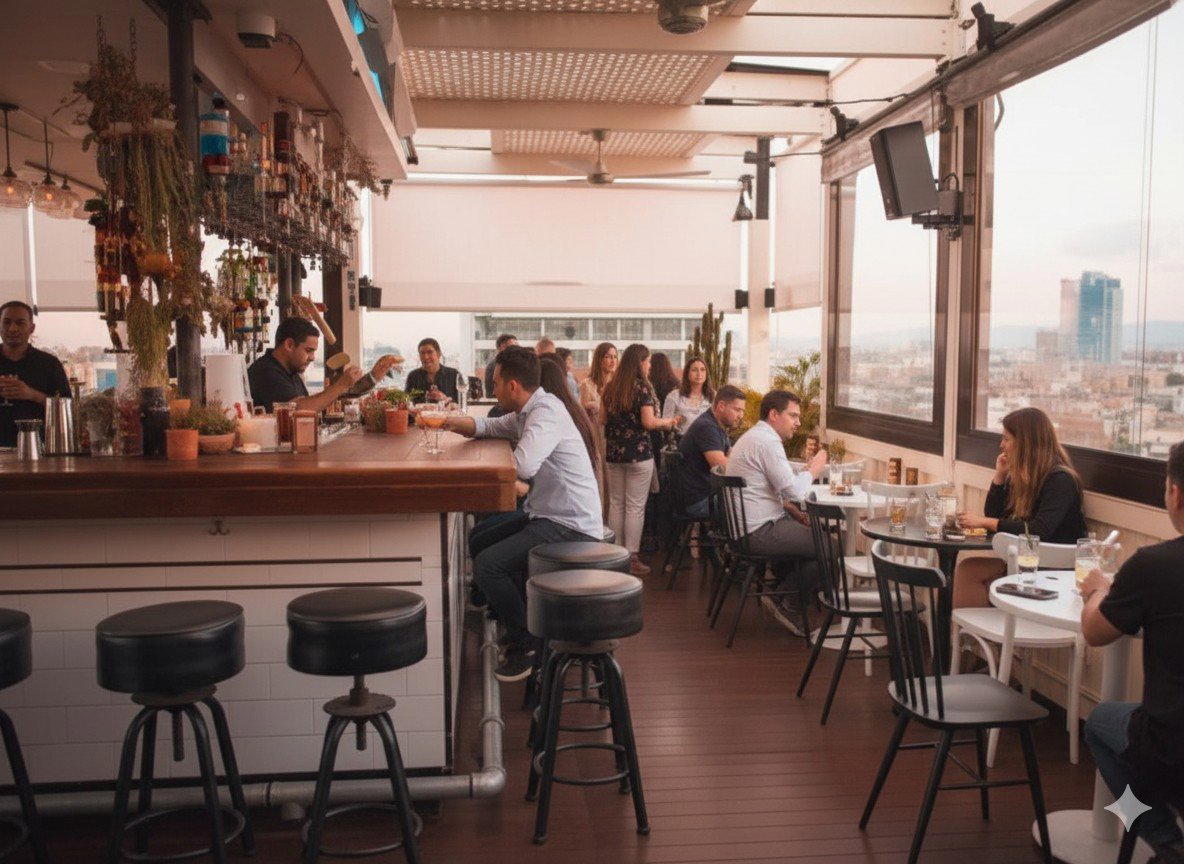
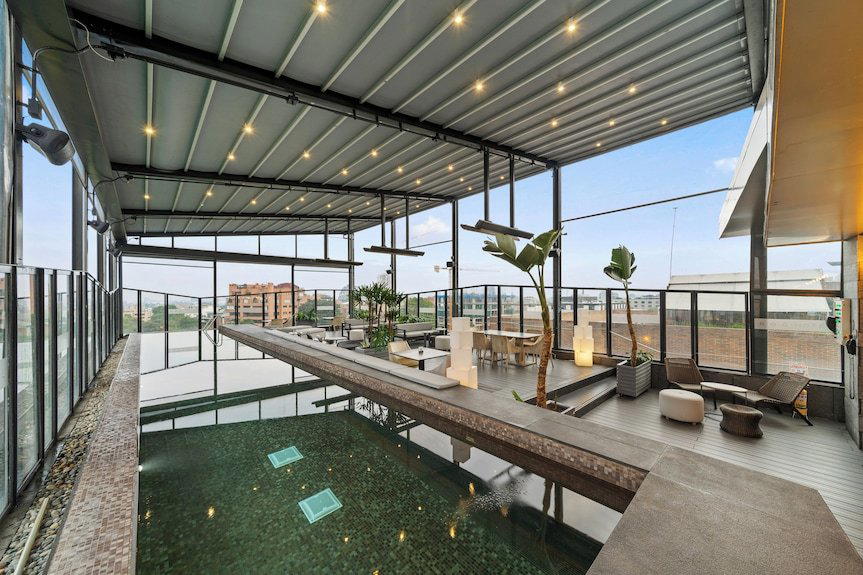
Welcoming and calm atmosphere with dramatic city views, especially at sunset; features indoor and outdoor spaces with fireplaces and bonfire areas.