Casa Ibérica occupies a quiet address in Barrio Peñon, one of Cali's most historically layered residential neighbourhoods. Where much of the city's dining scene leans into Pacific coast tradition or pan-Colombian formats, this address signals a different reference point, Iberian. For travellers working through Cali's restaurant circuit, it represents a distinct counterpoint to the prevailing local registers.
Pearl is the En Primeur Club membership app — saves, bookings, and concierge access live there. Same editors, same standards.
- Address
- Cl. 3a Oe. #3-07, Barrio Peñon, Cali, Valle del Cauca, Colombia
- Phone
- +573209144812
- Directions
- Get directions
 Saves & bookings on Pearl
Barrio Peñon and the Logic of a Different Kind of Cali Address
Cali's dining geography tends to cluster around the commercial corridors of Granada, Ciudad Jardín, and the expanding southern suburbs. Barrio Peñon occupies a different register entirely: a residential neighbourhood with colonial-era street proportions, low-rise architecture, and a pace that resists the more polished formats you find in the north. Restaurants that establish themselves here do so by choice, not convenience. The address at Calle 3a Oeste signals a commitment to neighbourhood character over foot traffic.
That locational logic shapes the experience at Casa Ibérica before you step inside. In a city where Iberian influence on the plate is neither the dominant tradition nor the obvious entry point, Cali's culinary identity runs closer to Afro-Colombian Pacific coast cooking, fritanga culture, and the aguardiente table, a restaurant with a Spanish or Portuguese reference point carries an implied argument: that this cuisine belongs here, in this neighbourhood, in this city.
Iberian Cooking in a Pacific-Coast City
Colombian cities have absorbed European culinary references in layers, from the Basque-influenced techniques that shape Bogotá's more ambitious kitchens to the Italian inflections that appear across Medellín's mid-range dining. Cali's equivalent has historically been lighter, a city whose food identity is anchored in the southwest's river fish, coconut-based sauces, and the street-level energy of empanadas and aborrajados rather than imported European frameworks.
Iberian cuisine as a category has gained traction across Latin America's premium dining tier over the past decade, partly because of the international visibility of Spanish fine dining and partly because the raw material overlap, cured pork, preserved fish, legumes, olive oil, maps onto Latin pantry instincts in ways that, say, northern European cooking does not. For Cali diners, a restaurant operating in this tradition represents genuine category novelty rather than a familiar format repackaged. That novelty comes with both an opportunity and a burden: the kitchen has to make the case for the cuisine's relevance to a local audience that didn't grow up with it.
For comparison, venues like Miyabi in Cali demonstrate how international culinary formats can find genuine traction in the city when executed with discipline. Across Colombia, the broader pattern holds: Debora Restaurante in Bogota and Harry Sasson in Bogotá show how European-influenced formats have established long-term credibility in Colombian dining when the kitchen has clarity of purpose.
The Neighbourhood as Part of the Meal
Peñon's street-level character does work that a more prominent commercial address cannot replicate. The approach to a restaurant here involves passing through blocks of ordinary residential life, families, corner tiendas, the ambient noise of a city going about its day at a human scale. That context makes the arrival at a table feel earned rather than processed. It is the opposite of the dining-district experience, where the restaurant absorbs you into a curated environment from the pavement inward.
This dynamic is not distinctive to Cali. Across Latin America, particularly interesting restaurants of the past decade have often established themselves in converted residential buildings in non-tourist neighbourhoods, trading visibility for character. The format works when the kitchen is strong enough to draw diners out of habit and into deliberate choice. In Cali's current scene, where venues like Café Valparaiso Pance and Domingo have built reputations on neighbourhood-anchored formats, the model is established if not yet dominant.
The cantina tradition, represented in Cali by Cantina la 15 Ciudad Jardín Cali Sur and Cantina La 15 Granada Cali Norte, occupies a different segment of the market: louder, higher-volume, oriented toward communal celebration rather than focused eating. Casa Ibérica, from its address alone, positions itself at the quieter end of that spectrum.
Placing Casa Ibérica in Colombia's Broader Dining Map
Colombia's restaurant circuit has matured considerably in the past five years. Cities beyond Bogotá and Medellín are producing kitchens with genuine ambition, and Cali's Pacific coast ingredient base gives local chefs a pantry that few other Colombian cities can match. Against that backdrop, a restaurant importing an Iberian reference point is making a deliberate choice to operate outside the dominant local narrative, which is both a risk and, for the right audience, precisely the appeal.
On the Colombian coast, venues like Donde Mama in Barranquilla, BK - BURUKUKA in Santa Marta, and El Boliche Ceviche in Cartagena demonstrate how regional identity and international format can coexist when the kitchen has a clear point of view. In Cali specifically, the Pacific ceviche tradition runs deep, Sevichería Guapi anchors that tradition in the city, which means a restaurant operating in an Iberian register is consciously stepping away from what the local terroir would most naturally suggest.
For international visitors with a reference frame that includes venues like Le Bernardin in New York City or Lazy Bear in San Francisco, the interest in the restaurant is less about technical comparison and more about what it tells you about a city's appetite for culinary range. Cali sustaining an Iberian address in a residential neighbourhood says something about the city's dining maturity. Elsewhere in Colombia, ambitious formats outside the obvious categories, like X.O. in Medellín, Adictta pizza Manizales, or Bulgatta restaurante in Retiro, have demonstrated that Colombian diners outside the capital are willing to follow kitchens that offer something outside the regional default. Andrés Carne de Res in Chia remains the country's most discussed example of a format that transcends category entirely, but the trajectory points toward more specialisation, not less.
Planning Your Visit
The restaurant is located at Calle 3a Oeste #3-07 in Barrio Peñon. The neighbourhood sits in the western residential belt of Cali, accessible by taxi or app-based transport from the city centre and the Granada dining district in under fifteen minutes depending on traffic. The restaurant is recommended for reservations and opens Monday to Thursday from 12 to 10 PM, Friday and Saturday from 12 to 10:30 PM, and Sunday from 12 to 5 PM. Peñon is a working neighbourhood rather than a tourist corridor, so advance confirmation of opening days is advisable before making a dedicated journey.
A Lean Comparison
Comparable venues nearby, for context on price, style, and recognition.
| Venue | Cuisine | Price | Notes |
|---|---|---|---|
| Casa IbéricaThis venue — the venue you are viewing | Not listed | $$$ | Not listed |
| Platillos Voladores | Not listed | $$$ | Centenario, Modern Colombian Seafood Fusion |
| Pizzeria Carpaneto Granada Cali | Granada, Authentic Neapolitan Pizza | $$ | Not listed |
| Café Valparaiso Pance | Pance, Latin Pizza Cafe | $$ | Not listed |
| Cantina la 15 Ciudad Jardín Cali Sur | Ciudad Jardín, Modern Mexican Cantina | $$$ | Not listed |
| Cantina La 15 Granada Cali Norte | Granada, Contemporary Mexican | $$$ | Not listed |
Continue exploring
More in Cali
Restaurants in Cali
Browse all →
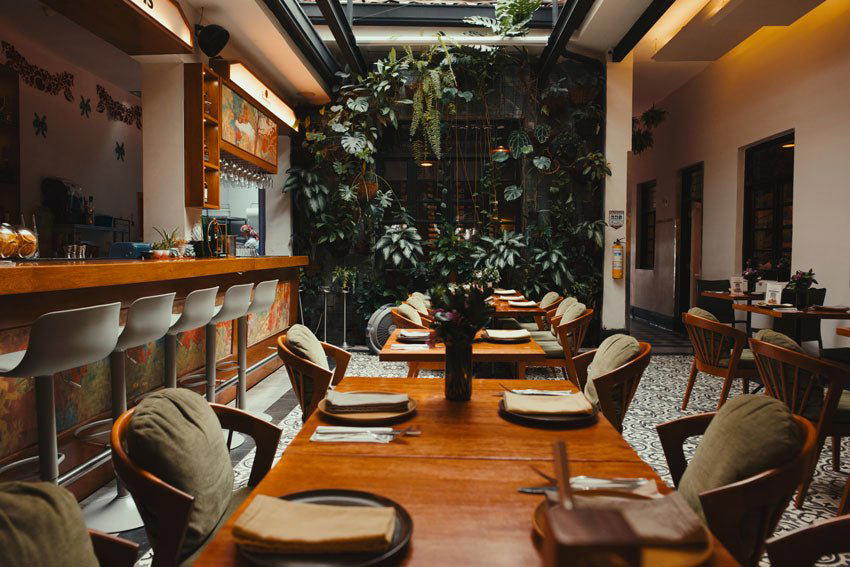
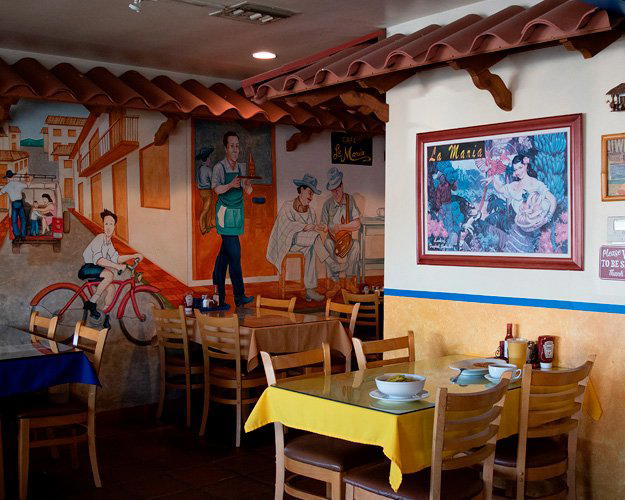
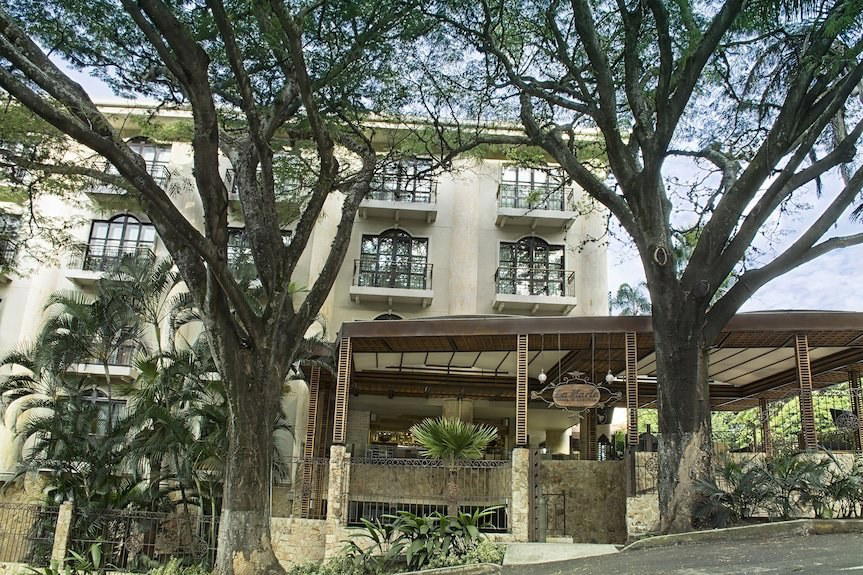
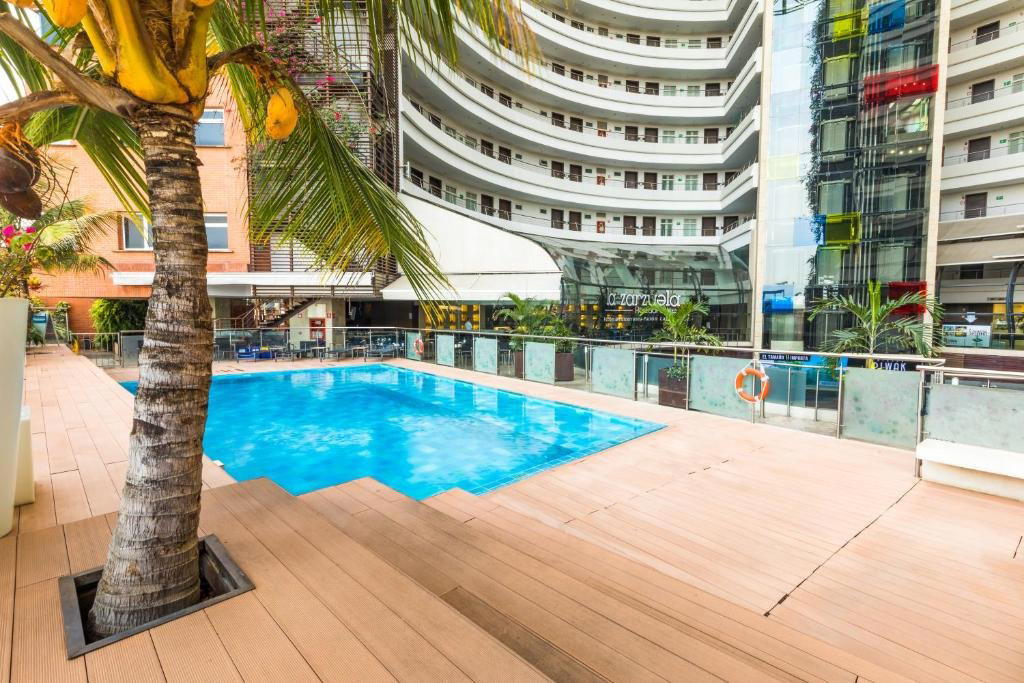
At a Glance
- Cozy
- Classic
- Date Night
- Special Occasion
- Extensive Wine List
Current opening hours
- Monday
- 12–10 PM
- Tuesday
- 12–10 PM
- Wednesday
- 12–10 PM
- Thursday
- 12–10 PM
- Friday
- 12–10:30 PM
- Saturday
- 12–10:30 PM
- Sunday
- 12–5 PM
Hours can change for holidays and private events. Last verified .
Warming and inviting atmosphere with excellent service.