

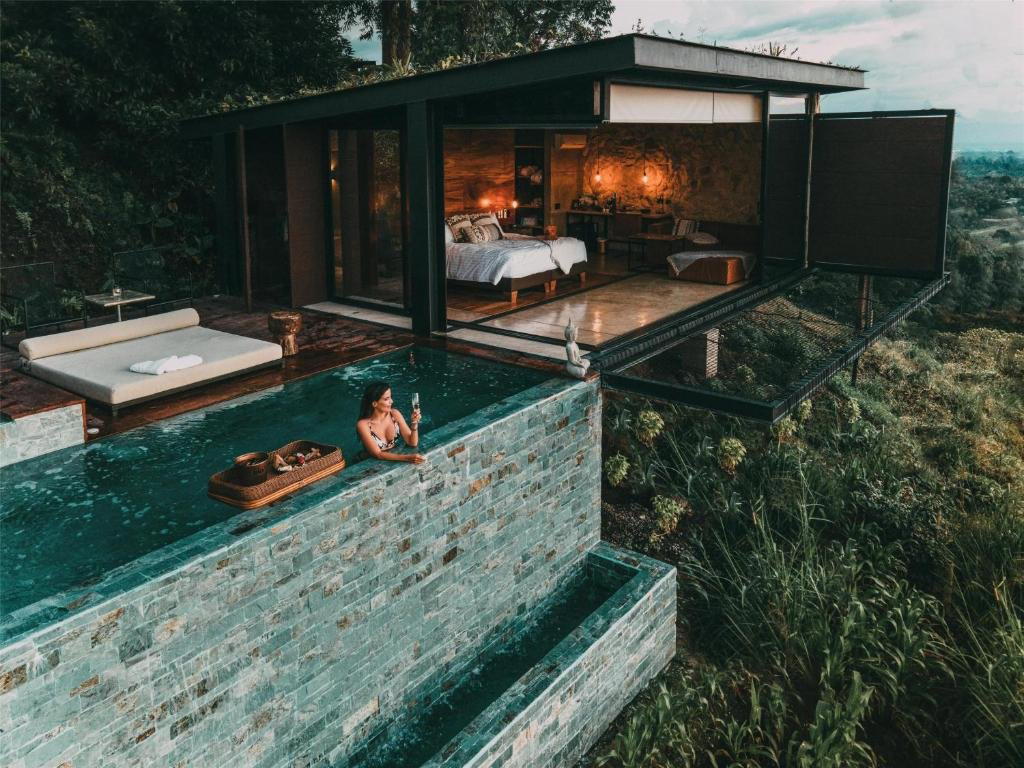
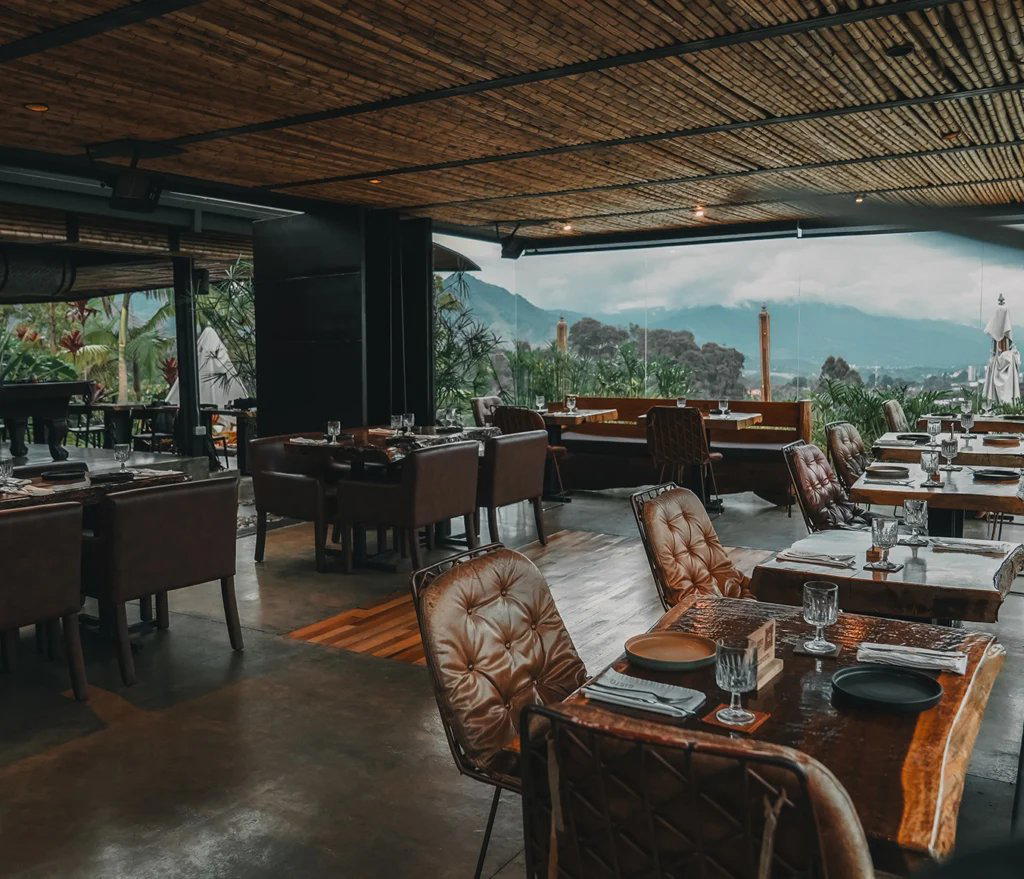
Bio Habitat Hotel in Armenia, Colombia offers boutique, conscious luxury accommodation designed as independent "habitats." Guests enjoy signature experiences such as Bio Spa & Wellness, daily yoga and Bio Sessions sunset concerts, plus guided nature walks on a 1.4 km trail. Suites feature green roofs for stargazing and Master Suites include private outdoor Jacuzzis and large terraces. Positioned high in Colombia’s Coffee Triangle, the property seems to almost dissolve into its surroundings, delivering quiet mountain air, coffee-scented breezes, and glass-walled rooms with Andes or native-forest views. This adults-only wellness retreat pairs sustainable design, regional cuisine at Basto Resto Bar, and curated rituals for travelers seeking calm, privacy, and meaningful reconnection.
Pearl is the En Primeur Club membership app — saves, bookings, and concierge access live there. Same editors, same standards.
- Address
- Hotel Bio Habitat, Circasia, Quindío
- Phone
- +573005258040
- Website
- biohabitathotel.com
- Directions
- Get directions
 Saves & bookings on Pearl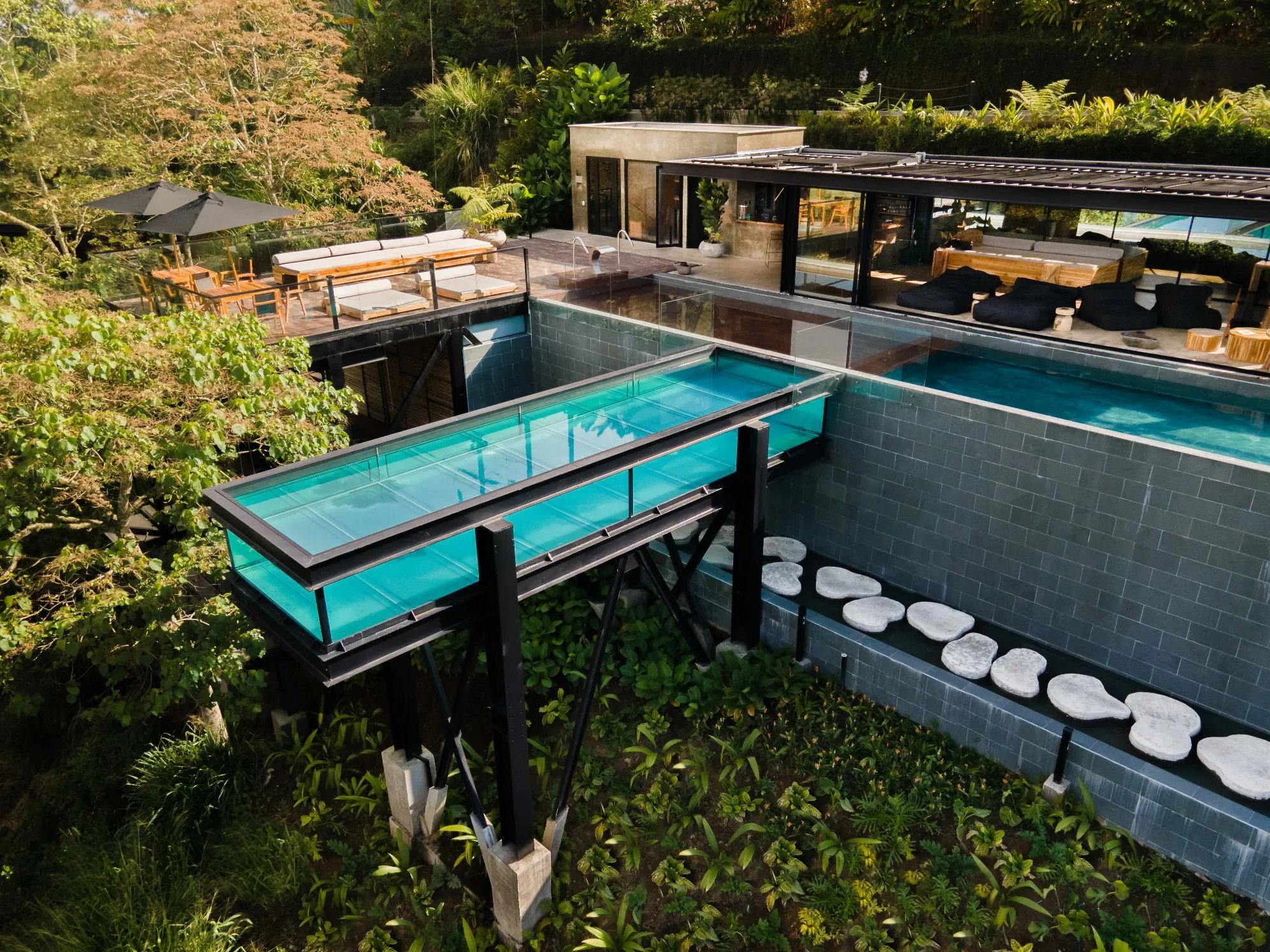
Where the Coffee Triangle Meets Biophilic Design
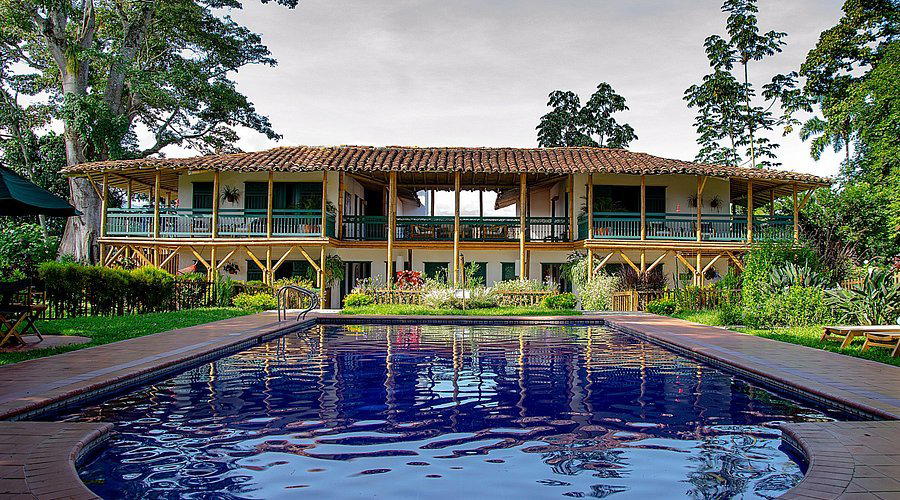
The road into Circasia, a quiet municipality in Colombia's Quindío department, winds through bamboo groves and coffee parcels that give little indication of what lies ahead. The Coffee Triangle, Armenia, Montenegro, Salento, has spent a decade attracting a particular kind of traveler: one interested in agricultural heritage, topography, and properties that respond to their terrain rather than overwrite it. Bio Habitat Hotel lands squarely in that category. Its architecture does not announce itself. The structure recedes into the hillside, using local materials and a deliberately low visual profile to read less as a building imposed on a landscape and more as a structure that has grown alongside it.
This approach has become a defining tendency in Quindío's premium accommodation segment. Where older Coffee Triangle hotels leaned into hacienda-revival aesthetics, the current tier of design-conscious properties is doing something more considered: treating the surrounding ecology as the primary design element, and keeping built interventions at a minimum. Hacienda Bambusa works in a similar register, but Bio Habitat's integration with its hillside site in Circasia gives it a different spatial quality, more vertical, more immersed in canopy, more reliant on the natural gradient for its sense of place.
Architecture as Environmental Argument
The design logic at Bio Habitat is biophilic in the specific sense: not merely decorative greenery and timber finishes, but a structural relationship between the built form and the biological environment that surrounds it. In a region that sits at roughly 1,500 metres above sea level, the climate is mild enough to blur the boundary between interior and exterior. Properties that take advantage of this, dissolving walls into open corridors, framing views rather than blocking them, using passive ventilation over mechanical systems, occupy a different experiential register from air-conditioned resort enclosures.
This is the design tradition Bio Habitat is drawing on, and it is one with genuine international reference points. Properties like Amangiri in Canyon Point and Hotel Esencia in Tulum have built identities around the same premise, that the site itself is the amenity, and that the architecture's job is to make that legible to a guest. At Bio Habitat, the Quindío hillside does the work that a private beach or desert canyon does elsewhere: it establishes atmosphere before a guest has unpacked.
The phrase used in the property's own recognition, that the hotel seems to "almost dissolve into its surroundings", is not marketing language for its own sake. It describes a measurable architectural decision: no high-rise volume, no dominant facade, no visual competition with the treeline. That restraint is a design position, and it places the property in a specific comparable set: small, site-responsive Colombian properties that read differently from the branded urban hotels that anchor the country's luxury tier in Bogotá and Cartagena.
Placing Bio Habitat in Colombia's Broader Hotel Scene
Colombia's premium hospitality market has bifurcated in a way familiar to other Latin American destinations. One pole is the internationally flagged, urban-luxury segment: Four Seasons Hotel and Residences Cartagena, the B.O.G. Hotel in Bogotá, and comparable properties in Medellín, see Elcielo Hotel and Restaurant, that compete on brand recognition, city-centre access, and full-service amenities. The other pole is the rural, design-led property: smaller, often locally operated, and positioned on the strength of setting and spatial quality rather than brand infrastructure.
Bio Habitat sits in the second category. Its location in Circasia, within the broader Quindío department rather than the city of Armenia proper, signals this orientation. Guests arriving here are not seeking a business hotel or a gateway for urban nightlife. They are making a deliberate choice for topography, quiet, and a property that requires engagement with its environment to understand. For readers interested in how this compares to similarly positioned rural properties elsewhere in Colombia, Cannúa Lodge in Marinilla and BOSKO Hotel in Guatapé offer points of comparison in Antioquia, while Casa Lélytė in Bogotá represents a different expression of the same design sensibility applied to an urban context.
Internationally, the framework of "architecture that defers to site" is well-established at properties including Castello di Reschio in Lisciano Niccone and Aman Venice, both of which use existing built or natural heritage as the primary design gesture, with contemporary additions kept deliberately secondary. Bio Habitat works on a smaller budget and within a different cultural context, but the underlying editorial question it asks of a guest is similar: what does it mean to stay somewhere that treats its surroundings as the main event?
The Coffee Triangle Context
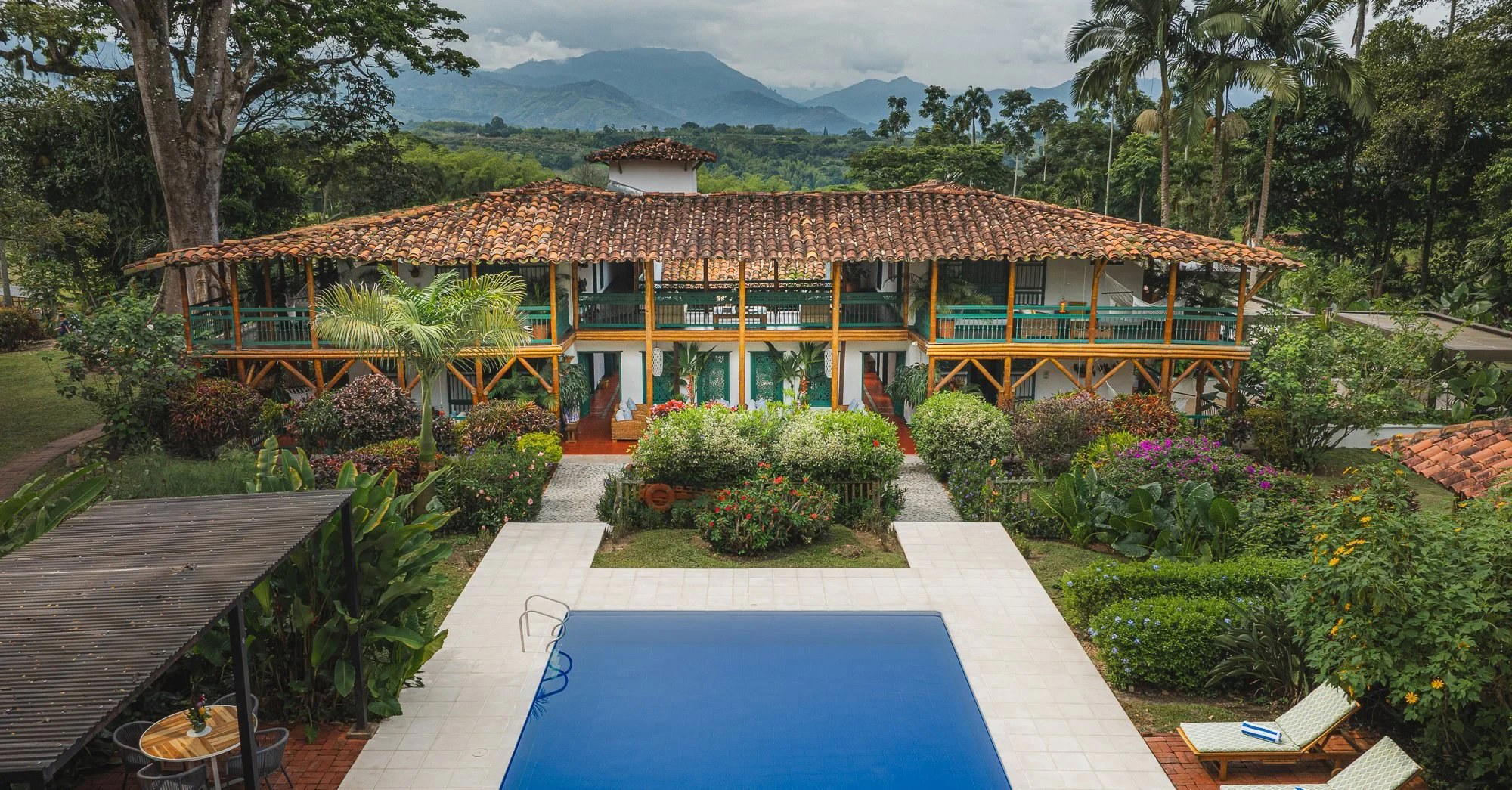
Quindío is the smallest department in Colombia and among the densest in terms of coffee production per hectare. The landscape around Circasia reads as a working agricultural environment, not a preserved theme park, which matters for how a property like Bio Habitat functions. Guests are not isolated from the region's productive character; they are placed within it. Coffee farms, local markets, the colonial town of Salento, and the wax palms of the Valle de Cocora are all within a short drive.
This geographic embeddedness is part of what makes the biophilic design argument coherent at Bio Habitat. The surrounding region is not ornamental; it is an agricultural and ecological system that the property is choosing to acknowledge rather than filter out. That editorial position, hospitality as engagement with place rather than escape from it, distinguishes a specific tier of Coffee Triangle property from the more resort-oriented options that have appeared as tourism to the region has grown.
Planning Your Stay
Bio Habitat Hotel is located in Circasia, Quindío, within the Coffee Triangle region of Colombia's coffee-growing axis. Because the property occupies a rural hillside site, private transfer or rental vehicle is the more practical arrival mode; rideshare services are available from the airport but less frequent in the municipality itself.
Given the site-responsive nature of the property and the limited scale typical of this category, advance reservation is advisable, particularly during Colombian holiday periods and the dry-season peak months of December through January and June through July, when the Coffee Triangle draws higher domestic and international visitor numbers. Advance reservation is recommended.
Side-by-Side Snapshot
Comparable venues nearby, for context on price, style, and recognition.
| Venue | Cuisine | Price | Awards | Notes |
|---|---|---|---|---|
| Bio Habitat HotelThis venue — the venue you are viewing | Eco-conscious architecture with living roofs and integration into native forest. | $$$ | Not listed | Not listed |
| Hacienda Bambusa | Traditional hacienda restored with contemporary comforts on a working farm | $$$ | Michelin 1 Key | Vereda El Caimo |
| Sofitel Barú Calablanca Beach Resort | Hotel | Not listed | Not listed | Cartagena |
| The Click Clack Hotel Bogotá | Playful urban boutique with vertical gardens and art installations | $$$ | 4-Star | Chico Norte |
| Hotel boutique y restaurante vegetal Casa Lėlytė | Charming 1950s boutique with vintage-modern fusion. | $$$ | Not listed | Maria Cristina |
| Hotel El Zarzo Medellín | Contemporary boutique hotel emphasizing understated luxury and authenticity over ostentation, blending architecture, art, and gastronomy. | $$$$ | 4-Star | Provenza |
Recognition history
Dated appearances from independent guides and award organizations, with the underlying list record or original source where available.
Fodor's Most Incredible Hotels in the World
Fodor's
Michelin Selected
Michelin
Continue exploring
More in Armenia
At a Glance
- Scenic
- Quiet
- Modern
- Cozy
- Elegant
- Romantic Getaway
- Wellness Retreat
- Weekend Escape
- Panoramic View
- Infinity Pool
- Terrace
- Pool
- Spa
- Sauna
- Fitness Center
- Wi Fi
- Restaurant
- Concierge
- Free Parking
- Mountain
- Garden
- Pool
- Spa
- Sauna
- Fitness Center
- Wi Fi
- Restaurant
- Concierge
- Free Parking
Serene and tranquil atmosphere with natural light from expansive glass walls, fostering deep relaxation amid lush forest surroundings.