Restaurante L'Angevin occupies a residential address in Barrio Milan, Manizales, with a name referencing the Anjou region of the Loire Valley. The positioning signals a French-inflected dining identity applied to the agricultural produce of Colombia's coffee-growing Eje Cafetero region. In a city where this culinary register is uncommon, it represents a deliberate departure from the casual formats that dominate the local scene.
Pearl is the En Primeur Club membership app — saves, bookings, and concierge access live there. Same editors, same standards.
- Address
- Av. Santander #No.73-112, Barrio Milan, Manizales, Caldas, Colombia
- Phone
- +573136562417
- Website
- wa.me
- Directions
- Get directions
 Saves & bookings on Pearl
Barrio Milan and the Question of French Technique in the Coffee Region
Avenida Santander runs through one of Manizales's more composed residential corridors, where mid-century apartment blocks give way to quieter commercial frontages and the altitude, sitting above 2,100 metres, keeps the air noticeably cooler than the Colombian valley cities below. It is in this part of the city, in Barrio Milan, that Restaurante L'Angevin occupies its address at No. 73-112. The name alone signals a positioning that is deliberate: L'Angevin references the Anjou region of the Loire Valley, a part of France associated with restraint in cooking, agricultural produce, and wine made without excess intervention. In a city better known internationally for coffee exports than restaurant culture, that framing is a statement about intent.
Ingredient Sourcing in the Eje Cafetero: Why Provenance Matters Here
The coffee-growing region of Colombia, the Eje Cafetero, of which Manizales is the principal city, sits at elevations that produce some of the country's most distinctive agricultural output. The same volcanic soils and temperature variation that give Colombian arabica its acidity and complexity also shape the quality of local vegetables, dairy, and smallholder proteins available to restaurants in the area. A kitchen operating under a French-influenced identity in this geography faces an interesting creative tension: the classical sourcing logic of French cooking prioritises terroir and regional specificity, and the Caldas department delivers that, but through entirely different ingredients than any Loire Valley reference point would suggest.
This tension between European culinary grammar and Colombian agricultural reality is not distinctive to Manizales. Across Colombia, kitchens working in the modern-Colombian register, from the urban ambition of Debora Restaurante in Bogota to the coastal sourcing logic visible at Celele, have had to develop their own answers to the same question. The difference in Manizales is that the city's relative isolation from Colombia's main gastronomic conversation gives local operations less competitive pressure but also less infrastructure: fewer specialist suppliers, smaller dining-out markets, and a visitor base that skews toward domestic tourism rather than the international food-aware travellers who drive reservation demand in Bogotá or Medellín.
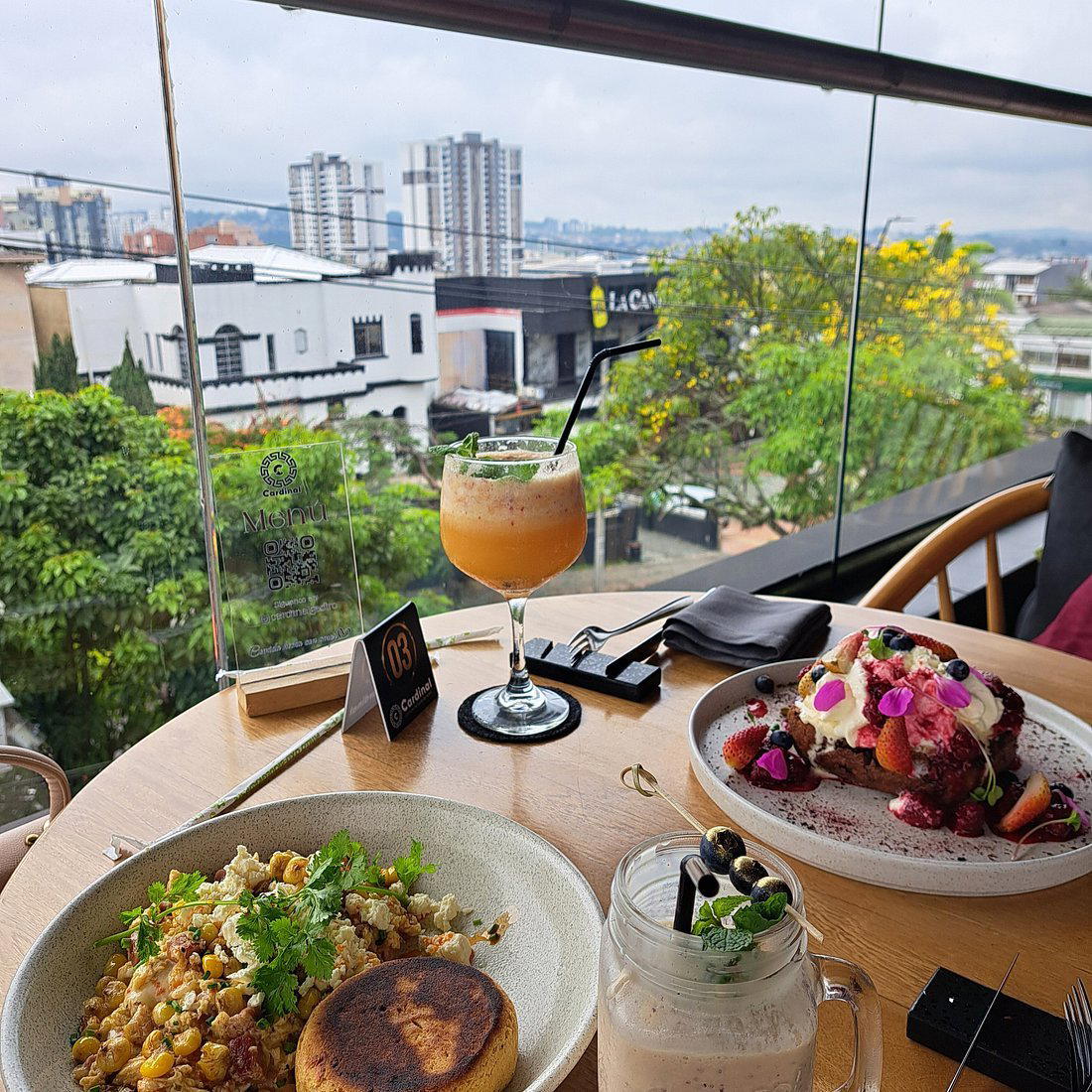
For a restaurant like L'Angevin, that context shapes everything from how produce is sourced to how the menu is likely structured. French technique applied to regional Colombian ingredients, plantain, fresh cheese from local dairies, river fish, highland vegetables, produces a category of cooking that does not map neatly onto either classical French or modern Colombian. It sits in a smaller niche, one that rewards diners who understand both reference points. Comparable positioning appears in Cardinal Comida Peruana de Autor in Pereira, another mid-sized Eje Cafetero city where a kitchen applies a distinct culinary identity to regional sourcing constraints.
Manizales as a Dining City: Context and Competitive Set
Manizales does not appear on most regional dining shortlists. The city's restaurant culture has historically served a local professional class and university population rather than destination visitors, which means price points tend to be moderate by Colombian standards and format expectations lean toward comfort over ceremony. The arrival of any kitchen operating with European technique signals a market maturation that is relatively recent.
Within Colombia's wider restaurant geography, the contrast is instructive. The country's most-discussed kitchens, El Chato, Leo, Harry Sasson, are concentrated in Bogotá, where altitude, cosmopolitan population, and international exposure have created demand for progressive tasting formats and chef-driven concepts. Medellín's dining scene, anchored by addresses like 37 Park, has developed its own identity around design-forward spaces and a younger, internationally mobile diner. Manizales operates at a different register entirely: smaller market, lower average spend, greater dependence on local regulars. That is not a weakness, it is simply the operating condition that shapes what a restaurant here can and should be.
L'Angevin's Barrio Milan address positions it in a residential neighbourhood rather than a tourist-facing zone. That placement suggests the venue's primary relationship is with the city's own residents, which in Manizales means academic professionals, business families, and a generation of locals who have travelled and carry formed expectations about dining. The comparison set is not Andrés Carne de Res in Chia or the large-format Colombian experiences built for spectacle. It is the smaller, neighbourhood-anchored dining room that trades on consistency and a point of view rather than scale.
French Lineage in Latin American Dining Rooms
French-influenced cooking has a longer and more complicated history in Latin America than is often acknowledged. In Colombia specifically, European-trained chefs and French-named restaurants have been present in major cities since the mid-twentieth century, initially serving elite clienteles and later diffusing into wider dining culture as culinary education expanded. What has changed in the current decade is the relationship between that French technical inheritance and local sourcing ambition: where an earlier generation of French-influenced Colombian restaurants often imported ingredients to maintain fidelity to European references, the current tendency is to treat French technique as a toolkit applied to whatever the Colombian territory provides.
L'Angevin's name positions it within that lineage. What the name and Barrio Milan address suggest is a deliberate positioning away from casual-format dining, this is not the register of Adictta Pizza Manizales or the accessible popular formats that dominate city-centre dining across Colombia. The French reference carries social and culinary coding that shapes expectations before a diner arrives.
For Colombian restaurant comparisons at the more accessible end of the European-influenced spectrum, see also LA BRIOCHE Bocagrande in Cartagena, where French bakery formats have found a strong local market. At the more technically ambitious end of the international register, the contrast with Le Bernardin in New York City or Atomix illustrates how far the French technical tradition has travelled and in how many different directions it has been applied.
Planning a Visit: What to Know Before You Go
L'Angevin sits at Av. Santander No. 73-112 in Barrio Milan, a residential neighbourhood in Manizales, Caldas. Reservations are recommended. For a dining room of this apparent positioning, a neighbourhood-anchored, European-inflected restaurant in a mid-sized Colombian city, weekday lunch and early dinner windows typically carry less demand than weekend evenings, and arriving without a reservation on quieter nights is often viable. Manizales itself is accessible by air from Bogotá via the Aeropuerto La Nubia, which handles domestic routes; the journey from the airport to Barrio Milan is short by Colombian city standards. For a fuller map of where L'Angevin sits within the city's dining options, Le Brunch Express in Envigado, Bulgatta Restaurante in Retiro, Varadero in Barranquilla, Casa Ibérica in Cali, BK Burukuka in Santa Marta, Crepes & Waffles Centro in Cartagena, Los Tacos Del Gordo in Cartagena, La B Hamburgers in Sincelejo, and Asadero Pressto Broaster in Bogotá.
Comparable Spots, Quickly
Comparable venues nearby, for context on price, style, and recognition.
| Venue | Cuisine | Price | Notes |
|---|---|---|---|
| Restaurante L'AngevinThis venue — the venue you are viewing | Contemporary French with Local Colombian Influences | $$$ | Not listed |
| Adictta pizza Manizales | Artisanal Customizable Pizza | $$$ | :none |
| Andres Carne de Res | Colombian steakhouse & grill | $$$ | Zona Rosa / Chapinero |
| Gamberro | Spanish-Colombian Fusion | $$$ | El Chico |
| Contra Corriente | Modern Colombian | $$$ | Ciudad Universitaria |
| Les Amis Pastry Shop | Argentine Bakery & French Pastries | $$ | Antiguo Country |
Continue exploring
More in Manizales
Restaurants in Manizales
Browse all →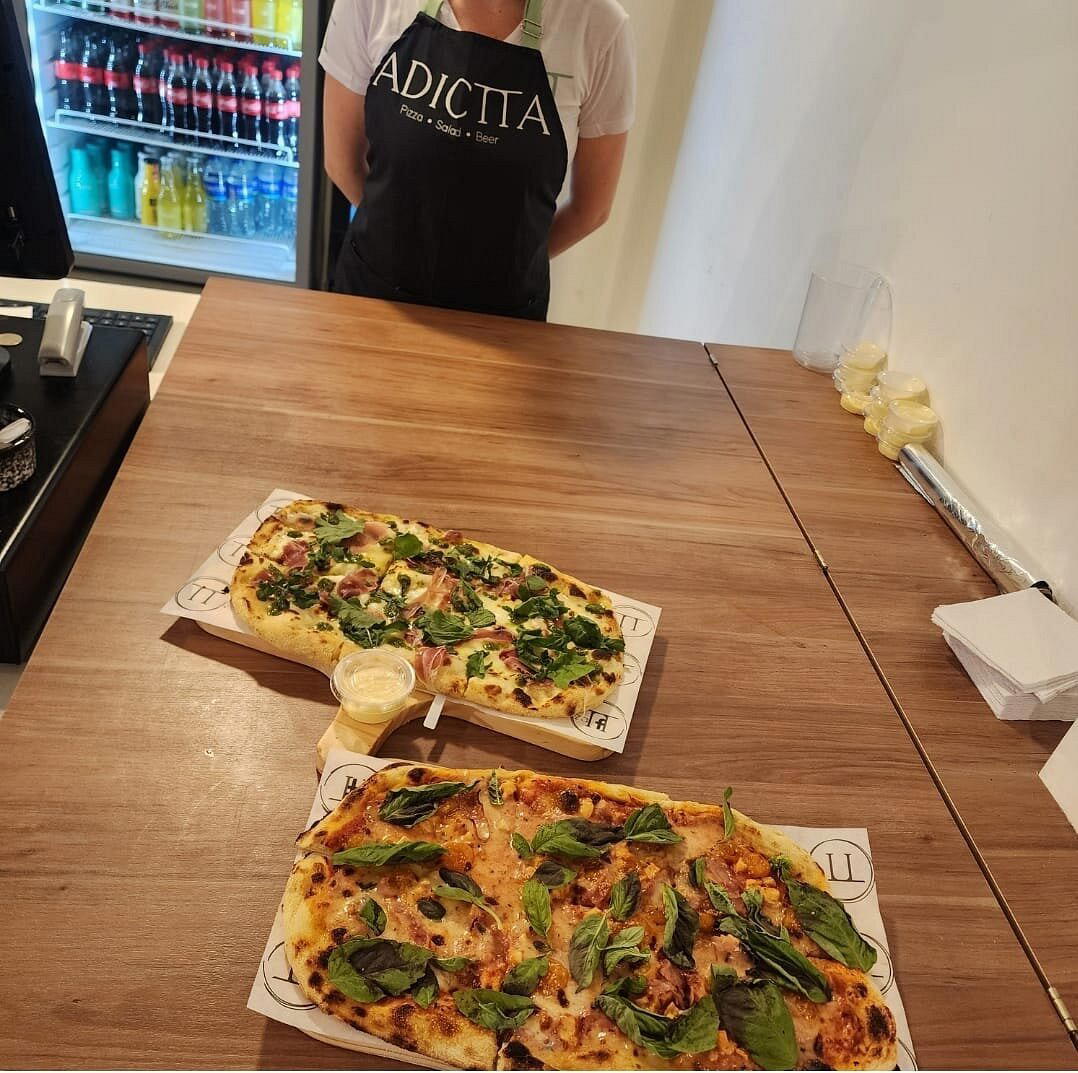
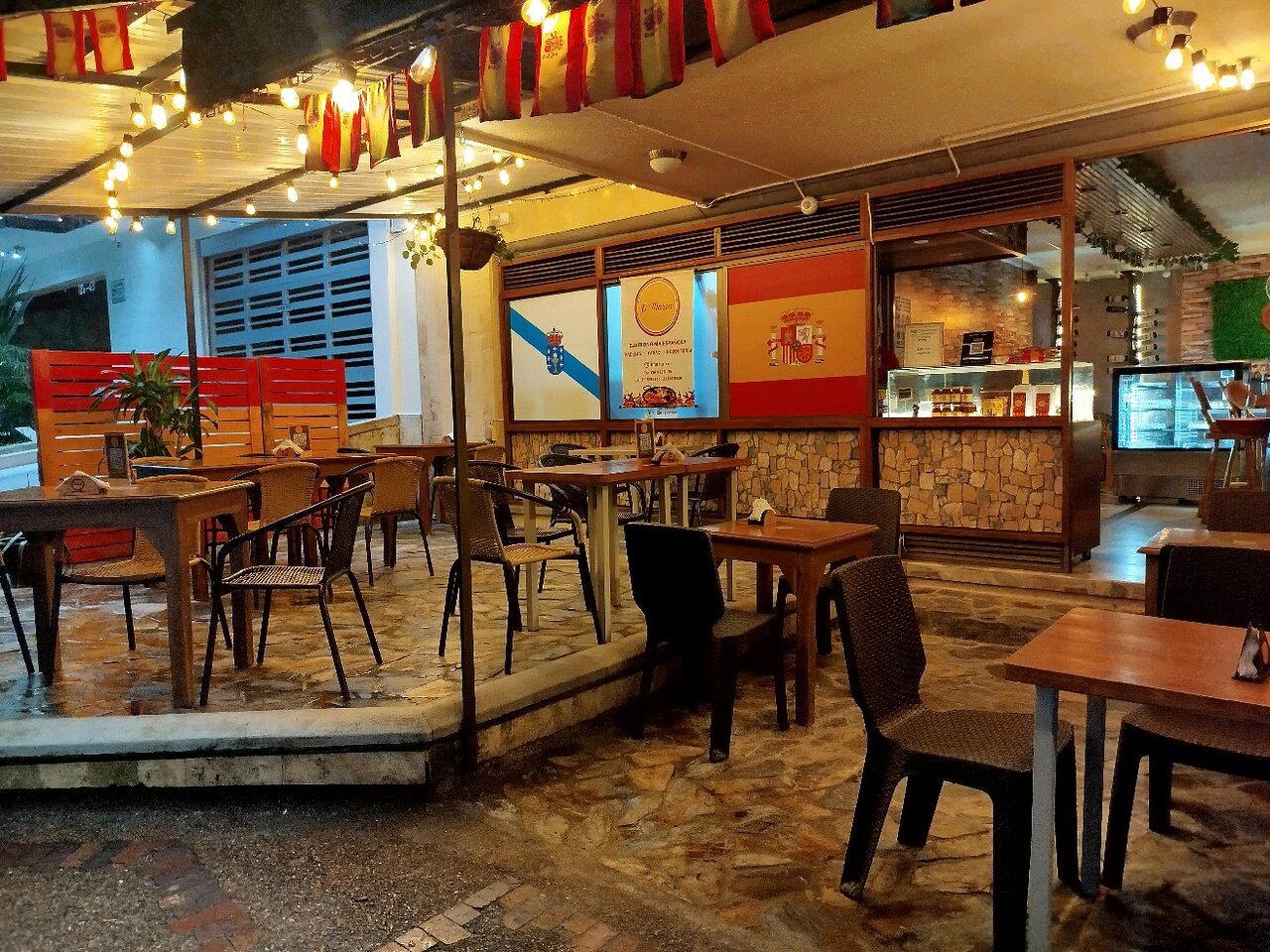
Hotels in Manizales
Browse all →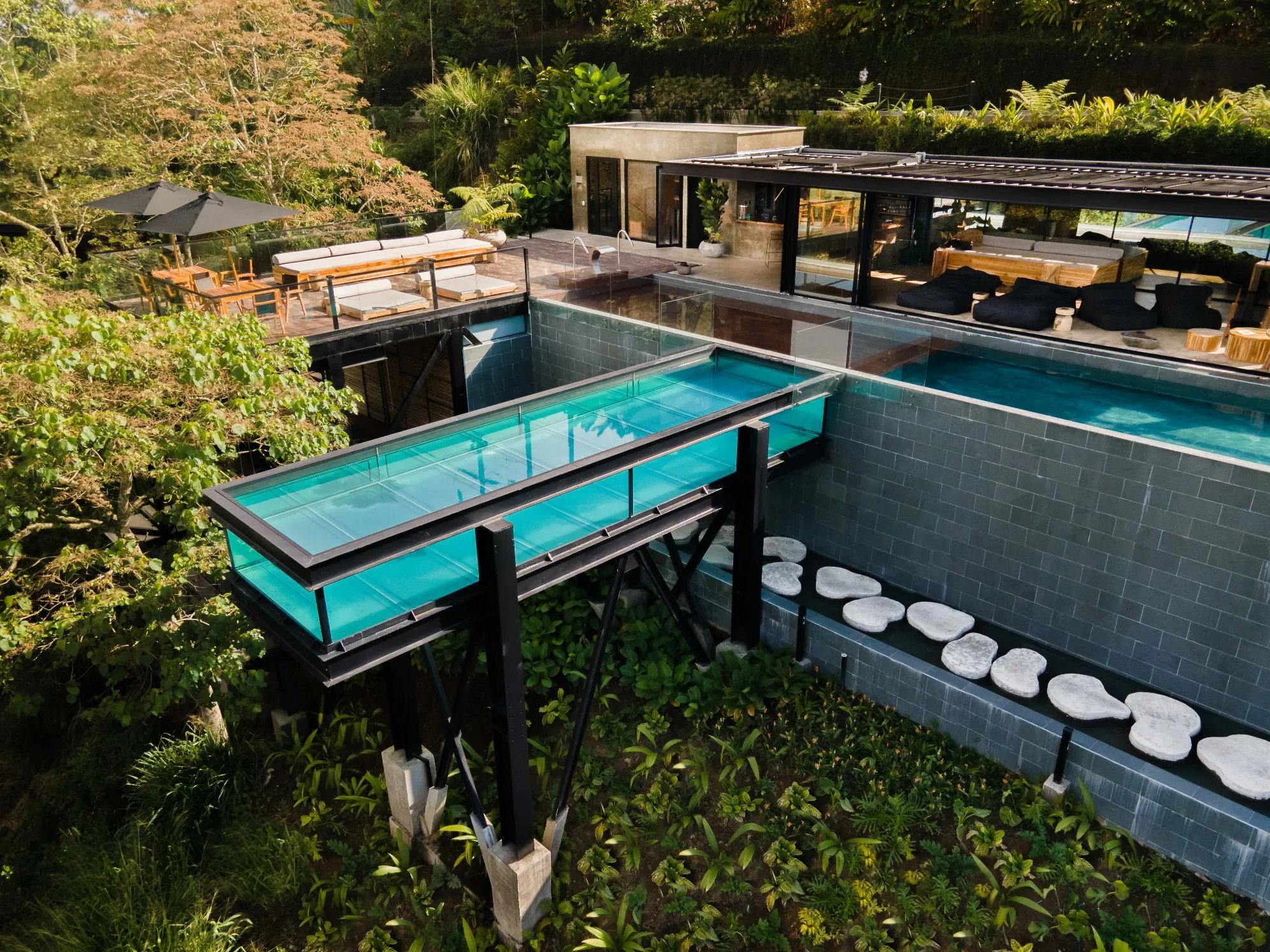

At a Glance
- Elegant
- Intimate
- Sophisticated
- Cozy
- Date Night
- Special Occasion
- Family
- Open Kitchen
- Extensive Wine List
- Local Sourcing
Current opening hours
- Monday
- Closed
- Tuesday
- 12–2 PM, 7–9 PM
- Wednesday
- 12–2 PM, 7–9 PM
- Thursday
- 12–2 PM, 7–9 PM
- Friday
- 12–2:30 PM, 7–10 PM
- Saturday
- 12–2:30 PM, 7–10 PM
- Sunday
- 12–3 PM
Hours can change for holidays and private events. Last verified .
Cozy and elegant atmosphere with French decor, music, and warm lighting around an intimate open kitchen.