Restaurante Cañonero operates within La Manga Club's retail and dining complex in Murcia, placing it inside one of Spain's most established resort communities on the Mar Menor coastline. The setting positions it as a destination for guests navigating the club's extensive facilities, with the broader Murcian coastal dining scene as its reference point. For visitors to the La Manga area, it represents a convenient in-resort option worth understanding in context.
 Discover on Pearl
Pearl is the En Primeur Club membership app — saves, bookings, and concierge access live there. Same editors, same standards.
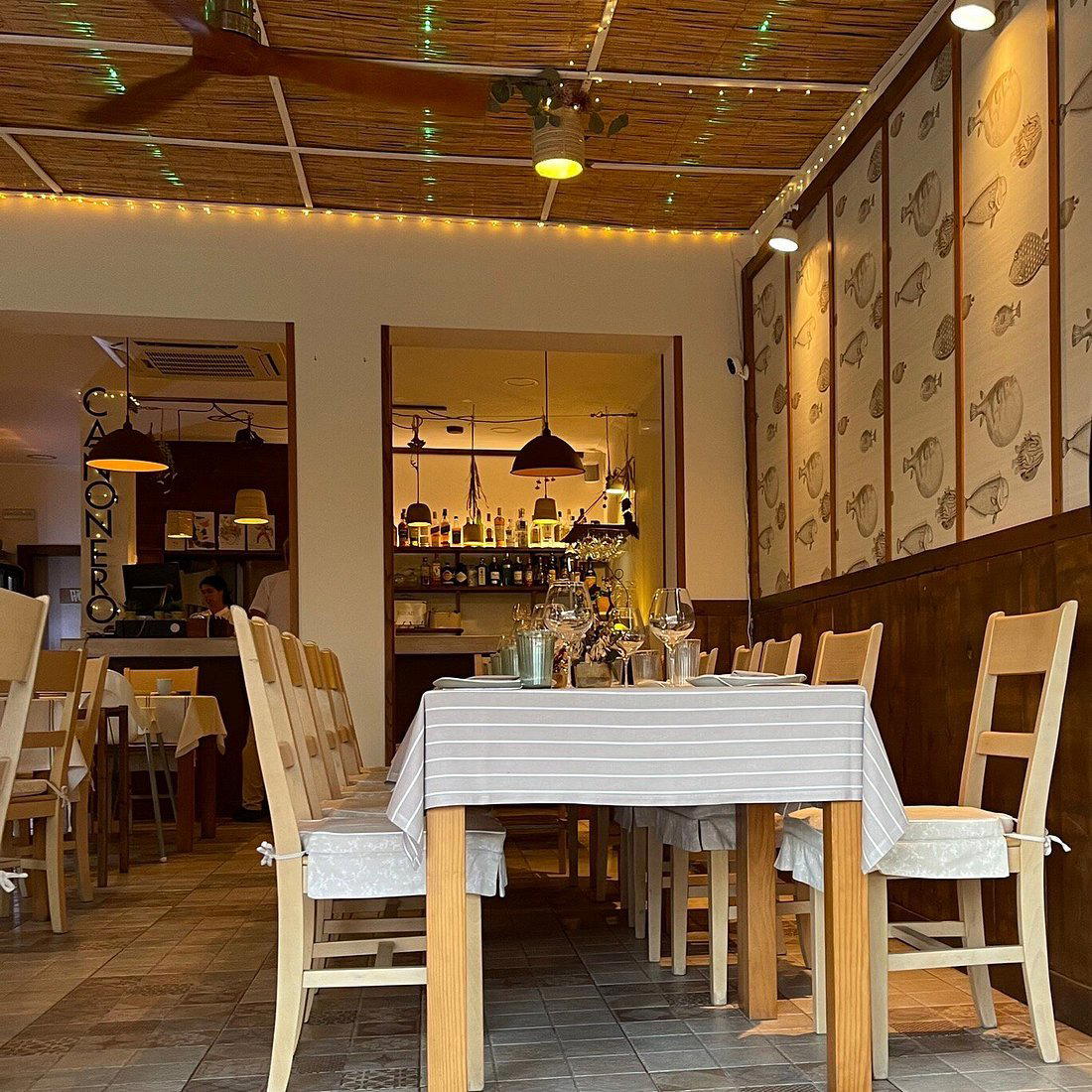
Dining at La Manga Club: The Resort Restaurant in Context
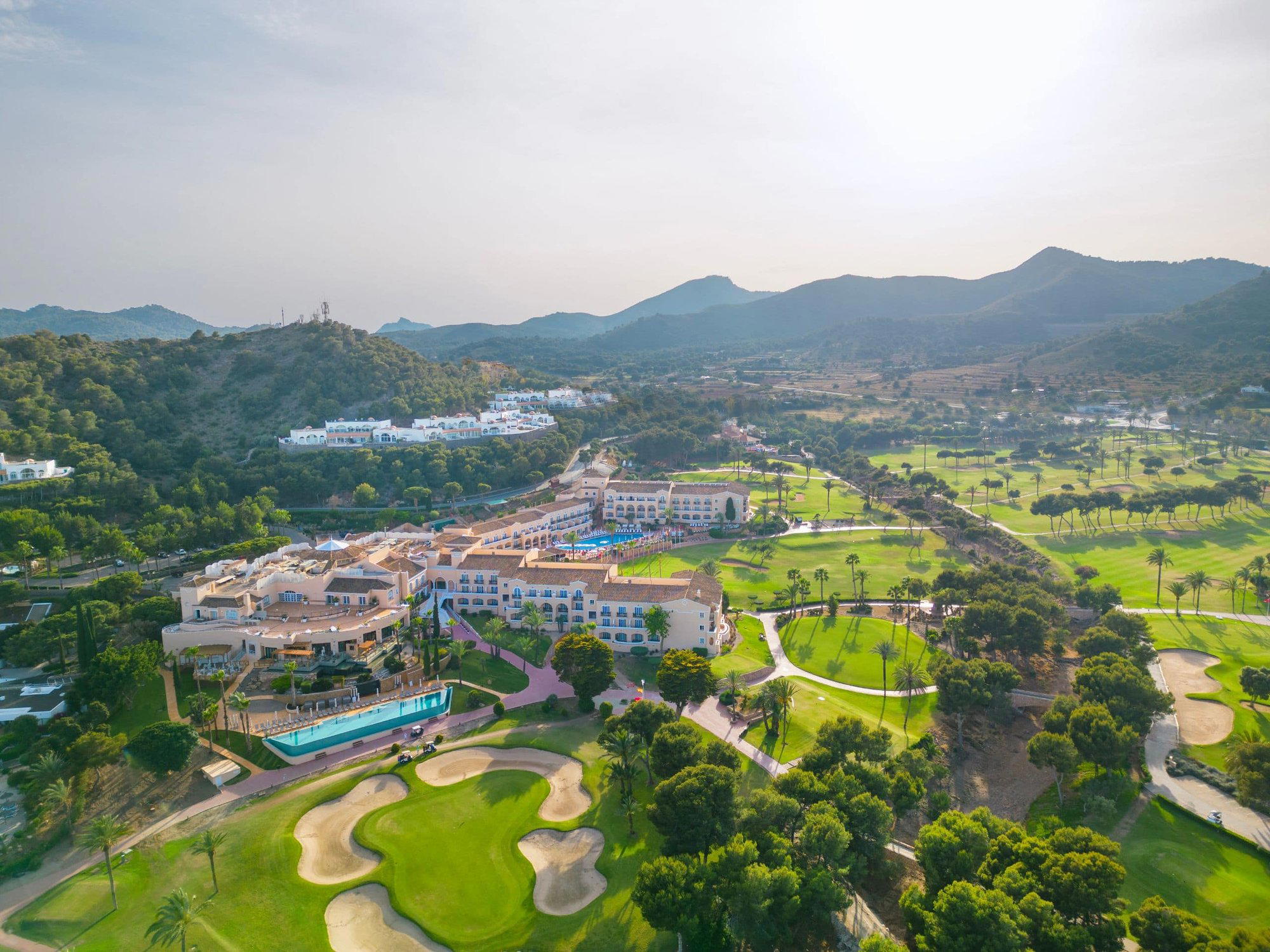
Spain's resort dining has always occupied an awkward position between convenience and ambition. The coastal strip of La Manga, separating the Mar Menor lagoon from the Mediterranean proper, draws a particular kind of visitor: golfers working through the club's three championship courses, families with time to fill between activities, and longer-stay guests who want reliable food without driving into Cartagena or Murcia city. Restaurante Cañonero sits inside this ecosystem, operating from CC Las Sabinas on Calle de la Salud within La Manga Club's grounds, and understanding what it offers requires understanding that context first.
La Manga Club itself is one of Spain's most developed private resort communities, with the infrastructure of a small town organized around sport and leisure. The dining options within the complex exist to serve that population. They are measured not against the Michelin-starred restaurants of the Murcian interior or the avant-garde coastal kitchens further up Spain's eastern seaboard, but against the specific needs of guests who want a functional, enjoyable meal within the perimeter. That is not a limitation so much as a definition.
What the Menu Structure Signals
When a restaurant's menu architecture is the clearest evidence of its purpose, that architecture deserves close reading. Resort restaurants in Spain typically resolve into one of two models: the broad international card designed to offend no one, or the regional-anchored menu that uses locality as a differentiator. The Murcian coastline gives any restaurant in this zone access to some of the most underrated ingredients in the country. The Mar Menor itself produces salt-flat vegetables and sea bass varieties that feature in the better kitchens of Cartagena and beyond. Whether Cañonero draws on that tradition is not confirmed by available data, but the geography makes it a reasonable expectation for a kitchen operating this close to those sources.
Murcia as a food region has gained ground in Spanish culinary conversations over the past decade. It does not carry the institutional weight of the Basque Country, where restaurants like Arzak in San Sebastián and Mugaritz in Errenteria define a generation of technique-led cooking, nor the accumulated prestige of Catalonia, where El Celler de Can Roca in Girona and Cocina Hermanos Torres in Barcelona operate at the leading of the national hierarchy. But Murcia's produce-led identity, built on rice, salt marsh vegetables, and excellent seafood, gives regional kitchens a strong raw material foundation that requires less intervention to make compelling. Restaurants working confidently within that tradition, including Quique Dacosta in Dénia just up the coast, have shown that the Levantine coastline can generate cooking of serious national consequence.
At the resort level, the question is always how much of that regional identity makes it onto the plate. The Spanish Mediterranean coastal restaurant at its most generic defaults to grilled fish, paella, and a dessert trolley that could appear in any hotel from Málaga to Barcelona. The more interesting version uses the same ingredients but applies enough culinary structure to give the meal a sense of place. Without confirmed menu data for Cañonero, the most useful frame for a prospective visitor is to ask which version the kitchen is running on a given service.
The La Manga Setting and What It Means for a Meal
Eating inside a resort complex changes the social physics of a restaurant. The room tends to fill with guests already embedded in the property's rhythms rather than destination diners who have made a specific journey. That creates a different energy than a standalone city restaurant: lower stakes in some ways, more forgiving of inconsistency, but also less incentivized toward the kind of precision that earns a kitchen a following beyond its immediate geography.
La Manga Club's position on the Murcian coast does give it one concrete advantage. The Mar Menor lagoon, warmer and calmer than the open Mediterranean, produces microclimatic conditions that affect local agriculture and fishing in ways that differentiate Murcian ingredients from those available elsewhere on the Spanish coast. A kitchen paying attention to that geography has material worth working with. The larger Spanish dining conversation, anchored by restaurants like Aponiente in El Puerto de Santa María and Azurmendi in Larrabetzu, has increasingly centred on hyper-local ingredient sourcing as the basis for serious menus. That conversation has a Murcian chapter waiting to be more fully written.
Cartagena's Broader Dining Picture
For visitors staying at La Manga who are willing to travel the short distance to Cartagena proper, the city's restaurant scene offers a wider range of options. 1621 The Restaurant and Canales 5 Brasserie Moderne represent the more formal end of the city's dining. The Colombian restaurants, including Andres Carne de Res and AniMare, reflect Cartagena's particular cultural demographics. Café Rialto covers the coffee and pastry end of the day. The full Cartagena restaurants guide maps the city's options across price points and cuisines for visitors planning to eat beyond the resort perimeter.
For context outside Spain entirely, the kind of technically precise seafood-forward cooking that defines the upper tier of Mediterranean resort dining appears in sharper focus at places like Le Bernardin in New York City, where the format and discipline of a serious fish kitchen are most legible as a reference point. At the other end of the format spectrum, the tasting menu precision of Atomix in New York City illustrates how far a restaurant can push structured menu architecture as a communicative act. Neither comparison is meant to set expectations for a resort restaurant in Murcia, but they do help calibrate what menu ambition can look like when it is fully realized.
Planning a Visit
Restaurante Cañonero is located at CC Las Sabinas, Calle de la Salud, local 20, within La Manga Club's resort grounds in the Murcia region. It is most practically reached by guests already staying within the club, given the resort's layout. For diners arriving from Cartagena city or further afield, La Manga Club is accessible by car along the coastal road; the resort's signage and internal road system direct visitors to the Las Sabinas commercial centre. Current hours, booking requirements, and pricing are leading confirmed directly with the venue or through La Manga Club's concierge services, as this information was not available at the time of publication. Given the resort context, walk-in availability is likely during off-peak periods, but confirming ahead during summer months and major golfing events, when the club operates at higher occupancy, is advisable.
Recognition, Side-by-Side
A quick peer list to put this venue’s basics in context.
| Venue | Awards | Cuisine | Notes |
|---|---|---|---|
| Restaurante Cañonero | This venue | ||
| Celele | Modern Colombian | Modern Colombian | |
| Andres Carne de Res | Colombian | Colombian | |
| AniMare | Colombian Fusion | Colombian Fusion | |
| Casa Pestagua | Colombian Fusion | Colombian Fusion | |
| 1621 The Restaurant |
Continue exploring
More in Cartagena
Restaurants in Cartagena
Browse all →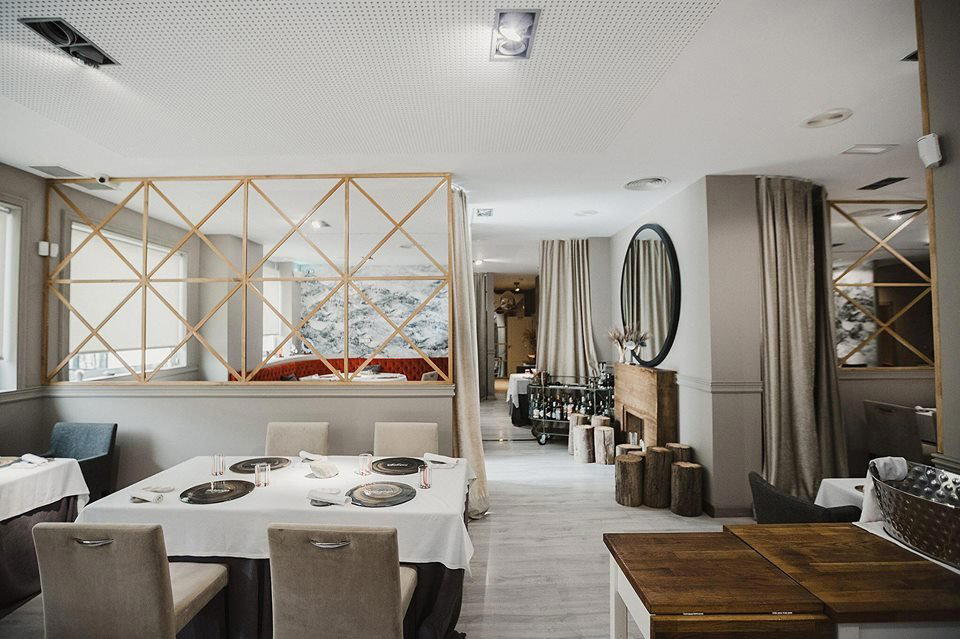
At a Glance
- Cozy
- Elegant
- Date Night
- Family
- Terrace
- Extensive Wine List
- Local Sourcing
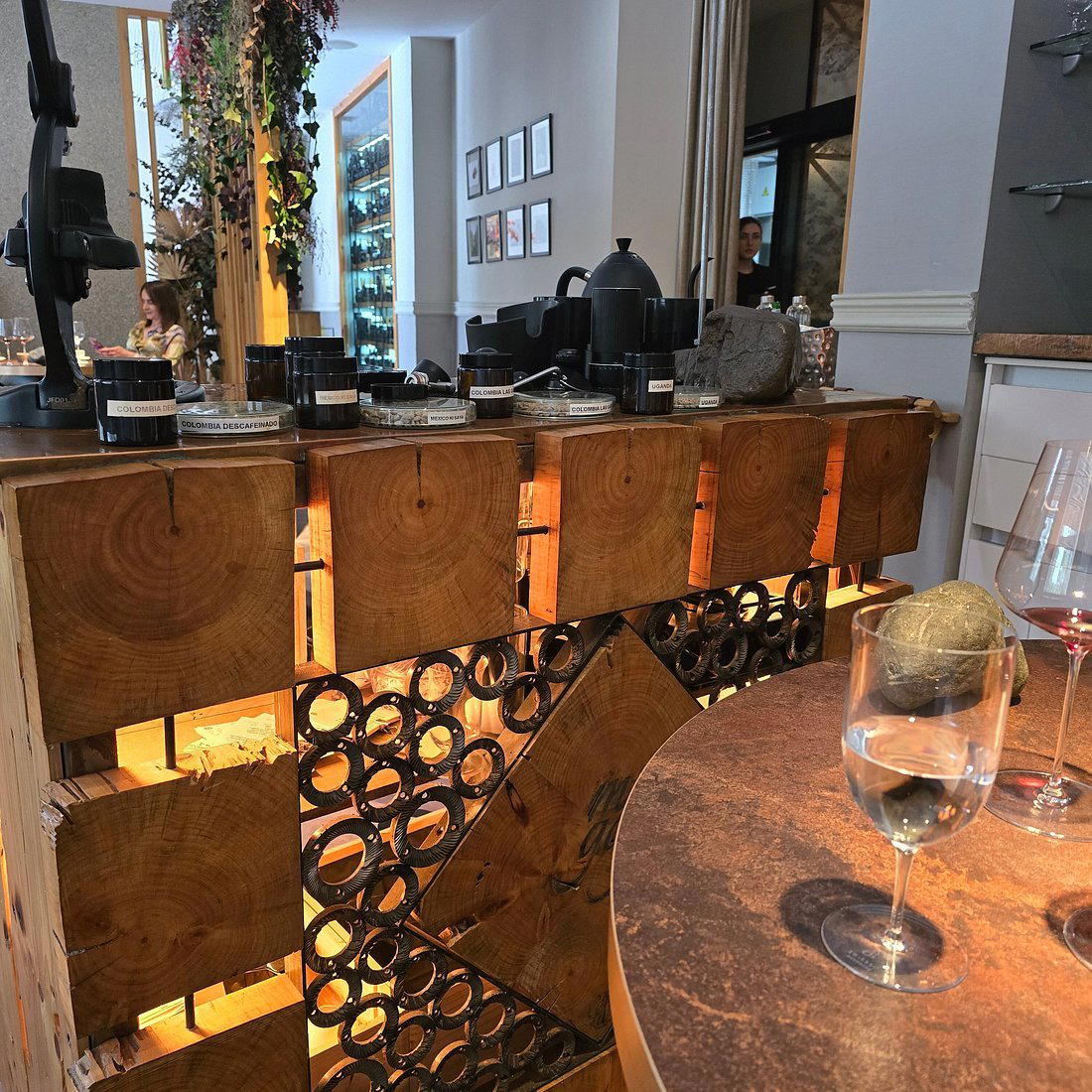
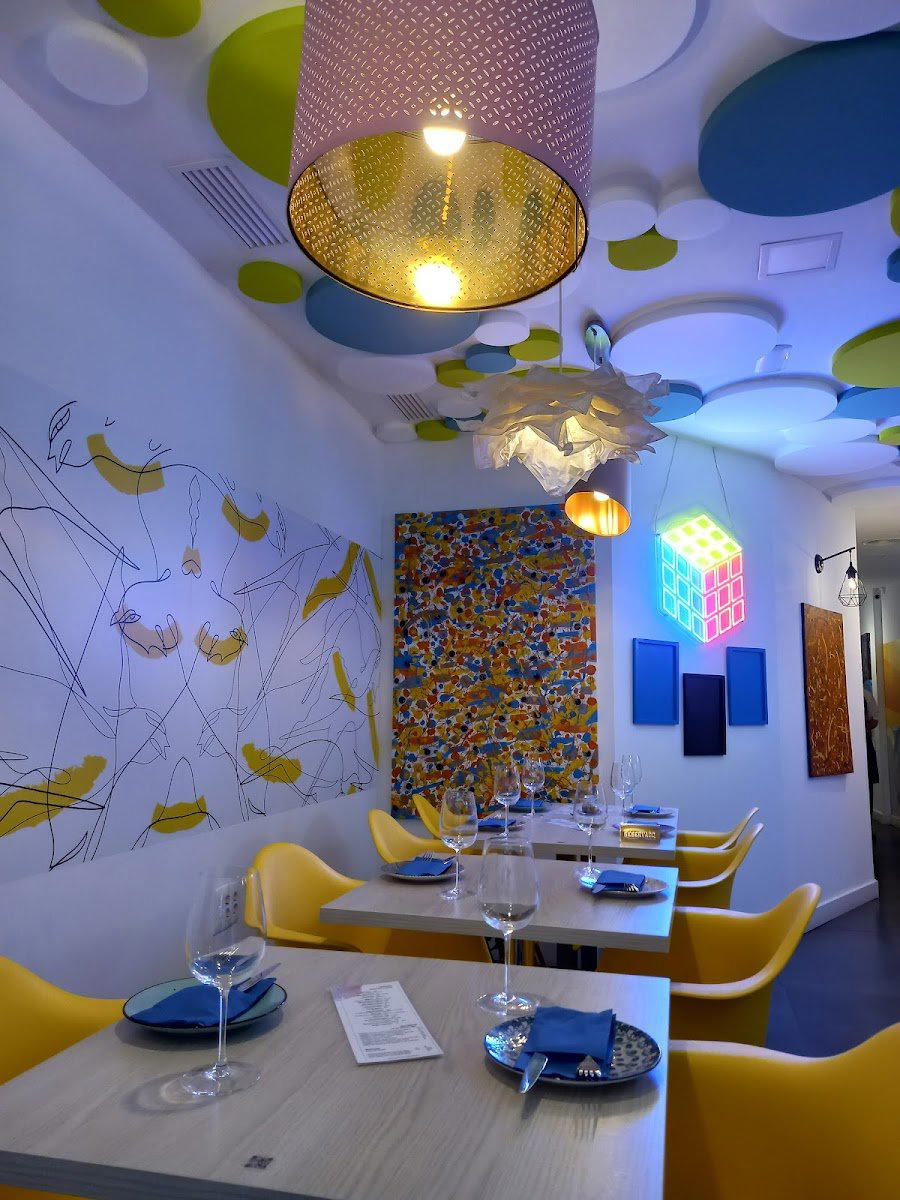
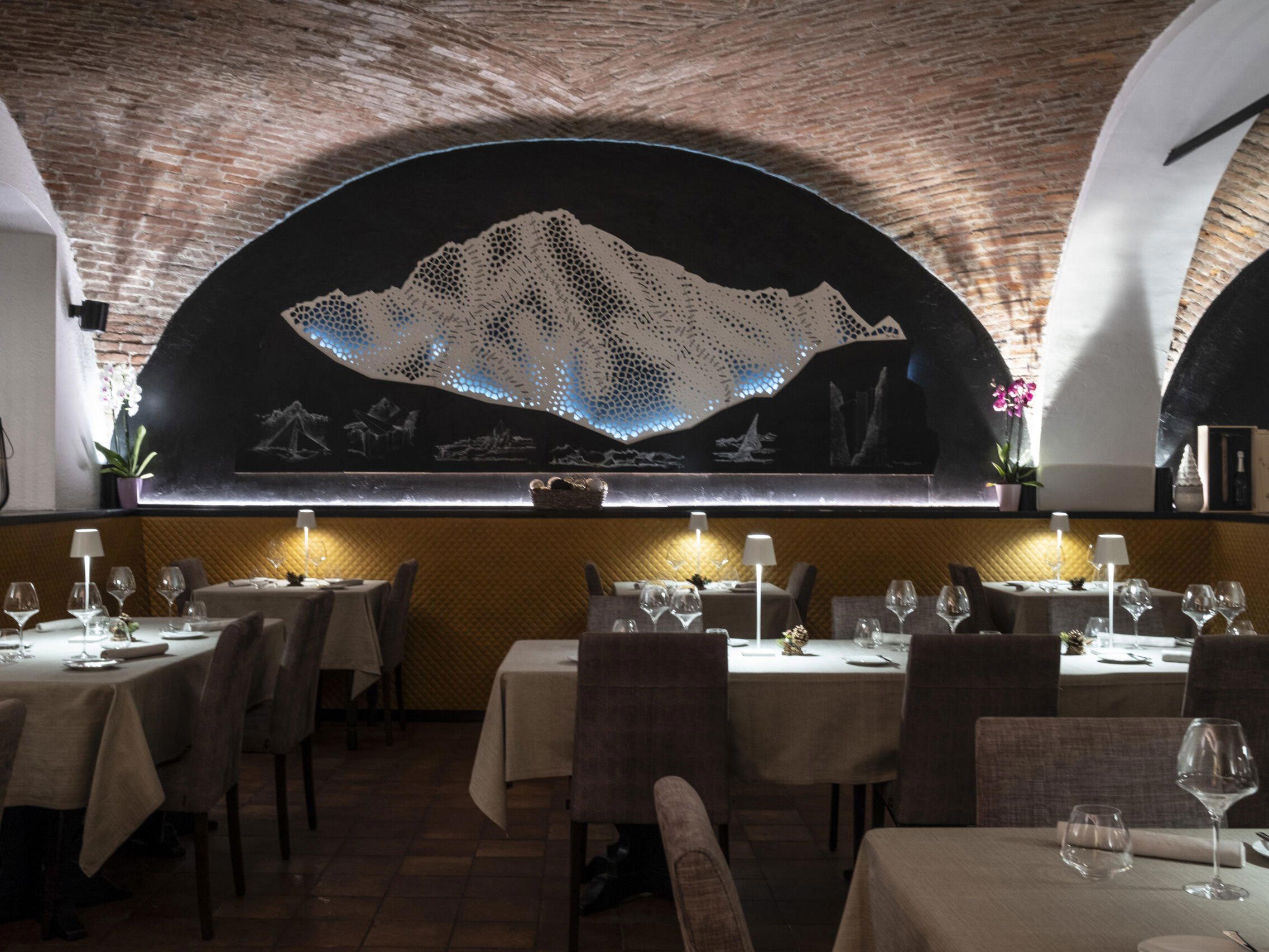
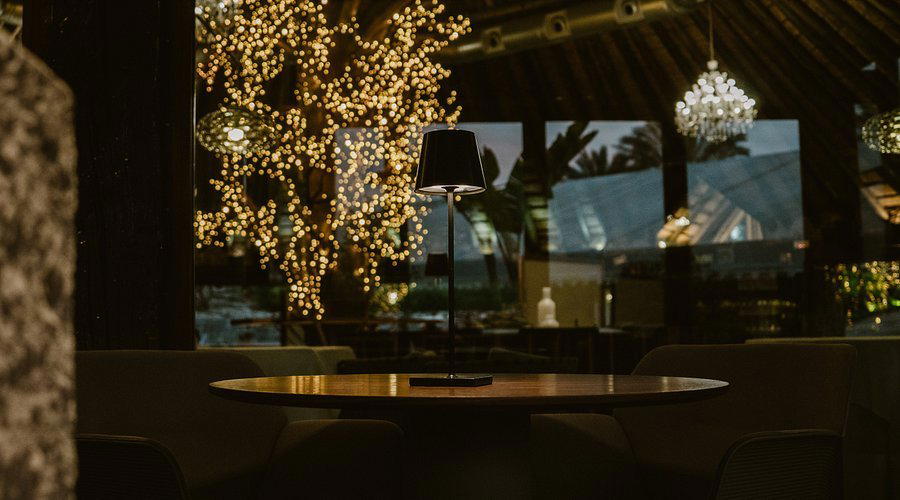
Modern but comfortable decor with valley views, warm lighting, and a welcoming atmosphere.