Juan Mari

Michelin Bib Gourmand
Our verdict
A Michelin Bib Gourmand holder for 2024 and 2025, Juan Mari sits at the centre of San Pedro del Pinatar with a dining room that channels the Mar Menor coast through locally sourced rice dishes, artichoke carpaccio with crispy Iberian ham, and turbot with patatas a lo pobre. The €€ price point and family-run ethos make it one of the region's more persuasive cases for traditional Murcian cooking done with genuine care.

Pearl is the En Primeur Club membership app, where members save venues, book tables and use the concierge.
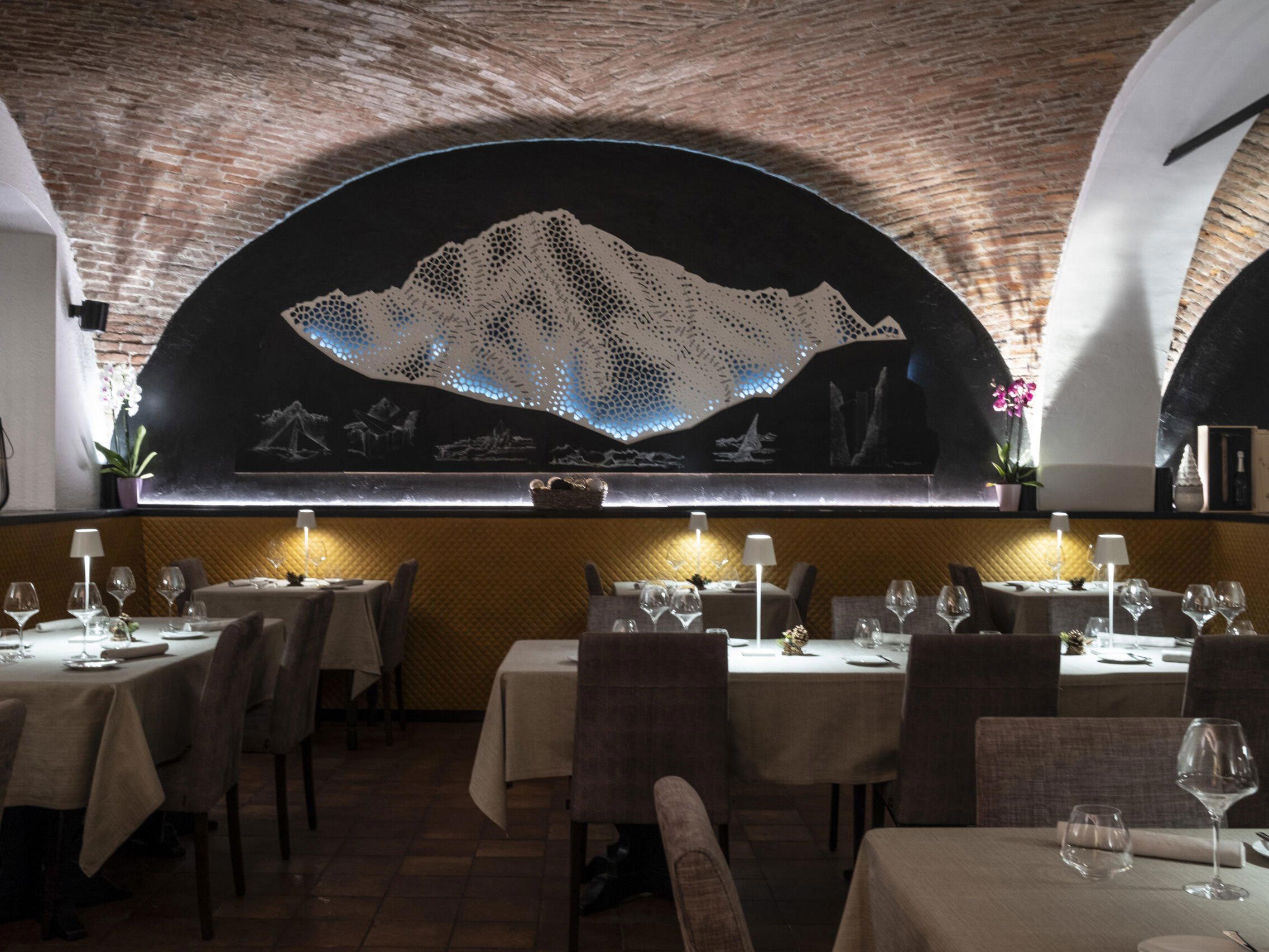
The menu
What to order
- Beef Tenderloin
- Iberico Special
- Carpaccio of artichokes
- Turbot with patatas a lo pobre
Where the Mar Menor Comes to the Table
San Pedro del Pinatar sits at the northern tip of the Mar Menor lagoon, a stretch of the Murcia coastline where salt flats, fishing boats, and market gardens have defined the local diet for generations. The town is not a gastronomic destination in the way that Valencia or Cartagena attract attention, but that relative quietness is precisely what keeps places like Juan Mari anchored to the ingredients that surround them rather than performing for an outside audience. The restaurant occupies a central position in town, a contemporary dining room with a small outside terrace, and its cooking draws directly from what the region produces: rice grown in the Calasparra and Cartagena lowlands, fish from the lagoon and Mediterranean, and the Iberian pork products that traverse the wider Spanish interior.
For readers planning a broader Murcia or Costa Cálida trip, our full San Pedro del Pinatar restaurants guide maps the town's dining options across price tiers, alongside hotels, bars, wineries, and experiences in the area.
What the Bib Gourmand Actually Signals Here
Michelin's Bib Gourmand classification, awarded to Juan Mari in both 2024 and 2025, is not a consolation tier below starred dining. It is a specific designation for restaurants where quality and value intersect at a price point accessible to a wider audience. In a region like Murcia, where the haute cuisine conversation tends to cluster around the coast further north near Alicante and the Valencian Community, a consecutive Bib Gourmand in a smaller coastal town is a meaningful signal. It indicates consistency, a kitchen operating with discipline, and cooking that Michelin inspectors returned to more than once.
The comparison context matters here. Spain's most decorated restaurants, DiverXO in Madrid, Arzak in San Sebastián, El Celler de Can Roca in Girona, Azurmendi in Larrabetzu, and Cocina Hermanos Torres in Barcelona, operate at €€€€ price points and in major metropolitan or high-profile gastronomic hubs. Juan Mari sits at the opposite end of the price register, at €€, and in a town that most international visitors pass through rather than plan around. That is a different value proposition, not a lesser one. It belongs to a tradition of family-run restaurants across southern Spain where the kitchen's output is shaped less by creative ambition and more by what arrived at the market that morning.
The Sourcing Logic Behind the Menu
The dishes Michelin inspectors noted in their award commentary read as a direct index of the region's larder. The carpaccio of artichokes with crispy Iberian ham draws on two of Spain's most geographically specific ingredients: artichokes, which the Murcia region produces in significant volume and at a quality level that has made them a protected designation product, and Iberian ham, cured from pigs raised on acorn and pasture in the dehesa systems of the Iberian Peninsula's south-west. Placing them together in a carpaccio format, thin-sliced, raw or lightly dressed, is a confident statement about ingredient quality. You don't present artichoke that way unless the artichoke can hold up on its own.
Turbot with patatas a lo pobre is a different argument. Patatas a lo pobre, potatoes slowly cooked in olive oil with onion and pepper, is not a sophisticated technique. It is a peasant preparation, common across Andalusia and Murcia, that works because of fat quality, patience, and the ratio of potato to aromatics. Pairing it with turbot, a firm-fleshed flat fish that performs well under heat, produces a dish where the cooking method amplifies both components. The fact that this appears as a signature rather than a supporting act says something about the kitchen's sense of proportion: complexity is not the point here. Execution is. For comparisons across Spanish coastal cooking traditions, Aponiente in El Puerto de Santa María, Quique Dacosta in Dénia, and Ricard Camarena in València each represent different registers of the same coastal larder at higher price tiers.
Rice dishes mentioned in the Michelin notes are the third pillar. Rice cookery along this stretch of Mediterranean Spain is a serious discipline. The Murcia region borders Valencia, and while Valencian paella dominates international recognition, the rice traditions of the Costa Cálida and the Mar Menor are distinct, drier, often cooked in metal or clay vessels, built around local fish and shellfish. Getting rice right at this level requires understanding water content, heat management, and the precise balance of socarrat, the caramelised crust that forms at the base, without burning. It is the kind of cooking that rewards repetition and local knowledge rather than formal training.
Format and Feel
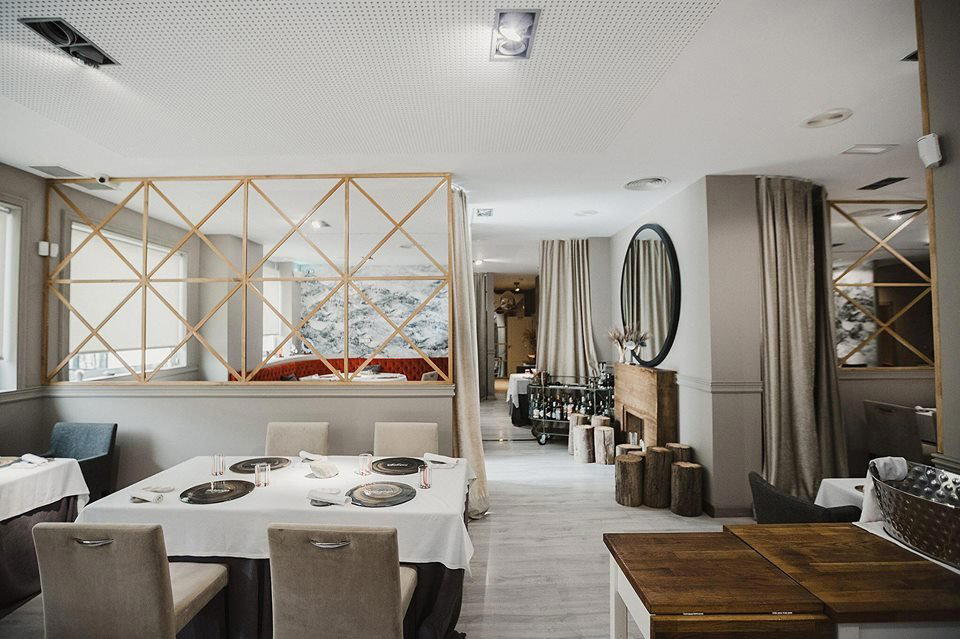
Dining room is described as contemporary in style, a choice that positions Juan Mari away from the rustic-tiled aesthetic that many traditional Spanish restaurants default to, without tipping into the minimalism of higher-end tasting-menu venues. The outside terrace adds a second mode of dining that aligns with the town's coastal character. Family-run restaurants at this level in Spain tend to run on consistency rather than reinvention, the menu evolves with the seasons and the market rather than through creative relaunches, and the service operates on the logic of genuine hospitality rather than studied formality.
À la carte format sits alongside a tasting menu, giving diners the option to anchor a meal around a single rice dish or turbot, or to move through a more structured sequence. At the €€ price point, both options remain accessible without requiring the kind of advance financial commitment that a multi-course tasting menu at a starred restaurant demands.
Broader context on traditional cuisine operating at this price tier in comparable Spanish coastal settings: Auga in Gijón and Auberge Grand'Maison in Mûr-de-Bretagne represent the same category logic in different Atlantic contexts. Atrio in Cáceres and Mugaritz in Errenteria and Martin Berasategui in Lasarte-Oria occupy higher tiers of the same national conversation about Spanish cooking and its regional identities.
Planning a Visit
Juan Mari is located in the centre of San Pedro del Pinatar in the Murcia Community, making it accessible on foot from the town's main hotel and accommodation zone. The €€ price range places it within reach as a lunch or dinner option without significant planning overhead.
Frequently asked questions
How much does it cost to eat at Juan Mari?
Pricing at Juan Mari is listed as €€.
Comparable Spots, Quickly
| Venue | Cuisine | Price | Awards | Notes |
|---|---|---|---|---|
| Juan MariThis venue (the venue you are viewing) | Traditional Mediterranean with Murcian influences | $50–100 | Michelin Bib Gourmand | Not listed |
| Aponiente | Avant-Garde Marine Seafood | $200–300 | 3 Michelin Stars · World's 50 Best #84 | Progressive - Seafood, Creative |
| Arzak | Contemporary Basque Fine Dining | $300–500 | 3 Michelin Stars · World's 50 Best #31 | Modern Basque, Creative |
| DiverXO | Avant-Garde Spanish Tasting Menu | $300–500 | 3 Michelin Stars · World's 50 Best #4 | Progressive - Asian, Creative |
| El Celler de Can Roca | Creative Catalan Fine Dining | $300–500 | 3 Michelin Stars · World's 50 Best #2 | Progressive Spanish, Creative |
| Quique Dacosta | Avant-Garde Spanish Fine Dining | $300–500 | 3 Michelin Stars · World's 50 Best #65 | Creative |
Recognition history
Dated appearances from independent guides and award organizations, with the underlying list record or original source where available.
Michelin Bib Gourmand
Michelin
Full recognition history (3 entries)
Michelin Bib Gourmand
Michelin
Michelin Bib Gourmand
Michelin
Continue exploring
More in San Pedro del Pinatar
Restaurants in San Pedro del Pinatar
All restaurants in San Pedro del Pinatar →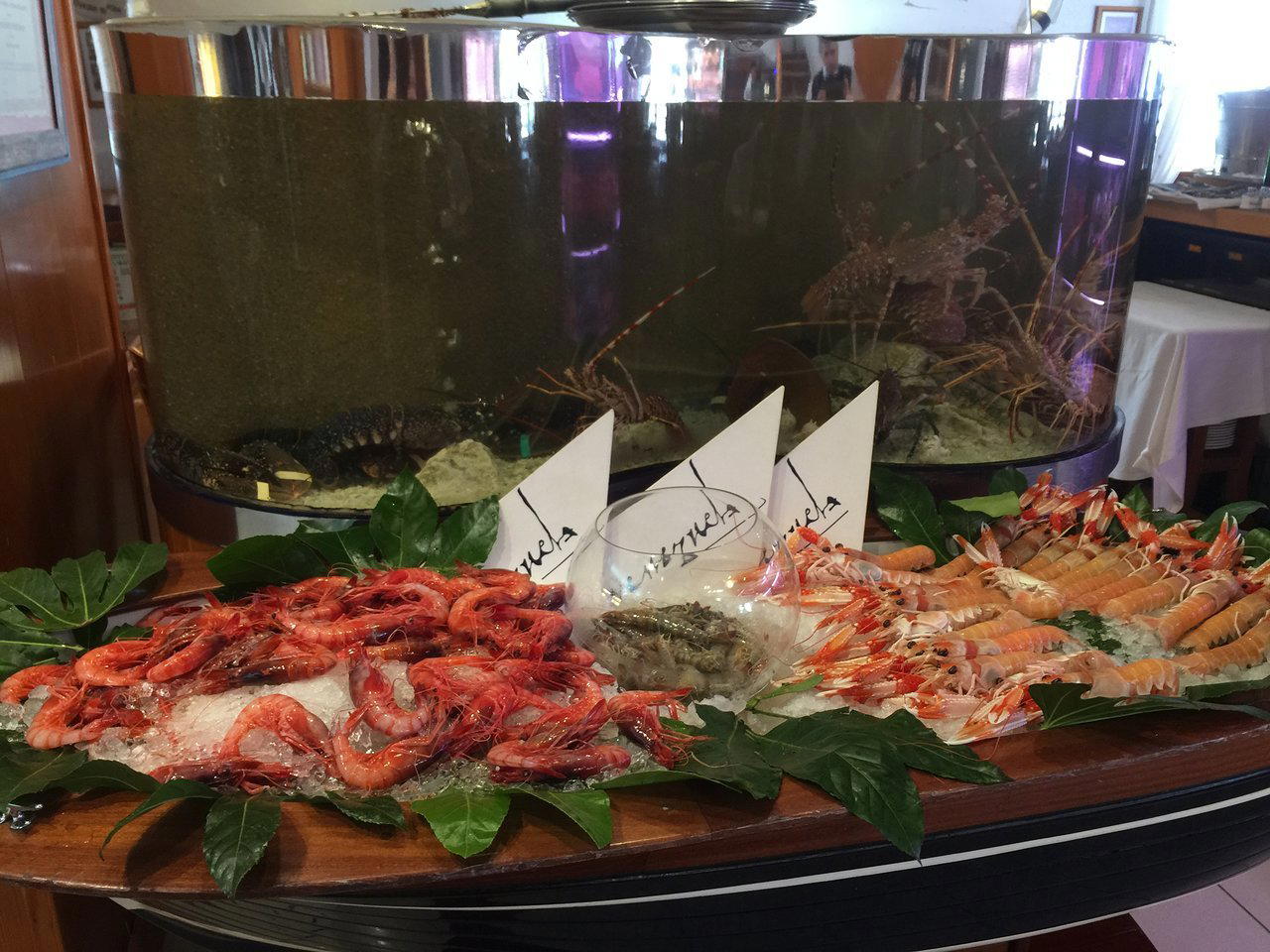
Bars in San Pedro del Pinatar
Browse all →
Hotels in San Pedro del Pinatar
Browse all →


Wineries in San Pedro del Pinatar
Browse all →
Details
- Cozy
- Classic
- Intimate
- Date Night
- Family
- Special Occasion
- Terrace
- Extensive Wine List
- Local Sourcing
- A La Carte
- Tasting Menu
- Vegetarian Friendly
- Gluten Free Options
Cozy, warm, and inviting family-friendly atmosphere with contemporary-style dining room and small outside terrace.