Laufen sits at the quieter end of Bavaria's Salzach corridor, and Restaurant zumOXN on Tittmoninger Strasse occupies the kind of address that rewards local knowledge over algorithmic discovery. The cooking draws on the agricultural density of the Chiemgau and Rupertiwinkel region, where proximity to serious produce shapes what ends up on the plate. For southern Bavaria, that combination of place and ingredient focus places it in a distinct tier.
Pearl is the En Primeur Club membership app — saves, bookings, and concierge access live there. Same editors, same standards.
- Address
- Tittmoninger Str. 19, 83410 Laufen, Germany
- Phone
- +4986826649100
- Website
- zumoxn.de
- Directions
- Get directions
 Saves & bookings on Pearl
Laufen and the Salzach Valley's Quiet Dining Scene
The stretch of Bavaria running south from Traunstein toward the Austrian border is not a circuit that most serious German dining coverage traces in detail. The attention lands on Munich, on the Chiemgau's hotel restaurants, or on the handful of decorated kitchens scattered across the Allgäu. Laufen itself sits on the Salzach opposite the Austrian town of Oberndorf, a small river town whose identity is tied more to its salt-trade past than to any contemporary culinary profile. That context matters: a restaurant operating in this geography is not drawing from a deep pool of gastronomically minded foot traffic. It is, by necessity, making a case for itself on other terms.
Restaurant zumOXN, at Tittmoninger Strasse 19, is part of a broader pattern visible in smaller Bavarian towns where a single address quietly anchors the local dining conversation without seeking regional or national recognition.
Sourcing in the Rupertiwinkel: Why Geography Shapes the Plate
The Rupertiwinkel, the wedge of Bavaria tucked between Salzburg and the Inn river, is one of Germany's more quietly productive agricultural pockets. Dairy farming dominates, but the region also supports vegetable growers, small-scale meat producers, and foragers working the foothills of the Chiemgau Alps. Restaurants in this corridor have access to a supply chain that larger urban kitchens often have to simulate through specialist importers: the actual proximity of farm to kitchen, measured in kilometers rather than distribution networks.
This proximity is not automatically an advantage. It requires a kitchen that has built genuine relationships with producers and that adjusts its menu to what the land is actually doing in a given week or month. In agricultural terms, the Salzach valley runs through a transition zone: the climate is wetter and cooler than the Bavarian interior, which extends the growing season for certain crops while limiting others. The result, when a kitchen responds to it honestly, is a plate that reads differently from what you find in Munich's more cosmopolitan fine-dining rooms or in the Franco-German formalism of decorated destinations like Schwarzwaldstube in Baiersbronn or Vendôme in Bergisch Gladbach.
In southern Bavaria more broadly, the ingredient-led approach has found its clearest expression in places willing to operate outside the decorated-restaurant framework. Kitchens like ES:SENZ in Grassau, positioned in the Chiemgau just north of here, demonstrate what the region's produce can support when a kitchen commits to working with it seriously. The comparison is useful: Grassau and Laufen draw from overlapping agricultural territory, separated by about 30 kilometers of similar terrain.
The Address and What to Expect on Arrival
Tittmoninger Strasse is a residential and light-commercial artery running out of central Laufen toward the southeast. The setting is not scenic in any designed sense: this is a working Bavarian town, not a spa resort or a wine-route stop engineered for visitor experience. That lack of surface polish is, in the context of how regional restaurants in this part of Germany tend to operate, itself a signal. The cooking, not the surroundings, is expected to make the case.
Visitors arriving from Munich, roughly 100 kilometers to the northwest, typically drive via the A8 autobahn toward Salzburg and exit at Traunstein or Piding. The journey takes between 75 and 90 minutes depending on traffic, which places Laufen in a realistic day-trip radius for Munich-based travelers willing to follow a specific dining recommendation rather than staying within the city's well-mapped restaurant circuit. Those flying into Salzburg Airport, about 20 kilometers from Laufen across the Austrian border, have a shorter transfer and may find the town a logical first stop before moving into the Bavarian interior.
Where zumOXN Sits in the Broader German Fine-Dining Picture
Germany's decorated restaurant tier concentrates heavily in urban centers and in a handful of rural destinations with established culinary reputations. Aqua in Wolfsburg, JAN in Munich, and Restaurant Haerlin in Hamburg all occupy a tier defined by sustained critical recognition, high seat prices, and tasting menus structured around kitchen ambition rather than regional vernacular. Further along the spectrum, places like Schanz in Piesport and Waldhotel Sonnora in Dreis demonstrate how rural German kitchens can punch into that upper tier from a provincial base.
Restaurant zumOXN sits outside that decorated framework, at least as far as current public records indicate. That positioning is neither a criticism nor a limitation: it describes a different kind of restaurant, one whose relevance is local and regional rather than aspirational in the national sense. For international travelers calibrating expectations, the comparison set is closer to a serious neighborhood restaurant in a secondary German city than to the elaborately choreographed tasting-menu formats found at CODA Dessert Dining in Berlin or ATAMA by Martin Stopp in Sankt Ingbert. The distinction matters for trip planning: Laufen is not a destination you route a European dining itinerary around in the way you might for AURA in Wirsberg or AUGUST in Augsburg, but it can anchor a day in a part of Bavaria that warrants more culinary attention than it typically receives.
For international reference points on ingredient-driven cooking at higher levels of ambition, Le Bernardin in New York City and Atomix in New York City illustrate what sourcing discipline looks like when aligned with full creative and technical resources, while Bagatelle in Trier and ammolite in Rust show how regional German addresses can develop distinct identities within their respective geographical contexts.
The Victor's Fine Dining by Christian Bau in Perl also demonstrates the range of ambition possible within Germany's less-trafficked dining corridors, providing a useful upper-end reference for what regional commitment to sourcing and craft can achieve over time.
Planning a Visit
Direct contact via the restaurant's address at Tittmoninger Strasse 19 in Laufen is the practical first step before making the journey. For travelers combining a visit with the broader Salzach corridor, the proximity to Salzburg adds obvious cultural weight to the trip. Timing around the region's agricultural calendar, particularly late summer and autumn when local produce is at its most varied, is consistent with how ingredient-focused kitchens in this part of Bavaria tend to operate at their strongest.
Comparison Snapshot
Comparable venues nearby, for context on price, style, and recognition.
| Venue | Cuisine | Price | Notes |
|---|---|---|---|
| Restaurant zumOXNThis venue — the venue you are viewing | Modern Bavarian Grill & Seasonal Cuisine | $$$ | Not listed |
| DEVA Parkhotel Traunstein | Modern Bavarian | $$$ | center |
| Parkhotel in Bad Füssing | Regional Bavarian Hotel Cuisine | $$$ | next to the spa park |
| Hirschenhotels Parsberg GmbH | Regional German Gourmet | $$$ | Parsberg |
| Lenas am See | German Lakeside Bistro | $$$ | Utting am Ammersee |
| Mogli's Restaurant | Modern Bavarian Gastropub | $$$ | Tonwerk Dorfen |
At a Glance
- Cozy
- Elegant
- Modern
- Rustic
- Date Night
- Business Dinner
- Group Dining
- Family
- Celebration
- Brunch
- Hotel Restaurant
- Garden
- Live Music
- Private Dining
- Beer Program
- Local Sourcing
- Farm To Table
- Garden
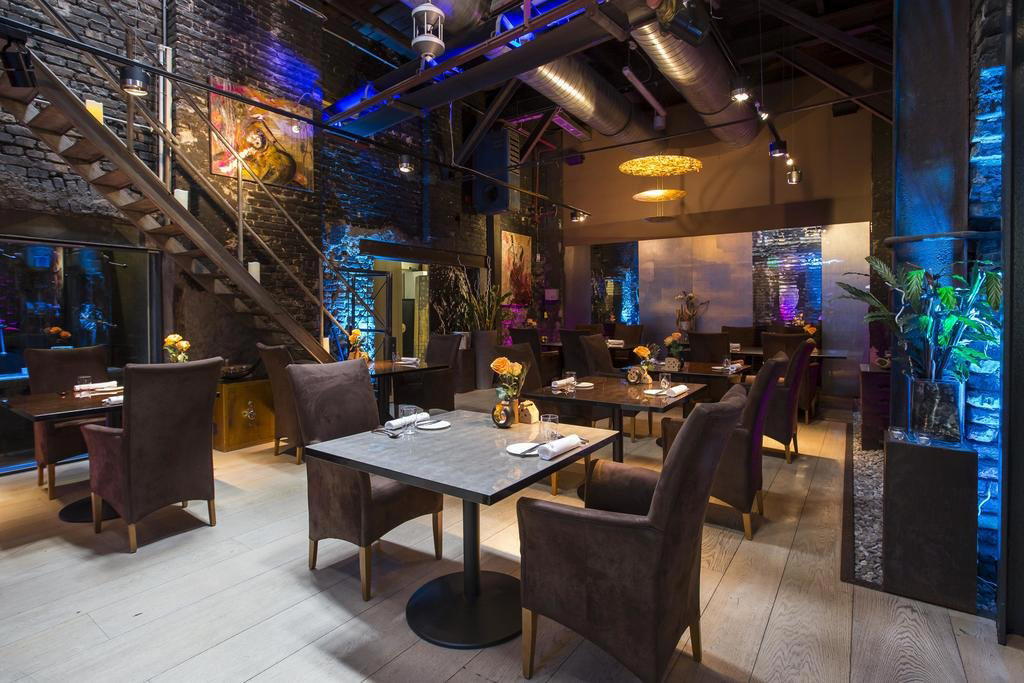
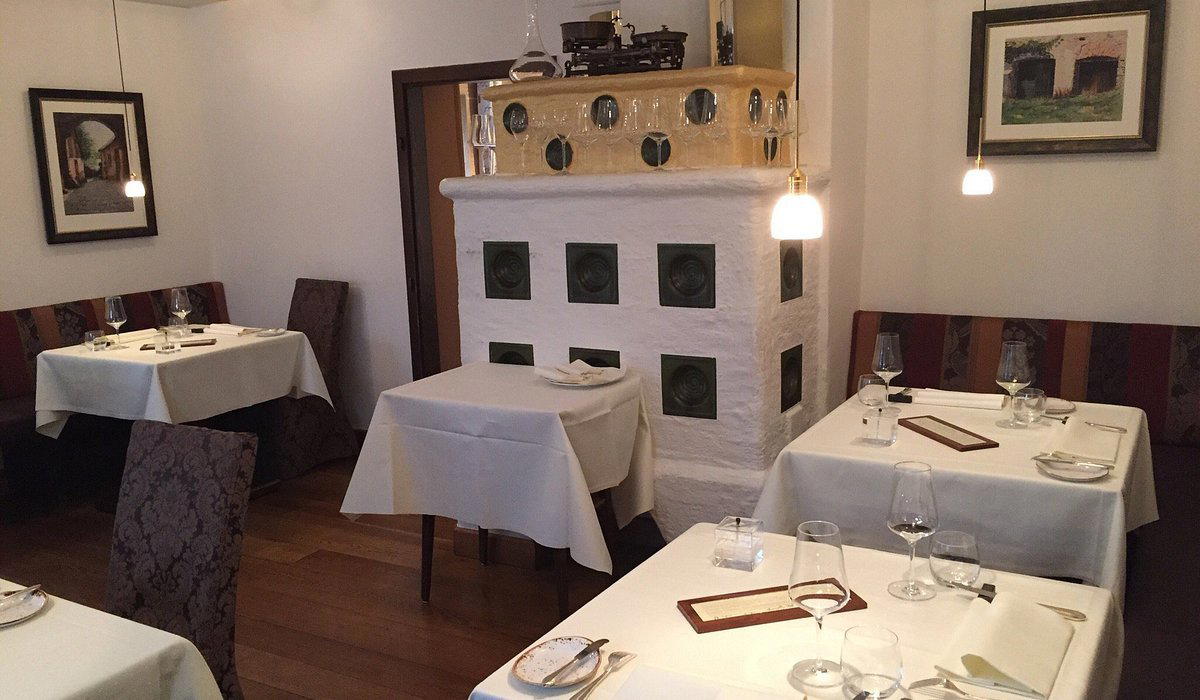
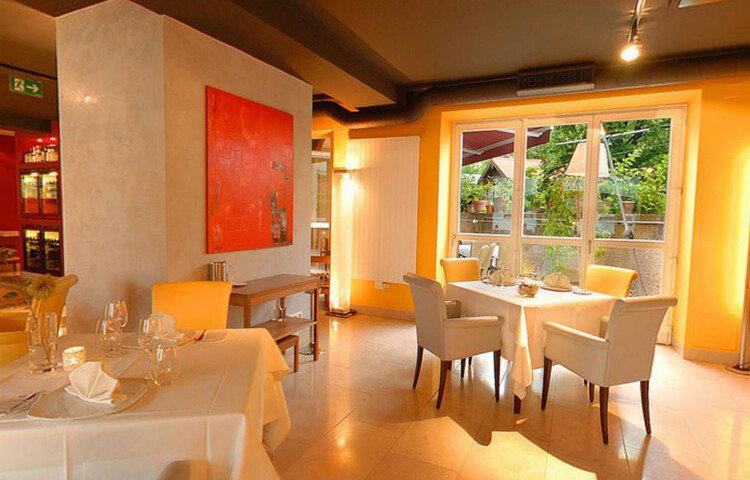
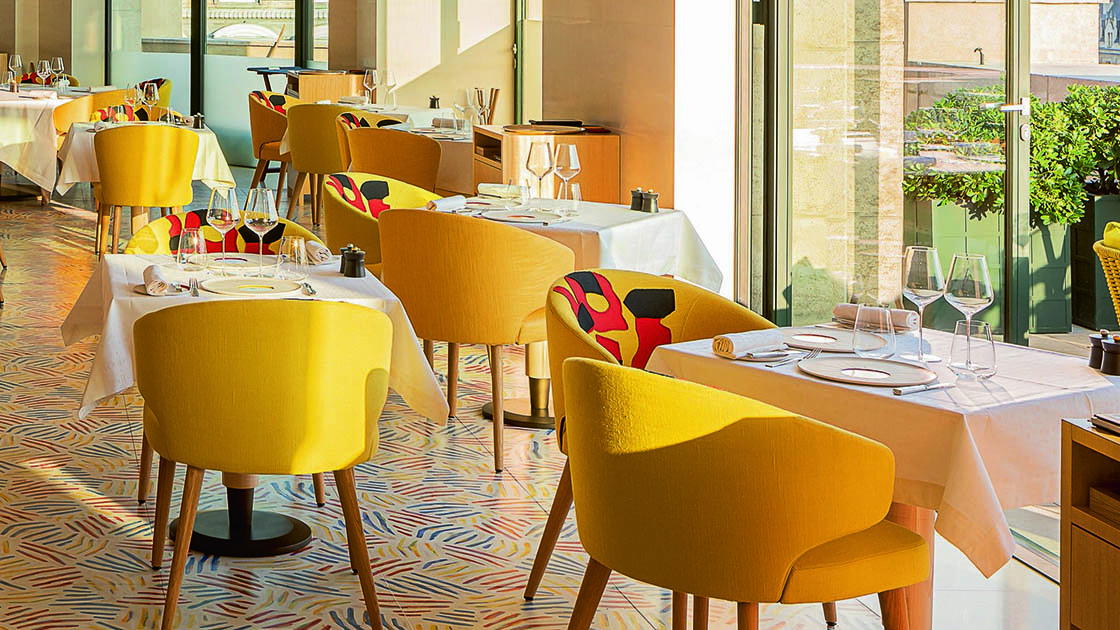
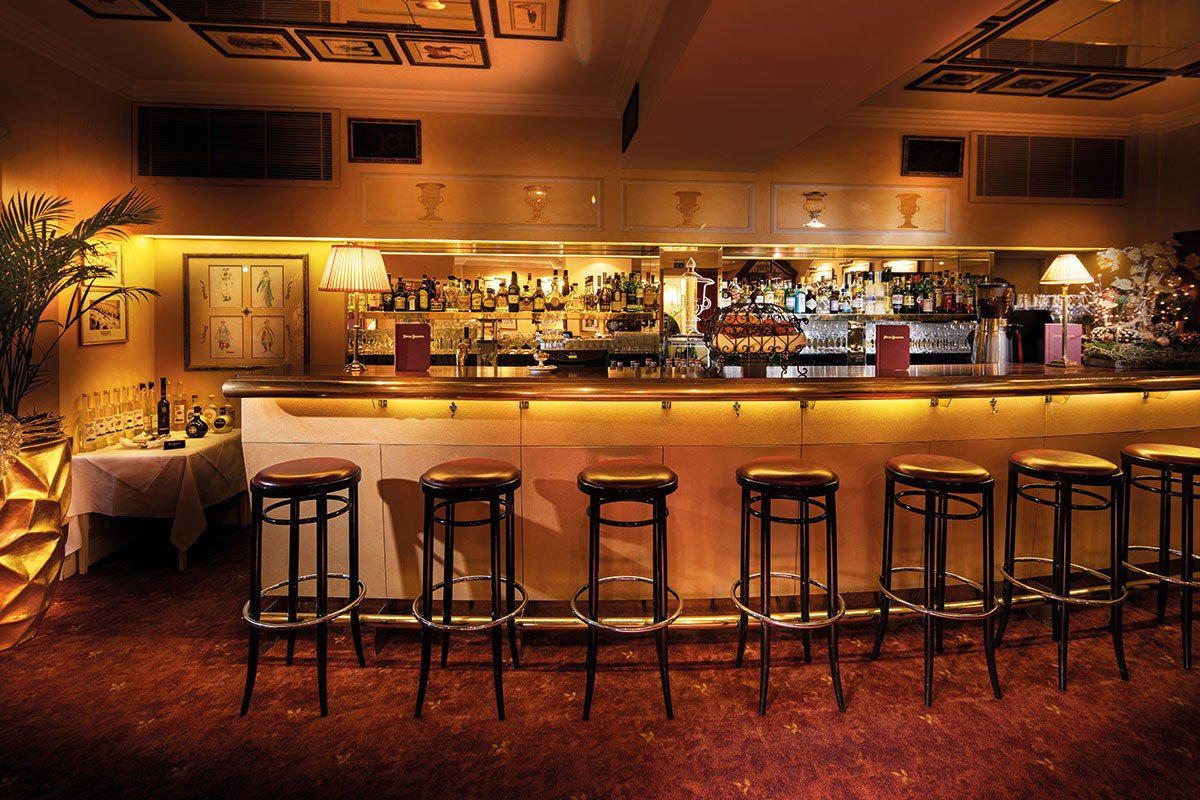
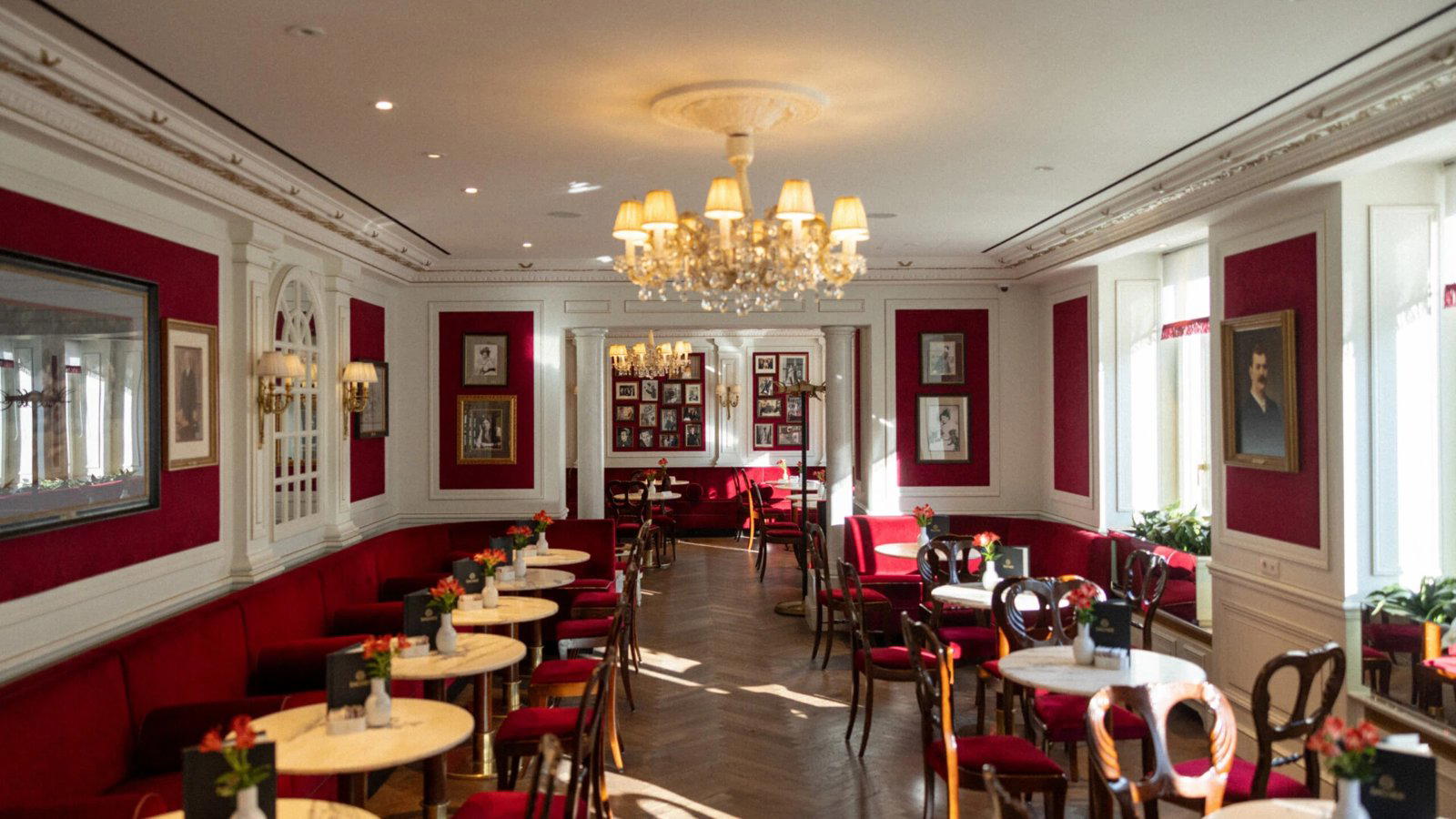
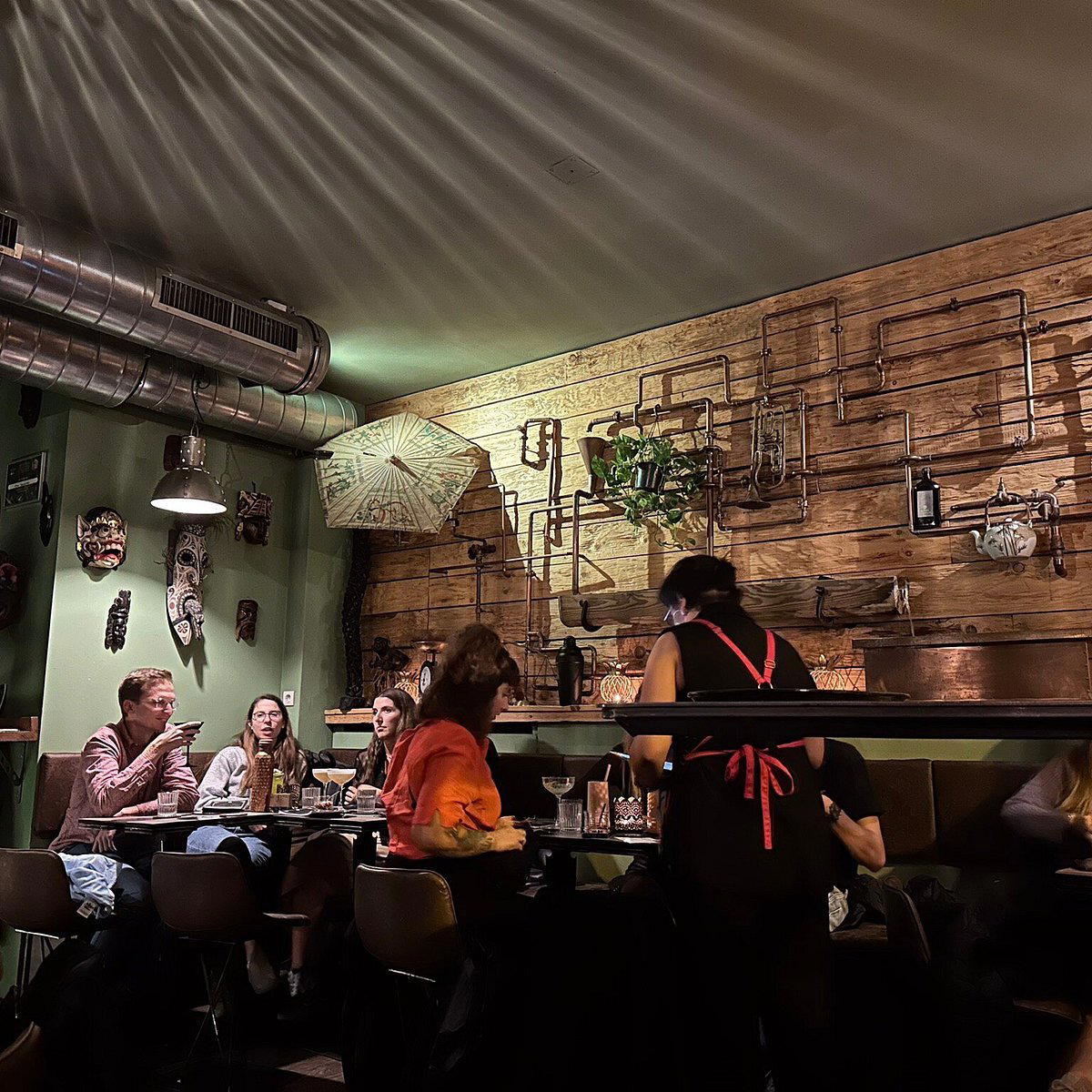
Welcoming and cozy with modern design elements; guests describe it as lovingly designed with attentive service creating a memorable atmosphere.