Parkhotel in Bad Füssing
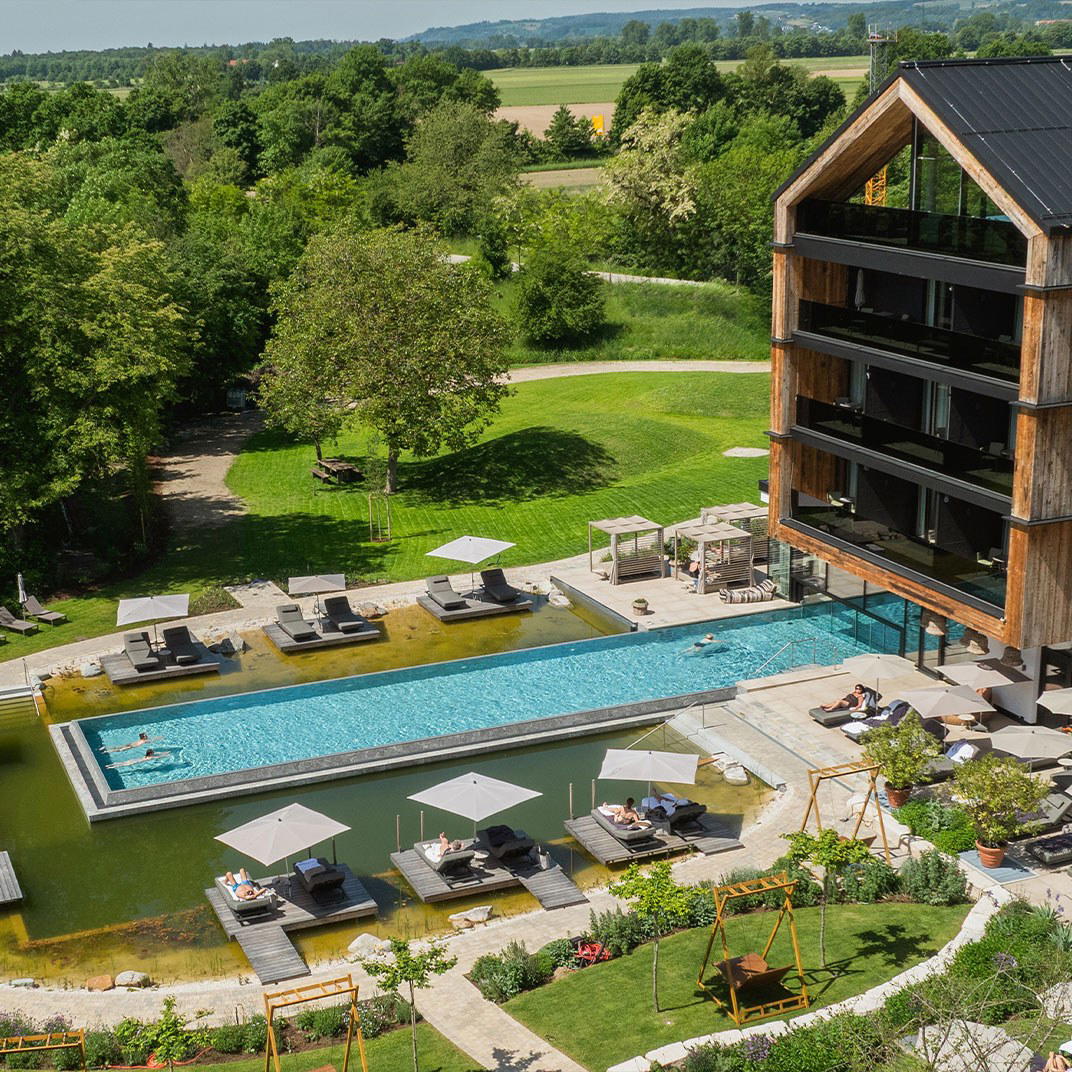
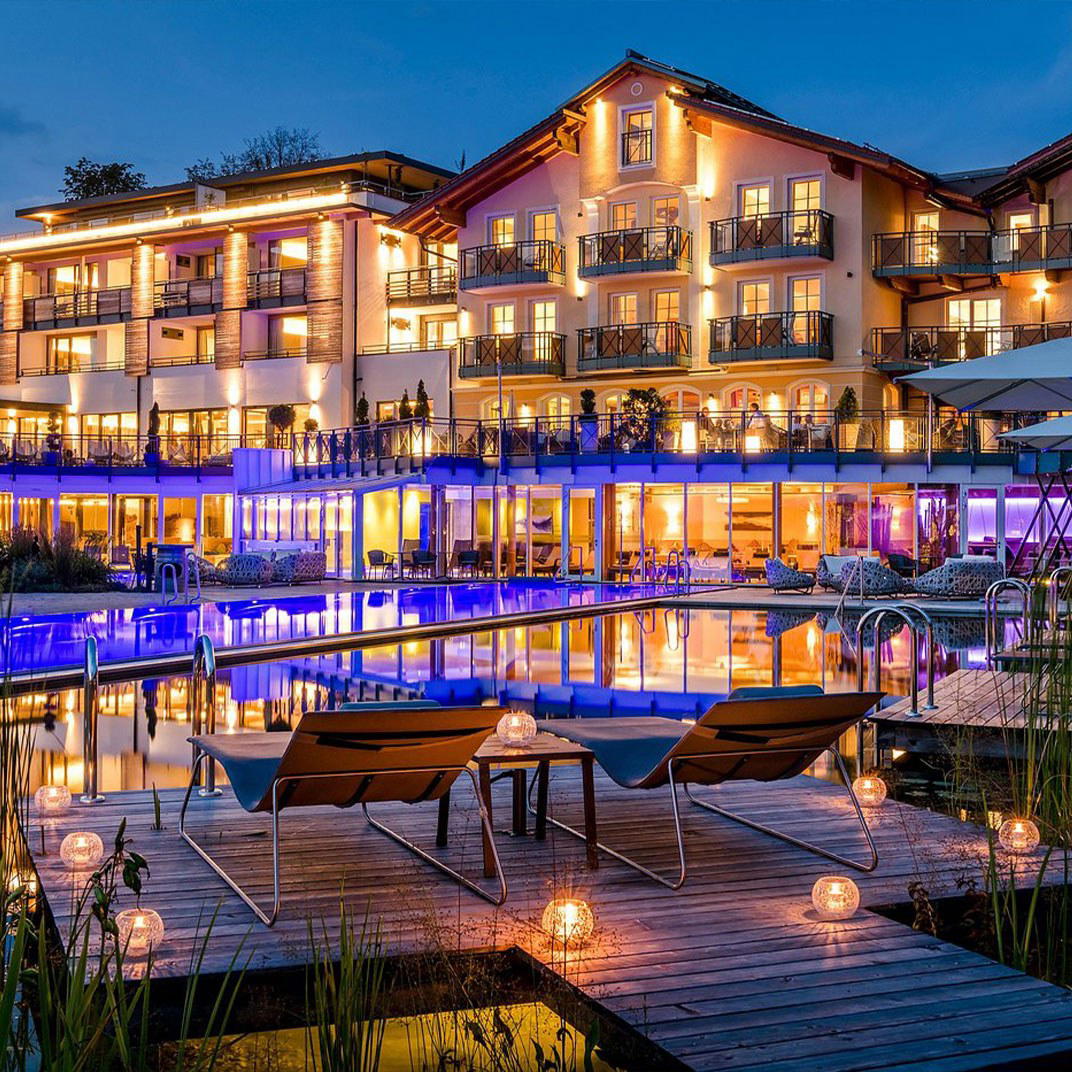
Parkhotel in Bad Füssing sits on Waldstraße 16 in Bavaria's most visited thermal spa town, where the rhythms of rest and recovery shape the hospitality culture more than competitive dining. The hotel occupies a quiet residential stretch of Bad Füssing, placing guests within reach of the town's geothermal springs while offering accommodation in a setting defined by the region's wellness-first character.
Pearl is the En Primeur Club membership app — saves, bookings, and concierge access live there. Same editors, same standards.
- Address
- Waldstraße 16, 94072 Bad Füssing, Germany
- Phone
- +494985319280
- Website
- parkhotel.stopp.de
- Directions
- Get directions
 Saves & bookings on Pearl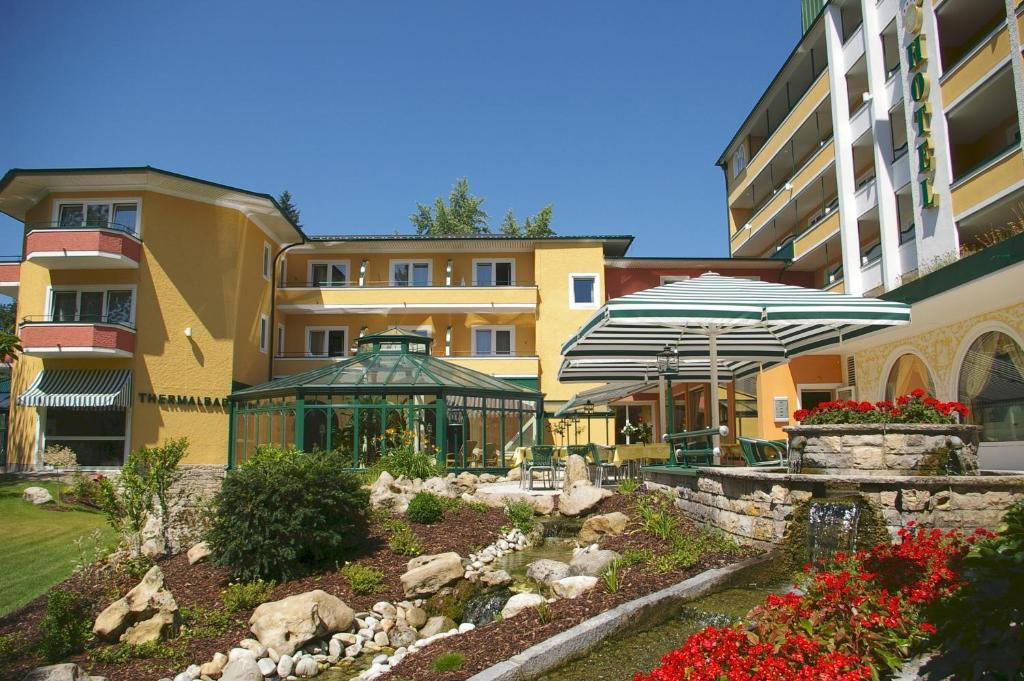
Where Bavaria's Thermal Culture Sets the Hospitality Standard
Bad Füssing does not operate on the same logic as Germany's restaurant cities. This Lower Bavarian town of roughly 6,000 residents draws more than two million visitors annually, almost all of them for a single purpose: the geothermal springs that have made it one of Europe's most visited spa destinations since therapeutic bathing infrastructure was established here in the postwar decades. Hospitality in Bad Füssing is calibrated to that reality. Hotels here compete on proximity to thermal pools, wellness programming, and the quality of restorative rest, not on tasting menu credentials or wine list depth. Parkhotel, at Waldstraße 16, sits within that context, in a town where the culture of Kur, the German tradition of medically oriented spa stays, still shapes what guests expect from accommodation.
The Bad Füssing Setting and What It Signals
The Waldstraße address places the property in the quieter, residential character of Bad Füssing, away from the commercial density that clusters near the larger thermal bath complexes. This part of town moves at a slower pace, with the surrounding greenery and low-rise built environment reflecting the town's deliberate orientation toward recuperation. The German Kur tradition, which formalised thermal treatments as part of state-recognised health practice, gave spa towns like Bad Füssing, Bad Griesbach, and Bad Birnbach in the same region a distinct hospitality grammar: longer average stays, quieter public spaces, and an emphasis on routine over spectacle. Hotels operating in this environment are judged less by their kitchen ambition and more by how well they support the unstructured time of a wellness stay.
That context matters when positioning any accommodation in Bad Füssing against Germany's broader hotel market. Properties in Munich, Hamburg, or the Rhineland compete for different guest priorities. For visitors planning a visit to Bad Füssing specifically, the relevant comparison is not against properties like those in urban dining destinations but against the cluster of wellness hotels in the Inn Valley and the wider Lower Bavarian spa corridor.
The Culinary Tradition This Region Produces
Lower Bavaria's food culture is emphatically regional. The area draws from the same larder as the broader Bavarian kitchen, pork, freshwater fish from the Inn and Isar rivers, root vegetables, dairy from Alpine foothills farms, and bread traditions that predate industrial baking by centuries. In a town like Bad Füssing, hotel dining tends to reflect those roots rather than reaching toward the creative contemporary register found in Germany's Michelin-decorated kitchens. The relevant comparison set for serious fine dining sits elsewhere in the country: Aqua in Wolfsburg and Schwarzwaldstube in Baiersbronn represent the three-star tier, while southern Germany's more adventurous dining edge is better explored through JAN in Munich or AUGUST in Augsburg. The closest fine dining reference point in the broader Alpine corridor is ES:SENZ in Grassau, which demonstrates what the Bavarian southeast can produce at competition level.
None of that is the register Bad Füssing hotel dining typically operates in, nor should it be. The guest arriving for a week of thermal bathing is seeking nourishment that supports recovery, not a multi-course progression with paired wines. Regional hotel kitchens in this part of Bavaria typically offer hearty, ingredient-led cooking that complements rather than competes with the physical rest the town is built around.
Placing Parkhotel Within Bad Füssing's Accommodation Tier
Bad Füssing's accommodation market stratifies fairly clearly. At the leading end, large spa hotels offer direct access to private thermal pools, extensive wellness suites, and medical consultation services. Further down the range, smaller hotels and pensions offer the thermal town atmosphere at a more accessible price point, relying on the town's shared public bath infrastructure rather than in-house facilities. Parkhotel's Waldstraße address and the character of that street suggest a mid-tier positioning within the local market: a property oriented toward comfort and proximity rather than resort-scale amenity.
Visitors comparing options across the region's broader restaurant and hotel offer can reference the Bad Füssing guide for neighbourhood context and a wider view of what the town supports. For dining that extends beyond the hotel, Holzapfel's Restaurant im Glockenturm represents one of the town's stronger restaurant references.
Germany's Fine Dining Frame, for Contrast
For readers calibrating their expectations across Germany's hospitality range, note how wide that range actually runs. At one end of the spectrum, Germany fields some of Europe's most technically demanding restaurants: Vendôme in Bergisch Gladbach, Victor's Fine Dining by Christian Bau in Perl, Waldhotel Sonnora in Dreis, Restaurant Haerlin in Hamburg, and Schanz in Piesport all operate at the decorated end of the national market. Creative formats like CODA Dessert Dining in Berlin and ATAMA by Martin Stopp in Sankt Ingbert push the category further. Internationally, Le Bernardin in New York City and Atomix in New York City show how the global fine dining bracket operates for readers with broader reference points. Even Bagatelle in Trier and ammolite in Rust demonstrate how regional German towns can sustain serious dining ambition. Bad Füssing is not that kind of town, and Parkhotel is not that kind of property, but Germany's dining depth makes the contrast worth drawing for any reader planning a multi-stop itinerary.
Planning a Stay
Bad Füssing draws visitors year-round, with the peak thermal bathing season extending from autumn through spring when outdoor temperatures make indoor pool access most appealing. The town's infrastructure is geared toward stays of three nights or more, and most hotels in the area reflect that in their pricing and programming. Waldstraße 16 is accessible from Passau, approximately 30 kilometres to the east, making the town reachable by car from Munich in around two hours. Visitors arriving without a vehicle will find the town's internal mobility limited, as Bad Füssing is a spread-out settlement rather than a walkable town centre.
Frequently Asked Questions
What should I order at Parkhotel in Bad Füssing?
In the context of Lower Bavarian hotel dining generally, the kitchen is likely to draw from the regional larder: freshwater fish, pork preparations, root vegetables, and the bread and dairy traditions of the Inn Valley. For confirmed dining recommendations in Bad Füssing, Holzapfel's Restaurant im Glockenturm is the more documented local reference. Readers seeking the creative end of Bavarian cuisine should look to ES:SENZ in Grassau for a fuller picture.
Do they take walk-ins at Parkhotel in Bad Füssing?
Bad Füssing operates primarily as a destination spa town, and most hotels in the area structure their dining around resident guests rather than walk-in trade, particularly during peak thermal season from October through March. Visitors planning to dine outside their accommodation should contact the hotel directly or consult the Bad Füssing restaurant guide for venues that openly welcome non-residents.
Is Parkhotel in Bad Füssing a good base for visiting the Lower Bavarian spa region?
Bad Füssing's position in the Lower Bavarian spa triangle, alongside Bad Griesbach and Bad Birnbach, makes any hotel in the town a practical base for exploring the wider geothermal corridor. Waldstraße 16 sits in a quiet part of town with reasonable access to the main bath complexes. Visitors using the property as a regional base should note that a car is effectively necessary: the three spa towns are connected by road rather than reliable public transport, and the surrounding Inn Valley countryside rewards independent exploration.
Cost Snapshot
Comparable venues nearby, for context on price, style, and recognition.
| Venue | Cuisine | Price | Notes |
|---|---|---|---|
| Parkhotel in Bad FüssingThis venue — the venue you are viewing | Not listed | $$$ | Not listed |
| Holzapfel´s Restaurant im Glockenturm | Bad Füssing, Modern Bavarian Fine Dining | $$$ | Not listed |
| Restaurant zumOXN | Not listed | $$$ | Laufen, Upper Bavaria, Modern Bavarian Grill & Seasonal Cuisine |
| Bauer Restaurant | Feldkirchen, Traditional Bavarian | $$$ | Not listed |
| The Lonely Broccoli | Freimann, Modern Bavarian Steakhouse | $$$ | Not listed |
| Jedermann | Not listed | $$ | Straßkirchen, German, European, Contemporary |
Continue exploring
More in Bad Füssing
Restaurants in Bad Füssing
Browse all →
Bars in Bad Füssing
Browse all →
At a Glance
- Quiet
- Classic
- Elegant
- Cozy
- Sophisticated
- Family
- Casual Hangout
- Garden
- Terrace
- Hotel Restaurant
- Beer Program
- Local Sourcing
- Garden
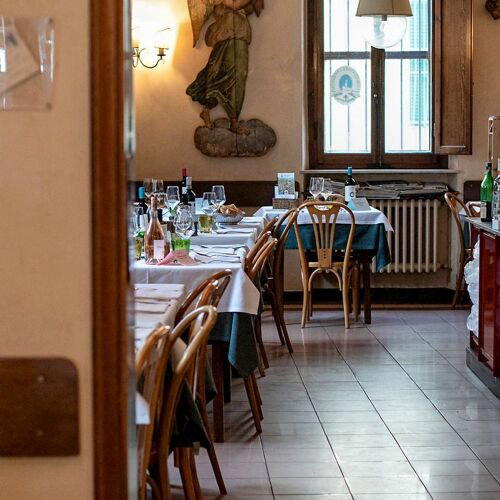
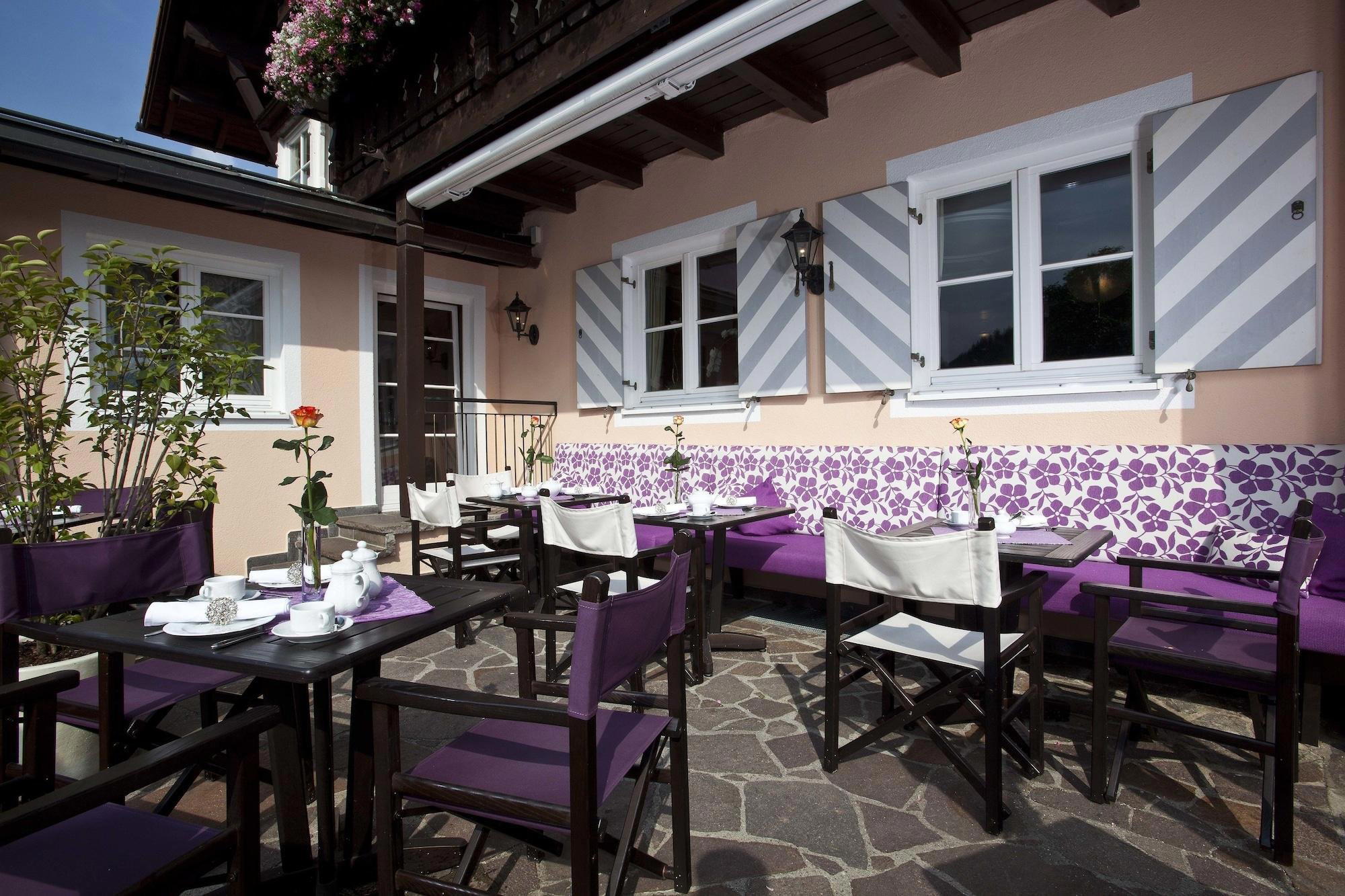
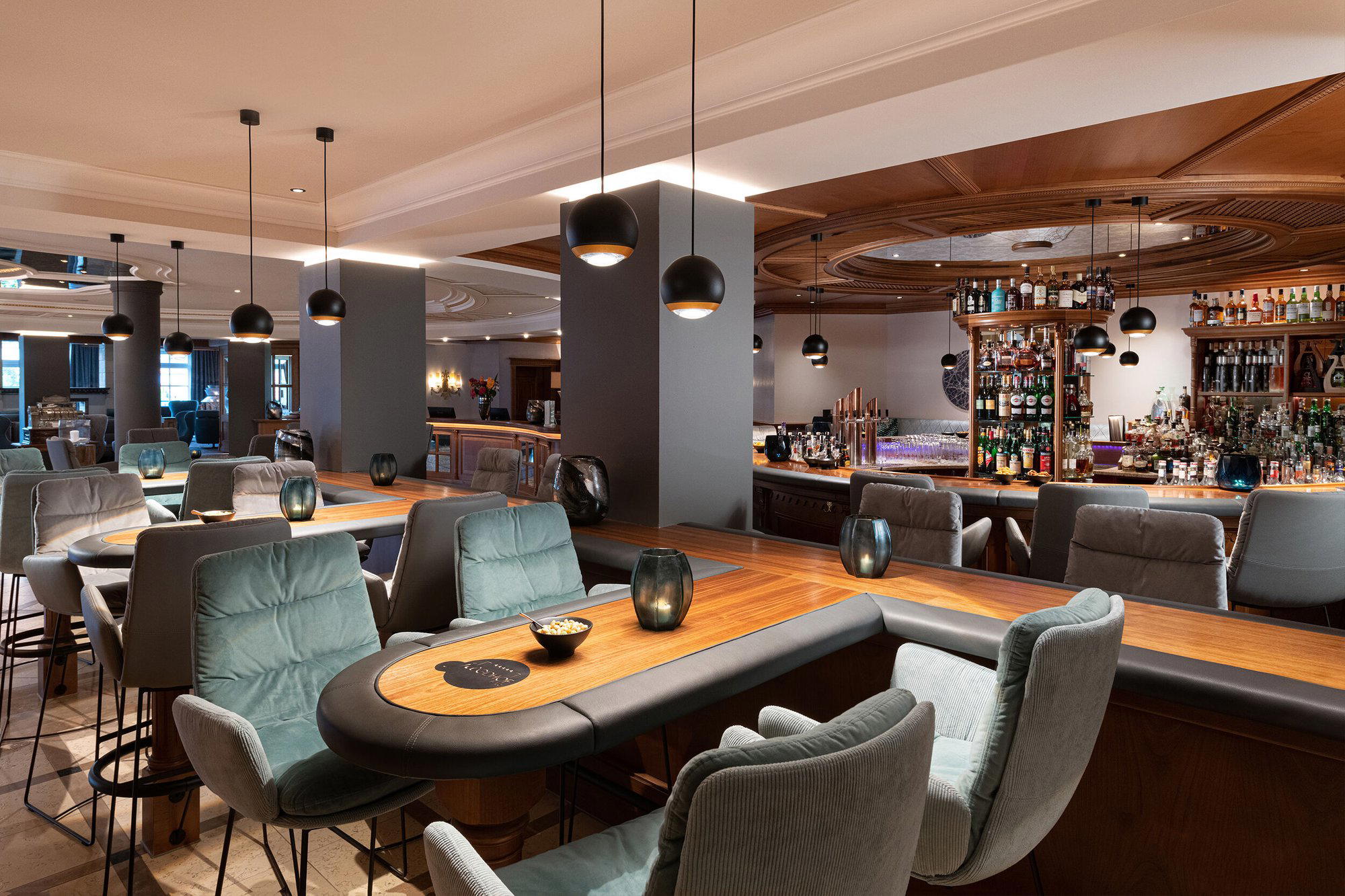
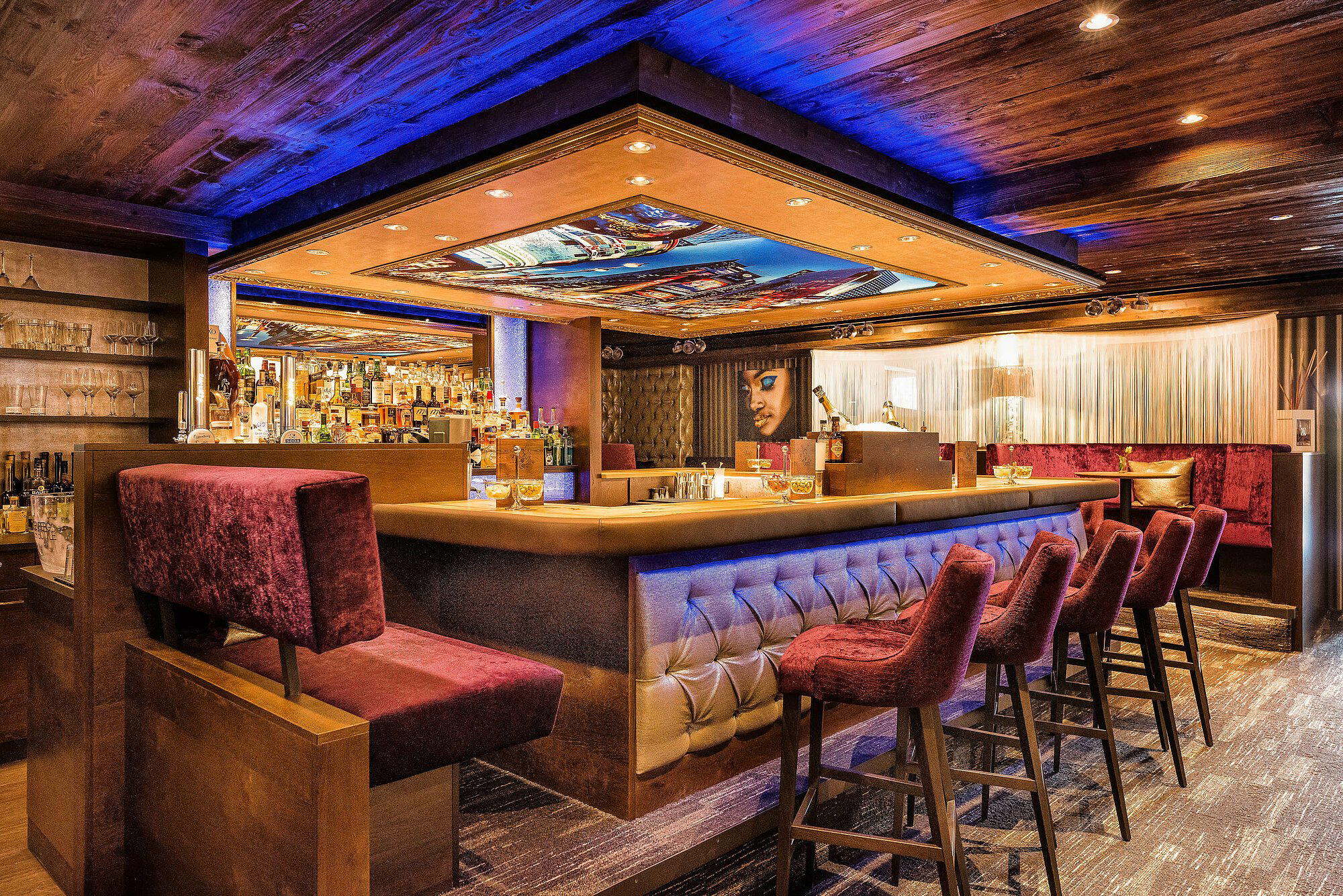
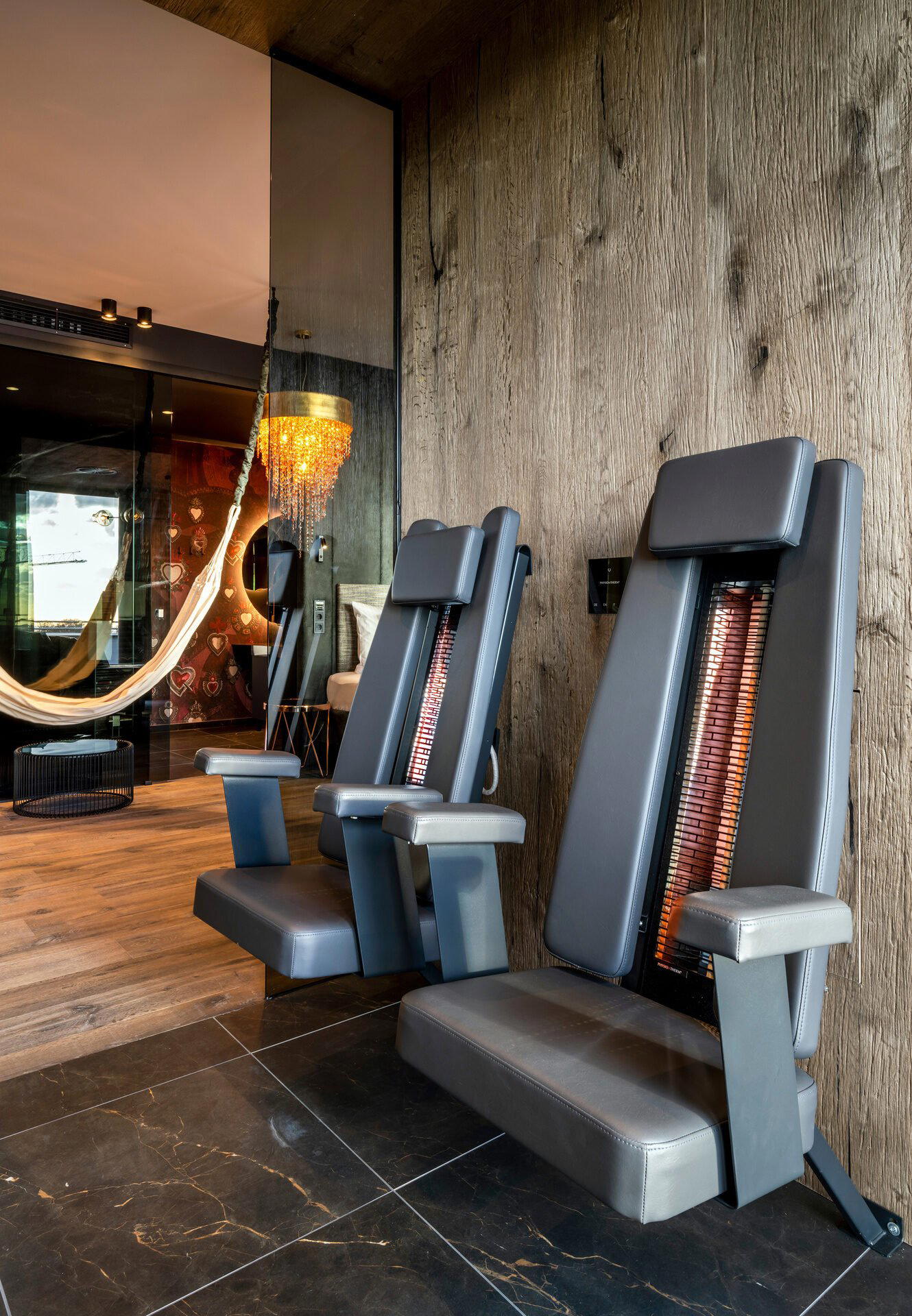
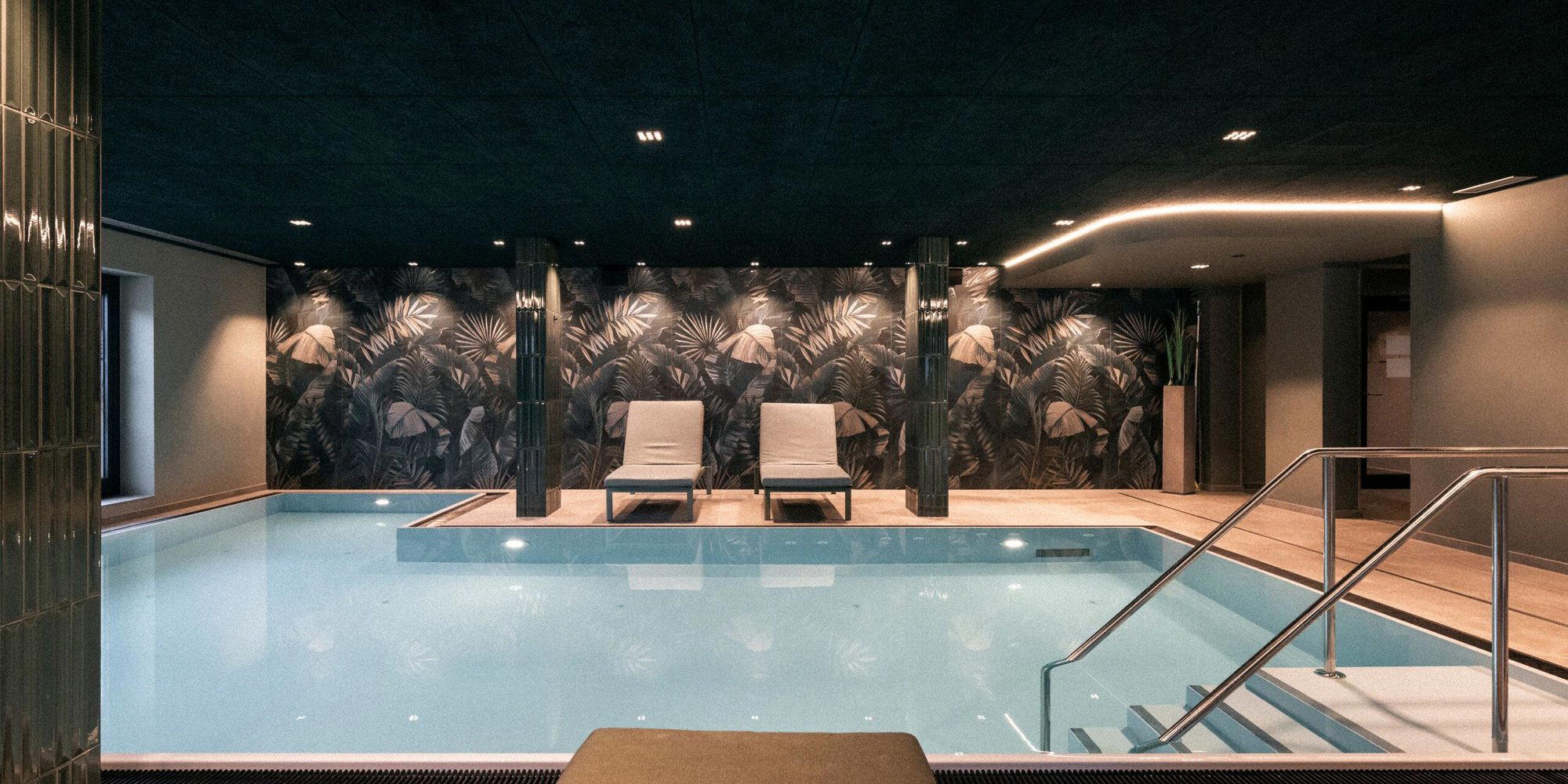
Calm, timeless, and elegant, with a relaxed spa-hotel atmosphere and a refined but welcoming feel.