DEVA Parkhotel Traunstein
DEVA Parkhotel Traunstein occupies a central address on Bahnhofstraße in the Chiemgau market town of Traunstein, placing guests within reach of the Bavarian Alpine foothills and the region's agricultural producers. The hotel sits in a part of southern Germany where farm-to-table is less a trend than a structural fact of local cooking, with dairy, meat, and produce drawn from a tight geographic radius.
Pearl is the En Primeur Club membership app — saves, bookings, and concierge access live there. Same editors, same standards.
- Address
- Bahnhofstraße 11, 83278 Traunstein, Germany
- Phone
- +4986405049001
- Website
- parkhotel-traunstein.de
- Directions
- Get directions
 Saves & bookings on Pearl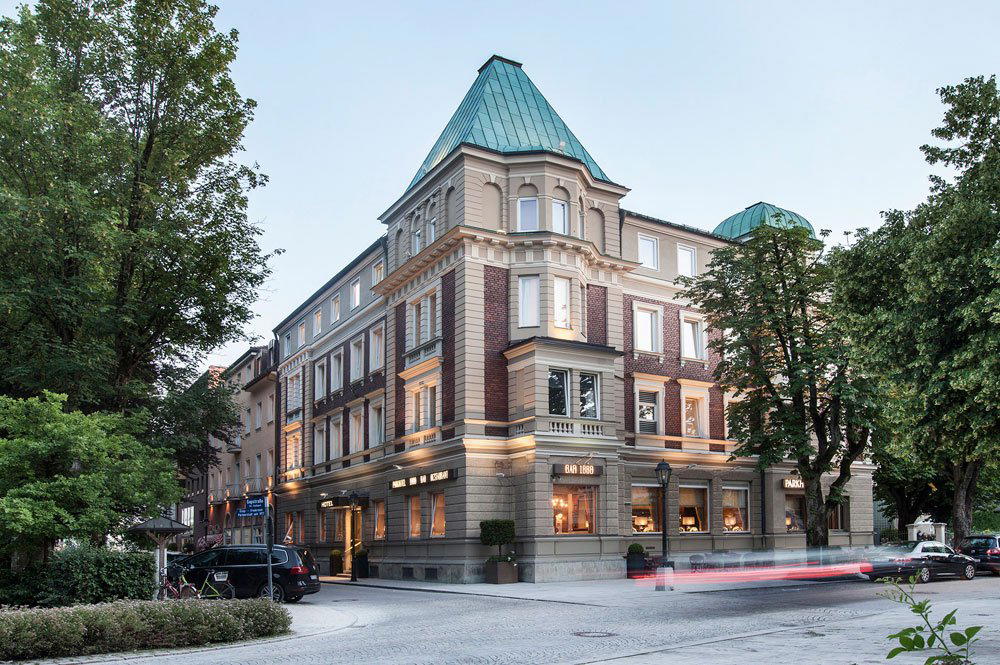
A Bavarian Market Town and What It Puts on the Table
Traunstein sits at the edge of the Chiemgau, the broad agricultural basin that stretches between Munich and the Austrian border, and the town's relationship with its food supply is one of proximity rather than ideology. The farms are close. The dairy cooperatives are local. The weekly market on Stadtplatz has operated in some form for centuries, and the produce that moves through it reflects an Alpine calendar: root vegetables and game in autumn, dairy-heavy dishes through winter, lake fish and early vegetables in spring. This is the context in which a hotel kitchen in Traunstein operates, and it is a meaningfully different starting point from a city property sourcing ingredients through national distributors.
DEVA Parkhotel Traunstein stands at Bahnhofstraße 11, a central address that makes it one of the more accessible bases in town for visitors arriving by rail. Traunstein has a direct connection on the Munich-Salzburg corridor, and the journey from Munich Hauptbahnhof runs under an hour, which positions the hotel as a realistic short-stay option for travellers moving between Bavaria's two major transit anchors. The address also places guests within a short walk of the Stadtplatz and its surrounding restaurants, butchers, and bakeries, the commercial infrastructure that sustains the region's food culture at a retail level.
Ingredient Geography in the Chiemgau
The editorial angle that matters most for understanding dining in this part of Bavaria is not the restaurant itself but the supply chain behind it. The Chiemgau is one of Germany's more coherent agricultural zones, with grass-fed cattle operations, artisan cheesemakers, and freshwater fisheries concentrated within a manageable radius. Chiemsee, the large Alpine lake roughly 25 kilometres west of Traunstein, supports commercial and artisan fishing operations whose catch, including carp, pike, and Renke (a local whitefish species), appears on menus across the region. This proximity means that seasonal rotation is not a marketing decision but a logistical one: what is available locally at a given time of year is what goes on the menu.
For context on how southern German fine dining has developed around similar ingredient logic, ES:SENZ in Grassau operates in the same Chiemgau region and represents the more formal expression of Alpine sourcing at a recognised level. Further afield in Bavaria, JAN in Munich demonstrates how Bavarian producers can anchor an internationally framed tasting menu. The gap between those operations and a regional parkhotel format is significant in terms of format and ambition, but the underlying ingredient geography they share is the same.
Germany's decorated dining tier, represented by properties like Schwarzwaldstube in Baiersbronn, Aqua in Wolfsburg, Vendôme in Bergisch Gladbach, and Victor's Fine Dining by christian bau in Perl, operates in a different tier entirely, where tasting menus, sommelier programs, and long reservation windows define the experience. DEVA Parkhotel Traunstein does not sit in that competitive set. Its value to a visitor is regional and logistical rather than gastronomic in the Michelin sense, and it is more accurately placed alongside other Bavarian town hotels that anchor a stay in an agricultural region worth exploring on its own terms.
Planning a Stay Around the Region
Traunstein works well as a base for a multi-day circuit of the Chiemgau rather than a destination in isolation. Herrenchiemsee and the Chiemsee islands are accessible by regional train and ferry, and the Alpine foothills south of town towards Ruhpolding and Inzell offer a different set of restaurants and food producers at higher elevation. Visitors making the journey from Munich can integrate the stop into a broader Bavarian itinerary, particularly given the rail connection. Those coming from Salzburg, roughly 30 kilometres east, find Traunstein a convenient first or last stop on a cross-border trip.
Booking at a regional parkhotel in this price tier typically does not require the lead time associated with Germany's fine dining properties. For reference, venues like Schanz in Piesport, Waldhotel Sonnora in Dreis, and Restaurant Haerlin in Hamburg operate with demand-driven reservation windows that can extend months ahead. A property at DEVA's category level generally does not face the same constraint, though summer and Oktoberfest-adjacent periods in Bavaria do compress regional accommodation availability faster than visitors from outside Germany typically expect.
The broader regional dining scene also rewards exploration beyond the hotel itself. The Chiemgau has a number of gasthaus operations that represent the older Bavarian tradition of cooking without formal training credentialing, heavy on braised meats, fresh bread, and local beer. These sit in a different register from the farm-to-table framing that has become the dominant promotional language for the region, but they draw from the same agricultural supply and often represent a more direct expression of what the land here produces at its most functional.
CODA Dessert Dining in Berlin, Jante in Hanover, Bagatelle in Trier, L.A. Jordan in Deidesheim, GästeHaus Klaus Erfort in Saarbrücken, and Ösch Noir in Donaueschingen all represent distinct regional expressions of German fine dining that belong to a separate trip. For international comparison at the highest tier, Le Bernardin in New York City and Lazy Bear in San Francisco offer useful frames for what committed sourcing and format discipline look like when built into a flagship program.
For visitors whose interest in DEVA Parkhotel Traunstein is primarily as accommodation during an exploration of the Chiemgau, the address on Bahnhofstraße provides a practical anchor in a town that is more useful as an entry point to the region than as a gastronomic destination in its own right.
Fast Comparison
Comparable venues nearby, for context on price, style, and recognition.
| Venue | Cuisine | Price | Notes |
|---|---|---|---|
| DEVA Parkhotel TraunsteinThis venue — the venue you are viewing | Modern Bavarian | $$$ | Not listed |
| Schlosswirtschaft Schleissheim | Traditional Bavarian & Austrian | $$$ | Oberschleißheim |
| Hausmann's | Traditional German Brasserie | $$ | Frankfurt Airport |
| Berghotel Sonnebichl | Bavarian & Haute Cuisine | $$$ | Bad Wiessee |
| Klosterbräu 1719 | Seasonal Bavarian Cuisine | $$$ | Neuburg an der Donau |
| InselMühle | Traditional Bavarian with Beer Garden | $$$ | Allach |
Continue exploring
More in Traunstein
Restaurants in Traunstein
Browse all →
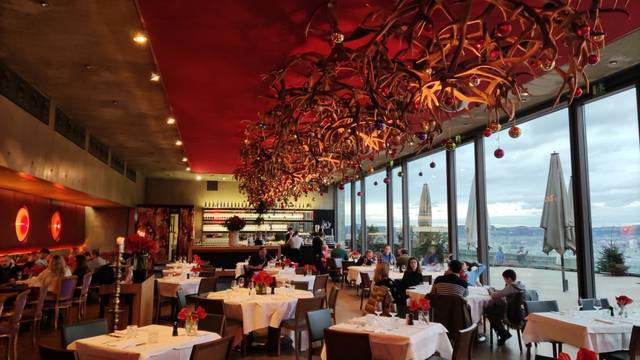
Bars in Traunstein
Browse all →
At a Glance
- Classic
- Cozy
- Elegant
- Family
- Business Dinner
- Hotel Restaurant
- Terrace
- Historic Building
- Local Sourcing
- Mountain
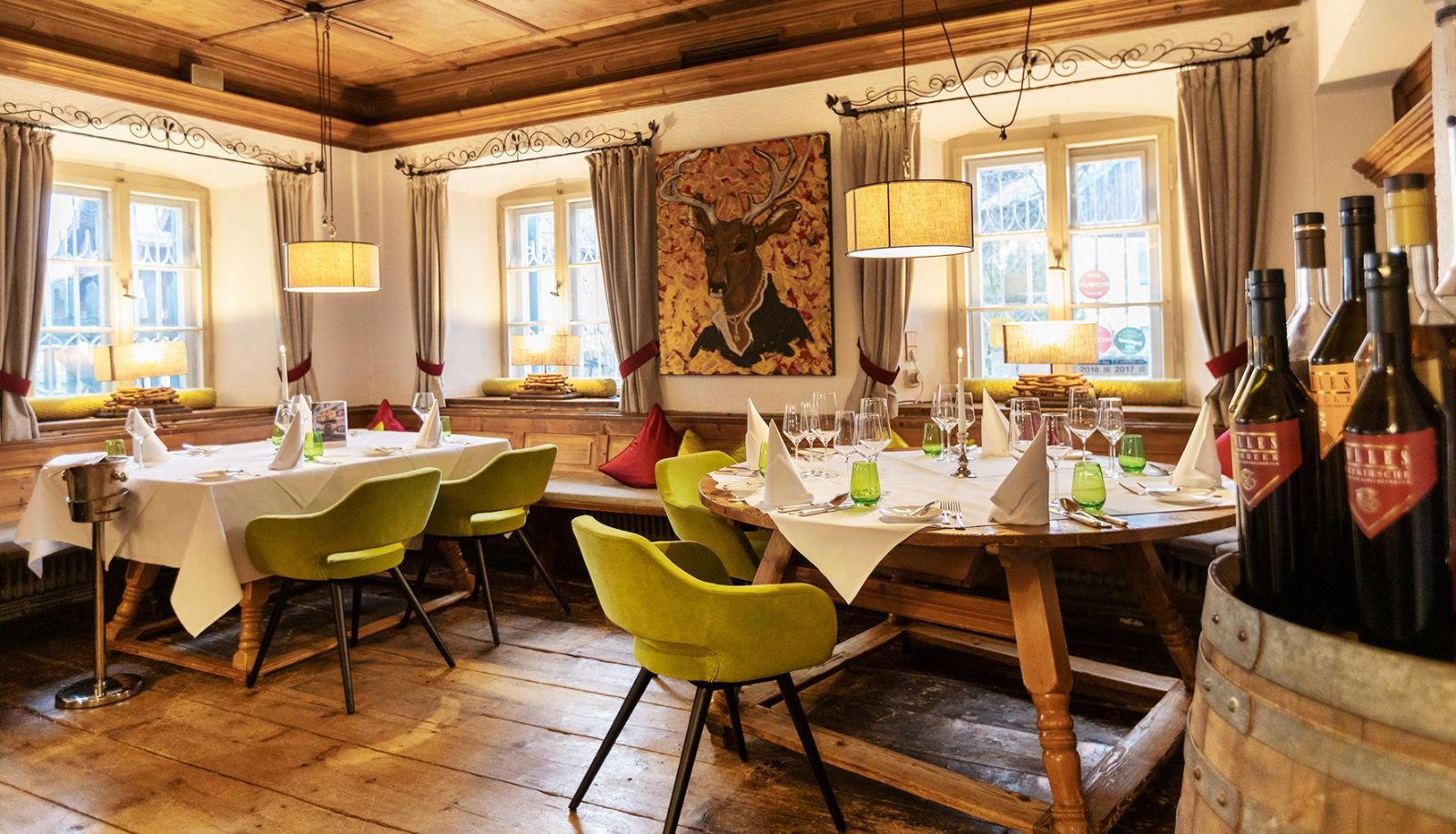
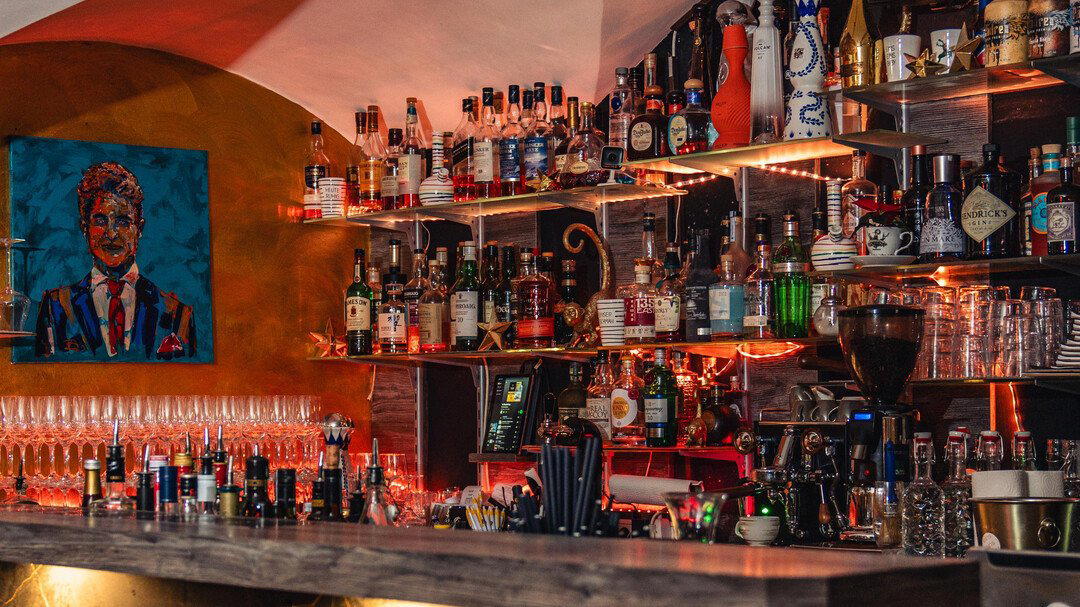
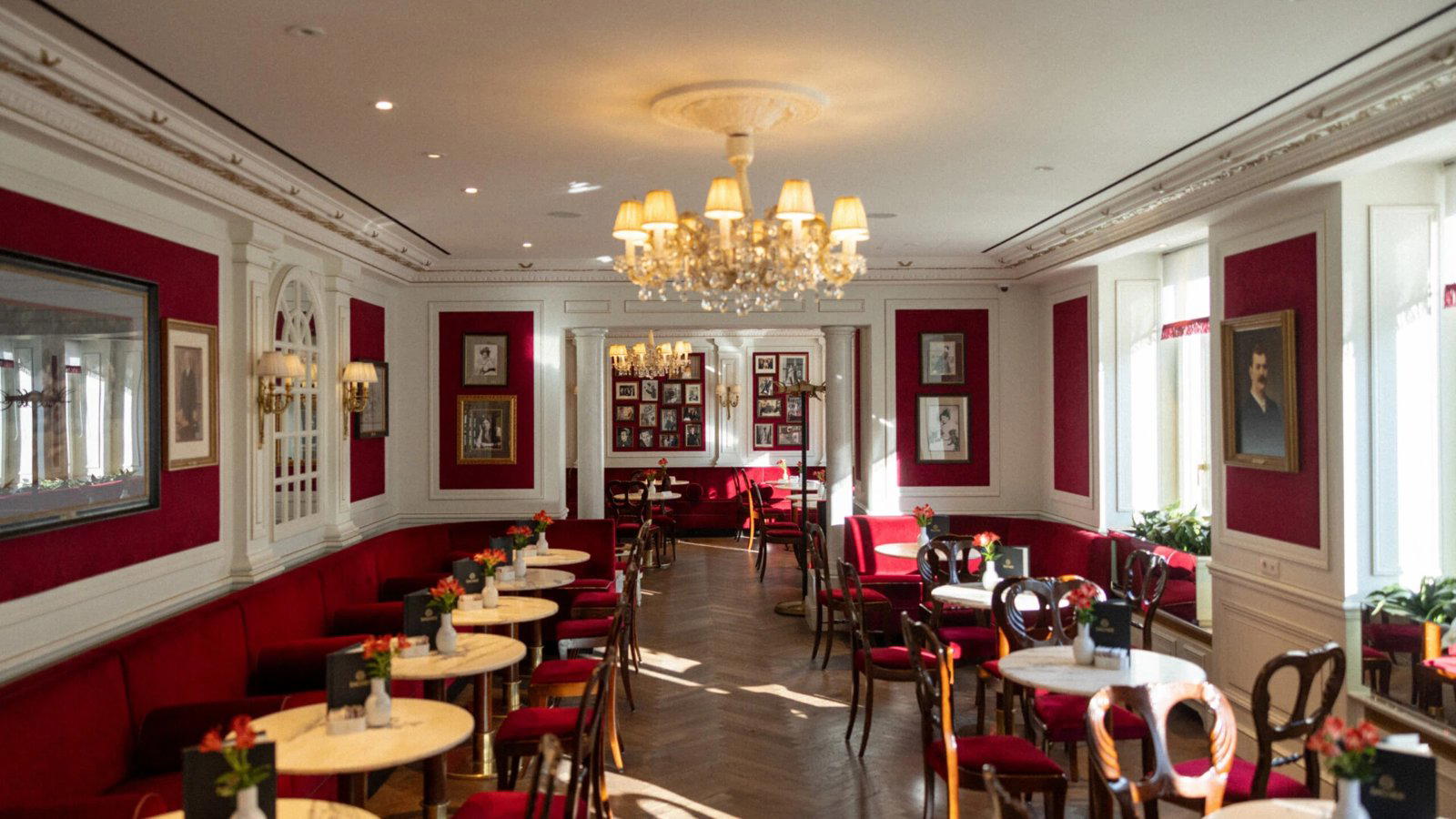
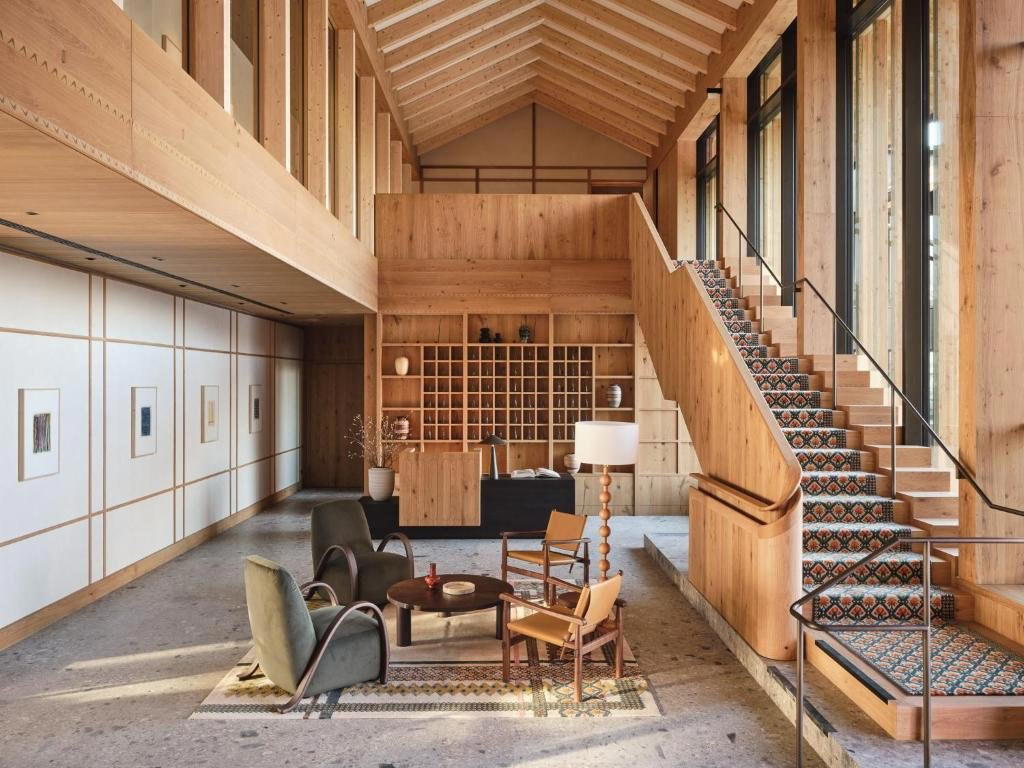
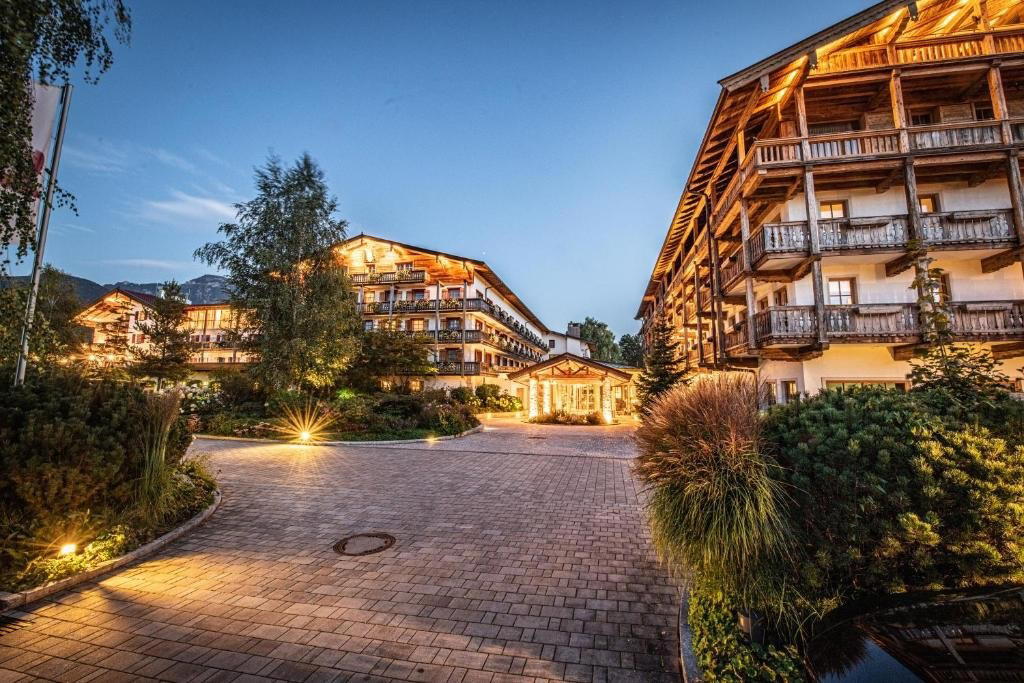
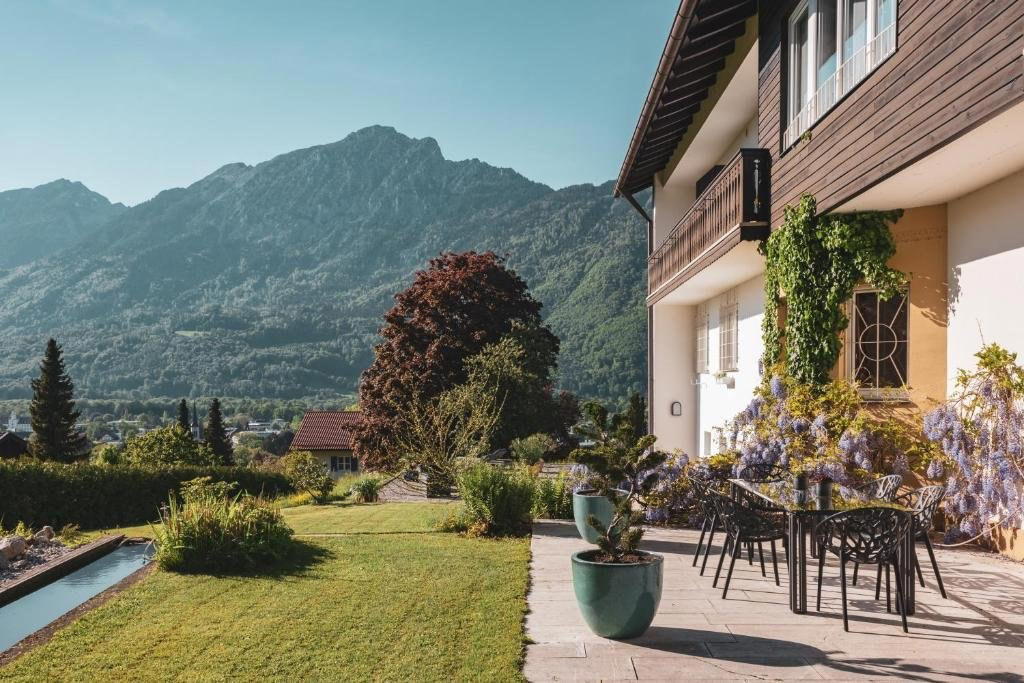
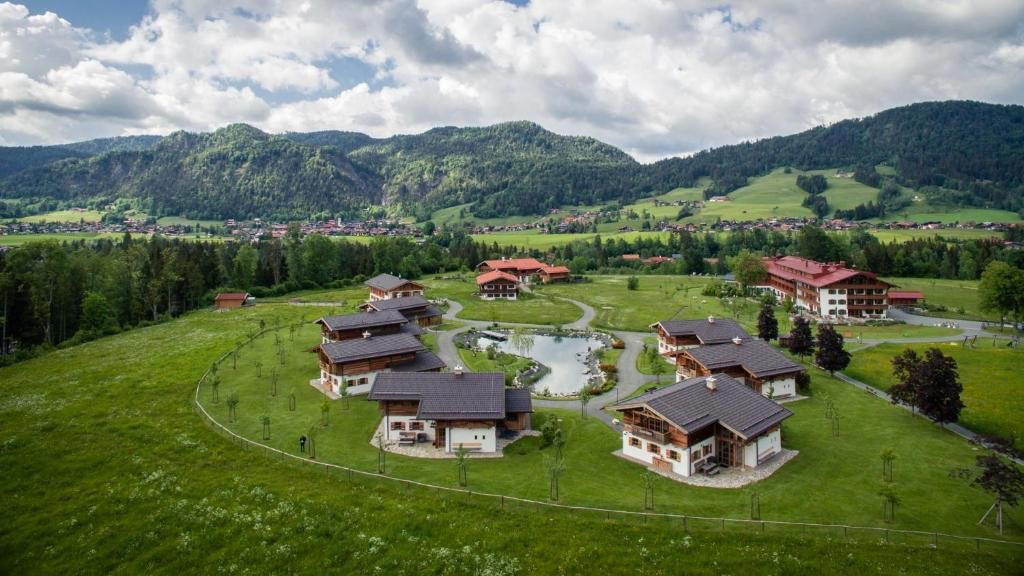
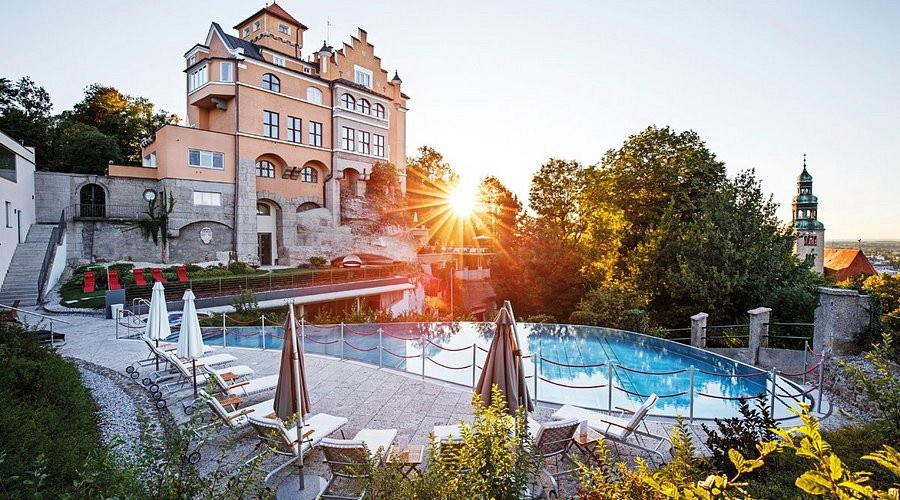
Cozy parlours blending historic charm with modern practical ambience and Bavarian tradition.