Our verdict
Restaurant Waldwerk sits at Am Gesundbrunnen in Northeim, a town in Lower Saxony where the dining scene runs quiet but purposeful. The name — Waldwerk, forest work — signals an orientation toward the surrounding landscape and what it produces. For a region where serious cooking rarely makes national headlines, this address carries a specific weight.

Pearl is the En Primeur Club membership app — saves, bookings, and concierge access live there. Same editors, same standards.
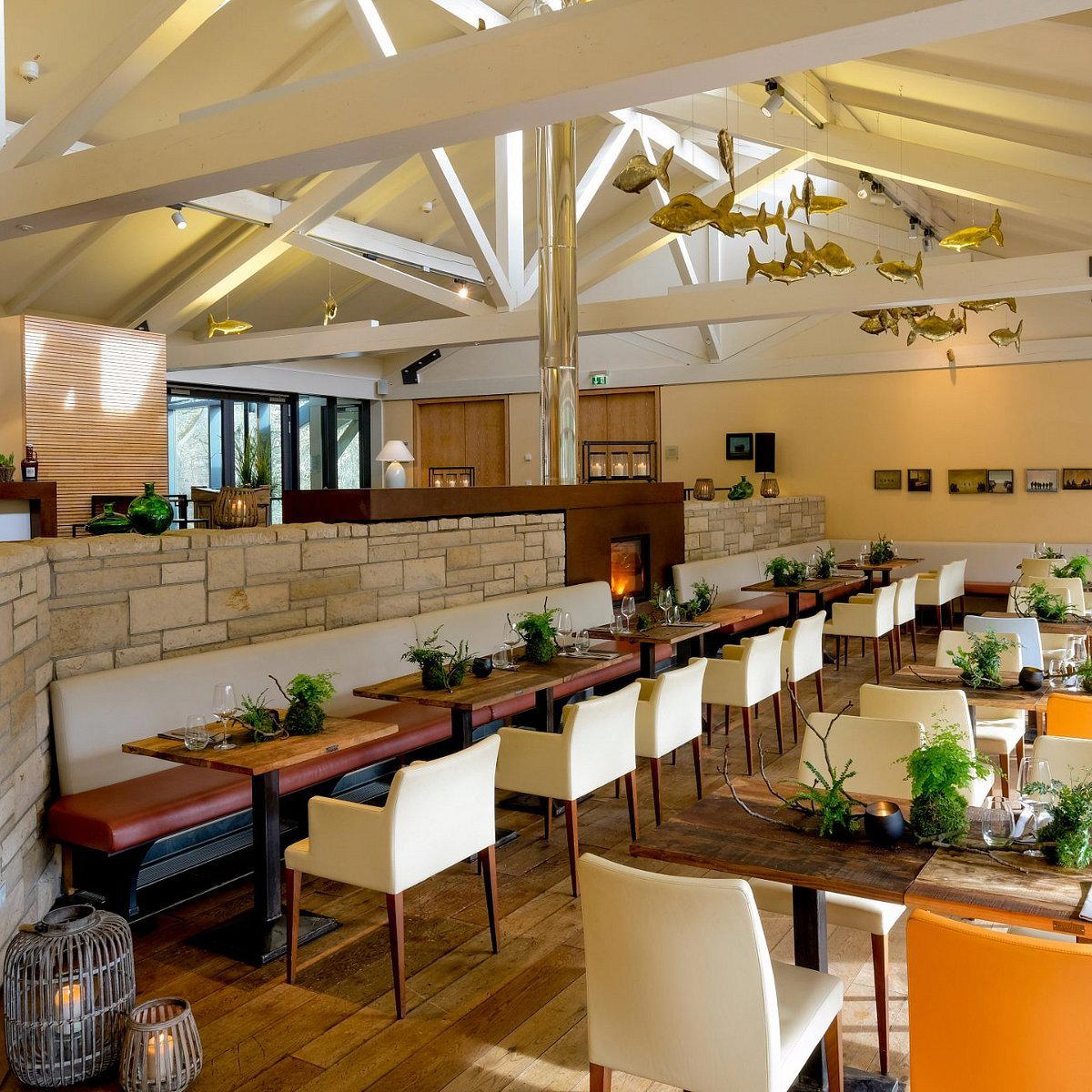
Where the Forest Meets the Table
Lower Saxony's dining scene has never competed for column inches the way Bavaria or North Rhine-Westphalia do. Northeim, set between the Solling forest and the Harz foothills, sits in exactly the kind of region that Germany's food press tends to overlook in favour of its urban centres. That neglect has a way of concentrating seriousness: kitchens here don't perform for critics. They perform for the local regulars and the occasional traveller who has done enough research to find them. Restaurant Waldwerk, addressed at Am Gesundbrunnen, occupies that space deliberately. The name itself — Waldwerk, a compound that translates roughly as forest work — announces its orientation before a single dish arrives.
Approaching a restaurant whose address places it near the Gesundbrunnen, a historic mineral spring area on Northeim's edge, the context is immediately physical. The Solling plateau rises to the west, a dense expanse of beech and spruce that has supplied regional kitchens for generations with game, mushrooms, wild herbs, and the kind of foraged ingredients that urban restaurants now charge a premium to approximate. The question any kitchen in this position must answer is how seriously it takes that proximity. For venues in comparable forest-edge positions across Germany, think of how Schwarzwaldstube in Baiersbronn draws its identity from the Black Forest rather than merely gesturing at it, the landscape either becomes the cuisine's structural argument or remains decorative backdrop.
Ingredient Geography as Editorial Statement
Germany's regional sourcing story has evolved considerably over the past decade. Where once farm-to-table was a marketing addendum, kitchens that sit inside productive landscapes now treat provenance as a structural decision: which suppliers, which seasons, which parts of the surrounding terrain actively shape what appears on the menu. This is the operational logic that separates places like ES:SENZ in Grassau, working the Chiemgau region's dairy and alpine produce, from restaurants that simply list a region's name in their materials without it meaning much in the kitchen.
For a restaurant named Waldwerk in a town bracketed by the Solling and the Harz, the sourcing argument writes itself, or it should. The Solling is among Germany's larger contiguous forest areas, and the culinary palette it offers is specific: venison and wild boar from managed hunts, black chanterelles and porcini through late summer and autumn, ramps and wood sorrel in spring, and the bracingly cold-weather produce that Lower Saxon farms push through the colder months. A kitchen committed to this geography doesn't need to reach far for distinction. It needs discipline and seasonal honesty. That framing, what the land demands of a kitchen, rather than what a kitchen imposes on the land, is increasingly the marker that separates serious regional cooking from nostalgia exercises.
Germany's broader fine dining circuit, anchored by multi-starred addresses like Aqua in Wolfsburg, Vendôme in Bergisch Gladbach, or Victor's Fine Dining by christian bau in Perl, operates at a register that requires substantial travel and budget. Below that tier, a different kind of cooking exists: restaurants embedded in their communities, building reputations through consistency rather than awards cycles. Waldwerk's position in Northeim places it firmly in this second category, which is neither a limitation nor a consolation. It's a different game, and often a more honest one. See also AUGUST in Augsburg and AURA by Alexander Herrmann & Tobias Bätz in Wirsberg for examples of how German regional kitchens negotiate between local identity and broader recognition.
The Northeim Context
Northeim is a mid-sized Lower Saxon town of roughly 29,000 residents, and its restaurant culture reflects that scale. This is not a destination dining city in the way that Hamburg is, see Restaurant Haerlin in Hamburg for that register, nor does it sit on a wine route that generates its own culinary tourism the way the Mosel does for places like Schanz in Piesport or Bagatelle in Trier. What Northeim has is a town centre with genuine historical texture, a location at a rail junction between Göttingen and Einbeck, and the forested terrain on multiple sides that defines the culinary possibility in the region.
For context on the broader German scene, including highly technical kitchens operating at entirely different price and format registers, CODA Dessert Dining in Berlin and JAN in Munich show what the national ceiling looks like. Internationally, the sourcing discipline that defines the strongest regional European kitchens connects to the same logic that makes Le Bernardin in New York City or Atomix in New York City compelling: the ingredient is the argument, not the technique layered over it. ATAMA by Martin Stopp in Sankt Ingbert and ammolite - The Lighthouse Restaurant in Rust demonstrate how German regional kitchens have increasingly found their voice through exactly this kind of commitment. Waldhotel Sonnora in Dreis provides another model: a hotel restaurant in a forested setting that has built a sustained reputation on product quality over decades.
Planning Your Visit
Northeim is reachable by direct train from Göttingen in under 20 minutes, placing it within easy reach of travellers moving between Hanover and Kassel. The Am Gesundbrunnen address sits on the town's periphery rather than its pedestrian centre, which is consistent with a forest-edge positioning. For a broader picture of where Waldwerk sits within Northeim's dining options, our full Northeim restaurants guide maps the scene in detail.
Frequently asked questions
Does Restaurant Waldwerk work for a family meal?
Northeim's restaurant culture tends toward the unfussy and accessible, and Waldwerk's forest-adjacent address on Am Gesundbrunnen fits that character. Without a published menu or pricing data, the best approach is to check the venue's official channels before visiting with children or larger groups to confirm format and seating arrangements.
How would you describe the vibe at Restaurant Waldwerk?
The address places Waldwerk away from Northeim's town centre, closer to the green edge of a Lower Saxon market town of roughly 29,000 people. That setting suggests something quieter and more deliberate than a city restaurant — less about scene, more about the plate. Expect the atmosphere to reflect the surrounding landscape rather than compete with it.
Is Restaurant Waldwerk a good option for travellers passing through central Germany on the Hanover–Kassel rail corridor?
Northeim sits directly on the main Hanover–Kassel rail line, with Göttingen just 18 kilometres to the south. Waldwerk's address at Am Gesundbrunnen, 37154 Northeim puts it in reach of anyone with a mid-journey window rather than a dedicated detour. That rail access makes it one of the more logistically straightforward regional stops in Lower Saxony for travellers who want something grounded in local produce without rerouting significantly.
What should I eat at Restaurant Waldwerk?
Given the kitchen's apparent regional positioning and its location between the Solling and Harz forests, dishes grounded in local produce and seasonal availability are the logical focus. Ask staff what is running that week.
Where is Restaurant Waldwerk in Northeim?
Restaurant Waldwerk is located at Am Gesundbrunnen, 37154 Northeim, Germany, Northeim.
How far ahead should I plan for Restaurant Waldwerk?
Northeim is reachable from Göttingen in under 20 minutes by direct train, making it a practical add-on to a Hanover-to-Kassel itinerary — but that convenience means you should confirm a table before making the trip rather than walking in on the day.
What makes Restaurant Waldwerk worth seeking out?
Lower Saxony rarely draws the same dining attention as Bavaria or North Rhine-Westphalia, which means kitchens operating in towns like Northeim run without the noise that distorts expectations elsewhere. Waldwerk's position near the Solling forest places it inside a genuine sourcing geography, not a marketing one. For travellers already moving through central Germany, that combination of low profile and regional specificity is reason enough to investigate.
Quick Comparison
Comparable venues nearby, for context on price, style, and recognition.
| Venue | Cuisine | Price | Awards | Notes |
|---|---|---|---|---|
| Restaurant WaldwerkThis venue — the venue you are viewing | Modern Regional German | $30–50 | Not listed | Not listed |
| Jörg's Bulettenschmiede | Traditional German Imbiss | Not listed | Not listed | Empelde |
| Suppenhandlung | German Soup Specialties | $10–20 | Not listed | Nordstadt |
| ælling – brød & vin | Danish Smørrebrød & Wine | Not listed | Not listed | Südstadt |
| Restaurant Zur Quelle & Bistro Karls Quelle | German Seasonal Bistro | $20–30 | Not listed | Zentrum |
| Bornheimer Ratskeller | Regional German Seasonal Cuisine | $30–50 | Michelin Bib Gourmand | Heimgarten |
Continue exploring
More in Northeim


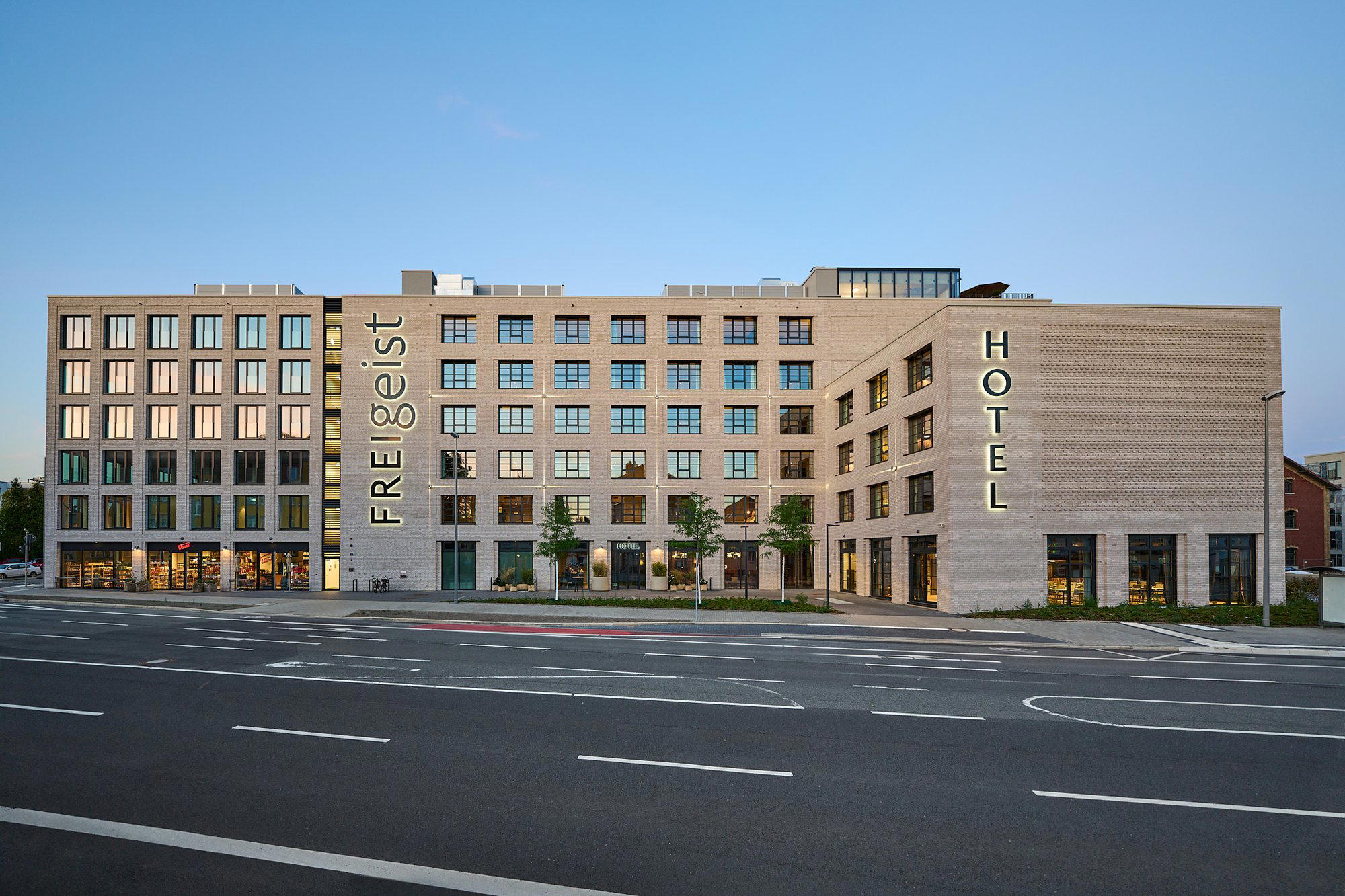
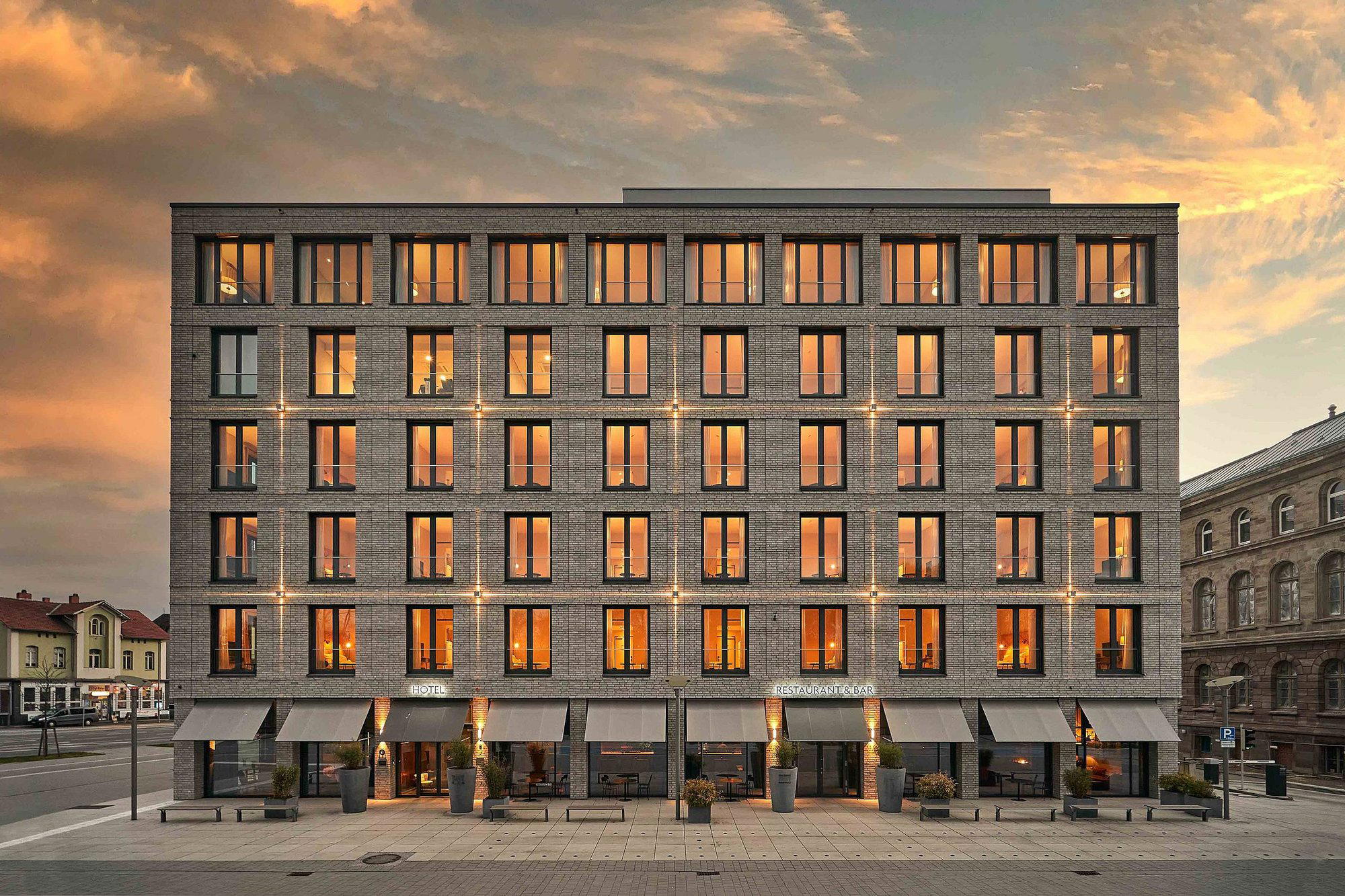
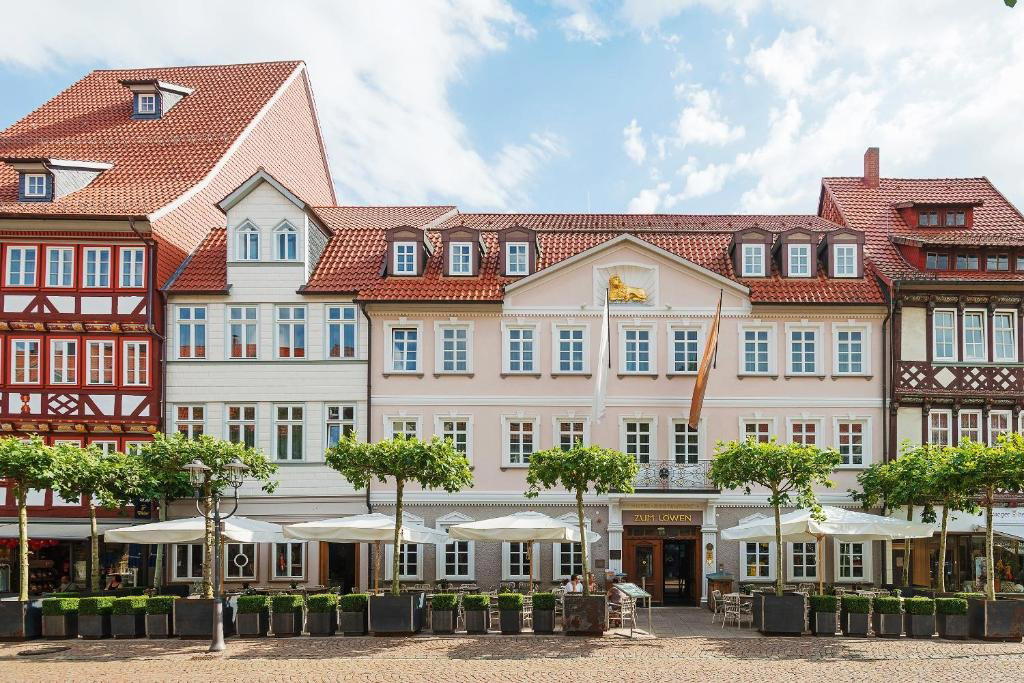
Restaurant Waldwerk
The wine
- Wine program
- Curated wine list
- Extensive wine list
Details
- Cozy
- Rustic
- Scenic
- Elegant
- Date Night
- Special Occasion
- Garden
- Hotel Restaurant
- Extensive Wine List
- Local Sourcing
- Organic
- Garden
- A La Carte
- Vegetarian Friendly
Current opening hours
- Monday
- 6–9:30 PM
- Tuesday
- 6–9:30 PM
- Wednesday
- 6–9:30 PM
- Thursday
- 6–9:30 PM
- Friday
- 6–9:30 PM
- Saturday
- 6–9:30 PM
- Sunday
- 6–9:30 PM
Hours can change for holidays and private events. Last verified .
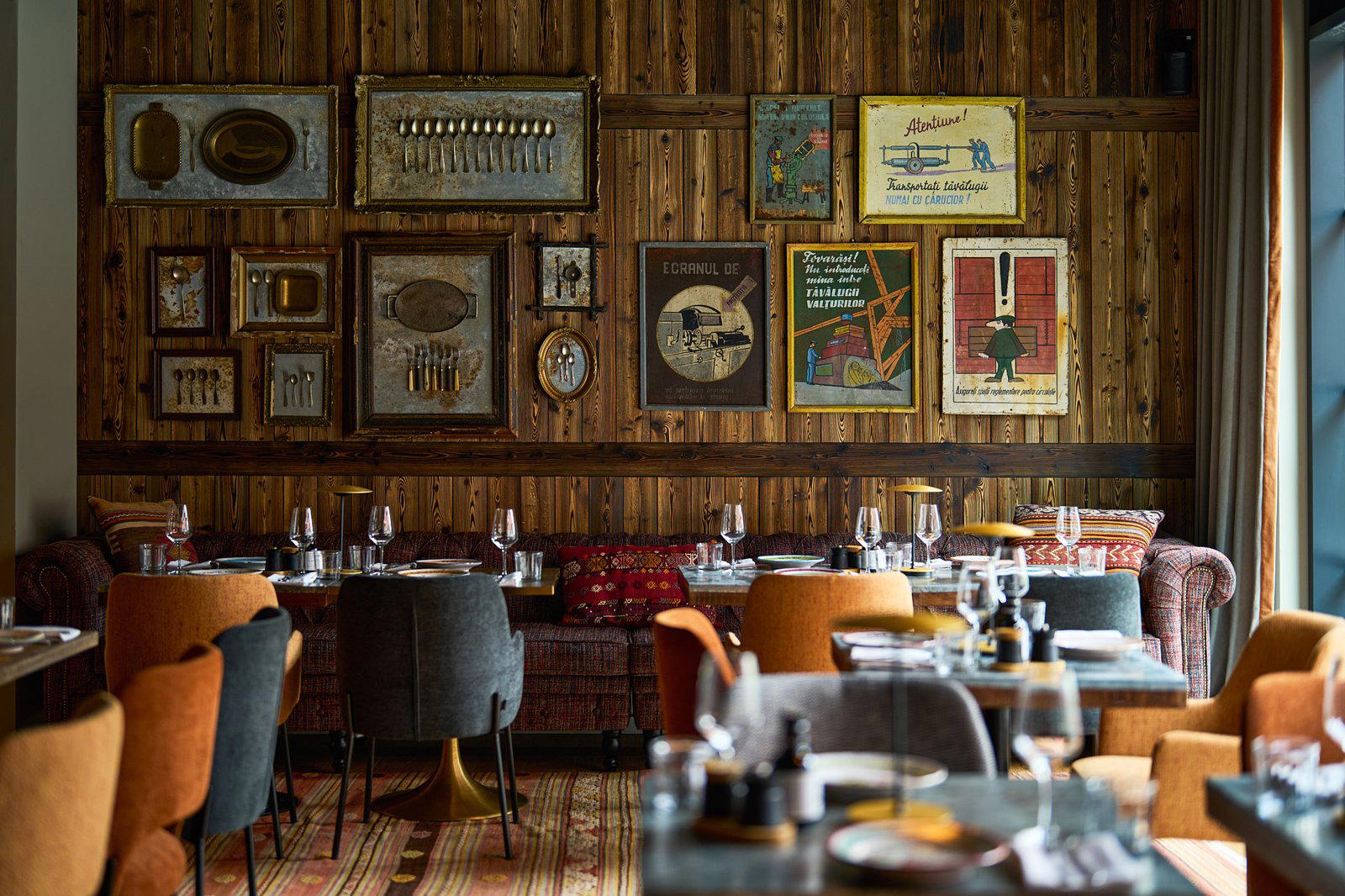
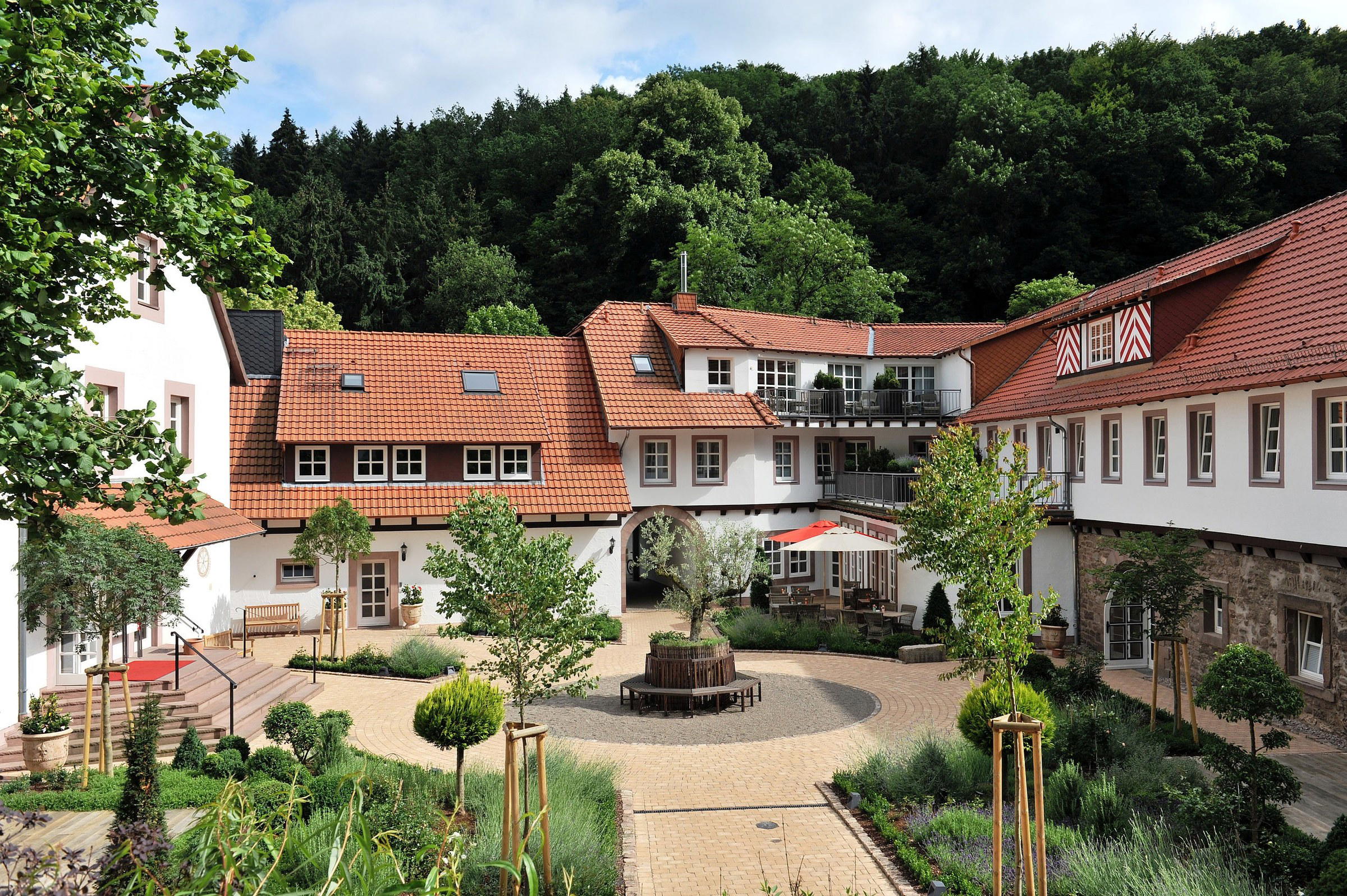
Cozy atmosphere with wooden fireplace, garden views, modern decor, and pleasant lighting.