Cult favorite pizza spot with a splash of drinks
 Discover on Pearl
Pearl is the En Primeur Club membership app — saves, bookings, and concierge access live there. Same editors, same standards.
- Address
- Theaterstraße 25, 37073 Göttingen, Germany
- Phone
- +4955138182467
- Website
- tantegiulia.de
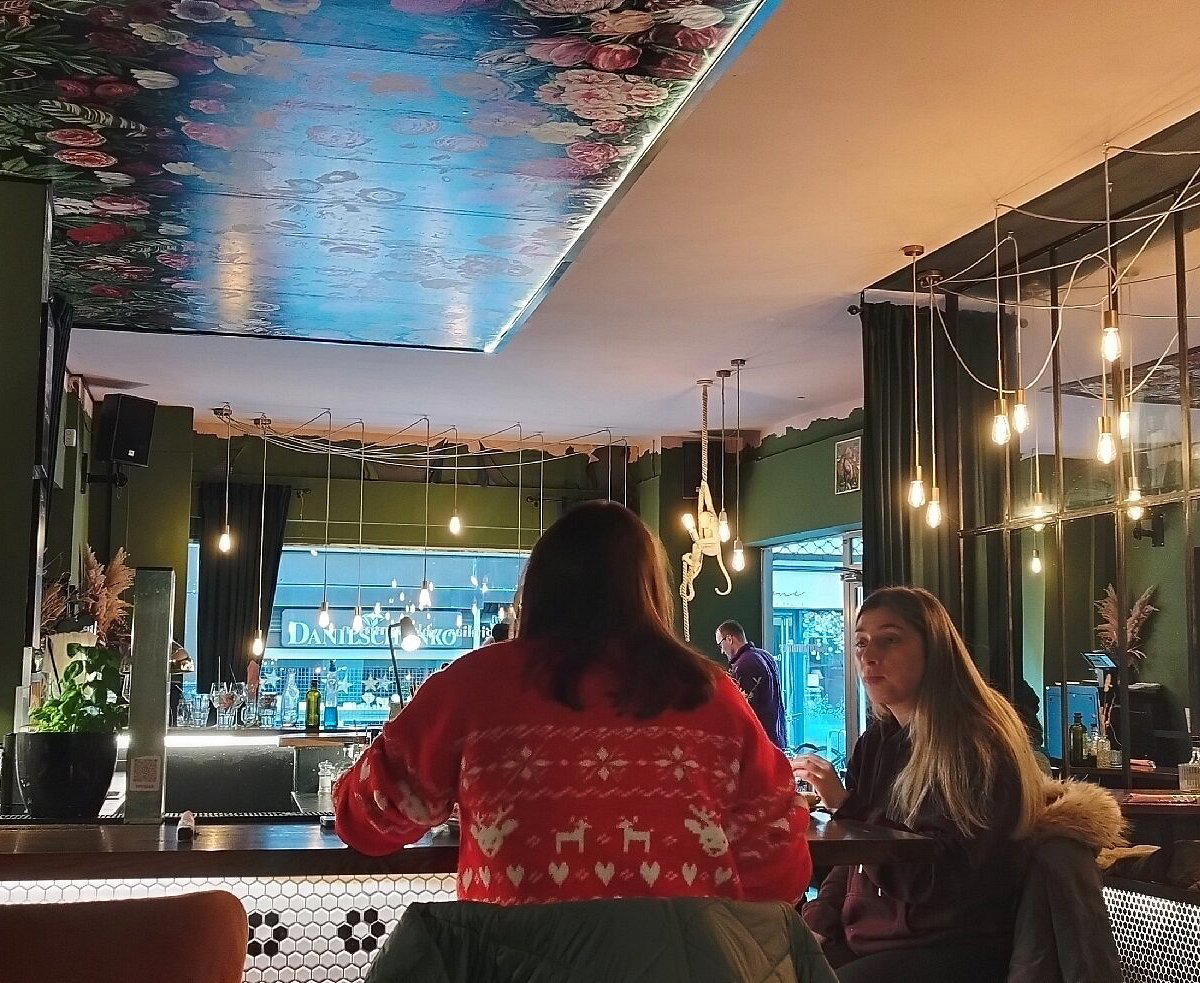
Italian Warmth on Theaterstraße
Tante Giulia is a Modern Italian Pizza restaurant at Theaterstraße 25, 37073 Göttingen, Germany, with a Google rating of 4.2 from 1,020 reviews and an approximate price of $15 per person. Theaterstraße 25 sits in the older commercial spine of Göttingen, a university city of roughly 120,000 where the dining culture has historically leaned on student economics rather than fine-dining ambition. That context makes the Italian tradition represented by a name like Tante Giulia, literally "Aunt Giulia," the kind of address that signals home cooking over restaurant formality, worth reading carefully. Across Germany's mid-sized cities, the trattoria model has proved more durable than its trendier successors: it absorbs economic cycles because its contract with the diner is legibility and comfort rather than novelty.
The Italian Trattoria Tradition in a German University City
Italian restaurants have occupied a particular role in German civic dining since the postwar decades, when labour migration from southern Italy introduced a generation of northern German diners to pasta, antipasti, and the unhurried rhythms of a shared table. In university cities specifically, that tradition took on a secondary character: the neighbourhood Italian became the place where a doctoral student could afford a proper sit-down meal, where a professor could take a visiting colleague without the formality of a business lunch. Göttingen, home to the Georg-August-Universität and its associated research institutes, has sustained that pattern longer than many comparable cities.
What distinguishes the better examples of this category from the generic is specificity of region. Italian cuisine in Germany fragmented early into two streams: the broadly "Italian" menu of the 1970s and 1980s, built around pizza-pasta-tiramisu convenience, and a smaller current of restaurants that committed to a particular Italian region's logic, the braised cuts of Emilia-Romagna, the seafood of the Adriatic coast, the bitter greens and preserved meats of Calabria. The latter category demands more from both kitchen and diner, and tends to anchor more durably in a neighbourhood because it builds a specific kind of loyalty. Tante Giulia, at its Theaterstraße address, belongs to that second tradition in name and register if not yet in documented detail available for public record.
Göttingen's Dining Scene: Where Tante Giulia Sits
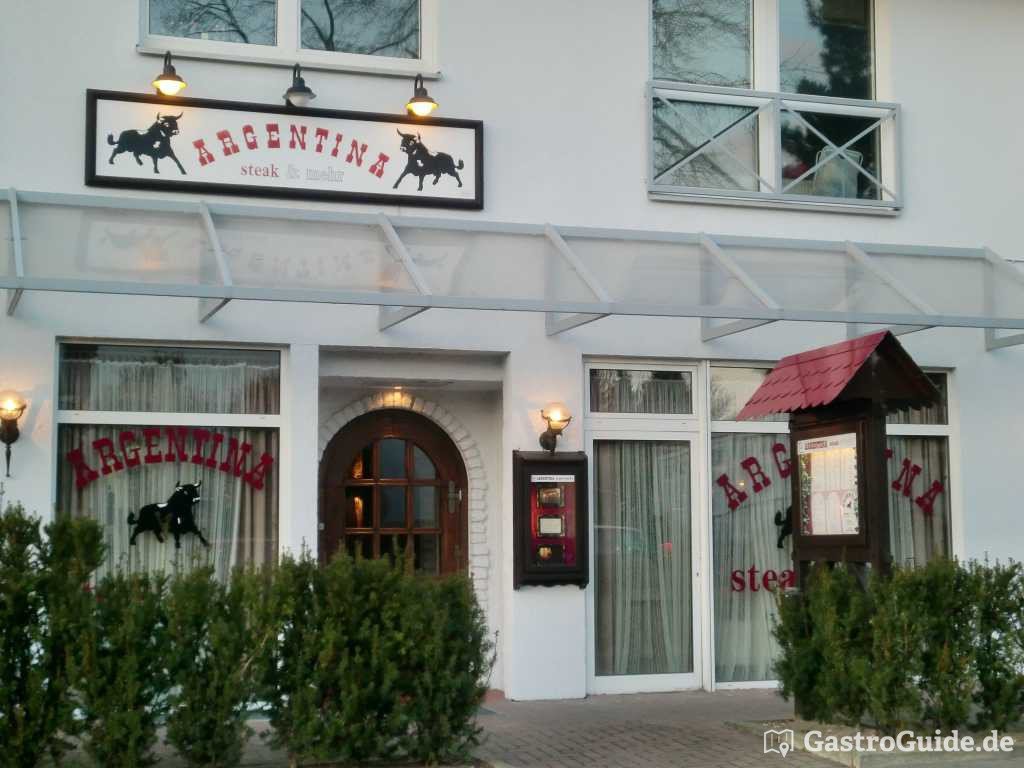
Göttingen's restaurant offer is narrower at the premium end than its academic reputation might suggest. The city competes on intellectual density rather than economic scale, which means the upper tier of its dining is shaped by a mix of long-established neighbourhood institutions and occasional newer formats reaching for a more international register. Intuu, operating in the Japanese contemporary space at the €€€ tier, represents one pole of that ambition. Argentina Steakhouse, Busumo, Gamie Restaurant, and Restaurant Madras map the city's international reach across steakhouse, pan-Asian, and South Asian registers. The Italian trattoria occupies a different tier in this ecosystem: less about positioning against fine dining and more about earning the kind of repeat custom that sustains a room over years rather than seasons.
For readers calibrating expectations, the broader German fine-dining reference points sit well outside Göttingen. The Michelin-starred registers that define national ambition are concentrated in Frankfurt, Hamburg, Munich, and a handful of destination restaurants in smaller towns: Aqua in Wolfsburg, Schwarzwaldstube in Baiersbronn, Vendôme in Bergisch Gladbach, Waldhotel Sonnora in Dreis, or at the more experimental end, CODA Dessert Dining in Berlin. Göttingen's Italian offer, by contrast, draws its authority from consistency, neighbourhood integration, and the specific kind of trust that a name like Tante Giulia invites: a familial register rather than a formal one.
In Italian culinary culture, the aunt figure, the zia or in this case giulia, carries a precise meaning. She is not the grandmother of folklore nor the restaurant-trained professional; she is the middle generation, the one who learned to cook from observation and repetition rather than from a curriculum, and whose food carries the authority of practice rather than pedigree. Naming a restaurant after her is a positioning decision as much as a sentimental one. It signals a kitchen philosophy oriented toward the cooked-long and the familiar over the composed and the precise. Braised lamb, handmade pasta shapes, slow-reduced sauces, and the kind of antipasto spread that rewards unhurried ordering are the vocabulary of this tradition. The name itself operates as a genre signal that experienced diners can read.
That genre has international comparisons worth noting. The leading neighbourhood Italians in New York, not the white-tablecloth formats represented by restaurants like Le Bernardin or the tasting-menu precision of Atomix, earn their authority through decades of continuity and a kitchen that resists reinvention. Germany's equivalent tradition is less documented in the international press but operates on similar principles. The German-Italian restaurant that survives twenty or thirty years in a university city does so because it has earned a loyalty that newer formats cannot buy with aesthetics alone.
Planning a Visit
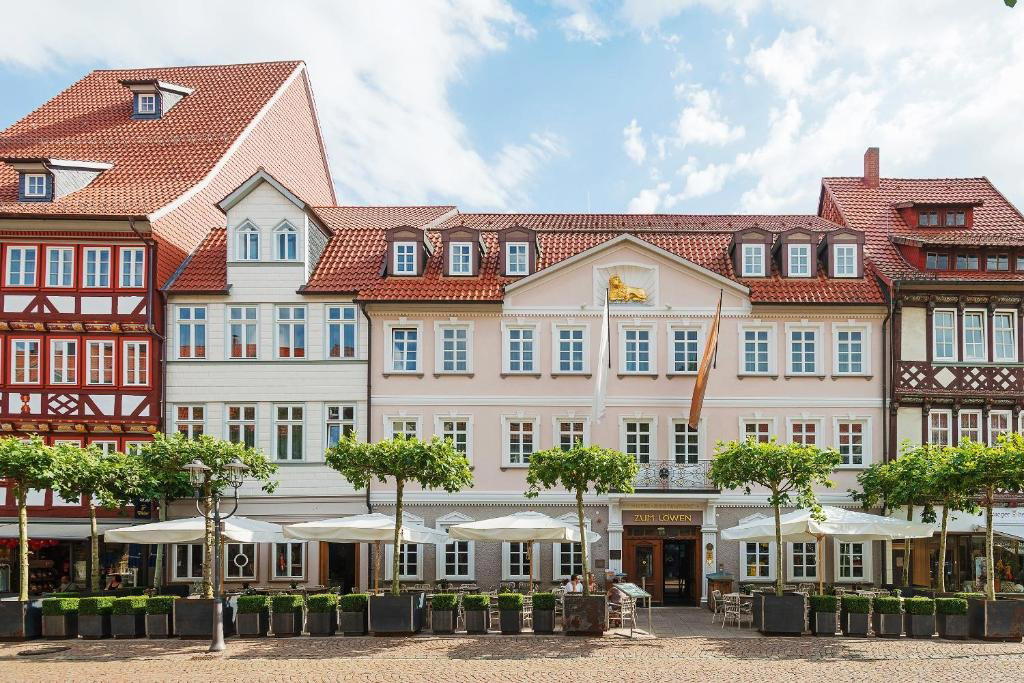
Tante Giulia is located at Theaterstraße 25, 37073 Göttingen, placing it in the central district within walking distance of the old town and the university quarter. Current hours run Mon: 12–11 PM; Tue: 12–11 PM; Wed: 12 PM–12 AM; Thu: 12 PM–12 AM; Fri: 12 PM–2 AM; Sat: 12 PM–2 AM; Sun: 12–11 PM, and reservations are recommended. Given the neighbourhood positioning and the trattoria format, walk-in availability on quieter weekday evenings is plausible, though weekend and Friday evenings at well-regarded neighbourhood restaurants in German university cities tend to fill from local regulars. Arriving early or calling ahead remains the lower-risk approach.
Readers planning a wider Lower Saxony or central German itinerary might position Göttingen as a stop, using restaurants like JAN in Munich, Restaurant Haerlin in Hamburg, Schanz in Piesport, ES:SENZ in Grassau, or Victor's Fine Dining by Christian Bau in Perl as the destination-grade anchors around which a Tante Giulia visit can sit comfortably as a lower-key, locally embedded counterpoint.
Budget Reality Check
Comparable venues nearby, for context on price, style, and recognition.
| Venue | Cuisine | Price | Awards | Notes |
|---|---|---|---|---|
| Tante GiuliaThis venue — the venue you are viewing | Innenstadt, Modern Italian Pizza | $$ | , | |
| Restaurant Madras | $$ | , | Weender Straße, Authentic South & North Indian | |
| Busumo | $$ | , | Central Göttingen, Asian Fusion Sushi Bar | |
| Gamie Restaurant | $$ | , | City Center/Pedestrian Zone, Asian Fusion & Sushi | |
| Intuu | $$$ | Michelin Plate | Innenstadt, Japanese-South American Fusion | |
| Argentina Steakhouse | Weende, Argentine Steakhouse | $$$ | , |
Continue exploring
More in Göttingen
Restaurants in Göttingen
Browse all →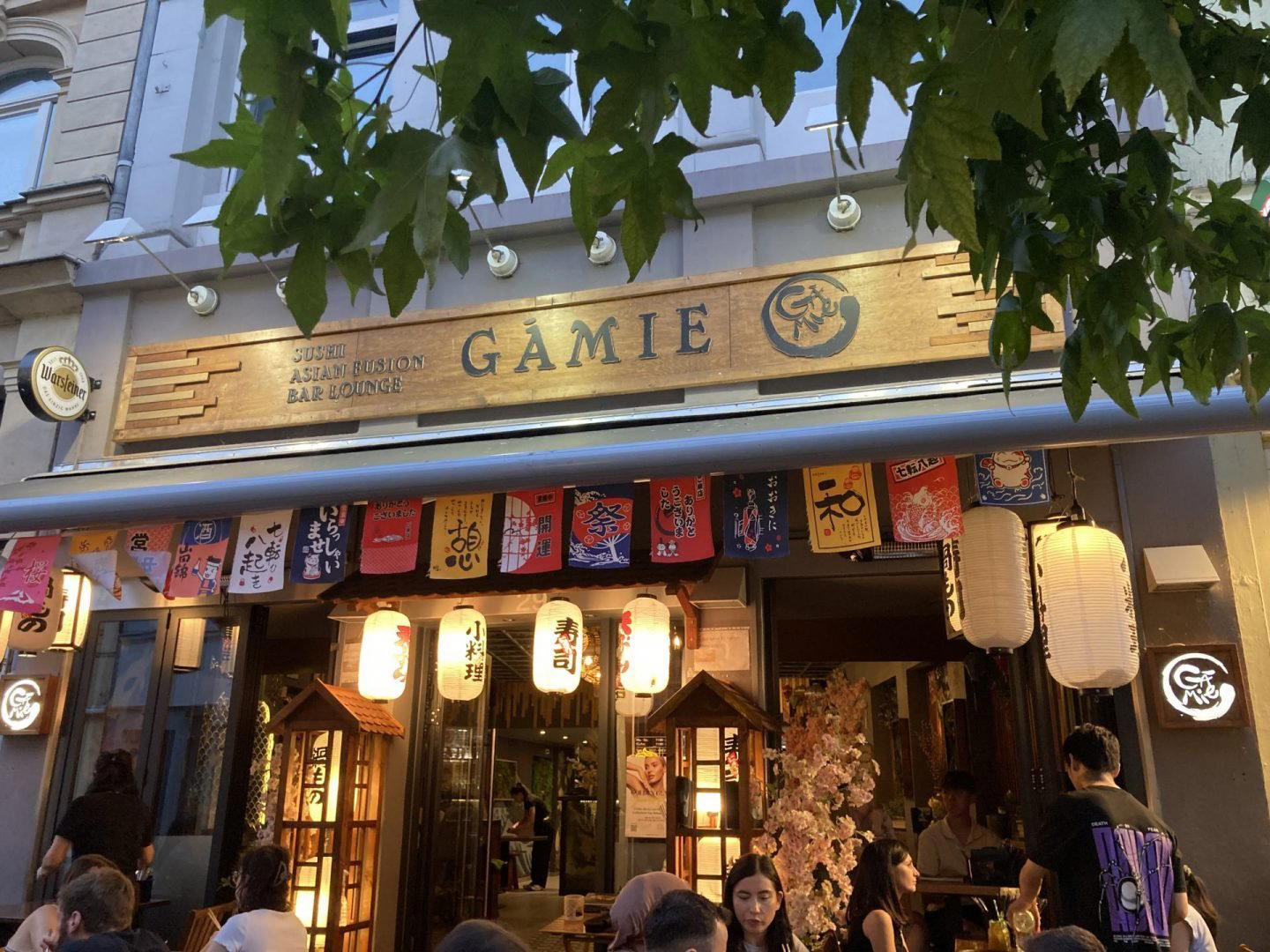
At a Glance
- Cozy
- Rustic
- Casual Hangout
- Date Night
- Open Kitchen
- Craft Cocktails
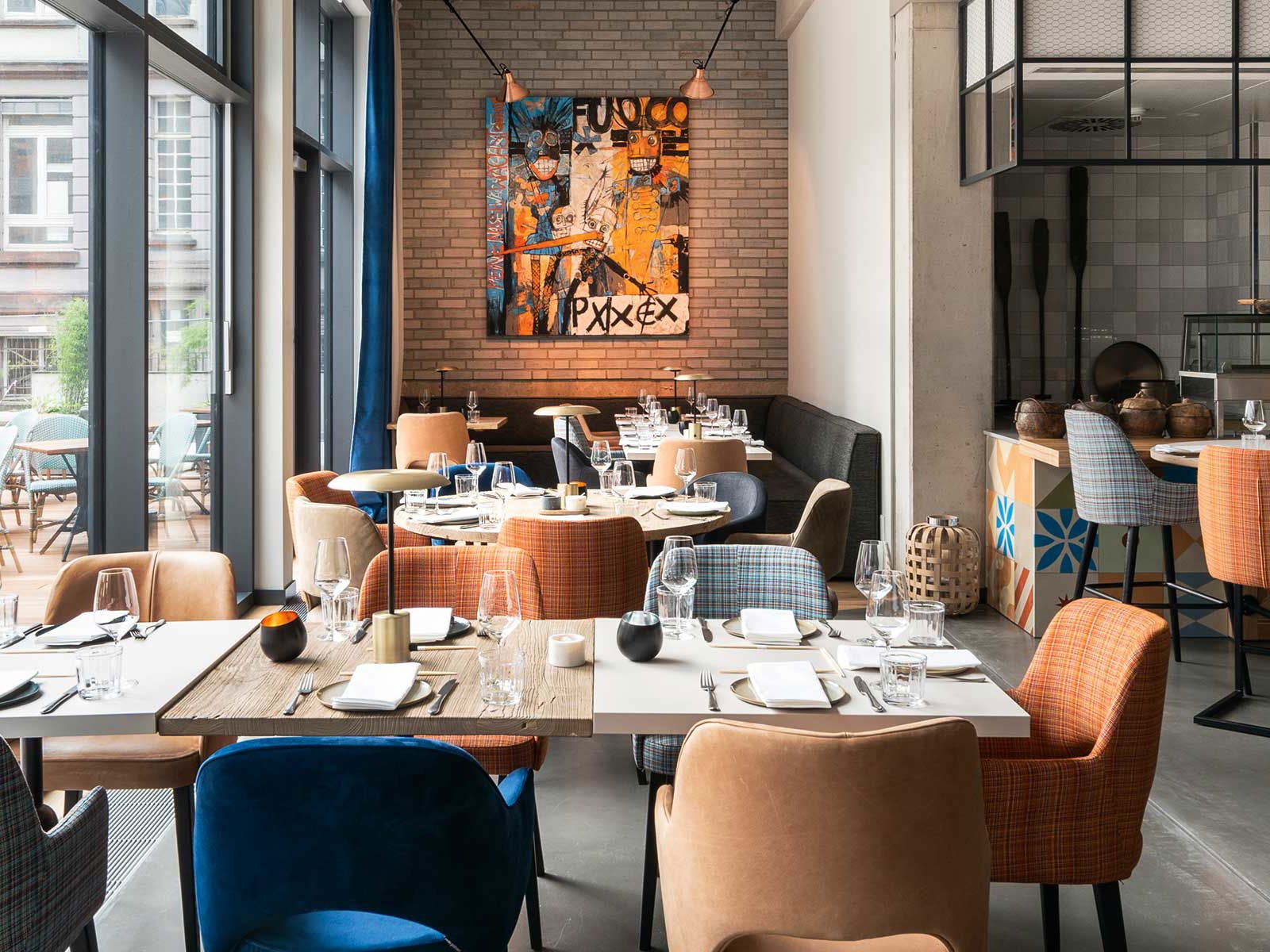
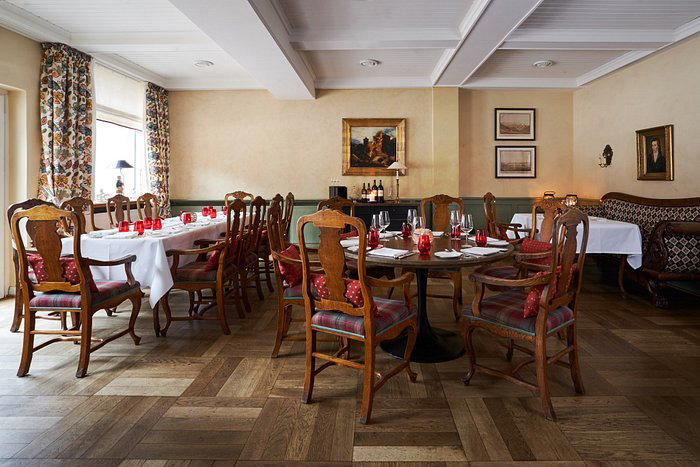
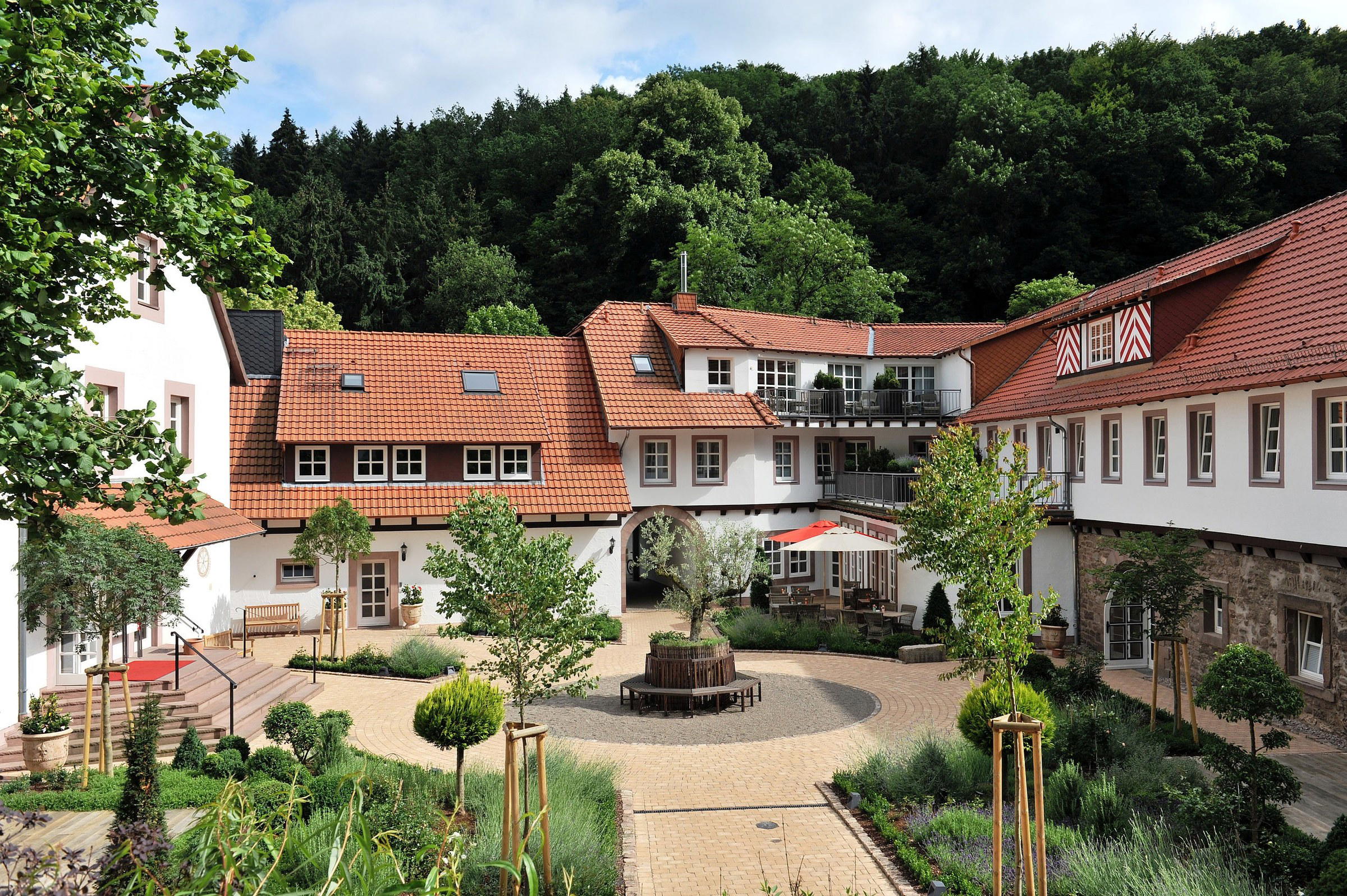
Homely and cozy rustic atmosphere with Mediterranean vibes, allowing visitors to relax.