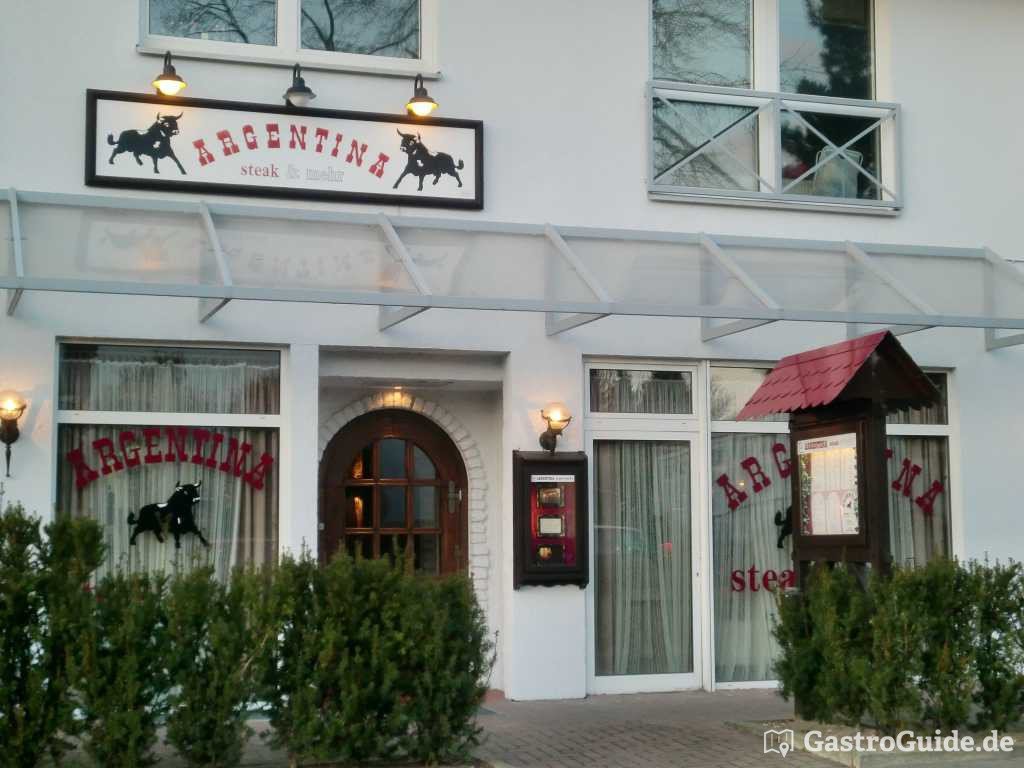
Argentina Steakhouse on Hannoversche Strasse brings South American beef culture to Göttingen's north side, where the emphasis falls on provenance and the grill rather than fine-dining formality. For a university city that leans heavily toward pan-Asian and Italian options, it occupies a distinct position in the local dining mix. The address at number 148 puts it slightly outside the city centre, which tends to keep the crowd local and the atmosphere unpretentious.
 Discover on Pearl
Pearl is the En Primeur Club membership app — saves, bookings, and concierge access live there. Same editors, same standards.
- Address
- Hannoversche Str. 148, 37077 Göttingen, Germany
- Phone
- +4949551378246
- Website
- steakhouse-argentina.de
Where South American Beef Culture Lands in a German University Town
Göttingen is not a city that announces itself through its restaurants. The Georg-August-Universität pulls in a cosmopolitan student population, and the dining scene reflects that, a dense cluster of affordable options around the Innenstadt, strong pan-Asian representation along the side streets, and a handful of Italian addresses that have held their ground for years. What the city has historically lacked is a serious commitment to the South American grill tradition, where the provenance of beef is treated as primary information rather than an afterthought on a menu footnote. Argentina Steakhouse, on Hannoversche Str. 148 in the northern reaches of the city, addresses that gap directly.
The address, number 148, on a stretch of road that runs toward the city's outskirts, situates the restaurant away from the tourist-facing centre. That positioning is not incidental. Steakhouses of this type, built around a specific regional beef tradition rather than a broadly European grill format, tend to find their footing in neighborhoods where regulars return rather than tourists pass through. The crowd here is Göttingen locals, which shapes the atmosphere accordingly: fewer theatrics, more focus on what arrives on the plate.
The Argument for Argentine Beef in Central Europe
The case for Argentine beef rests on the Pampas grazing model, where cattle spend their productive lives on open grassland rather than in feedlots. Grass-feeding over extended periods produces beef with a different fat composition and flavour profile than grain-finished alternatives, leaner across the cut, with a mineral quality in the finish that grain-fed beef rarely achieves. This is not a marginal distinction. In the German market, where domestic beef quality is respectable but the dominant commercial product skews toward grain-finishing for uniformity and yield, an operation sourcing from Argentine supply chains is making a deliberate statement about what beef should taste like.
Relevance of sourcing is amplified in a city like Göttingen, where the dining infrastructure does not include many venues making explicit ingredient provenance claims. Across the Rhine and further south, Germany's Michelin-decorated restaurants, among them Schwarzwaldstube in Baiersbronn, Aqua in Wolfsburg, and Vendôme in Bergisch Gladbach, treat sourcing as foundational editorial content, communicating it through tasting menus and front-of-house narratives. At the casual end of the market, that same conversation is rarer. A steakhouse that organises itself around a specific national beef tradition is, in effect, making a sourcing argument whether it articulates one explicitly or not.
How the Argentine Grill Tradition Differs from the European Default
Asado tradition that underlies Argentine beef culture is not a cooking method so much as a set of priorities. Slower heat, whole or large cuts, minimal intervention beyond salt, the emphasis is on the material itself rather than the technique applied to it. European steakhouse formats, particularly in Germany, tend toward high-heat searing and individually portioned cuts, with sauce and accompaniment as significant components of the offer. The Argentine approach inverts that hierarchy: the beef does most of the argumentative work, and everything else exists in support.
That distinction matters for how a diner approaches the meal. At an Argentine-format steakhouse, the cut selection and its origin are the primary decision points. How it is cooked, and at what internal temperature, follows from what the beef can support. Asking for a thicker cut medium-rare and receiving it correctly is the test the kitchen is measured against. Accompaniments, chimichurri included, exist to frame rather than to compensate.
Göttingen's Dining Mix and Where Argentina Steakhouse Sits
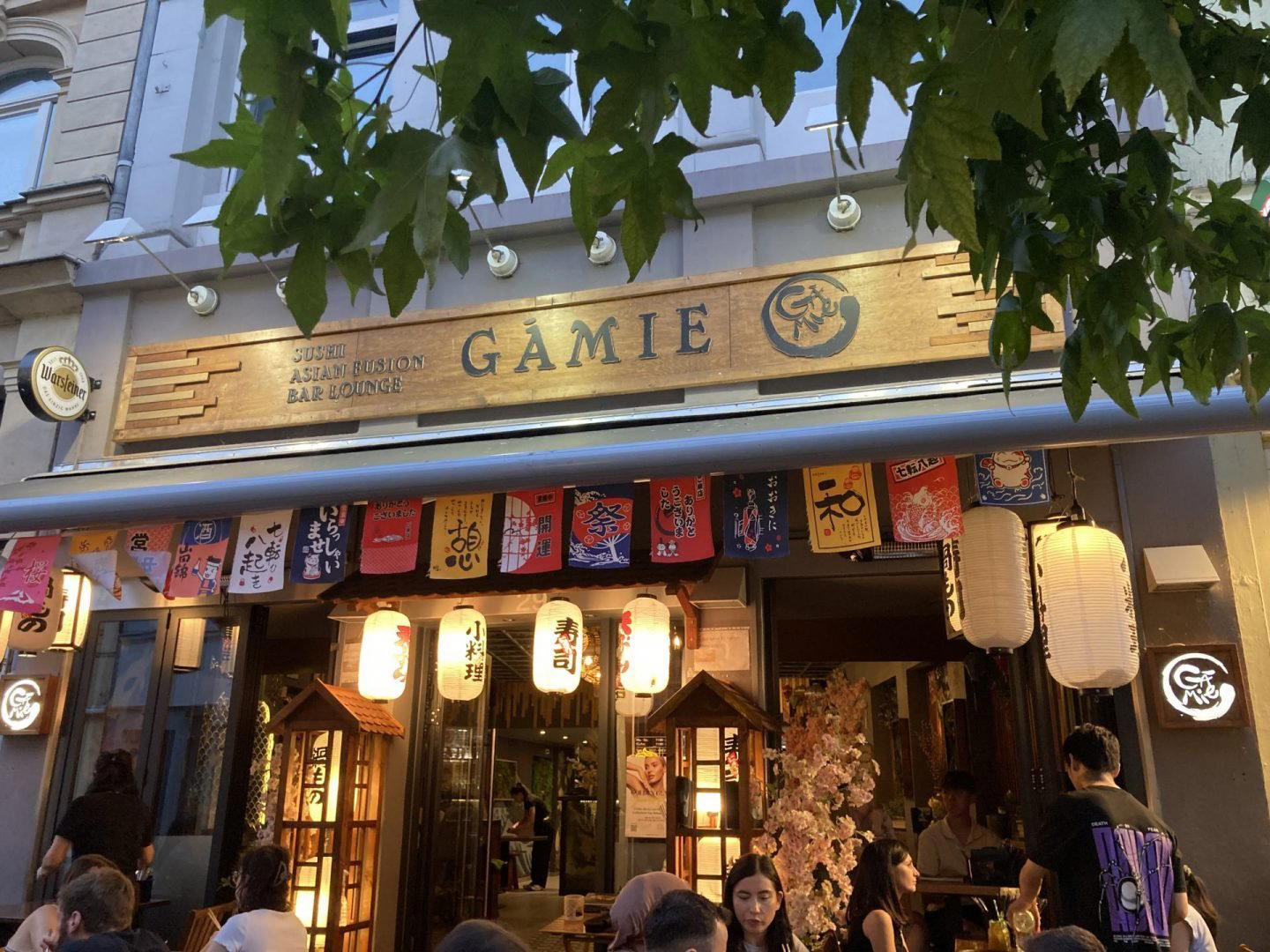
The broader restaurant picture in Göttingen rewards some mapping. The city's best-recognised dining addresses tend toward Asian formats, Busumo and Gamie Restaurant represent that end of the market, alongside Indian options such as Restaurant Madras and Italian staples like Tante Giulia. The South American category is thin. For anyone oriented toward beef as the central event of a dinner rather than one protein option among many, Argentina Steakhouse occupies a position that very few competitors contest locally.
That thinness in competition also means the restaurant is not being measured against a local comparable set with shared standards. The relevant comparison is regional and national: what does a serious Argentine steakhouse format require, and does this address deliver it? For that frame of reference, the broader German dining conversation is instructive. Beef-forward restaurants at the fine-dining end, JAN in Munich or Restaurant Haerlin in Hamburg, operate at a different price point and format entirely. The relevant comparison is the mid-market casual dining category, where the question is consistency and sourcing integrity rather than tasting-menu ambition.
Getting There and Planning the Visit
Hannoversche Strasse 148 sits north of the city centre, accessible by bus from the main station (Göttingen Bahnhof) or a direct drive with parking available on the surrounding streets. For visitors arriving by train, the restaurant is reachable without a car, though the walk from the centre is longer than a quick centre-city detour. An evening visit rather than a lunch stop is the more natural format for a dedicated beef dinner, both for the occasion and because the kitchen's output tends to be better suited to unhurried table time than a midday window. Booking ahead is advisable for weekend evenings.
Fast Comparison
Comparable venues nearby, for context on price, style, and recognition.
| Venue | Cuisine | Price | Awards | Notes |
|---|---|---|---|---|
| Argentina SteakhouseThis venue — the venue you are viewing | Argentine Steakhouse | $$$ | , | |
| Tante Giulia | Modern Italian Pizza | $$ | , | Innenstadt |
| Restaurant Madras | Authentic South & North Indian | $$ | , | Weender Straße |
| Gamie Restaurant | Asian Fusion & Sushi | $$ | , | City Center/Pedestrian Zone |
| Busumo | Asian Fusion Sushi Bar | $$ | , | Central Göttingen |
| Intuu | Japanese-South American Fusion | $$$ | Michelin Plate | Innenstadt |
Continue exploring
More in Göttingen
Restaurants in Göttingen
Browse all →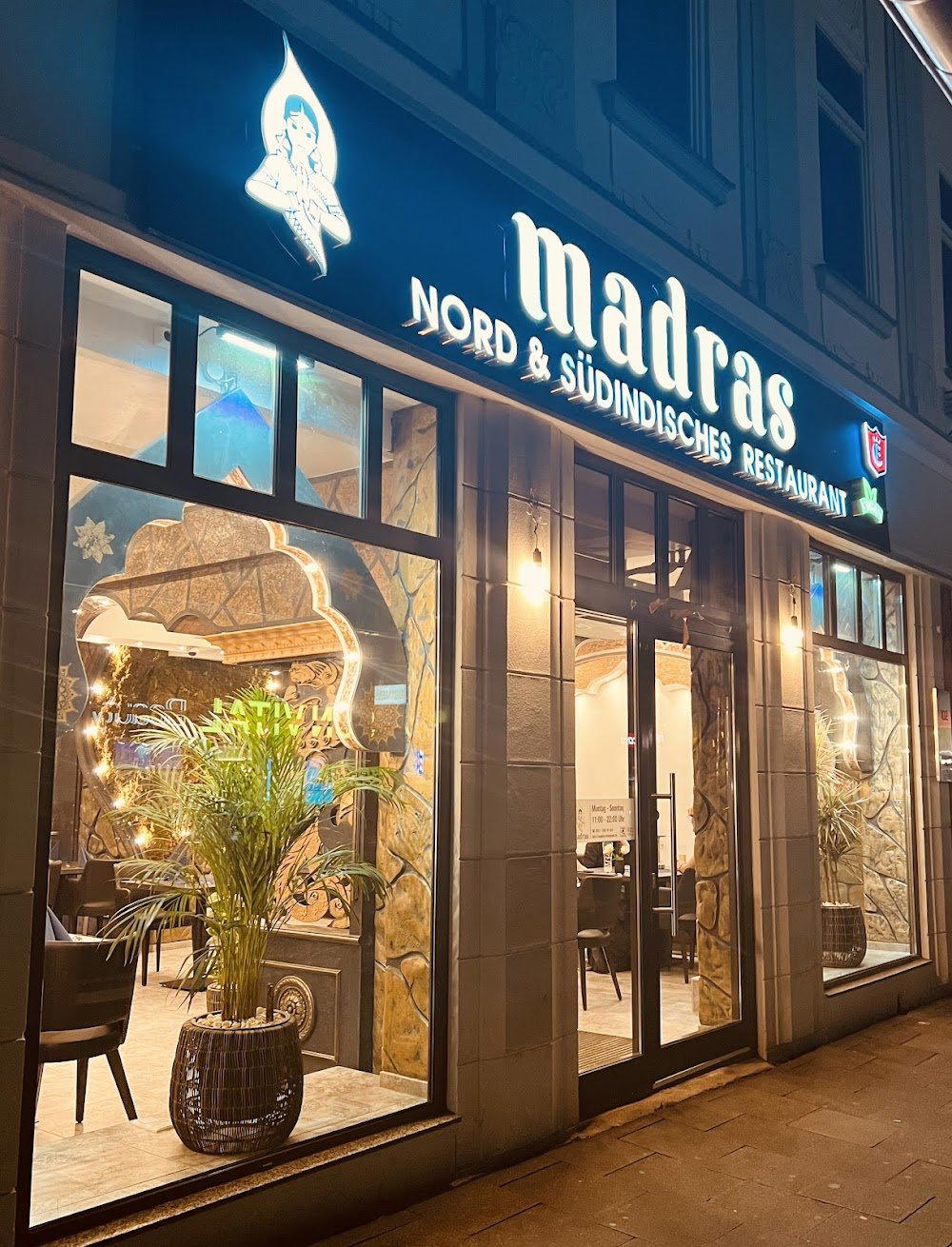
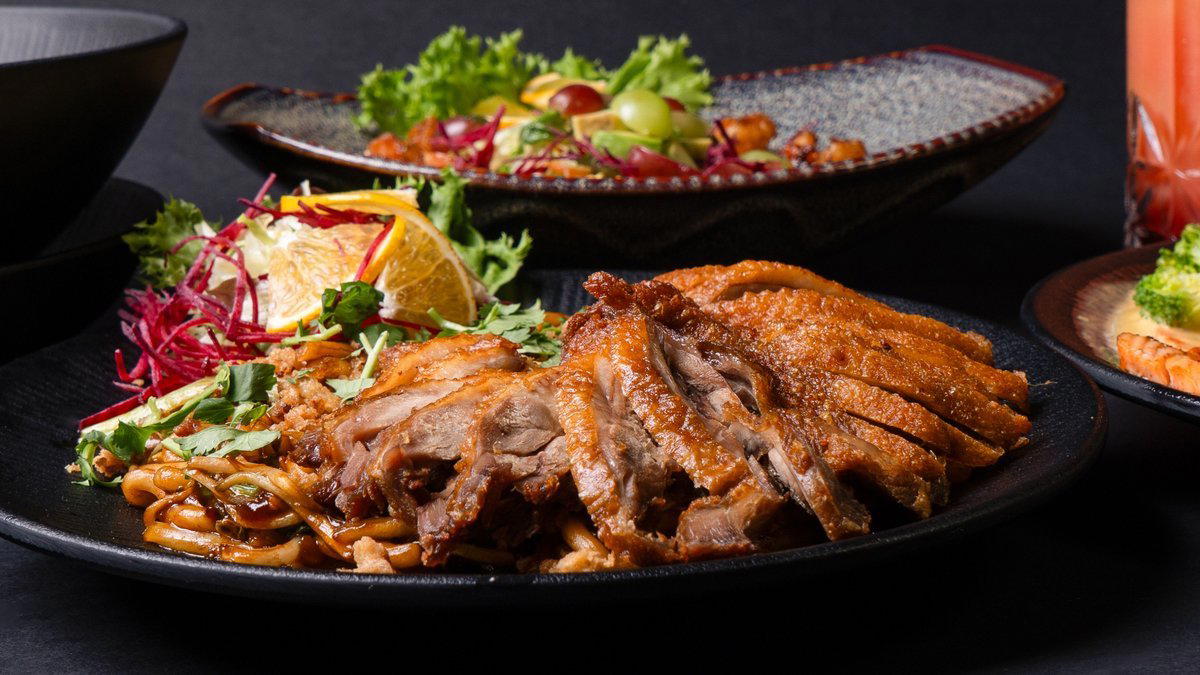
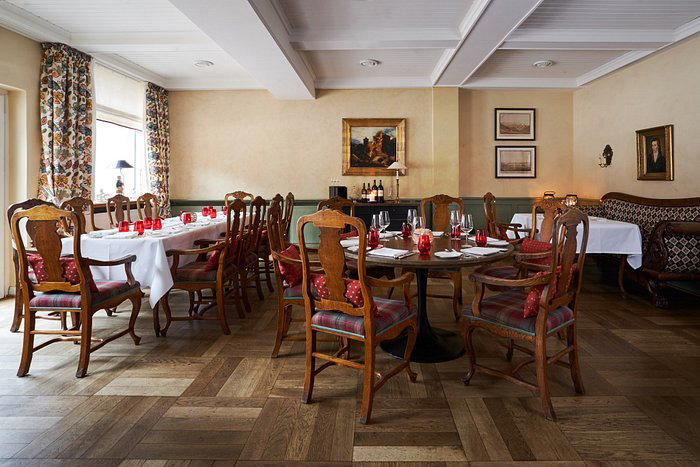
At a Glance
- Classic
- Date Night
- Business Dinner
- Group Dining
- Open Kitchen
- Extensive Wine List
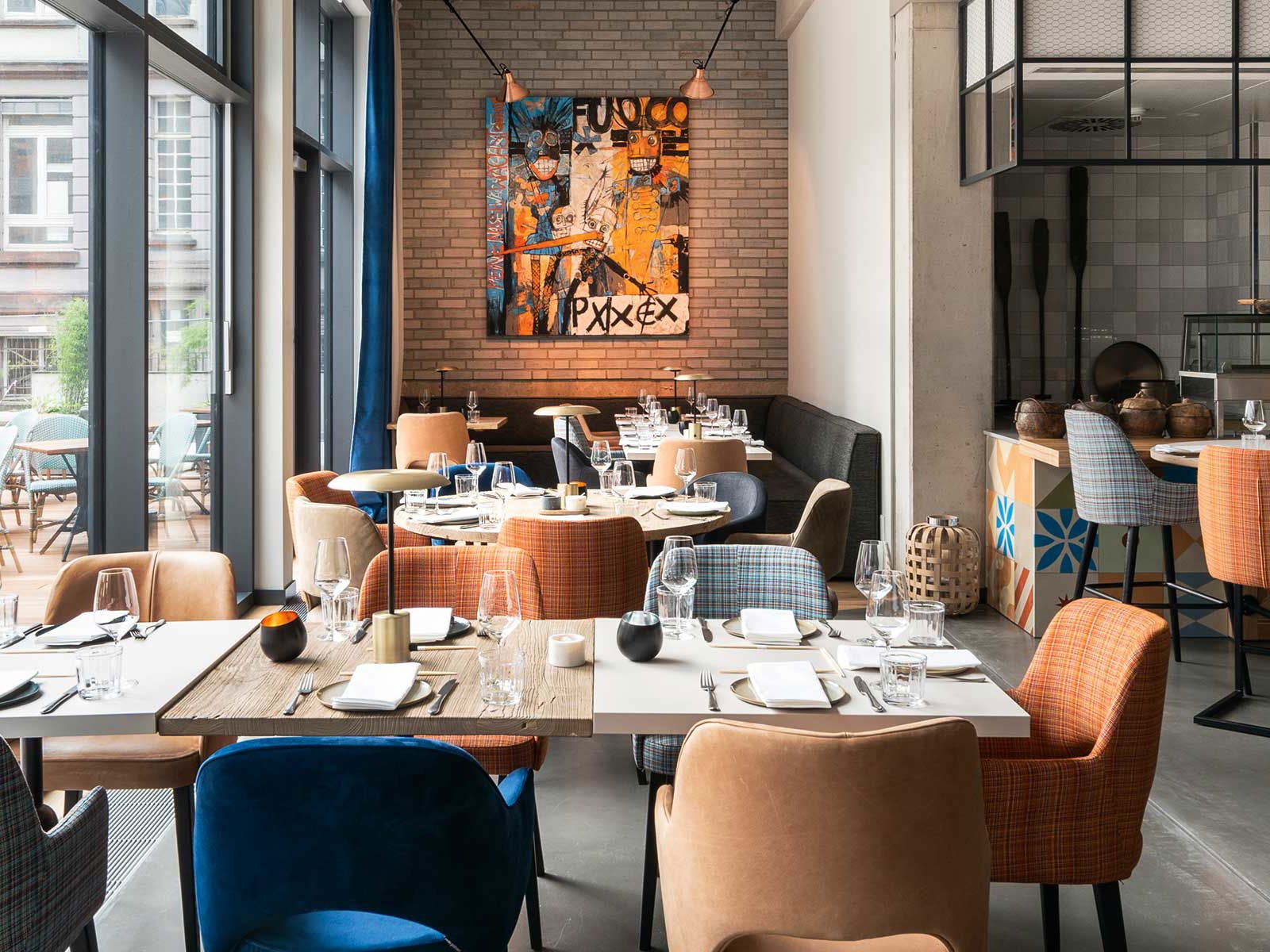
Classic steakhouse decor with a quiet to conversational atmosphere that can become noisy when busy.