Restaurant Waage occupies a address at Am Neuen Markt 12 in Potsdam's historic centre, placing it within a city that has quietly built a credible fine-dining tier in the shadow of Berlin. The venue sits in a neighbourhood defined by Baroque civic architecture and a growing concentration of serious restaurants, positioning it alongside peers that serve both the local professional class and day-tripping Berliners.
Pearl is the En Primeur Club membership app — saves, bookings, and concierge access live there. Same editors, same standards.
- Address
- Am Neuen Markt 12, 14467 Potsdam, Germany
- Phone
- +493318170674
- Website
- restaurant-waage.de
- Directions
- Get directions
 Saves & bookings on Pearl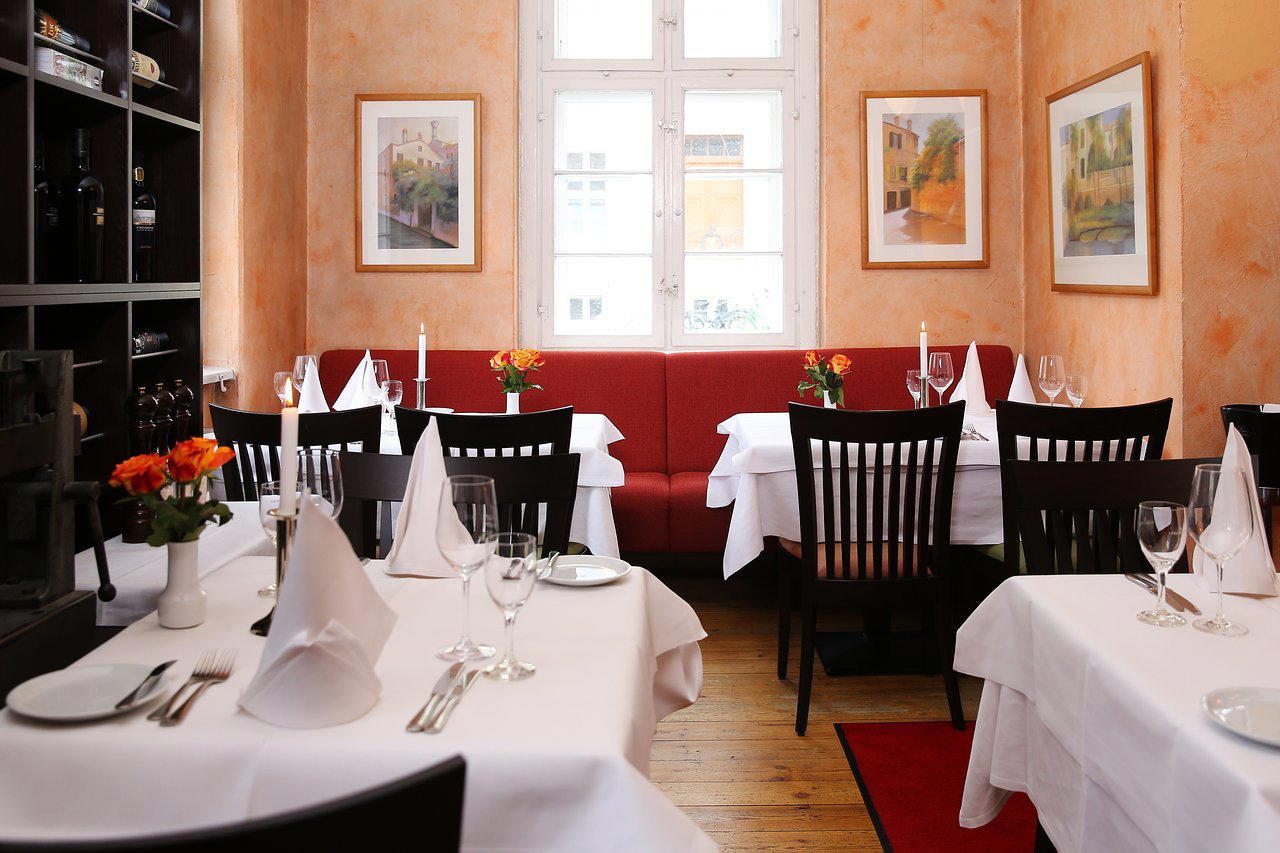
Potsdam's Dining Scene and Where Waage Fits
Potsdam operates as something of an anomaly in the Brandenburg dining picture. Less than 30 kilometres from Berlin's centre, it draws visitors for the UNESCO-listed Sanssouci palace gardens, but its restaurant scene has developed largely on its own terms, shaped by local regulars, state government proximity, and a steady flow of cultural tourists rather than by Berlin's restless trend cycles. The result is a city with genuine range: from the classic French cooking at Juliette, which has held its position as one formally European room in the city, to more contemporary formats like kochZIMMER in der Gaststätte zur Ratswaage, which pitches modern cuisine at the €€€€ tier. Restaurant Waage sits within this context, at Am Neuen Markt 12, a square that carries the kind of quiet civic weight that older German cities do well: Baroque proportions, cobbled approaches, and a sense that the neighbourhood has been taken seriously for a long time.
For visitors building a broader German fine-dining itinerary, Potsdam is often overlooked in favour of Berlin destinations like CODA Dessert Dining, or the country's more decorated rooms such as Schwarzwaldstube in Baiersbronn or Vendôme in Bergisch Gladbach. That oversight has an upside: restaurants in Potsdam tend to operate with less pressure to perform for international critics and more focus on the room in front of them.
The Address and Approach
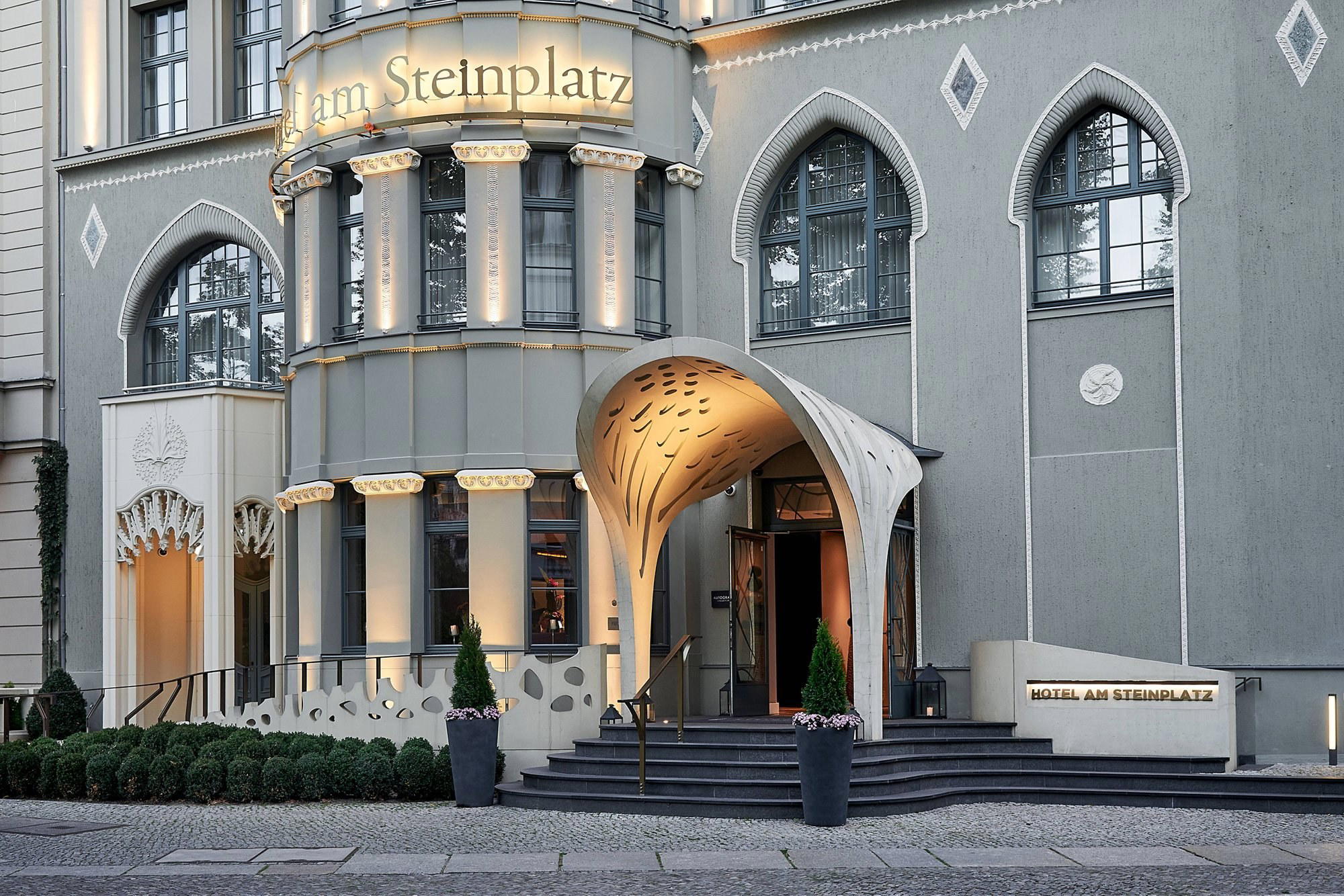
Am Neuen Markt is one of Potsdam's more composed addresses. The square retains a pre-war civic character that much of central Potsdam lost in the twentieth century, with buildings that scale to human proportion rather than administrative ambition. Arriving on foot from the old town, the transition from the busier pedestrian routes to the relative quiet of the Markt is noticeable. This kind of approach matters in restaurant terms: it sets a tempo before the meal begins, and venues on squares like this one tend to draw guests who have made a considered choice rather than one of convenience. The physical environment does preliminary work that the front-of-house then continues.
That front-of-house dynamic is worth considering in its own right. In a city like Potsdam, where the dining pool is smaller than Berlin's and regulars return with frequency, the relationship between a restaurant's floor team and its kitchen carries more weight than it might in a higher-volume urban context. The sommelier and service roles are not decorative in these environments; they carry guest retention between kitchen changes, seasonal shifts, and the ordinary turbulence of running a restaurant in a mid-sized German city. Where venues like Aqua in Wolfsburg or JAN in Munich operate with the gravitational pull of Michelin recognition behind them, restaurants in Potsdam earn repeat visits through the texture of the experience itself: how the room reads the table, how wine is guided rather than pushed, how kitchen ambition is communicated without condescension.
Team Dynamics in a Smaller Dining City
The collaboration between kitchen, sommelier, and front-of-house is where smaller-city restaurants often outperform their more celebrated counterparts. In rooms that seat fewer guests per service and face a more local audience, the floor team develops a different kind of intelligence: they know which guests are celebrating, which are assessing, which need guiding through a wine list and which arrived with a bottle in mind. That relational knowledge, built over seasons rather than seatings, shapes the experience in ways that are difficult to manufacture. Venues in comparable German markets, from Schanz in Piesport to Waldhotel Sonnora in Dreis, have long demonstrated that rooms outside the major cities can sustain a level of service coherence that urban venues sometimes sacrifice to volume.
At Restaurant Waage, the Am Neuen Markt address positions it as a destination rather than a passing choice, which tends to self-select for guests who engage more actively with the experience. That changes how service functions. A team that reads engaged guests correctly can extend what the kitchen communicates: context about ingredients, honest guidance on the menu's current strengths, wine pairings calibrated to what the table is actually eating. This is a different skill set from the high-theatre formality of rooms like Victor's Fine Dining by Christian Bau or the technical precision at ES:SENZ in Grassau. It serves a different purpose for a different kind of guest.
Potsdam in a Broader German Context
Germany's fine-dining geography remains heavily weighted toward the south and west: Baden-Württemberg, Bavaria, and the Rhineland account for a disproportionate share of the country's Michelin stars and 50 Best recognition. The north and east, with exceptions like Restaurant Haerlin in Hamburg, operate with less international attention. Potsdam's dining scene reflects that: it is serious without being internationally prominent, and its better restaurants draw from a guest base that values quality without requiring the validation of a global ranking. That is a particular kind of credibility, and it shapes what restaurants in the city need to do well.
For visitors coming from further afield, particularly those for whom Potsdam is a day trip from Berlin, the comparison set shifts. Against what is available in Berlin, Potsdam offers something different in register: less noise, more civility, a slower pace through a meal. Against peers in Potsdam itself, like GARAGE du PONT or A Slice of Britain and Kengs Landhaus, Restaurant Waage holds an address with genuine civic character. The Neuer Markt location is not incidental; it is part of what the restaurant offers. For internationally-minded diners curious how Potsdam's fine dining compares to benchmark rooms in New York, venues like Le Bernardin or Atomix represent the outer coordinates of that comparison, though the relevant comparable set for Waage sits much closer to home.
Planning Your Visit
Am Neuen Markt 12 is reachable from central Potsdam on foot from the old town, or by tram from the main station. Given the square's character and the venue's positioning, booking ahead is the prudent approach, particularly for weekend evenings when Potsdam draws visitors from Berlin. Reservations are recommended.
Price and Positioning
Comparable venues nearby, for context on price, style, and recognition.
| Venue | Cuisine | Price | Notes |
|---|---|---|---|
| Restaurant WaageThis venue — the venue you are viewing | Not listed | $$$ | Not listed |
| Trattoria Toscana Potsdam | Not listed | $$ | Potsdam-West, Authentic Italian Trattoria |
| Ristorante & Trattoria "Al Dente" | Babelsberg, Italian Trattoria | $$ | Not listed |
| Zanotto Potsdam | Not listed | $$$ | Potsdam, Authentic Northern Italian Trattoria |
| A Slice of Britain | Not listed | $$ | Innenstadt, Traditional British Breakfast Café |
| Trattoria Zille in Potsdam-Babelsberg | Babelsberg, Authentic Italian Trattoria | $$$ | Not listed |
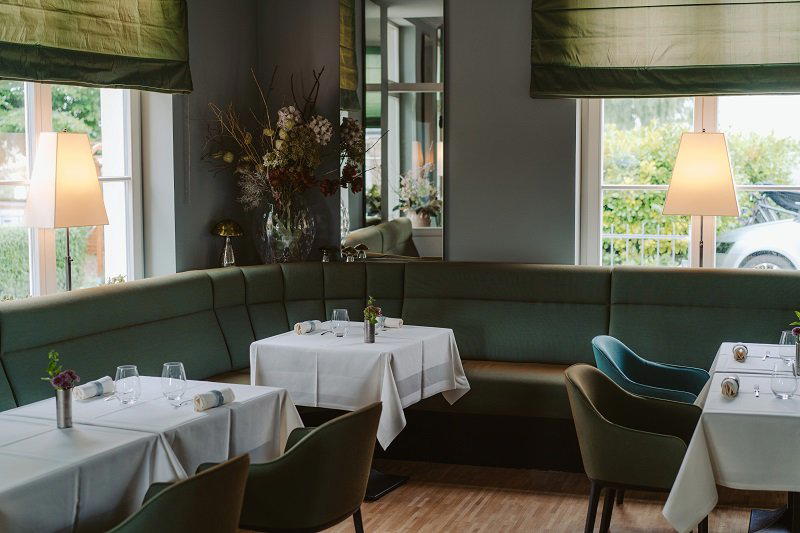
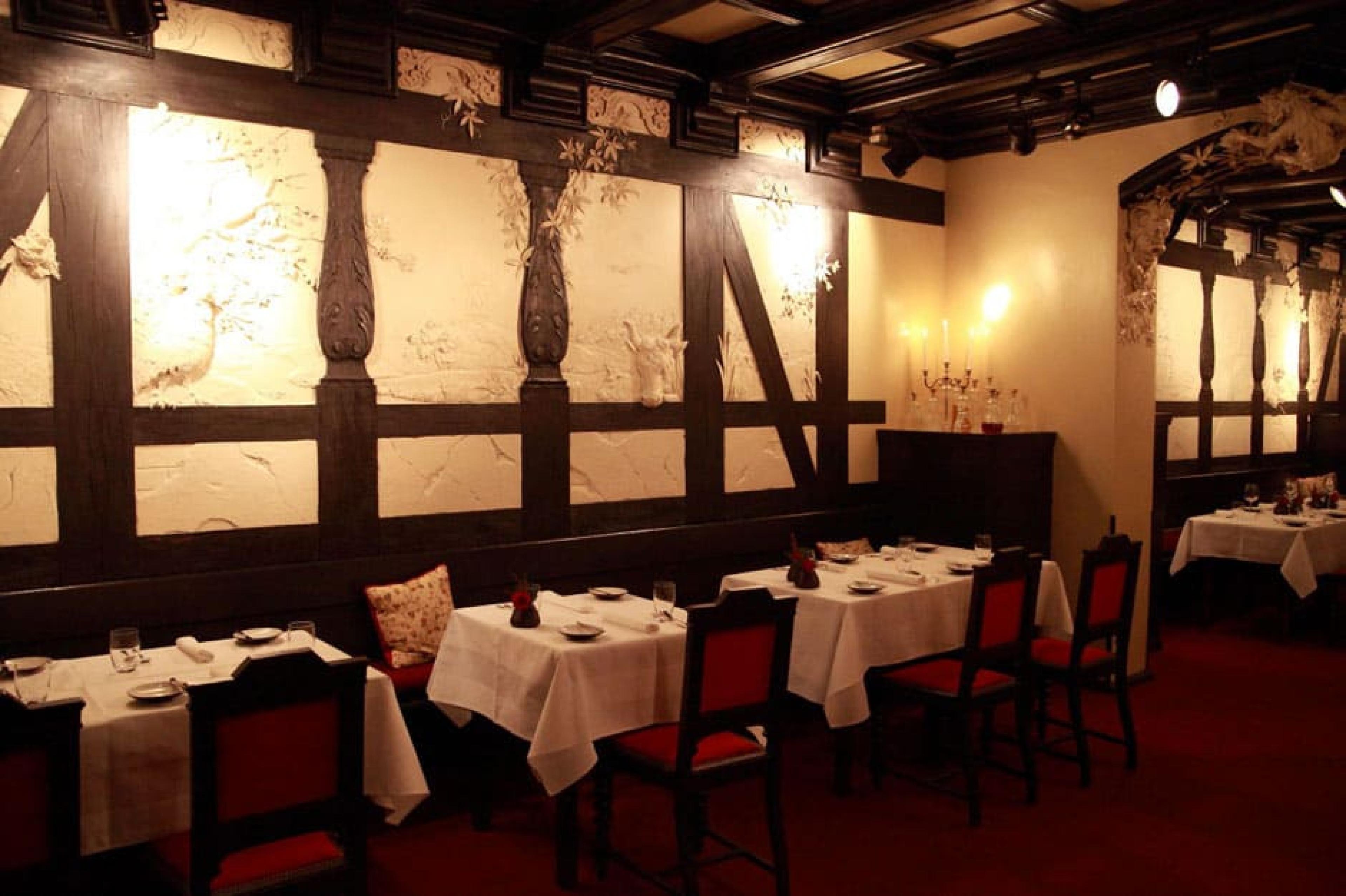
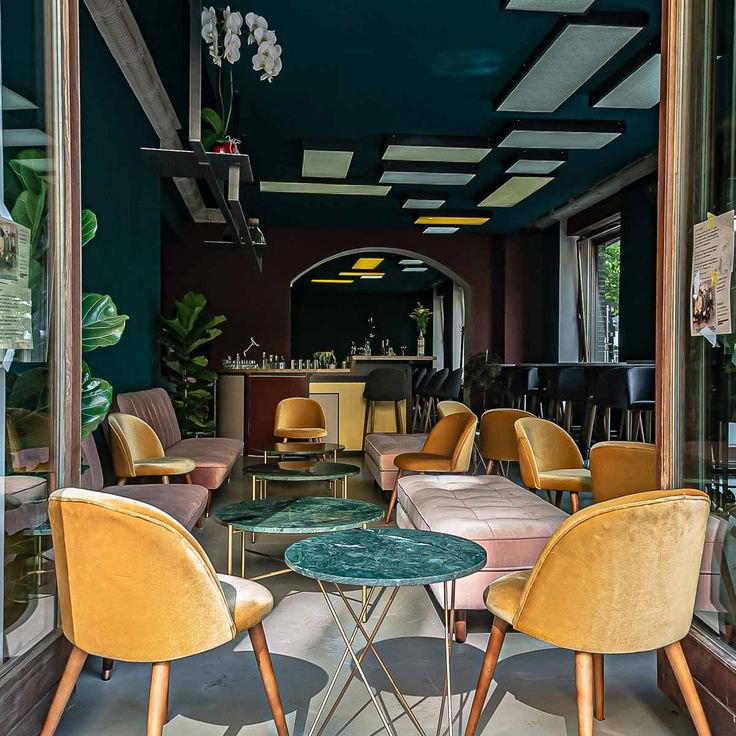
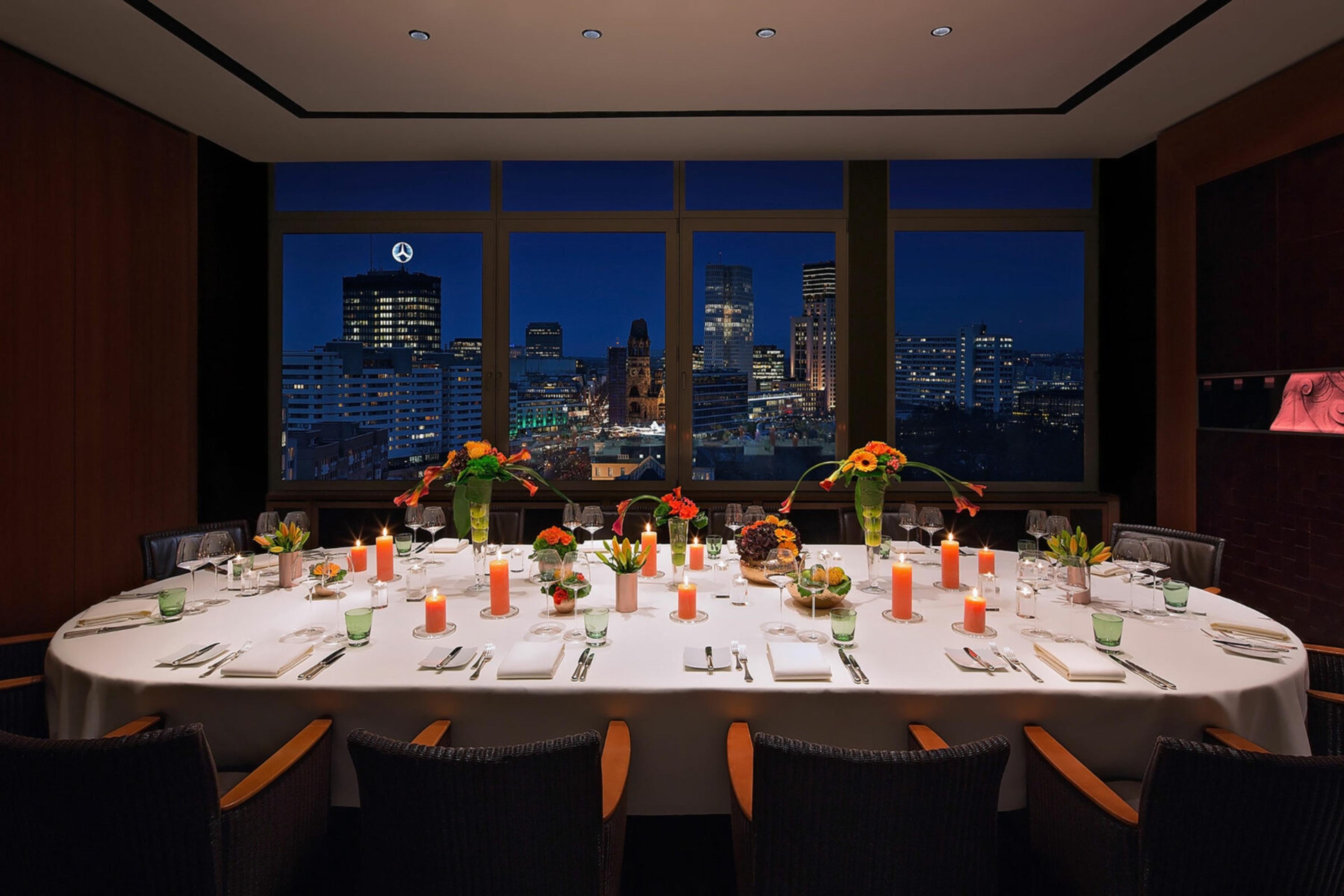
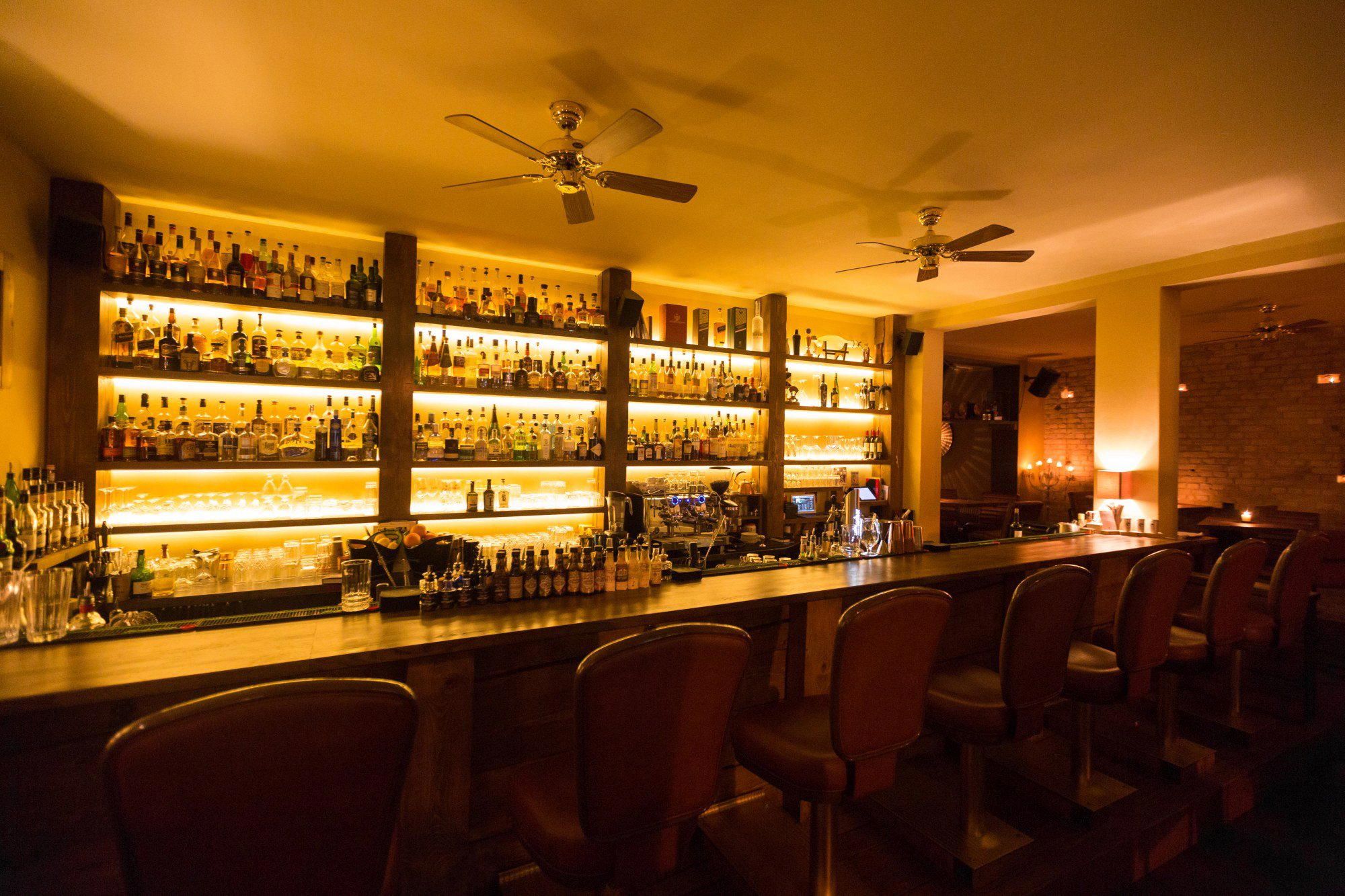
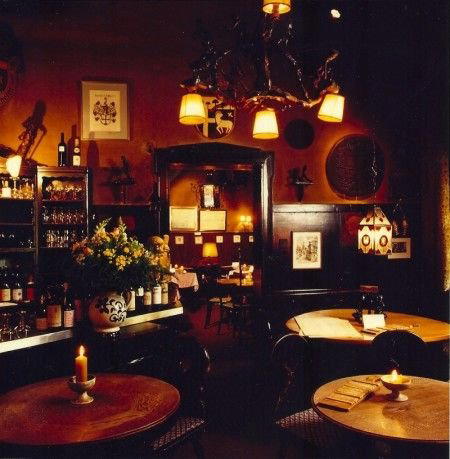
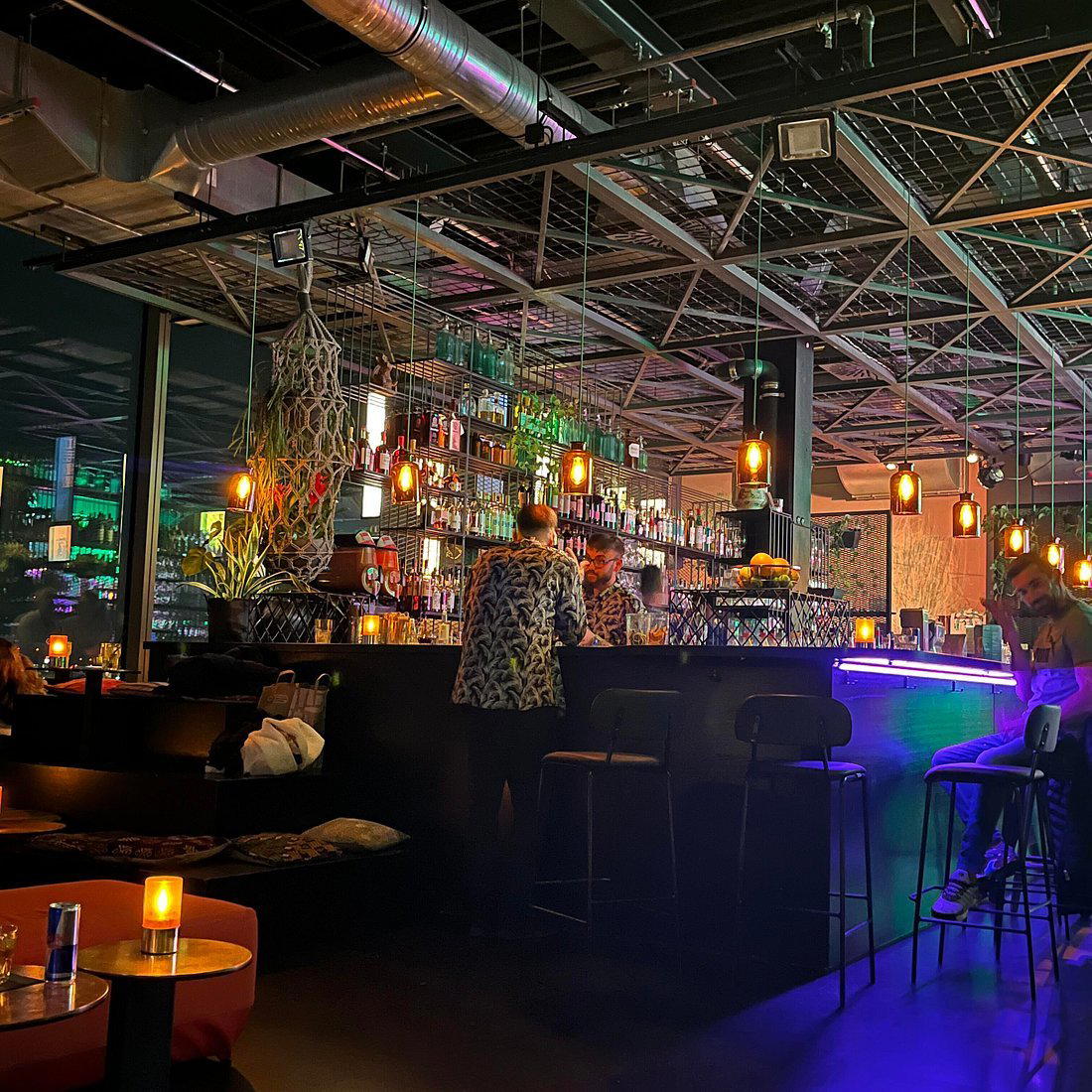
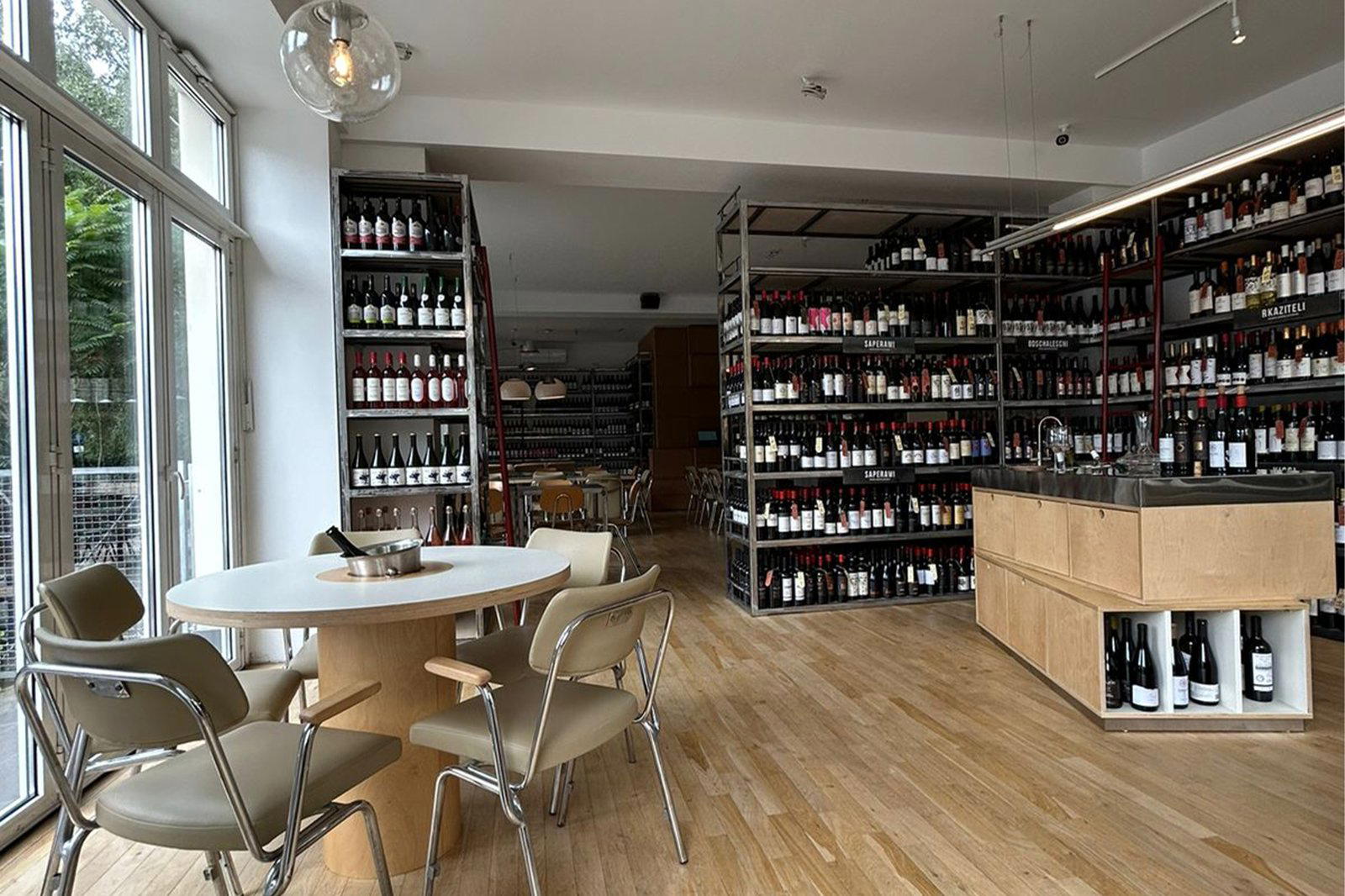
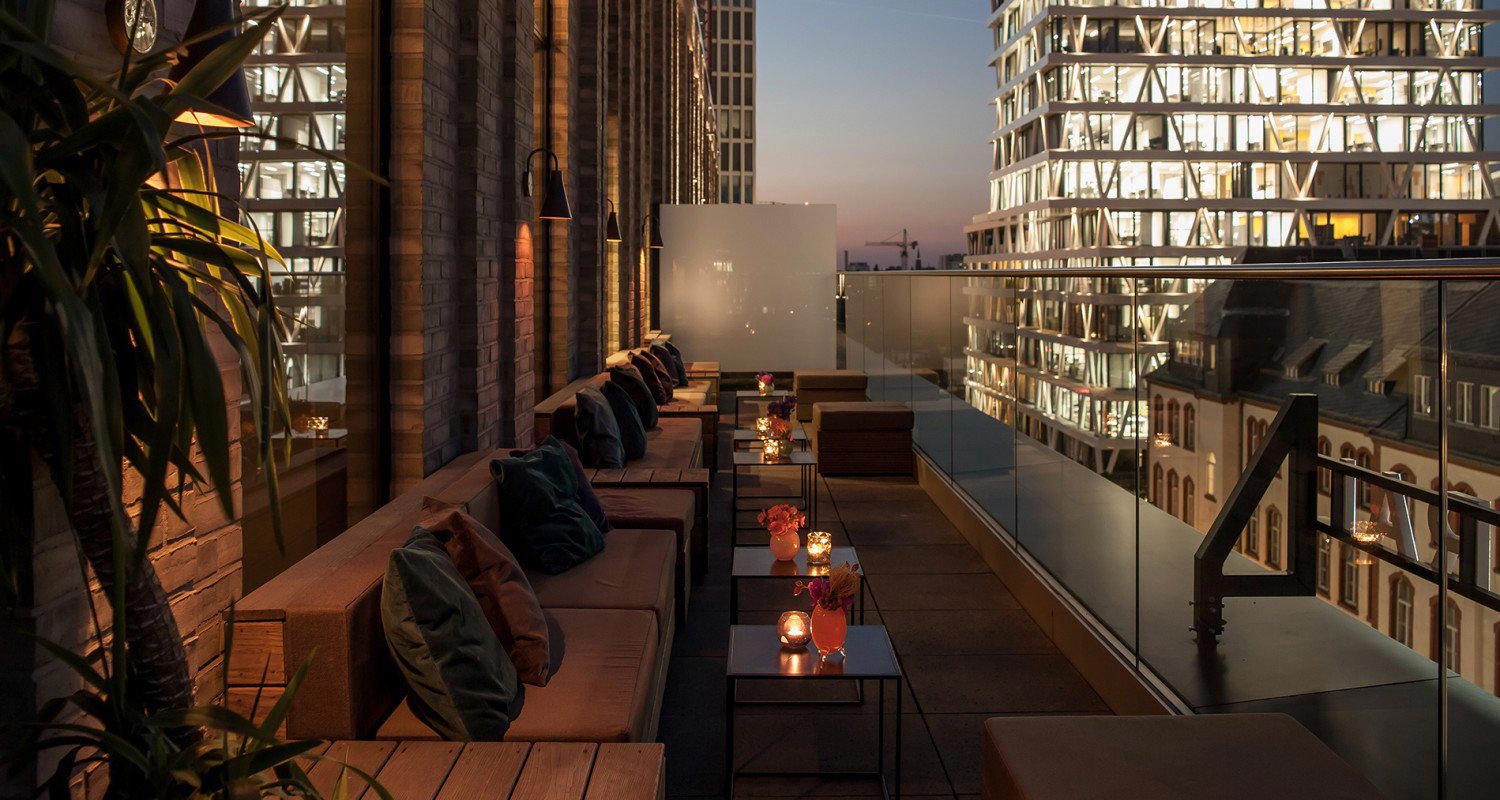
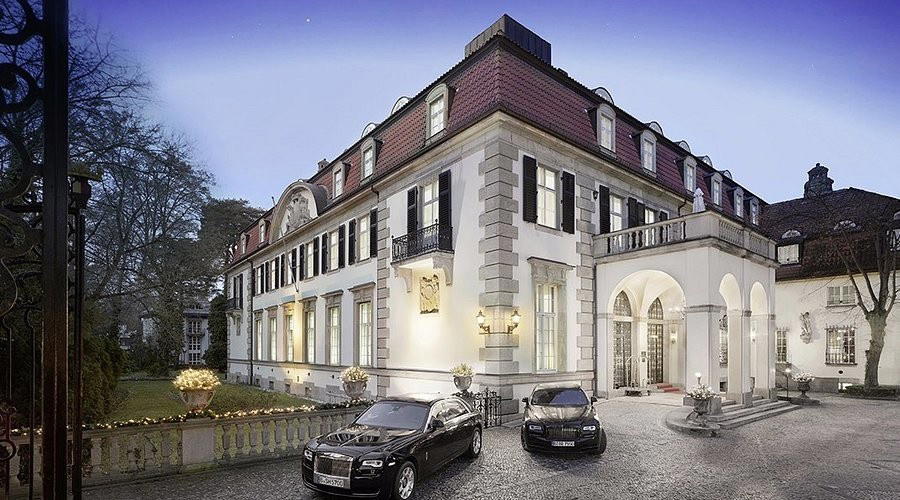
At a Glance
- Elegant
- Cozy
- Classic
- Date Night
- Historic Building
- Street Scene
Current opening hours
- Monday
- Closed
- Tuesday
- 5–11 PM
- Wednesday
- 5–11 PM
- Thursday
- 5–11 PM
- Friday
- 5–11 PM
- Saturday
- 5–11 PM
- Sunday
- 12–10 PM
Hours can change for holidays and private events. Last verified .
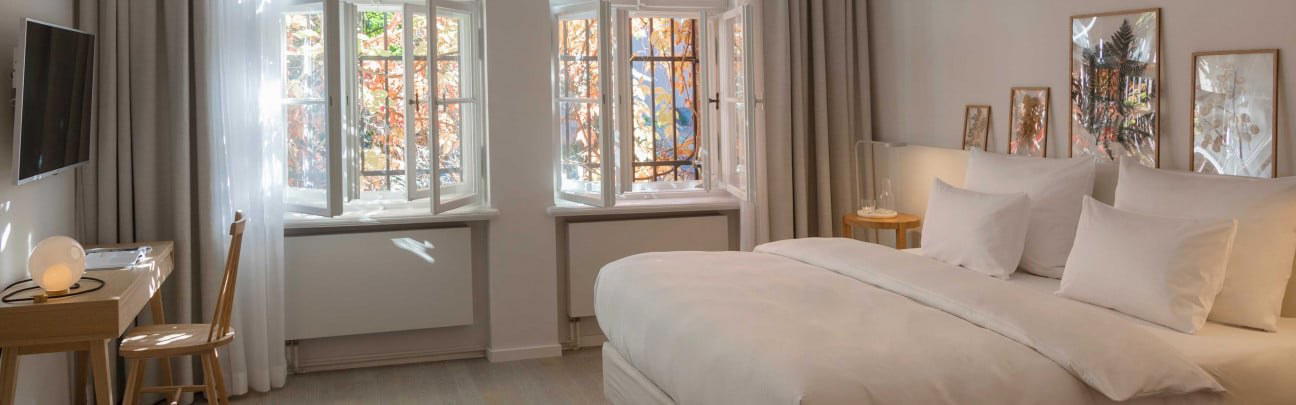
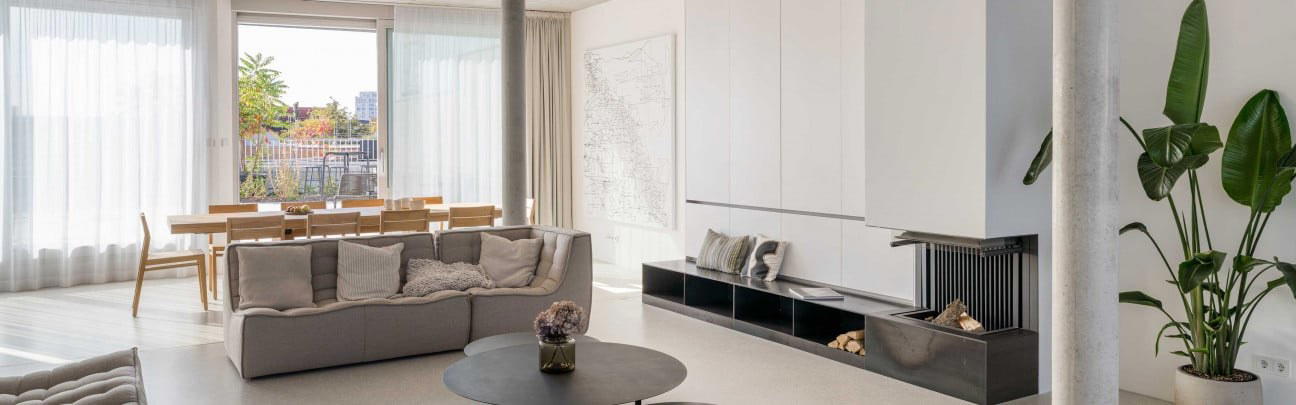
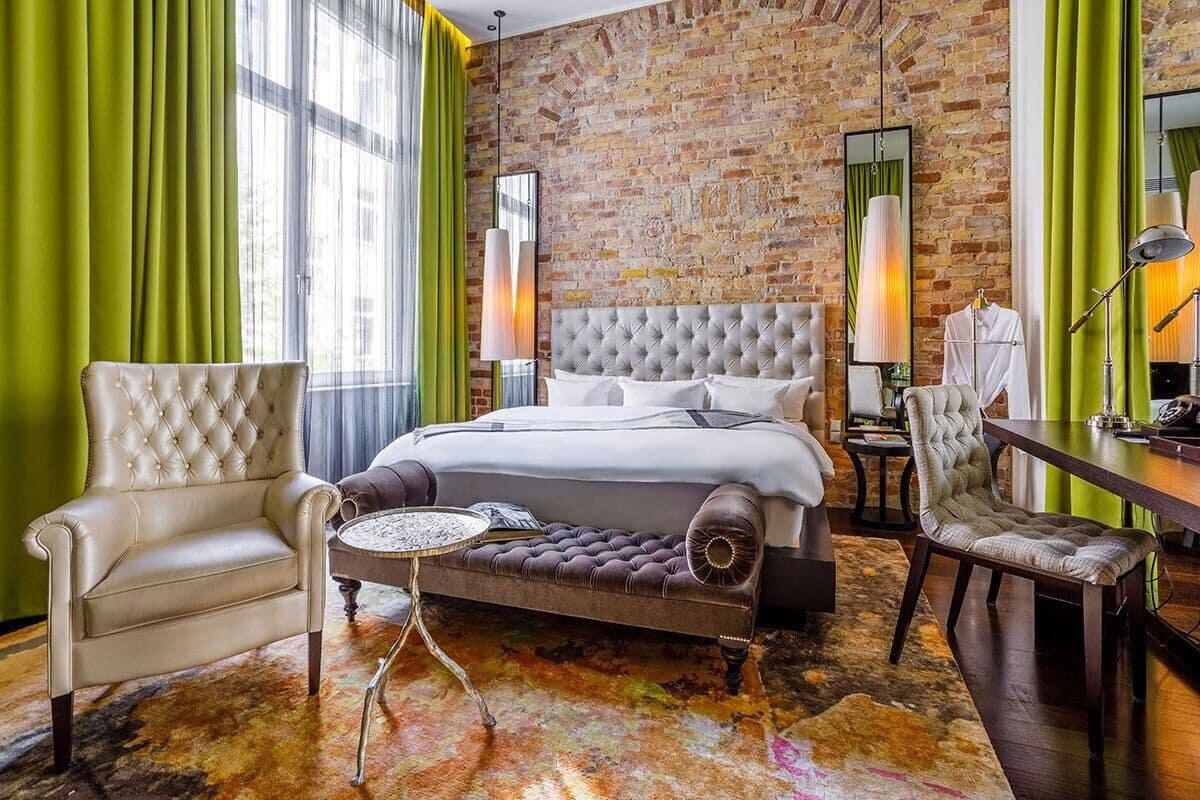
Warm and inviting atmosphere with elegant decor in a historic setting, described as pleasant, quiet, and far from tourist hustle.