A Slice of Britain occupies a spot on Dortustraße in central Potsdam, bringing a British culinary angle to a city whose restaurant scene runs from Prussian-era tradition to sharp modern European cooking. In a dining neighbourhood where French and high-end German kitchens dominate, a British-focused address represents a distinct departure worth investigating for travellers curious about how British food translates to a German context.
Pearl is the En Primeur Club membership app — saves, bookings, and concierge access live there. Same editors, same standards.
- Address
- Dortustraße 53, 14467 Potsdam, Germany
- Phone
- +493315058792
- Website
- asliceofbritain.de
 Saves & bookings on Pearl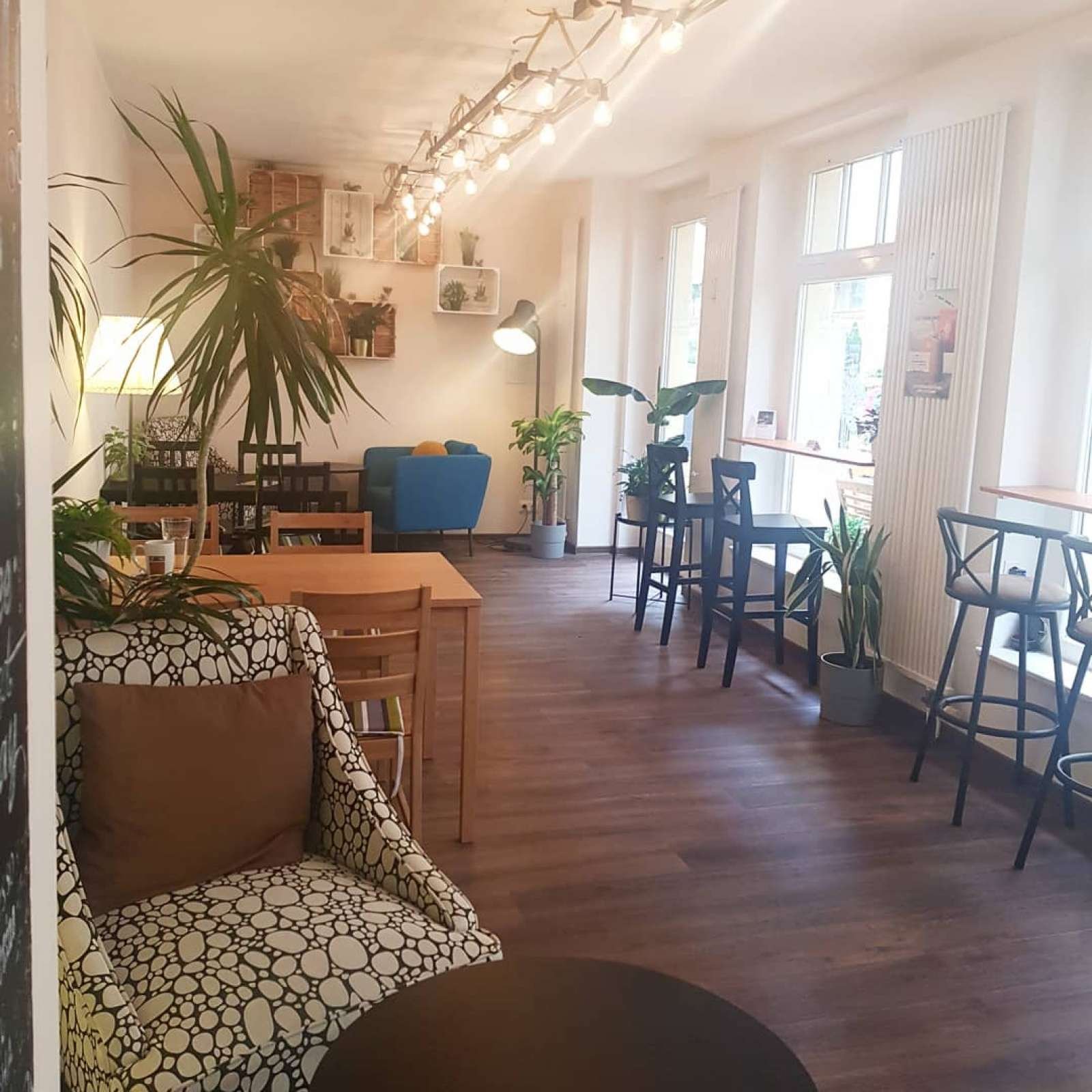
British Food in a Prussian City
Potsdam's restaurant scene carries the weight of its history in predictable ways: French-inflected cooking at addresses like Juliette, serious modern European technique at kochZIMMER in der Gaststätte zur Ratswaage, and a general preference for Continental frames of reference. Against that backdrop, a British-themed dining room on Dortustraße 53 reads less like a novelty and more like a specific editorial position: here is a kitchen that has decided the ingredients, preparations, and comfort registers of Britain are worth defending in a city that has rarely had cause to think about them.
That position matters because British food has spent the better part of two decades in active rehabilitation. The post-gastropub era produced a generation of British cooks who leaned hard into provenance, into farmhouse cheesemaking, into heritage-breed meat and coastal shellfish, into the argument that the islands produce raw material of serious quality and that the cooking tradition built around it deserves reassessment. A Slice of Britain, sitting in central Potsdam, is a local outpost of that broader reconsideration.
What the Address Tells You
Dortustraße runs through the old town quarter, a short walk from the central station and the commercial centre of Potsdam. The street sits within easy reach of the Brandenburg Gate and the Dutch Quarter, a neighbourhood built in the early eighteenth century for craftsmen brought from the Netherlands, which gives the surrounding area an already pluralist character when it comes to cultural reference points. A British dining room here is less anomalous than it might appear on a map.
The physical approach along Dortustraße is quiet by city-centre standards, the kind of street where a small dining room can operate without competing with high-traffic foot patterns. That tends to suit the format that British-themed addresses in continental Europe typically adopt: something closer to a café-restaurant hybrid, a place structured around a slower pace and a menu that tracks the day from morning through afternoon rather than committing solely to evening service. The address and format signal a café-restaurant rhythm shaped by breakfast and lunch service.
The Sourcing Argument at the Centre of British Cooking
The editorial angle that makes British food interesting in 2024 is almost entirely about ingredients. The case for British cuisine, as it has been made by its most persuasive advocates, rests on a specific claim: that Britain's maritime climate, its upland grazing pastures, its coastal waters, and its centuries of regional cheesemaking produce a category of raw material that is genuinely difficult to source anywhere else. Salt marsh lamb from the Welsh or Kentish coast carries a mineral salinity from tidal grazing that changes the flavour profile of the meat. Aged British territorial cheeses, from Stilton to Montgomery Cheddar to Kirkham's Lancashire, represent a tradition of farmhouse production that sat dormant through much of the twentieth century and has returned with serious intent. Smoked fish from Scottish producers and oysters from beds in Cornwall, Loch Fyne, or the Irish Sea round out a sourcing picture that is coherent and defensible.
Question for any British-themed kitchen operating outside Britain is how much of that sourcing chain it can maintain. At the high end of the category, in restaurants like Le Bernardin in New York City or Atomix in New York City, the answer is: import the key components or find local analogues that can carry the same argument. For a mid-range address in Potsdam, the calculation is different. Germany's own larder is not without resources: Brandenburg itself produces game, lake fish, and root vegetables; the north German plains offer rye, beet, and heritage pork breeds. A kitchen that thinks carefully about sourcing can either import British specifics or find German equivalents that honour the same logic, and the most interesting version of this format does both.
For context on what sourcing-led modern German cooking can look like at the far end of the price spectrum, the country has a serious bench: Aqua in Wolfsburg, Schwarzwaldstube in Baiersbronn, Vendôme in Bergisch Gladbach, Victor's Fine Dining by Christian Bau in Perl, and Waldhotel Sonnora in Dreis all demonstrate that German fine dining has absorbed provenance thinking at its core. The casual and themed end of the market, where A Slice of Britain operates, is less formally documented but follows the same cultural current.
Potsdam as a Dining Destination
Potsdam sits close enough to Berlin that it draws day visitors and weekenders from the capital, which shapes what its restaurants can sustain. The city has a population base and a tourist profile that supports a range of formats, from the serious cooking at Kochzimmer to more casual neighbourhood addresses. Kengs Landhaus and GARAGE du PONT represent the breadth of the scene, which accommodates international flavours alongside German and French traditions.
In that context, a British address fills a gap that no other Potsdam venue appears to occupy. British food in Germany occupies a niche that has historically been filled by pub-format imports, ranging from adequate to poor, with a few exceptions that take the cooking seriously. The current generation of British-food advocates, informed by the St. John tradition, by the River Café's vegetable-first approach, and by the broader farm-to-table movement, has produced a different kind of British restaurant abroad, one that does not default to fish and chips as the headline act but instead treats the full range of British culinary tradition as viable material.
For a deeper look at what is happening across the city's restaurant scene, the full Potsdam restaurants guide covers the range from accessible casual dining to the most formally ambitious addresses. For those travelling from Berlin or wider afield to eat seriously in Germany, the country's high-end tier, from JAN in Munich to CODA Dessert Dining in Berlin, Restaurant Haerlin in Hamburg, Schanz in Piesport, and ES:SENZ in Grassau, sets the wider frame.
Planning a Visit
A Slice of Britain is at Dortustraße 53, 14467 Potsdam. Current booking details, hours, and pricing are best confirmed directly with the venue before travelling, as operational details for this format can shift by season. The address is accessible from Potsdam central station on foot or by a short tram or bus connection through the old town. For a city the size of Potsdam, a British-themed address in this part of the centre is a specific draw for visitors curious about how the format translates, and for local residents looking for something outside the Franco-German axis that dominates the nearby dining options.
Quick Comparison
Comparable venues nearby, for context on price, style, and recognition.
| Venue | Cuisine | Price | Awards | Notes |
|---|---|---|---|---|
| A Slice of BritainThis venue — the venue you are viewing | Traditional British Breakfast Café | $$ | , | |
| Trattoria Toscana Potsdam | Authentic Italian Trattoria | $$ | , | Potsdam-West |
| Zanotto Potsdam | Authentic Northern Italian Trattoria | $$$ | , | Potsdam |
| Restaurant 22 Stufen | Modern German-European with Lake View | $$$ | , | Griebnitzsee |
| Ristorante & Trattoria "Al Dente" | Italian Trattoria | $$ | , | Babelsberg |
| Trattoria Zille in Potsdam-Babelsberg | Authentic Italian Trattoria | $$$ | , | Babelsberg |


At a Glance
- Cozy
- Hidden Gem
- Classic
- Brunch
- Family
- Casual Hangout
- Solo
- Courtyard
- Standalone
- Beer Program
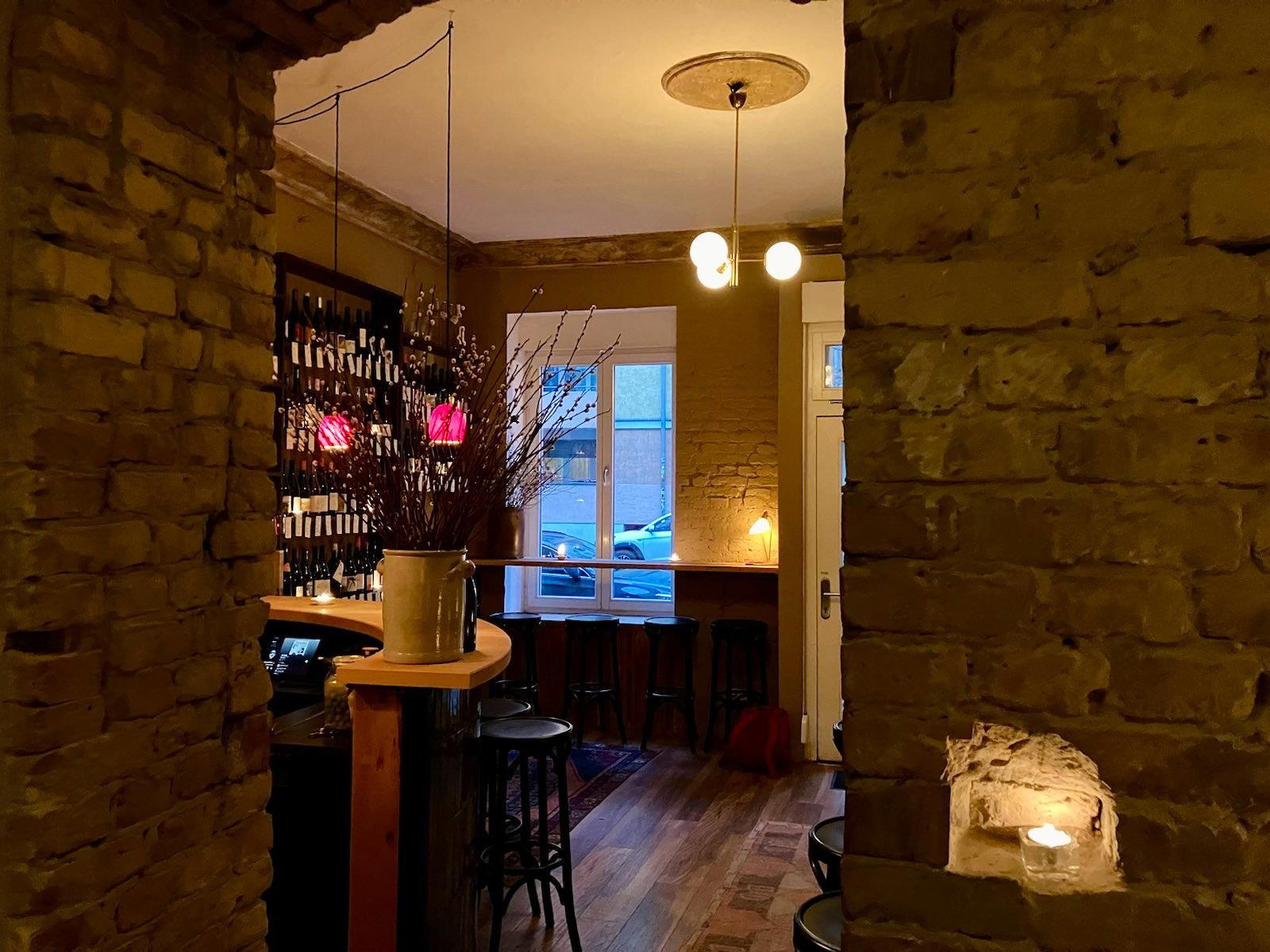
Cozy and welcoming atmosphere in a small, intimate courtyard setting with a family-run feel and nostalgic British charm.